
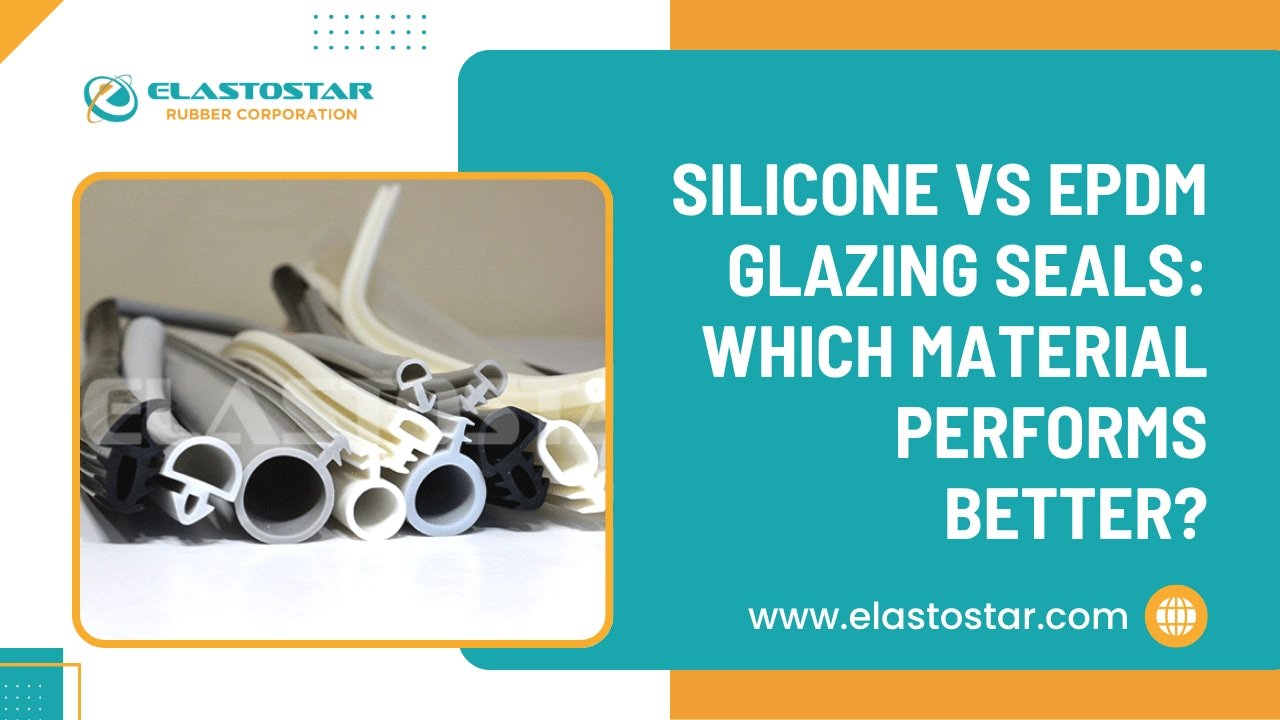
Silicone vs EPDM Glazing Seals: Which Material Performs Better?
Choosing between silicone glazing seals and EPDM glazing seals can affect the long-term performance of windows, doors, curtain walls, and
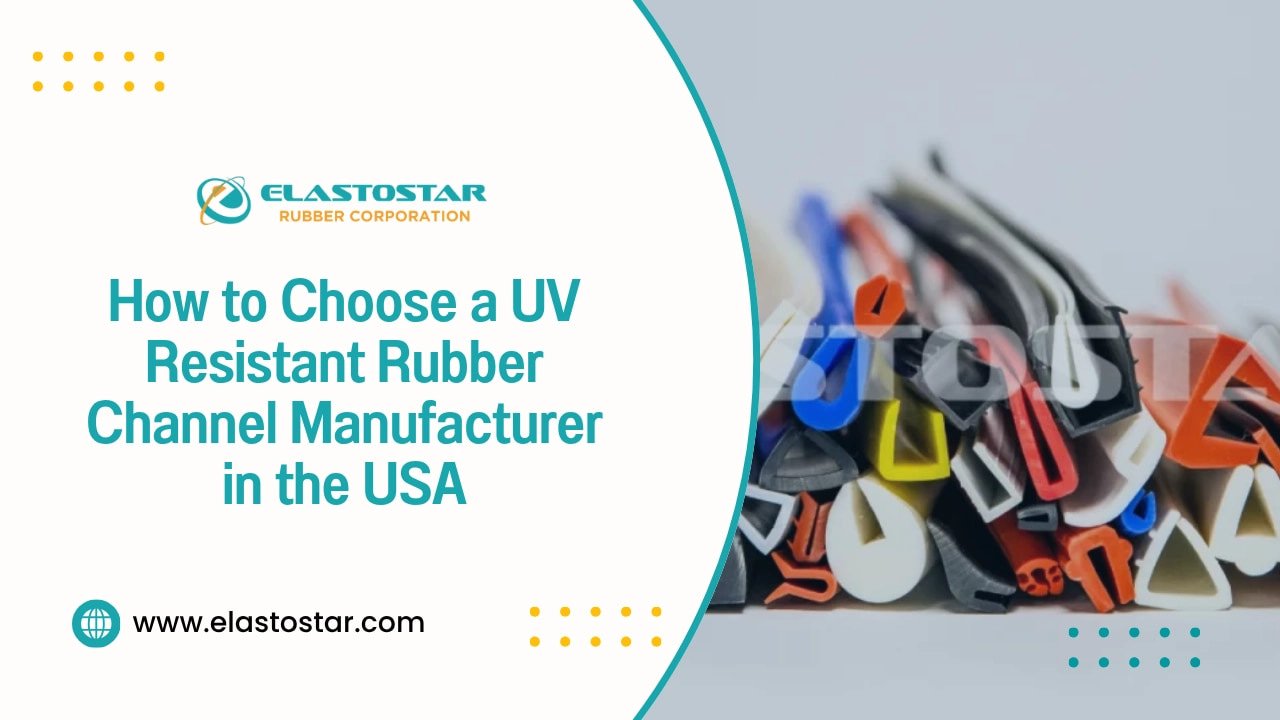
How to Choose a UV-Resistant Rubber Channel Manufacturer in the USA
Choosing the right UV resistant rubber channel manufacturer in the USA takes more than finding a supplier that can match
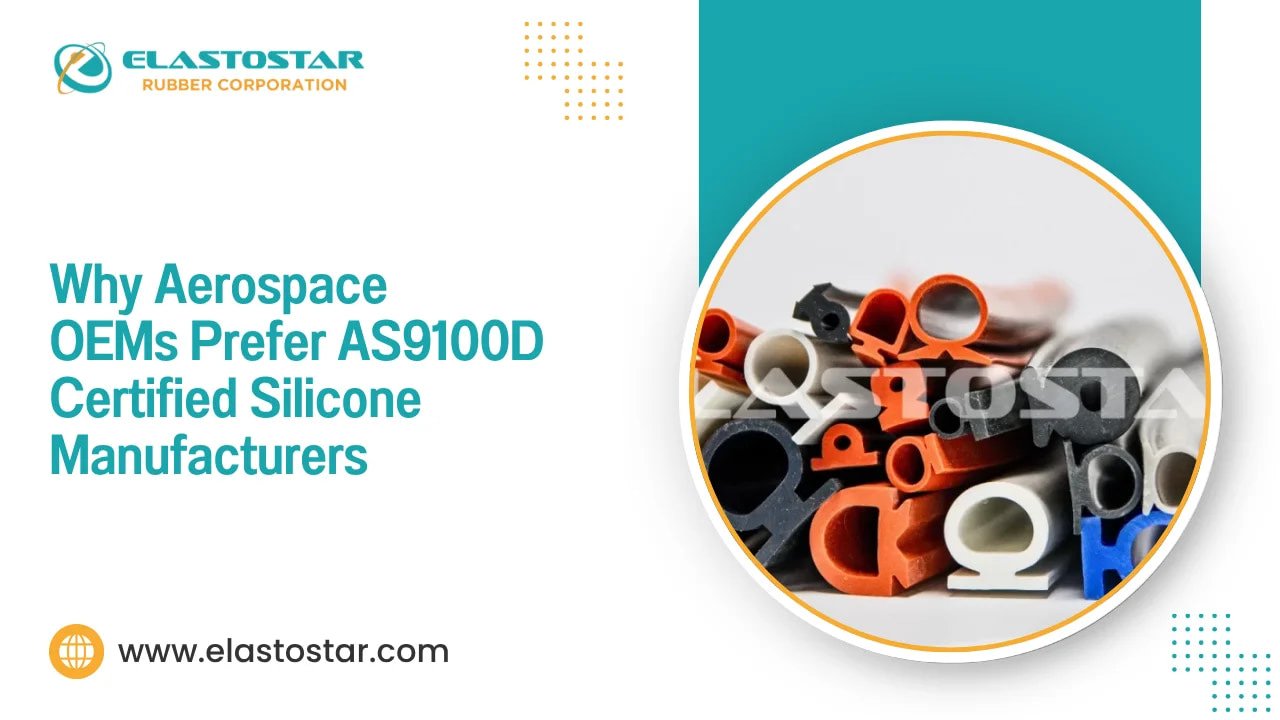
Why Aerospace OEMs Prefer AS9100D-Certified Silicone Manufacturers
Aerospace OEMs need suppliers that consistently meet strict requirements for quality, traceability, documentation, and process control. For silicone seals, O-rings,
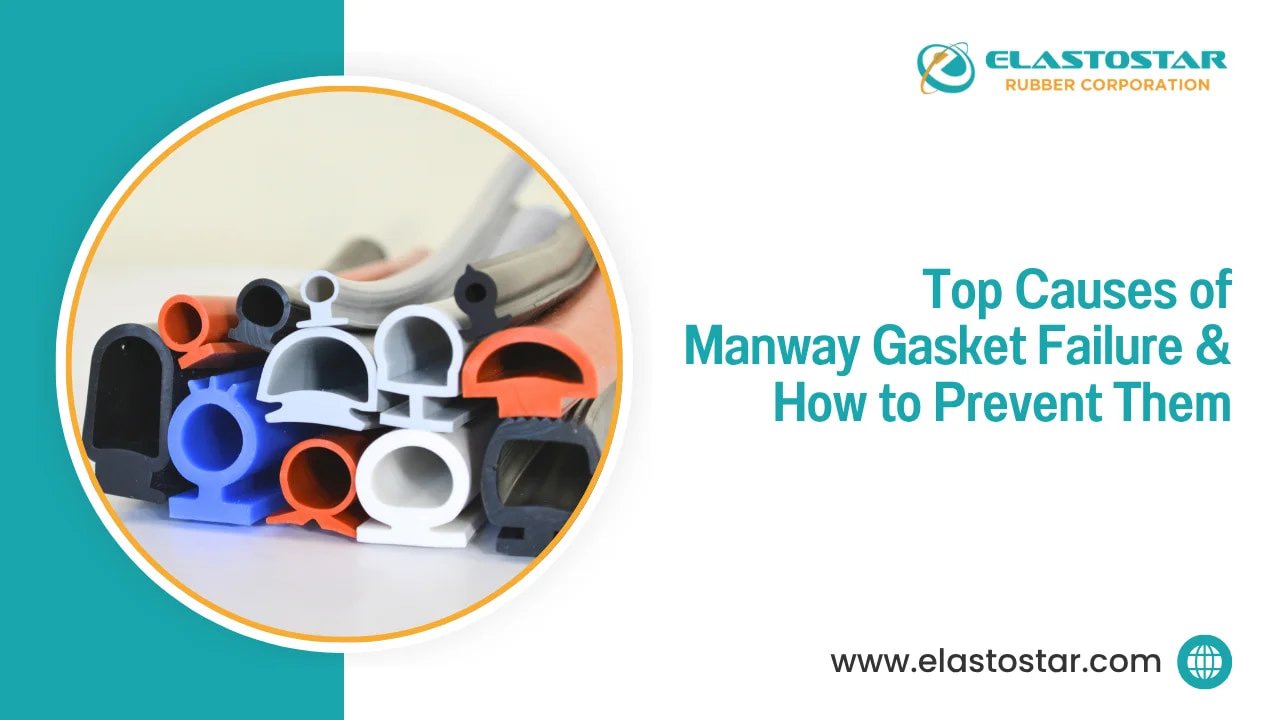
Top Causes of Manway Gasket Failure & How to Prevent Them
A manway gasket creates a secure seal between a manway cover and the surrounding tank or equipment surface. When that
When Should You Use a Static Seal Instead of a Dynamic Seal?
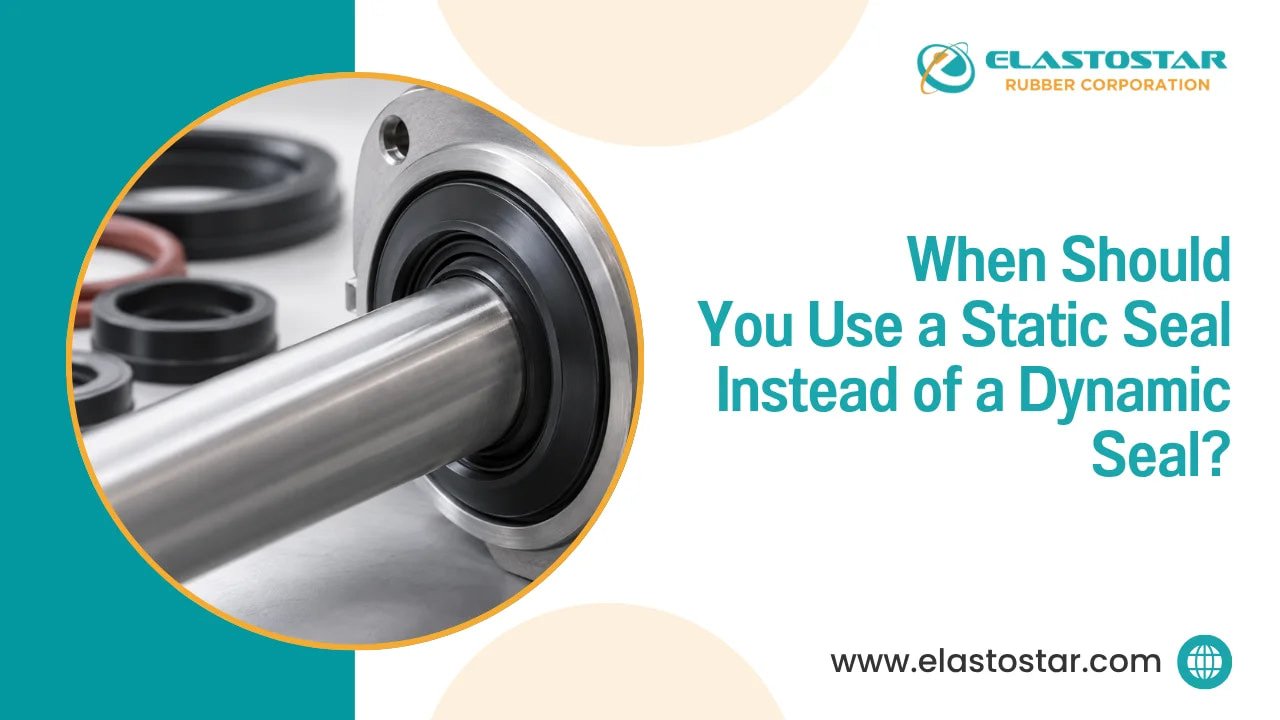
Choosing the right seal starts with a simple question: Do the sealing surfaces remain stationary or move during operation? When
What Does AS9100D Certification Mean for Silicone Rubber Buyers?
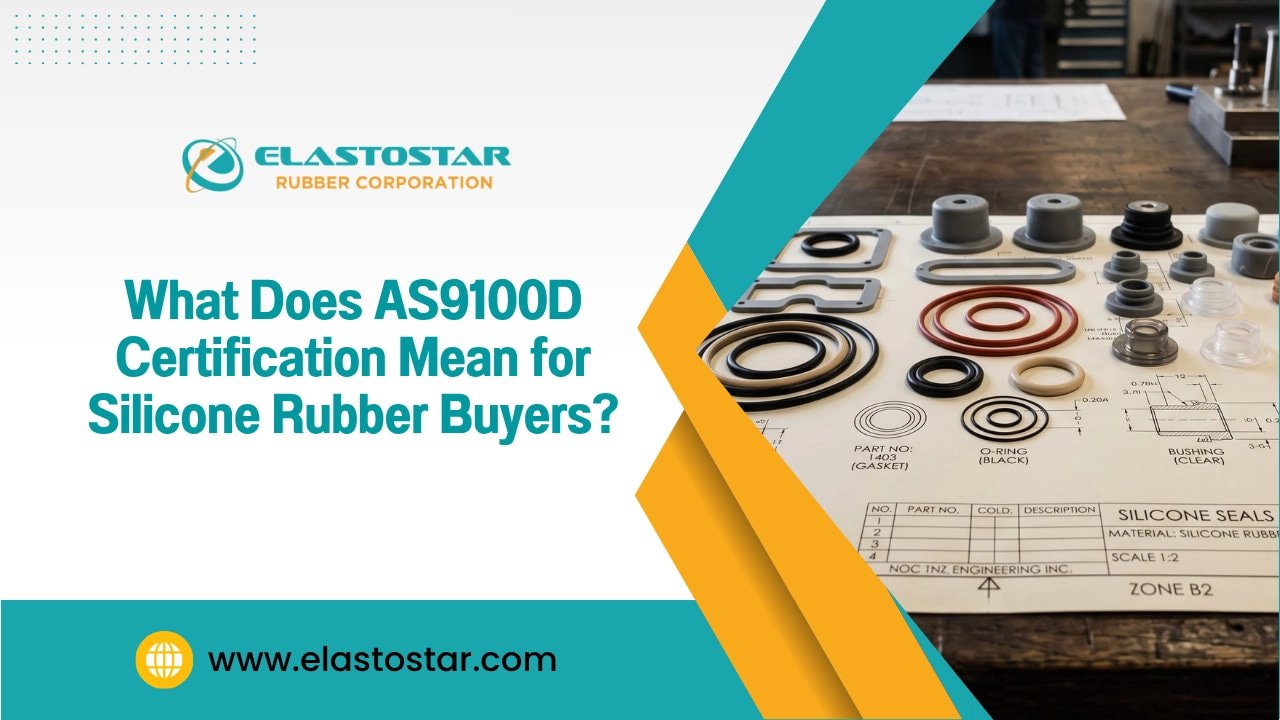
When sourcing silicone rubber components for aerospace applications, material performance is only part of the decision. Buyers also need confidence
Applications of AMS3195 Silicone Rubber in Aerospace Seals, Gaskets, and Aircraft Components
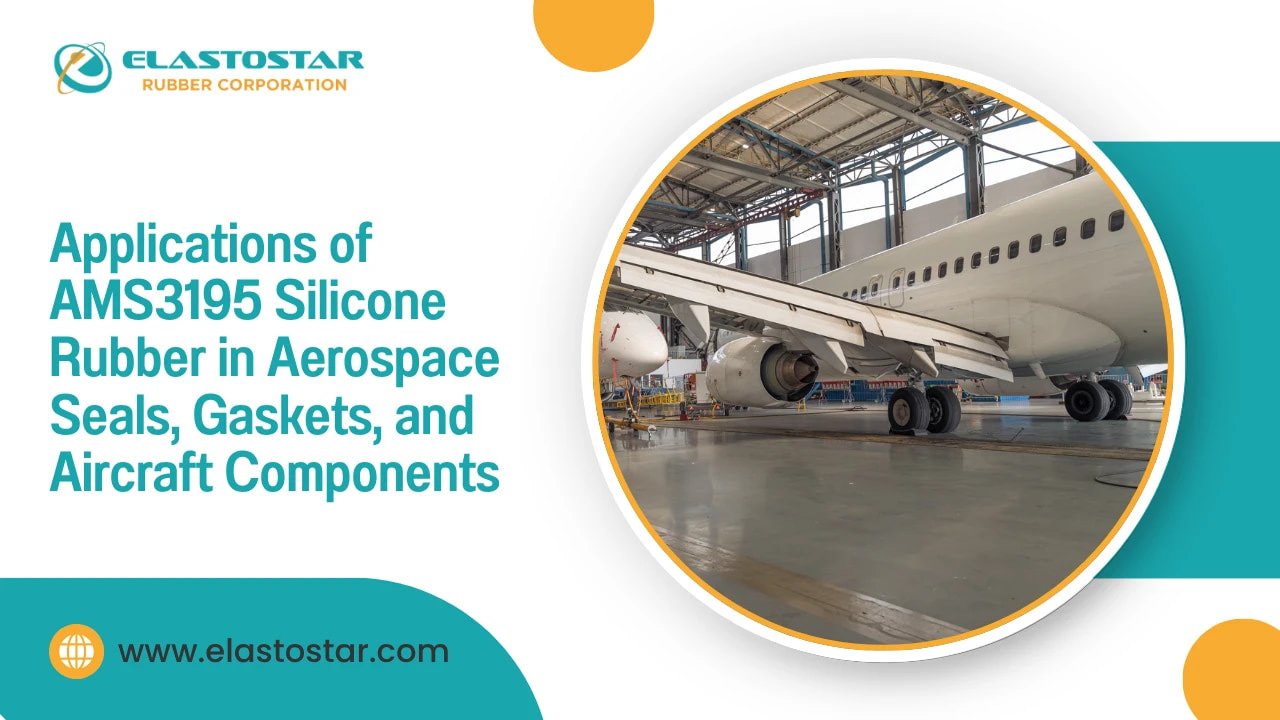
Aircraft seals and gaskets must perform reliably through temperature changes, vibration, compression, moisture, ozone, and outdoor weather exposure. These conditions
How AS9100D Certification Helps Reduce Silicone Component Failure in Aerospace Applications
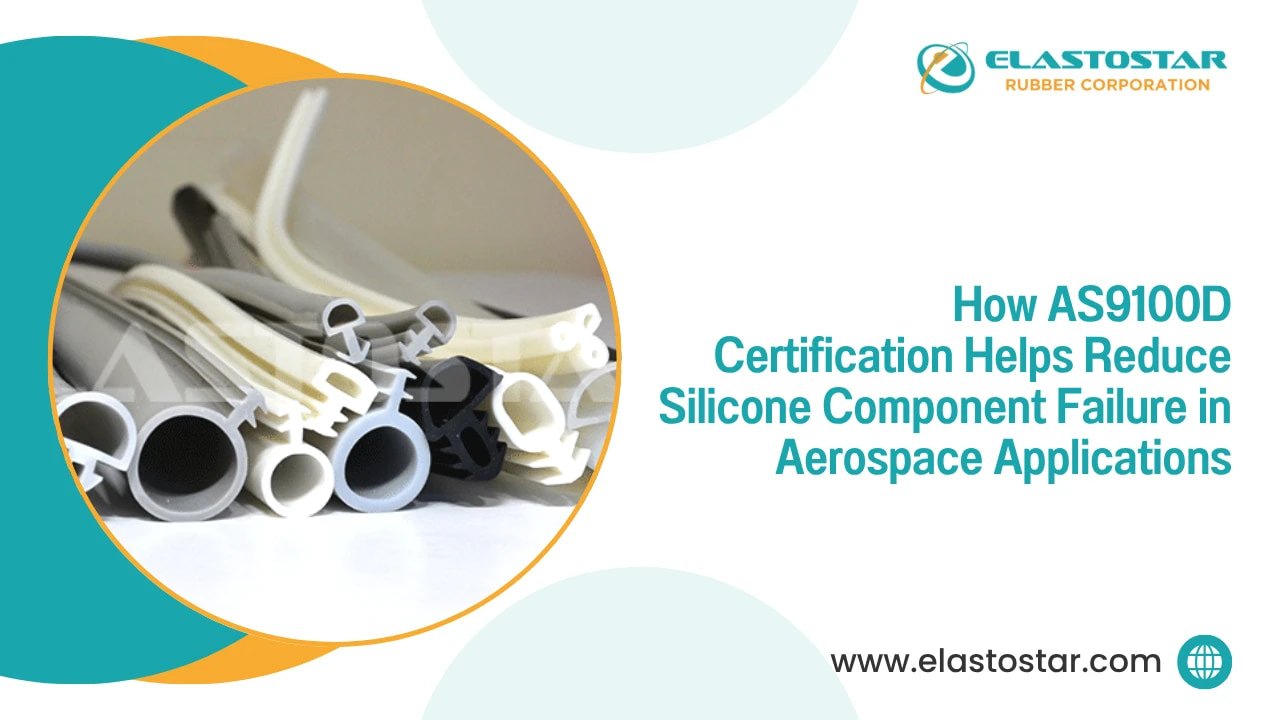
Silicone components used in aerospace applications must perform reliably under demanding operating conditions. Material variation, dimensional inconsistencies, process deviations, or
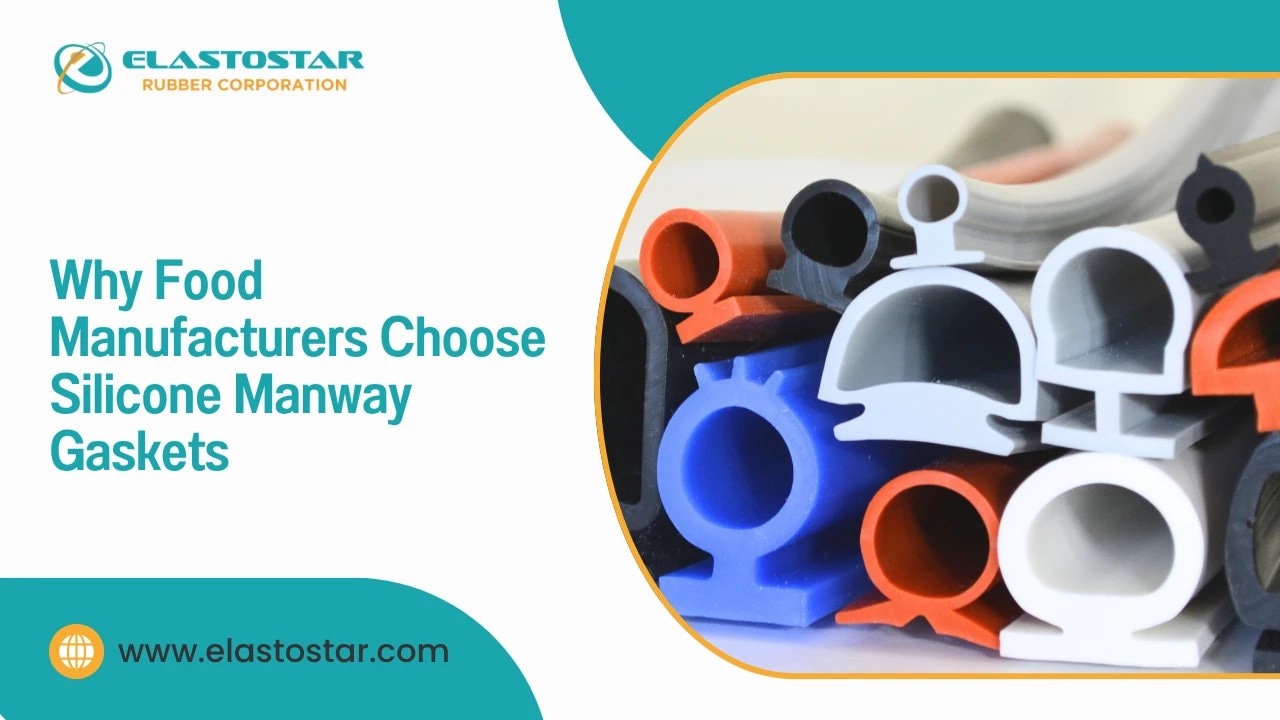
Why Food Manufacturers Choose Silicone Manway Gaskets
In food processing, a manway gasket does more than prevent leaks; it supports sanitation, product protection, and reliable equipment operation.
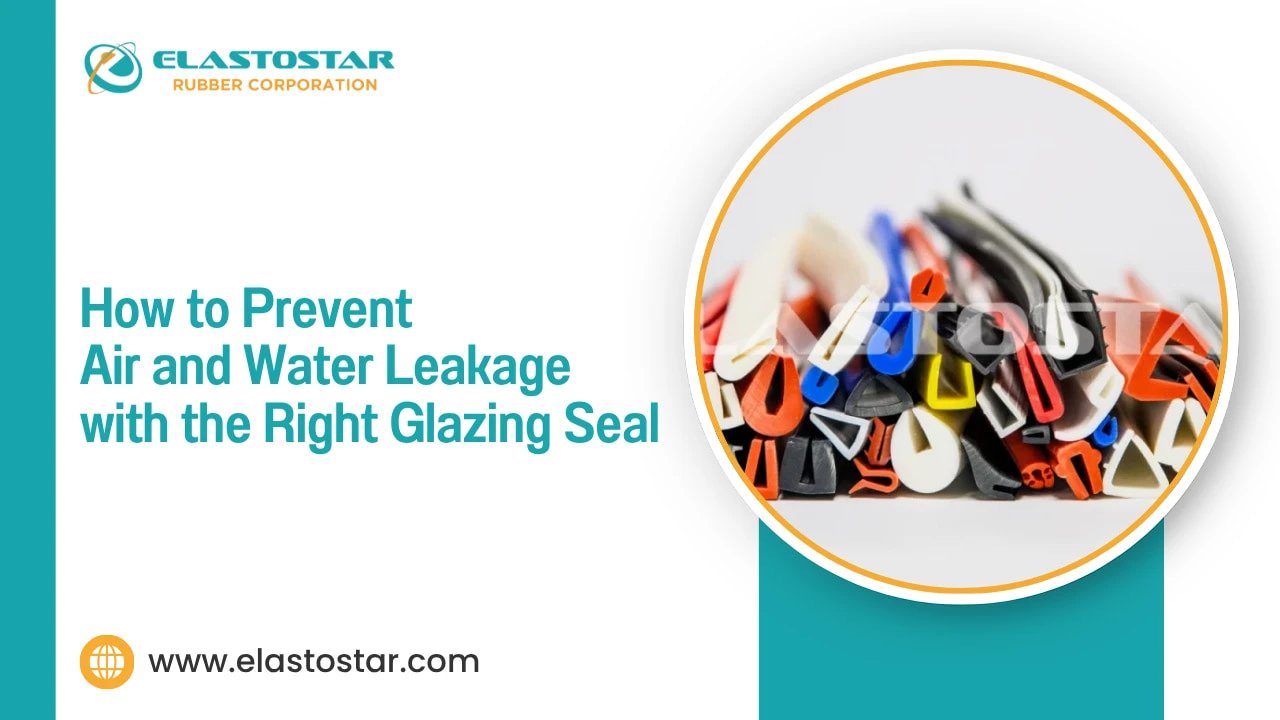
How to Prevent Air and Water Leakage with the Right Glazing Seal
Air and water leakage around windows, doors, and curtain wall systems can lead to drafts, moisture intrusion, reduced energy efficiency,
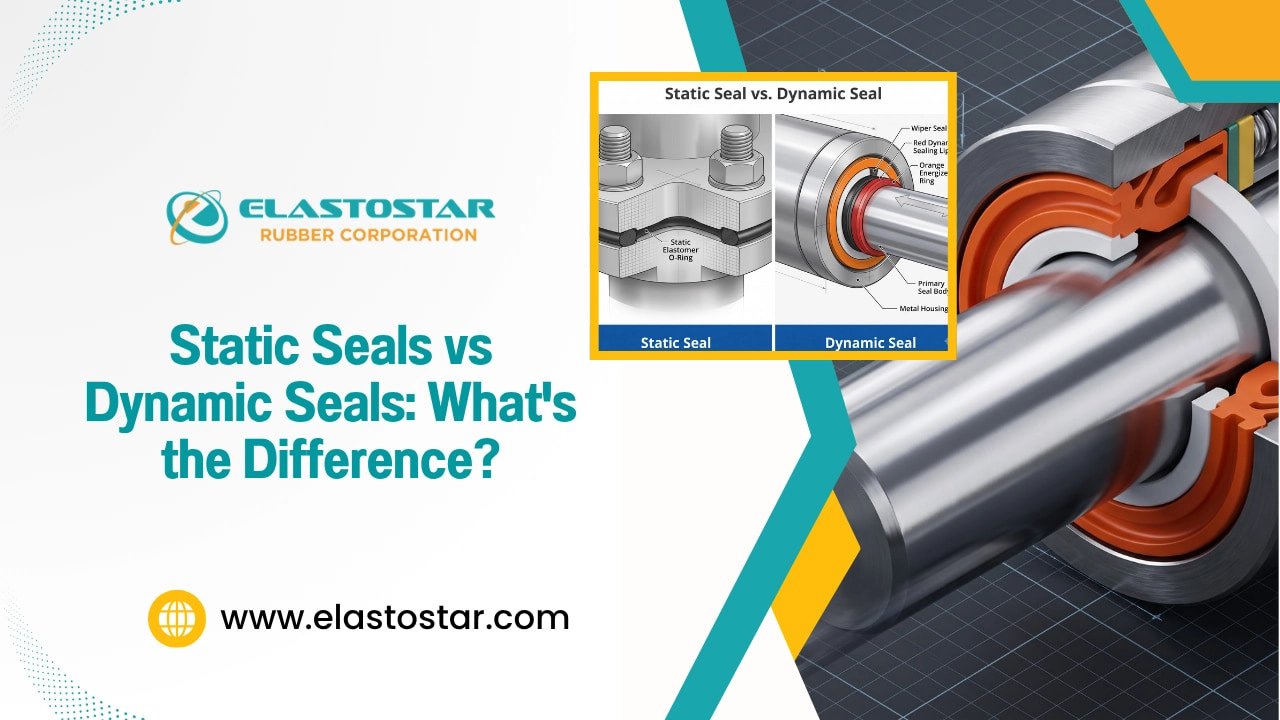
Static Seals vs Dynamic Seals: What’s the Difference?
Choosing between static and dynamic seals starts with understanding how the sealing surfaces move during operation. Static seals are used
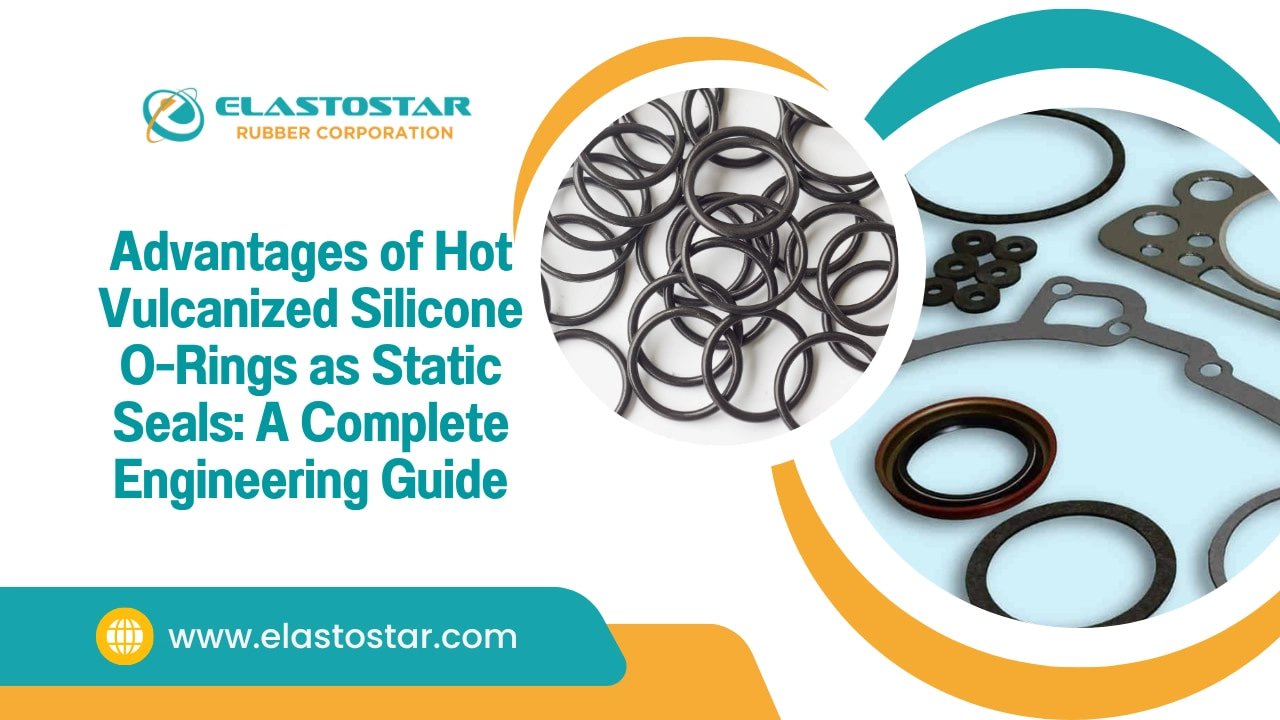
Advantages of Hot Vulcanized Silicone O-Rings as Static Seals: A Complete Engineering Guide
Hot vulcanized silicone O-rings are a practical choice for static sealing applications requiring custom dimensions, large diameters, or sizes not