
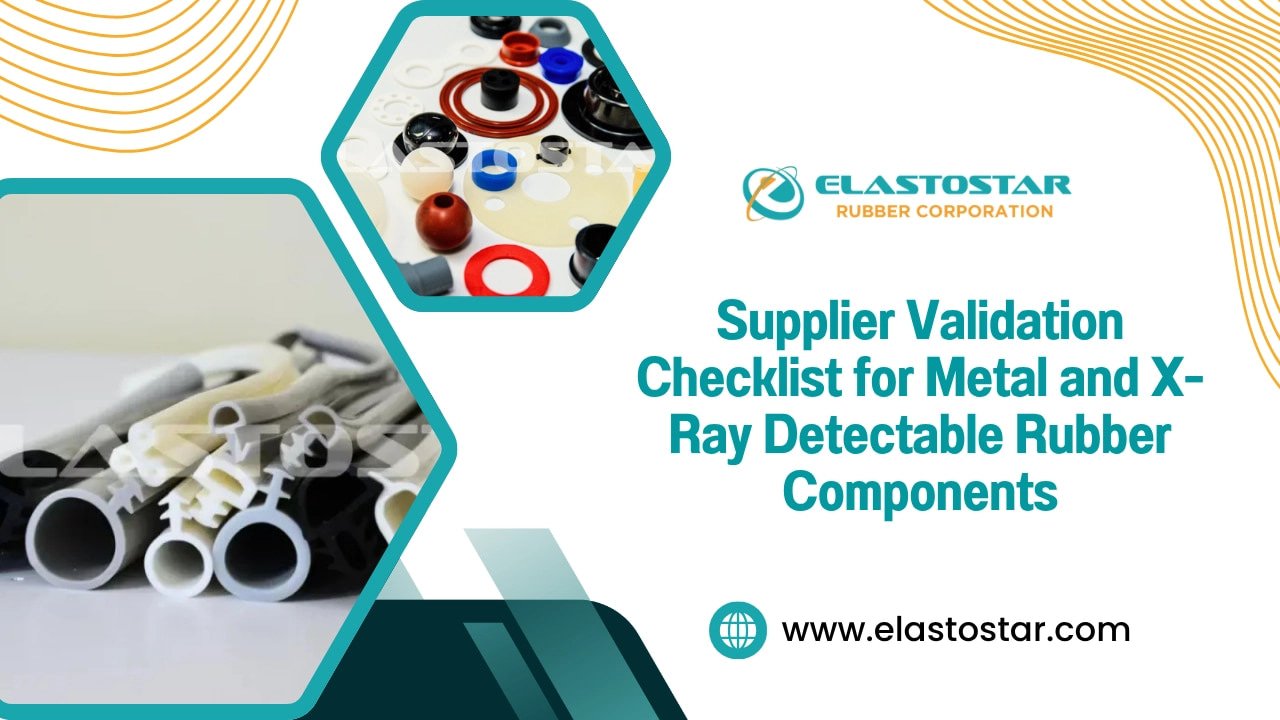
Supplier Validation Checklist for Metal and X-Ray Detectable Rubber Components
Choosing the right detectable rubber supplier requires more than checking price, availability, or a basic material claim. For food processing
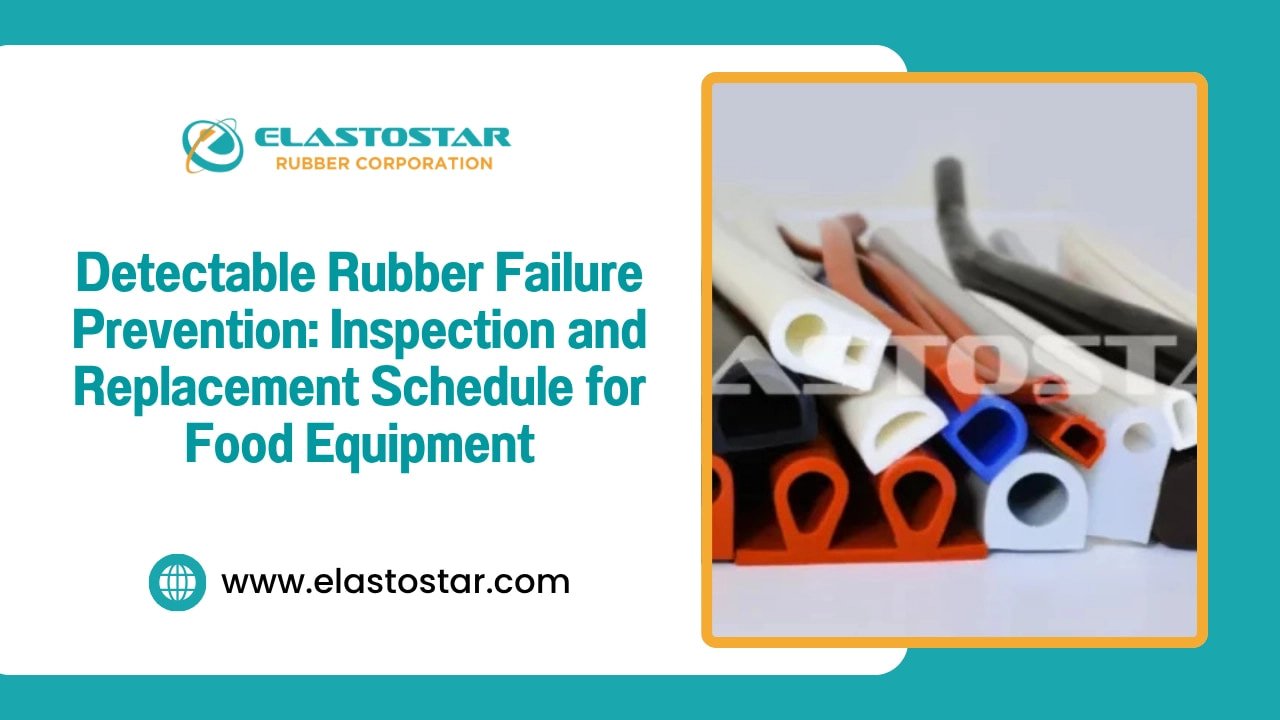
Detectable Rubber Failure Prevention: Inspection and Replacement Schedule for Food Equipment
Food-processing seals, gaskets, and O-rings work through repeated production cycles, cleaning, compression, and temperature changes. Over time, these conditions can
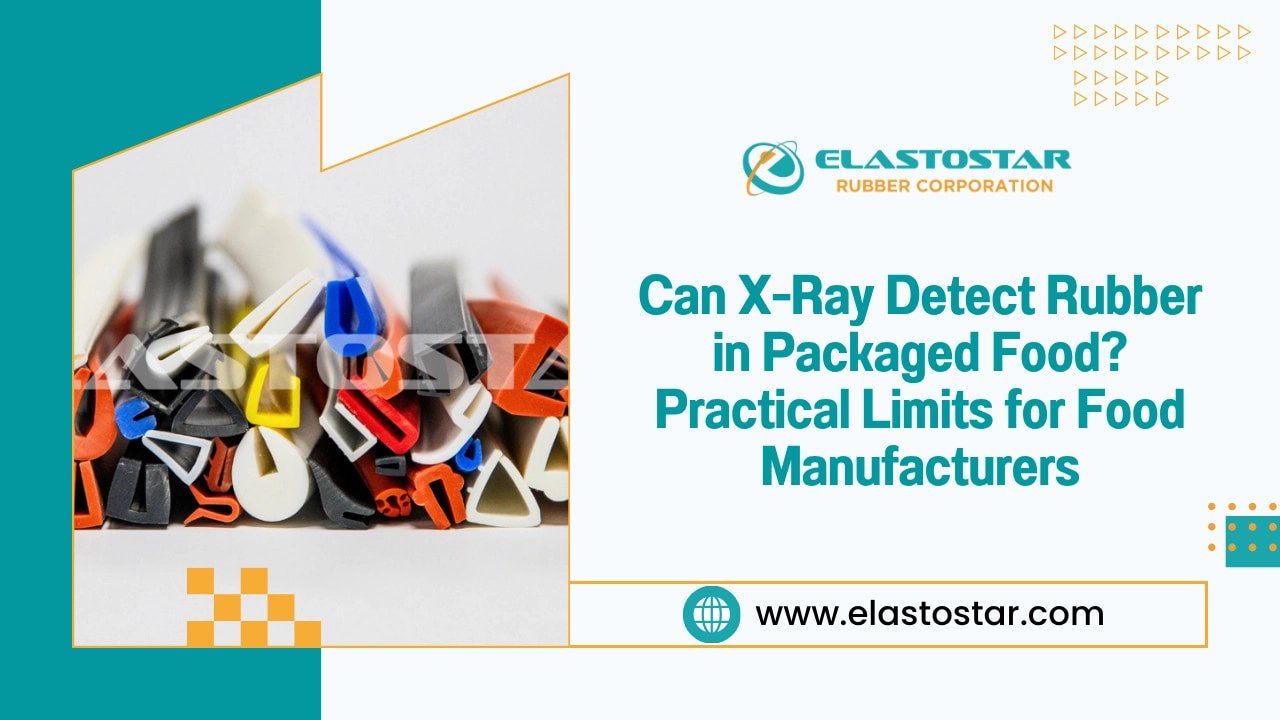
Can X-Ray Detect Rubber in Packaged Food? Practical Limits for Food Manufacturers
Foreign-material control is a major concern for food manufacturers across the USA, especially once products are sealed and ready for
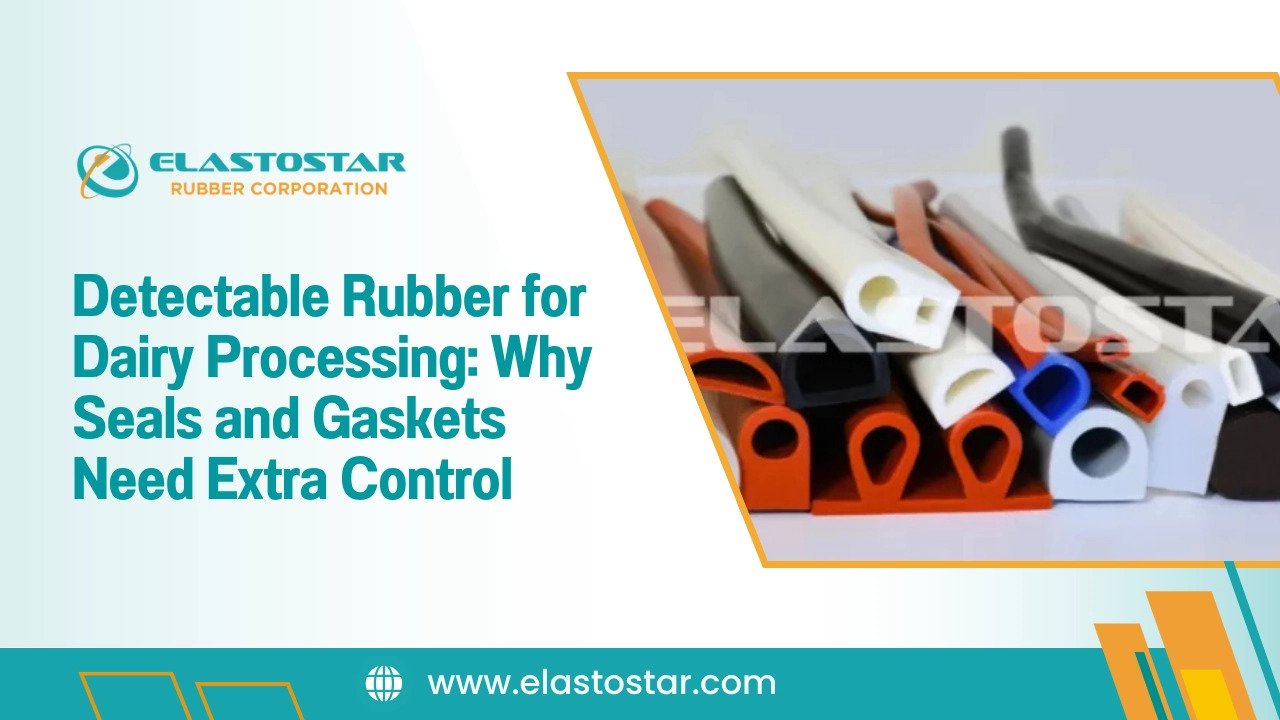
Detectable Rubber for Dairy Processing: Why Seals and Gaskets Need Extra Control
Dairy processing lines operate under strict hygiene demands, constant washdowns, temperature changes, and continuous product flow. Small components such as
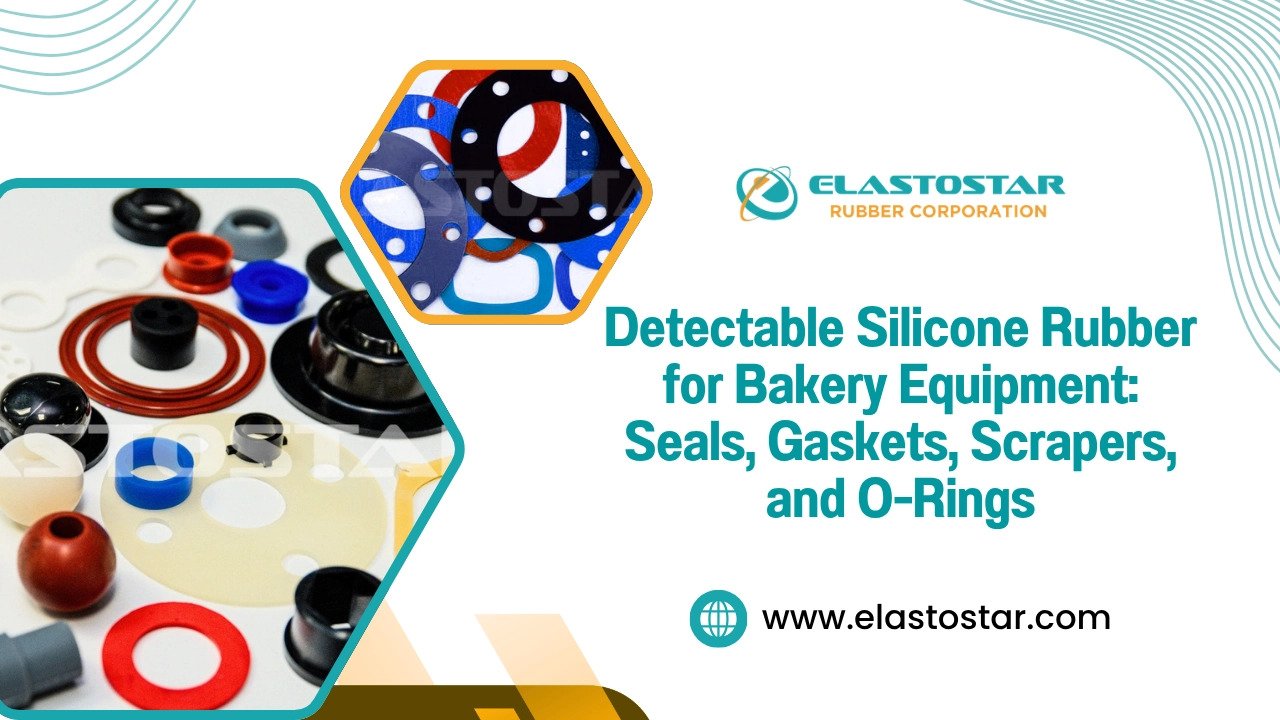
Detectable Silicone Rubber for Bakery Equipment: Seals, Gaskets, Scrapers, and O-Rings
Bakery equipment operates under demanding conditions, with continuous heat, abrasion, oils, and frequent cleaning cycles placing constant stress on seals

HACCP Checklist for Detectable Seals, Gaskets, and O-Rings in Food Plant
In food processing, small rubber parts can create serious contamination risks if they wear, crack, or break during production. Seals,

FDA 21 CFR 177.2600 Detectable Silicone Rubber: What Food Manufacturers Should Check
Food manufacturers often assume that if a rubber component is FDA compliant, it is also suitable for contamination detection. In
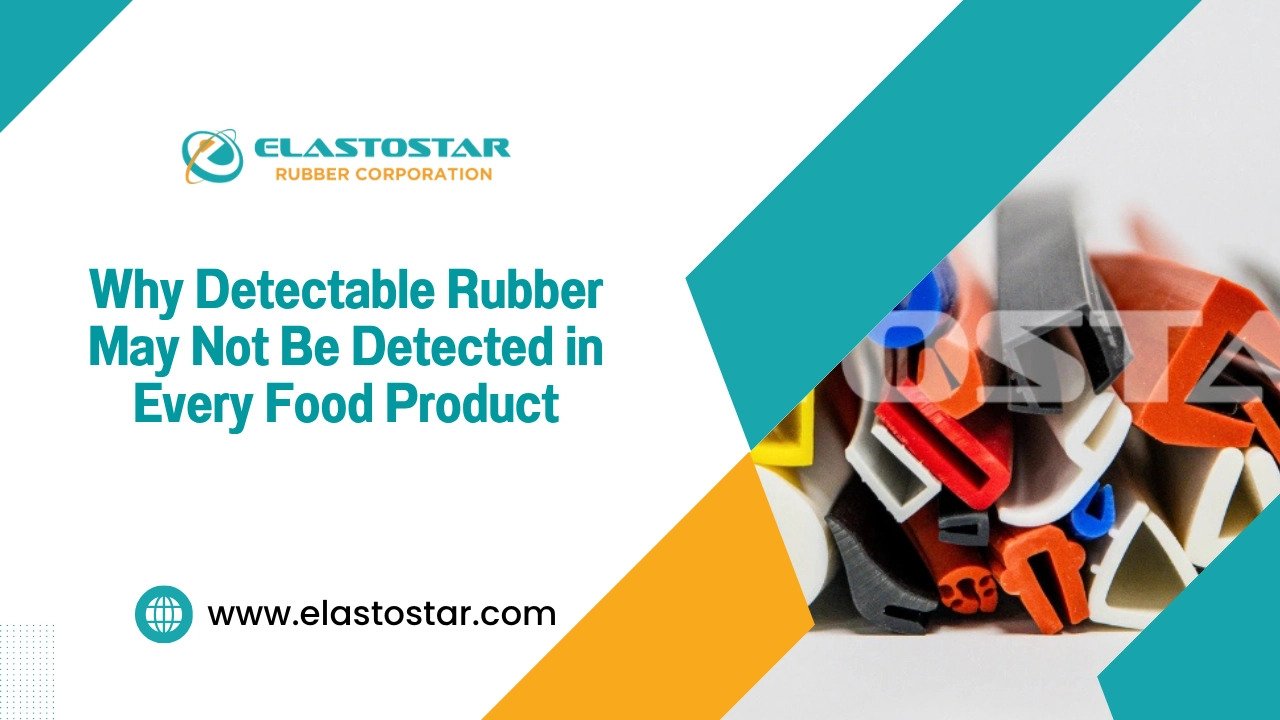
Why Detectable Rubber May Not Be Detected in Every Food Product
Many food manufacturers assume that using detectable rubber guarantees every broken piece will be found during inspection. In reality, no
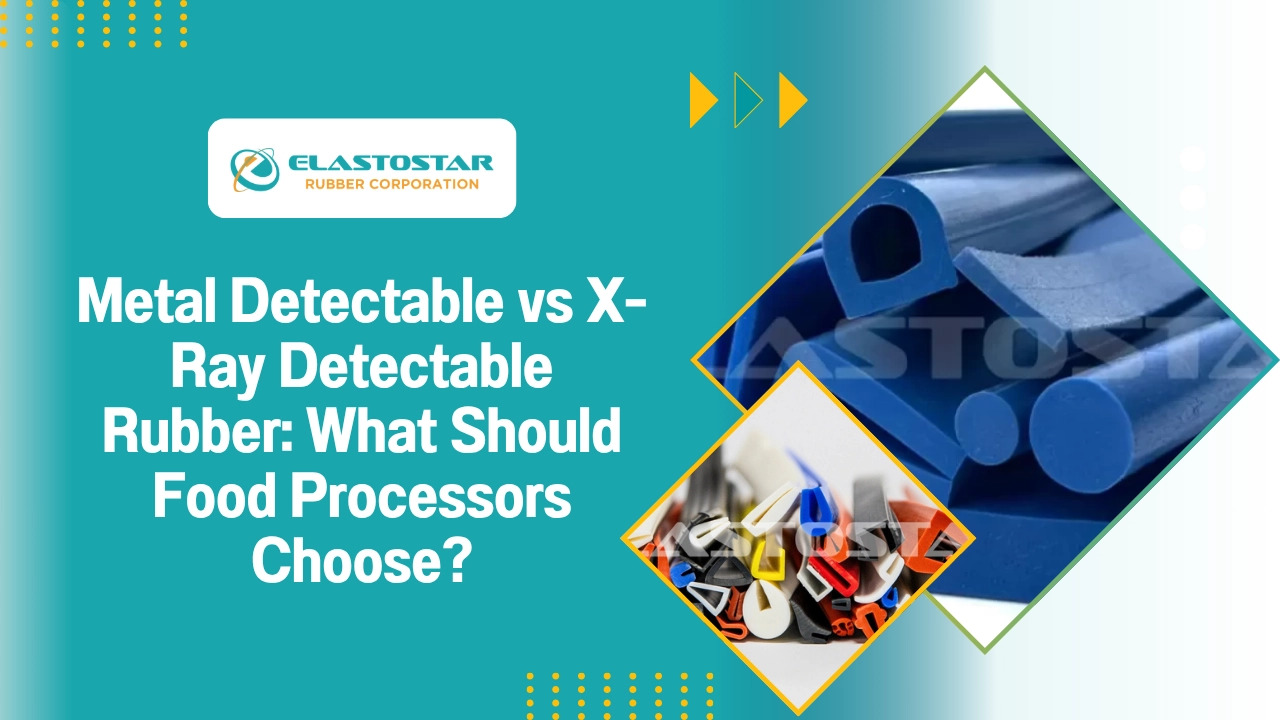
Metal Detectable vs X-Ray Detectable Rubber: What Should Food Processors Choose?
Food processors operate under strict contamination control requirements where even small rubber fragments can create serious product safety risks. This
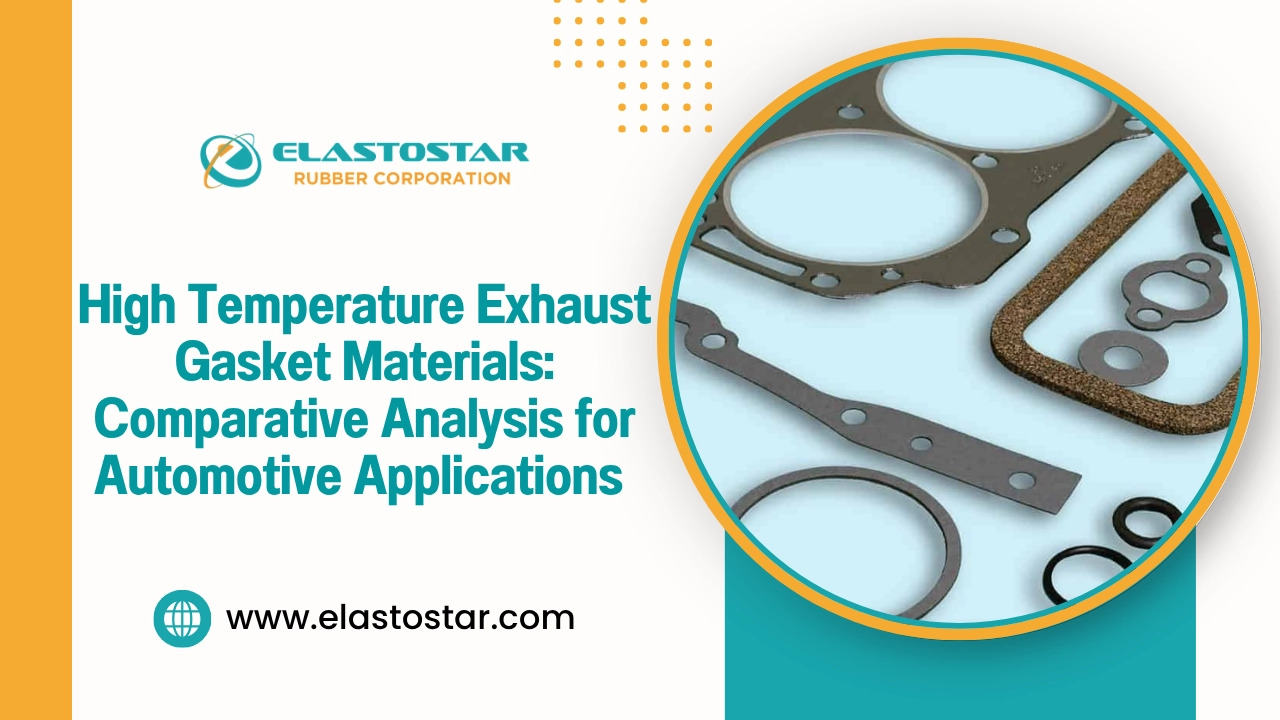
High Temperature Exhaust Gasket Materials: Comparative Analysis for Automotive Applications
A high-temperature exhaust gasket operates in one of the harshest sealing environments found in automotive and industrial equipment. Extreme heat,
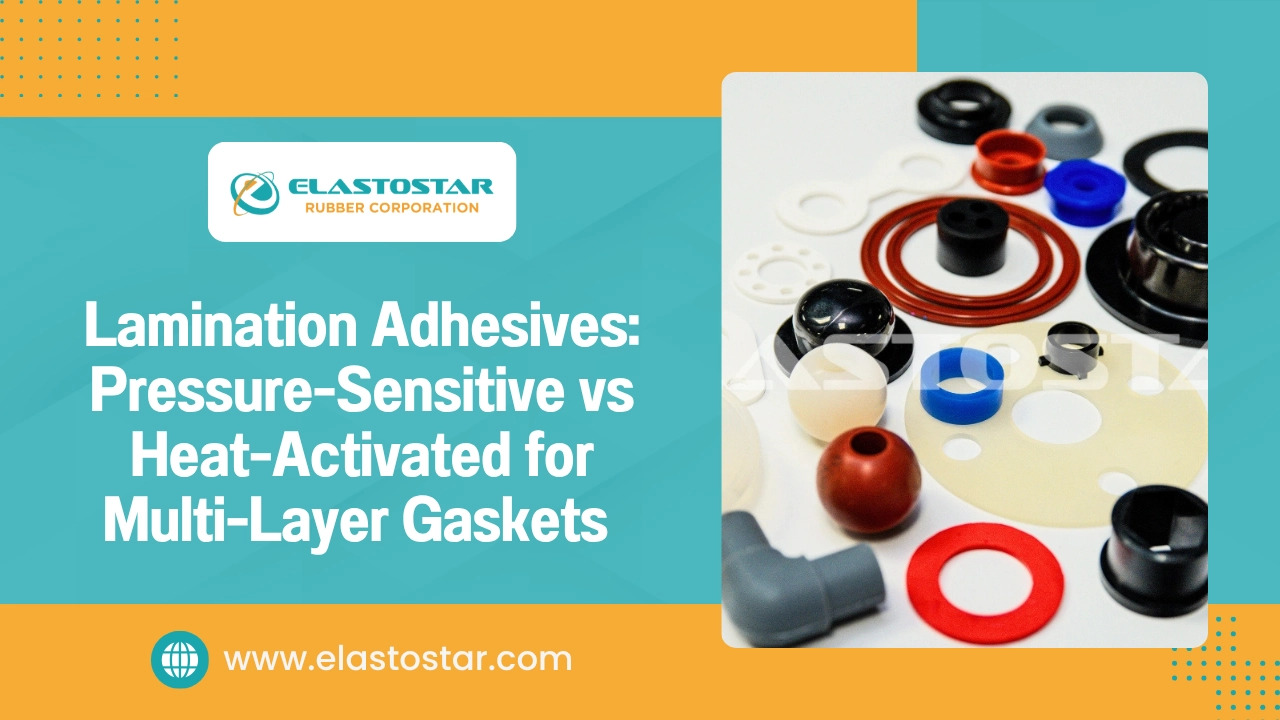
Lamination Adhesives: Pressure-Sensitive vs Heat-Activated for Multi-Layer Gaskets
Lamination adhesives play an important role in gasket manufacturing by bonding rubber, foam, silicone, and metal layers used across industrial
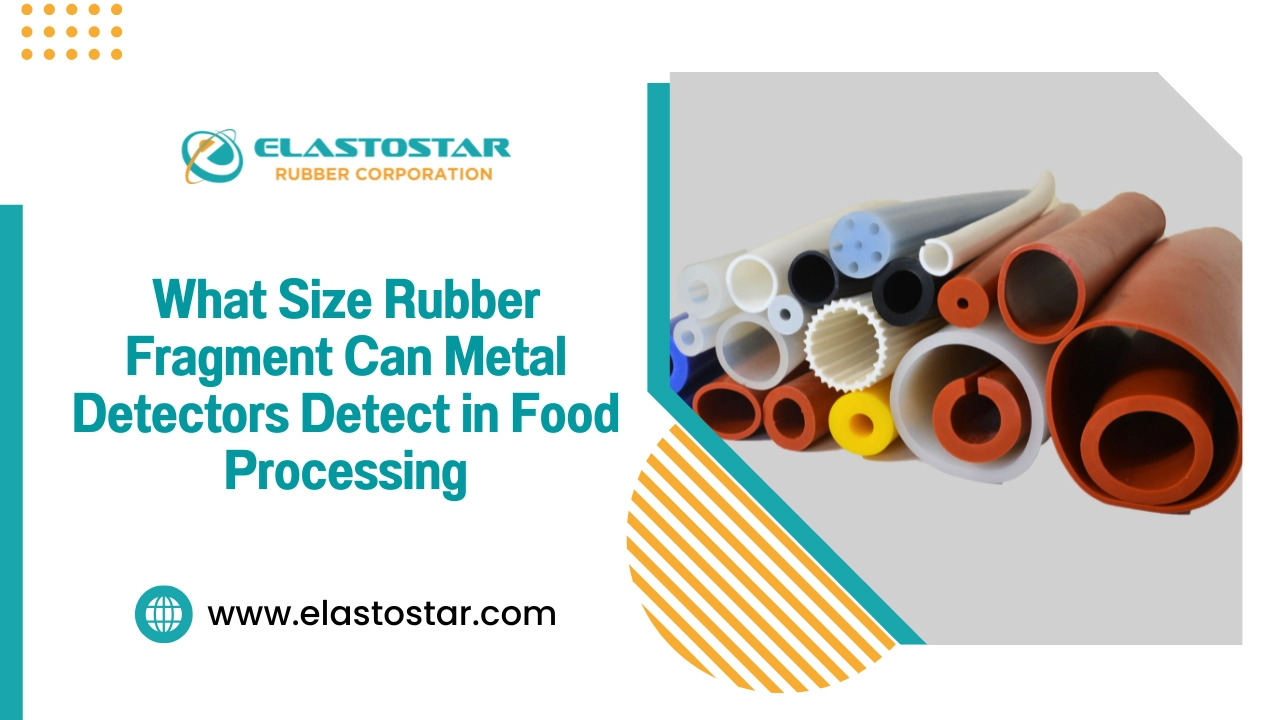
What Size Rubber Fragment Can Metal Detectors Detect in Food Processing
One of the most common questions in food processing is, what size rubber fragment can metal detectors detect during production