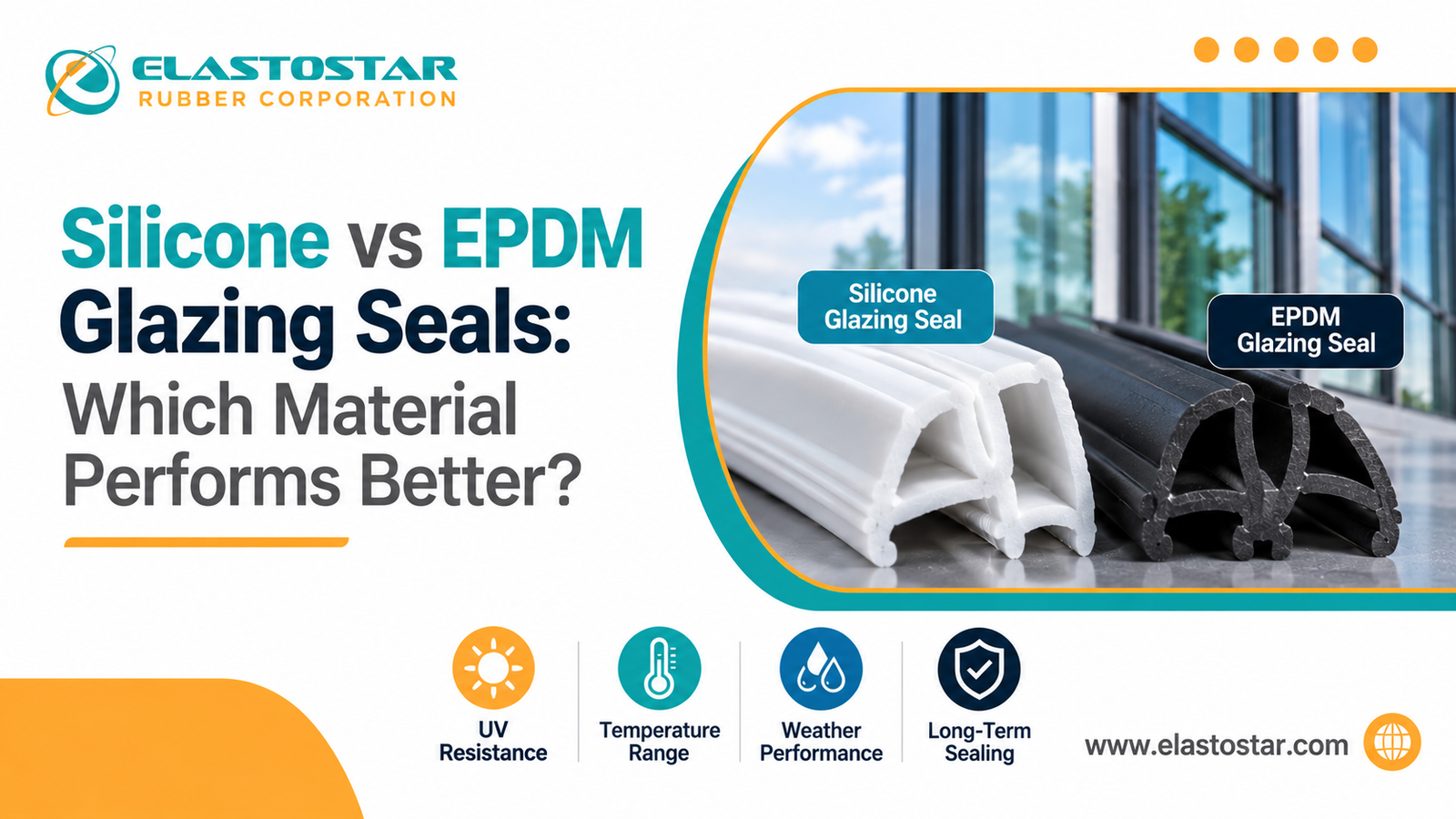
Choosing between silicone glazing seals and EPDM glazing seals can affect the long-term performance of windows, doors, curtain walls, and other glazing systems.
Both materials resist outdoor conditions well, but they differ in temperature range, flexibility, compression behavior, and suitability for specific operating environments.
When comparing silicone vs EPDM glazing seals, there is no single material that is best for every application. The right choice depends on UV and ozone exposure, temperature changes, compression, profile design, air and water sealing requirements, and the expected service environment.
In this guide, we compare silicone and EPDM for glazing applications and explain what to consider when selecting UV-resistant glazing seals, weather-resistant profiles, and custom extruded glazing seals for commercial and residential systems.
Key Takeaways
- Silicone and EPDM both provide excellent UV, ozone, and outdoor weather resistance for glazing applications.
- Silicone is often considered when broader temperature flexibility is important, while EPDM is widely used for exterior weather sealing.
- Effective air and water sealing depends on profile design, compression, dimensions, material, and installation.
- Material selection should consider the complete environment, including temperature, moisture, movement, and long-term compression.
- We can develop custom glazing seals for specific glass, frame, profile, and dimensional requirements.
- We support custom extrusion, reverse engineering, design assistance, and prototype-to-production manufacturing for silicone and EPDM glazing profiles.
Table of Contents
What Are Glazing Seals and Why Does Material Choice Matter?
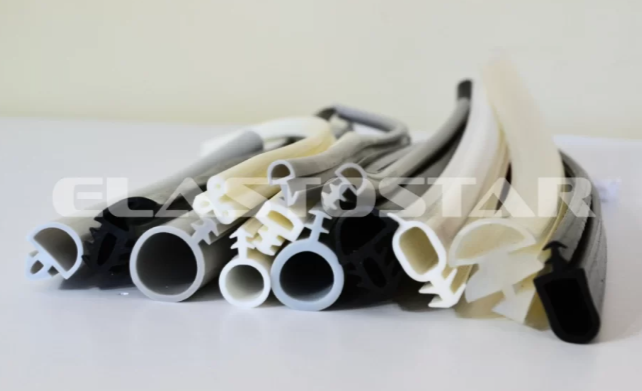
Glazing seals are rubber profiles used between glass, frames, panels, and other mating surfaces in window, door, façade, and curtain-wall assemblies.
Depending on the system design, a window glazing seal can cushion the glass, maintain separation between components, accommodate movement, and block air and water.
A glazing system’s performance depends on more than the gasket’s shape. Material properties affect how well the seal withstands sunlight, ozone, moisture, compression, movement, and temperature changes over time.
We can custom-extrude window and door seals to specific profile dimensions and application requirements.
Choosing the right rubber glazing seal matters for both initial fit and long-term sealing performance. Silicone and EPDM are two commonly considered elastomers for exterior glazing, but the right choice depends on the full service environment and glazing-system requirements.
What Are Silicone Glazing Seals?
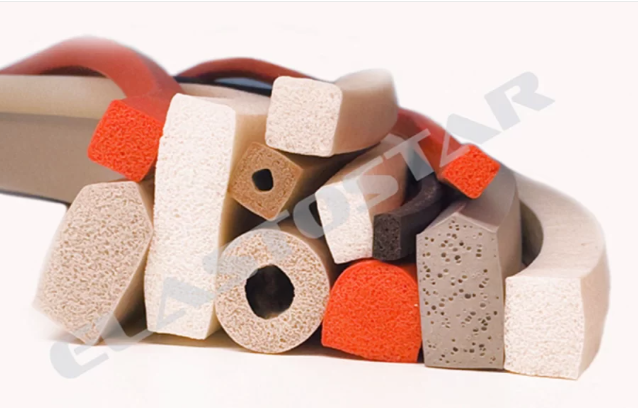
Silicone glazing seals are extruded profiles designed to create a flexible interface between glass and the surrounding frame or glazing assembly.
They are commonly considered for exterior applications where the seal must continue performing through sunlight, ozone exposure, moisture, and changing temperatures.
Why Silicone Is Used in Glazing Systems
- Excellent UV and ozone resistance: Suitable for glazing profiles that remain exposed to outdoor conditions.
- Broad temperature capability: Silicone can maintain flexibility across a wider temperature range than many conventional elastomers.
- Good weathering characteristics: Useful where the seal is exposed to rain, moisture, sunlight, and seasonal temperature cycling.
- Flexible profile design: Silicone can be extruded into application-specific shapes for different glass and frame configurations.
- Multiple material options: Different silicone rubber grades can be considered according to hardness, temperature, compression, and other application requirements.
For glazing applications, these properties make silicone rubber cord a strong option when environmental exposure and temperature flexibility matter.
However, silicone isn’t automatically the right choice for every glazing system profile design; you also need to consider compression, mating surfaces, and overall service conditions.
What Are EPDM Glazing Seals?
EPDM glazing seals are widely used in exterior window, door, and glazing systems because the material resists sunlight, ozone, moisture, and general outdoor weathering.
EPDM is commonly selected for applications where the rubber profile remains exposed to changing weather conditions for extended periods.
Typical glazing applications include:
- Window and door perimeter seals.
- Glass-to-frame sealing profiles.
- Curtain-wall glazing systems.
- Exterior glazing gaskets.
- Weather-sealing profiles around panels and frames.
EPDM is particularly useful where weather-resistant glazing seals must remain flexible while handling rain, ozone, UV exposure, and seasonal environmental changes.
Its properties make it a common material for rubber window seals and exterior glazing applications.
Material selection still depends on the complete operating environment. When specifying an EPDM rubber seal, consider temperature range, compression, profile geometry, movement, and exposure to fluids or chemicals.
These EPDM material properties matter most when evaluating EPDM for long-term outdoor sealing.
Silicone vs EPDM Glazing Seals: Key Differences
Both silicone glazing seals and EPDM glazing seals are suitable for outdoor glazing systems, but their performance characteristics are not identical.
The comparison below highlights the factors that usually matter when selecting a rubber glazing seal.
| Performance Factor | Silicone Glazing Seals | EPDM Glazing Seals |
|---|---|---|
| UV resistance | Excellent | Excellent |
| Ozone resistance | Excellent | Excellent |
| Outdoor weathering | Excellent | Excellent |
| Temperature flexibility | Excellent across a broad range | Very good for typical exterior conditions |
| Low-temperature flexibility | Excellent | Very good |
| Moisture resistance | Excellent | Excellent |
| Custom extrusion | Well suited | Well suited |
| Common glazing use | Windows, doors, glass systems, exterior profiles | Windows, doors, curtain walls, weather-sealing profiles |
The biggest difference in silicone vs EPDM glazing seals is often not UV resistance, because both materials perform well against sunlight and ozone.
Instead, the decision may come down to operating temperature, compression requirements, profile design, environmental exposure, and glazing-system specifications.
For example, consider silicone when a broader temperature range is important, while EPDM is widely used for conventional exterior weather sealing.
A direct comparison of silicone and EPDM rubber can help clarify additional material differences, but the final compound should always match the actual application conditions.
Which Material Performs Better Under UV Exposure?
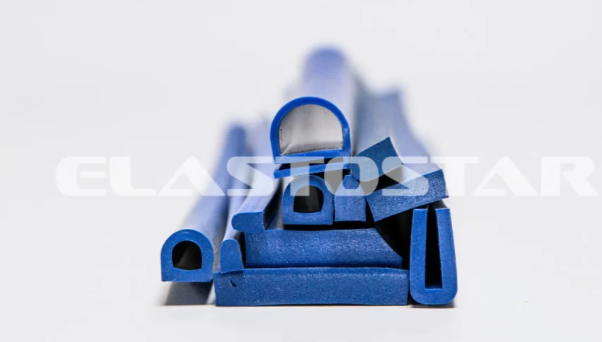
For exterior glazing systems, both silicone and EPDM provide excellent UV resistance. This is one reason both materials are commonly considered for window, door, façade, and curtain-wall applications exposed to direct sunlight.
The important difference is how UV exposure interacts with the complete service environment.
A glazing seal may face sunlight together with heat, ozone, moisture, compression, and repeated temperature cycling. Consider these combined conditions when selecting the compound.
- Silicone: Offers excellent resistance to UV and ozone and maintains flexibility across a broad temperature range for demanding exterior glazing conditions.
- EPDM: Also provides excellent UV, ozone, and weathering resistance and is widely used for outdoor window and building-envelope sealing applications.
Therefore, no single material is the universal winner based on UV resistance alone.
For UV-resistant glazing seals, buyers should evaluate the material formulation, expected temperature range, profile design, compression, and duration of outdoor exposure.
Similar considerations apply when selecting UV-resistant materials for exterior glazing exposed to demanding weather conditions.
Also Read: What’s The Difference Between EPDM And Silicone Rubber?
Silicone vs EPDM for Air and Water Sealing
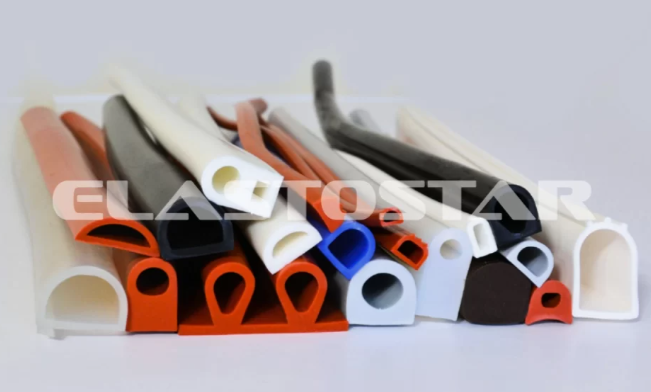
For air and water control, the material is only one part of the glazing system.
Silicone and EPDM glazing seals can both seal effectively when the profile is correctly designed, compressed, and installed.
A reliable glazing gasket should maintain consistent contact between the glass and frame while accommodating normal movement within the assembly.
Our door and window sealing solutions include glazing seals, window gaskets, weatherstripping, and other custom profiles for exterior sealing applications.
What Affects Air and Water Sealing?
| Factor | Why It Matters |
|---|---|
| Profile geometry | Determines how the seal contacts the glass and frame. |
| Compression | Helps maintain sealing pressure against mating surfaces. |
| Dimensional accuracy | Incorrect dimensions can create gaps or excessive compression. |
| Material flexibility | Helps the seal respond to movement and temperature changes. |
| Installation | Poor positioning, joints, or fit can create potential leakage paths. |
| Long-term recovery | The profile needs to maintain useful contact after extended compression. |
For this reason, choosing the best rubber for glazing systems should not be based on silicone versus EPDM alone.
The material, profile dimensions, compression, tolerances, and complete glazing-system design need to work together to control air and water leakage.
Weather, Ozone, and Outdoor Performance

Exterior glazing seals rarely face only one environmental condition. Sunlight, ozone, rain, moisture, wind, and repeated temperature changes can act on the same rubber glazing seal throughout its service life.
Silicone glazing seals resist UV, ozone, moisture, and weathering while staying flexible through changing temperatures.
EPDM glazing seals also offer excellent ozone and weather resistance and are widely used in exterior window and building-envelope sealing applications.
For outdoor glazing, buyers should evaluate three conditions together:
- Continuous exposure: Consider how much direct sunlight, rain, moisture, and ozone the profile will experience.
- Temperature cycling: Repeated heating and cooling can cause movement between the glass, frame, and sealing profile.
- Profile requirements: Material performance must work together with the correct compression, dimensions, and profile geometry to maintain the intended seal.
For glass and glazing applications, we manufacture custom rubber profiles for the glass industry based on specific sealing and application requirements.
Both silicone and EPDM can therefore be suitable weather-resistant glazing seal materials. The better choice depends on the overall outdoor environment and the glazing system’s performance requirements, not weather resistance alone.
Compression Set and Long-Term Sealing Performance
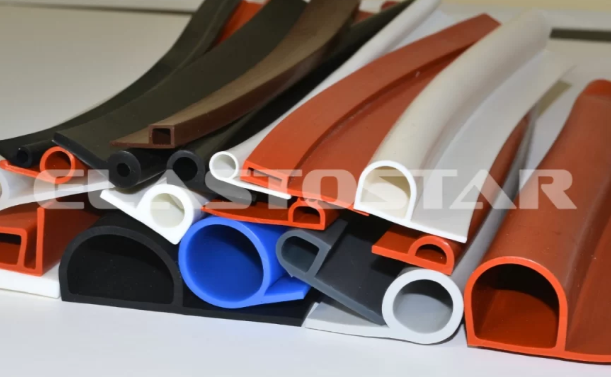
A glazing seal can look perfectly acceptable but still lose sealing effectiveness over time.
One important reason is compression set, the permanent deformation that remains when rubber does not fully recover after being compressed for an extended period.
Compression over time → reduced elastic recovery → lower contact pressure → increased risk of air or water leakage
For a window gasket or glazing seal, long-term performance depends on several factors working together:
- Rubber formulation and hardness.
- Amount of compression in the installed profile.
- Temperature and thermal cycling.
- Profile geometry and wall thickness.
- UV, ozone, and weather exposure.
- Movement between the glass and frame.
Silicone rubber and EPDM can both be engineered for long-term sealing, but you should evaluate performance based on the specific compound and glazing design, rather than assuming one material always has a lower compression set.
This is particularly important for custom profiles that remain under continuous load.
Our silicone rubber materials offer options for application-specific sealing requirements, but long-term sealing performance depends on more than initial material properties.
For silicone and EPDM glazing seals, the goal isn’t simply to fit correctly at installation. The profile needs to maintain sufficient recovery and sealing contact as the glazing system ages.
Silicone vs EPDM Glazing Seals for Aluminum Windows and Curtain Walls
Aluminum windows and curtain-wall systems face temperature changes, sunlight, moisture, wind, and movement between the glass and frame.
The selected glazing gasket must accommodate these conditions while maintaining the required sealing contact.
| Performance Factor | Silicone Glazing Seals | EPDM Glazing Seals |
|---|---|---|
| UV resistance | Excellent | Excellent |
| Ozone resistance | Excellent | Excellent |
| Outdoor weathering | Excellent | Excellent |
| Temperature flexibility | Excellent across a broad range | Very good for typical exterior conditions |
| Thermal cycling | Well suited to applications with significant temperature changes | Well suited to common building-envelope conditions |
| Aluminum windows | Suitable for exterior systems requiring broad temperature flexibility | Commonly used for exterior weather sealing |
| Curtain walls | Suitable when the specified compound meets system requirements | Commonly used for exterior glazing and weather sealing |
| Custom profiles | Can be extruded to application-specific geometries | Can be extruded to application-specific geometries |
1. Aluminum Window Applications
Silicone glazing seals for aluminum windows can be a strong option where the assembly experiences substantial temperature changes along with continuous UV and weather exposure.
Silicone’s broad temperature capability helps the profile remain flexible as environmental conditions change.
EPDM also performs well in aluminum window systems, especially where UV, ozone, moisture, and general weather resistance are important.
The right choice depends on the window design, not the frame material alone.
2. Curtain-Wall Applications
For curtain walls, EPDM glazing seals are commonly used for exterior weather sealing, while silicone may be selected when broader temperature flexibility or other silicone-specific properties are needed.
In either case, define glass thickness, frame dimensions, profile geometry, compression, movement, and air- and water-sealing requirements before finalizing the material and profile.
Commercial vs Residential Glazing Systems: What Changes?
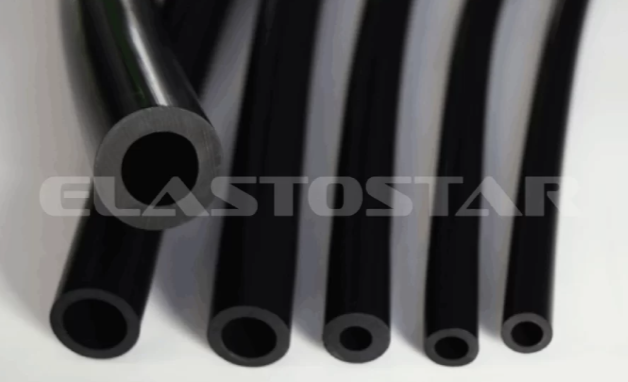
Commercial and residential glazing systems can both use silicone glazing seals or EPDM glazing seals, but their design and performance requirements may differ.
Building type alone does not determine the material; the complete glazing system and service conditions should guide selection.
1. Commercial Glazing Systems
Commercial window glazing seals may be used in larger window assemblies, storefronts, façades, curtain walls, and other building-envelope systems.
These applications can involve greater glass areas, building movement, prolonged outdoor exposure, and project-specific dimensional or performance requirements.
For custom projects, we can manufacture profiles according to drawings, dimensions, material requirements, and specified tolerances.
2. Residential Glazing Systems
Residential windows and doors also require protection against air infiltration, water, moisture, UV exposure, and changing weather conditions.
A window rubber seal or glazing gasket must fit the frame correctly and maintain appropriate compression as the assembly experiences normal seasonal movement.
| Consideration | Commercial Systems | Residential Systems |
|---|---|---|
| Typical applications | Curtain walls, façades, storefronts, large window systems | Windows, doors, and residential glass assemblies |
| Profile design | Often project- or system-specific | Standard or custom depending on window design |
| Outdoor exposure | Can involve continuous, demanding exposure | Depends on building location and orientation |
| Production requirements | May involve larger project quantities and repeat supply | Can range from replacement quantities to production programs |
| Material selection | Based on system specifications and environment | Based on window design and service conditions |
Do not select silicone or EPDM simply because a project is commercial or residential.
Temperature, UV and ozone exposure, compression, profile geometry, movement, and required sealing performance are more useful selection criteria.
When Should You Choose Silicone Glazing Seals?

Silicone glazing seals are a strong option when the glazing system needs reliable outdoor performance and flexibility across a broad temperature range.
They can also be useful when a project requires a custom profile that must match specific glass, frame, or compression requirements.
Consider silicone when the application requires:
- Broad temperature flexibility: Useful for glazing systems exposed to significant seasonal or operating temperature changes.
- UV and ozone resistance: Platinum silicone offers excellent resistance for exterior profiles exposed continuously to the elements.
- Long-term weather resistance: Suitable for sunlight, moisture, and changing outdoor conditions.
- Custom profile development: We can develop custom extruded glazing seals around specific dimensions, geometries, and application requirements.
- Reverse engineering support: When an original drawing is unavailable, we can use an existing glazing seal or gasket as a starting point for develop a replacement profile.
- Design and application support: We can review profile geometry, material requirements, dimensions, tolerances, and service conditions during development.
- Prototype-to-production capability: We can move new or modified profiles from initial development and sampling to repeat production.
Silicone is available in different formulations, so specify the final silicone rubber seal around the actual application rather than general silicone properties.
Consider factors such as hardness, temperature, compression, profile geometry, and environmental exposure.
For applications where you’re evaluating silicone specifically for window and glazing systems, silicone window and door seals add application-specific considerations.
When Should You Choose EPDM Glazing Seals?
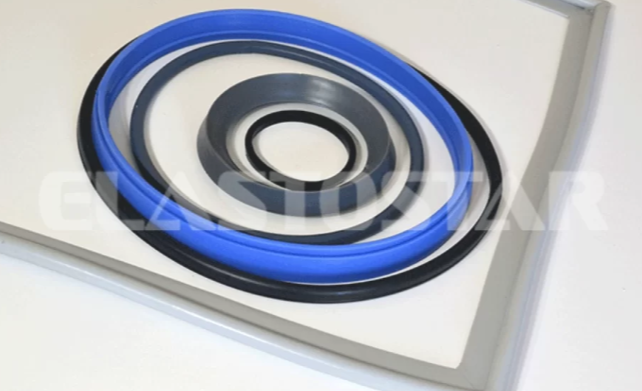
EPDM glazing seals are commonly selected for exterior glazing systems where resistance to sunlight, ozone, moisture, and changing weather conditions is important.
They are widely used for windows, doors, façades, and curtain-wall assemblies that require dependable outdoor sealing.
EPDM may be a suitable choice when the application involves:
- Continuous outdoor exposure: EPDM resists UV, ozone, rain, and general weathering.
- Window and curtain-wall sealing: It is commonly used for glazing gaskets and exterior weather-sealing profiles.
- Seasonal temperature changes: EPDM maintains useful flexibility across the temperature conditions encountered in many building-envelope applications.
- Custom profile requirements: We can manufacture custom EPDM glazing seals around specific channel dimensions, wall thicknesses, lips, grooves, and other profile features.
- Replacement profiles: Our reverse-engineering support can help us develop a profile from an existing gasket or seal when the original drawing is unavailable.
- New profile development: We provide design and application support when dimensions, fit, compression, and operating conditions need to be considered together.
- Prototype through production: We can support initial profile development and samples through repeat production runs.
EPDM should still be selected based on the full service environment. In particular, review any exposure to oils, fuels, chemicals, or other fluids against the specific compound rather than assuming general EPDM compatibility.
For glazing systems exposed to changing weather, understanding the role of rubber weather stripping can also help when evaluating exterior sealing requirements.
Custom Extruded Glazing Seals: When Standard Profiles Are Not Enough

Standard glazing profiles can work when the existing dimensions, material, and sealing characteristics match the assembly.
However, you may need a custom extruded glazing seal when the glass, frame, channel, or operating conditions require application-specific features.
When a Custom Profile Makes Sense
A custom rubber glazing seal should be considered when:
- Standard profiles do not match the glass or frame dimensions.
- You need specific wall thicknesses, lips, grooves, or sealing features.
- You need to control compression or fit for the assembly.
- A particular silicone or EPDM compound is specified.
- An existing or discontinued window gasket needs to be reproduced.
- Prototype evaluation is required before production.
- The project requires consistent repeat-production quantities.
1. From Existing Sample to Custom Profile
An original drawing is not always available, particularly for replacement glazing seals.
Our reverse engineering support lets you use an existing seal or gasket as a starting point for evaluate its dimensions and profile geometry.
For new designs, we can also work from drawings, CAD files, dimensions, and application requirements. Understanding the rubber extrusion process is particularly useful when developing profiles with application-specific geometry.
2. Design, Tolerances, and Prototype Support
Custom extrusion is not simply about reproducing the shape.
During profile development, consider critical dimensions, material hardness, compression, mating surfaces, and allowable tolerances.
We provide design and application support and can move projects from initial profile development and prototypes into production runs.
When dimensional requirements are critical, our RMA precision tolerances help establish appropriate tolerances for custom rubber profiles.
3. Supporting Long-Term Production
Once we establish the profile and material requirements, we maintain the approved dimensions and specifications in repeat production.
Our custom manufacturing capabilities support both initial development and ongoing production of custom glazing seals in the USA.
How to Choose a Glazing Seal Manufacturer in the USA

Choosing a glazing seal manufacturer in the USA involves more than finding a supplier that can extrude silicone or EPDM.
The manufacturer should support material selection, profile development, dimensional requirements, prototypes, and consistent production as the project moves forward.
What Buyers Should Check
| Manufacturing Capability | Why It Matters |
|---|---|
| Silicone and EPDM expertise | Helps match the compound to UV, ozone, temperature, compression, and weather exposure. |
| Custom manufacturing | Allows the glazing seal to be developed around the actual glass, frame, and assembly dimensions. |
| Design and application support | Helps address profile geometry, fit, compression, and service conditions during development. |
| Reverse engineering | Useful when an existing glazing gasket must be reproduced but the original drawing is unavailable. |
| Prototype-to-production capability | Allows a new profile to be evaluated before moving into repeat production. |
| Dimensional control | Helps maintain critical profile dimensions and specified tolerances. |
| Quality procedures | Supports consistent material and dimensional requirements across production runs. |
| Manufacturing capacity | Important for supporting ongoing orders and long-term supply requirements. |
| USA manufacturing | Can simplify communication, development, shipping, and domestic supply planning for U.S. customers. |
Quality and Production Consistency
For custom extruded omega seals, buyers should establish the required material, dimensions, tolerances, inspection criteria, and documentation before production.
We maintain defined quality control and inspection procedures to support customer-specific manufacturing requirements.
Made in USA Manufacturing
We are Proudly Made in USA and manufacture custom rubber products for application-specific requirements. Our USA manufacturing capabilities support projects from profile development and reverse engineering through prototypes and ongoing production.
When evaluating where to source custom glazing seals in the USA, buyers should ultimately look for a manufacturing partner that can support the complete project, not simply produce the initial extrusion.

Recommended Reads
- How to Prevent Air and Water Leakage With the Right Glazing Seal
- Best Silicone Door and Window Seals for Weatherproofing
- How to Choose the Best Rubber Gasket for Your Windows
Choosing the Right Glazing Seal for Your Application
Choosing between silicone glazing seals and EPDM glazing seals depends on the complete glazing system and its operating conditions.
Both materials provide excellent resistance to UV, ozone, and outdoor weathering. Silicone is often selected when you need broader temperature flexibility, while EPDM is widely used for exterior window, door, and curtain-wall weather sealing.
The right rubber glazing seal should match the required temperature range, compression, profile geometry, glass and frame dimensions, movement, and air and water sealing requirements.
We manufacture custom extruded glazing seals in the USA with support from initial design through production. Our capabilities include custom manufacturing, design and application assistance, reverse engineering, and prototype-to-production support for silicone and EPDM profiles.
For a custom window glazing seal, contact us with your drawing, CAD file, dimensions, existing sample, quantity, and service conditions to discuss your application.
FAQs
Q1. What Is the Difference Between Silicone and EPDM Glazing Seals?
Both silicone and EPDM provide excellent UV, ozone, and weather resistance, but their performance characteristics differ. Silicone glazing seals generally offer a broader temperature range and excellent flexibility at temperature extremes, while EPDM glazing seals are widely used for exterior weather sealing in windows, doors, façades, and curtain-wall systems.
Q2. Which Is Better for Glazing Seals, Silicone or EPDM?
Neither material is universally better. Silicone rubber seals may be preferred when broad temperature flexibility is important, while EPDM is commonly selected for exterior weather-sealing applications. The best material for glazing seals depends on temperature, UV exposure, compression, profile geometry, movement, and the glazing system’s requirements.
Q3. Is Silicone More UV Resistant Than EPDM?
Silicone and EPDM both offer excellent resistance to UV and ozone, so UV exposure alone usually doesn’t determine material choice. Buyers should consider sunlight together with temperature, moisture, compression, movement, and other environmental conditions when specifying UV-resistant glazing seals.
Q4. Which Glazing Seal Performs Better in Extreme Temperatures?
Silicone generally provides a broader useful temperature range and maintains flexibility particularly well at temperature extremes. EPDM performs well across the temperatures encountered in many exterior building applications, but always confirm the allowable range for the specific compound.
Q5. Is EPDM Suitable for Exterior Glazing Applications?
Yes. EPDM is widely used for exterior sealing because it resists UV, ozone, moisture, and weathering. It can be used for rubber window seals, glazing gaskets, doors, façades, and curtain-wall applications when the compound and profile meet the system requirements.
Q6. Which Glazing Seal Is Better for Aluminum Windows?
Both silicone and EPDM can be suitable for aluminum windows. Silicone can be useful where broad temperature flexibility is required, while EPDM is commonly used for exterior weather sealing. These window gasket selection factors are also important when matching a seal to a specific window system.
Q7. Which Material Is Better for Curtain Wall Systems?
There is no universal material choice for every curtain wall. EPDM is commonly considered for exterior weather sealing, while silicone can be selected where broader temperature capability or other silicone-specific properties are required. The glazing-system specification, profile design, compression, movement, and outdoor environment should guide the decision.
Q8. Which Material Has Better Compression Set Performance?
Compression set depends on the specific compound, hardness, temperature, compression level, profile design, and time under load, so you can’t declare silicone or EPDM universally better based on material name alone. Where lower sealing force or conformability is required, closed cell silicone sponge rubber may also be considered depending on the glazing design and application requirements.
Q9. Can Silicone and EPDM Glazing Seals Both Prevent Air and Water Leakage?
Yes. Both materials can support effective air and water sealing when the profile is correctly designed, sized, compressed, and installed. Material selection alone does not prevent leakage; profile geometry, dimensional accuracy, mating surfaces, joints, compression, and installation are also important. Proper glazing seal design for air and water leakage should consider the complete assembly.
Q10. Are Custom Silicone and EPDM Glazing Profiles Available?
Yes, we can manufacture custom extruded glazing seals based on drawings, CAD files, dimensions, or existing samples. We offer custom manufacturing, reverse-engineering support, design and application assistance, and prototype-to-production support for glazing profiles that no standard seal can meet.