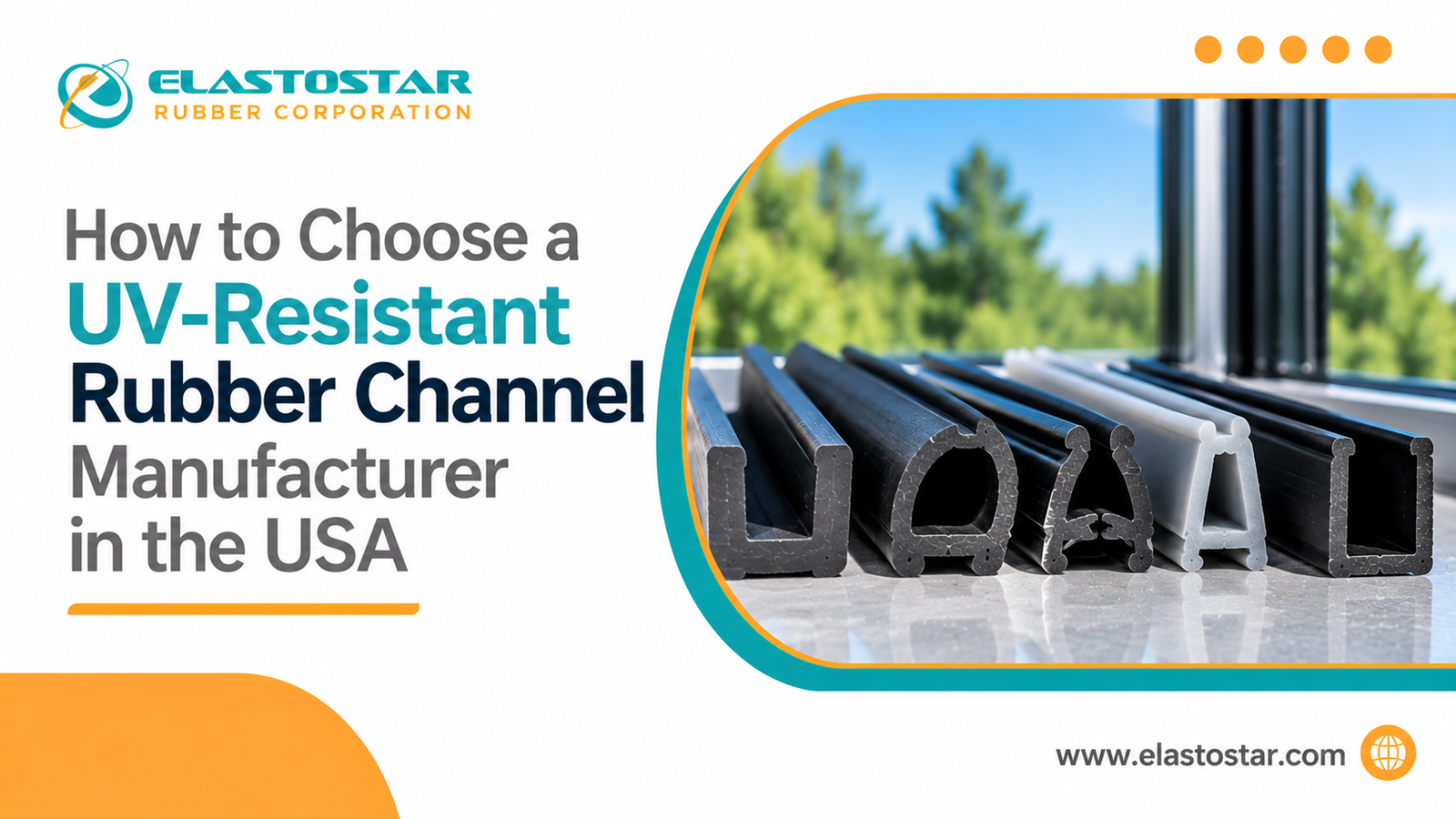
Choosing the right UV resistant rubber channel manufacturer in the USA takes more than finding a supplier that can match a profile. Outdoor rubber channels face constant sunlight, ozone, rain, temperature changes, and compression, so both material selection and manufacturing quality matter.
Silicone and EPDM are commonly used for outdoor applications because of their weathering properties, but the right choice depends on the actual operating conditions.
Buyers should also consider profile design, extrusion tolerances, material quality, testing, and long-term supply needs.
This guide explains what to look for when sourcing custom UV-resistant rubber channels for windows, doors, equipment, and other outdoor applications.
Key Takeaways
- Material Selection: Silicone and EPDM are commonly used for UV-resistant rubber channels because both offer excellent UV, ozone, and outdoor weather resistance.
- Custom Rubber Extrusion: Manufacturers can custom-extrude UV-resistant rubber channels to meet specific profile dimensions, material requirements, tolerances, and application needs.
- Manufacturer Selection: Choose a USA rubber channel manufacturer with experience in material selection, custom extrusion, dimensional accuracy, quality control, and consistent production.
- Outdoor Performance: When selecting rubber channels for outdoor applications, consider sunlight exposure, temperature changes, moisture, compression, movement, and chemical contact.
- Manufacturing Support: Elastostar Rubber Corporation offers custom rubber extrusion, reverse engineering, design and application support, and prototype-to-production manufacturing, with production planning focused on reliable supply and short lead times.
- USA Manufacturing: Working with a USA-based rubber manufacturer can support domestic sourcing, engineering communication, and long-term supply planning.
Table of Contents
What Are UV-Resistant Rubber Channels and Where Are They Used?
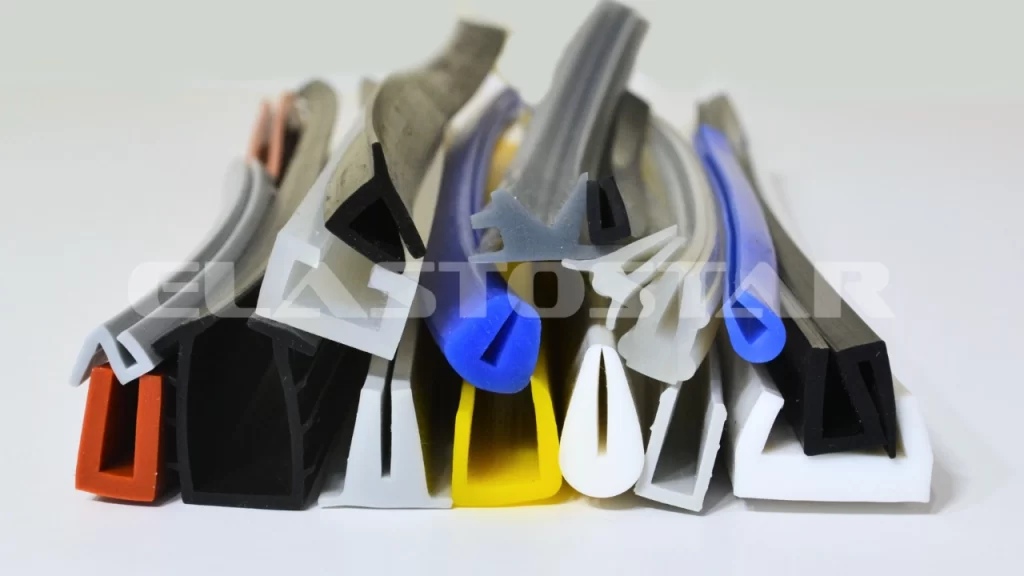
UV-resistant rubber channels are extruded profiles made for parts that remain exposed to sunlight and changing weather conditions.
A custom U-channel rubber extrusion can be designed to fit around panels, edges, glass, doors, or other components that need protection and sealing.
These channels are commonly used in windows and doors, outdoor enclosures, HVAC equipment, lighting systems, construction equipment, transportation, and solar installations.
Depending on the application, the profile may provide edge protection, cushioning, panel retention, or a sealing surface.
For outdoor service, select the material based on actual exposure conditions, including UV, ozone, moisture, temperature changes, compression, and movement. Pasted markdown
Which Rubber Materials Provide the Best UV Resistance?
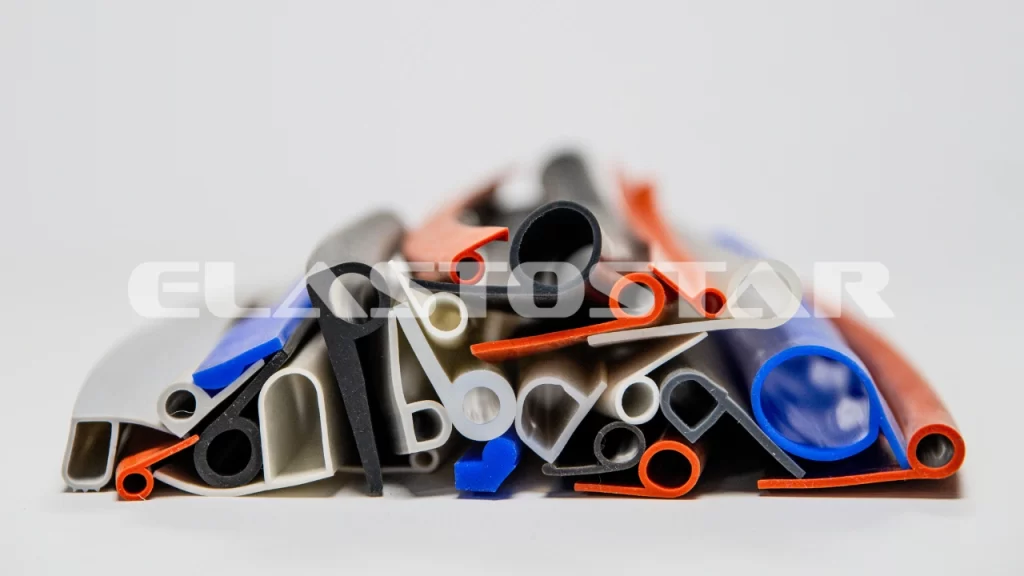
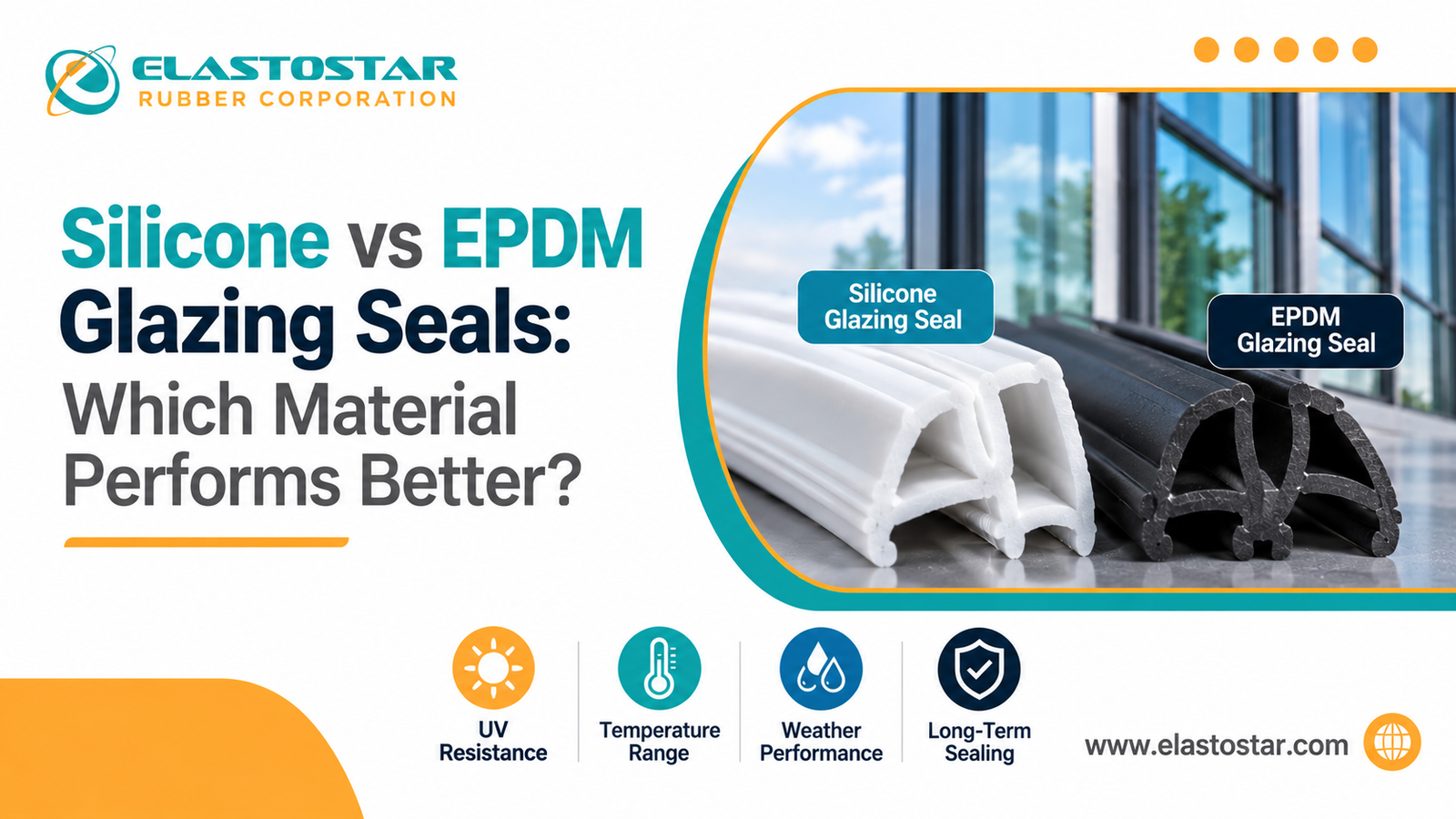
For outdoor rubber channels, silicone and EPDM are common choices because both resist UV, ozone, and weather exposure.
Silicone is especially useful when the channel must remain flexible across a broad temperature range.
Buyers can review our silicone rubber materials when considering silicone for an outdoor extrusion. EPDM is also widely used for exterior sealing applications, including windows, doors, enclosures, and equipment exposed to changing weather.
The two materials behave differently under certain service conditions, so our guide to EPDM vs. silicone helps buyers understand those differences before specifying a compound.
Material selection should still be based on the complete application, including temperature, compression, chemicals or fluids, profile geometry, and expected outdoor exposure.
Silicone vs. EPDM for UV-Resistant Rubber Channels
Silicone and EPDM can both perform well in outdoor applications, but you select them for different operating requirements.
For projects involving windows, doors, glazing, or exterior sealing, our door and window sealing solutions include custom rubber profiles designed around specific application requirements. Pasted markdown
| Factor | Silicone | EPDM |
|---|---|---|
| UV resistance | Excellent | Excellent |
| Ozone resistance | Excellent | Excellent |
| Outdoor weathering | Excellent | Excellent |
| Temperature flexibility | Excellent across a broad range | Very good for typical outdoor conditions |
| Low-temperature flexibility | Excellent | Very good |
| Custom extrusion | Well suited | Well suited |
| Common applications | Outdoor seals, channels, glazing and equipment profiles | Weather seals, window and door channels, exterior profiles |
UV-resistant silicone rubber channels are often considered when the application combines outdoor exposure with a broad temperature range.
EPDM is commonly used for weather sealing where resistance to sunlight, ozone, moisture, and changing outdoor conditions is important.
The material should ultimately match the complete application, including temperature, compression, dimensions, movement, and any fluids or chemicals that may contact the channel.
What to Look for in a UV-Resistant Rubber Channel Manufacturer

Choosing a manufacturer involves more than checking whether they can extrude the required shape.
For outdoor applications, the supplier should understand how material selection, profile design, dimensional accuracy, and environmental exposure affect the finished rubber channel.
When evaluating a UV-resistant rubber channel manufacturer in the USA, consider:
- Material knowledge: Experience with silicone, EPDM, and compounds suitable for outdoor exposure.
- Custom extrusion capability: Ability to manufacture channels from drawings, CAD files, dimensions, or existing samples.
- Profile experience: Knowledge of U-channels and other rubber extrusion profiles used for sealing, cushioning, and edge protection. Pasted markdown
- Dimensional control: Ability to maintain required wall thickness, channel width, leg height, and other critical dimensions.
- Quality procedures: A defined quality control process for material and dimensional inspection. Pasted markdown
- Production support: Capability to move from initial profile development to repeat production while maintaining the approved requirements.
For custom outdoor channels, these factors help determine whether a manufacturer can consistently produce a profile that fits the assembly and meets its specified service conditions.
Why Rubber Formulation and Material Quality Matter for Outdoor Applications
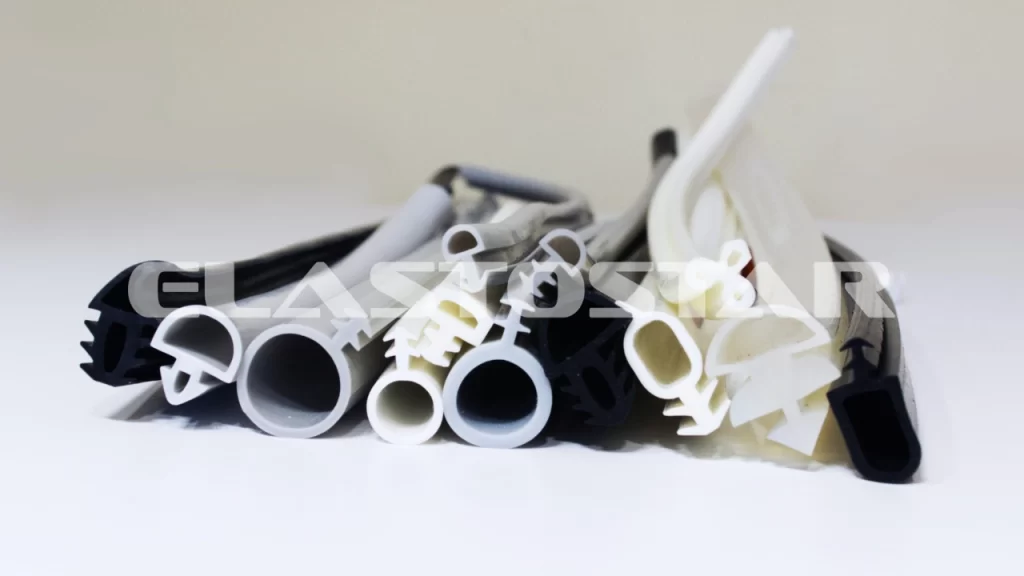
Outdoor performance depends on more than simply choosing “silicone” or “EPDM.” The actual rubber formulation affects how a channel responds to sunlight, ozone, temperature changes, moisture, and repeated compression over time.
For silicone channels, understanding the available silicone rubber grades can help buyers compare material options for different operating conditions.
Material quality can influence:
- Resistance to UV and ozone exposure.
- Flexibility during temperature changes.
- Compression and recovery.
- Dimensional stability.
- Long-term weathering performance.
Therefore, select the compound based on the channel’s actual service environment rather than the material name alone.
For rubber channels for outdoor applications, buyers should clearly communicate expected temperatures, weather exposure, movement, and any contact with chemicals or fluids.
Check the Manufacturer’s Custom Rubber Extrusion Capabilities
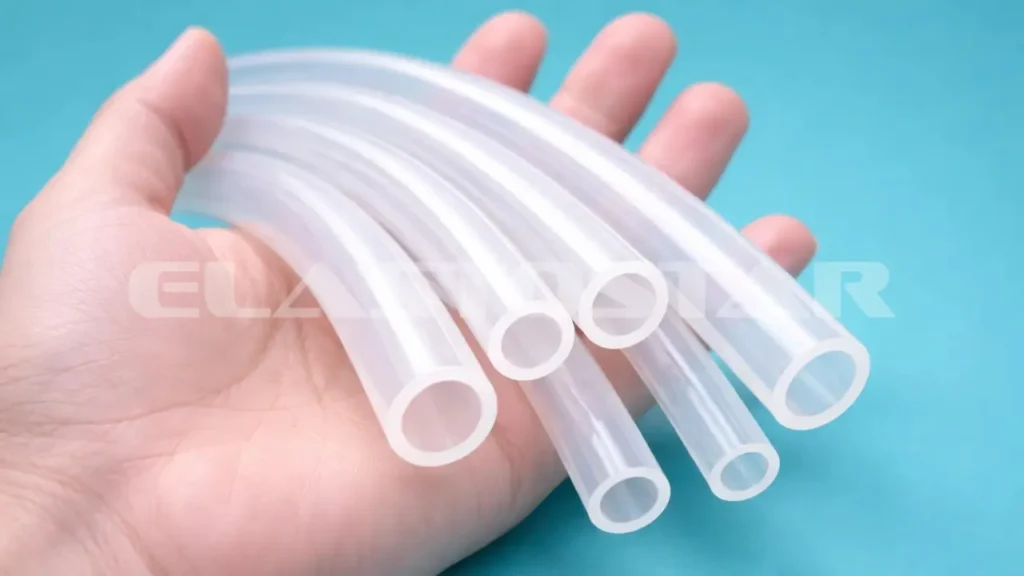
Custom UV-resistant channels often need to match a specific panel, edge, frame, or existing assembly. We manufacture custom extruded rubber profiles based on application dimensions and profile requirements. Pasted markdown
Our custom manufacturing support includes:
- Profile development from drawings, dimensions, or samples.
- Reverse engineering support for existing components.
- Design and application assistance.
- Prototype-to-production run capability.
- Custom profile dimensions and geometries.
- Proudly made in USA manufacturing.
These capabilities let us develop rubber channels to the required fit, material, profile geometry, and production needs, rather than limiting the application to an existing standard profile.
Evaluate Profile Design, Dimensions, and Extrusion Tolerances
A UV-resistant rubber channel must fit the mating surface correctly to provide the intended sealing, cushioning, or edge protection.
When developing a custom profile, we review the dimensions that directly affect fit and performance.
Important profile details include:
- Channel width and inside dimensions.
- Leg height and wall thickness.
- Corners and radii.
- Grip or fit on the mating surface.
- Critical dimensional tolerances.
Define tolerance requirements based on the profile design, material, and application. Our RMA precision tolerances provide guidance for specifying dimensional requirements for custom rubber products. Pasted markdown
For applications such as windows and doors, we can also develop rubber bulb seals around the required profile dimensions and assembly conditions. Pasted markdown
Providing a drawing, CAD file, or existing sample helps us review the profile accurately before moving from prototype to production.
Ask About UV, Ozone, Temperature, and Weather Resistance
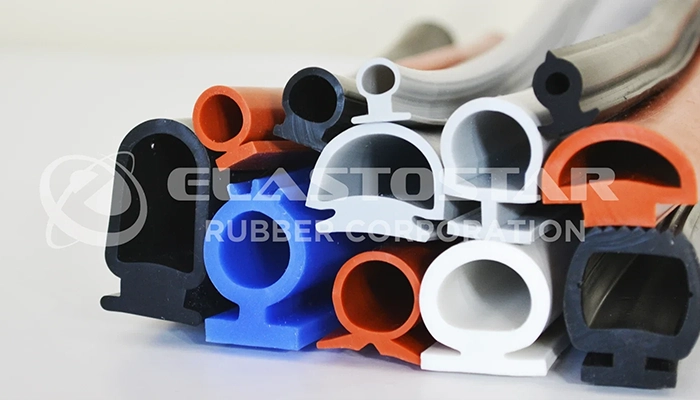
UV resistance is only one part of outdoor performance. Rubber channels may also face ozone, rain, moisture, temperature cycling, and continuous environmental exposure.
We consider these conditions when selecting materials for custom outdoor profiles.
Buyers should define:
- Direct or indirect sunlight exposure.
- Minimum and maximum operating temperatures.
- Ozone and weather conditions.
- Water and moisture exposure.
- Compression and movement.
- Contact with oils, fuels, cleaners, or chemicals.
Material selection becomes particularly important in demanding applications such as marine-grade rubber seals, where UV exposure and changing environmental conditions must be considered together.
Check Quality Standards, Testing, and Material Documentation
For custom UV-resistant rubber channels, consistent material and dimensional quality are important for repeat production. We maintain defined quality control and inspection procedures to support manufacturing consistency and customer-specific requirements. Pasted markdown
Depending on the application, buyers should confirm:
- Material identification and compound information.
- Dimensional inspection requirements.
- Lot traceability where required.
- Applicable test data or certificates.
- Customer-specific drawings and specifications.
- Inspection and production documentation.
For projects that use specification-based elastomer requirements, ASTM D2000 rubber materials can provide a framework for classifying rubber materials by required properties. Pasted markdown
Standards and documentation should always match the actual application. A quality certification or material classification by itself does not mean every rubber compound or finished profile is suitable for UV exposure.
Standard vs. Custom UV-Resistant Rubber Channels: What Should You Order?
A standard rubber channel works when an existing profile matches the assembly, material, and service conditions.
When dimensions, material properties, or profile features are application-specific, custom UV-resistant rubber channels provide greater design flexibility.
| Choose a Standard Channel When | Consider a Custom Channel When |
|---|---|
| An existing profile fits the assembly | Unique channel dimensions are required |
| Standard material meets the environment | A specific silicone or EPDM compound is needed |
| General tolerances are acceptable | Application-specific tolerances are required |
| No special profile features are needed | Lips, grooves, legs, or other features are required |
We manufacture custom rubber P -channels and other extruded profiles to match specific dimensions and application requirements. Pasted markdown
With our custom manufacturing, reverse engineering, and prototype-to-production capabilities, we can develop a profile around the actual assembly instead of requiring the application to adapt to a standard channel.
Industries and Applications That Require UV-Resistant Rubber Channels
UV-resistant rubber channels are used across industries where seals, edges, frames, and panels remain exposed to sunlight and changing outdoor conditions.
We manufacture custom profiles based on the required material, dimensions, fit, and service environment.
1. Windows and Doors
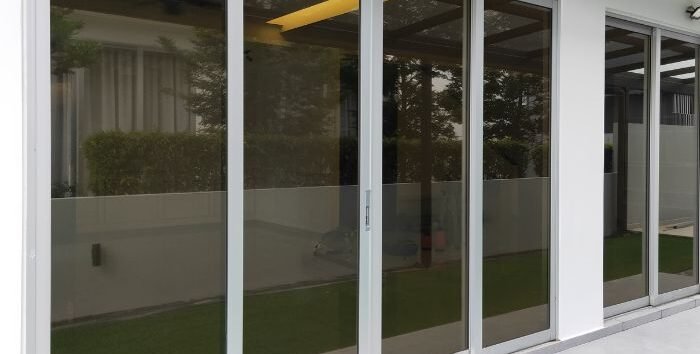
Rubber channels are used around glass, frames, panels, and other areas requiring weather sealing or edge protection.
UV and ozone resistance are important when the profile is continuously exposed to outdoor conditions.
2.Construction
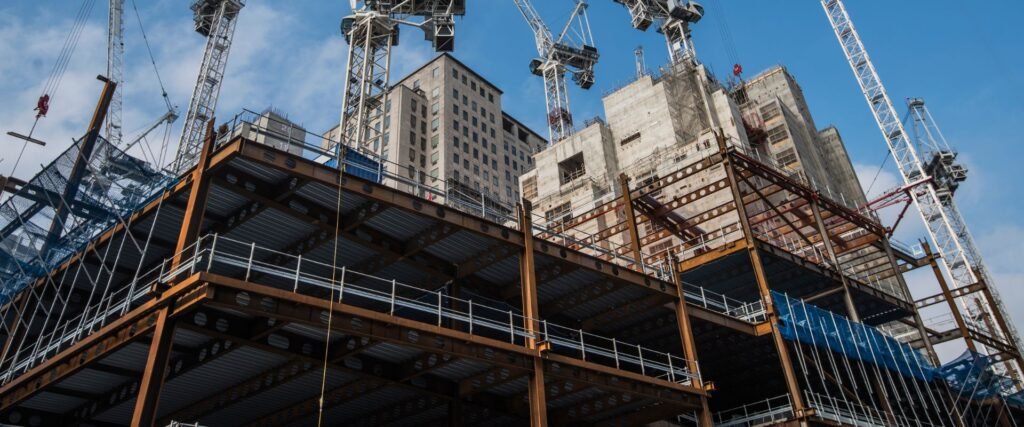
Exterior panels, joints, enclosures, and building components may use rubber channels for sealing, cushioning, or protection.
We can customize profile dimensions and materials to meet assembly and environmental requirements.
3. HVAC Equipment
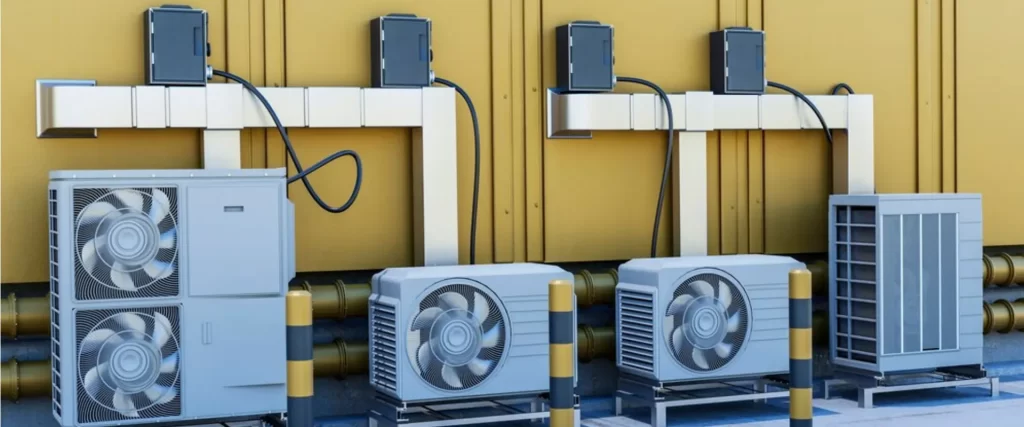
Outdoor HVAC units can be exposed to sunlight, moisture, temperature changes, and repeated weather cycles. Use rubber channels around access panels, housings, doors, and other sealing points.
4. Electrical and Lighting

Outdoor enclosures and lighting assemblies often require rubber profiles around panels, covers, and exposed edges. Material selection should consider UV exposure, temperature, moisture, and sealing requirements.
5.Transportation
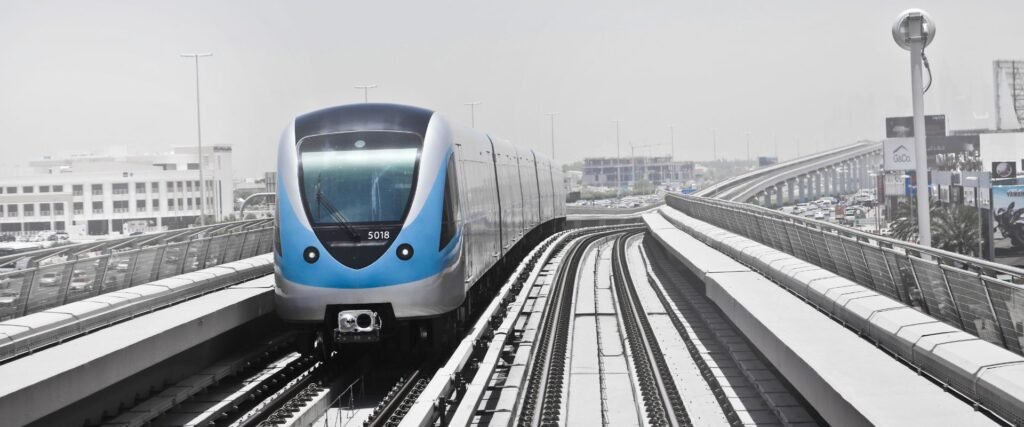
Rubber channels can be used around windows, doors, panels, and exterior components exposed to changing weather conditions. We can support custom profiles from prototype development through production runs.
6. Solar Equipment
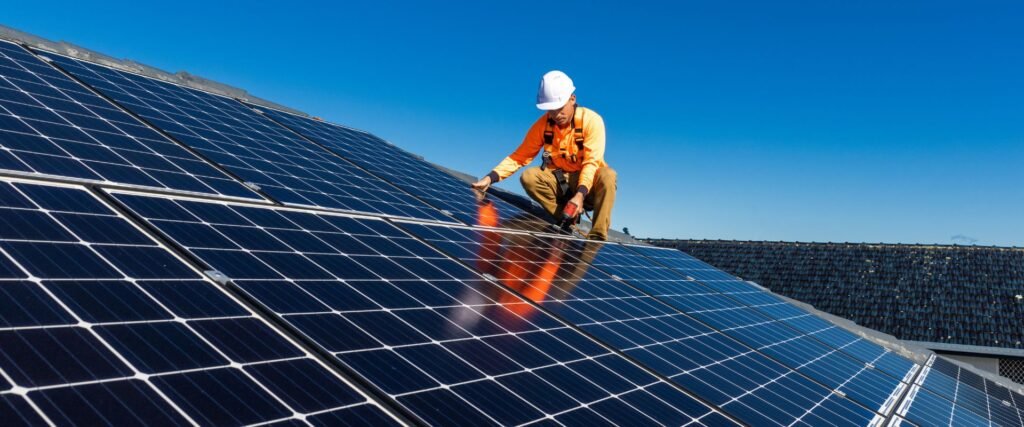
Solar panel installations remain outdoors for extended periods, making weather exposure an important material-selection consideration.
Rubber channels may be used around frames, enclosures, panels, and other components requiring sealing or edge protection.
Questions to Ask Before Requesting a Custom Rubber Channel Quote

Complete application details help us select the right material, profile geometry, tolerances, tooling, and production requirements.
For custom UV-resistant rubber channels, buyers should provide as much of the following information as possible before requesting a quote.
Q.What Material Does the Application Require?
Specify whether the channel requires silicone, EPDM, or another elastomer. Select the material based on UV and ozone exposure, operating temperature, moisture, compression, movement, and contact with chemicals or fluids.
Q.What Profile Dimensions Are Required?
Provide the channel width, wall thickness, leg height, overall dimensions, and any special lips, grooves, radii, or other profile features. A drawing, CAD file, dimensional sketch, or physical sample helps us accurately evaluate the custom E-channel rubber extrusion.
Q.What Are the Outdoor Service Conditions?
Clearly identify whether the channel will experience continuous sunlight, seasonal outdoor exposure, rain, moisture, ozone, or significant temperature changes. These details help us select a compound that matches the actual operating environment.
Q.Are There Specific Material or Testing Requirements?
Tell us about any required material properties, testing criteria, inspection requirements, certifications, or customer-specific documentation. Establish these requirements before production so we can evaluate the material and finished profile against the correct specifications.
Q.Is an Existing Rubber Channel Being Replaced?
If an original drawing is unavailable, buyers can provide an existing channel sample along with the known application requirements. Our reverse engineering support can help develop a replacement profile while also considering dimensions, fit, material, and service conditions.
Q.Are Prototypes Required Before Production?
For a new or modified profile, prototype quantities can help confirm fit and function before larger production runs. We support projects from initial profile development and sampling through full production.
Q.What Quantity and Long-Term Supply Are Needed?
Provide the initial order quantity, expected production volume, and anticipated repeat-order requirements. This helps us plan the appropriate tooling and manufacturing approach while supporting consistent production for ongoing programs.
USA-Made vs. Imported Rubber Channels: What Buyers Should Consider
When selecting a UV-resistant rubber channel manufacturer in the USA, manufacturing location is only one part of the sourcing decision.
Buyers should also compare material capabilities, custom extrusion experience, quality control, communication, lead times, logistics, and long-term production support.
| Factor | USA-Made Rubber Channels | Imported Rubber Channels |
|---|---|---|
| Engineering communication | Direct communication can simplify drawings, profile changes, and technical discussions for U.S. customers. | Time zones and communication channels may require additional coordination. |
| Prototype development | Domestic manufacturing can simplify sampling, evaluation, and profile revisions. | Prototype schedules may also need to account for international shipping. |
| Shipping and logistics | Domestic shipping can simplify transportation and supply planning. | International freight, customs, duties, and shipping schedules may need consideration. |
| Quality requirements | Material, dimensions, tolerances, and documentation should be verified before production. | The same technical and quality requirements should be verified with the overseas supplier. |
| Supply planning | Suitable for buyers looking to maintain or strengthen a domestic supply chain. | Buyers should account for international transportation and supply-chain requirements. |
| Total cost | Cost depends on material, tooling, quantity, profile complexity, and production requirements. | Consider unit pricing together with freight, duties, inventory, and other landed costs. |
We offer design assistance, reverse engineering, prototype development, and production support for weather-resistant rubber extrusion applications.
Buyers looking for a domestic manufacturing partner can contact us to discuss drawings, samples, material requirements, quantities, and outdoor service conditions for a custom rubber channel project.
Choosing the Right USA Manufacturer for Long-Term Supply

When choosing a custom rubber channel manufacturer in the USA, consider both your immediate profile requirements and the manufacturer’s ability to support consistent repeat production.
For long-term custom UV-resistant rubber channels, buyers should consider material expertise, manufacturing capacity, engineering support, quality consistency, and supply reliability.
1. Custom Manufacturing Capabilities
A manufacturer should be able to develop application-specific channel dimensions, geometries, and material options instead of limiting buyers to standard profiles. We manufacture custom extruded rubber profiles based on drawings, dimensions, samples, and specific application requirements.
2. Design and Application Support
Profile geometry, material selection, tolerances, and outdoor operating conditions can all affect channel performance. We provide design and application support to develop profiles to meet the required fit and service environment.
3. Reverse Engineering Support
When an original drawing is unavailable, an existing rubber channel can serve as a starting point for developing a replacement.
Our reverse engineering capabilities support customers who need to reproduce or modify existing profiles for current applications.
4. Prototype-to-Production Capability
New profiles may require sampling and evaluation before full production begins. We support projects from initial development and prototypes through repeat production runs, helping maintain the approved profile and material requirements.
5. Manufacturing Capacity and Quality Consistency
Long-term suppliers should have the manufacturing capacity to support both current orders and future production requirements. Buyers should also confirm that material specifications, dimensions, tolerances, and required documentation can remain consistent across repeat orders.
6. Made in USA Manufacturing
We are Proudly Made in USA and manufacture custom extruded rubber products for customers seeking a domestic supply partner.
Our USA rubber manufacturing capabilities support custom projects from initial development through ongoing production. Pasted markdown
Recommended Reads
- A Guide to Rubber Extrusion Profiles: U-Channel, D-Profile, P-Profile & More
- V-Channel Weatherstripping: Complete Profile Design & Extrusion Guide
- How to Prevent Air and Water Leakage With the Right Glazing Seal
Conclusion
Choosing the right UV-resistant rubber channel manufacturer in the USA requires more than selecting a standard profile. Before placing an order, consider material formulation, UV and ozone resistance, temperature range, profile geometry, extrusion tolerances, quality requirements, and long-term production needs.
We manufacture custom UV-resistant rubber channels in the USA using application-specific materials and profile designs. Our capabilities include custom extrusion, design and application support, reverse engineering, and prototype-to-production manufacturing for outdoor sealing and protection applications.
Whether your project requires UV-resistant silicone rubber channels, EPDM profiles, or another custom weather-resistant rubber extrusion, we can develop the profile around your drawing, sample, dimensions, and operating conditions.
Looking for a custom UV-resistant rubber channel manufacturer in the USA?
Contact Elastostar Rubber Corporation to discuss your drawings, samples, material specifications, profile dimensions, and production requirements. Our team can help you develop a custom silicone or EPDM rubber channel for your outdoor application.
Request a Custom Rubber Channel Quote
FAQs
Q1. What Is a UV Resistant Rubber Channel?
A UV-resistant rubber channel is an extruded rubber profile designed to maintain its functional properties when exposed to sunlight and outdoor conditions. These channels are commonly used for seal, cushion, retain panels, and protect edges in windows, doors, enclosures, equipment, and other exterior assemblies.
Q2. Which Rubber Material Has the Best UV Resistance?
Silicone and EPDM both offer excellent resistance to UV, ozone, and outdoor weathering, so no single material is best for every application. The right choice depends on temperature, compression, moisture, chemical exposure, profile design, and other service conditions.
Q3. Is Silicone Rubber Resistant to UV Exposure?
Yes. Silicone generally resists UV radiation, ozone, and weathering, making it suitable for many long-term outdoor applications. UV-resistant silicone rubber channels are particularly useful when the profile must also remain flexible across a broad temperature range.
Q4. Is EPDM Rubber UV Resistant?
Yes. EPDM resists sunlight, ozone, moisture, and weathering and is widely used for exterior sealing applications. It is commonly considered for rubber channels for outdoor applications, including building, equipment, window and door seals.
Q5. Is Silicone or EPDM Better for Outdoor Rubber Channels?
Neither material is universally better. Silicone is often chosen when broad temperature flexibility matters, while EPDM gaskets are widely used for outdoor weather sealing; the final choice should be based on the full service environment.
Q6. How Long Do UV Resistant Rubber Channels Last Outdoors?
No universal service-life figure exists because durability depends on the rubber formulation, UV intensity, temperature, ozone, compression, movement, chemicals, profile design, and installation conditions. Therefore, base material selection should reflect the actual operating environment rather than an assumed number of years.
Q7. What Causes Rubber Channels to Crack in Sunlight?
Environmental aging, including UV and ozone exposure, can cause cracking, especially when the rubber compound isn’t right for the application. Heat, repeated movement, compression, chemicals, and other environmental factors can also contribute, which is why material selection affects long-term reliability
Q8. What Should I Look for in a Rubber Channel Manufacturer?
Look for material knowledge, custom extrusion capabilities, dimensional control, tooling and profile-development support, quality procedures, and the ability to support repeat production. A UV-resistant rubber extrusion manufacturer should also understand how sunlight, ozone, temperature, moisture, and application conditions influence material selection.
Q9. Can UV-Resistant Rubber Channels Be Custom Extruded?
Yes. We manufacture custom UV-resistant rubber channels based on application dimensions, drawings, CAD files, or existing samples. Custom extrusion lets us develop the profile geometry, dimensions, material, tolerances, and fit around your specific assembly rather than relying on a standard profile.
Q10. Where Can I Find a Custom UV-Resistant Rubber Channel Manufacturer in the USA
When choosing a UV-resistant rubber channel manufacturer in the USA, consider custom extrusion experience, material capabilities, engineering support, dimensional control, production capacity, and long-term supply requirements. We manufacture custom extruded rubber profiles in the USA and support projects from design and reverse engineering through prototypes and production; buyers can contact us.