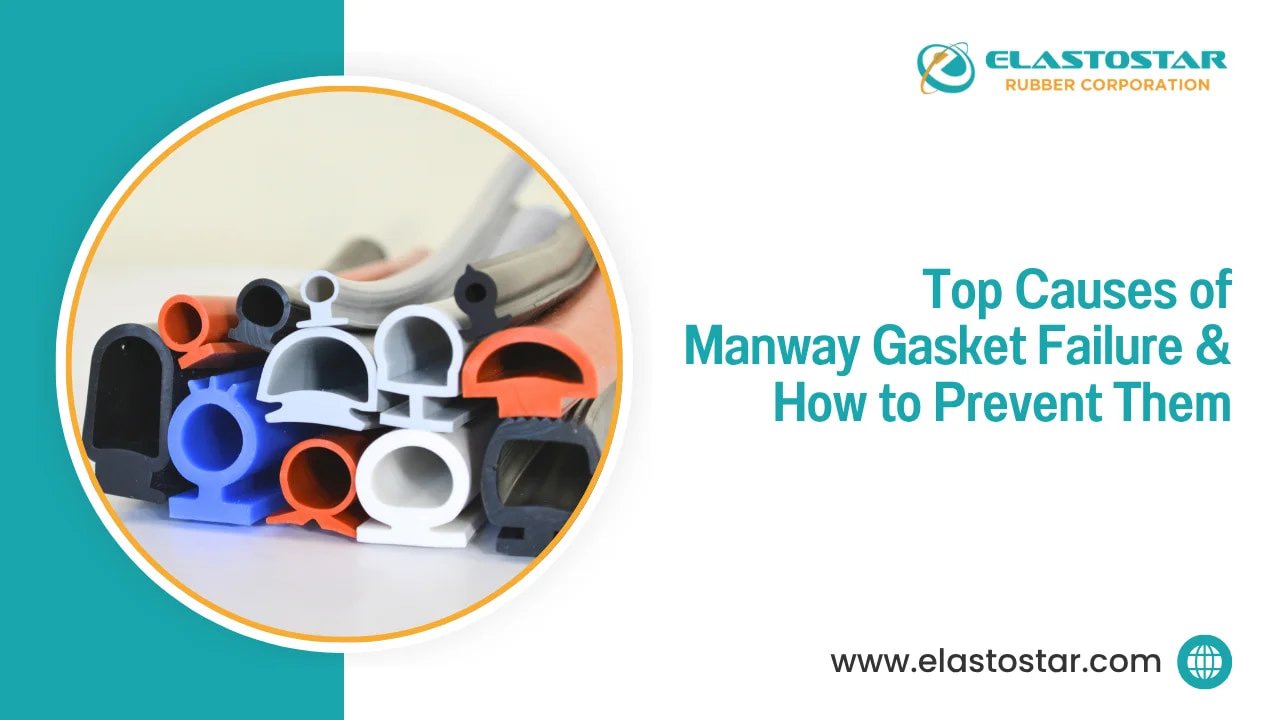
A manway gasket creates a secure seal between a manway cover and the surrounding tank or equipment surface. When that seal begins to fail, it can lead to leakage, loss of sealing pressure, repeated maintenance, and unnecessary equipment downtime.
Manway gasket failure is not always caused by normal ageing. Incorrect material selection, excessive or insufficient compression, high temperatures, chemical exposure, repeated cleaning cycles, and improper installation can all reduce gasket service life.
Preventing these problems starts with matching the manway seal to the actual operating conditions. The gasket material, dimensions, profile, hardness, and compression must work together for reliable sealing.
This guide covers the most common causes of manway gasket failure, warning signs to watch for, prevention methods, material selection, and when a custom manway gasket may be the better replacement option.
Key Takeaways
- Manway gasket failure can result from incorrect material, compression, temperature, chemicals, installation, or damaged sealing surfaces.
- Watch for warning signs such as leakage, cracking, flattening, swelling, hardening, and loss of elasticity.
- The right gasket material should match the temperature, pressure, process media, cleaning chemicals, and regulatory requirements.
- Silicone, EPDM, NBR, and FKM offer different performance characteristics, so no single material is best for every manway.
- Correct dimensions, profile, hardness, and compression are essential for reliable sealing.
- A custom manway gasket may help when standard replacements repeatedly leak or do not fit correctly.
- We support custom manufacturing, reverse engineering, design assistance, and prototype-to-production for replacement and OEM manway gaskets.
Table of Contents
Why Do Manway Gaskets Fail?
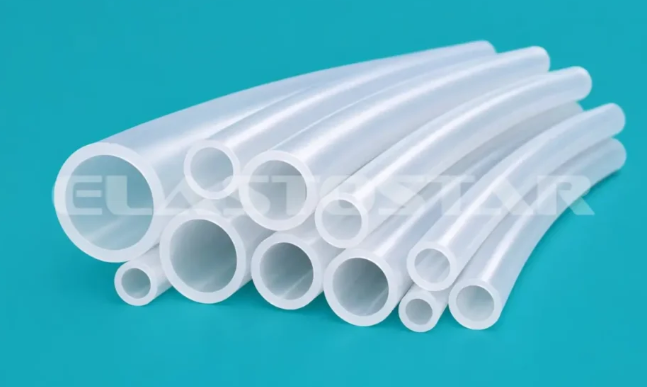
A manway gasket can fail when the material, gasket design, installation, or operating conditions prevent it from maintaining a reliable seal.
In many cases, several factors contribute to the problem rather than one single cause.
Common factors that affect manway gasket service life include:
- Pressure: Changes in operating pressure can add stress to the gasket and sealing interface.
- Temperature: Repeated or prolonged heat exposure can affect hardness, elasticity, and compression performance.
- Chemicals and process media: Incompatible fluids or cleaning chemicals can cause swelling, softening, cracking, or other material deterioration.
- Cleaning cycles: Repeated cleaning, sanitizing, heating, and cooling cycles can gradually affect gasket performance.
- Compression: Too much or too little compression can prevent the gasket from maintaining the intended seal.
- Material selection: The gasket material must be compatible with the temperature, media, cleaning process, and other service conditions.
- Gasket dimensions and profile: Incorrect size or cross-section can cause uneven sealing and recurring leakage.
Understanding the root causes of gasket failure can help you determine whether the problem comes from the gasket itself, installation, the sealing surface, or the operating environment.
8 Common Causes of Manway Gasket Failure
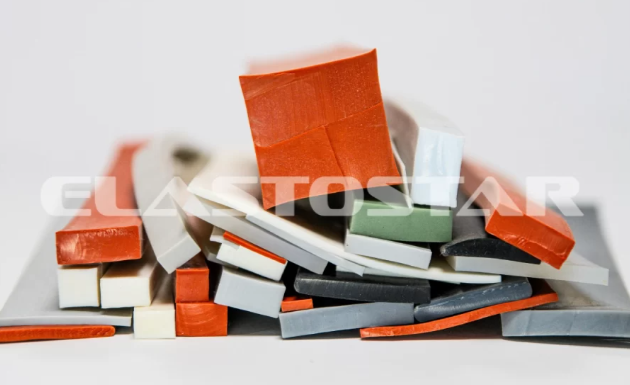
Understanding why a manway gasket keeps leaking helps identify the actual cause instead of repeatedly replacing a gasket that may not match the application.
1. Incorrect Gasket Material
The wrong material can lead to premature deterioration. Consider temperature, process media, chemicals, cleaning agents, and regulatory requirements.
For food-contact applications, for example, an appropriate FDA 21 CFR 177.2600 silicone rubber may be required depending on the equipment and application.
2. Excessive or Insufficient Compression
Too much compression can permanently deform or damage the gasket, while insufficient compression may prevent a reliable seal. The gasket dimensions, profile, hardness, and installed compression should work together.
3. High-Temperature Exposure
Repeated or prolonged heat can affect gasket hardness, elasticity, and compression performance.
Therefore, select a high-temperature gasket based on the actual operating temperature and exposure conditions.
4. Chemical Incompatibility
Process fluids, oils, cleaning chemicals, and sanitizers can cause an incompatible rubber compound to swell, soften, crack, or lose sealing properties.
Verify compatibility for the specific compound, chemical concentration, temperature, and exposure time.
5. Improper Installation
Stretching, twisting, pinching, contamination, or incorrect positioning can create uneven sealing. Seat the manway gasket properly before closing and compressing the cover.
6. Damaged or Uneven Sealing Surfaces
Scratches, corrosion, residue, distortion, or an uneven mating surface can prevent uniform gasket contact. In these cases, simply installing another replacement gasket may not correct the underlying leak.
7. Repeated Cleaning and Processing Cycles
Frequent washdown, sanitizing, heating, cooling, and processing cycles can gradually affect gasket performance. This is particularly important in food, dairy, beverage, and other sanitary equipment.
Depending on the application, consider requirements such as 3-A Sanitary Standards when selecting sealing materials.
8. Ageing, Hardening, or Permanent Deformation
Over time, a gasket may harden, flatten, or lose its ability to recover after compression. Once it can no longer maintain adequate sealing contact, you may need to replace the manway gasket.
For applications where standard profiles or dimensions don’t provide the required fit, we can manufacture custom U-channel manway seals and gaskets to match application-specific dimensions, profiles, and material requirements.
What Are the Warning Signs of a Failing Manway Gasket?
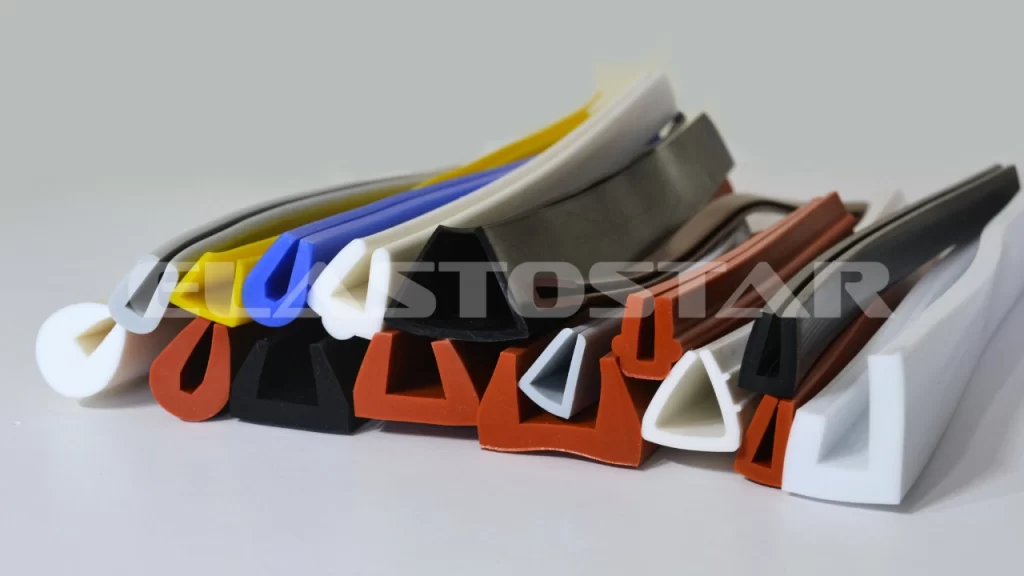
A failing manway gasket does not always fail suddenly. Changes in sealing performance, shape, or material condition can indicate the gasket needs inspection or replacement.
Watch for these common warning signs:
- Leakage around the manway: Visible product, liquid, vapor, or pressure leakage is one of the clearest signs of a sealing problem.
- Loss of sealing pressure: If the assembly no longer maintains the expected seal, inspect the gasket, closure, and sealing surfaces.
- Cracks or surface damage: Cuts, cracking, tearing, or worn areas can reduce sealing effectiveness.
- Flattening or deformation: A gasket that remains noticeably compressed may have lost its ability to recover and maintain sealing contact.
- Hardening or loss of elasticity: Age, temperature, and repeated processing cycles can make rubber less flexible.
- Swelling: Chemical or fluid exposure can cause an incompatible gasket material to change dimensions or physical properties.
- Frequent retightening: Repeatedly tightening the manway to stop leakage may indicate a problem with gasket compression, dimensions, material, or the sealing surface.
Visible damage is not the only reason to consider manway gasket replacement. Changes in elasticity, dimensions, or sealing performance can also indicate deterioration.
Understanding long-term sealing performance can help when evaluating gaskets that remain under compression for extended periods.
How Can You Prevent Manway Gasket Failure?
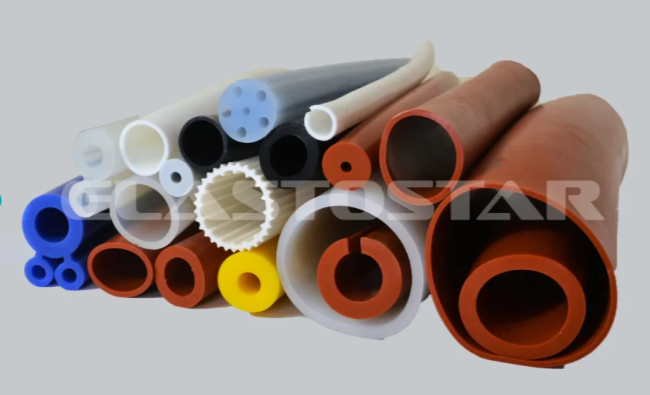
Preventing manway gasket failure starts with selecting a gasket that matches the equipment, operating environment, and sealing requirements.
Material compatibility, gasket dimensions, compression, installation, and inspection all affect service life.
- Select the right material: Match silicone, EPDM, NBR, FKM, or another elastomer to the operating temperature, pressure, process media, and environment. For applications requiring silicone, we can produce silicone rubber cord and other custom extruded profiles for meet application-specific sealing requirements.
- Check applicable material requirements: Food-contact applications may require FDA 21 CFR 177.2600 silicone rubber, while other applications may use specifications such as ASTM D2000 rubber materials as part of material selection and specification.
- Verify chemical compatibility: Consider the process media as well as cleaning and sanitizing chemicals. Concentration, temperature, and exposure duration can all influence elastomer performance.
- Use the correct dimensions and profile: ID, OD, thickness, cross-section, and sealing geometry should match the manway. Depending on the equipment design, consider sponge extruded rubber seals and gaskets where a compressible sponge profile is appropriate.
- Control gasket compression: Too little compression may allow leakage, while excessive compression can cause deformation or shorten gasket life.
- Inspect the sealing surfaces: Check the manway and mating surfaces for scratches, corrosion, residue, distortion, or other damage before installing a replacement gasket.
- Follow proper installation and inspection procedures: Avoid stretching, twisting, or pinching the gasket, and establish inspection and replacement schedules based on actual service conditions.
Consistent manufacturing controls are also important when sourcing replacement or custom manway gaskets. Our quality control processes support custom extruded and molded rubber manufacturing from prototype through production quantities.
Which Gasket Material Is Best for Your Manway?
No single material is best for every manway gasket.
The right choice depends on temperature, process media, cleaning chemicals, pressure conditions, regulatory requirements, and how frequently the manway is opened and closed.
| Material | Key Characteristics | Typical Considerations |
|---|---|---|
| Silicone | Flexible across a broad temperature range with good weather and ozone resistance | Useful for temperature-sensitive and sanitary applications when the selected compound meets the required specifications |
| EPDM | Good resistance to water, steam, weather, and ozone in suitable formulations | Commonly considered for water- and steam-related service; generally unsuitable for petroleum oils and fuels |
| Nitrile (NBR) | Good general resistance to oils and fuels | Often considered where petroleum-based fluids are present; typically offers less ozone/weather resistance than EPDM or silicone |
| Viton/FKM | Strong resistance to heat, oils, fuels, and many chemicals | Often selected for demanding chemical or high-temperature environments, but compatibility must still be verified for the specific media |
For food and sanitary equipment, material selection may also require NSF 51 silicone rubber or other application-specific standards.
The gasket construction matters too. Depending on the equipment, a solid rubber gasket, sponge profile, or custom extrusion may provide the required compression and fit.
Our closed-cell silicone sponge rubber is available for applications where a compressible closed-cell silicone material is appropriate.
When comparing materials, consider the full operating environment, not just temperature or chemical resistance. For example, differences between EPDM and silicone rubber can affect which material best suits a particular manway application.
When Should You Choose a Silicone Manway Gasket?
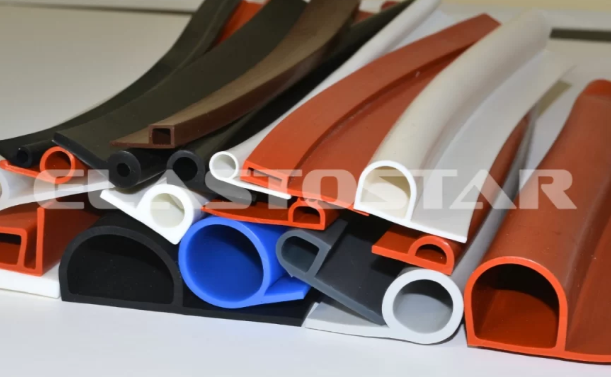
A silicone manway gasket can be a strong choice when the application requires flexibility, reliable sealing across changing temperatures, and resistance to weathering and ozone.
The final choice should still be based on the specific operating conditions and silicone compound.
Consider silicone when:
- Temperature changes are significant: Silicone can retain flexibility across a broad temperature range, making it useful where the process involves repeated heating and cooling.
- Frequent opening and closing occurs: Good flexibility can help the gasket conform to the sealing surface during repeated access cycles.
- Sanitary requirements apply: For appropriate food-contact applications, you can specify silicone compounds to meet applicable requirements. Our solid FDA-grade white silicone is one option where the specified compound and application requirements align.
- A custom profile is required: Manway doors do not always use standard dimensions or cross-sections. We can manufacture custom silicone gaskets to match equipment-specific profiles, dimensions, and hardness requirements.
- A continuous gasket is needed: Depending on the design, spliced and vulcanized silicone O-rings can provide custom-sized continuous sealing solutions.
Silicone is not automatically the best choice for every manway. Evaluate exposure to petroleum oils, fuels, aggressive chemicals, pressure conditions, and cleaning media before specifying the material.
This is particularly important in sanitary processing, where the correct silicone manway gasket for food equipment must balance material requirements with temperature, cleaning procedures, gasket geometry, and sealing performance.
Standard vs Custom Manway Gaskets: Which Do You Need?
A standard manway gasket works well when the equipment uses common dimensions, profiles, and material requirements.
A custom manway gasket becomes more useful when the manway has unique geometry, an unusual sealing surface, or application-specific material and compression requirements.
| Consideration | Standard Manway Gasket | Custom Manway Gasket |
|---|---|---|
| Dimensions | Common, predefined sizes | Manufactured to application-specific dimensions |
| Profile | Standard cross-sections | Custom profiles and special cross-sections |
| Material | Limited to available options | Selected around temperature, media, cleaning, and application requirements |
| Hardness | Standard available durometers | Can be specified for the sealing application |
| Equipment fit | Best for standard manway designs | Useful for older, modified, OEM, or non-standard equipment |
| Existing gasket problems | May not correct recurring fit issues | Can address incorrect dimensions, profile, or material selection |
| Development | Usually purchased by standard size | Can be developed from drawings, dimensions, or an existing sample |
For special sealing geometries, we can manufacture profiles such as D-shaped silicone seals and gaskets according to application requirements.
When an original drawing is unavailable, we can also provide reverse engineering support using an existing gasket sample as a starting point.
Our custom manufacturing capabilities support projects from prototype through production runs, allowing us to evaluate gasket dimensions, profile, material, and hardness together.
A custom gasket is especially worth considering when a standard replacement repeatedly leaks, doesn’t seat properly, or requires excessive tightening to maintain a seal.
Can a Custom Manway Gasket Help Solve Repeated Leakage?

Yes, a custom manway gasket can help solve repeated leakage when the problem is caused by an incorrect gasket size, profile, material, hardness, or compression.
Simply replacing the same unsuitable standard gasket may allow the same sealing problem to return.
For a reliable replacement, several factors need to work together:
- Profile: The gasket cross-section should match the manway and sealing geometry.
- Dimensions: ID, OD, thickness, and other critical dimensions need to provide the intended fit.
- Material: Select the elastomer for the operating temperature, process media, cleaning chemicals, and environmental conditions.
- Hardness: Durometer affects how the gasket compresses and conforms to the sealing surfaces.
- Compression: The gasket should achieve adequate sealing contact without excessive deformation.
For non-standard equipment, we can provide design and application support and use an existing gasket, equipment drawing, or dimensional information to help develop a custom rubber gasket.
What Measurements Do You Need When Ordering a Replacement Manway Gasket?
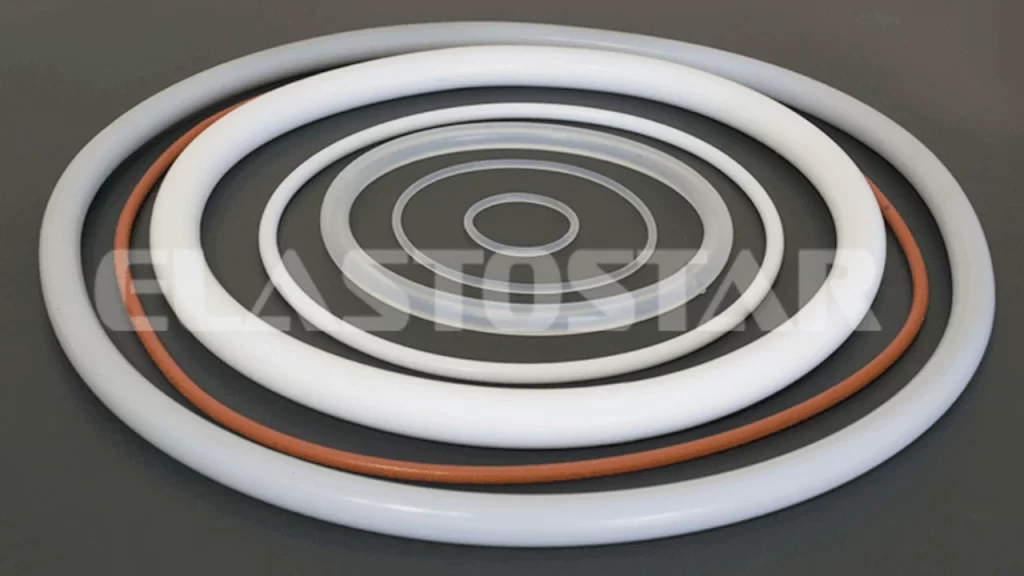
Accurate measurements matter when ordering a replacement manway gasket, especially if the original part number or equipment drawing is unavailable.
Small dimensional differences can affect gasket fit, compression, and sealing performance.
Record the following information wherever possible:
- Inside diameter (ID): Measure the opening on the inside of the gasket.
- Outside diameter (OD): Measure across the widest outside edges.
- Cross-section or profile: Identify whether the gasket is round, square & rectangular silicone, U-channel, D-shaped, or another profile.
- Thickness: Record the gasket thickness at an area that has not been excessively compressed or damaged.
- Manway dimensions: Measure the sealing area, groove, channel, or other relevant equipment dimensions.
- Existing gasket or sample: An existing part can help with reverse engineering when drawings are unavailable.
- Equipment drawing: OEM drawings or dimensional specifications are preferable when available because they can provide the original design dimensions.
An old gasket should not always be treated as the exact dimensional reference. Long-term compression, stretching, swelling, heat, or chemical exposure can change its original dimensions. Comparing the sample with equipment dimensions or drawings can help avoid reproducing an already-deformed gasket.
For additional measurement guidance, see How to Measure Gaskets.
What Information Should You Send to a Manway Gasket Manufacturer?

Complete application details help a manway gasket manufacturer select the right material, dimensions, profile, and manufacturing method. A clear RFQ can also reduce unnecessary back-and-forth during development.
When requesting a replacement or custom manway gasket, provide:
- Dimensions or drawing: Include ID, OD, thickness, cross-section, and other critical dimensions. An existing gasket sample can also support reverse engineering when drawings are unavailable.
- Gasket material: Specify silicone, EPDM, NBR, FKM, or another material if already known.
- Operating temperature: Include normal operating conditions and relevant temperature extremes.
- Pressure conditions: Provide the operating pressure and any significant pressure cycling information.
- Contact media: Identify liquids, gases, oils, chemicals, or other substances that contact the gasket.
- Cleaning process: Include cleaning or sanitizing chemicals, temperatures, and process conditions where applicable.
- Hardness requirement: Provide the required durometer if specified on the drawing or equipment documentation.
- Quantity: Include prototype, initial production, and expected production quantities where known.
- Regulatory or material requirements: Identify applicable requirements such as FDA, NSF, 3-A, ASTM, or other customer specifications rather than assuming a standard automatically applies.
For drawings with critical dimensional requirements, our RMA precision tolerance information can also help when discussing tolerances for custom rubber components.
How to Choose a Manway Gasket Manufacturer in the USA

Choosing the right manway gasket manufacturer in the USA is important for consistent fit, material selection, and sealing performance. Focus on the capabilities that directly affect your gasket application.
1. Custom Manufacturing Capabilities
Choose a manufacturer that can produce custom manway gaskets in application-specific sizes, profiles, materials, and hardness levels, rather than limiting you to standard replacement sizes.
2. Extrusion and Vulcanization Capabilities
For custom continuous seals and specialized profiles, look for appropriate rubber extrusion and vulcanization capabilities. The manufacturing method should match the gasket design and application.
3. Material and Application Support
The manufacturer should help evaluate gasket material based on temperature, pressure, process media, cleaning chemicals, and required specifications.
4. Reverse Engineering and Prototyping
When drawings are unavailable, we can use an existing gasket as a starting point for reverse engineering. Prototype support also allows us to evaluate dimensions and fit before moving into production quantities.
5. Quality Management
Consistent manufacturing and inspection are important for replacement and OEM gasket programs. Our manufacturing of custom extruded and molded rubber products operates under an AS9100D quality management system incorporating ISO 9001:2015 requirements.
6. USA Manufacturing
We manufacture custom rubber components in Ohio and support projects from initial design and application assistance through production.
Working with a Made in USA rubber manufacturer can also simplify communication, development, and supply coordination.

Recommended Reads
- How to Validate Metal Detectable Silicone Rubber on Your Food Processing Line
- Top 8 Benefits of Using Rubber Seals & Gaskets for Industrial Applications
- Why Silicone Rubber Is the Material of Choice for Engineers and Designers?
Conclusion
Preventing manway gasket failure starts with choosing the correct material, dimensions, profile, and compression for the actual operating conditions. Proper installation and routine inspection can also help identify deterioration before it develops into recurring leakage or unexpected downtime.
When a standard replacement cannot provide the required fit or sealing performance, we can develop a custom manway gasket around the equipment geometry and application requirements.
Need help with a replacement or custom manway gasket? Send us your drawing, dimensions, existing gasket sample, and operating requirements. Contact Elastostar Rubber Corporation today to discuss your manway sealing application and request a quote.
FAQs
Q1. What causes a manway gasket to fail?
Manway gasket failure can result from incorrect material selection, excessive or insufficient compression, high temperatures, chemical incompatibility, improper installation, damaged sealing surfaces, repeated cleaning cycles, or normal material ageing. More than one factor may contribute to the failure.
Q2. Why does my manway gasket keep leaking?
Repeated leakage may indicate an incorrect gasket size, profile, material, hardness, or compression level. Also inspect the sealing surface, manway alignment, closure hardware, and installation before assuming the gasket alone is responsible.
Q3. How can I prevent manway gasket leakage?
Use a gasket with the correct dimensions, profile, material, and hardness for the application. Verify chemical and temperature compatibility, control compression, inspect the sealing surfaces, and follow proper installation and inspection procedures.
Q4. Where can I buy custom manway gaskets in the USA?
We manufacture custom manway gaskets and rubber sealing components in the USA, supporting application-specific materials, profiles, dimensions, and production requirements. Customers looking for a replacement or custom gasket can contact our team with a drawing, dimensions, existing sample, operating conditions, and required quantity.
Q5. What are the signs of a damaged manway gasket?
Common signs include visible leakage, cracks, cuts, flattening, permanent deformation, swelling, hardening, loss of elasticity, and frequent need for retightening. Changes in gasket dimensions can also indicate deterioration.
Q6. How often should manway gaskets be replaced?
There is no universal replacement interval. Replacement frequency depends on temperature, pressure, material, process media, cleaning cycles, opening frequency, and overall service conditions. Inspect gaskets regularly and replace them when you find deterioration or reduced sealing performance.
Q7. What is the best material for a manway gasket?
The best material depends on the application. Extruded silicone, EPDM, NBR, and FKM each provide different temperature, chemical, oil, weather, and environmental resistance. Base material selection on the full operating conditions rather than a single property.
Q8. Is silicone suitable for manway gaskets?
Yes, silicone can be suitable where flexibility and performance across changing temperatures are important. However, you must check the specific silicone compound against the process media, cleaning chemicals, temperature, pressure, and other application requirements.
Q9. What is the difference between silicone and EPDM manway gaskets?
Silicone generally provides excellent flexibility across a broad temperature range, while EPDM is commonly selected for water, steam, weather, and ozone exposure in suitable formulations. We generally do not recommend EPDM for petroleum oils and fuels. The correct choice depends on the actual operating environment.
Q10. Can you manufacture manway gaskets in custom sizes?
Yes. We can manufacture custom manway gaskets in application-specific dimensions, profiles, materials, and hardness levels. Custom manufacturing is especially useful for non-standard, older, modified, or OEM equipment where an off-the-shelf gasket won’t fit.
Q11. How do I measure a replacement manway gasket?
Measure the inside diameter, outside diameter, thickness, and cross-section/profile, along with relevant groove or manway dimensions. Be careful when measuring an old gasket because compression, swelling, stretching, or ageing may have changed its original dimensions.
Q12. Can we use an existing gasket or drawing to manufacture a replacement?
Yes. A technical drawing with the required dimensions and specifications is useful for manufacturing a replacement. When drawings are unavailable, we can use an existing gasket as a starting point for reverse engineering, while also checking the equipment dimensions because the old gasket may have become distorted in service.