Aircraft seals and gaskets must perform reliably through temperature changes, vibration, compression, moisture, ozone, and outdoor weather exposure. These conditions make material selection especially important for aerospace components.
AMS3195 silicone rubber is a medium-density, closed-cell silicone sponge specification used for applications requiring flexible cushioning, environmental sealing, and controlled compression.
We manufacture AMS3195 medium silicone sponge in custom gaskets, seals, strips, sheets, and extruded profiles for aerospace applications.
This guide explores the key applications of AMS3195 silicone rubber in aerospace, its material properties, performance considerations, grade comparisons, and what buyers should check when sourcing custom AMS3195 components.
Key Takeaways
- AMS3195 is a medium-density, closed-cell silicone sponge designed for controlled compression, cushioning, and environmental sealing.
- It is well-suited for aircraft seals, gaskets, access panels, equipment enclosures, and vibration damping.
- AMS3195 offers temperature flexibility and resistance to moisture, ozone, UV, and weather exposure.
- The material can be manufactured into custom gaskets, silicone seals, silicone strips, sheets, and extruded profiles for aerospace applications.
- Buyers should verify AMS3195 conformance, dimensions, compression requirements, documentation, and lot traceability before sourcing.
- AMS3195 and AMS3196 are not interchangeable; the correct grade depends on required firmness, compression, sealing gap, and application conditions.
Table of Contents
What Is AMS3195 Silicone Rubber?
AMS3195 silicone rubber is a specification for medium-density, closed-cell silicone sponge used in applications requiring controlled compression, flexibility, cushioning, and environmental sealing.
Unlike solid silicone, its sponge structure compresses more easily and conforms to mating surfaces, making AMS 3195 silicone sponge useful for aircraft seals, gaskets, cushioning, and other aerospace components.
Key Characteristics of AMS3195
- Medium-density silicone sponge.
- Closed-cell construction.
- Good compression and recovery.
- Flexible under changing environmental conditions.
- Suitable for custom gaskets, seals, strips, and profiles.
- Specification-controlled material for demanding aerospace applications.
For aerospace components, the material should be selected in accordance with the AMS3195 specification and the actual application requirements, rather than assuming that all silicone sponge grades are equivalent.
Read More: Difference Between Silicone Sponge Rubber and Foam Rubber
Why Is AMS3195 Used in Aerospace Applications?
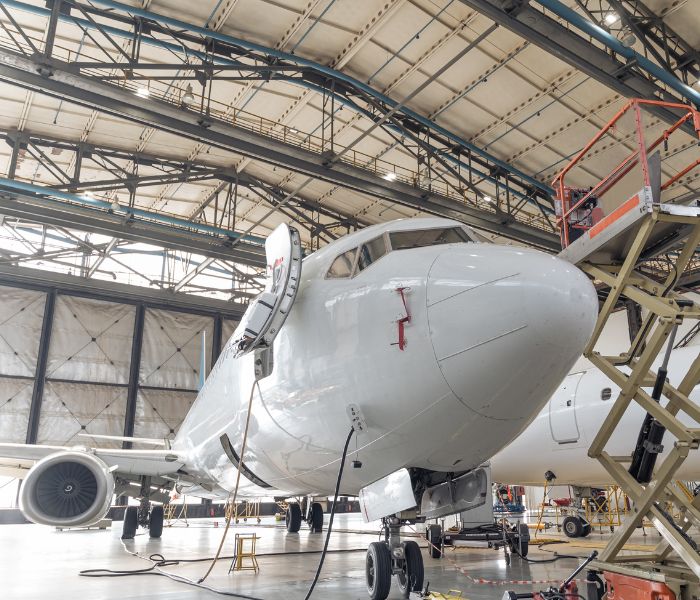
Aerospace components are exposed to vibration, temperature changes, repeated compression, moisture, and environmental conditions that can challenge sealing materials.
AMS3195 is used because its medium-density sponge construction provides a useful balance of compressibility, cushioning, and sealing performance.
Why It Works Well for Aircraft Components
- Controlled compression for doors, panels, and access points.
- Cushioning between components exposed to vibration.
- Conformability around mating and slightly uneven surfaces.
- Environmental sealing against air, moisture, dust, and weather exposure.
- Temperature performance suited to demanding aerospace environments.
- Low closing force compared with many solid rubber materials.
These characteristics make AMS3195 aerospace gasket material suitable for aircraft seals, enclosure gaskets, equipment cushioning, and other applications requiring a compressible aerospace silicone sponge.
We support aerospace manufacturers with custom silicone rubber components for aerospace applications, including application-specific seals, gaskets, and profiles manufactured to customer requirements.
Key Material Properties of AMS3195 Silicone Rubber
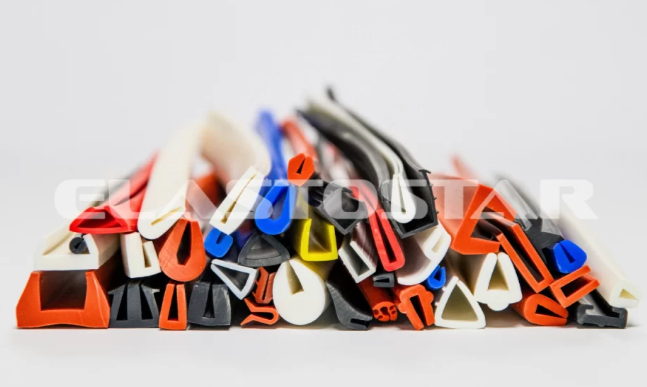
AMS3195 silicone sponge combines a closed-cell structure with medium firmness, providing the compressibility and recovery needed for many aerospace sealing and cushioning applications.
1. Closed-Cell Structure
The closed-cell construction helps limit air and moisture penetration while providing a compressible sealing surface for aircraft panels, doors, and equipment enclosures.
2. Compression and Recovery
AMS3195 provides controlled compression with good recovery, suitable for aerospace rubber seals and gaskets that experience repeated loading.
3. Temperature and Environmental Resistance
As a silicone-based material, AMS3195 offers strong resistance to temperature changes, ozone, UV exposure, and weathering, supporting performance in demanding aircraft environments.
4. Custom Gasket Fabrication
For applications requiring specific shapes or openings, AMS3195 material can be converted into custom die-cut silicone gaskets based on the required dimensions and sealing geometry.
Read More: How Temperature Affects Silicone Rubber Performance
Aerospace Sealing Applications for AMS3195 Silicone Sponge
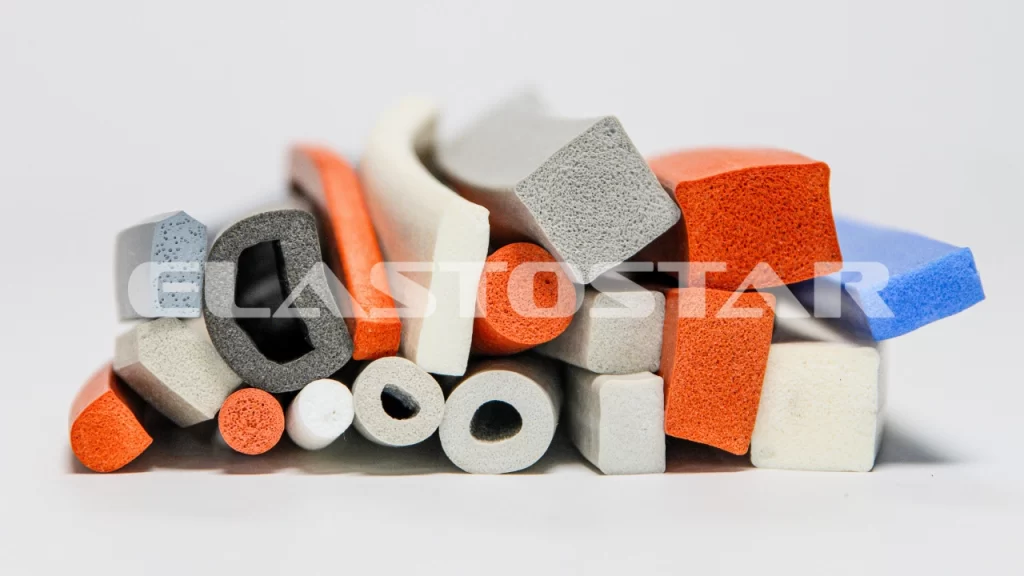
AMS3195 silicone sponge is well-suited for aerospace sealing applications where components require a soft, compressible seal without excessive closing force.
Its closed-cell construction also makes it useful where environmental protection and cushioning are needed.
1. Aircraft Seals and Gaskets
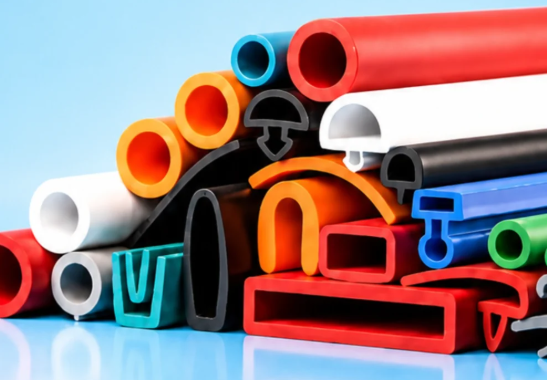
AMS3195 can be fabricated into aerospace rubber seals for aircraft structures, equipment, and assemblies. Depending on the design, the material may be supplied as strips, rubber t seals, or custom profiles to fit specific sealing surfaces.
2. Custom Extruded Sealing Profiles
For applications requiring a continuous cross-section, AMS3195 silicone extrusion can be designed around the required compression and geometry.
Our sponge-extruded rubber seals and gaskets can be manufactured in custom profiles for application-specific sealing requirements.
3. Panel and Enclosure Gaskets
The material’s compressibility allows it to conform to mating surfaces, making AMS3195 closed-cell silicone sponge useful around panels, covers, housings, and equipment enclosures where a flexible environmental seal is required.
Read More: Top 5 Uses of Silicone Rubber Seals in the Aerospace Industry
Use of AMS3195 in Aircraft Doors, Panels, and Access Points

Aircraft doors and access panels are opened repeatedly for operation, inspection, and maintenance. The sealing material must compress sufficiently when closed and recover its shape when the panel or door is reopened.
For these applications, AMS3195 silicone sponge can be used in areas such as:
| Aircraft Area | Role of AMS3195 |
|---|---|
| Access panels | Provides a compressible seal around removable covers |
| Service doors | Helps maintain sealing contact through repeated opening and closing |
| Inspection covers | Cushions mating surfaces and accommodates minor variations |
| Equipment panels | Helps protect enclosed areas from environmental exposure |
Where Profile Design Matters
Not every door or panel uses a flat gasket. Where the assembly needs a compressible raised sealing surface, a silicone rubber bulb seal can provide the required profile geometry.
For AMS3195 silicone sponge for aircraft seals, the final design should match the available gap, required compression, closure force, and environmental conditions.
AMS3195 for Vibration Isolation and Cushioning
Aircraft components can experience continuous vibration, movement, and mechanical contact during operation.
AMS3195 silicone sponge provides a compressible layer that can help cushion components and reduce direct contact between adjoining surfaces.
Common Cushioning Applications
- Equipment mounting areas provide cushioning between components and supporting structures.
- Panels and housings help reduce contact and movement between mating surfaces.
- Avionics and electrical assemblies provide a flexible barrier around vibration-sensitive equipment.
- Clamps and supports help protect components from repeated vibration or mechanical contact.
- Custom pads and strips can be fabricated to match specific aerospace component geometries.
Where a simple cushioning strip or pad is required, metal-detectable rubber can be fabricated in different thicknesses and configurations for application-specific requirements.
For vibration-control applications, buyers should consider sponge density, thickness, compression, load, temperature, and available installation space when specifying the component.
Read More: Vibration Dampeners: Complete Material Selection & Design Guide for Industrial Equipment
Thermal and Environmental Sealing Applications
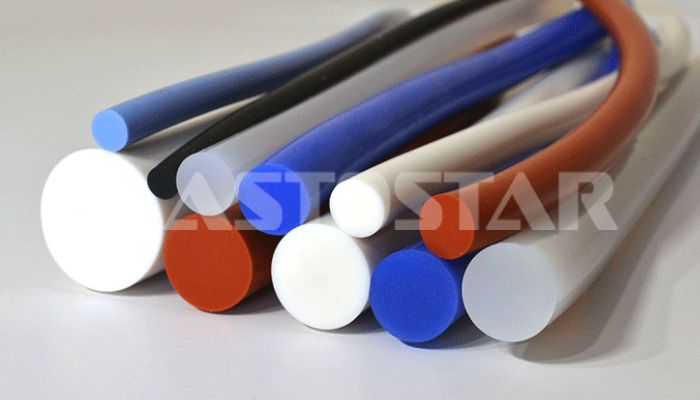
Aerospace seals may encounter rapid temperature changes along with exposure to moisture, ozone, UV, and outdoor weather conditions.
AMS3195 silicone rubber is useful in these environments because it maintains flexibility under demanding thermal conditions, while its closed-cell sponge structure provides compressible environmental sealing.
Where AMS3195 Can Be Applied
| Application | Sealing Function |
|---|---|
| Exterior aircraft panels | Helps seal gaps against environmental exposure |
| Equipment compartments | Provides a flexible barrier around covers and openings |
| Ventilation or duct interfaces | Cushions and seals mating surfaces |
| Access covers | Maintains compression through thermal cycling |
| Structural interfaces | Helps accommodate small dimensional changes between surfaces |
For applications requiring a simple compressible cross-section, silicone rectangular seals can be manufactured to custom dimensions to match the sealing gap.
The AMS3195 aerospace gasket material should ultimately be specified around the actual temperature range, compression, environmental exposure, and component geometry of the aircraft assembly.
AMS3195 Silicone Sponge for Electrical and Equipment Enclosures

Electrical and equipment enclosures in aircraft need dependable sealing around covers, housings, access points, and component interfaces.
AMS3195 silicone sponge can provide the compressibility needed to maintain contact with rigid surfaces.
How AMS3195 Supports Enclosure Sealing
- Environmental protection
Helps limit the entry of dust, moisture, and contaminants at properly designed interfaces. - Low closure force
A compressible sponge can seal covers without requiring the force associated with dense solid rubber. - Vibration cushioning
Provides a soft interface around sensitive equipment and assemblies. - Gap accommodation
Conforms to minor variations between mating enclosure surfaces. - Custom configurations
Can be fabricated as strips, frames, or application-specific silicone sponge gaskets.
For enclosure designs requiring a continuous perimeter seal, vulcanized silicone rubber gaskets can be produced in custom dimensions to match the equipment opening.
Proper gasket thickness, compression, and profile should be determined by the enclosure geometry and environmental requirements, rather than by selecting AMS3195 based on material specification alone.
How AMS3195 Performs Under Temperature, Compression, and Weather Exposure
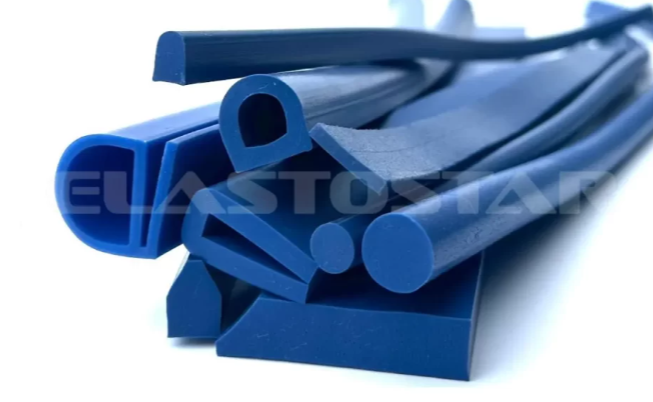
The performance of AMS3195 silicone sponge depends on more than temperature resistance alone.
In aerospace applications, the material may experience compression, thermal cycling, vibration, ozone, UV exposure, and changing weather conditions simultaneously.
Performance Under Real-World Aerospace Conditions
| Condition | AMS3195 Performance Consideration |
|---|---|
| Temperature changes | Silicone maintains flexibility across a broad temperature range. |
| Repeated compression | Medium-density sponge provides compression and recovery for static sealing. |
| Weather exposure | Silicone offers good resistance to weathering and environmental aging. |
| Ozone and UV | Suitable silicone formulations resist degradation from ozone and sunlight. |
| Moisture | Closed-cell construction helps limit water absorption. |
| Thermal cycling | Flexibility helps the seal accommodate dimensional changes between mating surfaces. |
For demanding applications, our AMS- and aerospace-grade silicone materials can be selected based on the required specifications and operating environment.
Actual performance should always be evaluated against the required AMS3195 specification, compression level, temperature exposure, component design, and service conditions.
Read More: Why Long-Term Sealing Performance Matters More Than Initial Specs
AMS3195 vs. AMS3196: Which Grade Should You Choose?

Both AMS3195 and AMS3196 are silicone sponge specifications used in demanding sealing and cushioning applications, but they should not be treated as interchangeable.
One of the key differences is the firmness/density classification, which affects how the material compresses under load.
AMS3195 vs. AMS3196
| Factor | AMS3195 | AMS3196 |
|---|---|---|
| Sponge classification | Medium-density silicone sponge | Firm-density silicone sponge |
| Compression | Compresses more easily | Requires greater force to compress |
| Cushioning | More compliant cushioning | Firmer cushioning and support |
| Sealing approach | Suitable where moderate closure force is available | Suitable where greater firmness is needed |
| Consider when selecting | More flexibility and conformability are needed | Greater firmness and support are needed |
For applications requiring greater firmness, our AMS3196 firm-density closed-cell silicone sponge provides an alternative to AMS3195.
Which Is Better for Aerospace Applications?
Choose AMS3195 silicone sponge when the design benefits from a medium-density, more compliant seal. AMS3196 may be more appropriate when the assembly requires a firmer sponge and greater resistance to compression.
The final choice should be based on the aircraft component’s compression requirements, sealing gap, closure force, geometry, and applicable material specification.
AMS3195 vs. Commercial Silicone Sponge
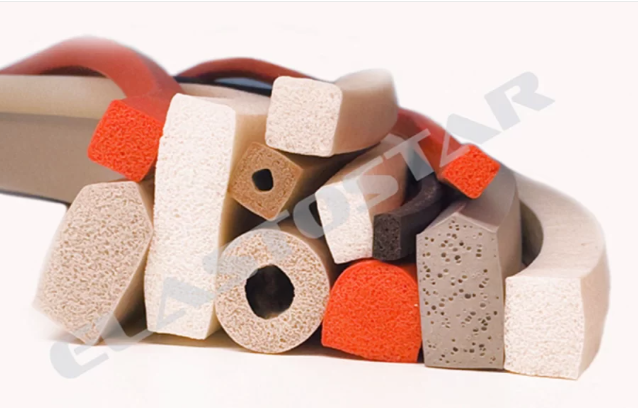
Although both materials are closed-cell silicone sponges, AMS3195 and commercial-grade silicone sponge are intended for different sourcing requirements.
For aerospace programs, the required material specification should drive the selection.
Where the Difference Matters
AMS3195 silicone sponge is the better choice when:
- The drawing or purchase order specifically calls for AMS3195.
- Aerospace material documentation is required.
- Consistent material properties are important across production runs.
- Supplier quality and traceability requirements must be maintained.
Commercial silicone sponge may be appropriate when the application does not require an AMS specification and performance can be defined by standard properties such as density, hardness, temperature capability, and compression set.
For aerospace buyers, commercial silicone sponge should not be substituted for AMS3195 solely because the materials appear similar.
The drawing, specification, qualification requirements, and application conditions should always determine the choice of material.
What Aerospace Buyers Should Verify Before Sourcing AMS3195 Silicone Components
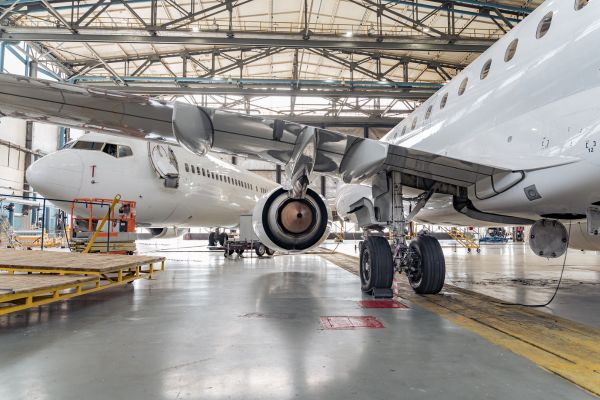
When sourcing AMS3195 silicone rubber, buyers should verify more than the material name. The supplied component must meet the engineering drawing, specification requirements, and quality expectations of the aerospace program.
Key Sourcing Checks
- AMS3195 conformance — confirm that the supplied material meets the required specification.
- Material documentation — request the certifications and test documentation required by the purchase order.
- Dimensions and tolerances — verify thickness, profile, gasket dimensions, and other critical features.
- Compression requirements — make sure density and compression behavior suit the sealing or cushioning application.
- Lot traceability — confirm appropriate material and production traceability.
- Custom manufacturing capability — ensure the supplier can produce the required AMS3195 silicone sponge sheets and profiles, gaskets, strips, or fabricated components.
- Aerospace quality controls — evaluate inspection, documentation, and process controls used throughout production.
For dimensional requirements, our RMA precision tolerance capabilities help support custom silicone components where controlled dimensions are important.
These checks are especially important when sourcing custom AMS3195 silicone components for specification-driven aerospace programs.
Choosing an AMS3195 Silicone Sponge Manufacturer in the USA

Choosing an AMS3195 silicone sponge manufacturer in the USA requires evaluating more than material availability.
Aerospace buyers need a supplier that can convert specification-grade material into consistent, application-ready components.
Key Capabilities to Look For
- Experience manufacturing AMS3195 silicone components.
- Custom sheets, strips, gaskets, and extruded profiles.
- In-house tooling and manufacturing capabilities.
- Controlled dimensions and tolerances.
- Material documentation and lot traceability.
- Reverse engineering for existing components.
- Prototype-to-production support.
- AS9100D quality management.
- Made in the USA.
For projects that require more than a standard part, buyers can review our silicone rubber manufacturing capabilities for details on custom manufacturing, tooling, prototyping, and specialized silicone materials.
A reliable AMS3195 aerospace silicone supplier should be able to support the complete project from drawings or existing samples through manufacturing, inspection, documentation, and production.
Recommended Reads
- Why Are We Certified Aerospace Rubber Suppliers?
- Role of Certification in Aerospace Rubber Manufacturing
- Certified Silicone Rubber Products Improve Aerospace Reliability
Conclusion
AMS3195 silicone rubber provides the combination of compressibility, cushioning, environmental resistance, and temperature performance required for many demanding aerospace applications.
From aircraft doors and access panels to equipment enclosures, vibration cushioning, and environmental seals, AMS3195 silicone sponge can be manufactured into application-specific components based on the required geometry and compression.
When sourcing custom AMS3195 silicone components, aerospace buyers should prioritize material conformance, dimensional control, traceability, and aerospace-focused quality systems.
For custom gaskets, seals, sheets, strips, or extruded profiles, contact our team to discuss your AMS3195 aerospace application.
FAQs
Q1. What is AMS3195 silicone rubber?
AMS3195 silicone rubber is a medium-density, closed-cell silicone sponge specification used for sealing, gasketing, cushioning, insulation, and vibration-control applications, particularly in applications subject to aerospace material requirements.
Q2. What is the AMS3195 silicone sponge used for?
AMS3195 silicone sponge is used for aircraft seals, gaskets, environmental sealing, thermal insulation, vibration dampening, cushioning, and equipment protection.
Q3. Is AMS3195 a closed-cell silicone sponge?
Yes, AMS3195 is a closed-cell silicone sponge, providing a compressible structure suited to sealing applications where resistance to moisture and environmental exposure is important.
Q4. What temperature range can AMS3195 silicone withstand?
Elastostar Rubber Corporation lists AMS3195 medium silicone sponge with a temperature range of -103°F to +450°F (-75°C to 232°C). Actual service limits should always be evaluated against the specific application and exposure conditions.
Q5. What are the main properties of AMS3195 silicone sponge?
Key properties include high compressibility, low compression set, closed-cell construction, temperature resistance, and resistance to UV, ozone, and environmental exposure.
Q6. Can AMS3195 be used for aircraft door and panel seals?
Yes. AMS3195 can be used for appropriately designed aircraft door, hatch, panel, and access-point seals. Depending on the geometry, profiles such as double-bulb silicone seals can also be manufactured with AMS3195 material options for aerospace applications.
Q7. Can AMS3195 silicone sponge be custom extruded or fabricated?
Yes, Custom AMS3195 silicone components can be produced as sheets, strips, extrusions, molded shapes, gaskets, and application-specific profiles. For specialized sealing geometries, inflatable silicone seals and gaskets are another custom manufacturing capability available with AMS3195 material options where appropriate.
Q8. What documentation should buyers request for AMS3195 silicone products?
Aerospace buyers should confirm the required material certification, specification conformance, lot traceability, dimensional inspection records, and any purchase-order-specific documentation before approving AMS3195 components.