When sourcing silicone rubber components for aerospace applications, material performance is only part of the decision. Buyers also need confidence that the manufacturer can control production, maintain material traceability, document inspections, and manage changes consistently.
That is where AS9100D certification becomes important. Working with an AS9100D-certified manufacturer gives aerospace buyers a recognized way to evaluate the quality-management system behind the parts they purchase.
For companies sourcing aerospace silicone rubber, aerospace silicone seals, gaskets, O-rings, and silicone sponge components, these controls provide greater confidence in manufacturing consistency, documentation, and quality from initial development through repeat production.
Key Takeaways
- AS9100D builds on ISO 9001 with additional quality requirements for aviation, space, and defense organizations.
- Certification applies to the quality management system and the certified scope, not automatically to every silicone rubber product.
- Buyers should evaluate material specifications, traceability, tolerances, inspection, and documentation alongside AS9100D certification.
- AMS 3195 and AMS 3196 address silicone sponge material requirements, while AS9100D addresses the manufacturer’s quality system.
- We support custom aerospace silicone components from design and prototyping through repeat production in the USA.
Table of Contents
What Is AS9100D Certification?
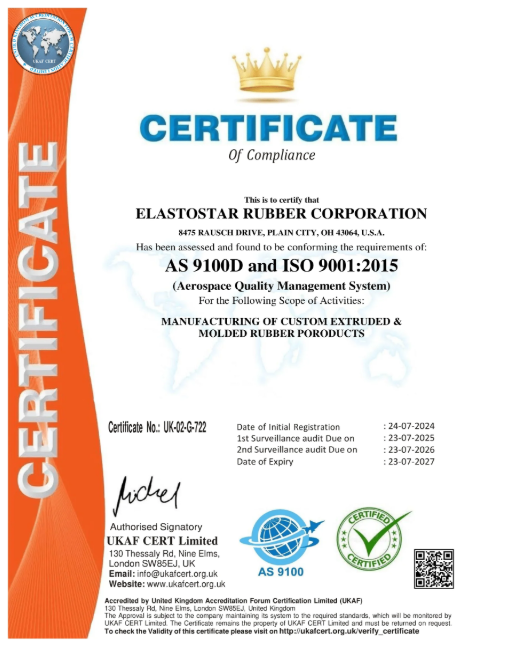
AS9100D certification is a quality-management standard developed for organizations serving the aviation, space, and defense industries.
It builds on ISO 9001 by adding aerospace-specific requirements for areas such as risk management, product safety, configuration control, traceability, and documented processes.
For buyers of aerospace silicone rubber components, the certification indicates that the manufacturer follows a structured quality system designed for controlled production, documented procedures, and consistent manufacturing practices within the certified scope.
AS9100D certification applies to the manufacturer’s quality management system and approved activities. It does not automatically certify every individual silicone rubber material or finished aerospace component.
Read More: Why Are We Certified Aerospace Rubber Suppliers?
Why AS9100D Matters When Buying Silicone Rubber Components
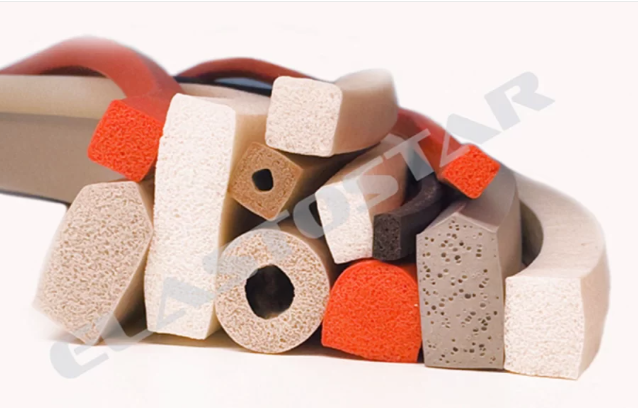
When sourcing aerospace silicone seals and components, buyers need confidence that the supplier can control quality throughout production, not just supply the right material.
Working with an AS9100D-certified manufacturer can help support:
- Consistent manufacturing across prototype and repeat production.
- Controlled inspection against drawings, tolerances, and specifications.
- Risk and nonconformance management when production issues occur.
- Clear process controls for aerospace quality requirements.
The certification supports confidence in the manufacturer’s quality system, but the final silicone material and part design must still meet the specific requirements of the aerospace application.
AS9100D vs ISO 9001: What Is the Difference?
AS9100D is built on the ISO 9001 quality-management framework but adds requirements developed specifically for aviation, space, and defense organizations.
IAQG describes 9100 as adding aerospace-focused requirements beyond ISO 9001.
| Area | ISO 9001 | AS9100D |
|---|---|---|
| Primary Focus | General quality management across industries. | Aerospace, aviation, space, and defense quality management. |
| Foundation | Core quality-management requirements. | Includes ISO 9001 requirements plus aerospace-specific additions. |
| Risk & Product Safety | General risk-based quality controls. | Additional focus on aerospace risk and product safety. |
| Configuration & Change Control | General change-control requirements. | Greater emphasis on configuration and controlled changes for aerospace work. |
| Supply Chain Use | Used across many industries. | Designed for aerospace supply-chain organizations. |
For silicone rubber buyers, the key difference is that AS9100D provides additional assurance that the supplier’s quality system is structured around aerospace-specific risks and controls, rather than general manufacturing quality alone.
Read More: Guide to Buying ISO-Certified Silicone Rubber
What AS9100D Means for Silicone Product Quality and Process Control
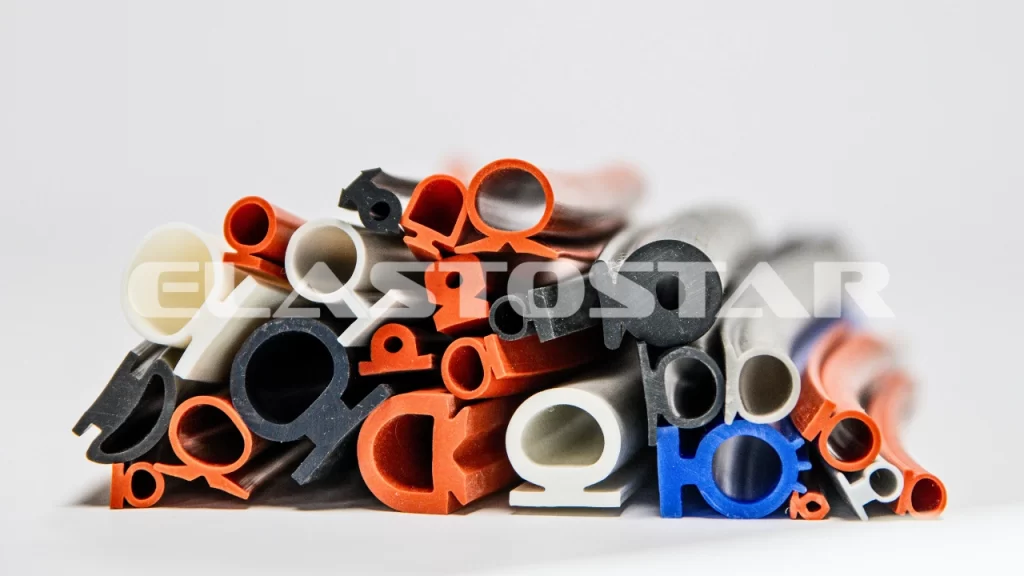
For aerospace buyers, consistent aerospace silicone components depend on more than final inspection. Quality has to be controlled throughout the manufacturing process, from reviewing requirements and planning production to verification and final release.
Under AS9100D, relevant production controls include:
- Defined production requirements and acceptance criteria.
- Controlled processes and work instructions where required.
- Inspection and verification before product release.
- Control of tooling, equipment, and production resources.
- Management of nonconforming products.
- Controlled changes that could affect product conformity.
For products such as aerospace silicone seals, gaskets, rubber O-rings, and custom extrusions, these controls support repeatable manufacturing in accordance with approved drawings, specifications, and customer requirements.
Buyers can also review our quality control and documentation processes to learn for about inspection, traceability, and production records.
For components requiring custom shapes and production-specific geometries, our rubber-molded products can be manufactured to the drawing, material, dimensional, and application requirements.
Read More: The Step-by-Step Process of Custom Silicone Rubber Molding
How AS9100D Supports Material Traceability and Documentation
In aerospace manufacturing, traceability helps connect a finished component to the materials, production records, and inspection activities associated with it.
AS9100D includes requirements for identification and traceability when required, along with controls for retaining the documented information needed to support them.
For aerospace silicone components, relevant records may include:
- Material and lot identification for applicable raw materials and production batches.
- Drawing and revision records were used to confirm the correct requirements.
- Inspection and verification records showing that specified acceptance criteria were checked.
- Production records that provide manufacturing history where required.
- Certificates and supporting documentation required by the customer, contract, or aerospace program.
These controls give buyers a clearer record of how an aerospace rubber component was manufactured and verified.
They can also make it easier to investigate a nonconformance, identify affected material or production lots, and provide supporting records when required.
AS9100D Requirements Relevant to Aerospace Silicone Suppliers
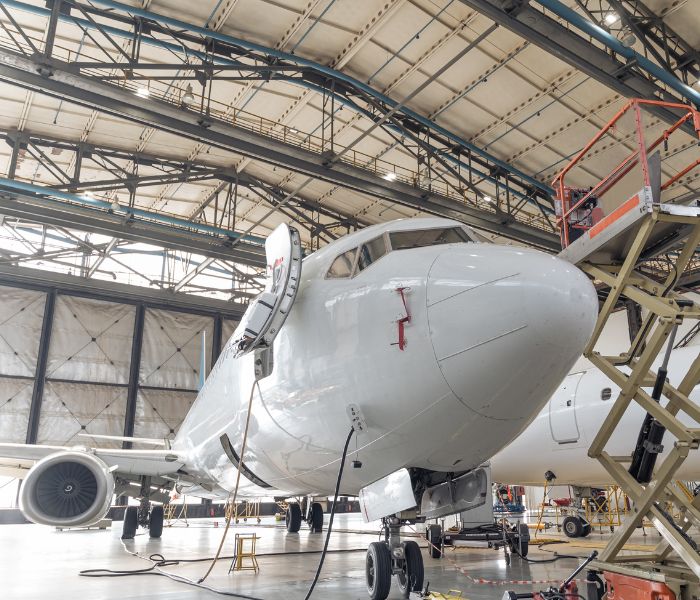
For an aerospace silicone supplier, AS9100D goes beyond general quality management by adding controls that are especially important in aviation, space, and defense supply chains.
The standard incorporates ISO 9001 requirements and adds aerospace-specific requirements that complement customer and applicable regulatory requirements.
Key areas buyers should expect an AS9100D-certified supplier to manage include:
1. Risk Management
Production and quality risks should be identified and controlled to address potential issues before they affect delivered parts.
2. Product Safety
The quality system should include controls relevant to product safety throughout the applicable product lifecycle.
3. Configuration and Change Control
Changes to drawings, materials, processes, tooling, or specifications should be reviewed and controlled before implementation.
4. Supplier Control
Purchased materials and outsourced processes should be managed through defined supplier and purchasing controls.
5. Inspection and Verification
Finished aerospace silicone components should be verified against applicable drawings, specifications, tolerances, and acceptance requirements before release.
6. Nonconformance and Corrective Action
Parts that do not meet specified requirements should be identified, controlled, investigated, and addressed through corrective-action processes.
For buyers sourcing custom aerospace silicone components, these requirements help create a more controlled manufacturing environment, but customer drawings, material specifications, and program-specific requirements still remain essential.
AS9100D requirements are complementary to, not replacements for, customer and applicable statutory or regulatory requirements.
AS9100D and Silicone Sponge Products for Aerospace Applications

Silicone sponge is widely used in aerospace assemblies where a lightweight, compressible material is needed to maintain a seal around uneven or moving surfaces.
Its flexibility and compression recovery make it suitable for applications exposed to vibration, temperature changes, and repeated opening and closing.
Closed-cell silicone sponge rubber can be manufactured into seals, gaskets, strips, and custom profiles for applications such as:
- Aircraft doors and access panels.
- Avionics and electronic enclosures.
- Lighting and interior assemblies.
- Equipment housings and protective seals.
- Vibration and environmental sealing.
For aerospace buyers, AS9100D and the silicone sponge specification serve different purposes.
AS9100D relates to the manufacturer’s quality management system, while the sponge material itself must be selected according to the required density, physical properties, temperature range, and applicable material specification.
Where an aerospace drawing calls for a defined silicone sponge specification, grades such as AMS 3195 or AMS 3196 may be relevant. We’ll cover the differences between those specifications in the next section.
Where the drawing calls for a softer sponge construction, ASTM D1056 soft silicone sponge may also be considered according to the required compression, density, and application conditions.
Read More: Difference Between Closed-Cell Silicone Sponge vs. Dense Silicone Rubber
Where AMS 3195 and AMS 3196 Fit Into Aerospace Silicone Sourcing
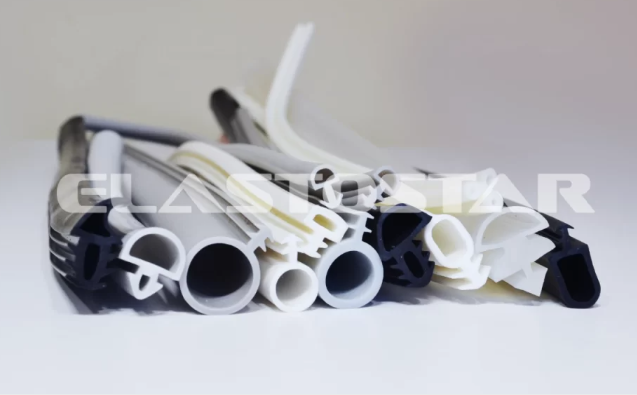
AS9100D and AMS specifications serve different purposes in aerospace sourcing. AS9100D applies to the manufacturer’s quality-management system, while AMS 3195 and AMS 3196 define material requirements for silicone sponge used in aerospace applications.
1. AMS 3195 Silicone Sponge
AMS 3195 medium silicone sponge is applicable when an aerospace drawing or specification calls for a medium-density silicone sponge.
Typical uses include:
- Aerospace seals and gaskets.
- Enclosure and panel sealing.
- Vibration and environmental sealing.
2. AMS 3196 Silicone Sponge
AMS 3196 firm-density silicone sponge is used where a firmer closed-cell silicone sponge is required for the application.
Typical uses include:
- Aircraft and equipment seals.
- Access panels and enclosures.
- Compression and vibration-control applications.
3. AS9100D vs AMS 3195 vs AMS 3196
| Requirement | What It Covers |
|---|---|
| AS9100D | Aerospace quality-management system |
| AMS 3195 | Medium-density silicone sponge material requirements |
| AMS 3196 | Firm-density silicone sponge material requirements |
For buyers, the key is to confirm both the supplier’s quality-system requirements and the exact material specification shown on the drawing or purchase order.
What Buyers Should Check Beyond AS9100D Certification
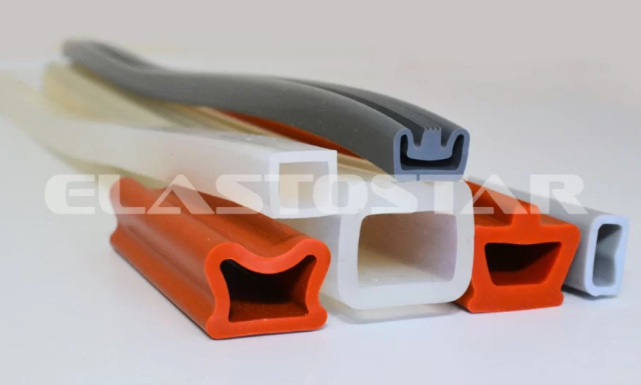
AS9100D certification is an important supplier qualification factor, but it should not be the only consideration when sourcing aerospace silicone rubber components.
Buyers also need to confirm that the material, dimensions, tolerances, and documentation match the requirements of the actual part.
Before placing an order, review:
- Material specification: Confirm the required silicone grade, such as AMS, A-A-59588, or another drawing-specific specification.
- Dimensions and tolerances: Ensure the supplier can consistently manufacture the required profile and meet the specified tolerances. Elastostar’s RMA precision tolerance guidelines provide additional guidance for rubber part tolerances.
- Operating conditions: Consider temperature, compression, vibration, fluids, environmental exposure, and expected service conditions.
- Inspection requirements: Define dimensional inspection, sampling, First Article Inspection, or other verification requirements before production.
- Required documentation: Identify Certificates of Conformance, material certifications, inspection reports, lot records, or other documents required with the order.
- Production capability: Confirm that the supplier can support prototypes, production quantities, repeat orders, and any required secondary fabrication.
For aerospace sourcing, the goal is to qualify both the manufacturer and the component. An AS9100D-certified quality system provides an important foundation, but the finished part must still meet the drawing, material specification, and application requirements.
How to Verify an AS9100D-Certified Silicone Rubber Manufacturer
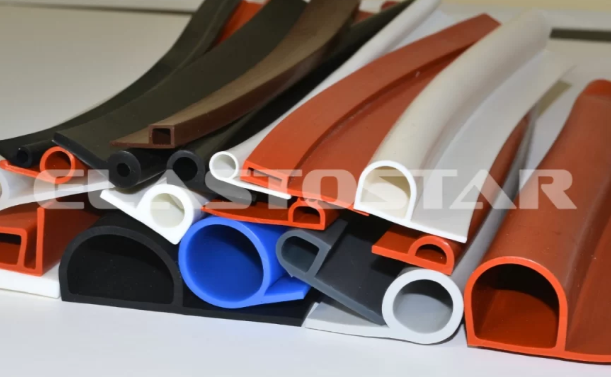
Before approving an AS9100D-certified manufacturer, aerospace buyers should verify that the certification is current and relevant to the products and manufacturing services they intend to purchase.
Check that all verification processes include:
- Review the certificate
Check the company name, manufacturing location, certification standard, and certificate dates. - Check the certification scope
. Confirm that it covers the manufacturing activities relevant to your aerospace silicone components. - Confirm certificate validity
Make sure the certificate has not expired, been suspended, or been withdrawn. - Verify the certification body
Review the organization that issued the certificate and its accreditation. - Check the OASIS database
Aerospace buyers can use the IAQG OASIS system to verify certification information for aerospace suppliers. - Request supporting documents
Ask the supplier for the current certificate and any quality documentation required by your purchasing or supplier-approval process.
For buyers evaluating an AS9100D aerospace silicone supplier, verification helps ensure that certification claims match the actual company, facility, scope, and current certification status.
Questions to Ask an Aerospace Silicone Supplier Before Ordering
Before placing an order for aerospace silicone components, buyers should ensure the supplier can meet both the part’s technical requirements and the aerospace program’s quality requirements.
Consider asking:
- Is your manufacturing facility AS9100D certified?
- Does your certification scope cover the manufacturing processes required for our parts?
- Can you manufacture to aerospace material specifications such as A-A-59588 or ZZ-R-765 Class 2A, 2B, 3A, and 3B?
- Can you support custom extrusions, seals, gaskets, O-rings, and silicone sponge components?
- Do you offer AMS 3195 and AMS 3196 silicone sponge when specified?
- Can you meet our drawing dimensions and required tolerances?
- What material, inspection, traceability, and Certificate of Conformance documentation can you provide?
- Can you support prototypes, custom tooling, and repeat production runs?
- Can you provide design assistance or reverse engineering for an existing aerospace seal or component?
- Where are the components manufactured, and what lead times can you support?
These questions help buyers evaluate more than an AS9100D aerospace silicone supplier’s certificate. They also help determine whether the supplier has the materials, manufacturing capacity, technical support, and documentation needed for the specific aerospace program.
Why Choose an AS9100D-Certified Silicone Rubber Manufacturer in the USA?

For aerospace OEMs and suppliers, working with a U.S.-based AS9100D-certified silicone manufacturer can simplify communication, quality coordination, documentation, and production planning.
At Elastostar Rubber Corporation, we combine aerospace quality controls with custom manufacturing capabilities for demanding silicone rubber applications.
Our capabilities include:
- AS9100D-certified manufacturing for applicable aerospace requirements.
- Made in the USA in a large manufacturing facility.
- Custom aerospace silicone components, including extrusions, seals, gaskets, O-rings, and sponge products.
- Military-spec silicone options, including A-A-59588 and applicable ZZ-R-765 Class 2A, 2B, 3A, and 3B requirements.
- Reverse engineering and design support for custom or replacement components.
- Prototype-to-production capabilities for new and ongoing aerospace programs.
- In-house manufacturing support and short lead times for custom requirements.
We work with aerospace buyers from initial material and design review through prototypes and repeat production, helping ensure that the aerospace silicone rubber component and its supporting documentation align with the requirements defined for the project.
Recommended Reads
- Top Applications of Silicone Rubber in the Aerospace Industry
- Top Benefits of Using Silicone Rubber in the Aerospace Industry
- Exploring the Role of Silicone Seals in Aerospace Innovation
Choosing the Right AS9100D Aerospace Silicone Manufacturer
Choosing the right supplier means looking beyond AS9100D certification to material specifications, traceability, tolerances, documentation, and manufacturing capabilities.
At Elastostar Rubber Corporation, we combine our aerospace quality system with Made in USA manufacturing to produce custom aerospace silicone seals, die-cut gaskets, O-rings, extrusions, molded parts, and sponge components.
We support prototypes through repeat production, along with applicable specifications such as AMS 3195, AMS 3196, A-A-59588, and ZZ-R-765.
Whether you have a new design or need a custom replacement component, we can review your drawing, material, tolerances, and production requirements. Contact us to discuss your aerospace silicone project.
FAQs
Q1. What does AS9100D certification mean?
AS9100D certification confirms that a manufacturer operates a quality management system designed to meet additional requirements for the aviation, space, and defense industries.
Q2. Why is AS9100D important for aerospace suppliers?
AS9100D helps aerospace buyers evaluate whether a supplier follows structured controls for quality, risk management, product safety, inspection, traceability, change management, and nonconformance.
Q3. What is the difference between AS9100D and ISO 9001?
ISO 9001 is a general quality-management standard used across industries. AS9100D builds on ISO 9001 with additional requirements specific to aviation, space, and defense organizations.
Q4. Does AS9100D certify individual silicone rubber products?
No. AS9100D applies to the manufacturer’s quality-management system within its certified scope. Individual aerospace silicone components must still meet the required material specification, drawing, testing, and customer requirements.
Q5. Does AS9100D require material traceability?
AS9100D includes identification and traceability controls where required. Specific traceability requirements depend on the component, customer requirements, contract, and aerospace program.
Q6. What should buyers check on an AS9100D certificate?
Buyers should review the certified company and facility, the certification scope, the standard, the certificate validity dates, the certification body, and the accreditation information.
Q7. How can I verify whether a silicone manufacturer is AS9100D certified?
Check the manufacturer’s current AS9100D certificate and confirm its facility, scope, certification body, and validity. Applicable aerospace certification information can also be verified through the IAQG OASIS system.
Q8. What is the difference between AS9100D and AMS 3195?
AS9100D applies to the manufacturer’s aerospace quality management system, while AMS 3195 defines material requirements for medium-density silicone sponge.
Q9. What is the difference between AS9100D and AMS 3196?
AS9100D addresses quality management processes, while AMS 3196 defines requirements for firm-density closed-cell silicone sponge.
Q10. Why should aerospace OEMs choose an AS9100D-certified silicone supplier?
An AS9100D-certified supplier provides a structured aerospace quality system for managing production, inspection, traceability, risks, changes, and nonconforming products.
Q11. What documentation should aerospace silicone suppliers provide?
Depending on project requirements, documentation may include Certificates of Conformance, material certifications, inspection records, First Article documentation, and material or lot traceability records.
Q12. Where can I buy AS9100D-supported aerospace silicone components in the USA?
We manufacture custom aerospace silicone components in the USA, including seals, gaskets, O-rings, extruded profiles, molded parts, and silicone sponge products, with support from prototype development through repeat production.