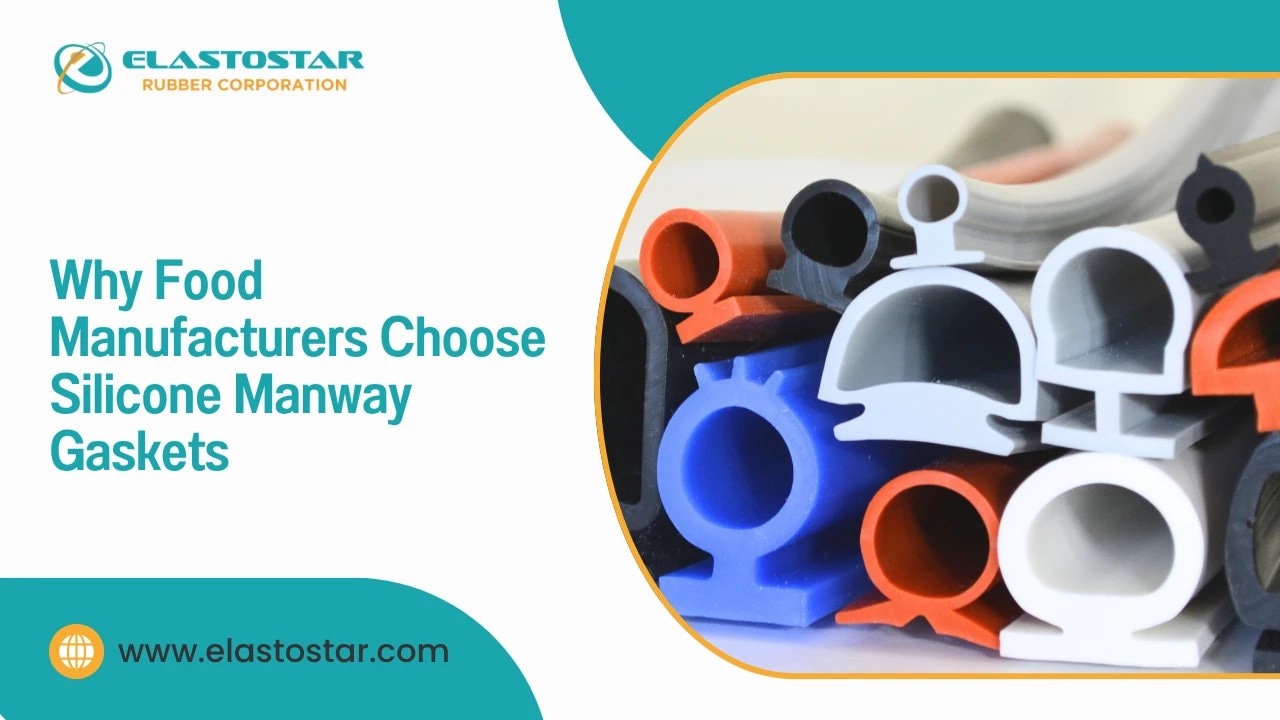
In food processing, a manway gasket does more than prevent leaks; it supports sanitation, product protection, and reliable equipment operation.
FDA guidance highlights that worn or cracked product-contact gaskets can create areas where bacteria may remain even after cleaning, making gasket condition and replacement important for food safety.
For food manufacturers, the right silicone manway gasket can provide the flexibility, temperature resistance, and sealing performance needed for processing tanks, vessels, and manway doors.
We manufacture custom silicone manway gaskets for food-processing equipment, with materials, profiles, and dimensions matched to application requirements.
This guide explains why food manufacturers choose silicone manway gaskets and what buyers should consider before ordering.
Key Takeaways
- Silicone manway gaskets support reliable sealing, sanitation, and equipment performance in food-processing tanks and vessels.
- The right gasket depends on size, profile, compression, temperature, cleaning conditions, and food-contact requirements.
- Silicone provides flexibility, temperature resistance, moisture resistance, and good compression recovery.
- Buyers should verify the specific food-contact compound and required compliance documentation rather than assuming all silicone is food-grade.
- Incorrect compression, poor fit, chemical incompatibility, or installation damage can cause leakage and premature gasket failure.
- Custom manway gaskets are ideal for non-standard, modified, or older equipment when standard sizes cannot provide the required fit.
Table of Contents
What Is a Silicone Manway Gasket?
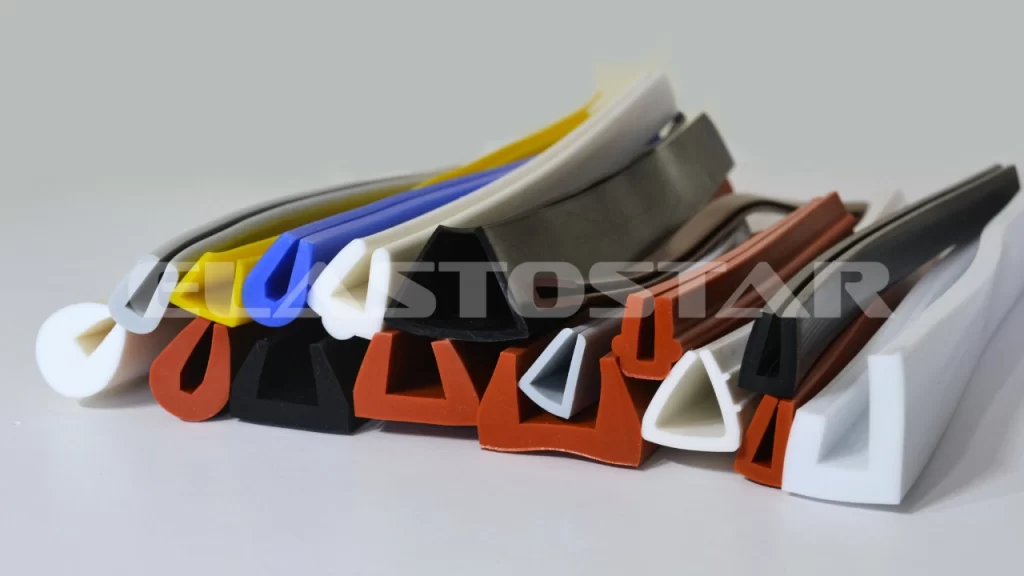
A silicone manway gasket is a flexible sealing component installed around the opening of a tank, vessel, or manway door.
When the door or cover is closed, the gasket compresses between the mating surfaces to create a secure seal and help prevent product leakage or external contamination.
In food-processing equipment, manway gaskets may be manufactured as continuous extruded profiles or hot-spliced endless gaskets, depending on the equipment design.
We manufacture U-channel manway seals and gaskets in standard and custom sizes, with material, hardness, profile, and dimensions selected for the specific application.
For food-contact applications, the silicone compound should be selected in accordance with applicable food-safety and regulatory requirements, rather than assuming that every silicone rubber gasket is automatically food-grade.
Where Are Manway Gaskets Used in Food Processing Equipment?

Manway gaskets seal access openings on tanks and vessels that must be opened for cleaning, inspection, maintenance, or product access.
In food processing, maintaining a reliable seal after every opening is especially important for controlling leakage and protecting the processing environment.
Typical applications include:
- Mixing and blending tanks.
- Storage and holding vessels.
- Dairy and beverage processing tanks.
- Fermentation vessels.
- Ingredient and batching tanks.
- Sanitary processing equipment.
The correct tank manway gasket or manway door gasket depends on the opening geometry, operating temperature, pressure, cleaning cycle, and media being processed.
We support food processing equipment manufacturers with custom silicone sealing solutions designed around specific equipment and operating requirements.
Why Is Silicone a Preferred Material for Food-Processing Manway Gaskets?
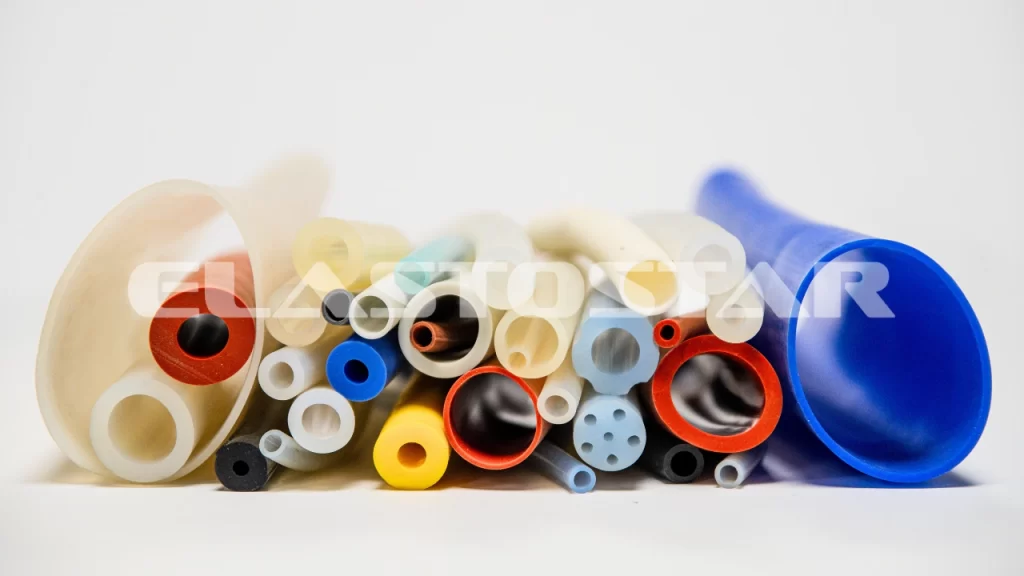
Food-processing manway gaskets are exposed to repeated compression, temperature changes, moisture, and frequent cleaning.
Extruded silicone rubber is widely used because it combines flexibility, temperature resistance, and reliable sealing performance for demanding processing environments.
For direct food-contact applications, we can manufacture gaskets using FDA-grade white silicone that is specifically qualified for food contact.
Key advantages include:
- Wide temperature capability for hot and cold processing conditions.
- Good flexibility and recovery after repeated compression.
- Resistance to moisture and aging.
- Reliable sealing around irregular or frequently opened manway doors.
- Availability of compounds suitable for specific food-contact requirements.
These properties make silicone a practical choice for food-grade silicone manway gaskets used on processing, mixing, storage, and sanitary tanks.
Key Benefits of Silicone Manway Gaskets for Food Manufacturers
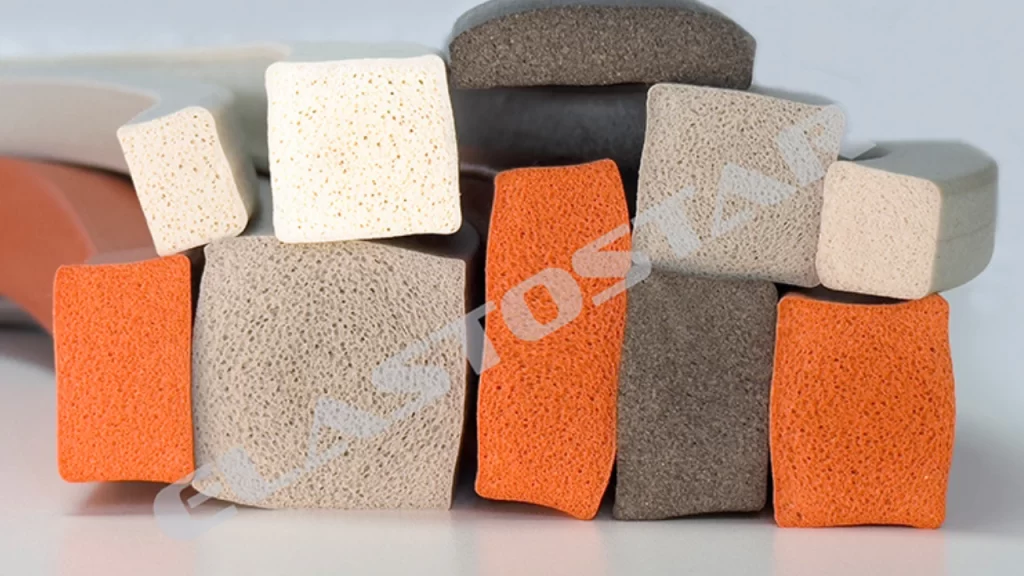
Choosing the right silicone manway gasket can improve more than just sealing performance.
For food manufacturers, it can also support equipment uptime, sanitation, and longer service life when the gasket is correctly specified.
Benefits That Matter in Daily Production
- Reliable sealing: Flexible silicone conforms to the sealing surfaces to help control leaks.
- Temperature stability: Suitable silicone compounds maintain flexibility across demanding hot and cold processing conditions.
- Frequent opening and closing: Good elastic recovery makes silicone suitable for manway doors that require routine access.
- Cleaning resistance: Properly selected silicone performs well in many washdown and sanitation environments.
- Custom configurations: Profile, hardness, dimensions, and material can be matched to the tank and operating conditions.
For applications where contamination detection is part of the food-safety program, we can also manufacture metal- and X-ray-detectable rubbers for appropriate processing environments.
How Does Temperature Resistance Affect Manway Gasket Performance?
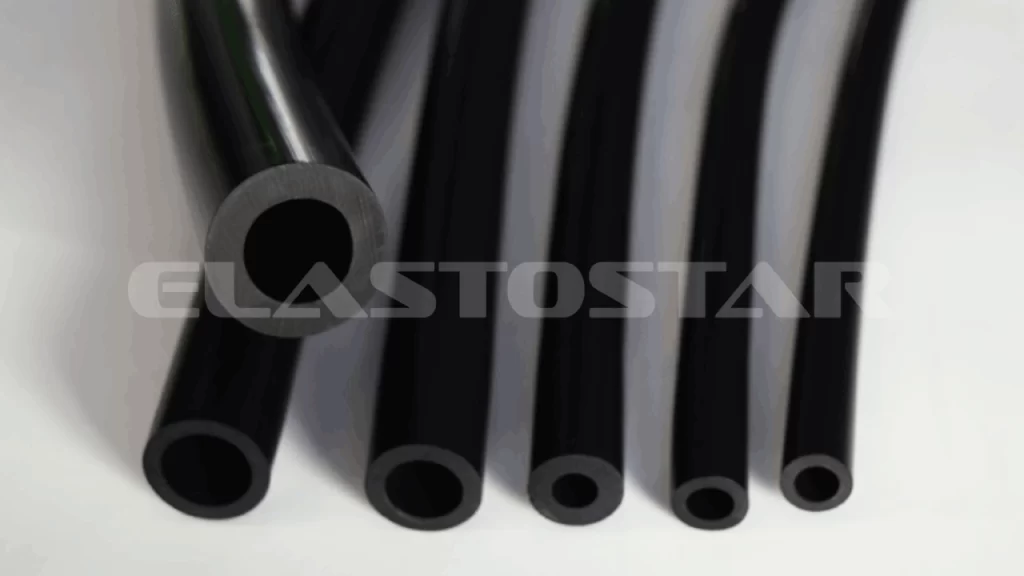
Temperature directly affects how well a manway gasket maintains compression, flexibility, and sealing force. Food-processing tanks may experience hot product, steam, washdowns, refrigeration, or repeated heating and cooling cycles.
What Happens When the Gasket Faces Temperature Changes?
If the gasket material is not suited to the operating range, it can gradually harden, soften, deform, or lose compression recovery, increasing the risk of leakage. Silicone is particularly useful because suitable formulations maintain flexibility across a broad temperature range.
For food-contact applications, the selected high-temperature gasket must also meet the applicable food-contact requirements, not simply the required temperature rating.
This combination of temperature capability + compression performance + correct material grade helps a silicone manway gasket maintain a dependable seal through repeated processing and cleaning cycles.
Read More: How Temperature Affects Silicone Rubber Performance
How Do Silicone Manway Gaskets Support Hygienic Processing and Frequent Cleaning?
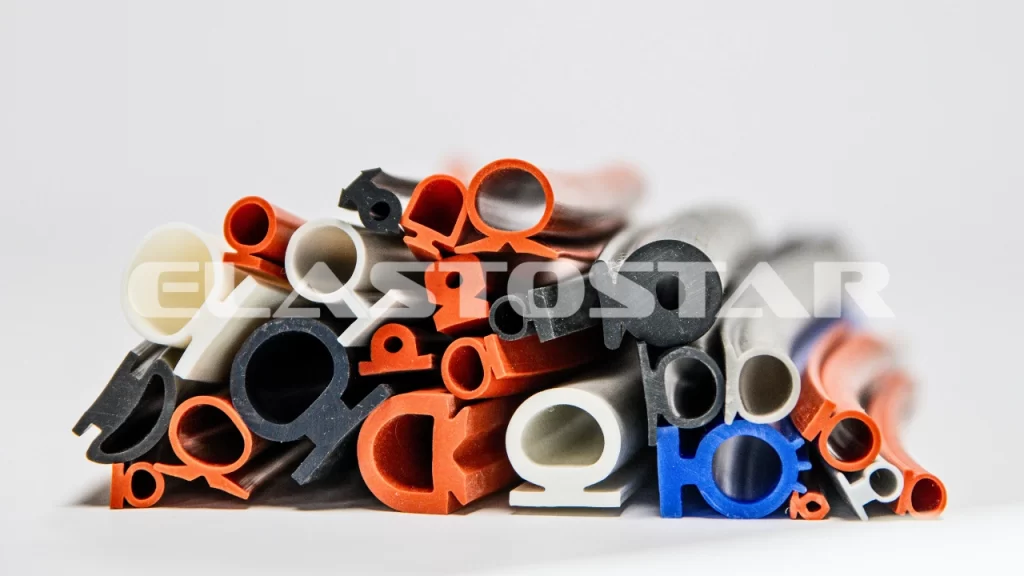
Food-processing tanks may go through frequent washdowns, sanitation cycles, and repeated openings for inspection.
A sanitary manway gasket must maintain its flexibility and sealing contact through these cycles without becoming a weak point in the equipment.
Designed for Repeated Cleaning Conditions
Properly specified silicone performs well in food-processing environments because it resists moisture and remains stable through temperature changes.
For applications with defined food-safety controls, selecting HACCP-focused silicone rubber for food processing can also help manufacturers align gasket material selection with their contamination-control program.
A suitable silicone manway gasket should provide:
- A smooth, cleanable sealing surface.
- Low moisture absorption.
- Reliable flexibility after repeated washdowns.
- Resistance to applicable cleaning and sanitizing conditions.
- Consistent sealing after the manway is reopened and closed.
Cleaning chemicals, concentration, temperature, and exposure time should always be considered when specifying the compound.
Read More: Food-Grade Foam & Gaskets: FDA 21 CFR 177.2600 Compliance Requirements
Silicone vs. EPDM Manway Gaskets: Which Should Food Processors Choose?
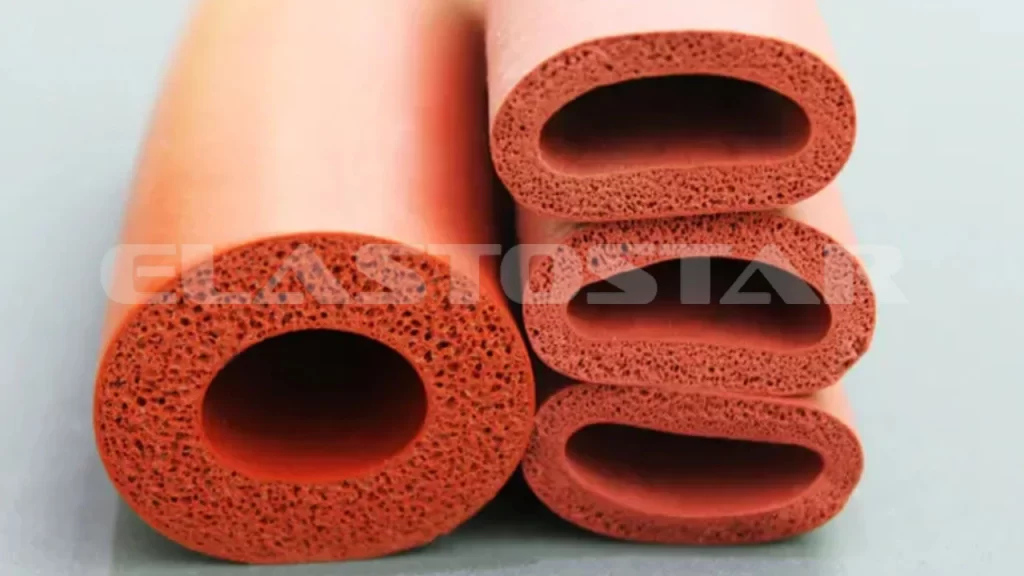
Both silicone and EPDM can be used for food-processing manway gaskets, but the right material depends on temperature, cleaning chemistry, product exposure, compression, and required food-contact compliance.
When Silicone Is the Better Choice
Silicone is particularly useful for equipment exposed to wide temperature changes and repeated thermal cycles. Its flexibility and elastic recovery can help maintain sealing contact as manway doors are repeatedly opened and closed.
For tank and vessel applications, we manufacture custom U-channel manway gaskets in various sizes and hardnesses, using qualifying food-contact silicone compounds.
When EPDM May Be Preferred
EPDM can be a strong option for applications involving hot water, steam, and compatible cleaning solutions.
However, neither EPDM nor silicone should be selected by material name alone; actual food media, cleaning chemicals, temperatures, and exposure time must be evaluated.
| Factor | Silicone | EPDM |
|---|---|---|
| Wide temperature range | Excellent | Good |
| Thermal cycling | Excellent | Good |
| Hot water/steam | Application dependent | Often strong |
| Flexibility | Excellent | Very good |
| Food-contact grades | Available | Available |
For food processors, the best manway gasket is ultimately the combination of the correct material, profile, hardness, and compression for the equipment not simply silicone or EPDM.
Read More: What’s the Difference Between EPDM and Silicone Rubber?
Solid Silicone vs. Sponge Silicone for Manway Sealing Applications
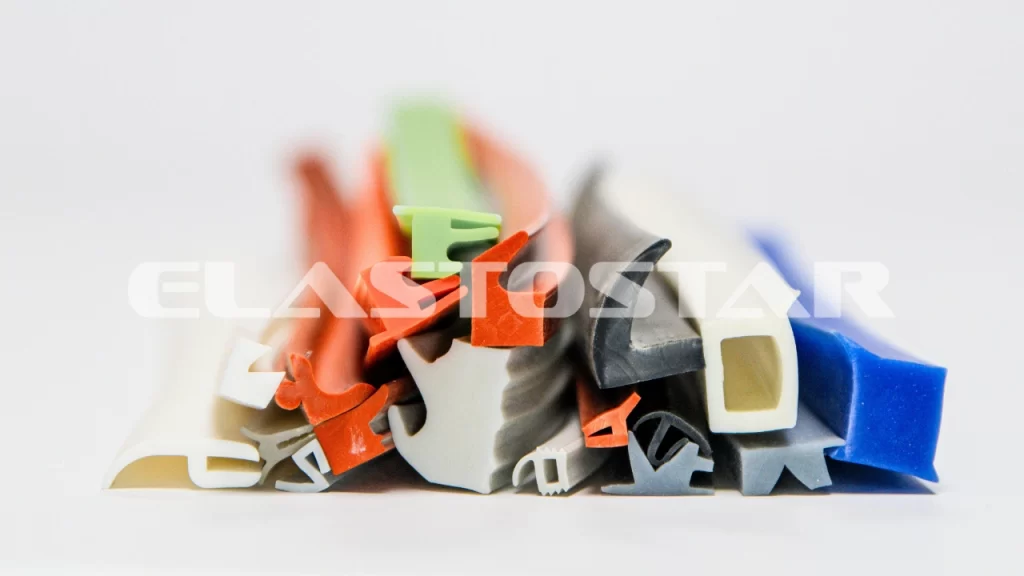
The choice between solid silicone and silicone sponge depends on how the manway closes, the required compression, the sealing pressure, the surface condition, and the operating environment.
Which Silicone Construction Should You Choose?
| Factor | Solid Silicone | Silicone Sponge |
|---|---|---|
| Compression | Firmer | Softer, easier to compress |
| Closing force | Typically higher | Typically lower |
| Mechanical strength | Higher | Lower than solid silicone |
| Conformability | Moderate | High |
| Irregular sealing surfaces | Application dependent | Often more forgiving |
| Repeated handling | Well suited | Depends on density/profile |
| Food-contact options | Available in qualifying grades | Depends on specified grade |
| Best suited for | Firm, durable sealing | Soft, compressible sealing |
The final choice should account for profile geometry, compression, hardness or density, temperature, pressure, and food-contact requirements.
Read More: Closed-Cell Silicone Sponge vs. Dense Silicone Rubber
What Food-Contact Requirements Should Buyers Check When Selecting Manway Gaskets?

A food-grade silicone manway gasket should not be selected based on the “food-grade” label alone.
Buyers need to verify the specific compound, intended food-contact conditions, processing environment, and required documentation.
1. FDA 21 CFR 177.2600
For repeated food-contact applications, verify whether the selected rubber compound meets the applicable FDA 21 CFR 177.2600 requirements.
Compliance applies to the specific formulation and conditions of use, not automatically to every silicone gasket.
2.NSF/ANSI 51
Food-equipment manufacturers may also require materials that meet NSF/ANSI 51 certification, particularly when equipment specifications call for certified food-zone materials.
3.3-A Sanitary Requirements
For dairy and sanitary processing equipment, buyers should determine whether the applicable 3-A Sanitary Standards for silicone rubber apply.
Documentation and Traceability
Before approving a sanitary manway gasket, buyers should also confirm:
- Material and compound identification.
- Applicable compliance documentation.
- Lot or batch traceability.
- Operating-temperature compatibility.
- Cleaning and sanitizing chemical compatibility.
Read More: FDA Approved vs. FDA Compliant: What Sets Them Apart?
Common Causes of Manway Gasket Leakage and Premature Failure
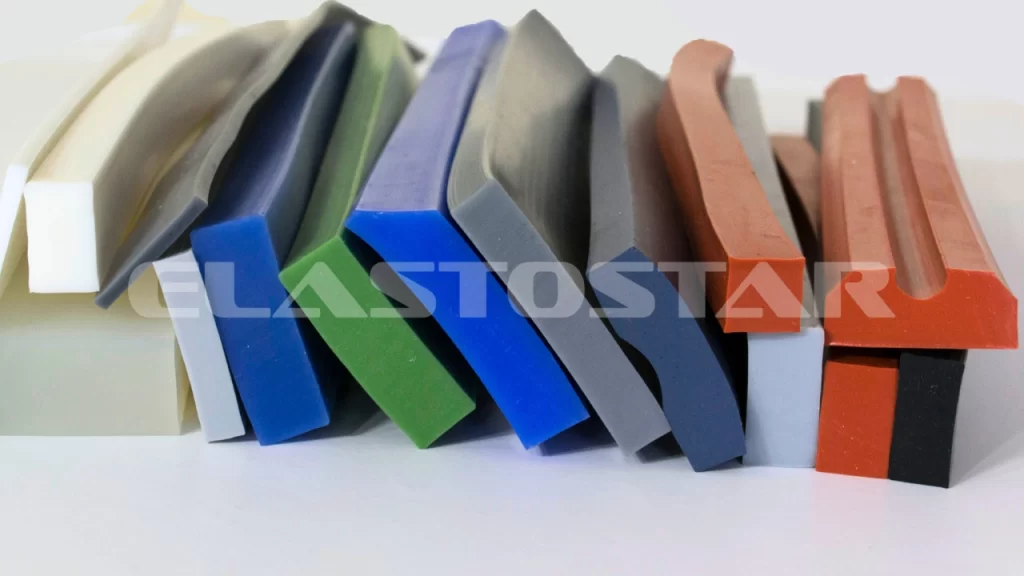
A silicone manway gasket can still leak or fail early when the material, profile, installation, or operating conditions do not match the equipment.
Repeated compression, cleaning, and temperature changes can eventually cause cracking, hardening, deformation, or loss of sealing force.
What Causes a Manway Gasket to Leak?
Common causes include:
- Incorrect compression — too little can allow leakage; too much can permanently deform the gasket.
- Wrong profile or dimensions — an improper fit can create uneven sealing pressure.
- Compression set — permanent flattening reduces the gasket’s ability to maintain contact.
- Chemical incompatibility — cleaning agents or process media may cause swelling, softening, or hardening.
- Excessive temperature — operating beyond the compound’s limits — can accelerate deterioration.
- Installation damage — twisting, stretching, pinching, or misalignment — can damage the gasket.
- Worn sealing surfaces — damaged tank or manway surfaces can prevent uniform contact.
Profile geometry matters too. Depending on the equipment design, square and rectangular silicone gaskets can be manufactured for manway applications where that cross-section provides the required sealing contact.
Preventing Repeat Gasket Failure
When a gasket repeatedly leaks, simply replacing it with the same part may not solve the problem. We recommend checking the material, hardness, dimensions, profile geometry, compression, cleaning conditions, and operating temperature to identify the actual cause.
Read More: Seal Damage & Root Cause Analysis: Visual Identification Guide for Gasket Failures
How to Choose the Right Manway Gasket Size, Profile, and Material
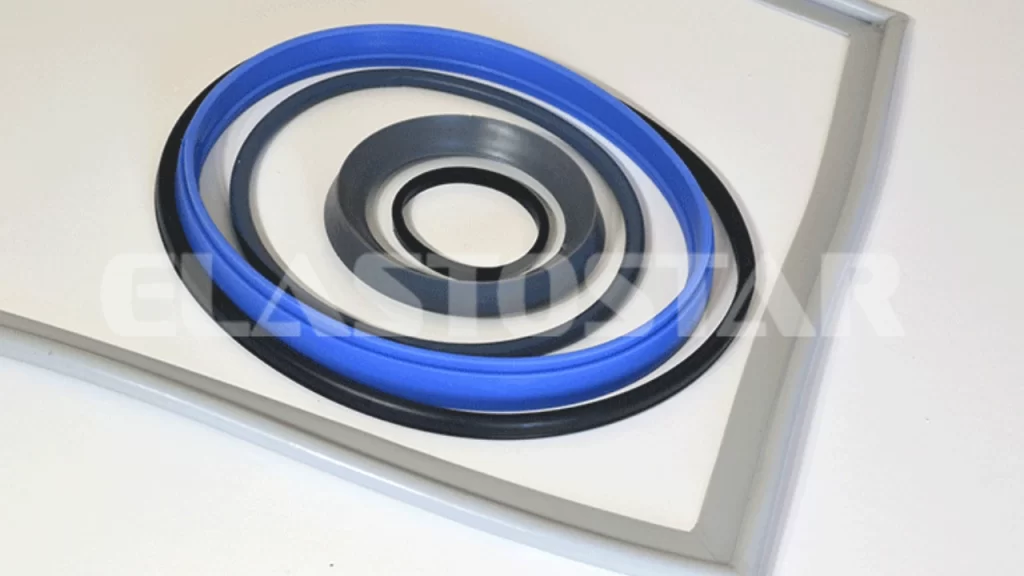
A reliable manway gasket starts with the equipment, not with a catalog size. Tank opening dimensions, groove design, closing force, sealing surface, temperature, and process media all influence which gasket will perform correctly.
Start With the Manway Dimensions
Measure the gasket’s inside and outside dimensions, cross-section, and profile geometry carefully. Even a suitable silicone compound can leak if the gasket does not fit or compress uniformly.
For custom parts, we can work from drawings, dimensions, existing samples, or equipment requirements, which is especially useful when replacing an older gasket for which the original specification is unavailable.
Match the Profile to the Sealing Surface
Different manway designs require different compression behavior. D-shaped silicone seals may suit applications requiring a specific compression geometry and reliable sealing contact.
For large circular openings or non-standard diameters, a custom vulcanized silicone O-ring can also be produced when a standard molded size is not practical.
Select Material After Reviewing the Process
Finally, match the silicone compound to the actual temperature, food product, cleaning chemicals, pressure, hardness, and applicable food-contact requirements.
The right selection is therefore:
Correct dimensions + suitable profile + controlled compression + compatible material = reliable manway sealing
This is also where our reverse engineering and custom manufacturing support can help when an existing gasket repeatedly leaks or a replacement drawing is unavailable.
Read More: How to Measure Gaskets: A Comprehensive Guide
When Should Food-Processing Manway Gaskets Be Replaced?
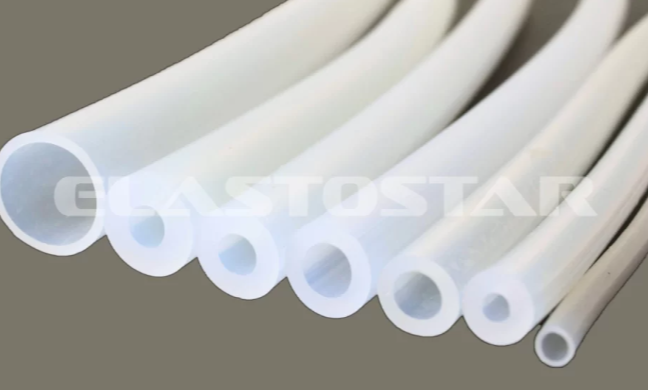
There is no single replacement interval for every manway gasket.
Service life depends on production frequency, temperature, cleaning chemicals, compression, installation, and the frequency of manway door openings.
For this reason, replacement should be based on routine inspection and the gasket’s actual condition, not on an arbitrary number of months.
Signs a Manway Gasket Needs Replacement
A food-processing manway gasket should be inspected for:
- Cracks, cuts, or torn edges.
- Permanent flattening or compression set.
- Hardening or loss of flexibility.
- Swelling or softening.
- Distorted profile or poor fit.
- Damage at a vulcanized joint.
- Product leakage around the manway.
- Failure to recover after compression.
For equipment using custom profiles such as P-shaped silicone gaskets, changes in the original cross-section or compression behavior can indicate that reliable sealing is being lost.
Build Replacement Around the Process
Food manufacturers should establish inspection frequency around production hours, washdown frequency, operating temperature, chemical exposure, and previous gasket service life. Maintenance records can then reveal whether a particular manway gasket is wearing faster than expected.
Replacing a worn gasket during planned maintenance is generally preferable to waiting for leakage, contamination concerns, or an unexpected shutdown.
Read More: From Installation to Failure: The Lifecycle of Silicone Components
Standard vs. Custom Silicone Manway Gaskets: Which Do You Need?
Choosing between a standard and custom silicone manway gasket depends on the equipment geometry, sealing requirements, material specifications, and operating conditions.
| Factor | Standard Manway Gasket | Custom Manway Gasket |
|---|---|---|
| Size & Profile | Best for common sizes and profiles | Made for non-standard dimensions or cross-sections |
| Equipment Fit | Suitable for standard manway designs | Ideal for unique, modified, or older equipment |
| Compression | Uses standard compression characteristics | Can be designed around specific compression requirements |
| Manufacturing Options | Typically available in established configurations | Can include die-cut, extruded, hot-spliced, or vulcanized designs |
| Existing Drawing | Usually selected from known specifications | Can be developed from drawings, samples, dimensions, or sketches |
| Best Choice When | A readily available gasket meets the application | Standard options do not provide the required fit or sealing performance |
For non-standard requirements, we can manufacture custom die-cut silicone gaskets as well as extruded, hot-spliced, and vulcanized configurations.
When original drawings are unavailable, we can also support reverse engineering from existing samples or dimensions, followed by prototyping and production.
Read More: 6 Reasons Why Custom Silicone Rubber Products Perform Better
What to Check When Choosing a Silicone Manway Gasket Manufacturer

Choosing the right silicone manway gasket manufacturer helps ensure consistent sealing performance, proper material selection, and reliable supply for food-processing equipment.
Key Capabilities to Look For
- Food-contact material expertise for applicable FDA, NSF, and 3-A requirements.
- Custom sizes and profiles for unique manway doors, tanks, and vessels.
- Reverse engineering from existing gasket samples, drawings, or dimensions.
- In-house tooling and manufacturing for better control over custom requirements.
- Prototype-to-production support for new and replacement gasket designs.
- Quality control and traceability to maintain material and dimensional consistency.
- Made in the USA for responsive support and shorter supply chains.
Recommended Reads
- What Is a Manway Gasket? Types, Benefits & Complete Guide
- 5 Major Seal Challenges in Food Processing and How Silicone Solves Them
- Food-Grade Foam & Gaskets: FDA 21 CFR 177.2600 Compliance Requirements

Conclusion
The right silicone manway gasket helps food manufacturers maintain reliable sealing, hygienic processing, and consistent equipment performance. Material selection, food-contact requirements, profile design, compression, and operating conditions should all be considered before choosing a gasket.
If you are replacing an existing gasket or need a custom profile for a tank or vessel, contact our team to discuss your dimensions, material requirements, and application conditions.
We manufacture custom silicone manway gaskets in the USA, with support for reverse engineering, custom profiles, prototypes, and production quantities.
FAQS
Q1. What is a manway gasket?
A manway gasket is a sealing component fitted around the access opening of a tank or vessel. It compresses when the manway door closes to help prevent leaks and maintain a secure seal.
Q2. Is silicone suitable for food-contact manway gaskets?
Yes, provided the specific silicone compound meets the applicable food-contact requirements for the application. Buyers should verify the material documentation rather than assuming all silicone is food-grade.
Q3. Are silicone manway gaskets suitable for high-temperature applications?
Yes, silicone is widely used where temperature resistance and flexibility are important. However, the actual service-temperature capability depends on the specific silicone formulation and operating conditions.
Q4. What is the difference between silicone and EPDM manway gaskets?
Silicone generally offers a broader temperature range and excellent flexibility, while EPDM performs well with hot water, steam, and compatible cleaning environments. For a detailed comparison, see our Silicone vs. EPDM rubber guide
Q5. What causes a manway gasket to leak?
Common causes include incorrect compression, improper sizing, compression set, damaged sealing surfaces, chemical incompatibility, excessive temperature, and installation damage.
Q6. How do I choose the correct manway gasket size?
Measure the inside diameter, outside diameter, cross-section, and profile without unnecessarily compressing the gasket. Our gasket measurement guide.
Q7. Are custom-size silicone manway gaskets available?
Yes. Custom silicone manway gaskets can be manufactured to match non-standard dimensions, profiles, hardnesses, and equipment requirements. Existing samples or drawings can also be used for replacement gasket projects.
Q8. Where can I buy silicone manway gaskets in the USA?
Elastostar manufactures custom silicone manway gaskets in the USA for food-processing tanks, vessels, and equipment. For custom sizes or replacement requirements, contact our team.