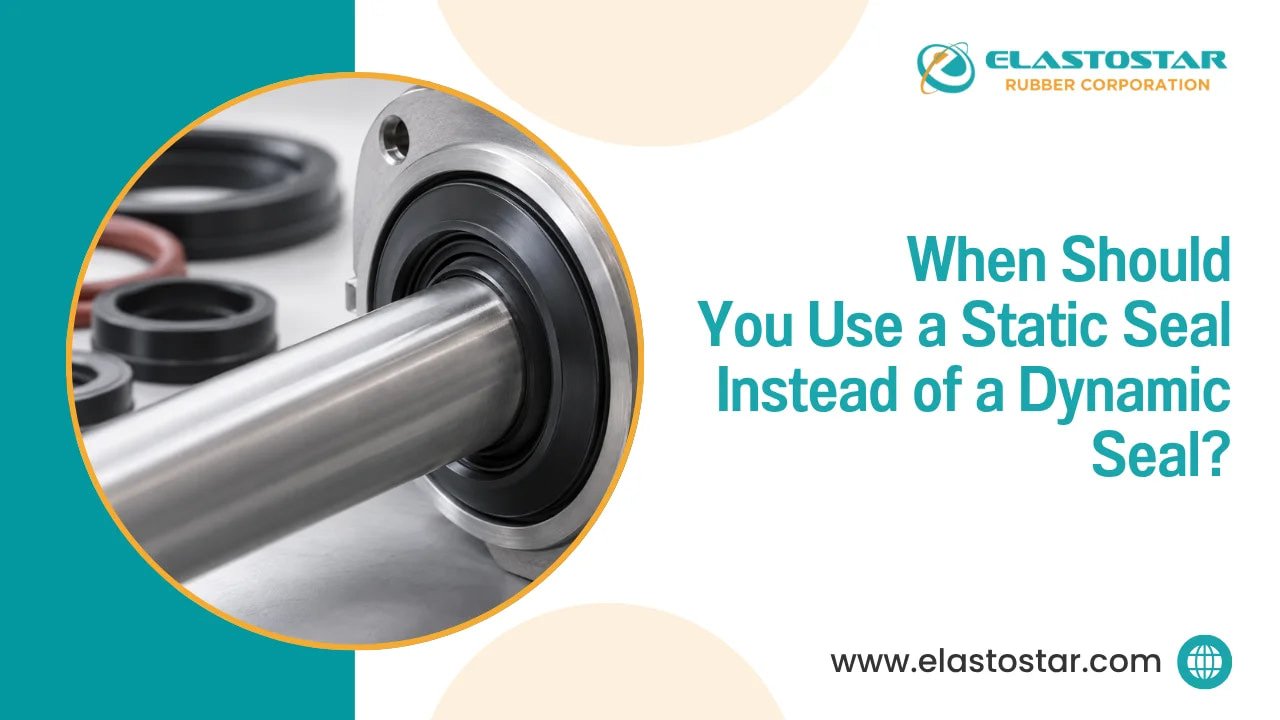
Choosing the right seal starts with a simple question: Do the sealing surfaces remain stationary or move during operation? When mating surfaces remain fixed, use a static seal to maintain compression and prevent leakage.
Static seals are commonly used in flanges, housings, covers, tanks, and enclosures. Depending on the application, the solution may be a static O-ring, gasket, extruded profile, or custom rubber seal.
Choosing between a static seal vs dynamic seal also depends on pressure, temperature, contact media, compression, groove geometry, and material compatibility. Some applications may require silicone materials meeting specifications such as A-A-59588.
This guide explains when to use static sealing, how to select the right seal and material, and when a custom solution may be needed.
Key Takeaways
- Static seals are designed for mating surfaces that remain stationary during operation.
- Common static sealing options include O-rings, gaskets, extruded profiles, sponge seals, and vulcanized O-rings.
- When selecting a seal, consider pressure, temperature, compression, contact media, geometry, and material compatibility.
- Materials such as silicone, EPDM, nitrile, FKM, and fluorosilicone offer different performance characteristics for static sealing.
- Custom static seals are useful for non-standard dimensions, unusual geometries, special materials, and replacement components.
- Large-diameter applications can use spliced, hot-vulcanized silicone O-rings when standard molded sizes aren’t suitable.
- We support design assistance, reverse engineering, and prototype-to-production manufacturing for custom static seals. Pasted text
Table of Contents
Static Seal vs Dynamic Seal: Which Does Your Application Need?
The main difference between a static seal and a dynamic seal is whether the mating surfaces move relative to each other during operation.
Static seals work between stationary surfaces, while dynamic seals must maintain sealing contact as one or both surfaces move.
| Factor | Static Seal | Dynamic Seal |
|---|---|---|
| Surface movement | Stationary mating surfaces | Sliding, rotating, or reciprocating surfaces |
| Primary requirement | Maintain compression and sealing contact | Maintain sealing while accommodating motion |
| Wear | Generally less wear from surface movement | Friction and wear are important considerations |
| Typical applications | Flanges, covers, housings, tanks, enclosures | Shafts, pistons, cylinders, rotating equipment |
| Common seal types | O-rings, gaskets, extruded profiles | O-rings, lip seals, shaft seals and application-specific designs |
When Is Static Sealing More Appropriate?
A static seal is generally the more appropriate design when the sealing surfaces remain fixed after assembly. Examples include bolted flanges, equipment covers, tank connections, housings, and enclosure joints.
Static sealing can use different configurations depending on pressure, temperature, media, groove geometry, compression, and available space.
Static O-rings are commonly installed in designed grooves, while gaskets and custom profiles can accommodate larger or more complex mating surfaces.
The key is not simply whether an O-ring or gasket can physically fit. The seal must maintain sufficient compression and material compatibility throughout the expected operating conditions.
For a deeper comparison, understanding the differences between static and dynamic seals can help you choose the right sealing approach for the application.
When Should You Choose a Static Seal?
A static seal is typically the right choice when two mating surfaces remain stationary after assembly.
Because there is no continuous sliding or rotating motion, the seal can maintain compression between the surfaces without dealing with the friction and wear associated with dynamic sealing.
1. Stationary Joints and Mating Surfaces
Static seals work well between fixed components that must prevent leakage after assembly. Depending on the design, static O-rings, rubber gaskets, or custom rubber seals can maintain sealing contact.
2. Flanges, Covers, and Housings
Flanged connections, equipment covers, and housings often use static gaskets or O-rings. The appropriate design depends on available sealing space, pressure, temperature, surface condition, and required compression.
3. Tanks and Manways
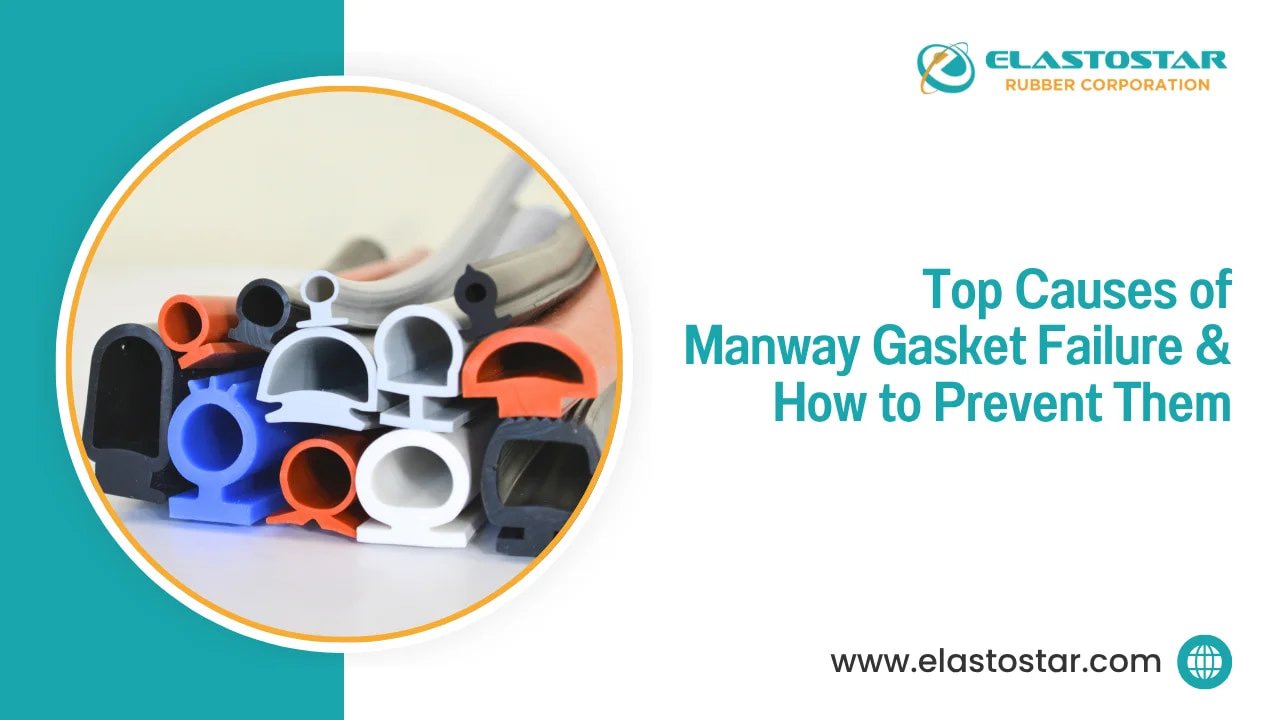
Tanks, access openings, and manways may require larger or application-specific sealing profiles. For these assemblies, we can manufacture custom manway U-seals and gaskets to specific dimensions and sealing requirements.
4. High- and Low-Temperature Applications
When equipment operates at temperature extremes, the sealing material must maintain suitable physical properties under the specified conditions.
Silicone static seals are often considered when broad temperature capability is important, but the specific compound should always match the application.
5. Applications Requiring Custom Dimensions
Standard O-rings and gaskets may not fit unusual grooves, large openings, or application-specific sealing surfaces. We can manufacture custom static seals to specified dimensions, cross-sections, hardness, and profile geometry.
6. Long-Term Compression Sealing
Static seals may remain compressed for extended periods. Material formulation, compression set, temperature, seal geometry, and installed compression all affect whether the seal maintains adequate sealing contact over time.
Understanding long-term sealing performance is therefore important when selecting a seal for continuously compressed assemblies.
Which Type of Static Seal Should You Use?
The right static seal depends on the joint design, sealing geometry, temperature, pressure, contact media, compression, and required dimensions.
Several seal types work for stationary applications, but each serves a different design need.
1. Silicone O-Rings
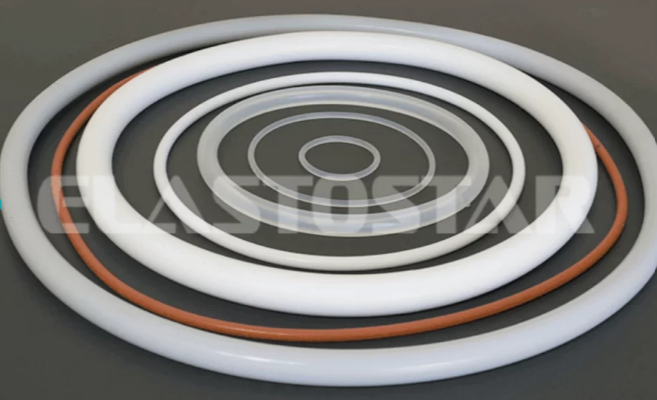
Silicone O-rings are commonly used in grooves that require consistent compression around a circular sealing path. They are especially useful when broad temperature capability and flexibility are important.
2. Custom Rubber Gaskets
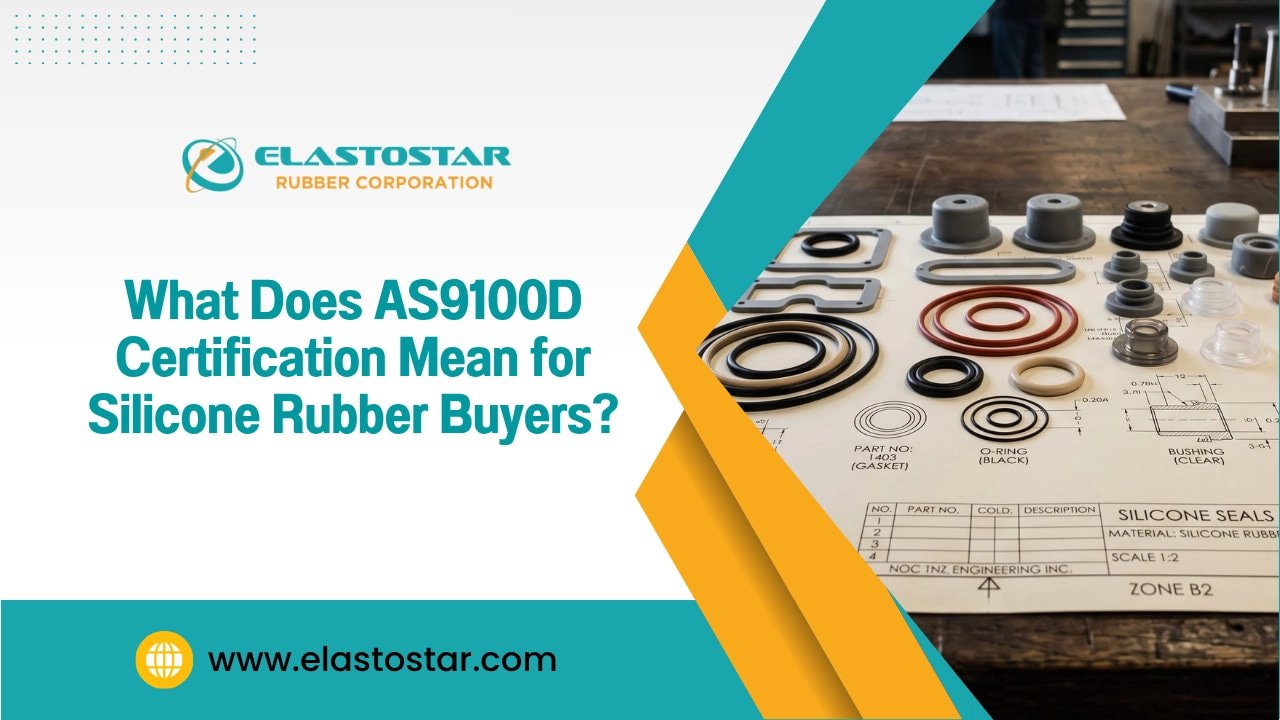
Rubber sealing gaskets are often suitable for flanges, covers, housings, and other flat mating surfaces. We can manufacture custom die-cut gaskets to match application-specific shapes and dimensions.
3. Extruded Seals
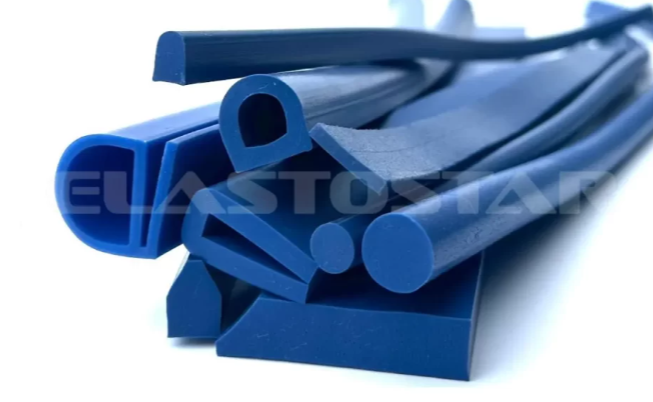
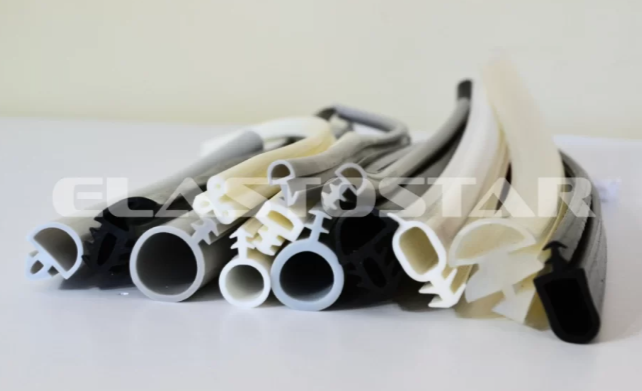
Extruded profiles are useful when a static sealing surface requires a continuous, application-specific cross-section. We can manufacture custom rubber seals in different profile geometries based on the mating surfaces and compression requirements.
4. Sponge Silicone Seals
For applications that require conformability and lower compression force, consider closed-cell silicone sponge seals. Their suitability depends on pressure, sealing requirements, temperature, and profile design.
5. Spliced and Vulcanized O-Rings
When standard molded O-ring sizes don’t work, spliced and vulcanized silicone O-rings can provide custom diameters and sizes for large static sealing applications. We can manufacture them around specific cross-section and dimensional requirements.
Static O-Ring vs Gasket: Which Should You Use?
A static O-ring and a gasket can both seal stationary mating surfaces, but they are designed for different joint configurations.
The right choice depends on groove design, pressure, seal geometry, size, temperature, contact media, and maintenance requirements.
| Factor | Static O-Ring | Gasket |
|---|---|---|
| Design | Typically installed in a defined groove | Typically compressed between mating surfaces |
| Geometry | Best suited to designed O-ring glands | Can accommodate complex flat shapes |
| Size | Standard or custom diameters | Easily customized for larger surfaces |
| Pressure | Depends on gland design, material, and pressure conditions | Depends on gasket design, material, and clamping load |
| Temperature | Determined by the selected elastomer | Determined by the selected gasket material |
| Media exposure | Compound must be compatible with the fluid or chemical | Material must match the contact media |
| Replacement | Convenient where the groove accepts a defined O-ring size | Useful where a shaped sealing surface must be covered |
When a Static O-Ring Makes Sense
Choose a static O-ring seal when the assembly has a properly designed groove and requires controlled compression around a defined sealing path.
O-rings can provide compact sealing for housings, fittings, covers, and other stationary joints.
When a Gasket Makes Sense
Gaskets are often better suited for flanges, covers, irregular shapes, and larger mating surfaces where an O-ring groove is impractical.
The distinction between gaskets and O-rings becomes especially important when evaluating geometry, installation, and sealing requirements.
Neither option is universally better. Select the seal based on the actual joint design and operating conditions.
Which Rubber Material Is Best for Static Seals?
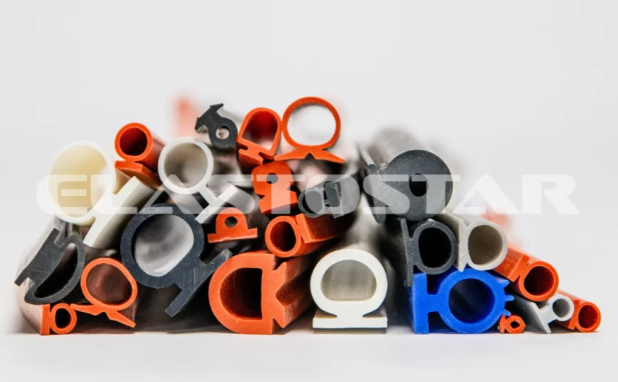
There is no single best rubber material for static seals.
Base material selection on temperature, pressure, contact media, outdoor exposure, compression requirements, and the expected service environment.
| Material | Temperature Capability | Oil/Fuel Resistance | UV/Weather Resistance | Typical Static Seal Applications |
|---|---|---|---|---|
| Silicone | Excellent across a broad range | Generally limited | Excellent | High/low-temperature equipment, food, medical, aerospace, industrial sealing |
| EPDM | Very good | Poor for petroleum oils/fuels | Excellent | Outdoor equipment, water systems, enclosures, weather-exposed seals |
| Nitrile (NBR) | Good | Very good | Limited compared with EPDM/silicone | Oil-handling equipment, industrial machinery, hydraulic applications |
| Viton/FKM | Excellent | Excellent | Very good | Fuels, oils, chemicals, and higher-temperature applications |
| Fluorosilicone | Excellent | Better fuel/oil resistance than standard silicone | Excellent | Aerospace and specialized applications requiring temperature flexibility and fluid resistance |
Choosing Based on the Application
Silicone static seals are especially useful when temperature flexibility and weather resistance are priorities. EPDM is a strong option for outdoor and weather-exposed applications, while nitrile is commonly considered when petroleum-oil resistance is important.
Viton/FKM can be suitable for demanding heat, fuel, oil, and chemical environments. For applications that need silicone-like temperature performance with improved fuel and oil resistance, consider fluorosilicone O-rings.
Always check the final compound against the actual temperature, pressure, fluid or chemical exposure, and sealing requirements.
A broader comparison of rubber materials can also help during initial material selection.
When Should You Choose Silicone for a Static Seal?
Silicone static seals are especially useful when an application needs flexibility across a broad temperature range, resistance to outdoor weathering, or specific material formulations.
Always select the exact silicone compound based on the operating environment and required specifications.
1. High- and Low-Temperature Environments
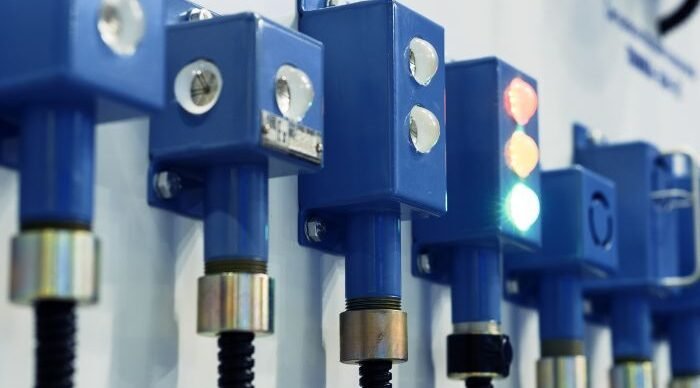
Silicone maintains useful flexibility across a broad temperature range, making high-temperature silicone O-rings and seals suitable for equipment exposed to demanding thermal conditions. Actual temperature limits depend on the specific compound and how long it’s exposed.
2. Outdoor and Weather-Exposed Equipment
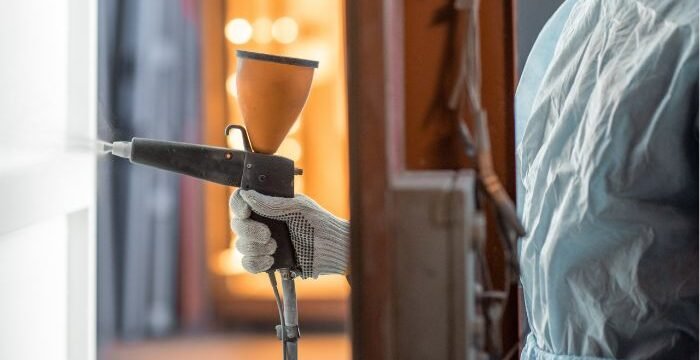
Silicone offers excellent resistance to UV, ozone, moisture, and weathering. This makes silicone seals suitable for outdoor enclosures, equipment housings, and other stationary joints exposed to environmental conditions.
3. Food-Processing Applications
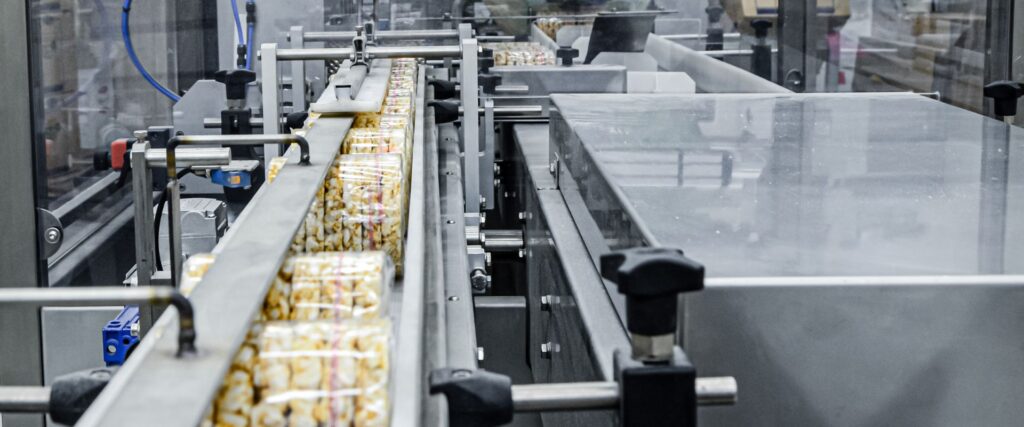
For food-contact applications, appropriately formulated food-grade silicone (177.2600) can meet FDA 21 CFR 177.2600 requirements under applicable conditions.
We also manufacture silicone rubber for food-processing equipment where application-specific compliance and sealing requirements need to be considered.
4. Medical Equipment

Silicone can be used for static seals in medical equipment where the specified compound meets the application’s material and regulatory requirements.
USP Class VI and other requirements should be verified for the particular material and intended use.
5. Aerospace Applications

Silicone is used for aerospace sealing applications where temperature flexibility and environmental resistance are required.
Material specifications and application requirements should determine the exact compound rather than selecting silicone based on general properties alone.
6. Industrial Equipment
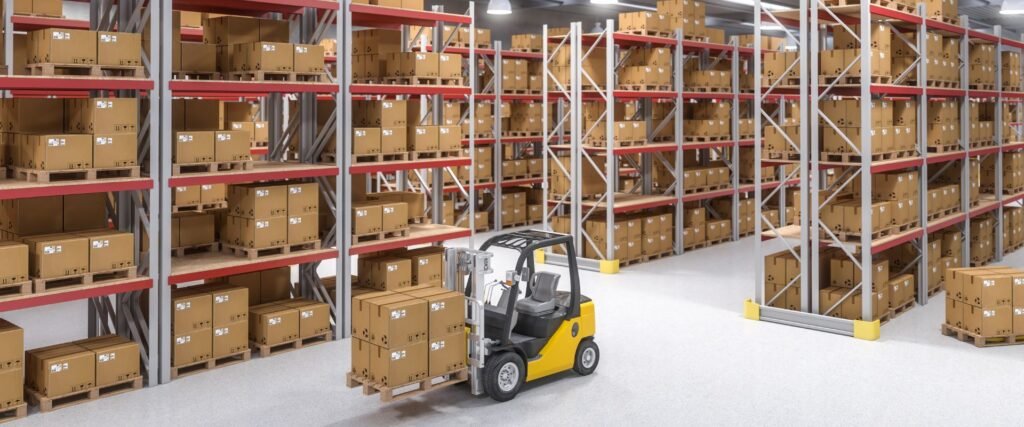
Industrial static sealing applications can include covers, housings, enclosures, processing equipment, and other stationary assemblies.
We can manufacture custom silicone seals around specific dimensions, hardness, profile geometry, and operating conditions.
When Do You Need a Custom Static Seal Instead of a Standard Seal?
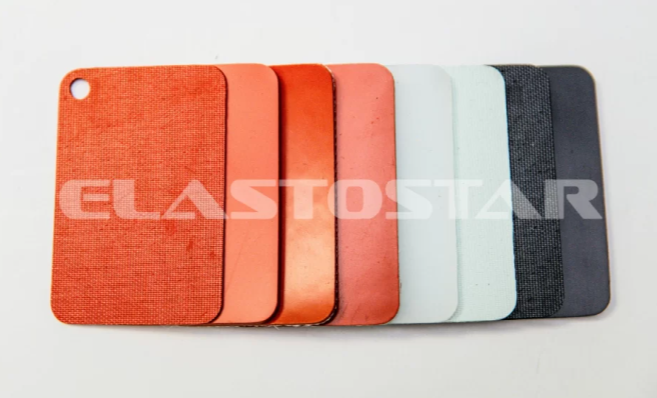
A standard seal is often sufficient when its dimensions, material, and sealing geometry match the equipment design.
However, you need a custom static seal when the application has non-standard dimensions, unusual operating conditions, or sealing requirements that off-the-shelf components cannot reliably meet.
Non-Standard Dimensions or Groove Geometry
Equipment may have grooves, flanges, housings, or mating surfaces that do not match standard O-ring and gasket dimensions.
A custom seal can be manufactured around the required cross-section, profile, and dimensional tolerances instead of modifying the equipment to accept a standard component.
1. Large or Unusual Seal Sizes
Tanks, large housings, processing equipment, and other assemblies may require sealing diameters outside commonly available standard sizes.
Custom manufacturing provides more flexibility for these large static sealing applications while maintaining the required cross-section and fit.
2. Special Material or Hardness Requirements
Seal performance depends on more than size. Temperature, pressure, chemicals, oils, fuels, weather exposure, and compression requirements may call for a particular elastomer or durometer.
Custom manufacturing lets you select the material and hardness to match actual operating conditions.
3. Replacement and Reverse-Engineered Seals
Replacement can become difficult when an original seal is discontinued, or drawings are unavailable. We can support reverse engineering from an existing component or available dimensional information to help reproduce a suitable sealing profile.
4 . Prototype and OEM Applications
New equipment and OEM designs may require a seal developed specifically around the assembly. We provide design and application support for custom O-rings, gaskets, and extruded seals, from prototype requirements through production runs.
When standard sizes cannot provide the required fit or performance, custom silicone rubber products give engineers greater flexibility in dimensions, profile geometry, hardness, and material selection.
Need a Large-Diameter Static O-Ring? Consider Hot-Vulcanized Silicone
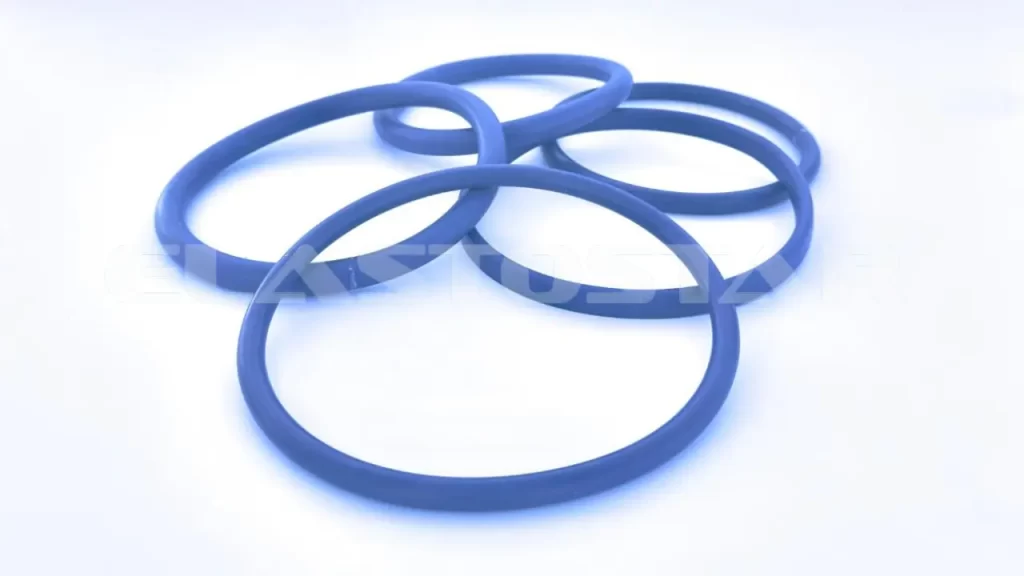
When standard molded O-ring sizes don’t work, hot-vulcanized silicone O-rings offer a practical solution for large-diameter static sealing applications.
They can be manufactured around specific diameter and cross-section requirements for tanks, housings, covers, processing equipment, and other large assemblies.
Why Use Hot-Vulcanized O-Rings for Large Static Seals?
- Custom diameters: Large O-rings can be produced for sealing dimensions that fall outside commonly available standard sizes.
- Custom cross-sections: Select the cross-section based on groove geometry, required compression, and overall seal design.
- Vulcanized construction: Extruded silicone cord or profile is cut to the required length, and the ends are joined through vulcanization to form a continuous ring.
- Large equipment applications: This approach is useful for tanks, manways, large housings, access covers, industrial equipment, and other assemblies requiring large-diameter static O-rings.
- Application-specific silicone: We can select materials based for temperature, hardness, environmental exposure, and other operating requirements.
- Custom manufacturing support: We can support custom dimensions and application requirements from prototype quantities through production runs.
For applications where molded sizes are impractical, hot-vulcanized silicone O-rings offer greater flexibility for large, custom-size static seals.
What Specifications Should You Send to a Static Seal Manufacturer?

Providing the right information helps us evaluate your custom static seal and move efficiently from quoting and prototyping to production.
For an RFQ, provide:
- Dimensions: ID, OD, cross-section, or required profile dimensions.
- Drawing or sample: Include a drawing when available. An existing part can also support reverse engineering.
- Material: Silicone, EPDM, nitrile, Viton/FKM, fluorosilicone, or the required specification.
- Durometer: Specify the required hardness, if known.
- Operating conditions: Include temperature, pressure, and environmental exposure.
- Contact media: Identify oils, fuels, chemicals, water, steam, or other substances that will contact the seal.
- Quantity: Include prototype quantity and expected production volume.
- Standards: Specify any FDA, USP Class VI, A-A-59588, or other applicable requirements.
- Prototype or production: Let us know whether you need initial prototypes, testing quantities, or a full production run.
If not all specifications are finalized, we can provide design and application support to help determine suitable dimensions, materials, hardness, and manufacturing requirements.
Providing these details early can also make the transition from prototype to production more efficient when developing custom silicone rubber products.
Standard vs Custom Static Seals: Which Is More Cost-Effective?
The more cost-effective option depends on whether a standard seal can meet the application requirements without compromising fit, material compatibility, or sealing performance.
| Standard Static Seals | Custom Static Seals |
|---|---|
| Suitable when standard sizes fit the existing groove or joint | Better for non-standard dimensions and profiles |
| Practical for common materials and specifications | Allows application-specific material and durometer selection |
| Often economical for straightforward applications | Useful for large, unusual, or complex sealing geometries |
| Typically requires no custom tooling or development | Can reduce the need to redesign equipment around a standard seal |
A standard O-ring or gasket is a practical choice when the required size and material are readily available. However, choosing a standard part only because of its initial cost may not be economical if it creates fit, compression, leakage, or service-life problems.
A custom static seal makes more sense when the application requires a specific geometry, material, hardness, or dimensional tolerance.
We can support custom silicone rubber manufacturing with design and application assistance, reverse engineering, and prototype-to-production capabilities for application-specific sealing requirements.
The right comparison should consider total application requirements, not just the seal’s purchase price.
Looking for Custom Static Seals in the USA?

When a standard seal cannot meet your dimensional, material, or application requirements, a custom static seal manufacturer in the USA can offer greater flexibility from initial design through production.
We manufacture custom sealing components for industrial and OEM applications, including:
- Custom silicone O-rings for application-specific dimensions and operating conditions.
- Spliced and vulcanized O-rings for large-diameter and custom-size static sealing requirements.
- Custom rubber gaskets for flanges, covers, housings, and equipment assemblies.
- Extruded rubber and silicone profiles for unique sealing geometries and cross-sections.
- Custom silicone and rubber seals manufactured around specified material, hardness, dimensions, and performance requirements.
- Prototype-to-production support for new designs, replacement components, and ongoing production requirements.
- Reverse engineering and design support when an existing seal needs to be reproduced or specifications need further development.
As a Made in USA silicone rubber manufacturer, we support custom manufacturing from our U.S. facility, with engineering assistance and quality control throughout the manufacturing process.
For a custom static seal project, send us your drawing, dimensions, material requirements, application conditions, and required quantity so we can evaluate the appropriate manufacturing approach.

Recommended Reads
- FDA Metal Detectable Silicone Rubber O-Rings Seals & Gaskets
- Advantages of Hot-Vulcanized Silicone O-Rings as Static Seals
- HACCP Checklist for Detectable Seals, Gaskets, and O-Rings in Food Plant
Choosing the Right Static Seal for Your Application
Choosing between a static seal and a dynamic seal starts with understanding whether the sealing surfaces remain stationary or move during operation. For stationary joints, select the right static seal based on dimensions, pressure, temperature, contact media, compression, and material compatibility.
When standard seals cannot meet application requirements, we can develop a custom solution for your specific sealing conditions.
Have a drawing, sample, or new sealing requirement? Contact us to discuss your static seal application and request a quote.
FAQs
Q1. Where can I buy custom static seals in the USA?
You can source custom static seals from a U.S. manufacturer that can support the required material, dimensions, profile, and production volume. We manufacture custom silicone and rubber sealing components in the USA for OEM and industrial applications.
Q2. Can static O-rings be manufactured in custom sizes?
Yes. We can manufacture static O-rings in custom diameters and cross-sections when standard sizes don’t fit the groove or sealing requirements. You can also select the material and hardness to match the application.
Q3. Who manufactures large-diameter silicone O-rings?
We manufacture large-diameter silicone O-rings for custom static sealing requirements. Depending on the size and application, we can use spliced and hot-vulcanized construction to produce diameters beyond commonly available molded sizes.
Q4. Should I use an O-ring or gasket for a static seal?
Use an O-ring when the assembly has a suitable groove and requires controlled compression around a defined sealing path. A gasket is often more appropriate for flanges, covers, larger mating surfaces, and complex flat geometries.
Q5. What rubber material is best for static sealing?
No single material is best for every static seal. Silicone, EPDM gasket, nitrile, Viton/FKM, and fluorosilicone offer different properties for temperature, chemicals, oils, fuels, and weather exposure.
Q6. Is silicone suitable for high-temperature static seals?
Yes. Silicone is commonly used for high-temperature static seals because it can maintain useful properties across a broad temperature range. The actual temperature capability depends on the compound, grade, exposure time, and application conditions, so confirm the required silicone grade before production.
Q7. Can silicone O-rings be made in large diameters?
Yes. We can produce large-diameter silicone O-rings in custom sizes. Spliced and vulcanized construction is one option for applications requiring diameters that are impractical or unavailable as standard molded O-rings.
Q8. What information do you need to get a custom static seal quote?
Provide the seal dimensions or drawing, material, durometer, temperature range, pressure, contact media, quantity, and applicable standards. If available, an existing sample can also help with reverse engineering and dimensional evaluation.
Q9. How do I choose a static seal manufacturer?
Look for capabilities in custom extrusion and molding, vulcanization, material selection, engineering support, reverse engineering, quality control, and prototype-to-production manufacturing. For demanding applications, also consider whether the manufacturer operates under an appropriate quality management system. We maintain AS9100D certification and ISO 9001:2015 quality management requirements for our manufacturing operations.
Q10. Can a manufacturer make a static seal from my drawing or sample?
Yes, we can manufacture custom static seals from customer drawings and application specifications. If the original drawing is unavailable, we can also reverse-engineer an existing sample and develop a replacement seal.