Air and water leakage around windows, doors, and curtain wall systems can lead to drafts, moisture intrusion, reduced energy efficiency, and premature deterioration of surrounding components.
The right glazing seal helps create a continuous barrier between the glass, frame, and adjoining surfaces, limiting unwanted air infiltration and water penetration.
Choosing the correct rubber glazing seal requires more than matching its dimensions. Material selection, seal profile, compression, UV and weather resistance, temperature exposure, and installation all influence long-term performance.
Silicone and EPDM glazing seals are widely used for exterior applications, while custom rubber window and door seals can be engineered for specific frame and glazing configurations.
In this guide, we explain how to prevent air and water leakage by selecting the right window glazing seal, material, profile, and compression for windows, doors, curtain walls, and other commercial glazing systems.
Key Takeaways
- Glazing seals help prevent air and water leakage by maintaining continuous contact between the glass and frame.
- Reliable sealing depends on the correct material, profile, dimensions, compression, and installation.
- Silicone and EPDM are both suitable for exterior glazing, with the right choice depending on temperature, weather exposure, and application requirements.
- Too little or too much compression can reduce sealing performance, so the profile must match the actual glazing gap.
- Common leakage causes include poor fit, incorrect installation, shrinkage, compression set, damaged corners, and material aging.
- Custom glazing seals are useful for non-standard, obsolete, or difficult-to-source window, door, and curtain wall profiles.
Table of Contents
Why Do Air and Water Leaks Occur Around Glazing Systems?
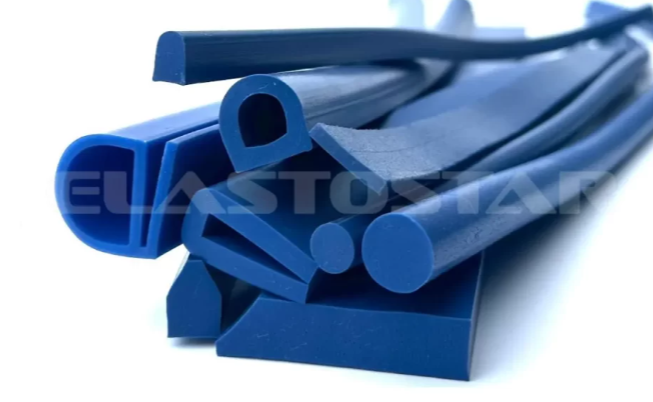
Air and water leakage around glazing systems usually develops when the glazing seal can no longer maintain continuous contact between the glass and frame.
Even small gaps can allow drafts, moisture, and wind-driven rain to pass through the glazing assembly.
Common causes include:
- Incorrect seal dimensions that do not properly match the glazing channel or frame.
- Insufficient compression results in weak or inconsistent sealing contact.
- Poor installation, such as stretching, twisting, or improperly seating the rubber glazing seal.
- Compression set or shrinkage that reduces sealing force over time.
- UV and weather exposure can deteriorate an unsuitable rubber compound.
- Temperature cycling that causes movement between the glass, frame, and seal.
- Cracked, hardened, or damaged window glazing seals.
- Incorrect profile selection for the actual gap and glazing configuration.
For exterior windows, doors, and curtain walls, a properly designed rubber glazing seal must accommodate dimensional movement while maintaining the compression required to restrict air and water infiltration.
The seal material, profile geometry, fit, and installation therefore need to be considered as part of the complete glazing system.
Read More: How to Choose the Best Rubber Gasket for Your Windows
What Role Does a Glazing Seal Play in Preventing Leakage?
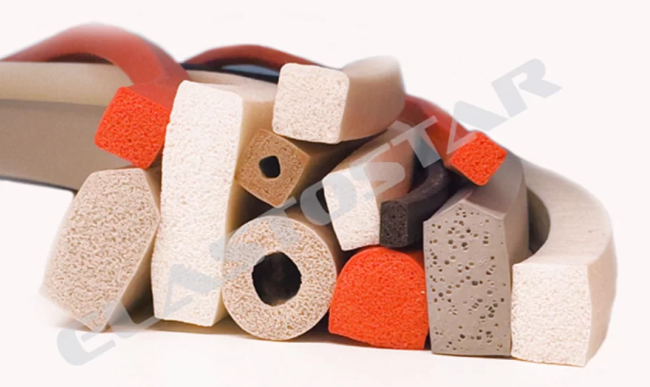
A glazing seal creates a compressed barrier between the glass and supporting frame, helping restrict air infiltration and water penetration through gaps in the glazing system.
For windows, doors, and curtain walls, the seal must maintain continuous contact even as the assembly experiences temperature changes, wind, vibration, and normal dimensional movement.
A properly designed window glazing seal helps:
- Reduce air leakage around the glass and frame.
- Limit water penetration during rain and exterior exposure.
- Maintain consistent compression against mating surfaces.
- Accommodate normal movement between glass and framing components.
- Protect glazing edges from direct contact with the frame.
- Reduce uncontrolled air movement that can affect building energy performance.
Profile geometry is particularly important. Depending on the glazing design, extruded silicone rubber bulb seals can provide a compressible sealing surface that conforms to the mating interface.
However, even the best glazing seal cannot compensate for incorrect dimensions or insufficient compression.
Material hardness, profile design, tolerances, glass thickness, channel dimensions, and installation must work together to create an effective air and water barrier.
Read More: 6 Reasons Why Custom Silicone Rubber Products Perform Better
Common Signs of Failed or Poorly Fitted Glazing Seals
A failing glazing seal does not always begin with an obvious water leak.
Changes in the fit, surface condition, or compression of the window gasket can indicate that the seal is no longer maintaining consistent contact with the glass and frame.
| Warning Sign | What It May Indicate |
|---|---|
| Water appearing around the frame | Gaps, poor compression, damaged corners, or incorrect seal fit |
| Drafts near the glazing | Loss of continuous sealing contact |
| Visible gaps at corners | Shrinkage, incorrect sizing, or installation problems |
| Cracked or hardened rubber | Aging, UV exposure, weathering, or unsuitable material |
| Flattened seal profile | Compression set or loss of elastic recovery |
| Seal pulling out of the channel | Incorrect profile dimensions or inadequate retention |
| Twisted or stretched gasket | Improper installation or incorrect seal length |
| Recurring leakage after replacement | Profile, compression, or glazing-system design may need reevaluation |
When the Existing Profile Is the Problem
Simply replacing a damaged rubber gasket for a window with another standard gasket may not solve the problem if the original profile no longer fits correctly.
For obsolete, difficult-to-source, or non-standard profiles, we can support reverse engineering using an existing seal sample, drawing, or application dimensions.
A custom profile can then be developed around the required channel geometry, glass thickness, sealing surfaces, and compression.
This approach is particularly useful for commercial windows, doors, and older glazing systems where the original rubber window seal is no longer readily available.
Read More: Seal Damage Root Cause Analysis: Visual Identification Guide for Gasket Failures
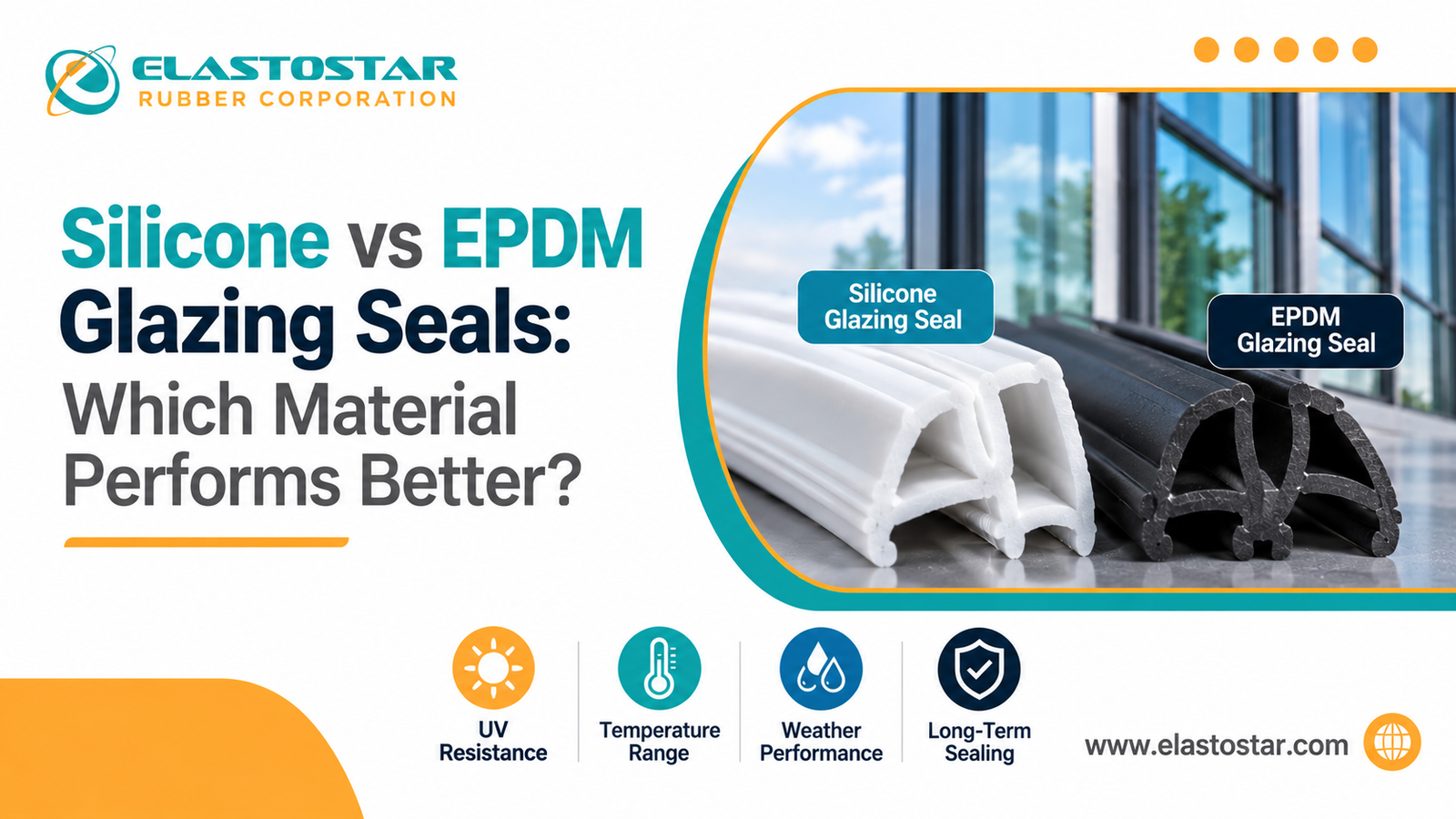
Silicone vs EPDM Glazing Seals: Which Performs Better Against Air and Water Leakage?
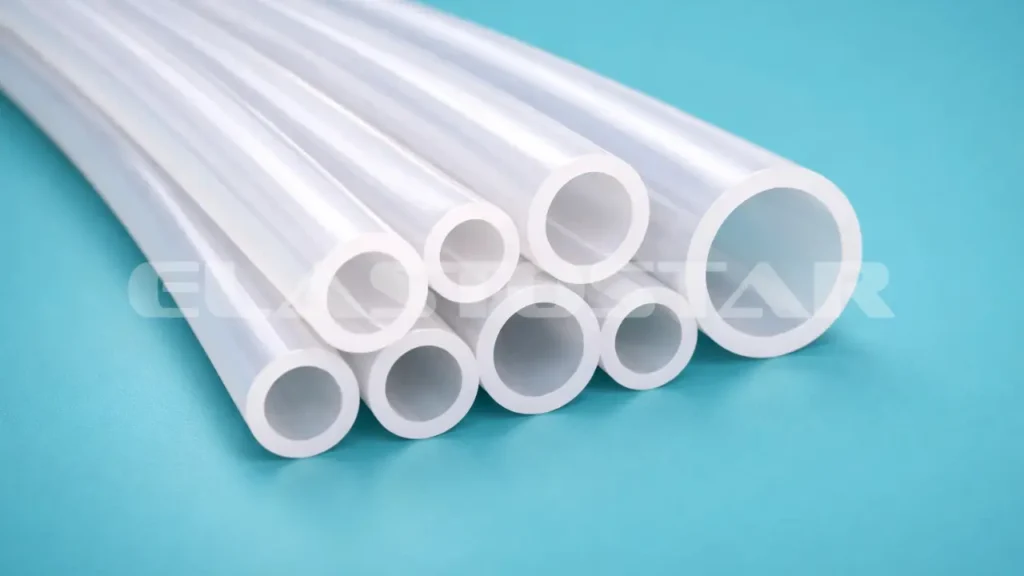
Both silicone glazing seals and EPDM glazing seals are widely used for exterior windows, doors, and glazing systems.
Neither material is automatically better at preventing leakage; the correct choice depends on the glazing design, compression, temperature range, environmental exposure, and required service life.
| Performance Factor | Silicone Glazing Seal | EPDM Glazing Seal |
|---|---|---|
| Air & water sealing | Excellent with correct compression | Excellent with correct compression |
| UV resistance | Excellent | Excellent |
| Ozone & weather resistance | Excellent | Excellent |
| Temperature flexibility | Excellent across a broad temperature range | Very good across typical exterior building conditions |
| Low-temperature flexibility | Excellent | Very good |
| Long-term outdoor exposure | Excellent | Excellent |
| Oils & hydrocarbons | Generally not preferred | Generally not preferred |
| Custom extrusion | Excellent | Excellent |
| Typical glazing use | Windows, doors, curtain walls, specialty or higher-temperature glazing | Windows, doors, curtain walls, and exterior weather sealing |
So, Which Material Should You Choose?
For glazing exposed to wide temperature variations or harsh environmental conditions, silicone can be an excellent choice due to its temperature flexibility and resistance to UV, ozone, and weathering.
Engineers can review our Silicone Rubber when evaluating silicone for exterior sealing applications.
EPDM is also widely used for exterior window and curtain wall sealing, particularly where strong weather, ozone, and water resistance are required under typical building service temperatures.
For applications requiring a defined material specification, ASTM D2000 rubber materials can help communicate elastomer performance requirements, rather than relying on selecting a glazing seal by material name alone.
Engineers can also refer to ASTM D2000 from ASTM International for the official classification system for vulcanized rubber materials.
Ultimately, preventing air and water leakage depends on the complete sealing system. Even the best rubber material can leak if the profile geometry, compression, dimensions, corner joints, or installation are incorrect.
How Compression and Seal Profile Affect Glazing Performance
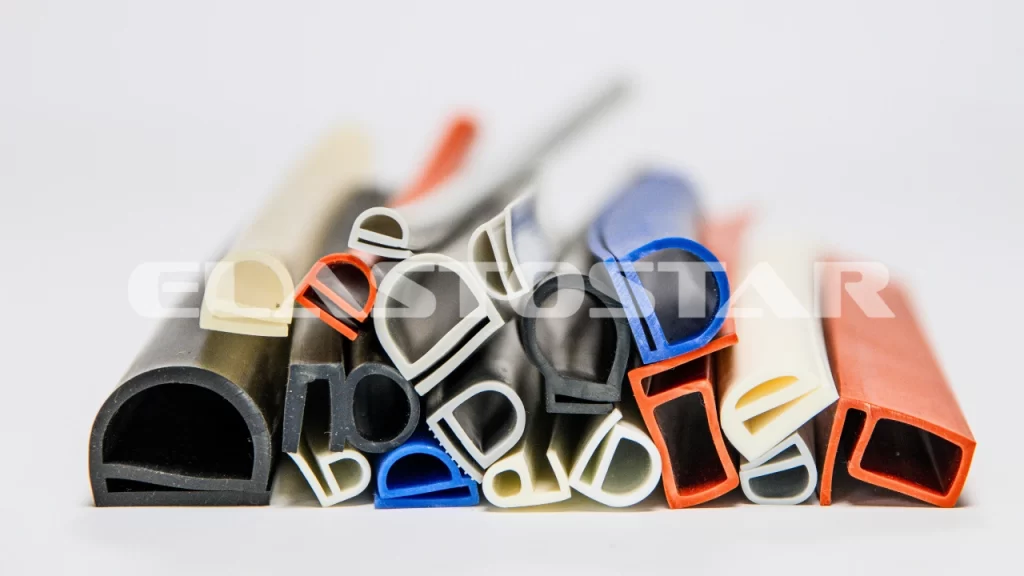
A glazing seal works effectively only when its profile is compressed enough to maintain continuous contact with the glass and frame.
The correct compression allows the rubber to accommodate dimensional variation and movement while maintaining the barrier needed to control air and water leakage.
Why Compression Matters
Too little compression → gaps can remain between sealing surfaces, increasing the risk of air infiltration and water penetration.
Correct compression → the profile maintains continuous sealing contact while retaining enough elasticity to accommodate normal movement.
Excessive compression → the seal may become distorted, difficult to install, or experience unnecessary stress that can affect long-term performance.
The required compression is profile- and compound-specific. Engineers should not apply a single universal compression percentage to all rubber glazing seals.
Profile Geometry Changes How the Seal Responds
A solid profile behaves differently from a hollow bulb or sponge profile.
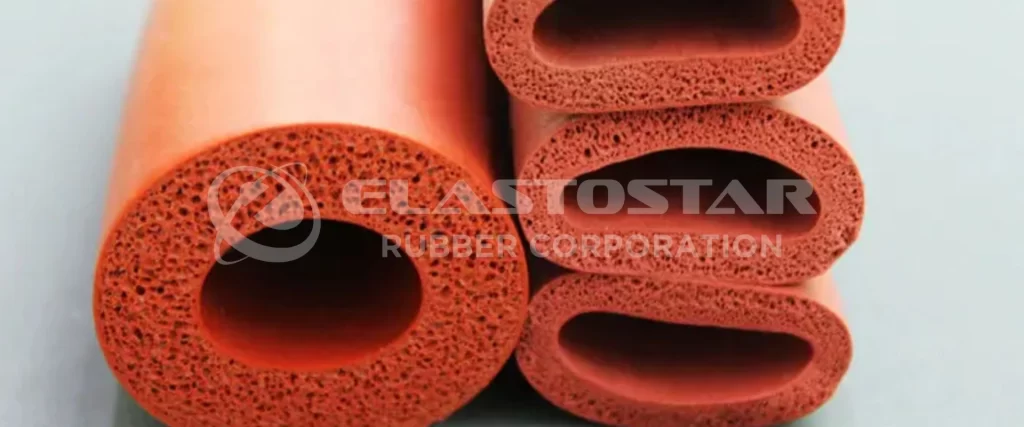
For glazing systems that require a softer, more conformable sealing surface, closed-cell silicone sponge rubber can be considered because its cellular structure allows controlled compression while helping resist moisture penetration.
Profile selection should account for:
Glass thickness → Channel dimensions → Seal profile → Material hardness → Compression → Tolerances → Expected movement
For custom extruded rubber profiles, dimensional tolerances are also important because variations in the profile can change the actual compression after installation.
Our RMA precision tolerance guidelines provide a reference for specifying dimensional requirements for custom rubber components.
The objective is not simply to install the tightest possible window gasket. The objective is to select a profile that maintains the required sealing contact without excessive deformation throughout the expected operating conditions.
Choosing the Right Glazing Seal for Windows, Doors, and Curtain Walls
The best glazing seal depends on where it will be installed.
Windows, doors, and curtain walls can have different frame geometries, movement, exposure, and compression requirements, so one rubber profile should not be treated as a universal solution.
| Application | What the Seal Needs to Handle | Typical Seal Considerations |
|---|---|---|
| Windows | Rain, drafts, UV exposure and temperature cycling | Secure glass-to-frame contact, weather resistance and correct compression |
| Doors | Frequent opening/closing, weather exposure and dimensional movement | Flexible profile, recovery and durable sealing contact |
| Aluminum windows | Rigid channels and thermal expansion/contraction | Accurate profile dimensions and reliable retention in the glazing channel |
| Curtain walls | Exterior weather, wind-driven rain and building movement | Weather-resistant material, continuous sealing and application-specific profile geometry |
| Commercial glazing | Large assemblies and long-term exterior exposure | Consistent extrusion, dimensional control and suitable compound selection |
Match the Seal to the Glazing System
For rubber glazing seals for aluminum windows, engineers should consider the glass thickness, channel width and depth, required compression, corner configuration, and expected thermal movement before specifying the profile.
For curtain walls and exterior commercial glazing, silicone or EPDM glazing seals may be selected depending on the required temperature range, weather resistance, hardness, profile design, and project specifications.
At Elastostar Rubber Corporation, we can manufacture custom extruded rubber profiles from drawings, samples, or application requirements.
For existing window or door systems where the original gasket is obsolete, we can also provide reverse engineering support to reproduce an application-specific profile.
For projects requiring controlled manufacturing and documented quality systems, our quality control processes support custom rubber components from development through production.
Why UV, Weather, and Temperature Resistance Matter for Exterior Glazing Seals
Exterior glazing seals remain exposed to sunlight, ozone, rain, moisture, seasonal temperature changes, and repeated heating and cooling.
Over time, an unsuitable rubber compound can harden, crack, shrink, or lose elasticity, reducing the seal’s ability to maintain continuous contact with the glass and frame.
Environmental Exposure vs. Seal Performance
| Exposure | Potential Effect on the Seal | What Engineers Should Consider |
|---|---|---|
| UV radiation | Surface degradation, cracking or loss of properties in unsuitable materials | Select a UV-resistant elastomer |
| Ozone | Cracking and deterioration in susceptible rubber compounds | Specify material with strong ozone resistance |
| Rain & moisture | Continuous exterior exposure | Material and profile must suit wet environments |
| High temperatures | Accelerated aging or loss of properties | Verify the compound’s actual service-temperature capability |
| Low temperatures | Reduced flexibility in unsuitable materials | Evaluate low-temperature performance |
| Thermal cycling | Repeated movement between glass, frame and gasket | The profile must accommodate dimensional changes |
Why Silicone Works Well for Exterior Glazing
Silicone glazing seals are particularly useful where long-term resistance to UV, ozone, weathering, and temperature extremes is important.
These properties make silicone suitable for exterior windows, doors, architectural glazing, and other exposed sealing applications.
Where a project also has flame-performance requirements, we can manufacture specific qualifying compounds such as UL 94-rated silicone rubber.
UL 94 requirements should only be specified when applicable to the project, and the rating applies to the specific qualifying material, not to every silicone glazing seal.
For applications exposed to elevated temperatures, engineers should select the compound based on the actual continuous or intermittent service conditions rather than assuming all silicone grades provide identical temperature performance.
Read More: How Temperature Affects Silicone Rubber Performance
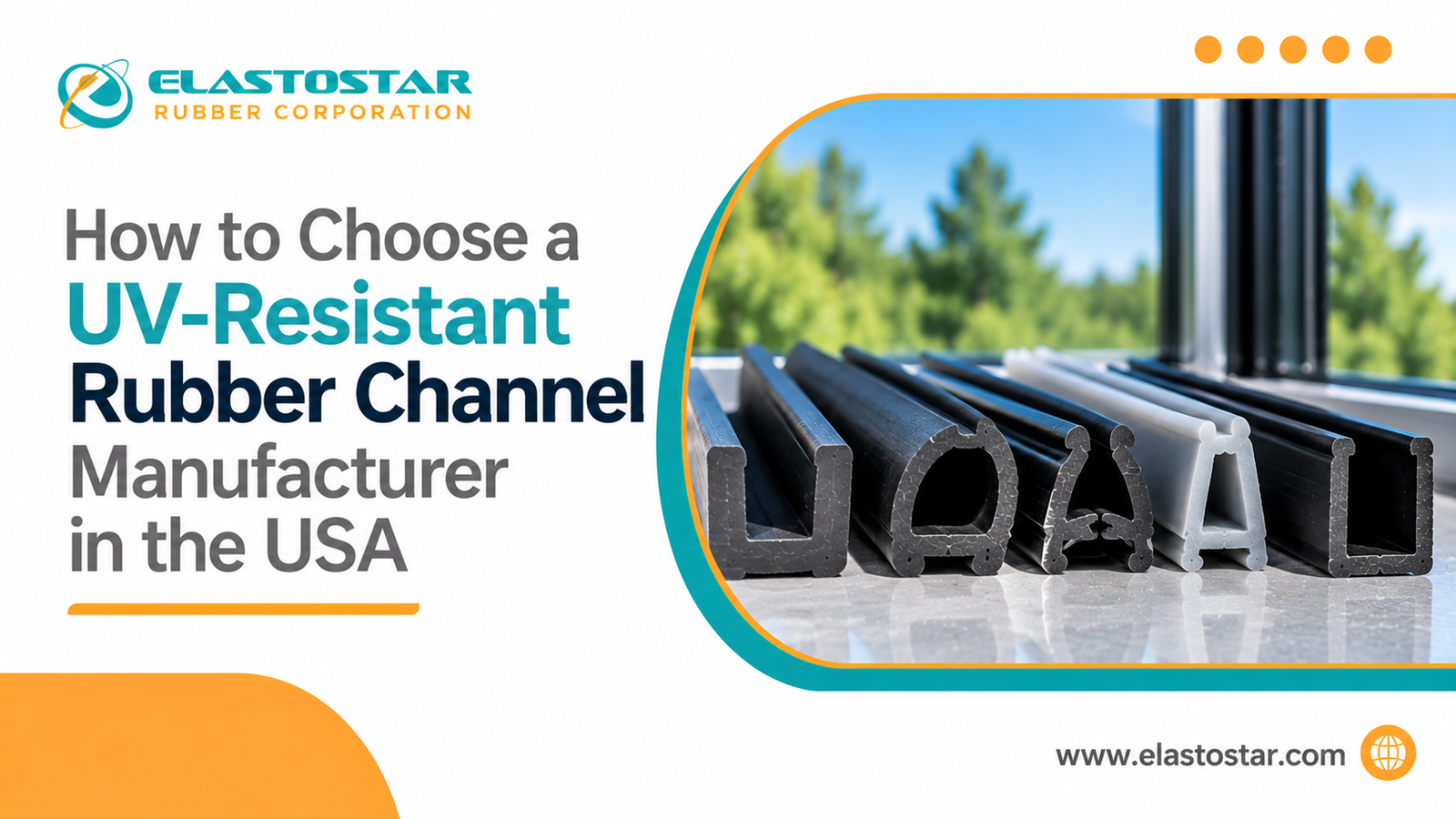
U-Channel, Bulb and Custom Glazing Profiles: Where Each Is Used
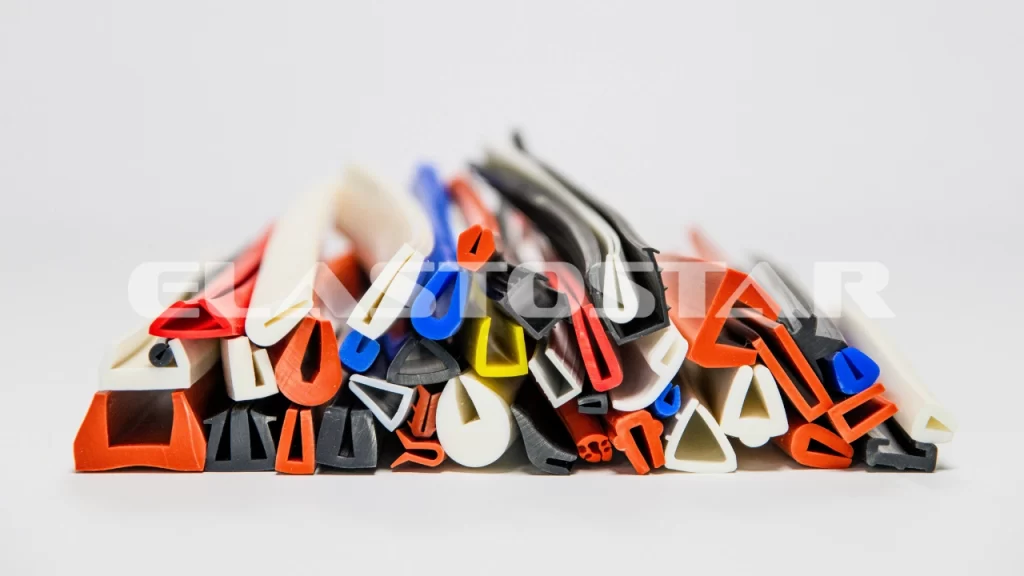
The shape of a glazing seal determines how it fits into the frame, retains the glass, accommodates movement, and maintains sealing contact.
U-channel, bulb, and custom-extruded profiles serve different functions, so profile selection should be based on the actual glazing geometry rather than appearance alone.
| Glazing Profile | How It Works | Common Applications |
|---|---|---|
| U-Channel Seal | Fits around an edge or into a channel to provide cushioning, protection, and sealing | Glass edges, aluminum frames, panels and glazing channels |
| Bulb Seal | Hollow bulb compresses against the mating surface to close variable gaps | Windows, doors, access panels and exterior glazing |
| Lip Seal | Flexible lip deflects against the mating surface | Window frames, doors and applications requiring flexible contact |
| Custom Profile | Geometry is engineered around the actual frame, glass and sealing surfaces | Curtain walls, commercial windows, OEM glazing and obsolete profiles |
Where Bulb Profiles Work Best
A bulb profile can accommodate variations in the sealing gap because the hollow section compresses as the assembly closes.
When a Lip Profile Is More Suitable
Where the design requires a flexible sealing edge rather than a fully compressed bulb, extruded silicone rubber lip seals can be manufactured for application-specific contact surfaces and profile geometries.
Common Glazing Seal Installation Mistakes That Cause Leakage

Even a correctly designed glazing seal can allow air or water leakage when installed incorrectly. Installation affects the seal’s compression, position, and contact with the glass and frame, so correct fitting is essential for reliable performance.
1. Stretching the Seal During Installation
Stretching a window rubber seal can cause it to retract after installation, potentially creating gaps at corners, joints, or profile ends. The seal should be installed according to its intended dimensions without unnecessary tension.
2. Cutting the Glazing Seal Too Short
An undersized rubber glazing seal can interrupt the continuous sealing path around the glass. Accurate measurement and allowance for the specific profile and installation method are important before cutting.
3. Twisting or Incorrectly Seating the Profile
An extruded rubber seal must sit correctly within its glazing channel. Twisting, rolling, or partial seating can create uneven compression and localized pathways for air or water.
4. Poor Corner and Joint Installation
Corners are critical areas in window and curtain wall sealing. Poorly fitted joints, gaps, or incorrect corner preparation can compromise an otherwise effective waterproof glazing rubber seal.
5. Installing the Profile in the Wrong Orientation
Bulbs, lips, locking features, and other profile elements are designed to contact specific surfaces. Installing the profile backward or incorrectly can prevent the intended sealing surfaces from achieving proper compression.
6. Applying Excessive Compression
More compression does not necessarily provide better sealing. An oversized profile or incorrect channel fit can distort the gasket and create excessive installation stress. The profile should be selected around the actual glass thickness, channel dimensions, sealing gap, and required compression.
Why Dimensional Accuracy Matters
For complex custom extruded glazing seals, consistent profile dimensions help maintain the intended fit and compression throughout the glazing system. At Elastostar Rubber Corporation, our quality control processes support dimensional and manufacturing verification for custom rubber extrusions.
Read More– Top 7 O-Ring Failure Causes & Expert Leak Prevention
How Custom Extruded Glazing Seals Improve Long-Term Sealing Performance
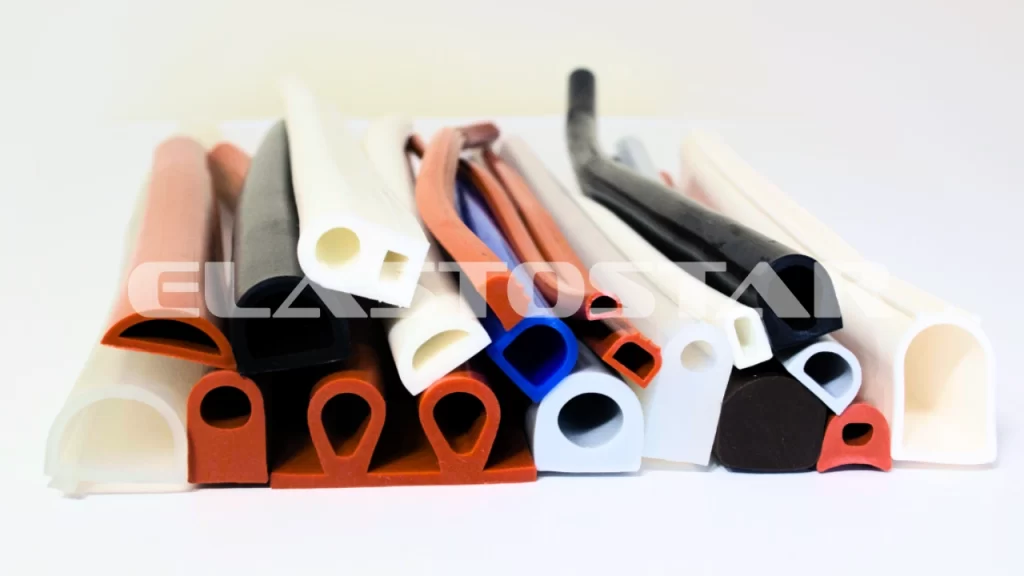
Standard profiles may work for common glazing systems, but they can create sealing problems when the glass thickness, frame channel, compression gap, or mating surfaces differ from standard dimensions.
A custom extruded glazing seal can be engineered around the actual assembly instead.
1. Profile Geometry Designed for the Application
Custom extrusion allows us to control features such as bulbs, lips, channels, sealing ribs, wall thickness, and contact surfaces. This helps the profile maintain consistent contact where air and water leakage is most likely to occur.
2. Better Control of Compression and Fit
A custom profile can be designed around the required sealing gap, rather than forcing an existing gasket into an unsuitable channel.
Actual frame geometry → Profile dimensions → Material hardness → Compression → Sealing contact
This approach can improve fit and help maintain a more consistent air and water barrier throughout the glazing perimeter.
3. Material Selection for the Service Environment
We manufacture custom rubber seals in materials selected based on temperature, UV exposure, ozone exposure, weather, hardness, and other application requirements.
Silicone and EPDM are common options for exterior glazing, but the compound should always match the actual service conditions.
When elastomer requirements are defined, engineers can specify ASTM D2000-compliant rubber materials to communicate material properties more precisely.
4. Custom Profiles for Existing and Obsolete Glazing Systems
Replacement projects do not always have an original drawing. We provide reverse-engineering support using existing gasket samples, drawings, or application dimensions to help reproduce hard-to-source rubber window seals and glazing profiles.
5. From Prototype to Production
We support custom extrusion projects from prototype development through production runs. This allows OEMs and glazing-system manufacturers to evaluate profile fit and application requirements before moving into ongoing production.
For applications requiring unique geometries, our custom manufacturing capabilities can provide an extruded rubber profile designed specifically for the window, door, curtain wall, or glazing assembly rather than relying on a one-size-fits-all seal.
When Should Glazing Seals Be Inspected or Replaced?
Glazing seals should be inspected periodically and whenever there are signs of air leakage, water penetration, visible deterioration, or changes in gasket fit.
Exterior window and door seals are continuously exposed to weather and temperature cycling, so their condition can change over time.
Signs a Glazing Seal May Need Replacement
Replacement should be considered when the window glazing seal shows:
- Cracking, splitting, or surface deterioration.
- Permanent flattening or loss of elastic recovery.
- Shrinkage that creates gaps at corners or joints.
- Hardening or loss of flexibility.
- Separation from the glass or glazing channel.
- Recurring air or water leakage.
- Damage that prevents consistent compression.
Inspect the Complete Glazing Interface
A leaking window does not automatically mean the rubber itself has failed. The seal profile, compression, frame condition, drainage system, corner joints, glass position, and installation should also be inspected before specifying a replacement.
For obsolete or damaged profiles, we can use an existing gasket sample to reverse-engineer a custom replacement glazing seal that matches the required profile and application conditions.
Read More: Material Selection Impact on Product Reliability
What Engineers and OEMs Should Specify When Ordering Glazing Seals
Accurate specifications help us manufacture a glazing seal that matches the frame, glass, compression requirements, and service environment.
Key Information to Provide
| Specification | What to Provide |
|---|---|
| Profile dimensions | Cross-section, width, height, wall thickness and critical features |
| Glazing dimensions | Glass thickness, channel dimensions and sealing gap |
| Material | Silicone, EPDM or other required elastomer |
| Hardness | Required Shore A hardness |
| Compression | Intended working compression or installed gap |
| Environment | UV, ozone, weather, moisture and temperature exposure |
| Quantity | Prototype, short run or production volume |
| Documentation | Drawing, CAD file, existing sample or applicable specification |
Select the Right Product Configuration
Depending on the glazing design, we can manufacture an extruded rubber U-channel for channel-type configurations.
For applications requiring softer compression, our sponge-extruded rubber gaskets can also be considered based on the required profile and operating conditions.
When critical dimensions are specified, our RMA precision tolerance guidelines can help engineers set realistic tolerances for custom-extruded rubber profiles.
If no drawing is available, we can also provide reverse engineering support using an existing window gasket or glazing-seal sample.
Why Choose a USA Glazing Seal Manufacturer for Custom Applications?

Working with a custom glazing seal manufacturer in the USA can simplify communication, prototyping, dimensional adjustments, quality control, and ongoing production, particularly for OEM and non-standard glazing applications.
Why Choose Elastostar Rubber Corporation as Your Glazing Seal Manufacturer?
At Elastostar, we manufacture custom extruded glazing seals for windows, doors, curtain walls, aluminum frames, and other glazing systems. Our capabilities include:
- Proudly Made in the USA.
- Large manufacturing facility for custom and production requirements.
- Reverse engineering from existing glazing seals or samples.
- Design and application support for profile geometry and material selection.
- Prototype-to-production-run capability.
- Custom silicone, EPDM, and other rubber extrusions.
- Short lead times for custom manufacturing.
For glazing projects requiring documented manufacturing controls, our quality certifications provide information on the quality systems that support our manufacturing operations.
Whether the requirement is a new profile or a replacement for an obsolete window gasket, we can develop custom extruded seals around the required dimensions, material, compression, and application environment.
Recommended Reads
- Best Silicone Door and Window Seals for Weatherproofing
- Benefits of Extruded Rubber Window and Door Seals
- Glass Industry Rubber Sealing Solutions
Conclusion
Preventing air and water leakage requires more than simply installing a rubber glazing seal. Reliable performance depends on selecting the correct material, profile geometry, compression, dimensional fit, environmental resistance, and installation method for the glazing system.
At Elastostar Rubber Corporation, we manufacture custom glazing seals for windows, doors, curtain walls, aluminum frames, and OEM applications. From our large U.S.-based manufacturing facility, we support customers with custom extrusion, reverse engineering, design and application assistance, prototype-to-production manufacturing, and short lead times.
Whether you need a new silicone glazing seal, an EPDM profile, or a replacement for an obsolete window rubber seal, we can develop a custom solution to meet your application requirements. Contact us to discuss your custom glazing seal requirements.
FAQs
Q1. What is a glazing seal used for?
A glazing seal is installed between the glass and the surrounding frame to help create a continuous barrier against air and water infiltration. It also cushions the glass, accommodates movement, and maintains sealing contact in windows, doors, curtain walls, and other glazing assemblies.
Q2. How do glazing seals prevent air leakage?
Glazing seals help prevent air leakage by maintaining continuous compression between the glass and frame. The profile geometry, dimensions, rubber hardness, and installation must work together to minimize gaps that could allow uncontrolled airflow.
Q3. How do glazing seals stop water from entering around windows?
A correctly designed window glazing seal maintains sealing contact around the glazing perimeter, helping restrict rainwater and wind-driven moisture from passing between the glass and frame. The seal must work in concert with the frame geometry, drainage paths, and overall glazing system design.
Q4. What causes glazing seals to leak?
Common causes include incorrect profile dimensions, insufficient compression, poor installation, damaged corners, material aging, shrinkage, compression set, and loss of elasticity. Our guide to gasket failure root-cause analysis explains common signs of seal deterioration and failure.
Q5. Is silicone or EPDM better for glazing seals?
Both can provide effective exterior sealing. Silicone glazing seals offer excellent resistance to UV, ozone, weathering, and temperature extremes, while EPDM glazing seals provide excellent resistance to weather, ozone, and water. The correct choice depends on the temperature range, environmental exposure, profile design, and application requirements.
Q6. What is the best rubber material for exterior glazing seals?
There is no single best material for every exterior glazing system. Silicone is often selected for applications requiring exposure to extreme temperatures and weather, while EPDM is widely used for exterior architectural sealing. Material selection should be based on the complete operating environment rather than the material name alone.
Q7. How much compression should a glazing seal have?
There is no universal compression percentage for every rubber glazing seal. Required compression depends on the profile shape, material, hardness, sealing gap, and application. Bulb, sponge, lip, and solid profiles respond differently under compression, so the profile should be engineered around its installed geometry.
Q8. Why do glazing seals shrink or crack over time?
Shrinkage, cracking, or hardening can result from prolonged UV and ozone exposure, temperature cycling, aging, installation stress, or the use of an unsuitable compound. Selecting a material with appropriate environmental resistance helps maintain long-term flexibility and sealing contact.
Q9. Where can I buy custom glazing seals in the USA?
At Elastostar Rubber Corporation, we manufacture custom glazing seals in the USA for windows, doors, curtain walls, commercial glazing, aluminum frames, and OEM applications. In addition to glazing-specific profiles, our broader custom-molded rubber product capabilities can support application-specific rubber components when an extruded profile alone does not meet assembly requirements.
Q10.Can custom glazing seals reduce air and water leakage?
Yes, a custom glazing seal can be engineered around the actual frame channel, glass thickness, sealing gap, compression, and contact surfaces. For existing or obsolete systems, we can reverse engineer a profile from a sample or drawing and manufacture it to the required application dimensions.