Food processors operate under strict contamination control requirements where even small rubber fragments can create serious product safety risks. This is why many facilities use metal- and X-ray-detectable rubber components in food-processing equipment, conveyor systems, pumps, and sealing applications.
Selecting the right food-grade detectable rubber depends on the inspection method, operating environment, and compliance requirements. Many applications require FDA-compliant detectable rubber compounds manufactured to FDA 21 CFR 177.2600 standards, with NSF 51-approved compound options available for food processing systems.
At Elastostar Rubber Corporation, we manufacture FDA Metal & X-Ray Detectable Silicone, custom detectable gaskets, O-rings, and sealing components for contamination-sensitive applications.
Key Takeaways
- Metal-detectable and X-ray-detectable rubber helps food processors reduce contamination risks associated with damaged rubber components.
- Metal-detectable rubber is commonly used in open production systems, while X-ray-detectable rubber performs better in packaged or dense food applications.
- Food-grade detectable rubber should match the inspection system, operating environment, cleaning exposure, and compliance requirements, such as FDA 21 CFR 177.2600 and NSF 51 approved compounds.
- Many food processors now use dual-detectable rubber compounds that support both metal detection and X-ray inspection systems.
- Choosing the right detectable rubber supplier is important for contamination control, material performance, and long-term production reliability.
Table of Contents
What Is Metal Detectable Rubber?
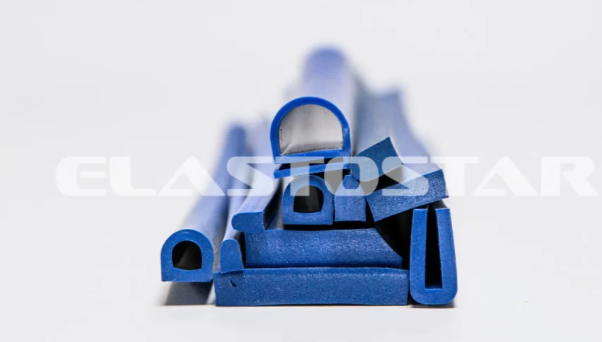
Metal-detectable rubber is a specially engineered rubber compound designed to be detected by metal-detection systems used in food processing and industrial production lines.
These materials contain detectable additives that allow broken gasket fragments, rubber seals, or rubber particles to be identified before contaminated products move further through the production process.
1: How Metal Detectable Rubber Works
Metal-detectable compounds contain additives that are detected by metal-detection equipment during product inspection.
If a rubber component becomes damaged or enters the production stream, the detection system can help identify contamination before packaging or distribution.
This type of detectable silicone rubber is commonly used in food processing systems where contamination control and product safety are critical.
2: Common Food Processing Applications
Metal detectable materials are widely used in:
- Conveyor systems.
- Filling and dispensing equipment.
- Pumps and valves.
- Mixer and blending systems.
- Food contact gasket assemblies.
Custom detectable gaskets, custom detectable O-rings, and sealing profiles are often manufactured for food production environments requiring contamination control.
3: Material and Compliance Requirements
Food processing applications commonly require FDA-compliant detectable rubber manufactured in accordance with 21 CFR 177.2600.
Many food-contact sealing applications also use FDA-grade white silicone rubber when compliance and long-term material performance are important.
NSF 51-approved compound options may also be required, depending on the application and operating environment.
For food-grade silicone applications, understanding material performance is equally important.
We support customers with custom manufacturing, design help, and application support, prototype-to-production capability, and proudly made-in-the-USA manufacturing.
What Is X-Ray Detectable Rubber?
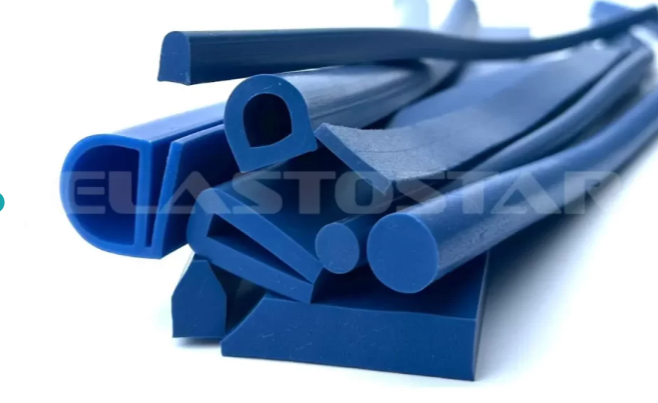
X-ray-detectable rubber is a specialized rubber compound designed to be detected by X-ray inspection systems in food, beverage, and pharmaceutical processing environments.
These materials contain high-density detectable additives that allow rubber fragments or damaged sealing components to appear during X-ray scanning and contamination inspection.
1: How X-Ray Detection Systems Work
Unlike metal detectors, X-ray systems identify contamination through density differences within the inspected product.
If a detectable rubber component enters the production stream, the X-ray system can help identify the material inside packaged or processed products.
This makes X-ray detectable rubber useful in applications where standard metal detection may not provide sufficient visibility.
2: Benefits in Food Production Systems
X-ray-detectable materials help improve contamination control in enclosed production systems and in packaged food applications.
Common advantages include:
- Improved contamination visibility.
- Detection within packaged products.
- Better inspection of dense food products.
- Support for stricter food safety programs.
FDA Metal & X-Ray Detectable Silicone, Silicone Rubber Tubing, and custom detectable gaskets are often used in contamination-sensitive processing environments.
3: Where X-Ray Detectable Materials Are Used
X-ray detectable materials are commonly used in:
- Dairy processing systems.
- Beverage production lines.
- Pharmaceutical manufacturing.
- Nutraceutical processing facilities.
- Food transfer and filling systems.
For applications involving food and pharmaceutical processing, materials may require FDA-compliant detectable rubber compounds manufactured in accordance with 21 CFR 177.2600. NSF 51-approved compound options may also be required, depending on the processing environment.
Our Quality Control process supports material consistency, inspection reliability, and production performance across detectable rubber applications manufactured by Elastostar Rubber Corporation.
Read More: The Benefits of X-Ray and Metal Detectable Rubber Seals in the Food Industry
Metal Detectable vs X-Ray Detectable Rubber
Both metal-detectable rubber and X-ray-detectable rubber are designed to help reduce contamination risks in food and industrial processing environments.
However, the detection method, inspection capability, and ideal application environment can differ depending on the production system and inspection equipment being used.
1: Detection Technology Differences
Metal-detectable materials are identified by metal detection systems that respond to conductive additives in the rubber compound.
X-ray-detectable materials are identified by density differences during X-ray scanning and inspection.
The correct material selection depends on:
- Production line configuration.
- Product density.
- Inspection equipment type.
- Contamination control requirements.
2: Performance and Application Comparison
Both materials support food safety programs, but each system performs differently depending on the processing environment and inspection method.
FDA Metal & X-Ray Detectable Silicone, custom detectable gaskets, and engineered sealing profiles may be manufactured for systems requiring both inspection methods.
| Comparison Point | Metal Detectable Rubber | X-Ray Detectable Rubber |
| Detection method | Detected by metal detection systems. | Detected by X-ray inspection systems. |
| How it is identified | Uses detectable additives that react to metal detectors. | Uses high-density additives visible under X-ray scanning. |
| Best for | Open food processing lines, conveyors, mixers, and filling equipment. | Packaged foods, dense products, sealed containers, and final inspection lines. |
| Main advantage | Fast detection in standard food production lines. | Better visibility inside packaged or dense food products. |
| Common products | Custom detectable gaskets, O-rings, seals, and rubber strips. | FDA Metal & X-Ray Detectable Silicone, tubing, gaskets, and molded components. |
| Food-grade requirement | Should meet FDA 21 CFR 177.2600, with NSF 51 options where needed. | Should meet FDA 21 CFR 177.2600, with NSF 51 options where needed. |
| Best choice when | Your facility already uses metal detection equipment. | Your facility uses X-ray systems or needs stronger inspection visibility. |
| Dual-detectable option | Can be combined with X-ray detectable properties in custom compounds. | Can be combined with metal detectable properties in custom compounds. |
3: Which Option Is Better for Food Processing?
The best choice depends on the production environment, the level of contamination risk, and the inspection technology already installed within the facility.
Some food processors use metal-detectable materials for standard production lines, while others require X-ray-detectable compounds for packaged or dense food products.
At Elastostar Rubber Corporation, we manufacture food-grade detectable rubber solutions with custom manufacturing, application support, and prototype-to-production capabilities for contamination-sensitive food processing applications.
Read More: Metal Detectable Silicone Rubber vs Others
When Should Food Processors Choose Metal Detectable Rubber?
Metal-detectable rubber is commonly used in food processing environments where metal detection systems are already integrated into the production line.
These materials help processors identify damaged rubber fragments before products move through packaging, distribution, or final inspection stages.
1: Open Food Production Lines
Metal detectable materials are often used in open production systems where food products move directly through mixers, conveyors, transfer systems, and processing equipment.
In these environments, metal detection systems can quickly identify detectable rubber fragments during production.
Common applications include:
- Ingredient transfer systems.
- Conveyor assemblies.
- Mixing equipment.
- Filling and dispensing systems.
Custom detectable O-rings, Rubber Lip Seal & Gaskets, and detectable sealing profiles are widely used in contamination-sensitive food production environments.
2: Conveyor and Mixing Equipment
Conveyor systems and mixing equipment experience constant movement, vibration, pressure, and repeated cleaning cycles.
Rubber components used in these systems must support both sealing performance and contamination control.
Many processors select detectable silicone rubber because it can help improve product safety while supporting flexible sealing performance in demanding operating conditions.
3: High-Volume Processing Facilities
High-volume food manufacturing facilities often require fast contamination screening across continuous production operations.
Metal-detectable systems can support rapid inspection processes with minimal disruption to production flow.
Read More: Top Applications of FDA Silicone Rubber in Food Processing Industries
When Should Food Processors Choose X-Ray Detectable Rubber?
X-ray-detectable rubber is a strong choice for food processors that rely on X-ray inspection systems to identify contamination risks in finished, packaged, or dense food products.
It is especially useful where standard metal detection may not be enough.
1: Best Situations for X-Ray Detectable Rubber
Choose x-ray detectable rubber when the facility handles:
- Packaged food products
X-ray systems can inspect sealed packs without slowing the production line. - Dense food materials
Products such as dairy, meat, and thick food mixtures may need stronger inspection visibility. - High-speed production lines
X-ray inspection can support fast contamination screening in automated systems. - Critical food safety applications
Stricter inspection programs may require materials that are easier to identify inside the product stream.
2: Suitable Detectable Rubber Components
X-ray detectable materials can be used in several food processing components, including:
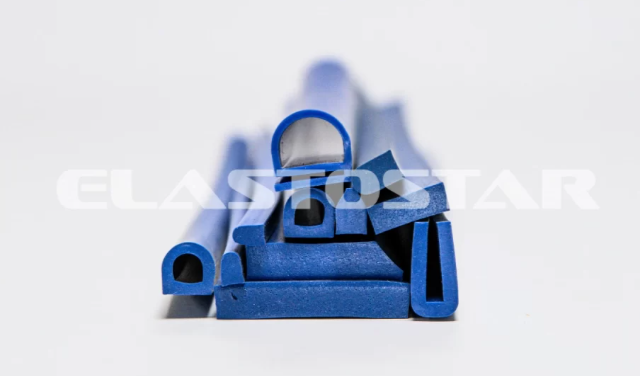
A.FDA Metal & X-Ray Detectable Silicone
B.Silicone Rubber Tubing
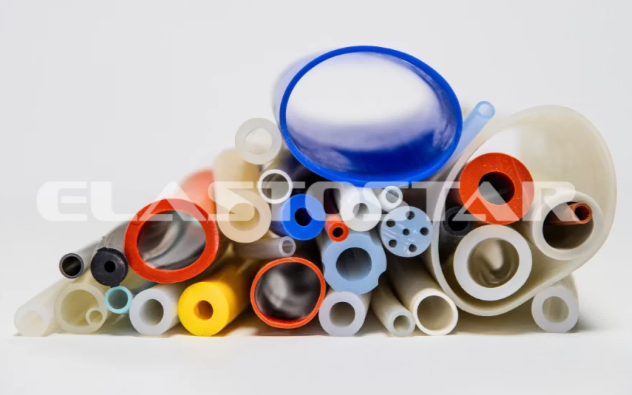
C.Platinum Cured Silicone Tubing
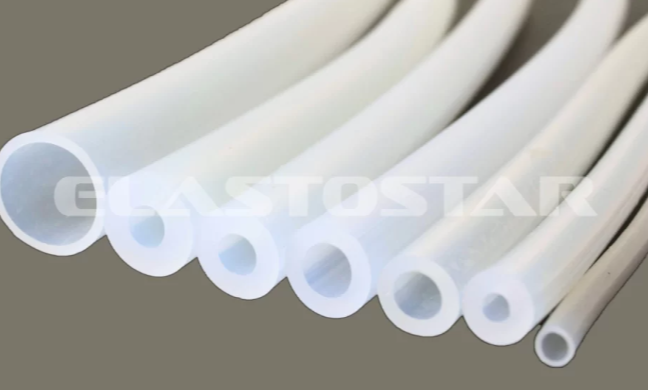
3: Compliance and Manufacturing Support
Food processing applications may require food-grade detectable rubber manufactured in accordance with FDA 21 CFR 177.2600 standards. NSF 51-approved compound options may also be needed, depending on the application.
We support X-ray-detectable sealing applications with custom manufacturing, design assistance, and application support, as well as prototype-to-production capabilities for demanding food and pharmaceutical processing environments.
Can Rubber Be Both Metal and X-Ray Detectable?
Yes, rubber can be engineered to support both metal detection and X-ray detection. Dual-detectable compounds are designed with special additives that help the material appear under both inspection systems.
This is useful for food processors that use multiple contamination control checkpoints across production, packaging, and final inspection.
How Dual-Detectable Rubber Helps Food Processors
Dual-detectable rubber can support safer processing in areas where broken seals, worn gaskets, or damaged rubber parts may enter the product stream.
It is commonly used for:
- Custom detectable gaskets
Used in food contact sealing areas where contamination control is critical. - Custom detectable O-rings
Used in pumps, valves, fillers, and transfer systems. - FDA Metal & X-Ray Detectable Silicone
Used where both metal and X-ray inspection visibility are required. - Detectable rubber components
Used in food processing industries, exposed to movement, cleaning, and repeated wear.
Which Industries Need Detectable Rubber Components?
Detectable rubber components are used in industries where contamination control, product safety, and inspection reliability are critical.
These materials help reduce the risk of rubber fragments entering the production stream during processing, transfer, sealing, or packaging operations.
1. Food and Beverage Processing
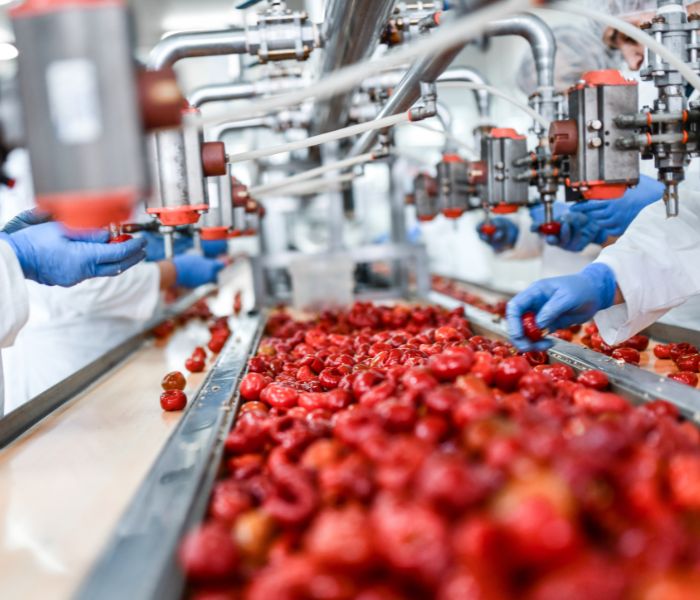
Food and beverage facilities commonly use metal- and X-ray-detectable rubber in processing equipment that is exposed to repeated movement, pressure, cleaning cycles, and product contact.
Common applications include:
- Conveyor systems.
- Pumps and valves.
- Filling equipment.
- Mixing and blending systems.
- Food transfer lines.
2. Pharmaceutical and Nutraceutical Manufacturing
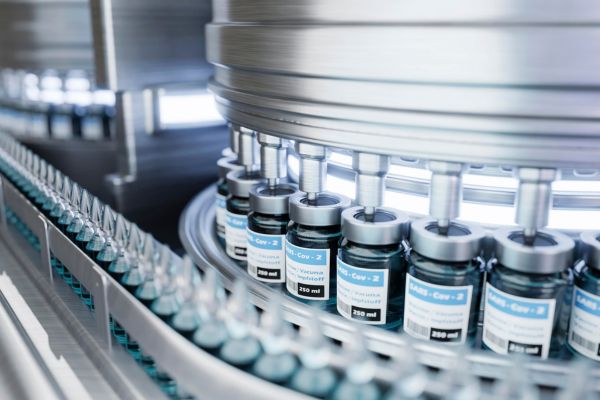
Pharmaceutical and nutraceutical systems often require stricter contamination control and inspection standards.
Detectable sealing materials may be used in fluid transfer, processing, and packaging systems requiring cleaner operating environments.
These applications may involve:
- Platinum Cured Silicone Tubing for transfer systems.
- Medical Grade Rubber components.
- Detectable sealing systems for pumps and valves.
For pharmaceutical applications, materials may also need to comply with USP Class VI Sections 87 & 88, depending on the operating environment.
3. Dairy and Hygienic Processing Systems

Dairy processing systems operate under frequent washdowns, temperature changes, and strict hygiene requirements.
Detectable rubber materials help prevent contamination in food-contact applications exposed to moisture and repeated cleaning.
4. Industrial Material Handling Applications
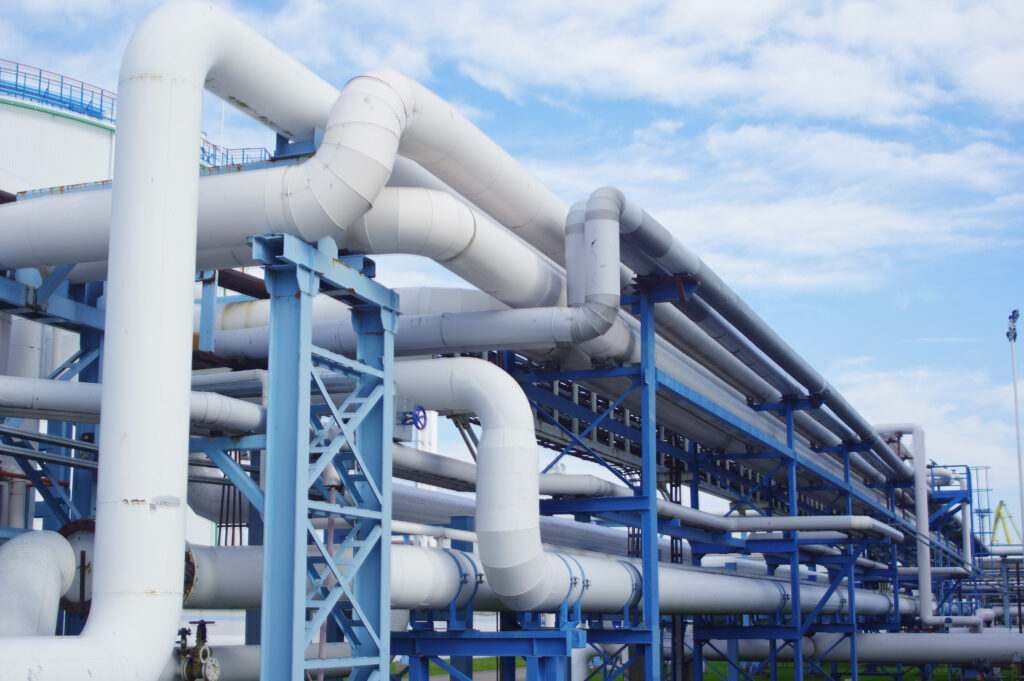
Some industrial processing systems also use detectable rubber components where contamination prevention, inspection visibility, and material traceability are important.
For regulated processing environments, our certifications and manufacturing standards highlight the quality-focused manufacturing support provided by us across food, pharmaceutical, and industrial applications
Common Mistakes While Choosing Detectable Rubber
Choosing custom detectable rubber for food processing equipment requires more than selecting a detectable material.
The compound, compliance level, cleaning exposure, gasket design, and inspection system must all be matched to the application.
Here are the mistakes food processors should avoid.
Mistakes That Can Affect Safety and Performance
- Choosing the wrong detection type
Metal detection and X-ray inspection work differently, so the rubber must match the equipment used on the line. - Ignoring food-grade compliance
Food-contact parts should use FDA-compliant detectable rubber that meets the requirements of 21 CFR 177.2600, with NSF 51-approved compound options where needed. - Overlooking cleaning chemicals
Washdowns, sanitizers, oils, and processing fluids can affect material life if the compound is not selected properly. - Using standard rubber in critical zones
Regular rubber may be harder to identify if it breaks or wears inside a food processing system. - Selecting the wrong gasket shape
Poorly designed custom detectable gaskets or vulcanized O-rings can create sealing gaps, compression issues, or faster wear.
Material selection is equally important. Soft sponge grades, such as ASTM D1056 silicone sponge, are often used in sealing applications where compression and recovery characteristics affect long-term performance.
Read More: How Silicone Material Choices Affect Recall Risk
How To Choose the Right Detectable Rubber Supplier

The right supplier should understand detection performance, food contact compliance, material behavior, and custom part design.
For food processors, this matters because detectable rubber components must support both contamination control and long-term equipment performance.
Supplier Selection Checklist
| What to Check | Why It Matters |
| Food-grade compliance | The supplier should offer materials that meet FDA 21 CFR 177.2600 requirements and NSF 51-approved compound options where needed. |
| Detection compatibility | The material must match your metal detector, X-ray system, or dual-detection inspection setup. |
| Custom manufacturing | Custom profiles, custom detectable gaskets, and custom detectable O-rings may be needed for exact equipment fit. |
| Application support | A reliable supplier should help with material selection, gasket design, and operating environment review. |
| Prototype-to-production capability | This helps food processors test parts first, then move into full production with better confidence. |
| Lead time support | Shorter delivery timelines reduce equipment downtime and production delays. |
Questions To Ask Before Ordering
Before choosing a metal detectable rubber manufacturer, ask:
- Will this material work with our current inspection system?
- Is the compound suitable for direct or indirect food contact?
- Can the part be made as a gasket, O-ring, tubing, strip, or custom profile?
- Will the material handle washdowns, temperature changes, oils, and cleaning chemicals?
- Can samples or prototypes be produced before full production?
For custom food-grade detectable rubber parts, Contact Us to connect you with the Elastostar Rubber Corporation team for material selection and application guidance.
Recommended Reads
- Where Detectable Silicone Should Be Used and Where It Adds No Value
- What Process Engineers Check First in Silicone Components
- FDA Silicone Rubber for Food Processing Equipment

Conclusion
Choosing between metal-detectable rubber and X-ray-detectable rubber depends on the inspection system, production environment, contamination risks, and food safety requirements within the facility. Both materials help improve contamination detection, but the correct solution depends on how the processing line operates and how products are inspected during production.
For food processing applications, selecting the right food-grade detectable rubber also requires attention to compliance, temperature exposure, chemical resistance, gasket design, and long-term durability. Materials manufactured to FDA 21 CFR 177.2600 standards with NSF 51-approved compound options can help support safer processing environments and contamination control programs.
FAQs
Q1. What is the difference between metal detectable rubber and X-ray detectable rubber?
Metal detectable rubber is identified by metal detection systems, while X-ray detectable rubber is identified through X-ray inspection. The right choice depends on the inspection equipment used in the food processing line.
Q2. Can a single rubber material be both metal-detectable and X-ray-detectable?
Yes. FDA Metal & X-Ray Detectable Silicone can be engineered to support both detection methods, making it useful for facilities that use metal detectors and X-ray inspection systems.
Q3. Which is better for food processing: metal-detectable or X-ray-detectable rubber?
Metal detectable rubber works well for open production lines, conveyors, and mixers. X-ray detectable rubber is often better for packaged, sealed, or dense food products.
Q4. Is blue rubber the same as metal detectable rubber?
No. Blue rubber is easier to see visually, but it is not automatically detectable. It must be made of detectable silicone rubber to work with inspection systems.
Q5. Can metal detectors detect silicone rubber?
Standard silicone rubber is usually not detected by metal detectors. Specially formulated metal-detectable silicone rubber contains additives that enable detection.
Q6. Can X-ray systems detect rubber fragments in food?
Yes, but the rubber must be made X-ray-detectable. Detection also depends on fragment size, food density, and equipment sensitivity.
Q7. Which industries use metal- and X-ray-detectable rubber?
Food processing, dairy, beverage, pharmaceutical, and nutraceutical industries use detectable rubber components for contamination control in pumps, valves, filling lines, and transfer systems.
Q8. What rubber parts should be detectable in food plants?
Common parts include custom detectable gaskets, O-rings, silicone tubing, seals, and gasket profiles used in food-contact or high-wear areas.
Q9. How do I choose a detectable rubber supplier?
Choose a supplier that provides FDA-compliant detectable rubber, FDA 21 CFR 177.2600 materials, NSF 51 options, custom manufacturing, and application support.
Q10. Where can I buy custom metal- and X-ray-detectable rubber components?
At Elastostar Rubber Corporation, we manufacture custom detectable rubber, FDA-compliant metal- and X-ray-detectable silicone, O-rings, rubber gaskets, tubing, and sealing profiles.