Choosing the right detectable rubber supplier requires more than checking price, availability, or a basic material claim.
For food processing and other contamination-sensitive applications, procurement and quality teams should review material performance, compliance documents, manufacturing capability, traceability, and supply consistency before approval.
This is especially important when sourcing Metal- and X-Ray-Detectable Rubber for seals, gaskets, Vulcanized Viton O-rings, profiles, or other components used in proximity to production lines.
A reliable metal-detectable rubber manufacturer should be able to match the material and component design to the application while providing the documentation required for supplier approval.
In this blog, we will walk through a practical supplier validation checklist for detectable rubber, along with the key questions to ask before approving a manufacturer.
Key Takeaways
- Check material performance and detectability before approving a supplier.
- Verify food-contact compliance and supporting documentation where required.
- Confirm the supplier can manufacture custom seals, gaskets, FKM O-rings, and profiles.
- Test detectable rubber with the actual metal or X-ray inspection system.
- Review batch traceability, dimensional control, and repeat-production consistency.
- Consider production capacity and lead times for long-term supply requirements.
- Choose a supplier that provides technical and application support before production.
Table of Contents
Why Supplier Validation Matters Before Approving a Detectable Rubber Supplier

Supplier validation helps procurement, engineering, and quality teams confirm that a manufacturer can meet all application requirements before production begins.
For detectable rubber components, this means checking material performance, compliance, dimensional accuracy, traceability, and manufacturing consistency rather than approving a supplier based on detectability claims alone.
For food-contact applications, buyers should verify that the appropriate compliance documentation for food-grade silicone (177.2600) is in place and confirm that the material is suitable for the intended equipment.
Depending on the application, this may include reviewing FDA 21 CFR 177.2600 Silicone Rubber and NSF 51-approved compound requirements.
A strong supplier review should cover:
- Material formulation and hardness consistency.
- Metal and X-ray detectability requirements.
- Temperature and chemical resistance.
- Dimensional accuracy and tolerance control.
- Food-contact compliance documentation.
- Batch and material traceability.
- Repeat-production consistency.
- Capability for custom manufacturing of seals, gaskets, Viton O-rings, and profiles.
For components used in Food Processing Industries, these checks help buyers confirm that both the material and finished component match the actual processing environment.
A thorough validation process provides procurement teams with a stronger basis for approval and helps reduce issues related to unsuitable materials, inconsistent parts, missing documentation, or unreliable repeat supply.
Material Capability Checklist for Detectable Rubber Components
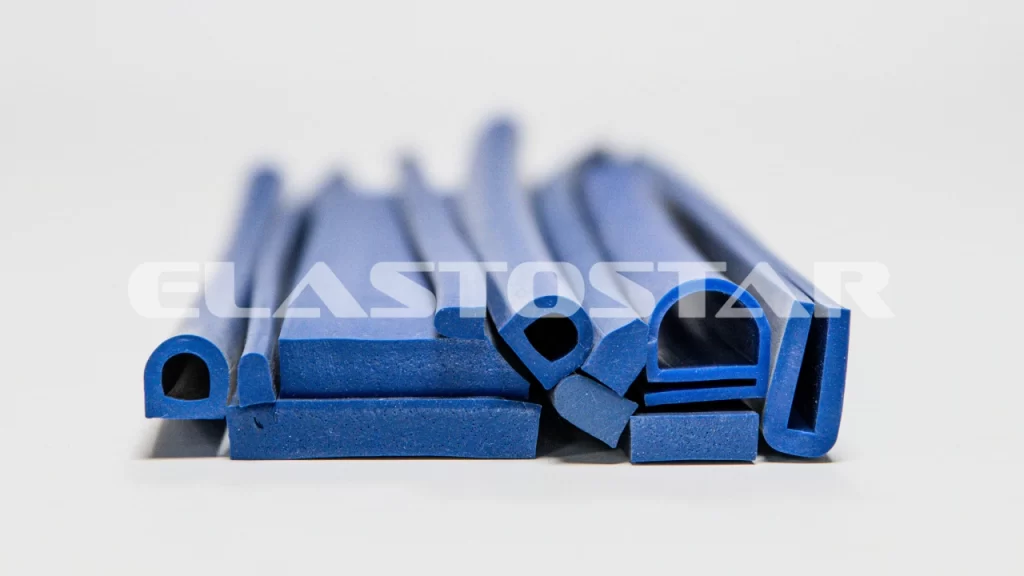
Material capability should be checked before any detectable rubber component is approved for production. The right compound needs to suit the actual working conditions, not just meet a basic detection requirement.
Understanding silicone rubber compounds and their properties can also help buyers compare formulations against operating requirements.
When evaluating an X-ray-detectable rubber supplier, buyers should consider how the material will perform once installed.
That includes the temperature range, exposure to cleaning chemicals, required hardness, compression, and the shape of the finished component.
A practical material review should cover:
- Detectability: Is the compound suitable for metal detection, X-ray detection, or both?
- Hardness: Does the durometer suit the sealing or compression requirement?
- Temperature resistance: Can the material handle the expected operating range?
- Chemical compatibility: Will it remain stable in the presence of cleaning agents, oils, sanitizers, or process fluids?
- Component type: Can the same material be produced as gaskets, EPDM O-rings, extrusions, sheets, or molded parts?
- Dimensional control: Can the supplier consistently meet the required cross-section and finished tolerances?
| Validation Check | What Buyers Should Confirm |
|---|---|
| Detectability | Metal detectable, X-ray detectable, or both |
| Hardness | Suitable durometer for sealing and compression |
| Temperature | Material suits the operating temperature range |
| Chemical compatibility | Compatible with cleaners, sanitizers, oils, and process fluids |
| Component capability | Available as gaskets, FKM O-rings, profiles, sheets, or molded parts |
| Dimensional control | Required cross-sections and tolerances can be maintained |
For applications that require a defined rubber specification, ASTM D2000 Rubber Materials can help clarify material requirements.
We also manufacture metal-detectable silicone rubber in custom profiles and component formats based on the application.
As a custom detectable rubber manufacturer, we can support material selection, custom compounds, and finished component design before moving into prototype or production quantities.
Food-Contact Compliance Checklist for Detectable Rubber Components
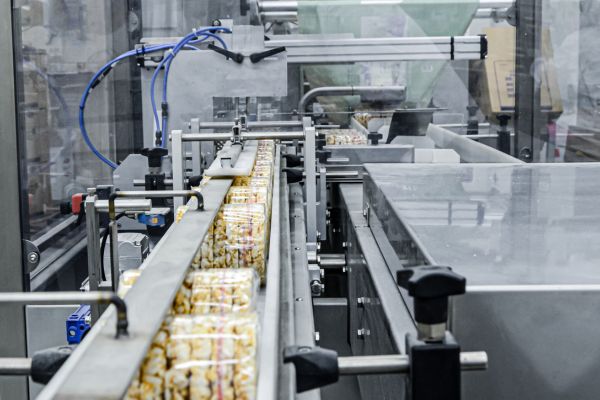
For food-processing applications, supplier approval should include a clear review of the material’s food-contact status and supporting documentation.
Buyers should confirm that the compound is suitable for the intended equipment, contact conditions, cleaning process, and production environment.
When sourcing food-grade silicone (177.2600), the compliance review should cover:
- Food-contact suitability: Confirm that the material is appropriate for the intended food-contact application.
- Supporting documentation: Ask for the relevant declarations, material information, and compliance records before approval.
- Application conditions: Review temperature, contact time, cleaning chemicals, and exposure to oils or fats.
- Detectable formulation: Confirm that metal or X-ray detectability is built into the compound required for the application.
- Component type: Check that the same compliant material can be used for seals, gaskets, Viton O-rings, profiles, or custom parts where needed.
For equipment applications that require additional food-equipment compliance, NSF 51 Silicone Rubber may also be relevant.
We can manufacture metal- and X-ray-detectable, food-grade silicone in custom shapes and profiles for food-processing environments.
Read More: Top Considerations in FDA Silicone Materials
Custom Manufacturing Capability for Detectable Rubber Components
A supplier may have the right material, but buyers also need to confirm that it can be manufactured into the exact component required for the application.
This is where the capability of a custom detectable rubber manufacturer becomes important.
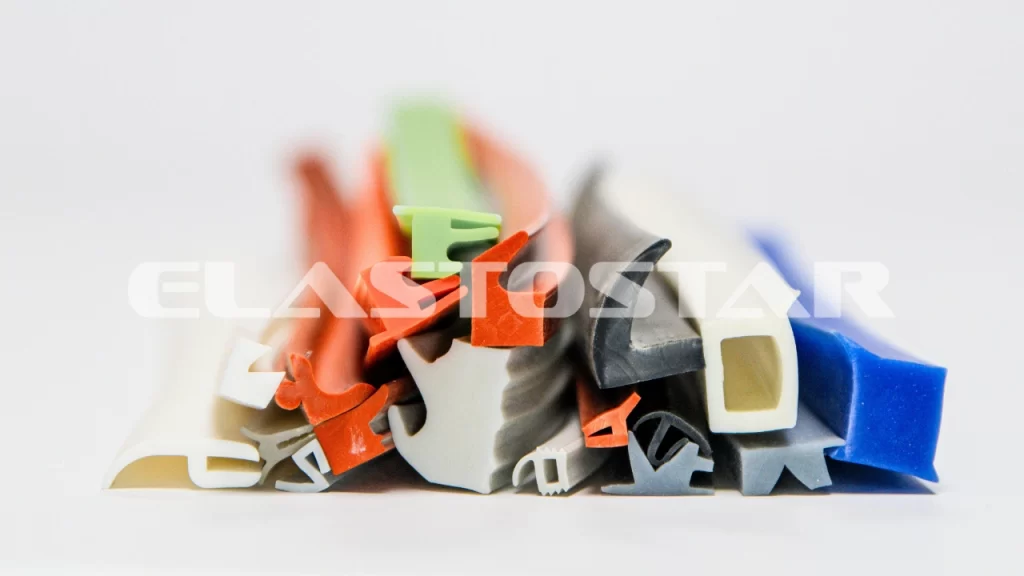
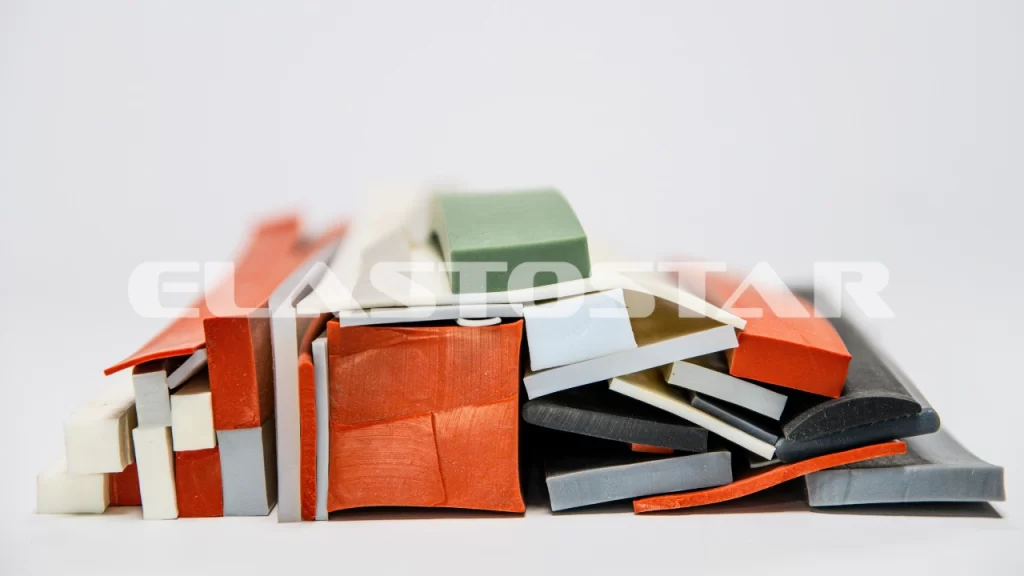
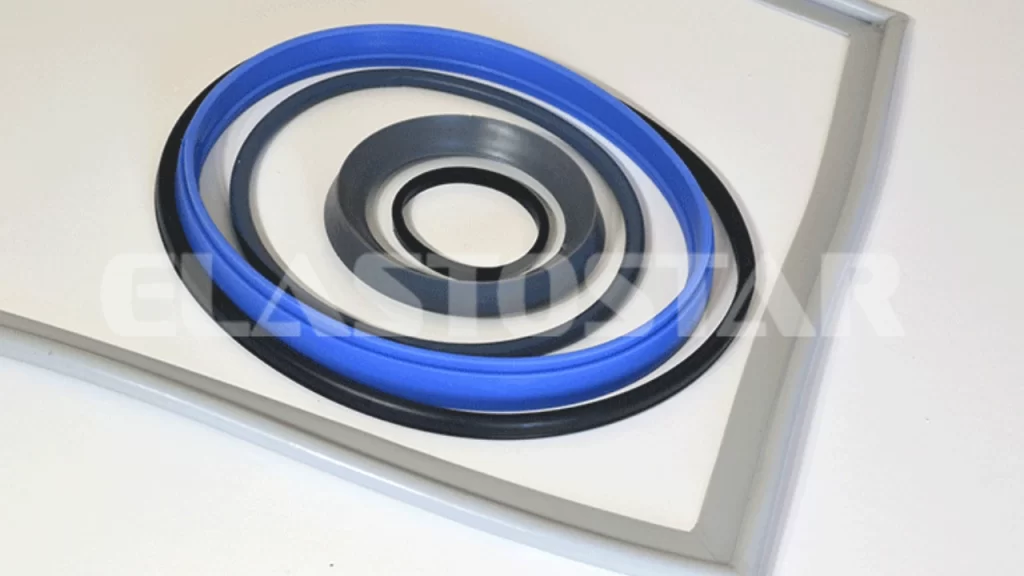
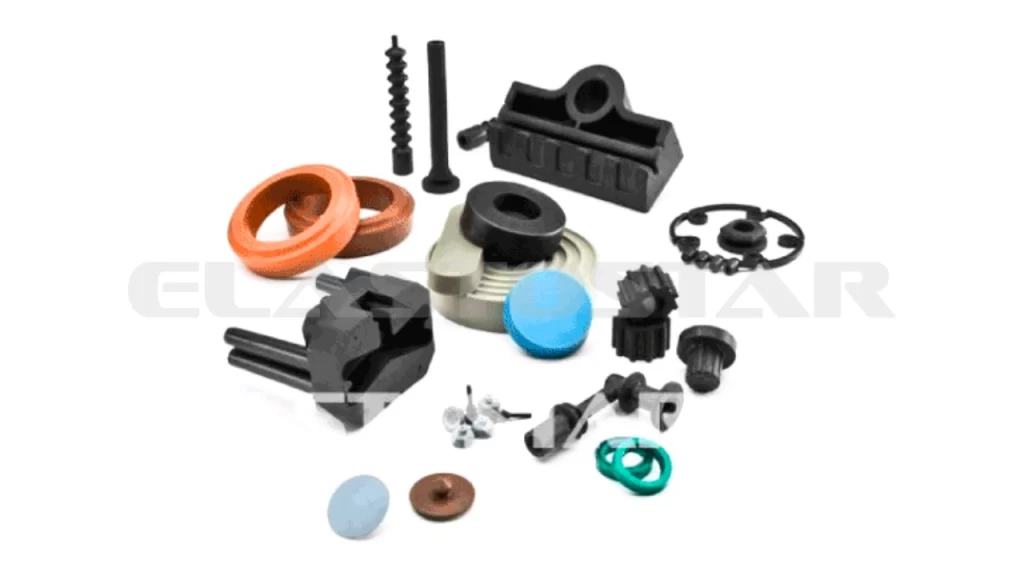
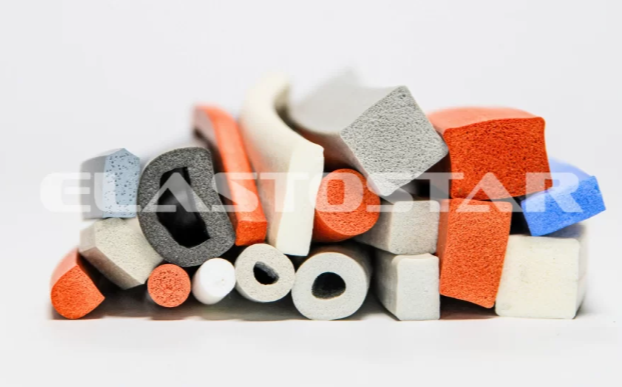
We support custom manufacturing for different component formats, including:
1. Custom extruded profiles
2. Seals and gaskets
3.Vulcanized Viton O-rings
4. Molded rubber parts
5. Rubber Sheet
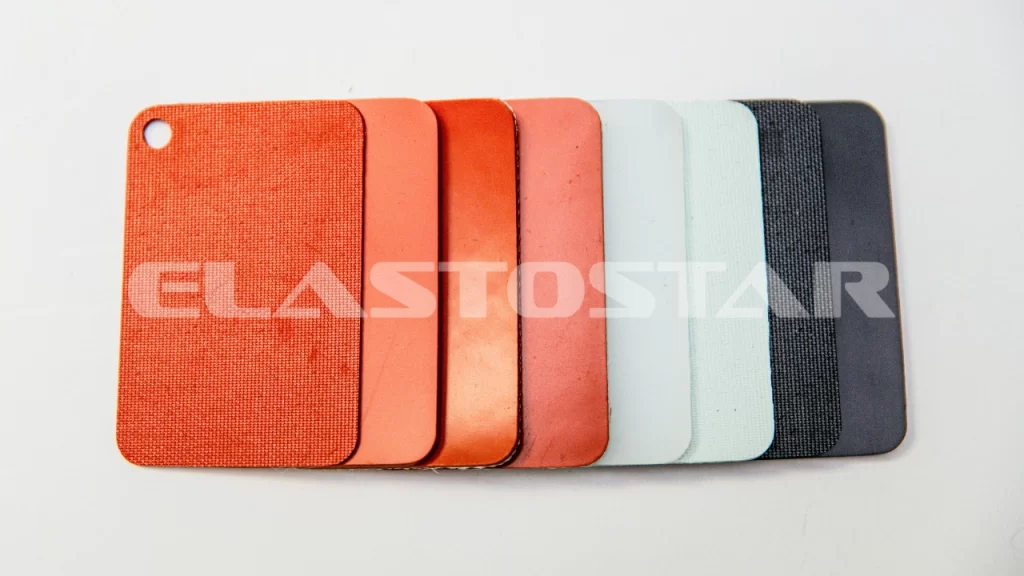
For applications that require non-standard geometry, our Rubber Molded Products capability can support parts that cannot be produced efficiently as standard extrusions.
We also manufacture Spliced Vulcanized Silicone Rubber O-Rings for applications that require custom diameters or larger sealing sizes.
Our design help and application support, reverse engineering support, and prototype-to-production run capability allow us to work from drawings, samples, existing components, or application requirements.
This gives buyers more flexibility when a standard seal, gasket, or Silicone O-ring does not fit the equipment or performance needs.
Read More: 6 Reasons Why Custom Silicone Rubber Products Perform Better
Detection and Line Validation Support

Detectable rubber should be reviewed together with the inspection system used on the production line.
A material may be formulated for metal or X-ray detection, but actual detection performance can vary with fragment size, product density, packaging, line speed, and equipment settings.
When working with a detectable gasket supplier, buyers should confirm:
- Which detection method is the material designed for?
- Whether the line uses metal detection, X-ray inspection, or both.
- The smallest fragment size that needs to be identified.
- How the finished component will be positioned around the product zone.
- Whether production conditions could affect detection sensitivity.
For food plants, HACCP Silicone Rubber can support a broader foreign-material control approach when used within a properly managed food-safety program.
We can provide design help and application support when selecting detectable rubber components for specific equipment and operating conditions.
Final detection performance should always be validated on the customer’s own production line using the actual detector settings, food product, packaging, and component conditions.
Quality and Traceability Checks Before Supplier Approval
Quality and traceability are important when detectable rubber components are used in controlled production environments.
Buyers need confidence that the material, dimensions, and finished parts remain consistent across repeat orders.
A strong review should include:
- Batch traceability: Confirm that supplied components can be linked back to the relevant material or production batch.
- Inspection records: Check what dimensional and visual inspections are carried out before shipment.
- Material consistency: Verify that hardness, color, formulation, and physical properties are controlled across production runs.
- Tolerance control: Make sure critical dimensions are measured against the approved drawing or specification.
- Documentation: Review certificates, material records, and compliance documents required by the application.
- Change control: Ask how material or process changes are communicated before they affect production parts.
Our Quality Control processes support consistent inspection and documentation across custom rubber components.
For applications where dimensions are critical, RMA Precision Tolerance can also help define acceptable variation for extruded and molded parts.
As a trusted Viton O-ring supplier and custom component manufacturer, we support repeat production with controlled specifications, allowing buyers to maintain the same approved requirements from one order to the next.
Lead Time and Supply Reliability for Detectable Rubber Components
Lead time matters when detectable seals, gaskets, FKM O-rings, or profiles are tied to maintenance schedules, equipment builds, or production deadlines.
A supplier should be able to give realistic production timelines and maintain consistency across repeat orders.
When evaluating a metal-detectable rubber manufacturer in the USA, buyers should review:
- Production capacity: Can the supplier handle both prototype quantities and larger production runs?
- Repeat-order support: Can approved dimensions, materials, and specifications be reproduced consistently?
- Material availability: Are the required compounds and component formats available without unnecessary delays?
- Scheduling reliability: Are quoted production and delivery timelines realistic?
- Scale-up capability: Can the supplier move from samples to regular production without changing the approved specification?
Our custom silicone rubber manufacturing capabilities are supported by a large manufacturing facility, prototype-to-production run capability, and the shortest lead-time delivery for suitable projects.
Buyers can also review our silicone rubber product range when planning ongoing sourcing across different component types.
As a Proudly Made in the USA manufacturer of custom rubber components, we support customers who need direct communication, consistent repeat production, and reliable supply for ongoing applications.
Read More: Top Reasons to Choose U.S. Silicone Rubber Over Offshore Products
Red Flags When Choosing a Detectable Rubber Supplier

Supplier approval becomes risky when technical details are unclear or difficult to verify.
A detectable gasket supplier should be able to explain the material, manufacturing process, documentation, and application limits before an order is approved.
Watch for these warning signs:
- Unclear detectability claims: The supplier cannot confirm if the material is intended for metal detection, X-ray detection, or both.
- Missing technical records: Material data, compliance documents, batch information, or inspection records are difficult to obtain.
- Limited manufacturing options: The supplier cannot support custom profiles, Viton Vulcanized O-rings, molded parts, or Die-Cut Gaskets when the equipment requires a specific component design.
- No application review: Temperature, cleaning chemicals, compression, and operating conditions are not discussed before material selection.
- Poor repeat-order control: Dimensions, hardness, or material specifications cannot be maintained consistently across future orders.
- Unclear production timelines: Lead times change frequently, and larger repeat quantities cannot be confidently supported.
- Limited technical support: Buyers receive a quote without adequate assistance with drawings, samples, prototypes, or material selection.
A dependable supplier should make validation easier with clear technical answers, supporting records, and a defined process from initial samples through repeat production.
Questions to Ask Before Approving a Detectable Rubber Supplier
Before adding a detectable O-ring supplier or gasket manufacturer to an approved vendor list, procurement and quality teams should ask questions that reveal how well the supplier can support the application beyond the first order.
Key questions include:
- What detectable compounds are available for our application?
- Can you support custom sizes, profiles, seals, gaskets, and FKM O-rings?
- What material and compliance documents can you provide?
- How do you control hardness, dimensions, and repeat-order consistency?
- Can you support samples or prototypes before full production?
- What traceability is available for materials and production batches?
- How are changes to material or process specifications communicated?
- What are the typical lead times for custom and repeat orders?
- Can you help review drawings, samples, or existing parts?
For projects that begin with an existing component or incomplete drawing, our Reverse Engineering Support can help turn samples and application details into a manufacturable specification.
The answers to these questions should give buyers a clear view of technical capability, production control, communication, and long-term supply support before supplier approval is completed.
Why Choose Elastostar Rubber Corporation as Your Detectable Rubber Manufacturer

As a metal-detectable rubber manufacturer in the USA, we support buyers with custom materials, engineering input, and dependable production for metal-detectable rubber components.
- Metal-detectable and X-ray-detectable food-grade silicone
Suitable for food-processing applications that require detectable materials. - Custom compounds and customized gasket profiles for food applications
Developed around equipment, sealing, and dimensional requirements. - Custom extruded profiles, Vulcanized O-rings, gaskets, and sheet materials
Multiple component formats are available from one manufacturing source. - Design help and application support
We help review materials, dimensions, drawings, and operating conditions. - Reverse engineering support
Existing parts can be reviewed when drawings or specifications are unavailable. - Prototype to production run capability
We support samples, prototypes, and larger repeat-production quantities. - Large manufacturing facility
Our production capacity supports custom and ongoing manufacturing needs. - Shortest lead time delivery
We focus on responsive production planning for custom and repeat orders. - Proudly Made in USA
Our U.S.-based manufacturing supports direct communication and domestic production.
Our Food Processing Equipment Manufacturing capabilities also support custom detectable seals, gaskets, O-rings, and profiles for processing equipment.
Recommended Reads
- FDA Metal Detectable Silicone Rubber O-Rings, Seals & Gaskets
- What Grades of Silicone Rubber Are Available?
- FDA Approved Seals & Gaskets for the Food Processing Industry
Choose the Right Detectable Rubber Supplier with Confidence
Supplier validation should confirm more than detectability. Material suitability, compliance, custom manufacturing capability, traceability, quality control, and supply reliability all matter when selecting components for critical production environments.
At Elastostar, we combine custom manufacturing, design help, and application support, and Proudly Made in USA production to support custom detectable seals, gaskets, O-rings, and profiles from prototype through repeat orders.
If you are evaluating a new application, Contact Us to discuss your material, component, and production requirements.
FAQs
Q1. How do I choose a detectable rubber supplier?
Choose a reliable rubber supplier that can provide suitable materials, compliance documentation, customization, traceability, quality control, and reliable repeat production support. The supplier should also understand your equipment, inspection method, and operating conditions before recommending a component.
Q2. What documents should a detectable rubber supplier provide?
A detectable rubber supplier should provide the material and compliance documents required for the application. For food-processing equipment, buyers may also need to review requirements such as 3-A Sanitary Standards Silicone Rubber where applicable.
Q3. Should I ask for samples before ordering?
Yes. Samples or prototypes are useful for checking dimensions, sealing performance, material properties, or detectability before full production. Testing the actual component under expected operating conditions can help identify changes early.
Q4. Can detectable rubber be custom-manufactured?
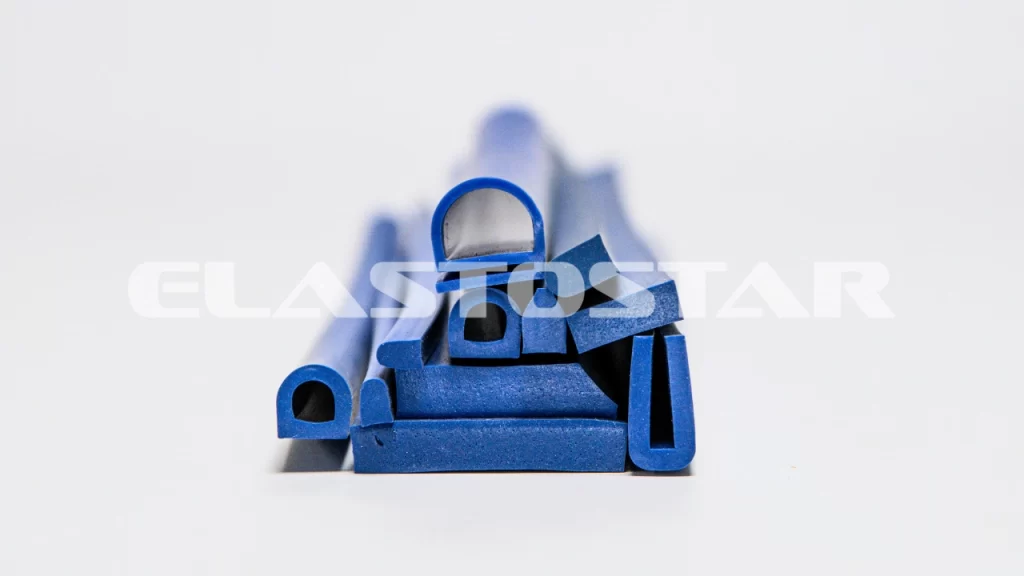
Yes,A custom-detectable rubber manufacturer can produce seals, gaskets, Viton O-rings, molded parts, and application-specific profiles. Different designs, such as D-Shaped Silicone Rubber Seals and Gaskets, can also be manufactured around specific sealing requirements.
Q5. What are red flags when buying detectable rubber?
Common red flags include vague claims of detectability, missing documentation, poor traceability, limited customization, inconsistent lead times, and minimal technical support. Buyers should also question any material recommendation made without reviewing the actual application.
Q6. Why choose a USA-based rubber manufacturer?
A metal-detectable rubber manufacturer in the USA can support closer communication, domestic production, prototype coordination, and repeat sourcing. U.S.-based manufacturing can also make it easier for procurement and engineering teams to work directly with the manufacturer.
Q7. Can one supplier make seals, gaskets, O-rings, and profiles?
Yes. A capable supplier can manufacture several component formats from one source. Depending on the application, this can include Silicone Rubber Square and Rectangular Seals and Gaskets, custom profiles, O-rings, molded components, and sheet materials.
Q8. What questions should procurement teams ask before approval?
Procurement teams should ask about material options, detectability, compliance records, custom manufacturing, tolerance control, traceability, samples, production capacity, lead times, and consistency on repeat orders. They should also confirm what technical support is available before production.
Q9. How important is traceability for detectable rubber?
Traceability is important when buyers need to connect finished parts with material batches, production records, or compliance documentation. It also helps maintain consistent specifications and supports investigations if a quality issue appears later.
Q10. Where can I find a custom metal and X-ray-detectable rubber manufacturer?
We manufacture custom metal and X-ray-detectable rubber components in the USA for applications requiring seals, gaskets, FKM O-rings, profiles, and other custom parts. Our broader Silicone Rubber Cord and custom extrusion capabilities also support applications that require non-standard sizes or cross-sections.