Food-processing seals, gaskets, and O-rings work through repeated production cycles, cleaning, compression, and temperature changes. Over time, these conditions can cause cracking, hardening, deformation, or loss of sealing performance.
Components such as Viton Vulcanized O-Rings therefore need regular inspection based on their actual operating conditions rather than relying on a fixed replacement interval.
A practical detectable rubber failure prevention plan combines routine inspection, timely replacement, and clear maintenance records.
In this blog, we will cover the warning signs of rubber component failure, inspection and replacement schedules, preventive maintenance practices, and ways to reduce unexpected seal and gasket failures in food equipment.
Key Takeaways
- Detectable rubber components still require regular inspection and preventive maintenance.
- Cracking, flattening, swelling, hardening, leakage, and poor fit can indicate seal or gasket failure.
- Inspection and replacement schedules should be based on actual operating conditions and service history, not a fixed timeline.
- Cleaning chemicals, temperature, compression, production frequency, and component design can affect the service life of rubber.
- Maintenance records help teams track recurring wear and plan detectable gasket and O-ring replacement more effectively.
- Correct material selection, fit, and custom component design can help reduce premature rubber failure.
Table of Contents
Why Detectable Rubber Still Requires Routine Maintenance
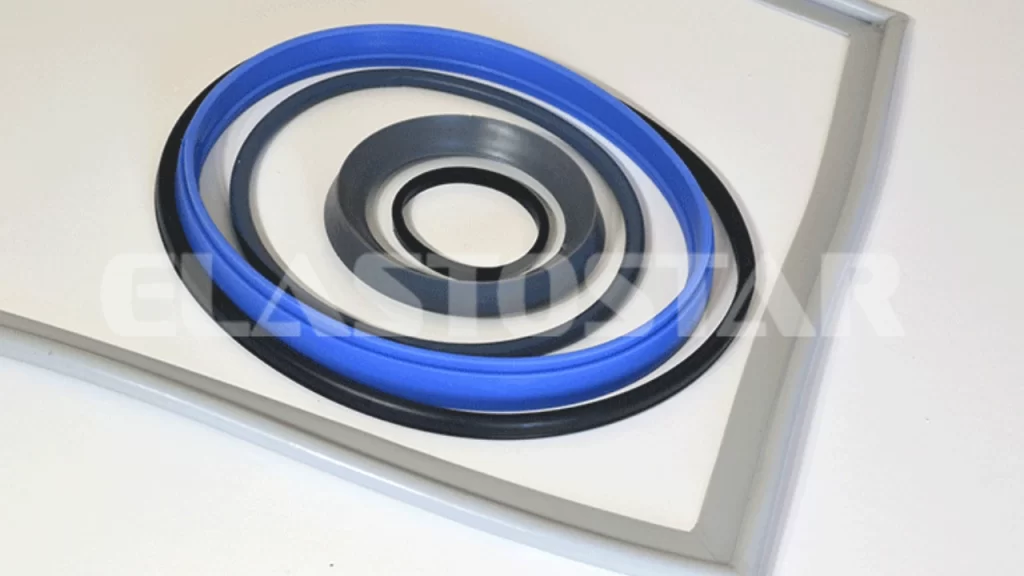
Detectable rubber helps food processors identify rubber fragments if a component breaks, but it does not prevent normal wear.
Seals, gaskets, and FKM O-rings still undergo repeated compression, cleaning cycles, temperature changes, and exposure to processing fluids.
This is why detectable gasket maintenance should remain part of every preventive maintenance program. Teams should regularly check components for:
- Cracks, cuts, or surface damage.
- Permanent flattening or deformation.
- Hardening, swelling, or loss of flexibility.
- Loose or damaged joints.
- Leakage around sealing areas.
- Changes in fit or compression.
For direct or incidental food-contact applications, the material itself should also meet the required specification.
We manufacture food-grade silicone (177.2600) for relevant applications, with compliance requirements covered under FDA 21 CFR 177.2600 Silicone Rubber.
Good rubber seal failure prevention combines the right material with routine inspection and timely replacement.
Detectability provides an additional safeguard if damage occurs, while maintenance helps reduce the chance of that failure happening in the first place.
Read More: 5 Major Seal Challenges in Food Processing
Common Reasons Detectable Rubber Components Fail
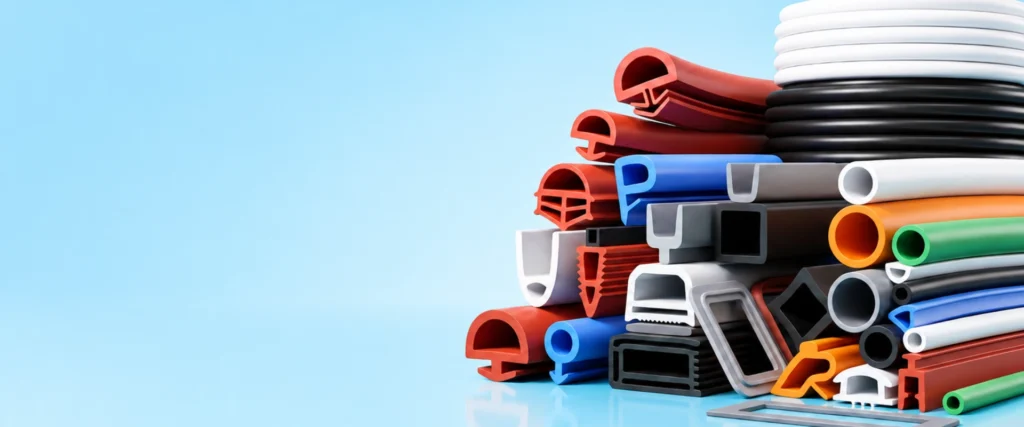
Most rubber component failure is linked to material selection, installation, operating conditions, or repeated service stress.
Finding the actual cause helps maintenance teams avoid replacing a failed part with another component that develops the same problem.
Common causes include:
- Compression set: Rubber can remain permanently flattened after prolonged exposure to pressure, reducing its sealing force. For applications that require a softer, compressible material, ASTM D1056 Soft Silicone Sponge may be considered, depending on the required density and compression conditions.
- Chemical exposure: Cleaning agents, oils, sanitizers, and process fluids can cause swelling, hardening, or surface damage if the material is incompatible.
- Excess heat: Continuous exposure to temperatures above the recommended range can accelerate aging and reduce elasticity.
- Incorrect installation: Stretching, twisting, pinching, or uneven compression can damage the component before normal service life is reached.
- Poor dimensional fit: A seal that is too loose or too tight may wear faster, leak, or fail to maintain consistent contact.
- Repeated movement: Dynamic equipment can expose seals and Silicone O-rings to abrasion, tearing, and fatigue over time.
Effective rubber seal failure prevention starts with identifying why the original component failed, then correcting the material, fit, or operating condition before replacement.
Read More: Top 7 Reasons O-Rings Fail and How to Prevent Them
Warning Signs Seals, Gaskets, and Viton O-Rings Need Replacement
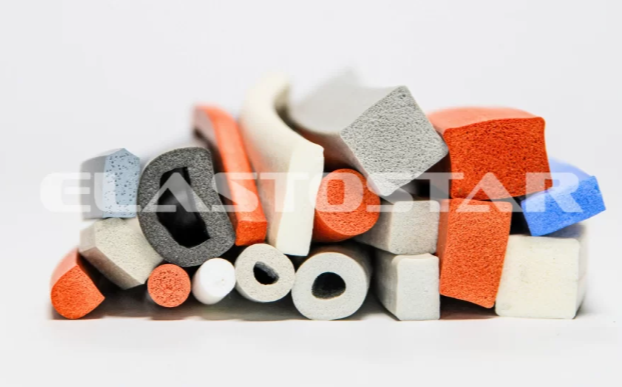
Visible wear is often the first sign that a component is approaching failure.
A good rubber gasket inspection schedule should therefore focus on changes in shape, surface condition, and sealing performance before leakage or breakage occurs.
Key warning signs include:
- Cracks or surface cuts: Small defects can grow under repeated compression or cleaning.
- Flattening: A gasket that no longer returns to its original shape may have lost sealing force.
- Swelling or softening: Chemical exposure can change the material and affect fit.
- Hardening: Heat or aging can make rubber less flexible and more likely to crack.
- Tears around joints or edges: These areas often experience higher stress during installation and use.
- Leakage: Any loss of seal performance should trigger immediate inspection.
- Loose fit: A stretched or deformed Viton O-ring may no longer sit correctly in the groove.
For applications that use custom sealing profiles, D-Shaped Silicone Rubber Seals and Gaskets should be checked for compression loss, edge damage, and changes in profile shape during routine maintenance.
Timely food equipment seal replacement helps prevent minor wear from developing into leakage, product exposure, or unexpected equipment downtime.
Understanding the properties that affect rubber seals and gaskets can also help maintenance teams identify why a component is deteriorating prematurely.
Inspection Schedule for Detectable Rubber Components
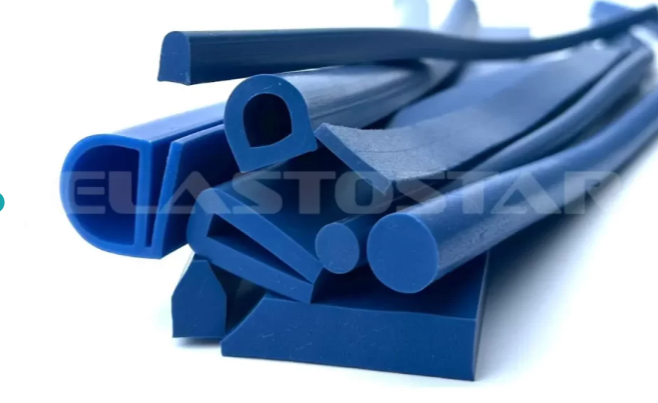
There is no single inspection interval that works for every application.
A rubber gasket inspection schedule should reflect production hours, cleaning frequency, operating temperature, chemical exposure, and the amount of compression or movement the component experiences.
A practical schedule can include:
- Before start-up: Check accessible seals and gaskets for cuts, loose sections, leakage, or visible damage.
- During cleaning: Inspect exposed sealing surfaces for swelling, cracking, hardening, or chemical damage.
- During planned maintenance: Check whether the gasket still recovers after compression. Where the application uses AMS3195 Medium Silicone Sponge, inspect the material for permanent compression, deformation, or surface damage that could affect sealing.
- After abnormal operating conditions: Inspect components following overheating, equipment jams, unusual chemical exposure, or unexpected shutdowns.
- After repeated failures: Increase inspection frequency until the cause of recurring wear or damage is identified.
Each inspection should record the component condition and any action taken.
Over time, these records help maintenance teams set more practical intervals for detectable gasket maintenance and FKM Detectable O-ring replacement based on actual service history rather than a fixed replacement date.
Next is the replacement schedule section. I’ll keep it practical, avoid giving an unsupported fixed replacement interval, and place the product anchor naturally inside the relevant factor.
Factors That Determine a Detectable Rubber Replacement Schedule
There is no universal timeline for food equipment seal replacement. Some components may need frequent replacement, while others can remain in service much longer.
The schedule should be based on actual operating conditions and inspection history.
Key factors include:
- Production frequency: Equipment running continuously usually places more cycles and stress on seals than equipment used occasionally.
- Cleaning process: Frequent washdowns, steam, or strong cleaning chemicals can affect material condition over time.
- Temperature: Repeated heating and cooling can change rubber flexibility and compression recovery.
- Compression: Constant or excessive compression can cause permanent deformation and loss of sealing force.
- Component design: Different profiles experience stress differently. For example, Silicone Rubber Square and Rectangular Seals and Gaskets should be evaluated based on their fit, compression, and sealing performance.
- Previous service life: Maintenance records can show how long a component normally performs under the same operating conditions. Reviewing the lifecycle of silicone components can also help maintenance teams understand how operating conditions, wear, and service history influence replacement planning.
A practical food processing gasket replacement schedule should combine these factors with inspection findings.
Components showing cracks, permanent deformation, leakage, or other significant deterioration should be reviewed for replacement rather than kept in service simply because a planned replacement date has not arrived.
How to Build a Preventive Maintenance Log for Detectable Rubber
A maintenance log helps teams track the condition and service history of seals, gaskets, and FKM O-rings.
For effective preventive maintenance of food equipment, each component should have enough information to show what was inspected, what changed, and when further action is required.
| Record | What to Include |
| Component details | Part number, size, material, and equipment location |
| Installation | Date the component was installed |
| Inspection | Date and condition at the time of inspection |
| Wear observed | Cracking, flattening, swelling, hardening, or leakage |
| Action taken | Cleaned, adjusted, monitored, or replaced |
| Replacement | Date and reason for replacement |
| Follow-up | Next planned inspection or maintenance interval |
If dimensional variation is contributing to premature wear, teams can compare replacement components with the specified RMA Precision Tolerance requirements where applicable.
Over time, these records make detectable gasket maintenance more consistent and help identify recurring wear patterns, unusually short service life, or equipment areas that need closer inspection.
What to Do If a Detectable Rubber Part Breaks
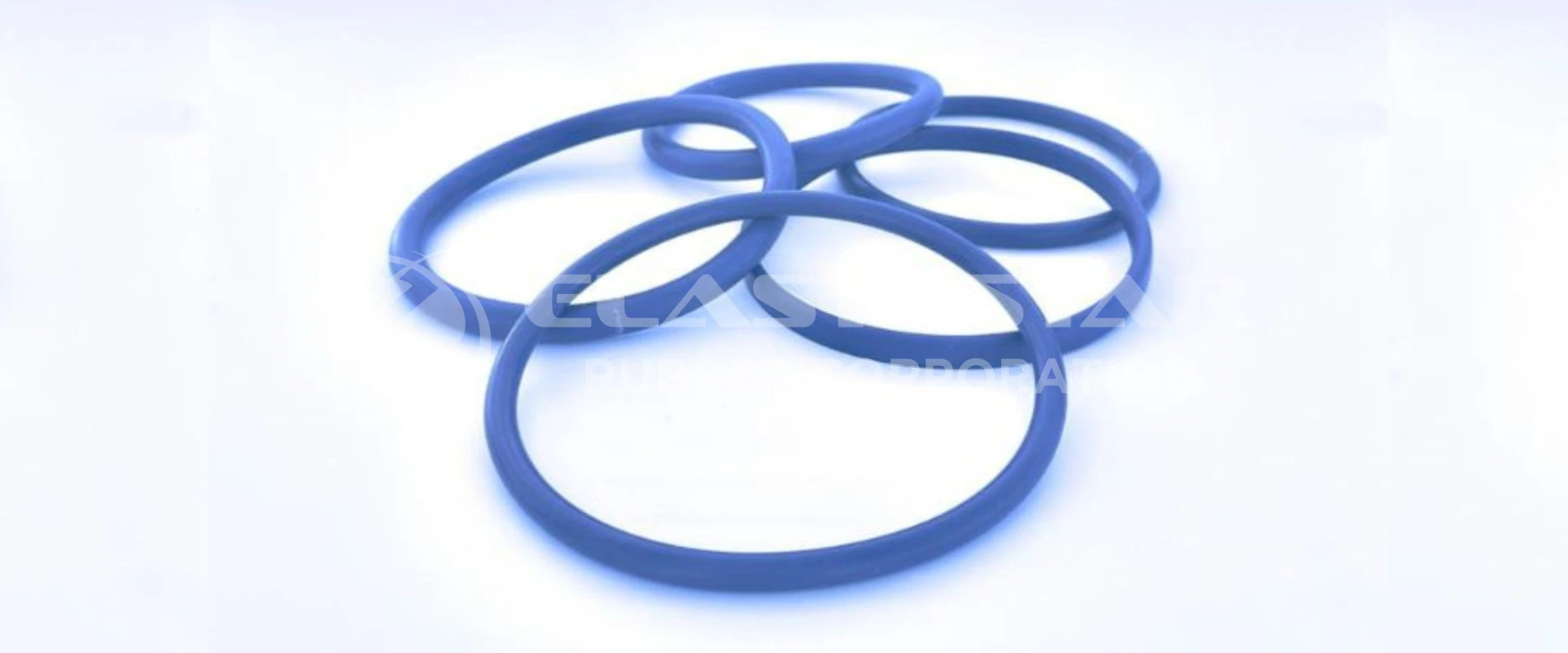
If a seal, gasket, Viton O-ring, or other detectable component breaks during production, the response should focus on containment, inspection, documentation, and safe replacement.
A damaged part should never be treated as a routine maintenance issue if fragments may have entered the product zone.
A practical response should follow this order:
- Stop and isolate the affected equipment
Prevent further production until the damaged component and the surrounding area have been checked. - Account for the broken material
Compare the damaged part with the original component and inspect the equipment for missing fragments. - Use the available detection controls
Metal detection or X-ray inspection may help identify fragments, but actual detectability depends on fragment size, product type, packaging, and detector settings. - Replace the failed component
Where the application uses custom parts, Extruded Silicone Rubber Lip Seal Gaskets or other suitable profiles should be selected according to the original sealing and operating requirements. - Document the incident
Record the failure location, component condition, suspected cause, replacement part, and any corrective action taken.
This process supports better detectable rubber failure prevention because the maintenance team can use the incident to identify whether the failure was caused by wear, installation, material selection, cleaning conditions, or component design.
Read More: FDA Approved Seals & Gaskets for the Food Processing Industry
How Custom Design Can Reduce Detectable Rubber Failure Risk
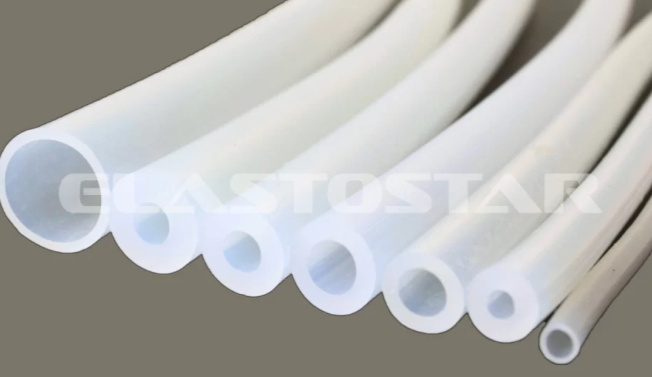
Many seal failures begin with a mismatch between the component and the equipment.
Poor fit, excessive compression, sharp corners, repeated movement, or the wrong cross-section can shorten service life even when the rubber compound itself is suitable.
If the seal is over-compressed:
The profile can take a permanent set and lose sealing force. Adjusting cross-section, hardness, or groove dimensions can help control compression.
If the component shifts during operation:
A profile designed to sit more securely in the equipment can reduce movement and edge wear. In some applications, Extruded P-Shape Silicone Rubber Gaskets and Seals can provide a geometry better suited to compression and retention needs.
If standard parts wear too quickly:
We can review drawings, samples, operating temperatures, cleaning exposure, and sealing pressure before developing custom detectable seals for the application.
If the original design is unavailable:
Our reverse engineering support can help reproduce or modify an existing component, while design help and application support can address recurring fit or wear problems before production.
For custom food equipment seals, the aim is to match material, geometry, and operating conditions so the component performs more consistently and is less likely to fail prematurely.
Read More: Top 5 Things About Gasket Designs You Need to Know
Documentation for QA Reviews and Food Equipment Audits
Good maintenance records help QA teams show when detectable rubber components were inspected, why they were replaced, and whether the correct material was used.
This becomes especially important when replacement parts are used in direct or incidental food-contact areas.
1. Keep the Material Specification
Record the approved compound, hardness, dimensions, and applicable compliance requirements. When food grade silicone (177.2600) is specified, the replacement component should continue to meet the same approved material requirements.
For certain food-equipment applications, 3-A Sanitary Standards Silicone Rubber may also be relevant.
2. Record Inspection and Replacement History
QA records should show inspection dates, observed wear, replacement dates, and the reason a component was removed. This creates a clear history if repeated failures or shortened service life need investigation.
3. Maintain Part and Batch Information
Where traceability is required, keep the component identification, supplier information, and available batch or material records with the maintenance history.
A dependable food-grade rubber gasket supplier should be able to provide the supporting material information needed to keep these records complete and consistent.
Elastostar Rubber Corporation Custom Rubber Design Support for Food Equipment

When recurring gasket or seal failures point to a fit, material, or design issue, we can help review the application before another replacement part is made.
Our support covers the full path from initial evaluation to repeat production.
We provide design help and application support for drawings, dimensions, operating temperatures, cleaning exposure, and sealing conditions.
If the original part is unavailable or no longer performs well, our reverse engineering support can help recreate or modify the component.
For food-processing applications, we manufacture Viton Vulcanized O-rings, molded parts, and custom food equipment seals in application-specific profiles and materials.
Our prototype-to-production run capability, large manufacturing facility, shortest lead-time delivery, and Proudly Made in USA manufacturing support customers who need reliable custom components for ongoing maintenance and production.
Recommended Reads
- Gaskets vs Seals: What’s the Difference Between Them?
- What Is the Importance of Metal Detectable O-Rings?
- What Makes Metal Detectable O-Rings So Popular in the Food Industry?
Build a Better Detectable Rubber Maintenance Plan
Effective prevention of detectable rubber failure depends on regular inspection, proper material selection, timely replacement, and accurate maintenance records.
Food-processing teams should base service intervals on actual operating conditions rather than relying on one fixed replacement schedule.
We support custom manufacturing, design help and application support, and prototype-to-production-run capability for seals, gaskets, FKM O-rings, and other detectable rubber components.
If you need help with material selection, recurring seal failures, or a custom component, Contact Us to discuss your food equipment application and replacement requirements.
FAQs
Q1. How often should food equipment gaskets be replaced?
There is no single replacement interval for every gasket. A food processing gasket replacement schedule should consider operating hours, cleaning frequency, temperature, chemical exposure, compression, and previous inspection results. Components showing significant wear, leakage, cracking, or permanent deformation should be reviewed for replacement.
Q2. What causes rubber seals to fail?
Rubber seals can fail due to excessive compression, improper material selection, chemical exposure, high temperatures, poor installation, abrasion, or dimensional mismatch. For applications requiring defined sponge properties, AMS3196 Firm Density Closed Cell Silicone Sponge may be considered based on the specific sealing and compression requirements.
Q3. Does detectable rubber prevent contamination?
Detectable rubber does not prevent a component from wearing, tearing, or breaking. Its detectable formulation can support foreign-material controls if a fragment enters the product stream. Regular inspection and detectable gasket maintenance are still required to identify wear before failure.
Q4. What are the warning signs of gasket failure?
Cracking, cuts, permanent flattening, swelling, hardening, tearing, leakage, and loss of fit can indicate gasket deterioration. Components made from Sponge Extruded Rubber Seals and Gaskets should also be checked for compression loss and physical damage according to their application conditions.
Q5. How should maintenance teams document rubber replacement?
Record the component identification, material specification, installation date, inspection findings, replacement date, reason for replacement, and available batch information. These records help teams compare service life and identify recurring failures in rubber components.
Q6. Can custom rubber design reduce seal failure?
Yes. Custom detectable seals can be developed around the required dimensions, compression, material hardness, temperature, chemical exposure, and equipment geometry. Where a specific cross-section is needed, Extruded E-Shape Silicone Rubber Seals and Gaskets are one example of the custom profile options we manufacture.
Q7. What should be done if a detectable rubber part breaks?
Stop and isolate the affected equipment according to the facility’s procedures, inspect the damaged component and surrounding area, account for missing material where possible, apply the facility’s foreign-material controls, replace the component, and document the incident before production resumes.
Q8. How do cleaning chemicals affect rubber seals?
Repeated exposure to incompatible cleaning chemicals can cause swelling, hardening, softening, cracking, or loss of physical properties. Material compatibility should therefore be reviewed against the actual chemicals, concentrations, temperatures, and cleaning procedures used on the equipment.
Q9. Why does compression set matter in food equipment gaskets?
Compression set describes a rubber material’s tendency to remain deformed after prolonged compression. Excessive permanent deformation can reduce sealing force and contribute to leakage. For applications requiring closed-cell sponge materials, AMS3195 Medium Silicone Sponge provides a defined material option that can be evaluated against the application requirements.
Q10. Where can food plants buy longer-lasting, custom-detectable rubber parts?
We manufacture custom food equipment seals, gaskets, Viton O-rings, extrusions, and molded rubber components in the USA. Our Rubber Molded Products capabilities support application-specific shapes and dimensions, backed by custom manufacturing, reverse engineering, and prototype-to-production-run capabilities.