
Many food manufacturers assume that using detectable rubber guarantees every broken piece will be found during inspection. In reality, no inspection system can guarantee 100% detection under all production conditions. Understanding these limitations helps manufacturers choose the right materials and validate them correctly.
Metal and X-ray-detectable rubber helps food manufacturers reduce contamination risks, but it does not guarantee detection in every situation.
Detection depends on the food product, inspection system, packaging, fragment size, moisture, salt content, density, and production conditions.
This is why the limitations of detectable rubber must be understood before approving a material for use in food processing equipment. While Metal & X-Ray Detectable Silicone Rubber supports food safety programs, it should be validated under real operating conditions.
This article explains why detectable rubber may not be detected in some food products and what manufacturers should check before choosing a formulation.
Key Takeaways
- Detectable rubber supports food safety but does not guarantee every fragment will be detected.
- Detection performance depends on the food product, packaging, fragment size, and inspection system.
- Always validate detectable rubber using actual production conditions before full-scale use.
- Routine inspections and preventive maintenance help reduce contamination risks and unplanned downtime.
- Metal detectors and X-ray systems perform differently, so choose the right inspection method for your application.
- Work with an experienced manufacturer to select application-specific detectable rubber that meets your food safety and operational requirements.
Table of Contents
What Does Detectable Rubber Really Mean?
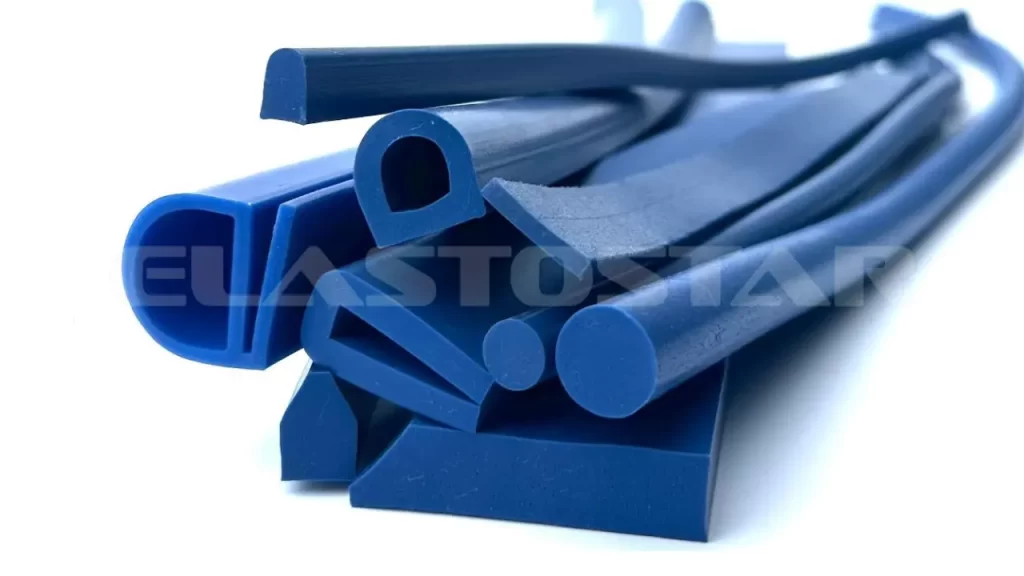
Detectable rubber is a specially formulated rubberized material developed to help food manufacturers identify contamination during inspection.
Unlike conventional silicone, metal detectable rubber contains detectable additives that improve its visibility to metal detectors, X-ray systems, or both, depending on the formulation.
Many manufacturers also choose custom detectable silicone rubber to meet specific processing, temperature, chemical resistance, or regulatory requirements for their equipment.
These materials are commonly used in critical food processing components, including:
- Metal detectable gaskets used in sanitary equipment.
- Metal detectable O-rings for pumps and valves.
- Metal detectable rubber seals for production machinery.
- Food-safe tubing and other processing components.
- Silicone gasket material designed for food-contact applications.
It is important to understand that “detectable” refers to the material’s capability, not a promise that every fragment will always be identified.
Detection depends on several variables, including contaminant size, inspection technology, food characteristics, and equipment calibration.
Why Detectability Is Never a Universal Guarantee

One of the biggest misconceptions in food manufacturing is that detectable rubber will always trigger a metal detector or X-ray inspection system.
In reality, every inspection process has technical limits, and no material can guarantee detection under every production condition.
| Myth | Reality |
| Detectable rubber is always detected. | Detection depends on equipment sensitivity, product characteristics, fragment size, and inspection settings. |
| Every metal detector performs the same way. | Different systems have varying capabilities, frequencies, and calibration requirements. |
| X-ray systems replace metal detectors. | X-ray and metal detection technologies identify contaminants differently and often complement each other. |
| Detectable materials eliminate contamination risks. | They help improve traceability, but routine inspections, equipment maintenance, and validation remain essential. |
Understanding these metal detectable rubber limits helps manufacturers set realistic expectations during product development and food safety validation.
To see how manufacturing consistency supports reliable material performance, learn more about our quality control process for silicone rubber products.
Also Read: Detectable Rubber for Food Processing Safety Guide
Metal Detectors vs. X-Ray Inspection Systems: Why Results Differ
Although both technologies are used to identify foreign contaminants, they rely on different detection principles.
Understanding how each system works helps explain some X-ray-detectable limitations of rubber and why one inspection method may perform better than another in specific applications.
| Metal Detection Systems | X-Ray Inspection Systems |
| Detect conductive or metallic contaminants by generating an electromagnetic field. | Detect differences in material density using X-ray imaging. |
| Performance can be affected by moisture, salt, and the food product’s conductivity. | Performance depends on density differences between the contaminant and the product. |
| Commonly used for detecting metal-detectable silicone components and other metallic contaminants. | Better suited for identifying dense contaminants within packaged or complex food products. |
| Often preferred for dry products and standard processing lines. | Frequently used where packaging or product density makes metal detection more challenging. |
For example, a metal detector may easily detect a fragment in dry flour but struggle with the same fragment in high-moisture cheese. An X-ray system may perform differently because it detects density rather than conductivity.
Because these systems operate differently, manufacturers should validate inspection performance under actual production conditions rather than assuming that a single technology will detect every contaminant.
Effective detection of silicone contamination requires selecting the appropriate inspection method for the product, packaging, and processing environment.
Consistent component dimensions also play an important role in inspection reliability.
Learn more about rubber manufacturing tolerances and how precision manufacturing supports repeatable performance.
Also Read: Metal Detectable vs X-Ray Detectable Rubber – What Should Food Processors Choose?
How Different Food Products Affect Detection Performance
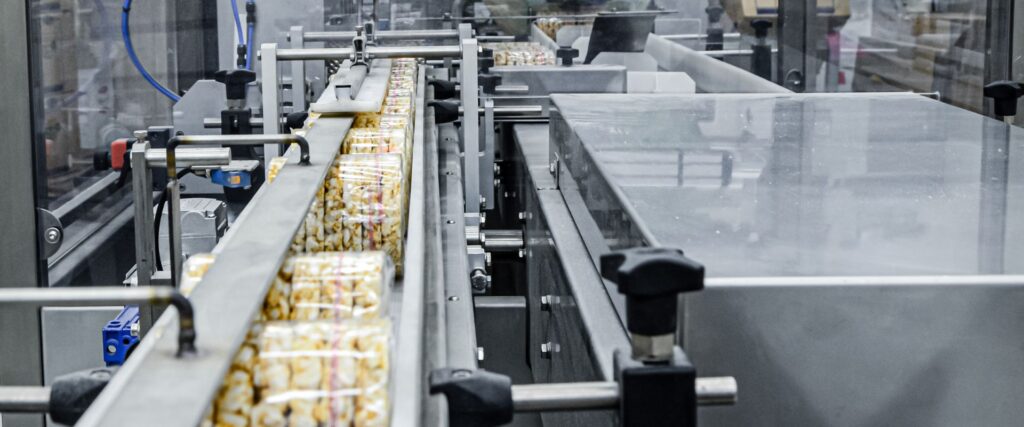
The same metal detectable rubber component may perform differently depending on the food being processed.
Product composition influences how inspection systems respond, so the effect of food products on metal detector performance should always be evaluated during validation testing.
1. Dry Foods
Products such as flour, cereals, spices, and powdered ingredients generally create less interference for metal detection systems.
This often makes contaminants easier to identify than in products with high conductivity.
2. High-Moisture Foods
Soups, sauces, and dairy products contain significant moisture, which can affect the electromagnetic field generated by metal detectors.
Equipment settings often need adjustment to reduce false signals while maintaining reliable detection.
3. High-Salt Products
Processed cheeses and brined foods have greater electrical conductivity.
For food-contact applications, Elastostar Rubber Corporation manufactures FDA 21 CFR 177.2600-compliant silicone rubber that meets regulatory requirements and supports demanding food processing environments.
4. Dense or Multi-Ingredient Foods
Ready meals, baked products with fillings, and dense food items may reduce contrast during X-ray inspection.
In these situations, contaminant size, density, and product composition all influence detection performance.
This is why inspection settings that work for one product may not deliver the same results for another.
Why Moisture, Salt, Frozen Foods, and Dense Products Create Detection Challenges

Even when a component is made from detectable material, the food product itself can make inspection more difficult.
Moisture, salt, temperature, and density can all create background signals or reduce contrast, which affects how metal detectable equipment or X-ray systems identify small fragments.
| Product Condition | Why Detection Becomes Difficult |
| High moisture | Water increases conductivity, which can create product signals that compete with the contaminant signal. |
| High salt content | Salt further increases conductivity, often requiring adjustments to detector sensitivity. |
| Frozen foods | Temperature variation and uneven density can affect how inspection systems read the product. |
| Dense products | Compact foods may reduce X-ray contrast, making smaller fragments harder to identify. |
Detectable rubber should be tested with the actual food product, packaging, conveyor speed, and inspection settings before being approved for production.
For food-processing environments where hygiene and contamination control are critical, we manufacture HACCP-compliant silicone rubber for equipment components operating in demanding production conditions.
Can Packaging Materials Affect the Detectable Performance of Rubber?
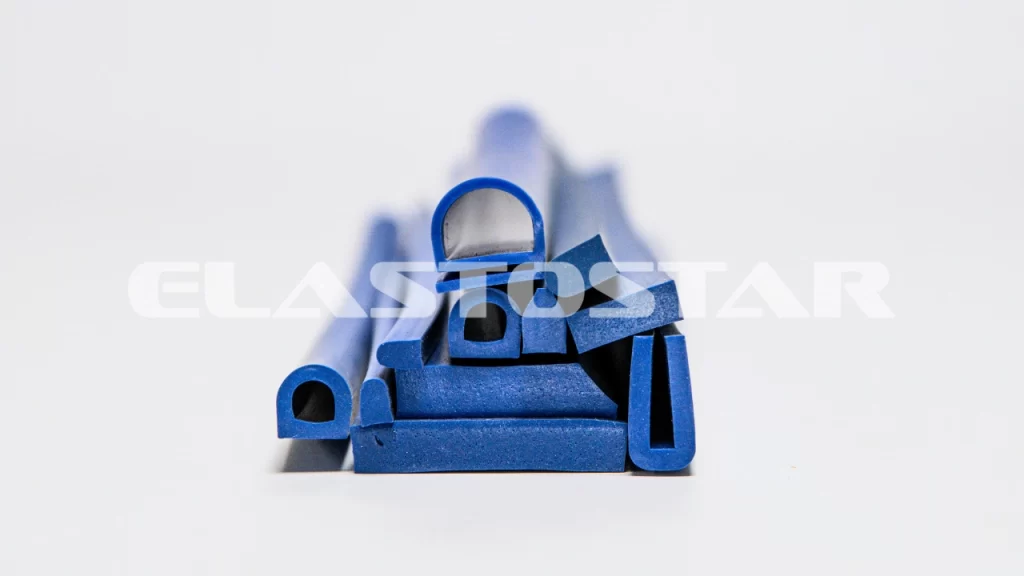
Many manufacturers focus on the inspection system but overlook the packaging.
In reality, packaging can influence how easily a contaminant is detected, especially when products move through high-speed production lines.
Packaging should always be included in validation trials, not treated as a separate step after material approval.
Here are some common examples:
| Packaging Type | Potential Impact on Detection |
| Foil or metalized films | May interfere with metal detector performance and require different inspection settings. |
| Rigid plastic trays | Can change the position of a contaminant as the product passes through the inspection zone. |
| Vacuum-sealed packaging | Alters product density and may influence X-ray image quality. |
| Multi-layer packaging | Adds additional material that inspection systems must penetrate before reaching the contaminant. |
When food-contact components are used inside processing equipment, selecting materials that comply with recognized standards is equally important.
NSF 51-compliant silicone is designed for food equipment applications where material safety and regulatory compliance are essential.
Why Fragment Size and Orientation Matter During Inspection

Inspection systems do not evaluate detectable rubber in isolation. They assess a fragment as it moves through a production line, which means its size, shape, and orientation can all influence the detection result.
Even when the material remains the same, these variables can affect inspection performance.
1. Fragment Size Makes a Difference
Components such as detectable gaskets and vulcanized O-rings naturally wear over time.
Larger fragments generally produce stronger detection signals, whereas smaller fragments may be more difficult for metal detectors or X-ray systems to detect under certain production conditions.
2. Orientation Is Equally Important
A fragment rarely travels through an inspection system in a fixed position. It may rotate, lie flat, stand vertically, or become partially embedded within the product.
These changes can influence how the inspection equipment interprets the contaminant, particularly when fragments are very small.
Is Blue Rubber Always Detectable?
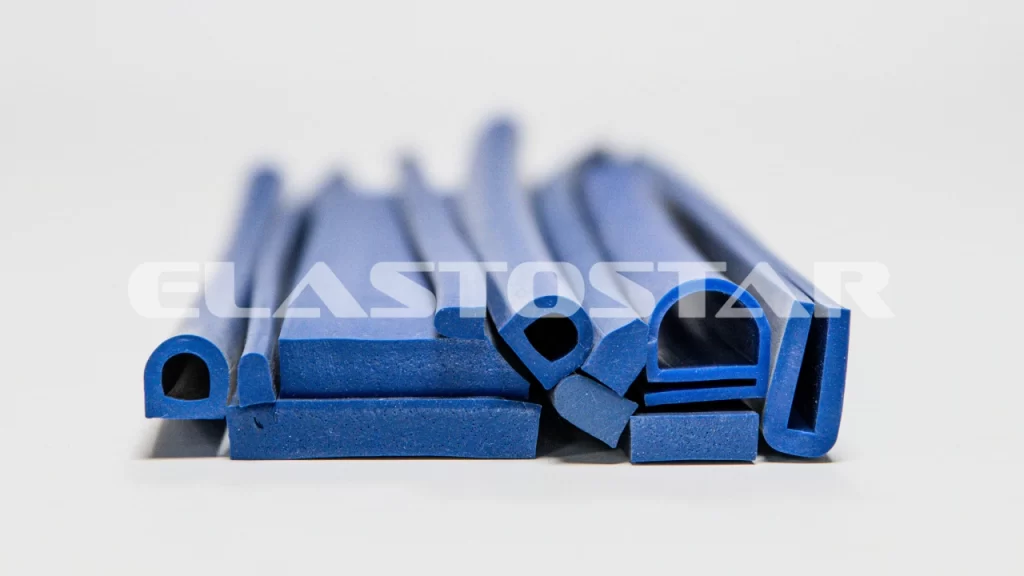
Many people assume that if a rubber component is blue, it can automatically be identified by inspection equipment.
However, the answer to “Is blue rubber detectable?” is not always “yes.” Color and detectability serve different purposes, and one does not guarantee the other.
Blue Rubber
- Blue is used primarily for visual identification.
- It helps operators spot fragments during inspections because blue is uncommon in most food products.
- By itself, blue rubber does not mean the material can be identified by a metal detector or an X-ray inspection system.
Detectable Rubber
- Metal-detectable silicone rubber is formulated with additives that enable detection by compatible metal-detection or X-ray inspection systems.
- Performance still depends on fragment size, product characteristics, equipment sensitivity, and production conditions.
- For food-contact applications, we develop FDA-grade silicone rubber that meets regulatory requirements while supporting demanding processing environments.
- Validation testing remains essential before approving any material for use in a food processing line.
This misunderstanding is common because many food processing facilities use blue components for easier visual inspection.
However, color only helps employees identify broken pieces during manual inspections. Detectability depends on the material formulation, not its color.
The most effective food safety programs combine visual identification with detectable materials, helping improve contamination control while reducing the risk of foreign material reaching the finished product.
Also Read: Where Detectable Silicone Should Be Used and Where It Adds No Value
A Practical Checklist Before Approving Detectable Rubber for Food Production
Selecting a detectable rubber material should involve more than reviewing a specification sheet.
Before introducing a component into production, manufacturers should confirm that it performs reliably under actual processing conditions.
Validation Checklist
☐ Test the material with the actual food product, not just standard test samples.
☐ Verify performance using both metal detection and X-ray inspection systems where applicable.
☐ Evaluate detection after the product has been packaged, especially when using foil, rigid trays, or multilayer packaging.
☐ Confirm the component complies with the required food-contact regulations. 3-A sanitary silicone rubber is designed for food equipment applications where hygiene and cleanability are essential.
☐ Inspect high-wear components regularly and replace them before excessive wear increases the risk of fragment release.
Completing these checks helps improve inspection reliability and supports a more effective food safety program throughout the production process.
How Elastostar Rubber Corporation Helps You Choose the Right Detectable Rubber Formulation

Selecting the right detectable rubber involves more than choosing a material that meets a specification.
The formulation must match the product, processing conditions, inspection technology, and regulatory requirements.
This is where working with an experienced engineering partner makes a difference.
1. Application-Focused Material Selection
Every food processing application has different operating conditions. We provide custom detectable silicone rubber solutions tailored to your temperature range, chemical exposure, equipment design, and inspection requirements, rather than offering a one-size-fits-all material.
2. Engineering Support from Design to Production
Whether you need a new component or a replacement part, we offer design assistance and application support, reverse engineering services, and prototype-to-production capabilities to help shorten development time and improve product performance.
3. Manufactured in the USA
From custom extruded profiles to silicone gaskets, O-rings, and rubber sheet materials, we are among the trusted metal-detectable rubber manufacturers in the USA, producing every solution at our Ohio facility with a focus on quality, consistency, and short lead times.
Choosing the right detectable rubber starts with understanding the application, not just the material.
By combining engineering expertise with custom manufacturing capabilities, we help food manufacturers select silicone solutions that support reliable inspection performance and long-term production requirements.
Recommended Reads
1. How Silicone Material Selection Impacts Product Reliability
2. Procurement Guide for Silicone Rubber Suppliers
3. What Process Engineers Check First in Silicone Components

Conclusion
Detectable rubber plays an important role in food safety, but it should be viewed as one part of a complete contamination control strategy. Material selection, inspection technology, equipment maintenance, and production conditions all contribute to reliable contamination detection.
Choosing the right detectable rubber starts with understanding your product, inspection method, and operating environment. When these factors are considered together, manufacturers can improve inspection performance and support long-term food safety.
For food plants that need reliable components, contact our engineers to discuss application-specific silicone rubber solutions.
FAQs
Q1. Is detectable rubber always detectable?
No. Although detectable rubber is designed to improve contamination detection, it cannot guarantee that every fragment will always be identified. Detection depends on fragment size, inspection technology, food characteristics, packaging, and equipment settings.
Q2. Why might metal detectable rubber not be detected?
Even metal detectable rubber has limitations. Small fragments, high-moisture or high-salt products, incorrect detector settings, and challenging production conditions can all reduce detection performance.
Q3. Where can I get guidance on selecting custom detectable silicone rubber?
If your application has unique processing, temperature, or regulatory requirements, we provide custom detectable silicone rubber solutions backed by reverse engineering, prototype-to-production capability, and application engineering. Speak with our engineering team to discuss your application requirements.
Q4. Can X-ray detectable rubber fail detection?
Yes. Understanding the limitations of X-ray-detectable rubber is important because X-ray systems rely on density differences. Very small fragments or products with similar densities may be more difficult to identify, making validation essential before production.
Q5. Does the type of food affect the performance of detectable rubber?
Yes. The effect of food product on metal detector performance is well documented. Moisture, salt content, density, and product composition can all influence how effectively contaminants are detected.
Q6. Does packaging affect rubber detection?
Yes. Foil, multilayer packaging, rigid trays, and vacuum packaging can influence inspection performance. Detection systems should always be validated using the finished packaged product rather than the unpackaged item alone.
Q7. Is blue food-grade rubber metal detectable?
Not necessarily. Blue rubber is intended for visual identification and is not automatically detectable by inspection systems. Material selection should always be based on the application’s inspection requirements rather than color alone.
Q8. Can small rubber fragments be missed by detectors?
Yes. Smaller fragments produce weaker signals than larger pieces, and their orientation within the product can also affect detection performance. Our technical product brochures provide additional information on material options and application-specific silicone solutions.
Q9. How do you avoid false confidence in detectable rubber?
The best approach is to validate materials under actual production conditions using representative products, packaging, and inspection settings. Working with an experienced metal detectable rubber supplier that understands food processing and industrial applications can also help identify the most suitable material for your equipment.
Q10. Should detectable rubber be tested before bulk use?
Absolutely. Every detectable rubber component should be validated using the actual production line before large-scale implementation. Reviewing manufacturing certifications can also help verify the quality systems supporting the materials you select.