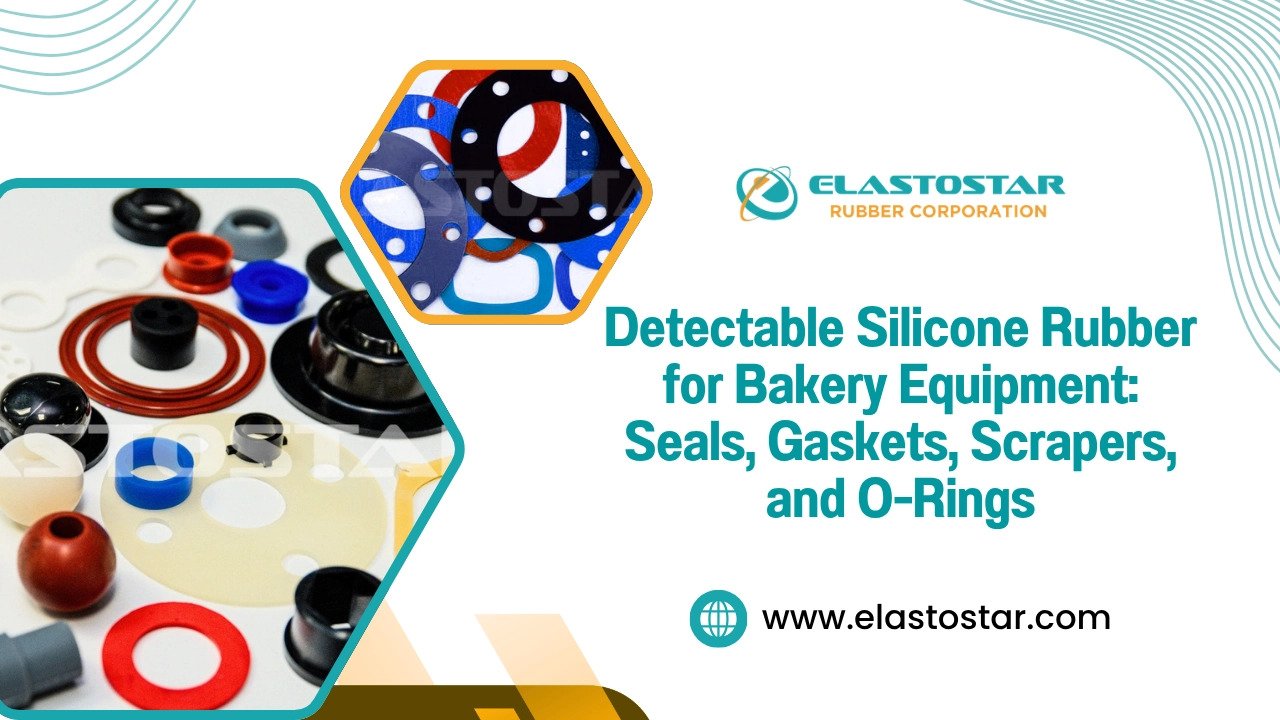
Bakery equipment operates under demanding conditions, with continuous heat, abrasion, oils, and frequent cleaning cycles placing constant stress on seals & gaskets, scrapers, and O-rings.
If these components wear or fail, they can become a source of product contamination and unplanned downtime.
This is why detectable silicone rubber for bakery equipment has become an important material choice for modern food manufacturers.
Designed to support contamination control and food safety programs, Metal & X-Ray Detectable Silicone Rubber helps improve the identification of foreign material while meeting the performance requirements of demanding bakery processing environments.
Key Takeaways
- Detectable silicone rubber for bakery equipment helps reduce contamination risks and improve food safety.
- Bakery seals, gaskets, scrapers, and O-rings should match the application’s operating conditions.
- Metal- and X-ray-detectable silicone rubber improves the identification of damaged components during production.
- Regular inspection and replacement of bakery equipment seals help prevent downtime and contamination.
- Choose FDA-compliant bakery gaskets that meet food-contact and performance requirements.
- Preventive maintenance and traceability support safer, more reliable bakery operations.
- Partner with an experienced supplier of detectable silicone rubber for custom solutions and engineering support.
Table of Contents
Why Bakeries Need Detectable Silicone Rubber
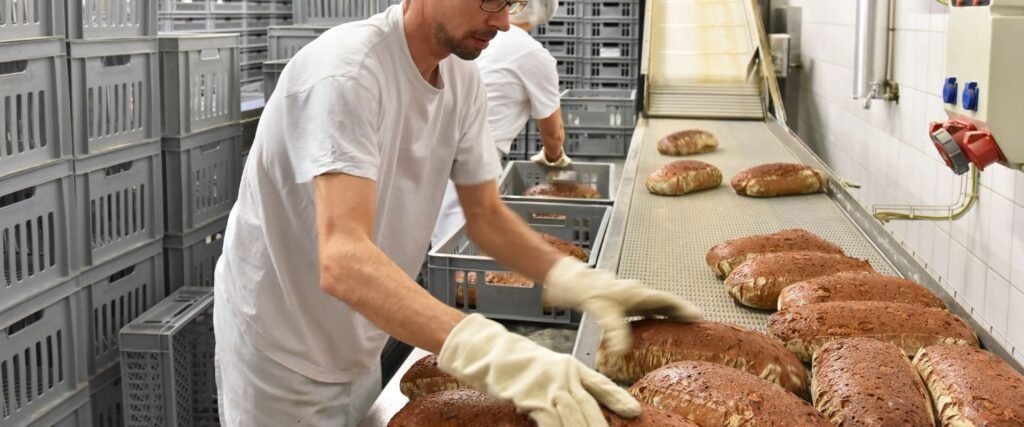
Bakery production lines operate continuously at high temperatures, with constant movement and repeated washdown procedures.
Components such as seals, scrapers, gaskets, and vulcanized O-rings are exposed to flour, oils, sugar, and cleaning chemicals every day, making regular wear inevitable.
Using detectable silicone rubber for bakery equipment helps food manufacturers strengthen bakery contamination control by making critical sealing components easier to identify if they become damaged during production.
Why It Matters
- High-speed production increases the likelihood of component wear over time.
- Heat, abrasion, and cleaning chemicals can shorten the service life of rubber components.
- Damaged seals or scrapers can introduce foreign material into finished products.
- Detectable materials support food safety programs by improving contamination detection and traceability.
Choosing the right material is equally important.
Components manufactured from FDA 21 CFR 177.2600-compliant silicone rubber are widely specified for food-contact applications where regulatory compliance and reliable performance are essential.
Also Read: Industrial Oven Door Seals: High-Temperature Silicone Solutions for Food Processing
Common Rubber Components Used in Bakery Equipment

Bakery lines depend on many small rubber components that keep equipment sealed, aligned, and running smoothly.
When these parts are used in direct or indirect food-contact zones, material selection becomes an important part of contamination control.
1. Oven Door Seals
Bakery equipment seals around oven doors must handle heat exposure while maintaining consistent sealing performance during repeated opening and closing.
2. Mixer Gaskets
Dough mixers use bakery gaskets to prevent product leakage and protect equipment joints from flour, moisture, oils, and cleaning residues.
3. Conveyor Seals and Scraper Blades
Conveyors often use rubber strips, scraper blades, and sealing profiles to control product movement. In high-wear areas, detectable materials can help reduce the risk of unnoticed fragments.
4. Depositor and Filler O-Rings
Depositors, fillers, and portioning systems rely on detectable O-rings for bakery equipment to maintain accurate flow control and reduce leakage.
5. Proofer and Packaging Machine Seals
Proofers and packaging machines use flexible sealing components that must tolerate humidity, movement, and frequent sanitation cycles while supporting hygienic operation.
Also Read: FDA Metal Detectable Silicone Rubber O-Rings, Seals & Gaskets
High-Risk Areas Where Rubber Components Can Fail
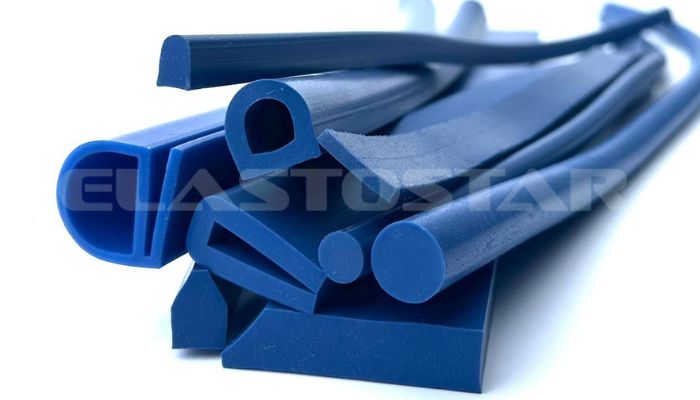
Not every rubber component in a bakery faces the same operating conditions.
Areas exposed to continuous movement, elevated temperatures, abrasive ingredients, and frequent sanitation cycles are more likely to experience wear.
Identifying these high-risk points helps strengthen bakery contamination control and reduce unplanned downtime.
| Equipment Area | Common Cause of Failure | Potential Risk |
| Dough mixers | Constant friction and dough abrasion | Worn gaskets or seals may release small fragments. |
| Conveyor systems | Continuous movement and scraper wear | Damaged scrapers can contaminate finished products. |
| Ovens | High operating temperatures | Heat may accelerate material aging and reduce sealing performance. |
| Depositors and fillers | Repetitive cycling and pressure | O-rings can wear, crack, or lose elasticity over time. |
| Packaging equipment | Frequent cleaning and mechanical movement | Seals may deteriorate, increasing the risk of contamination. |
Routine inspection is only part of the solution.
Backed by a rigorous quality-control process, Elastostar Rubber Corporation also provides reverse-engineering support for obsolete or hard-to-source components, helping bakery manufacturers replace critical sealing parts while maintaining equipment performance and food safety.
Benefits of Metal and X-Ray Detectable Silicone in Bakeries
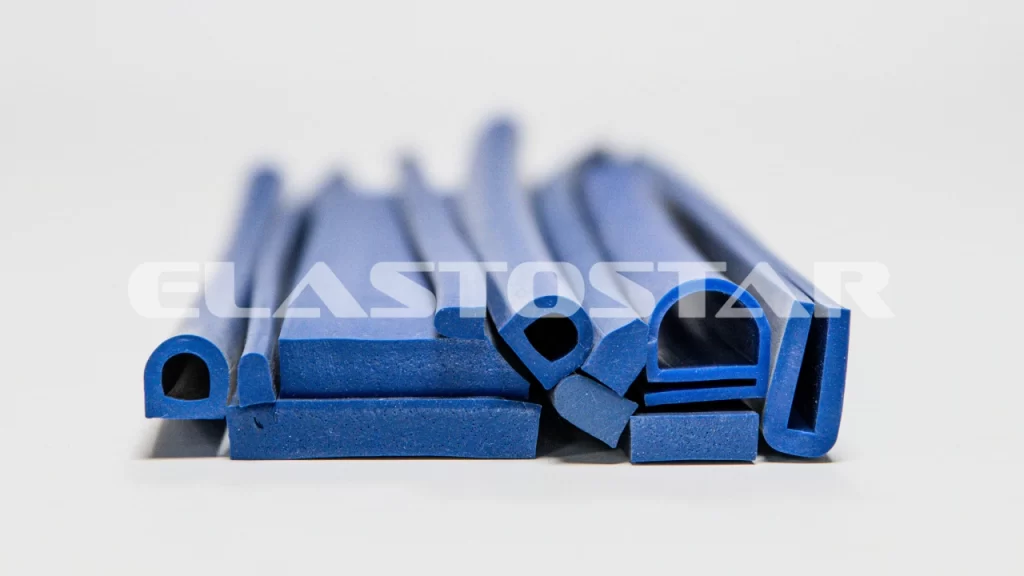
Selecting the right material is about more than meeting food-contact requirements.
Metal detectable silicone bakery components help improve inspection processes, reduce contamination risks, and support more efficient bakery operations.
1. Better Contamination Detection
Detectable silicone compounds are designed to work with compatible metal detection and X-ray inspection systems, helping operators identify damaged components before they reach finished products.
2. Improved Food Safety Compliance
Using detectable materials strengthens preventive food safety programs by making sealing components easier to monitor, inspect, and replace during scheduled maintenance.
3. Reduced Unplanned Downtime
Detectable seals, scrapers, and O-rings can be identified and replaced more quickly, helping minimize production interruptions caused by unexpected component failures.
4. Supports HACCP Programs
Detectable materials complement preventive maintenance and inspection procedures.
In food-processing environments where hygiene and traceability are essential, HACCP-compliant silicone rubber supports contamination-control strategies throughout bakery operations.
5. Greater Confidence in Production
When combined with routine inspections, validated detection systems, and properly specified materials, detectable silicone components help bakeries strengthen product quality, operational reliability, and long-term control of bakery contamination.
Also Read: Metal-Detectable vs X-Ray-Detectable Rubber: What Should Food Processors Choose?
Material Requirements for Bakery Equipment Components
Bakery equipment components must handle more than basic sealing.
They need to perform under heat, friction, ingredient buildup, cleaning cycles, and food-contact conditions without compromising product safety.
Key Material Requirements
| Requirement | Why It Matters in Bakery Equipment |
| Food-contact compliance | Food-grade silicone bakery components should meet applicable food-contact requirements for safe use in processing equipment. |
| Heat resistance | Oven seals, conveyor parts, and scrapers may be exposed to elevated temperatures during production. |
| Flexibility | Gaskets and O-rings need enough elasticity to maintain sealing performance during repeated movement. |
| Abrasion resistance | Flour, sugar, dough, and product friction can wear down components over time. |
| Cleaning compatibility | Materials must tolerate sanitation chemicals and frequent cleaning cycles. |
For food equipment applications, NSF 51-compliant silicone can support material selection where hygiene and performance are essential.
This is especially important when specifying FDA-compliant bakery gaskets for bakery processing lines.
Detectable Rubber Solutions for Bakery Equipment Manufacturers

Bakery OEMs need sealing components that match equipment design, production speed, food-contact requirements, and long-term maintenance needs.
This is why the selection of detectable rubber should be considered during the equipment design stage, not only after a component fails.
1. For New Equipment Designs
We support OEMs with custom profiles, gaskets, and scraper components designed around the equipment’s operating conditions.
2. For Replacement Components
When an original part is outdated, unavailable, or difficult to match, reverse engineering support can help reproduce the component with the correct fit, material, and performance requirements.
3. For Scalable Production
From prototype development to full production runs, we help bakery OEMs source components from a reliable bakery gasket supplier with large Made in USA manufacturing capabilities and short lead times.
OEMs can also rely on our engineering expertise when developing custom bakery rubber parts for demanding bakery equipment applications.
How to Choose Detectable Silicone Rubber for Bakery Applications
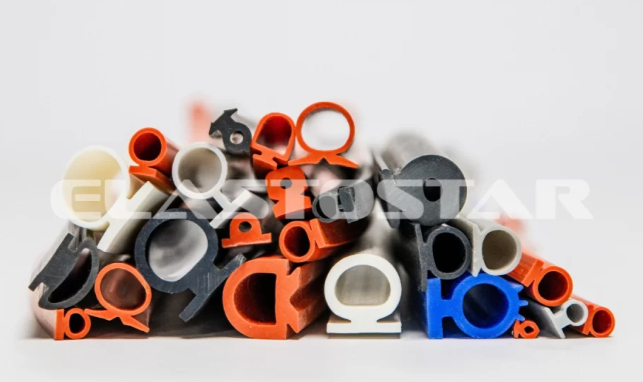
No single silicone formulation is suitable for every bakery process.
The right material depends on the equipment, operating environment, cleaning procedures, and the type of products being manufactured.
Before selecting detectable silicone rubber for bakery equipment, evaluate the following factors.
1. Consider the Operating Temperature
Components used in ovens, proofers, or heated processing equipment should handle continuous exposure to elevated temperatures without compromising sealing performance.
2. Evaluate Product Contact
Consider whether the component comes into direct contact with dough, baked goods, oils, sugar, or other ingredients. This helps determine the appropriate material grade and compliance requirements.
3. Assess Cleaning and Sanitation
Frequent washdowns and cleaning chemicals can affect material longevity. Select compounds that maintain their performance throughout repeated sanitation cycles.
4. Match the Component to the Application
Scrapers, seals, O-rings, and gaskets each perform different functions.
Choosing the correct material and profile for each application improves service life and reduces maintenance requirements.
5. Verify Dimensional Accuracy
Even the best material can underperform if the component does not fit correctly.
Components manufactured to RMA precision tolerances help achieve consistent sealing performance and reliable replacement across bakery equipment.
Preventing Contamination from Broken Scrapers, Seals, and Gaskets

Even a small piece of damaged rubber can interrupt production and trigger product recalls if it enters the food stream.
Establishing a clear response process helps bakeries minimize contamination risks while maintaining production efficiency.
1. Identify Early Signs of Wear
Inspect detectable bakery scrapers, seals, and rubber die-cut gaskets regularly for cuts, cracks, swelling, hardening, or loss of flexibility.
Replacing worn components before failure is far more effective than reacting after contamination occurs.
2. Remove and Replace Damaged Components
If a scraper or seal shows signs of deterioration, remove it from service immediately and install a replacement that matches the original material and performance requirements.
For legacy or discontinued parts, we provide reverse engineering support to reproduce components with the correct fit and function.
3. Verify Equipment Before Restarting
After replacement, inspect the surrounding equipment and confirm that metal detection or X-ray inspection systems are operating correctly.
This helps verify that no fragments remain within the production line.
4. Maintain Service Records
Document inspections, component replacements, and corrective actions to support preventive maintenance and improve future equipment reliability.
Reviewing technical product brochures can also help maintenance teams compare material options when specifying replacement components.
Following a structured inspection and replacement process helps bakeries strengthen contamination prevention, reduce unplanned downtime, and maintain consistent product quality.
Also Read: Top 7 Reasons O-Rings Fail and How to Prevent Them
Why Bakery Equipment Manufacturers Trust Elastostar Rubber Corporation

Every bakery production line has unique operating conditions, equipment designs, and food safety requirements.
Rather than supplying only off-the-shelf products, we develop application-specific silicone components that help bakery manufacturers improve equipment reliability, simplify maintenance, and support contamination control.
1. Custom Manufacturing for Bakery Equipment
From custom bakery rubber parts and precision gaskets to O-rings, scrapers, and extruded molded profiles, every component is manufactured to meet your application’s dimensional, thermal, and performance requirements.
2. Engineering Solutions for Complex Applications
Whether you’re developing new bakery equipment or replacing obsolete components, we provide reverse engineering support, prototype-to-production capabilities, and engineering expertise to help solve complex sealing challenges.
3. Built for Reliable Production
Operating from a large Made in USA manufacturing facility, we deliver consistent quality, manufacturing flexibility, and short lead times for both standard and custom projects as a trusted manufacturer of metal-detectable silicone rubber.
4. Partner with an Experienced Bakery Component Manufacturer
As a bakery gasket supplier and bakery seal manufacturer, we work closely with OEMs, equipment manufacturers, and food processors to develop dependable silicone solutions for demanding bakery applications.
To discuss your requirements, contact us and connect with our engineering team.

Recommended Reads
- 5 Major Seal Challenges in Food Processing
- Where Detectable Silicone Should Be Used and Where It Adds No Value
- Food Grade Foam Gaskets – FDA 21 CFR 177.2600 Compliance Requirements
Conclusion
Choosing the right detectable silicone rubber for bakery equipment helps bakeries reduce contamination risks while improving equipment reliability. Sponge seals, gaskets, scrapers, and O-rings must tolerate heat, abrasion, oils, cleaning cycles, and the demands of continuous production.
When these components are properly selected, inspected, and replaced on time, they support stronger bakery contamination control and reduce the risk of unplanned downtime.
As a custom manufacturer, we provide application-specific silicone solutions, reverse-engineering support, prototype-to-production capabilities, and short lead times from a large Made in the USA manufacturing facility.
For custom bakery rubber parts, Elastostar Rubber Corporation helps food processors and equipment manufacturers select materials that meet their specific application requirements.
FAQs
Q1. Why do bakeries use detectable silicone rubber?
Bakeries use detectable silicone rubber for bakery equipment to reduce the risk of foreign material contamination. If a seal, gasket, scraper, or O-ring is damaged, detectable materials can aid identification with compatible metal detection or X-ray inspection systems.
Q2. Are bakery gaskets required to be metal detectable?
Not always. However, many food manufacturers use detectable bakery gaskets in critical food-contact areas to support food safety, traceability, and contamination control programs.
Q3. Can silicone scrapers be metal detectable?
Yes, detectable bakery scrapers can be made with detectable silicone materials for conveyor and processing applications where wear is common.
Q4. What bakery equipment uses detectable rubber parts?
Detectable rubber parts are used in dough mixers, ovens, conveyors, proofers, depositors, fillers, packaging machines, pumps, and valves. Common parts include bakery equipment seals, gaskets, scrapers, and detectable O-rings for bakery equipment.
Q5. Is food-grade silicone enough for bakery applications?
Not always. Food-grade silicone bakery components meet food-contact requirements, but some production lines also need detectable materials for stronger contamination control.
Q6. What is the best rubber material for bakery equipment?
The best material depends on heat exposure, cleaning chemicals, abrasion, food-contact needs, and inspection requirements. In many applications, metal-detectable silicone bakery components offer a strong balance between sealing performance and contamination-detection support.
Q7. Can metal-detectable silicone handle bakery heat?
Yes, metal-detectable silicone can be formulated for bakery environments where seals, gaskets, and scrapers are subject to elevated temperatures, frequent cleaning, and continuous production.
Q8. How do bakeries reduce contamination from rubber fragments?
Bakeries can reduce contamination risks through routine inspections, preventive maintenance, timely replacement of worn parts, and the proper specification of detectable rubber for bakery applications.
Q9. Can bakery OEMs order custom detectable rubber parts?
Yes, bakery OEMs can order custom bakery rubber parts designed around equipment dimensions, sealing requirements, operating temperatures, and production conditions.
Q10. Where can bakeries buy custom detectable gaskets and seals?
Bakeries can work with an experienced bakery gasket supplier, bakery seal manufacturer, or metal detectable silicone rubber manufacturer like us for custom seals, gaskets, scrapers, O-rings, and extruded omega profiles.