Dairy processing lines operate under strict hygiene demands, constant washdowns, temperature changes, and continuous product flow.
Small components such as sponge seals, gaskets, and O-rings play a major role in keeping equipment sanitary and leak-free, but they can also become contamination risks if they wear, crack, or break.
This is why detectable rubber for dairy processing is important for improving traceability and food safety control.
For applications involving milk, cream, cheese, yogurt, and other dairy products, using materials suited for food and dairy equipment helps ensure cleaner processing, reliable sealing performance, and stronger protection against contamination.
In this blog, we’ll explain where detectable rubber is used in dairy equipment, the risks it helps reduce, key material selection factors, and how it supports safer, more efficient dairy processing operations.
Key Takeaways
- Detectable rubber for dairy processing helps improve contamination control in hygiene-critical equipment.
- Dairy seals, gaskets, and O-rings should be selected based on operating conditions, not material claims alone.
- CIP cleaning, steam, milk fats, and temperature changes can reduce the service life of food-grade detectable rubber components.
- Regular inspections and timely replacement of dairy processing gaskets help minimize leaks, contamination risks, and unplanned downtime.
- Choose FDA-compliant detectable rubber that meets food-contact requirements while delivering reliable sealing performance.
- Maintaining traceability, validation records, and preventive maintenance documentation supports stronger food safety and audit readiness.
- Working with an experienced detectable silicone rubber supplier helps ensure custom-engineered solutions, application support, and long-term equipment reliability.
Table of Contents
Why Dairy Lines Need Extra Seal and Gasket Control
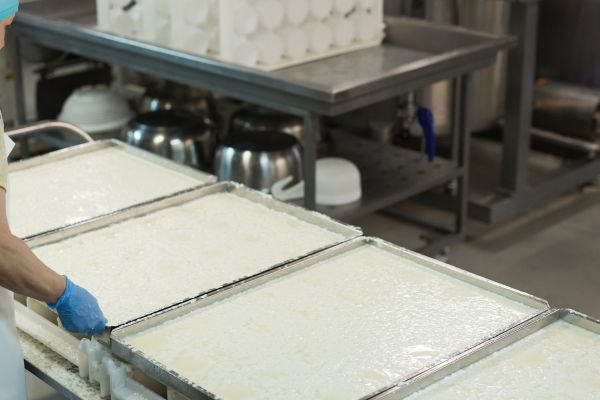
Dairy processing presents unique challenges that place constant demands on rubber components. Milk proteins, fats, moisture, steam, and frequent cleaning cycles can all affect the performance of seals and gaskets over time.
If these components deteriorate or fail, they can compromise product quality, increase maintenance requirements, and create contamination risks.
This is why selecting detectable rubber for dairy processing is an important part of maintaining hygienic production environments.
Why Extra Control Matters
- Dairy equipment operates under frequent CIP (Clean-in-Place) and washdown procedures.
- Steam and temperature fluctuations can accelerate material aging.
- Milk fats and dairy residues may affect long-term sealing performance.
- Worn components can become a source of foreign material contamination.
- Routine inspection and timely replacement help reduce unexpected equipment failures.
Material selection plays an equally important role in dairy hygiene.
Components manufactured from FDA 21 CFR 177.2600-compliant silicone rubber are commonly specified for food-contact applications where safety, cleanliness, and reliable sealing performance are essential.
These properties make them well-suited for food-grade, detectable rubber dairy applications.
Also Read: 5 Major Seal Challenges in Food Processing
Where Rubber Components Are Used in Dairy Equipment
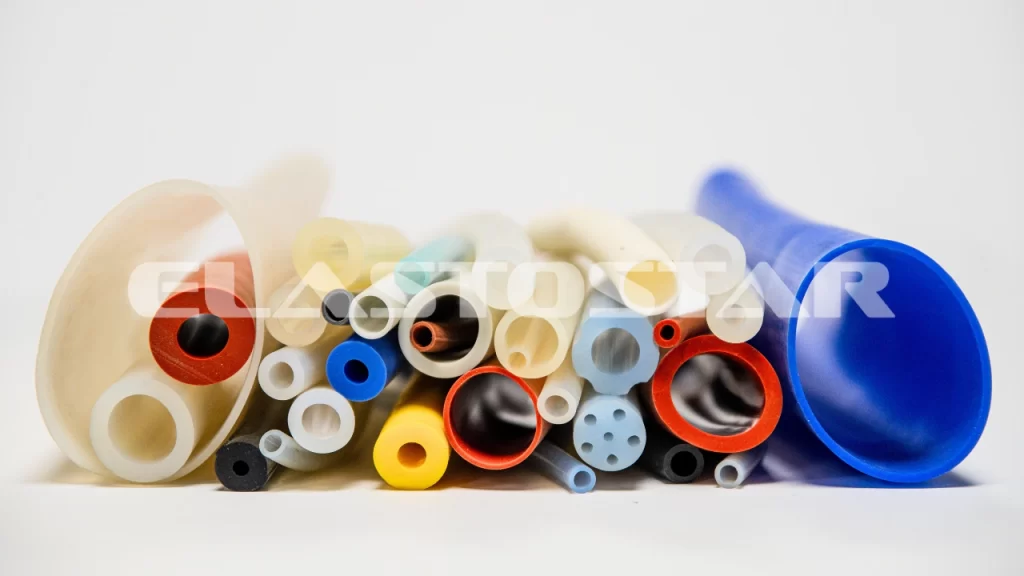
From milk reception to final packaging, rubber components help maintain hygienic processing, prevent leaks, and protect product quality.
Properly specified dairy processing gaskets, seals, and O-rings play an important role in maintaining equipment performance throughout dairy production.
1. Pumps and Valves
Transfer pumps and control valves rely on dairy equipment seals and O-rings to prevent leakage while handling milk, cream, yogurt, and other dairy products.
2. Pasteurizers and Homogenizers
These systems operate under changing temperatures and pressures, requiring durable dairy processing gaskets that maintain sealing performance throughout continuous production.
3. Mix Tanks and Storage Systems
Storage vessels, blending tanks, and sanitary pipe connections use gaskets and extruded rubber sealing profiles to maintain hygienic product transfer and reduce the risk of contamination.
4. Filling and Packaging Equipment
Filling machines depend on precision seals and O-rings to support consistent product flow and hygienic packaging operations.
5. Custom Sealing Components
Many dairy processing systems require application-specific sealing solutions rather than standard catalog parts. As a detectable silicone rubber supplier, we manufacture custom extruded profiles, seals, gaskets, O-rings, and other silicone components for demanding dairy applications.
Materials produced from NSF 51-compliant silicone are commonly specified for food equipment where hygiene, cleanability, and reliable sealing performance are essential.
Common Dairy Rubber Failure Risks
Rubber components in dairy processing equipment are exposed to demanding operating conditions every day.
Heat, steam, milk fats, cleaning chemicals, and continuous production can gradually affect material performance, increasing the likelihood of seal or gasket failure if components are not inspected and replaced on schedule.
| Risk Area | How It Affects Rubber Components | Potential Impact |
| Steam and high temperatures | Accelerates material aging and reduces elasticity | Loss of sealing performance |
| Milk fats and dairy residues | Continuous exposure can affect long-term material performance | Increased wear and leakage |
| CIP cleaning chemicals | Repeated cleaning cycles may degrade unsuitable materials | Premature seal or gasket failure |
| Continuous pressure and movement | Causes compression set and mechanical wear | Damaged O-rings and sealing surfaces |
| Delayed replacement | Worn components remain in service longer than recommended | Greater contamination and maintenance risks |
Maintaining consistent material quality is just as important as routine inspections.
Backed by a rigorous quality control process, we manufacture detectable silicone components that help food processors improve reliability while supporting hygienic dairy operations.
Also Read: Seal Damage Root Cause Analysis – Visual Identification Guide for Gasket Failures
How Detectable Rubber Supports Dairy Food Safety
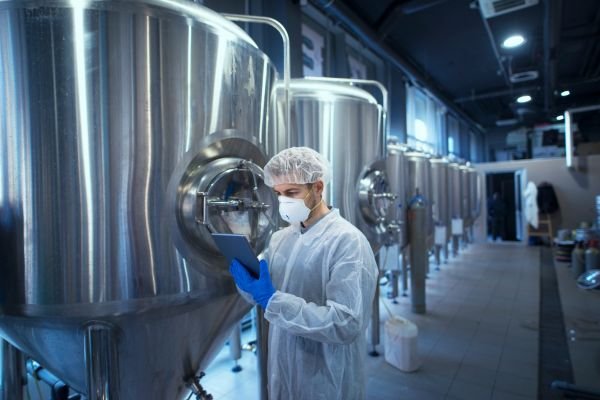
Dairy processing environments require continuous monitoring to minimize contamination risks.
While regular inspections and preventive maintenance remain essential, metal detectable rubber dairy components add another layer of protection by making damaged seals and gaskets easier to identify during production.
1. Supports Foreign Material Control
If a seal, gasket, or custom rubber-D channel becomes damaged, detectable materials improve the likelihood of identifying fragments with compatible inspection systems before products leave the facility.
2. Strengthens Preventive Maintenance
Routine inspection programs become more effective when detectable components are combined with scheduled replacement intervals, reducing the chance of unexpected equipment failures.
3. Improves Traceability
Detectable materials make it easier to investigate contamination events, helping quality teams identify affected equipment and document corrective actions more efficiently.
4. Complements Food Safety Programs
Using Metal & X-Ray Detectable Silicone Rubber alongside validated inspection procedures helps dairy processors strengthen food safety practices while supporting day-to-day production reliability.
By combining the right material with regular inspections and maintenance, manufacturers can improve product protection without compromising equipment performance.
Metal Detectable vs. X-Ray Detectable Rubber for Dairy
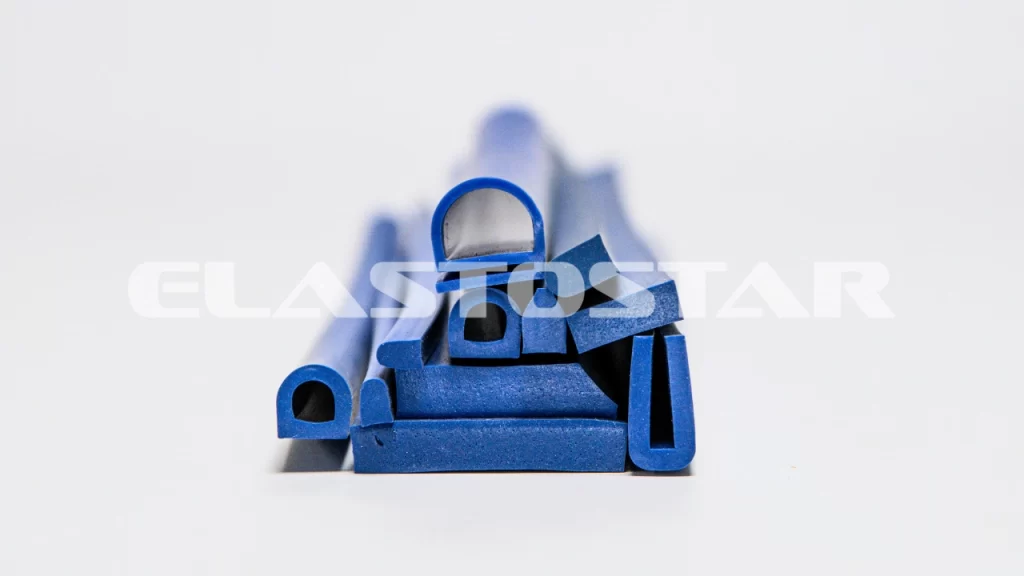
Both metal detection and X-ray inspection help strengthen contamination control, but they identify foreign materials in different ways.
The most suitable option depends on the dairy product, production environment, packaging, and inspection technology used on the processing line.
| Metal Detectable Rubber | X-Ray Detectable Rubber |
| Detected using compatible metal detection systems. | Detected using compatible X-ray inspection systems. |
| Commonly used on milk, yogurt, cream, and liquid dairy production lines. | Often selected where packaged dairy products undergo X-ray inspection. |
| Performance depends on fragment size, detector sensitivity, and product characteristics. | Detection depends on material density, product composition, and X-ray settings. |
| Can support routine production line inspections. | Can provide an additional inspection method for specific applications. |
Choosing the right material starts with understanding the application’s inspection requirements.
Rubber silicone can help engineers compare material characteristics before specifying metal-detectable rubber dairy components for dairy processing equipment.
Also Read: Metal-Detectable vs X-Ray-Detectable Rubber: Which Should Food Processors Choose?
Material Selection for Dairy Processing
Selecting the right rubber compound requires more than meeting basic food-contact requirements.
Dairy processing equipment is continuously exposed to milk proteins, fats, moisture, steam, pressure, and aggressive cleaning cycles, so the material must be matched to the application’s operating conditions.
Materials designed for HACCP-compliant silicone rubber can support food processors that prioritize contamination prevention and hygienic manufacturing practices.
1. Consider Food-Contact Compliance
For applications involving direct contact with dairy products, high-temperature sealing should comply with food-contact regulations and meet the production line’s performance demands.
2. Evaluate Processing Conditions
Temperature, pressure, cleaning chemicals, steam exposure, and production frequency all influence material life. Selecting a compound based on actual operating conditions helps improve long-term sealing performance.
3. Match the Material to the Application
Not every extruded bulb seal, gasket, or O-ring performs the same function.
Pipeline connections, tank lids, valves, and pumps often require different material properties depending on the equipment and operating environment.
Choosing the correct food-grade detectable rubber tubing dairy formulation helps improve equipment reliability, extend component life, and support consistent food safety throughout dairy processing.
Cleaning, Washdown, and CIP Considerations
Cleaning procedures are just as demanding as production in a dairy facility.
Repeated washdowns, steam exposure, and Clean-in-Place (CIP) cycles can gradually affect rubber components if the material is not selected for these operating conditions.
Understanding how different compounds perform before installation helps reduce premature wear and improve long-term reliability.
Maintenance teams often rely on technical product brochures to compare material characteristics before specifying replacement components.
Recommended Practices
- Select rubber compounds that are compatible with repeated CIP cycles and approved cleaning chemicals.
- Inspect Rubber E seals and gaskets after routine cleaning to identify swelling, cracking, hardening, or compression set.
- Replace worn components before they affect sealing performance or product quality.
- Record maintenance activities to help identify recurring wear patterns and optimize replacement schedules.
Common Mistakes to Avoid
- Continuing to operate equipment with visibly damaged seals or gaskets.
- Selecting replacement components based solely on size rather than operating conditions.
- Delaying preventive maintenance until leakage or product contamination occurs.
Considering cleaning conditions when selecting materials helps extend component life, reduce maintenance costs, and maintain hygienic dairy processing operations.
Also Read: How to Validate Metal Detectable Silicone Rubber Safely
Replacement Schedule for Dairy Seals and Gaskets
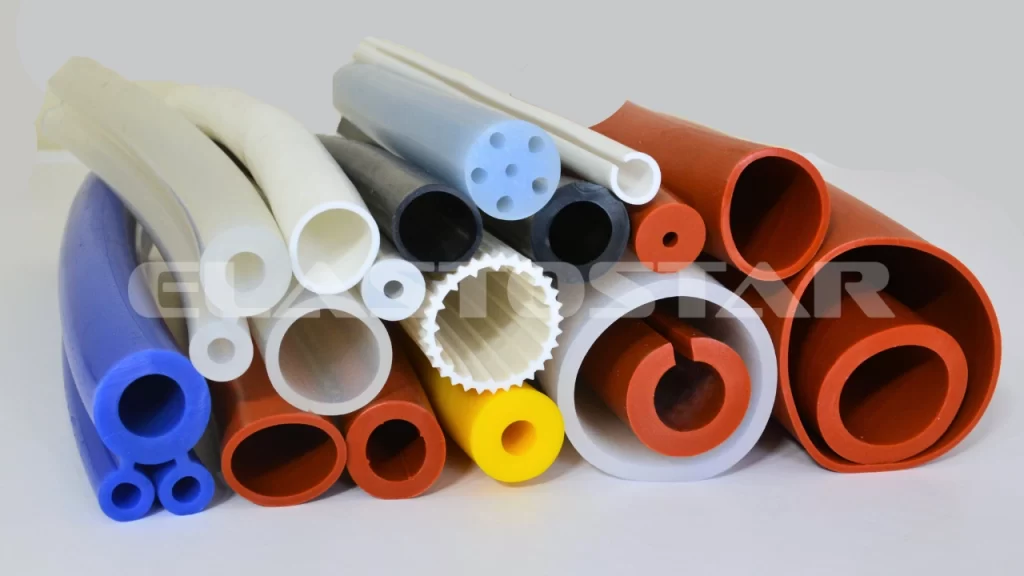
There is no universal replacement interval for rubber components in dairy processing. Service life depends on operating temperature, production hours, cleaning frequency, pressure, and the type of dairy products being processed.
A preventive replacement schedule helps reduce unexpected failures while supporting consistent hygienic performance.
Daily Inspection
- Check dairy equipment seals and fluorosilicone O-rings for visible cracks, cuts, swelling, or product buildup.
- Verify there are no signs of leakage around pumps, valves, or sanitary fittings.
Weekly Maintenance
- Inspect dairy processing gaskets used in high-wear areas for compression set, hardening, or loss of flexibility.
- Confirm sealing components remain properly positioned after repeated cleaning cycles.
Scheduled Shutdowns
- Replace components that show wear before they reach the end of their service life.
- Review recurring wear patterns to identify equipment or process conditions that may be reducing component life.
- If original components are obsolete or difficult to source, reverse engineering support can help reproduce replacement parts with the correct fit and performance.
Verify Component Fit
Consistent dimensions are essential for reliable sealing after every replacement.
Components manufactured to RMA precision tolerances help provide repeatable fit, sealing performance, and easier maintenance across dairy processing equipment.
A structured replacement program reduces emergency maintenance, improves equipment reliability, and supports long-term contamination prevention throughout dairy processing operations.
How Documentation and Traceability Strengthen Dairy Food Safety
Traceability is a key part of dairy processing. Well-organized documentation helps maintenance teams monitor component performance, supports food safety investigations, and provides evidence of preventive maintenance during customer or regulatory audits.
1. Material Specifications
Maintain records of every rubber lip seal or gasket used in production, including material grade, installation location, supplier details, and replacement intervals.
2. Inspection and Maintenance Logs
Record routine inspections, component replacements, maintenance activities, and observations of wear or damage. These records help identify recurring issues before they become production problems.
3. Validation Records
Keep documentation for metal detector or X-ray verification, material approvals, and equipment validation whenever new components are introduced into the production line.
4. Batch Traceability
Link replacement components to maintenance records and production batches whenever possible. This improves traceability if a quality investigation or product recall becomes necessary.
Reliable documentation begins with reliable manufacturing.
Reviewing our manufacturing certifications can provide additional confidence in the quality systems supporting the rubber components used throughout dairy processing operations.
Why Dairy Equipment Manufacturers Trust Elastostar Rubber Corporation

Dairy processing requires sealing components that perform reliably under demanding hygienic conditions.
Elastostar Rubber Corporation develops application-specific silicone solutions that help manufacturers improve equipment reliability and food safety.
1. Your Trusted Dairy Rubber Partner
As an experienced dairy seal manufacturer, we help customers select the right silicone solution for demanding dairy applications.
2. Custom Manufacturing
From custom dairy rubber components, seals, gaskets, extruded rubber strips, O-rings, and extruded profiles to sheet materials, every product is manufactured to meet your application requirements.
3. Engineering & Reverse Engineering
Engineering expertise and reverse engineering support help reproduce obsolete components, improve existing designs, and develop application-specific sealing solutions.
4. From Prototype to Production
Whether you need a single prototype or full-scale production, we support every stage with consistent quality and manufacturing flexibility.
5. Proudly Made in the USA
Operating from a large Made in the USA manufacturing facility allows us to deliver dependable quality and short lead times for both standard and custom projects.
To discuss your project requirements, contact Elastostar Rubber Corporation.
Recommended Reads
1. What Process Engineers Check First in Silicone Components
2. Material Selection Impact on Product Reliability
3. Where Detectable Silicone Should Be Used and Where It Adds No Value
Conclusion
Detectable rubber plays an important role in dairy processing because extruded seals and gaskets operate in hygiene-critical areas exposed to moisture, steam, cleaning chemicals, and continuous production.
Choosing the right material helps reduce contamination risks, improve traceability, and support reliable equipment performance.
As a custom manufacturer, we provide application-specific dairy sealing solutions backed by engineering expertise, reverse-engineering support, prototype-to-production capabilities, short lead times, and a large Made in the USA manufacturing facility.
FAQs
Q1. Why do dairy plants use detectable rubber?
Dairy plants use detectable rubber for dairy processing to help reduce the risk of foreign material contamination. If a seal, gasket, or vulcanized O-ring is damaged, detectable materials can aid identification with compatible metal detection or X-ray inspection systems.
Q2. What rubber materials are commonly used in dairy processing?
Material selection depends on the application, operating temperature, cleaning procedures, and food-contact requirements. Silicone is widely used because it offers excellent flexibility, temperature resistance, and hygienic performance.
Q3. Can dairy gaskets be metal detectable?
Yes, detectable dairy seals and dairy processing gaskets can be manufactured with metal-detectable formulations for applications where contamination control is a priority.
Q4. How often should dairy gaskets be replaced?
Replacement intervals depend on production hours, cleaning frequency, operating temperatures, pressure, and component wear. Regular inspections help identify damaged gaskets before they affect production or food safety.
Q5. Is silicone suitable for dairy processing equipment?
Yes, silicone is commonly used for seals, gaskets, O-rings, and other food-contact components because it performs well in the presence of heat, moisture, steam, and repeated sanitation cycles.
Q6. Can detectable rubber withstand CIP cleaning?
Yes, when the correct material is selected. Food-grade detectable rubber dairy compounds can be formulated to withstand repeated Clean-in-Place (CIP) procedures, washdowns, steam, and approved cleaning chemicals used in dairy processing.
Q7. What causes dairy gaskets to fail?
Common causes include prolonged exposure to heat, steam, cleaning chemicals, milk fats, pressure, mechanical wear, improper installation, and delayed replacement during routine maintenance.
Q8. Should dairy plants use metal-detectable or X-ray-detectable rubber?
The right choice depends on the inspection equipment, dairy product, packaging materials, and the facility’s food safety requirements. Comparing materials against recognized specifications, such as A-A-59588 for silicone rubber, can also help during the material selection process, where applicable.
Q9. Can dairy equipment OEMs order custom rubber seals?
Yes, OEMs often require custom dairy rubber components designed to match specific equipment dimensions, operating conditions, and hygienic requirements. We also provide reverse engineering support and prototype-to-production capabilities for custom projects.
Q10. Where can dairy plants buy custom detectable rubber seals?
Dairy processors can work with an experienced food-grade rubber supplier for dairy, such as Elastostar Rubber Corporation, for application-specific seals, gaskets, O-rings, and custom extruded profiles.