One of the most common questions in food processing is, what size rubber fragment can metal detectors detect during production and packaging inspection? The answer depends on several factors, including detector sensitivity, food product density, moisture content, conveyor speed, fragment shape, and the type of rubber compound being used.
Standard rubber materials are often difficult to identify during inspection, which is why many processors now use metal-detectable silicone rubber and other detectable rubber for food processing equipment to improve contamination control programs.
For food-grade applications, detectable materials may require FDA-compliant detectable silicone manufactured to FDA 21 CFR (177.2600) standards, with NSF 51-approved compound options available where required.
In this blog, we will explain the key factors that affect rubber fragment detection and why detectable fragment size can vary between food processing applications.
Key Takeaways
- There is no universal detectable rubber fragment size because detection performance varies with the food product, detector sensitivity, conveyor speed, packaging, and production conditions.
- Fragment size alone does not determine detection capability. Shape, thickness, orientation, moisture, salt content, and product density also affect inspection visibility.
- Standard rubber is often difficult to detect, which is why many processors use metal-detectable silicone rubber in contamination-sensitive food-processing areas.
- Detectable rubber components should be tested under actual production conditions using the real product and packaging setup for more reliable validation results.
- Food-grade detectable materials used in processing environments may require compliance with FDA 21 CFR (177.2600) and NSF 51-approved compounds where required.
Table of Contents
Why There Is No Universal Detectable Fragment Size
There is no single answer to the question of what size rubber fragments metal detectors can detect because detection capability varies from one production environment to another.
The same fragment may be detected easily on one food line and missed on another, depending on the product, equipment settings, conveyor speed, packaging, and rubber compound.
Every Production Line Is Different
Food processing lines run with different products, speeds, moisture levels, and inspection systems. This means food metal detector sensitivity can vary from facility to facility.
Detection performance may change because of:
- Product density.
- Moisture content.
- Salt levels.
- Conveyor speed.
- Packaging materials.
- Detector calibration.
For food-contact applications, processors should also consider materials made to FDA 21 CFR (177.2600) standards, with NSF 51-approved compound options where required.
Read More: Metal Detectable Silicone Rubber vs Other
Detection Depends on Multiple Variables
Fragment size is only one part of rubber fragment detection. Shape, thickness, orientation, and material composition can also affect whether a fragment is identified during inspection.
This is why many processors choose metal-detectable silicone rubber for high-risk food-processing areas.
At Elastostar Rubber Corporation, we manufacture FDA Metal & X-Ray Detectable Silicone, custom detectable gaskets, O-rings, tubing, and sealing profiles for contamination-sensitive applications.
Why One Size Standard Does Not Exist
Because every food line is different, there is no universal detectable fragment size that applies to all facilities. Processors should test detectable rubber parts under actual production conditions before approval.
Our Industries Served highlights the food, beverage, pharmaceutical, and industrial environments we support with custom manufacturing, application support, prototype-to-production capability, and Made in USA production.
Factors Affecting Rubber Fragment Detection
Rubber fragment detection depends on more than the size of the broken piece. Food product behavior, detector setup, rubber compound, and line conditions all affect whether the fragment is identified during inspection.
This is why the sensitivity of a food metal detector should always be checked under real production conditions.
Main Factors That Affect Detection
| Detection Factor | Why It Matters |
| Fragment size | Smaller fragments are harder to detect than larger pieces. |
| Fragment shape | Thin or flat pieces may be harder to identify. |
| Product moisture | Wet products can affect metal detector sensitivity. |
| Salt content | High-salt products may create signal interference. |
| Product density | Dense products can make detection more difficult. |
| Conveyor speed | Faster lines give the detector less time to identify fragments. |
| Detector calibration | Incorrect settings can reduce detection accuracy. |
Why Material Choice Matters
Standard rubber is difficult for metal detectors to detect because it typically contains no detectable additives. Metal-detectable silicone rubber is specifically compounded to improve detection during food-processing inspections.
For food-contact applications, processors may require FDA 21 CFR (177.2600) materials with NSF 51-approved compound options.
Why Normal Rubber Is Difficult To Detect?
Standard rubber compounds are often difficult for inspection systems to detect during food processing operations.
This is one reason processors often ask, “Can metal detectors detect rubber during contamination inspection.
In most cases, regular rubber does not contain conductive or high-density additives that help the detector recognize the material.
Standard Rubber vs Detectable Rubber
Normal rubber materials are designed for sealing, flexibility, and durability, not inspection visibility. As a result, broken gasket fragments or damaged seals may pass through a production line undetected.
Extruded Metal-detectable silicone rubber differs because it contains special detectable additives engineered for contamination-sensitive food-processing environments.
Why Detection Can Be Difficult
Several factors make regular rubber harder to detect:
- Low material conductivity.
- Small fragment sizes.
- Flat or thin fragment shapes.
- Dense food products.
- Packaging interference.
These conditions can reduce the sensitivity of food metal detectors during production inspection.
How Detectable Compounds Improve Food Safety
Using detectable rubber for food processing can help processors improve contamination control programs and inspection reliability in high-risk production areas.
Products commonly used include:
- FDA Metal & X-Ray Detectable Silicone.
- Custom metal detectable gasket systems.
- Detectable tubing and sealing profiles.
- Detectable O-rings for pumps and valves.
How Metal Detectable Rubber Improves Detection

Metal-detectable silicone rubber is designed to improve the visibility of contamination during food-processing inspections.
Unlike standard rubber compounds, detectable materials contain engineered additives that enable fragments to be more effectively detected by metal detection systems on production lines.
1: Detectable Additive Technology
Detectable rubber compounds contain special additives that improve how fragments react during inspection.
This helps processors identify damaged gasket pieces, Vulcanized rubber O-rings, tubing fragments, or sealing material before contaminated products move further through the production line.
2: Improved Inspection Visibility
Using detectable rubber for food processing can help improve contamination detection compared to standard rubber compounds.
Key advantages include:
- Better fragment visibility during inspection.
- Improved contamination control.
- Support for food safety programs.
- More reliable production-line monitoring.
For food-contact applications, processors may require materials manufactured to FDA 21 CFR (177.2600) standards, with NSF 51-approved compound options available where required.
3: Common Food Processing Applications
Metal detectable materials are commonly used in:
- Pumps and valves.
- Filling and dispensing systems.
- Conveyor equipment.
- Transfer tubing systems.
- Food-contact sealing assemblies.
Read More: Top 7 Benefits of Using Metal Detectable Seals & Gaskets
Fragment Size, Shape, and Orientation
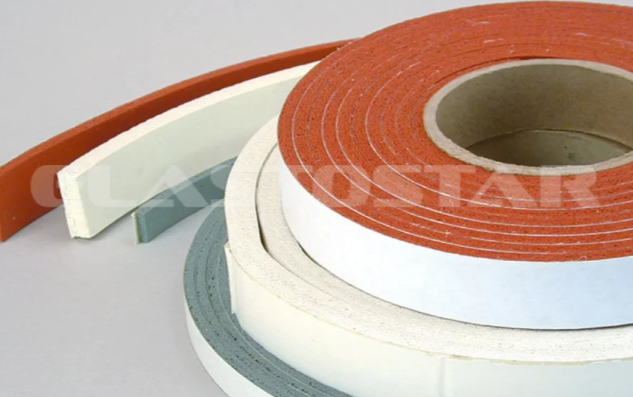
The size of the fragment is important during inspection, but shape and positioning also affect detection performance.
Even when using metal-detectable silicone rubber, some fragments may be easier to identify than others, depending on how they move across the conveyor and pass through the inspection field.
Why Smaller Fragments Are Harder To Detect
Small fragments contain less detectable material, reducing inspection visibility during production. Thin pieces from worn gaskets, tubing, or seals may be harder to identify than larger fragments.
Custom metal-detectable gasket systems and detectable O-rings should be tested under actual production conditions to determine realistic detection limits.
How Shape and Thickness Affect Detection
Different fragment shapes may respond differently during inspection.
| Fragment Characteristic | Detection Impact |
| Small fragments | Harder to identify during inspection |
| Flat fragments | May create a weaker detector response |
| Thicker pieces | Usually easier to detect |
| Irregular shapes | Detection performance may vary |
Why Orientation Matters
Fragment positioning can also affect rubber fragment detection. A fragment moving flat across the conveyor may behave differently from the same fragment moving vertically or at an angle.
Because production conditions vary between facilities, processors should perform real product testing using the same detector settings, conveyor speed, and operating conditions used during normal production.
Read More: How To Measure Gaskets: A Comprehensive Guide
Food Moisture, Salt, Density, and Temperature Impact
Food characteristics can strongly affect the sensitivity of food metal detectors during inspection. Moisture content, salt levels, product density, and temperature may all influence how easily a detectable rubber fragment is identified during production.
Since temperature also influences silicone rubber behavior during production, processors should understand its effects on silicone rubber performance before selecting detectable sealing parts for food-processing lines.
1: Moisture and Conductivity Effects
Wet products often create more signal interference during metal detection than dry products. High moisture levels can make small fragments harder to identify, especially during high-speed processing operations.
This is why rubber fragment detection should always be tested using the actual food product running on the production line.
2: Salt Content Challenges
Products with higher salt content can also affect detector sensitivity because salt increases conductivity during inspection. This may reduce the visibility of small detectable rubber fragments in certain production environments.
Common high-risk products include:
- Sauces and liquid foods.
- Dairy products.
- Processed meats.
- Seasoned or salted foods.
3: Product Density and Temperature Variations
Dense food products may make fragment detection more difficult because the inspection signal must pass through thicker material.
Product temperature may also affect inspection performance, depending on the production setup and detector calibration.
Products such as detectable tubing systems, food-contact gasket profiles, and FDA Metal & X-Ray Detectable Silicone should be validated under actual operating temperatures and production conditions.
Why Testing With the Actual Product Matters
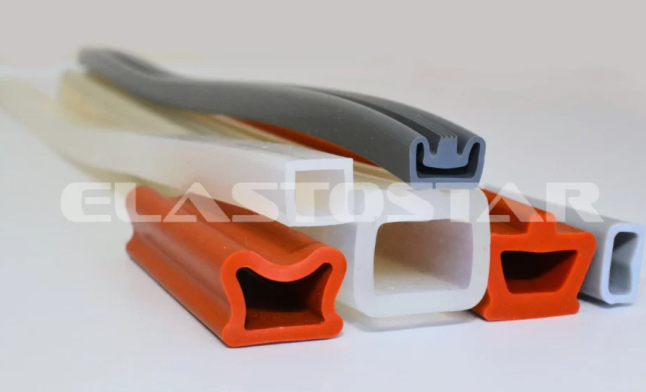
Testing detectable materials under real production conditions is one of the most important steps in reliable rubber fragment detection.
A fragment that is easily identified in one product may behave very differently in another depending on moisture, density, temperature, seasoning, and packaging conditions.
1: Product-Specific Detection Performance
Every food product affects inspection differently. Dense, wet, salty, or highly seasoned products may reduce the sensitivity of food metal detectors compared to dry or lightweight products.
Because of this, processors should test:
- Actual food products.
- Real conveyor speeds.
- Standard detector settings.
- Production packaging conditions.
This provides more accurate contamination detection results than laboratory-only testing.
2: Packaging Material Influence
Packaging materials may also affect inspection visibility during production. Some packaging types can reduce fragment visibility or alter the detector’s response during inspection.
3: Why Real Production Testing Improves Reliability
Testing under actual operating conditions helps processors understand realistic detection capability and contamination risks before full production approval.
Our Quality Control process supports material consistency, inspection reliability, and validation support for detectable rubber applications manufactured by Elastostar Rubber Corporation.
Can Metal Detectors Detect Rubber Inside Packaged Food?
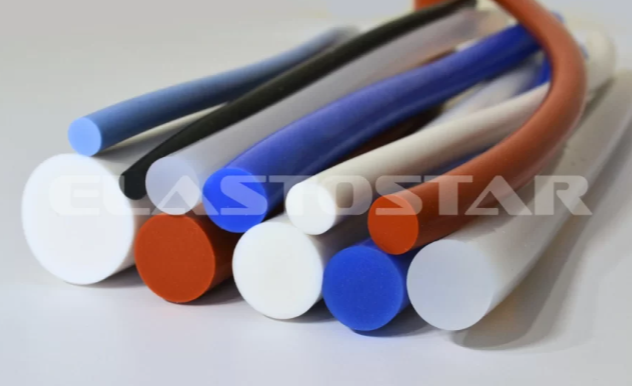
Yes, metal detectors can sometimes detect rubber fragments inside packaged food products, but detection depends on the rubber compound, packaging material, product density, and detector sensitivity.
This is why processors often perform production-specific testing before approving detectable components for packaged food applications.
Packaging Materials Can Affect Detection
Some packaging materials may interfere with inspection performance or reduce fragment visibility during production. Detection reliability can vary depending on:
- Packaging thickness.
- Foil or metallic layers.
- Product density.
- Conveyor speed.
- Detector calibration.
Because of these variables, metal-detectable silicone rubber should always be tested within the actual packaged product whenever possible.
Dense Products Can Make Detection Harder
Packaged products with high moisture, salt, or density content may reduce the sensitivity of food metal detectors during inspection.
Small detectable fragments can become more difficult to identify in products such as dairy items, breweries, processed meats, sauces, or dense packaged foods.
When X-Ray Detection May Be Better
In some packaged food environments, X-ray systems may provide greater visibility into contamination than traditional metal detection systems. This is especially true for dense products or packaging materials that affect detector sensitivity.
Rubber seals & gaskets, detectable tubing systems, and food-contact sealing components are commonly used in contamination-sensitive food-processing applications that require stronger inspection support.
How To Reduce Rubber Contamination Risk
Reducing contamination risk requires more than using detectable materials alone.
Food processors should combine proper material selection, routine inspection, preventive maintenance, and validation testing to improve contamination control across the production line.
1: Use Detectable Components in High-Risk Areas
Components exposed to movement, abrasion, pressure, or repeated cleaning cycles are more likely to wear or release fragments during operation. Using detectable rubber for food processing in these high-risk areas can help improve inspection visibility.
In these environments, materials with strong compression recovery, such as ASTM D1056 silicone sponge, are often used for gaskets and sealing components exposed to repeated service conditions.
Common detectable components include:
- Custom metal detectable gasket systems.
- Detectable fluorosilicone O-rings.
- Food-contact sealing profiles.
- Detectable tubing systems.
- Pump and valve seals.
2: Perform Routine Inspection and Replacement
Worn seals, damaged tubing, or cracked gasket materials should be replaced before fragments enter the production stream.
Routine inspection programs help processors identify wear earlier and reduce contamination risks during operation.
3: Validate Detection Systems Regularly
Production conditions can change over time because of new products, packaging updates, conveyor speed adjustments, or detector recalibration. Regular testing helps maintain more reliable rubber fragment detection performance across the line.
For food-contact applications, processors may require materials manufactured to FDA 21 CFR (177.2600) standards with NSF 51-approved compound options where required.
Read More: Top 6 Reasons To Choose Elastostar FDA Rubber Tubing for Food Grade Applications
When To Use Custom Metal Detectable Rubber Parts
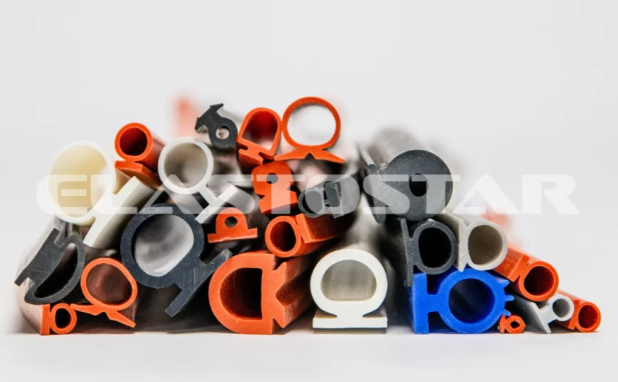
Standard detectable rubber components may not always fit complex food processing systems.
In high-wear, high-temperature, or specialized production environments, processors often require custom-engineered sealing components designed around their equipment and inspection requirements.
1: Custom Equipment and Sealing Requirements
Some production systems use unique flange sizes, sealing geometries, tubing layouts, or equipment configurations that standard gasket components cannot support properly.
In these situations, processors may require:
- Custom metal detectable gasket systems.
- Custom sealing profiles.
- Detectable FDA Complaint tubing assemblies.
- Specialized O-ring designs.
2: High-Wear Food Processing Environments
Equipment exposed to vibration, pressure, movement, and repeated cleaning cycles may wear standard rubber components more quickly.
Custom-engineered detectable materials can help improve durability and contamination control in these demanding applications.
Products commonly used include:
- Detectable sealing profiles.
- Food-contact gasket systems.
- Detectable transfer tubing.
- Custom O-rings for pumps and valves.
For custom detectable sealing support, Contact Us to connect you directly with the Elastostar Rubber Corporation team.
Why Choose Elastostar Rubber Corporation for Detectable Rubber Solutions?

At Elastostar Rubber Corporation, we manufacture engineered, detectable sealing solutions for contamination-sensitive food-processing applications.
As a trusted metal detectable silicone rubber manufacturer in the USA and a food-grade detectable rubber supplier, we support customers with custom detectable components designed for demanding production environments.
What We Support
| Our Capabilities | How They Help Food Processors |
| Custom manufacturing | We manufacture detectable gaskets, O-rings, tubing, and sealing profiles based on application requirements. |
| Large manufacturing facility | Supports prototype testing and larger production runs with consistent quality. |
| Proudly Made in USA | Provides dependable USA-based manufacturing and supply support. |
| Reverse engineering support | Helps recreate existing gasket and sealing components from samples or drawings. |
| Prototype-to-production capability | Supports projects from validation testing through full production manufacturing. |
| Design help and application support | Helps processors select suitable materials and detectable sealing solutions. |
| Shortest lead time delivery | Supports urgent production and replacement requirements. |
We manufacture FDA Metal & X-Ray Detectable Silicone, custom metal-detectable gasket systems, detectable tubing, and engineered sealing components to FDA 21 CFR (177.2600) standards, with NSF 51-approved compound options available where required.
Recommended Reads
- What Is FDA Rubber Hose?
- Top Applications of Silicone Rubber Extrusion
- Why Is FDA Approved Silicone Rubber Chosen for Gaskets and Seals in the Food Processing Industry?

Conclusion
There is no single answer to the question of what size rubber fragments metal detectors can detect, because detection capability depends on the product, detector sensitivity, fragment shape, moisture level, packaging conditions, and production environment.
Small changes in these factors can significantly affect the performance of rubber fragment detection during food-processing inspection.
Using metal-detectable silicone rubber can improve the visibility of contamination compared to standard rubber compounds, but proper testing under real production conditions remains essential.
Product-specific validation, regular inspection, and the correct selection of detectable components all play important roles in reducing contamination risks.
Q1. Can metal detectors detect rubber fragments?
Standard silicone sponge rubber is usually difficult for metal detectors to identify. However, metal-detectable silicone rubber contains engineered detectable additives that improve the visibility of fragments during food-processing inspection.
Q2. What size rubber fragment can a metal detector detect?
There is no universal detectable fragment size. Detection depends on fragment shape, detector sensitivity, food density, moisture content, conveyor speed, and packaging conditions. This is why real production testing is important for reliable rubber fragment detection.
Q3. Why is normal rubber difficult to detect in food processing?
Normal rubber does not usually contain conductive or detectable additives. Because of this, small gasket or seal fragments may pass through inspection systems undetected during production.
Q4. Does rubber fragment shape affect detection?
Yes. Thin, flat, or irregularly shaped fragments may be harder to detect than thicker pieces. Fragment orientation during conveyor movement can also affect inspection visibility.
Q5. Does food moisture affect metal detector sensitivity?
Yes. Wet or high-moisture products may affect food metal detector sensitivity and make small fragments more difficult to identify during inspection.
Q6. Can metal detectors detect rubber inside packaged food?
Yes, but detection capability depends on the packaging material, product density, fragment size, and detector calibration. Some packaged products may require additional validation testing.
Q7. Is metal detectable rubber always detected?
No. Detection performance can vary depending on the inspection setup and operating conditions. Even detectable rubber for food processing should be validated under actual production conditions.
Q8. How can food plants test the minimum detectable fragment size?
Processors usually test different fragment sizes under real production conditions using actual food products, conveyor speeds, packaging materials, and detector settings to understand realistic detection capability.
Q9. What rubber components create fragment risks?
Common high-risk parts include custom metal-detectable gasket systems, silicone rubber O-rings, tubing, pump seals, valve seals, and food-contact sealing profiles that are exposed to wear or repeated cleaning cycles.
Q10. Where can food processors buy custom detectable rubber components?
At Elastostar Rubber Corporation, we manufacture FDA-compliant metal- and X-ray-detectable silicone, detectable tubing systems, custom gaskets, and engineered sealing components for contamination-sensitive food processing applications.