ASTM D2000 Rubber Materials For Custom Seals, Gaskets, And Components
What Is ASTM D2000?
ASTM D2000 is a widely used classification system for rubber materials that helps define elastomer compounds based on physical properties, hardness, heat resistance, fluid resistance, and performance requirements.
Rather than specifying a single material, it provides a standardized framework for describing rubber compound requirements across different industries.
For manufacturers supplying custom rubber and silicone components, ASTM D2000 is commonly referenced for products such as seals, O-rings, extruded profiles, silicone sheeting, and customized gaskets used in automotive, aerospace, industrial, and manufacturing applications.
Many silicone and sponge rubber products can be manufactured to meet application-specific requirements associated with ASTM D2000, including ASTM D1056 soft silicone sponge, and AMS3195 medium silicone sponge.
Our Accreditations
Key Features Of ASTM D2000 Rubber Classification
Standardized Rubber Classification
ASTM D2000 provides a common system for describing rubber materials by type, class, hardness, tensile strength, and performance requirements.
Supports Material Selection
It helps engineers and buyers select rubber compounds based on application needs such as heat resistance, fluid resistance, compression performance, and durability.
Used Across Multiple Industries
ASTM D2000 is commonly referenced in automotive, aerospace, industrial, electrical, and general manufacturing applications.
Suitable For Custom Rubber Products
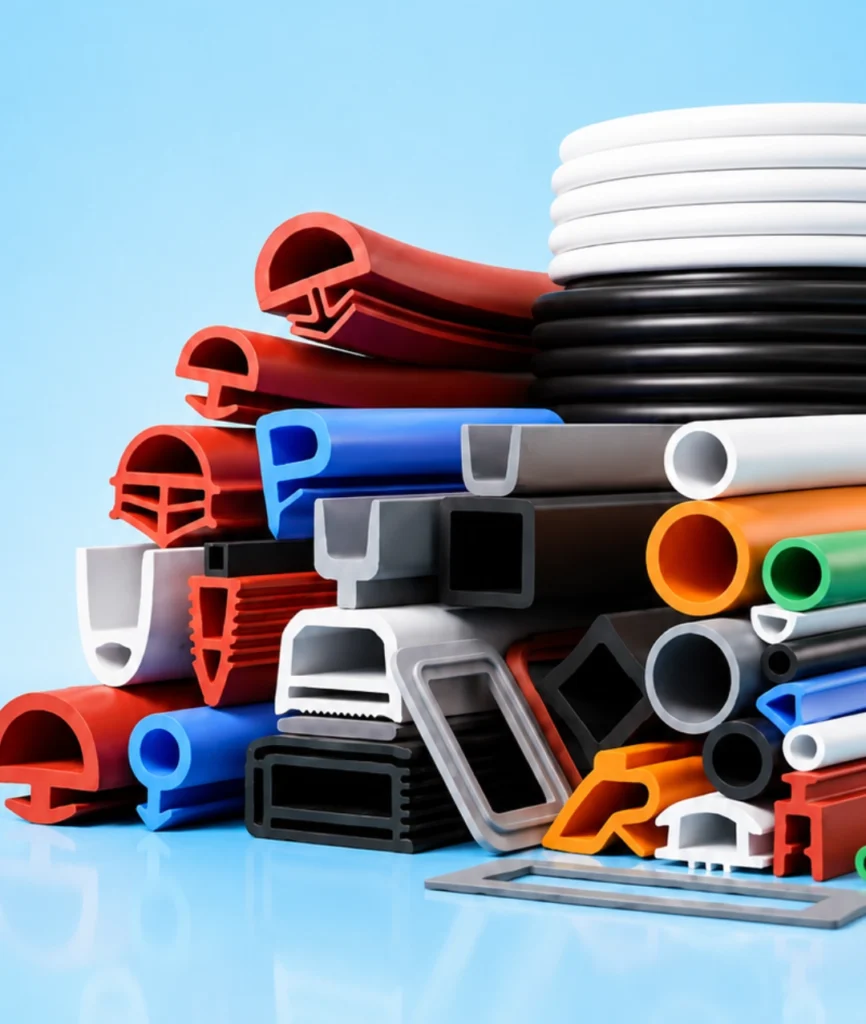
The classification can support material selection for seals, vulcanized O-rings, extruded profiles, sheets, strips, and customized gaskets.
Helpful For Reverse Engineering
When an old part, sample, or drawing includes ASTM D2000 call outs, Elastostar Rubber Corporation can help review the requirement and reverse engineer a suitable rubber or silicone component.
Product Applications For ASTM D2000 Rubber Materials
ASTM D2000 classifications are commonly referenced for a wide range of custom rubber and silicone products used across industrial applications.
Customized gaskets.
O-rings.
Extruded profiles.
Molded rubber parts.
Silicone sheeting.
Sponge rubber components.
These products may be used in automotive, aerospace, industrial, electrical, and manufacturing environments where material properties and performance requirements must be clearly defined.
We can manufacture custom components and reverse engineer existing rubber and silicone parts based on drawings, samples, or application requirements.
How ASTM D2000 Supports Rubber Material Selection
ASTM D2000 helps engineers, designers, and buyers communicate material requirements using a standardized classification system.
Rather than specifying a single rubber compound, it provides a framework for identifying the performance characteristics needed for a particular application.
The standard can include requirements related to hardness, tensile strength, heat resistance, fluid resistance, compression performance, and environmental exposure. This helps simplify material selection for components used in demanding operating conditions.
ASTM D2000 Classification Overview
| Category : | Details: |
| Standard | ASTM D2000 |
| Type | Rubber Material Classification System |
| Industry Focus | Automotive, Aerospace, Industrial, Electrical, And Manufacturing |
| Main Purpose | Standardized Classification Of Elastomer Materials |
| Classification Factors | Hardness, Tensile Strength, Heat Resistance, Fluid Resistance, And Performance Requirements |
| Common Products | Seals, O-Rings, Gaskets, Extrusions, Molded Parts, And Sheeting |
| Applies To | Rubber And Elastomer Compounds |
| Not A | Single Material Grade Or Compound Specification |
Performance Characteristics Of ASTM D2000 Rubber Materials
Depending on the material classification and application requirements, ASTM D2000 rubber compounds may be selected for characteristics such as:
Heat resistance.
Fluid resistance.
Ozone resistance.
Weather resistance.
Compression set performance.
Tensile strength.
Flexibility across operating conditions.
Long-term durability.
Common Industry Applications Of ASTM D2000
ASTM D2000 classifications are used across a wide range of industries where rubber and elastomer materials must meet defined performance requirements.
Automotive: Seals, gaskets, weatherstripping, vibration control components, and under-hood rubber parts.
Aerospace: Silicone seals, customized gaskets, extruded profiles, and specialty rubber components used in demanding environments.
Industrial Equipment: Rubber components used in machinery, processing equipment, enclosures, and fluid handling systems.
Electrical And Electronics: Insulation materials, protective seals, grommets, and environmental sealing components.
General Manufacturing: O-rings, sheeting, strips, and fabricated components produced to specific material requirements.
Many of these applications may also utilize materials such as AMS3195 medium silicone sponge, AMS3196 firm density silicone sponge, and other specialty silicone compounds depending on the operating environment and performance requirements.
Related Industry Standards And Grade Options
Different industries and applications may require additional material specifications, quality standards, or compliance requirements alongside ASTM D2000.
- Aerospace: AS9100D, ZZ-R-765, and A-A-59588 for aerospace, military, and defense rubber and silicone applications.
- Food: FDA 21 CFR 177.2600, food grade silicone compounds, and specialized materials such as metal and X-ray detectable silicone.
- Pharma And Medical: USP Class VI Section 87 And 88 materials for medical and pharmaceutical applications.
- Automotive: IATF quality management requirements for automotive rubber components and sealing systems.
- General Industrial: ISO 9000 quality management practices for industrial rubber manufacturing and documentation.
Why ASTM D2000 Matters For Rubber Material Selection
For buyers, ASTM D2000 provides a consistent method for specifying rubber material requirements without relying on proprietary compound descriptions. It helps improve communication between engineers, manufacturers, and procurement teams when selecting materials for specific operating environments.
This is especially important for applications where factors such as heat resistance, fluid resistance, hardness, durability, and environmental performance can influence the success of the finished component.
By using a recognized classification system, buyers can more easily compare materials and define performance expectations for seals, O-rings, customized gaskets, extruded profiles, and other rubber products.
How ASTM D2000 Supports Material Selection For Custom Rubber And Silicone Products
ASTM D2000 helps engineers, designers, and buyers communicate material requirements using a standardized classification system. Rather than specifying a single rubber compound, it provides a framework for identifying the performance characteristics needed for a particular application.
The standard can include requirements related to hardness, tensile strength, heat resistance, fluid resistance, compression performance, and environmental exposure. This helps simplify material selection for components used in demanding operating conditions.
For custom rubber and silicone products, ASTM D2000 can support the development of seals, O-rings, custom die cut gaskets, and sponge components where specific performance requirements must be defined before production.
Why Choose Elastostar Rubber Corporation For ASTM D2000 Rubber Material Requirements?
Elastostar Rubber Corporation is a custom manufacturer of silicone and rubber products for industries where material performance, consistency, and manufacturing quality are important. With extensive custom manufacturing capabilities and Made in USA production, we support projects ranging from prototype-to-production across a wide range of industries.
We manufacture customized gaskets, seals, O-rings, extruded profiles, molded components, and square sponge rubber products based on customer specifications and application requirements.
Our team can also reverse engineer existing rubber and silicone components from samples, drawings, or performance requirements to support replacement parts and custom product development.
From industrial sealing applications to aerospace, food processing, pharmaceuticals, automotive, and specialty projects, Elastostar Rubber Corporation helps convert ASTM D2000 material requirements into dependable finished rubber and silicone components.