Every industry relies on materials that can perform reliably under pressure, and silicone excels because it can be engineered in many forms, densities, and performance levels. These extruded silicone rubber grades are designed to solve different challenges, from heat resistance and cushioning to purity, conductivity, and fire safety.
As products become more advanced and regulations get stricter, choosing the right silicone grade has become essential for engineers, designers, and manufacturers.
In this guide, we break down the major grades, their characteristics, and how to select the best fit for your application.
Key Takeaways
- Silicone comes in many grades, each made for different needs like heat resistance, cushioning, purity, or fire safety.
- The right grade depends on temperature, chemical exposure, pressure, and industry compliance.
- Sponge grades offer soft to firm sealing and insulation, while solid grades provide durability, purity, and electrical benefits.
- Flame-retardant silicone is used where fire safety is required, especially in electronics, EVs, and aerospace.
- Each industry uses specific silicone grades to meet performance and safety standards.
- Elastostar offers certified, high-quality silicone materials with custom options and fast delivery.
Table of Contents
Understanding Silicone Rubber Grades
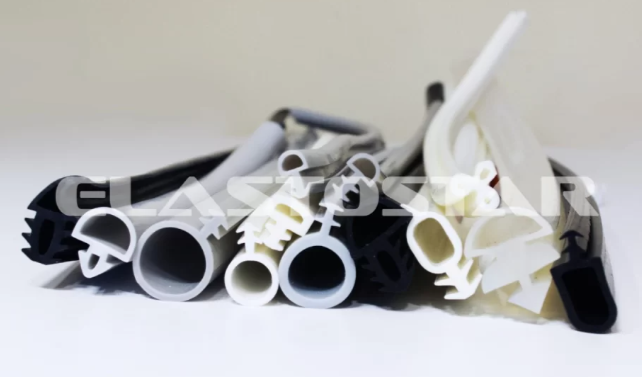
Custom Silicone isn’t a single material; it exists in multiple formulations, densities, and performance levels, which engineers refer to as silicone rubber grades. Each grade is created to solve a specific functional need, such as cushioning, heat resistance, chemical stability, conductivity, or food and medical compliance.
These different silicone grades range from soft sponge materials to firm solid compounds, as well as highly specialized variants such as flame-retardant, FDA-compliant, electrically conductive, or aerospace certified grades.
Standards such as AMS, ASTM D1056, AA-59588, UL94, and RMA tolerance classifications help engineers identify the exact material properties required for each application.
Choosing the Right Silicone Rubber Grade for Your Application
Selecting the right material starts with choosing a silicone rubber grade that matches your operating conditions. Each application requires a specific performance profile, temperature, movement, chemical requirements, or regulatory requirements.
Key Things to Consider
- Temperature limits — high heat, freezing, or cycling.
- Mechanical needs — soft, medium, or firm density.
- Chemical contact — oils, fuels, solvents.
- Compliance — silicone for medical use, pharma purity.
- Hygiene — FDA-approved food-grade silicone.
- Industry environment — vibration or heat for automotive silicone.
- Electrical behavior — insulating or conductive.
- Fire rating — UL94 requirements.
Quick Industry Match
- Medical: platinum-cured, biocompatible grades.
- Food & beverage: FDA white food-grade silicone.
- Automotive: durable, heat-resistant automotive silicone.
- Electronics: conductive or flame-retardant grades.
- Aerospace: certified high-performance materials.
Also Read – Silicone Rubber: What Grades Are Available?
Key Characteristics of Different Silicone Grades
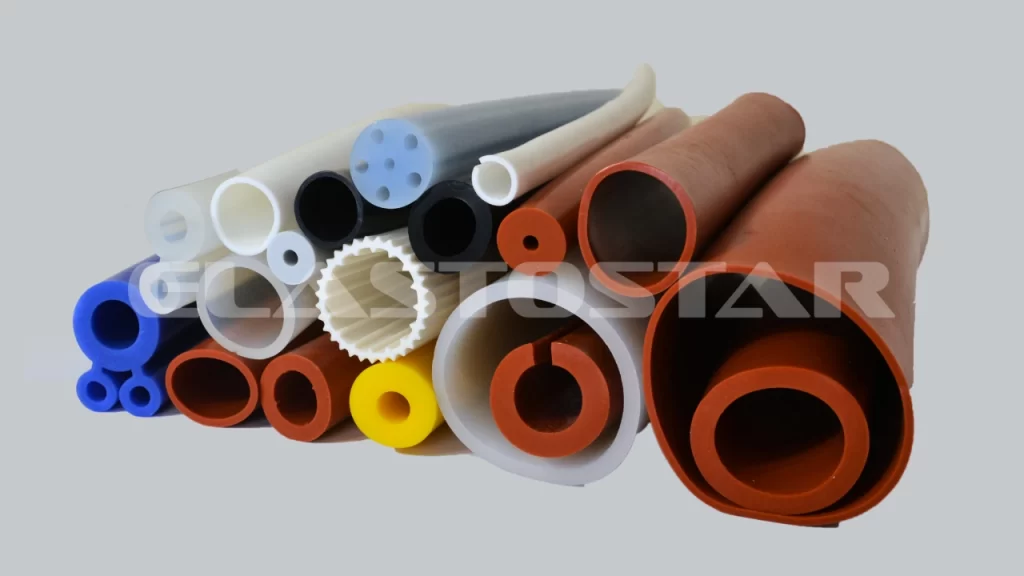
Each silicone type performs differently based on density, purity, reinforcement, or certification.
Below is a clear breakdown of the characteristics of silicone grades offered by Elastostar.
A. Silicone Sponge Grades
- AMS 3195 Medium Silicone Sponge
Medium-density, reliable cushioning; closed-cell structure for controlled compression. - AMS 3196 Firm Density Closed-Cell Silicone Sponge
Firm, strong sealing pressure, ideal for demanding industrial environments. - ASTM D1056 Soft Silicone Sponge
Soft density for gentle sealing, vibration damping, and lightweight insulation. - Commercial Grade Silicone Sponge Rubber
Cost-effective, versatile option for general sealing and gasketing needs.
B. Solid Silicone Grades
- Solid FDA Grade White
Safe for direct food contact; maintains purity and stability in processing environments.
(Perfect where durable silicone + hygiene is required.) - Solid Silicone Electrically Conductive Grade
EMI/RFI shielding, anti-static components, and electronic protection. - Solid Silicone Fibreglass Reinforced Grade
Added strength and tear resistance for high-stress applications. - Solid Silicone ZZ-R-765 / AA-59588 Grade
Military/aerospace certified material with strict tolerance and performance requirements.
(A true high-performance silicone grade.)
C. Flame-Retardant Sponge Grades
- UL 94 HB Silicone Sponge
Basic flame resistance for lower-risk applications. - UL 94 V-0 Silicone Sponge
Self-extinguishing, superior fire protection for electronics, EV, aviation, and public-safety systems.
D. Tolerance & Material Reference
- RMA Precision Tolerance Grades
Defines exact dimensional accuracy for extruded and molded silicone parts. - Silicone Material Overview
General performance insight across all densities, hardness levels, and temperature ranges.
(Shows where heat-resistant silicone or specialty formulations fit.)
Also Read– High-Temperature Rubber Grades: Properties & Testing
Silicone Rubber Grades
| Grade Name | Type | Key Characteristics | Best Applications |
| AMS 3195 Medium Silicone Sponge | Sponge | Medium density, controlled compression, weather-stable | Industrial sealing, outdoor gaskets |
| AMS 3196 Firm Closed-Cell Silicone Sponge | Sponge | Firm density, strong sealing pressure, durable | Machinery, HVAC, automotive enclosures |
| ASTM D1056 Soft Silicone Sponge | Sponge | Soft, flexible, excellent cushioning | Medical devices, electronics padding |
| Commercial Grade Silicone Sponge | Sponge | Cost-effective, versatile sealing | Doors, panels, enclosures |
| Solid FDA Grade White | Solid | Food-safe, hygienic, heat-stable | Food processing, beverage systems |
| Electrically Conductive Silicone | Solid | EMI/RFI shielding, static control | Electronics, sensors, communication devices |
| Fibreglass Reinforced Silicone | Solid | High tear strength, dimensional stability | Industrial systems, high-stress components |
| AA-59588 / ZZ-R-765 Grade | Solid | Aerospace/military certified performance | Defense, aerospace, mission-critical systems |
| UL 94 HB Flame-Retardant Sponge | Sponge | Basic flame resistance | Electronics, appliances |
| UL 94 V-0 Flame-Retardant Sponge | Sponge | Self-extinguishing, low smoke, highest fire safety | EVs, aviation, public safety, electronics |
| RMA Precision Tolerance Grades | Standard | Accurate dimensions, high repeatability | Precision extrusions & molded parts |
| Silicone Overview Material | Reference | General performance behavior across grades | Material selection guidance |
What are the Applications of Various Silicone Rubber Grades?
Different silicone grades are selected based on the performance demands of each industry.
Here are the most common applications of silicone grades across key sectors.
1. Medical & Pharmaceutical
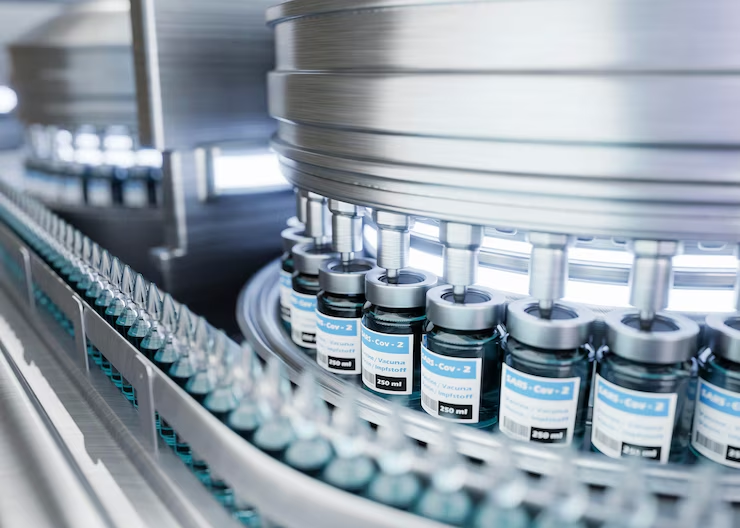
Best grades:
- Solid FDA Grade White.
- ASTM D1056 Soft Silicone Sponge.
- AA-59588 / ZZ-R-765 Grade.
Used for:
- Seals and gaskets in sterile equipment.
- Silicone for medical devices.
- Fluid control systems.
- Lab instruments.
These grades offer purity, biocompatibility, and stability during sterilization.
2. Food & Beverage Processing
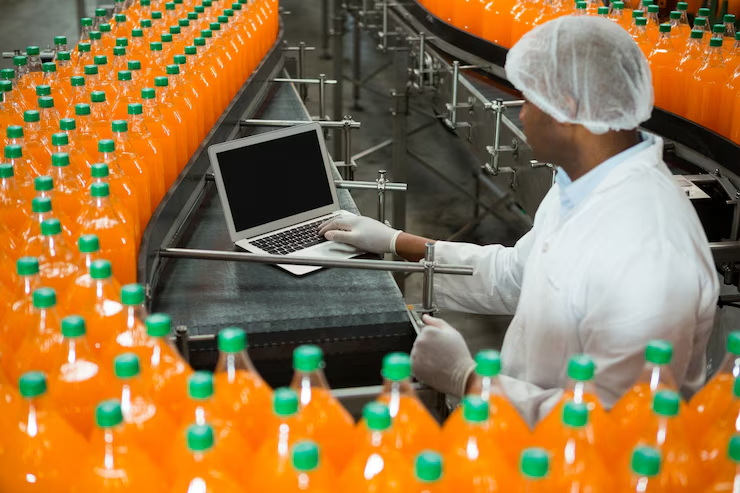
Best grades:
- Solid FDA Grade White.
- Closed-cell sponge grades (AMS 3195 / AMS 3196).
Used for:
- Food-safe gaskets.
- Processing equipment seals.
- High-temperature oven and conveyor components.
Perfect where hygiene and heat resistance are essential.
3. Automotive & EV Systems

Best grades:
- AMS 3195 / AMS 3196.
- Fibreglass Reinforced Silicone.
- AA-59588 / ZZ-R-765 Grade.
Used for:
- High-heat engine sealing.
- EV battery insulation.
- Vibration damping.
- Hose and gasket components.
These provide silicone for automotive environments where durability and heat stability matter.
4. Aerospace & Defense

Best grades:
- UL94 V-0 Flame-Retardant Sponge.
- AA-59588 / ZZ-R-765 Grade.
- Fibreglass Reinforced Silicone.
Used for:
- Fire-safe cabin seals.
- High-altitude gaskets.
- Thermal insulation.
- Vibration control.
Aerospace depends on certified high-performance silicone.
5. Electronics, Sensors & Electrical Equipment
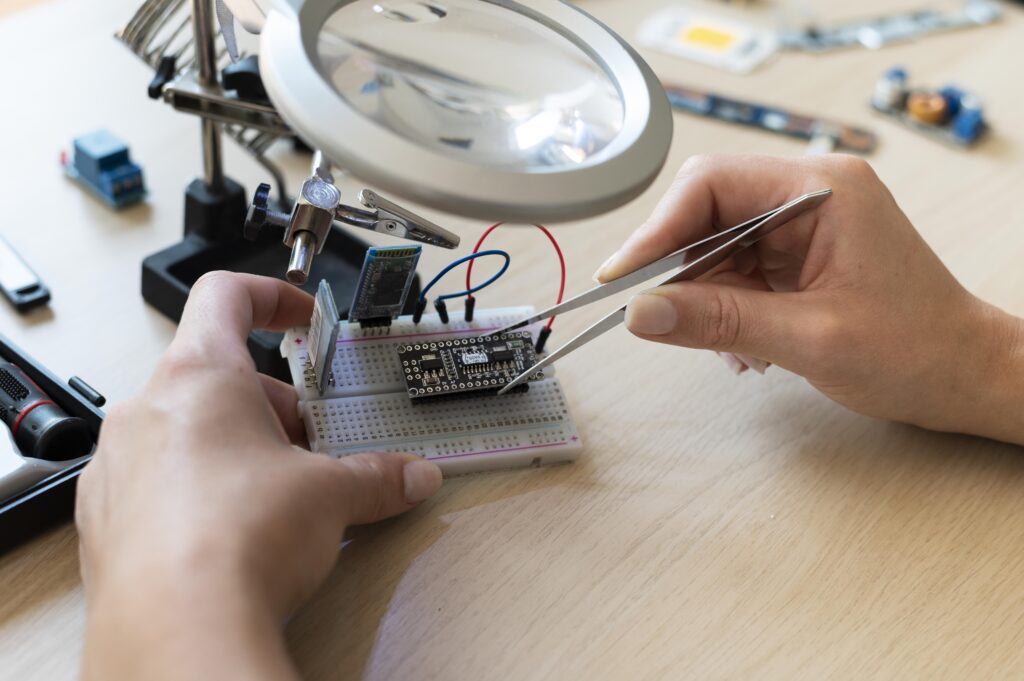
Best grades:
- Electrically Conductive Silicone.
- UL94 HB / UL94 V-0 Grades.
Used for:
- EMI/RFI shielding.
- ESD protection.
- Sensor housings.
- Electronic enclosure gaskets.
These grades support electrical safety and flame resistance.
6. Industrial Machinery & High-Temperature Equipment

Best grades:
- AMS 3196 Firm Sponge.
- Commercial Sponge Grade.
- High-strength reinforced solid silicone.
Used for:
- Oven sealing.
- Furnace systems.
- Heat tunnels.
- Mechanical insulation.
Perfect for applications exposed to continuous heat, pressure, or movement.
7. Construction & Architectural Sealing
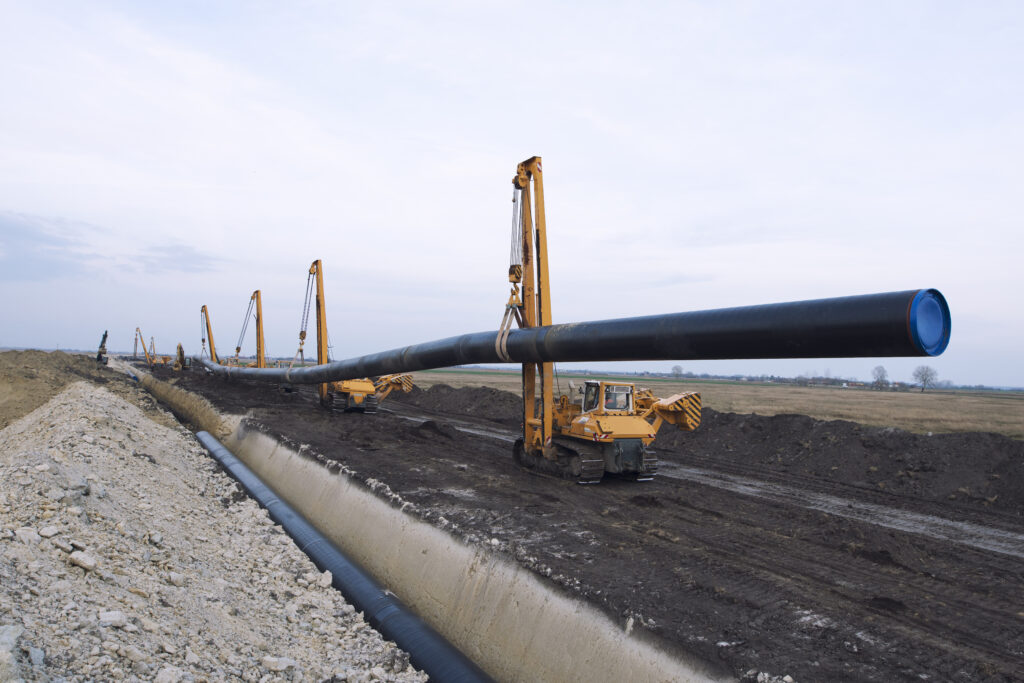
Best grades:
- Soft to medium sponge grades.
- Commercial sponge silicone.
Used for:
- Weather seals.
- Window glazing gaskets.
- Expansion joint filling.
- Outdoor gasketing.
Weather-stable materials ensure long service life in building applications.
Why Choose Elastostar Rubber Corporation for Silicone Rubber Grades?

As a leading silicone rubber manufacturer, we produce high-precision materials that meet AMS, ASTM D1056, AA-59588, UL94, FDA, and USP Class VI (Sections 87 & 88) standards. Our team supports engineers with reliable materials and fast turnaround.
What You Can Expect?
- Custom extruded profiles, O-rings, gaskets & sheet materials.
- Reverse engineering, prototyping & production support.
- Shortest lead times from our large U.S. facility.
- Tailored hardness, density, color & reinforcement options.
- Guidance for heat, chemical, movement & compliance needs.
Proudly Made in the USA, we deliver silicone grades built for durability, stability, and long service life.
Recommended Reads
- Silicone Rubber Compounds: Meaning, Properties & Applications
- What Is the Importance of UL Rating for Silicone Rubber?
- FDA Silicone Meaning: Properties & Considerations
Conclusion
Selecting the right silicone rubber grade is essential for achieving reliable sealing, durability, and long-term performance in demanding applications. With options ranging from sponge and solid grades to FDA-approved, conductive, flame-retardant, and aerospace-certified materials, silicone can be precisely matched to temperature, chemical, and regulatory requirements across industries.
Understanding these differences helps engineers choose materials that perform consistently and meet safety standards. For guidance on selecting the best grade for your project, contact Elastostar Rubber Corporation. Our team can help you identify the ideal material for your design and application needs.
FAQs
Q1. What are the different grades of silicone rubber?
Silicone rubber comes in many grades, including soft, medium, and firm sponge silicone; solid silicone; FDA-approved silicone; electrically conductive silicone; fiberglass-reinforced silicone; UL94 flame-retardant grades; and aerospace-certified AA-59588/ZZ-R-765 materials. Each grade is designed for specific performance needs.
Q2. How do I choose the right silicone rubber grade for my needs?
Choose your grade based on temperature exposure, chemical contact, compression level, regulatory requirements, and the environment your part will operate in. Medical, food, automotive, aerospace, and electronic systems all require different certified silicone materials.
Q3. What makes different silicone grades suitable for specific uses?
Each grade is engineered with unique properties such as density, purity, reinforcement, conductivity, or flame resistance that match the demands of particular applications. These variations help ensure proper sealing, durability, heat stability, or safety for the intended use.
Q4. What are the common applications of different silicone rubber grades?
Silicone grades are used in medical devices, food-processing equipment, automotive seals, EV battery systems, aerospace gaskets, electronic enclosures, industrial ovens, HVAC systems, and building seals. Each industry selects the grade that meets its performance and compliance needs.