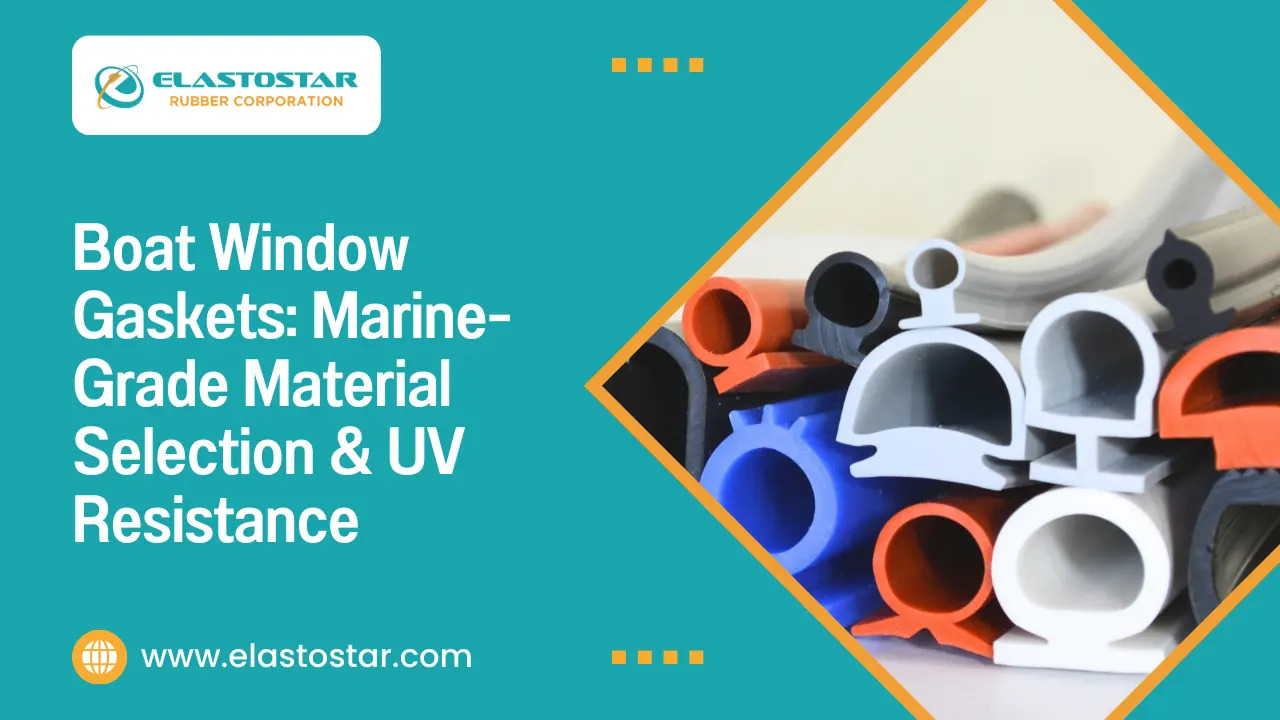
Boat windows are exposed to some of the harshest operating conditions found in any industry. Constant UV radiation, saltwater spray, temperature cycling, and hull movement place significant stress on sealing materials.
Selecting the right boat window gasket is critical to preventing leaks, maintaining structural integrity, and extending service life in marine environments.
This guide examines how marine conditions impact window seals, compares suitable rubber materials, and explains UV stabilization, profile options, installation methods, and maintenance practices.
The goal is to help boat manufacturers and repair professionals choose marine-grade gasket solutions that deliver reliable sealing performance over long-term outdoor exposure.
Key Takeaways
- Boat window gaskets operate in harsh marine conditions, where UV exposure, saltwater, and constant movement gradually reduce sealing performance.
- Choosing the right material is essential: silicone offers better durability in tough environments, while EPDM is suited for standard use.
- UV resistance plays a key role in preventing cracking, hardening, and early gasket failure over time.
- Proper profile selection and secure installation help maintain consistent sealing, especially in areas exposed to vibration or hull movement.
- Regular inspection and timely replacement prevent leaks, corrosion, and costly damage to the boat structure.
- Custom gaskets and correct selection improve sealing life and reduce long-term maintenance issues.
Table of Contents
What Environmental Challenges Affect Boat Window Gaskets in Marine Use?
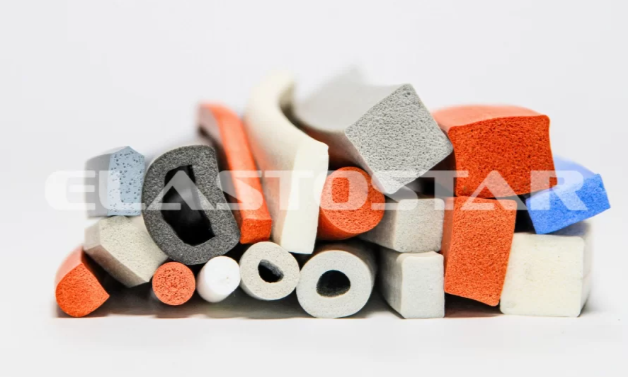
Boat window gaskets operate in one of the most aggressive outdoor environments.
Unlike automotive or architectural seals, marine applications simultaneously expose materials to constant UV radiation, saltwater, and structural movement.
1. UV Exposure and Solar Degradation
Continuous exposure to sunlight causes rubber compounds to harden, crack, and lose elasticity over time. UV damage often starts at the surface and gradually reduces sealing force, leading to leaks around window frames.
Materials used in profiles, such as Extruded Rubber Bulb Seal, must remain flexible during prolonged UV exposure to maintain contact pressure as the vessel ages.
2. Saltwater and Chemical Attack
Saltwater accelerates material degradation by attacking fillers and additives within rubber compounds.
- Salt crystals promote surface cracking.
- Marine cleaning agents can strip protective additives.
- Moisture intrusion increases long-term material fatigue.
Without proper selection of marine-grade materials, gaskets can fail well before their expected service life.
3. Temperature Cycling and Hull Movement
Boat windows experience constant expansion and contraction due to temperature changes and hull flexing.
- Day–night temperature swings stress the seal interface.
- Hull vibration and wave impact cause micro-movement.
- Rigid materials lose contact under dynamic loads.
Gaskets must compress and recover repeatedly without permanent deformation to remain watertight.
4. Combined Environmental Stress
The real challenge is not one factor, but all of them acting together.
UV exposure stiffens materials.
Saltwater accelerates aging.
Movement increases fatigue at the seal interface.
Marine window gaskets must be engineered to withstand all three simultaneously.
Read More: Marine Grade Silicone Rubber for Ocean Pollution
Which Materials Perform Best for Marine Window Seals?
Choosing the right material is critical for long-term performance in marine environments.
Marine window seals must resist UV exposure, saltwater attack, and repeated compression without hardening or losing elasticity.
1. EPDM for Cost-Effective Weather Resistance
EPDM is widely used in marine applications due to its resistance to UV, ozone, and moisture.
- Performs well in outdoor exposure.
- Maintains flexibility in moderate temperature ranges.
- Suitable for standard window and hatch sealing.
However, EPDM can lose compression recovery faster than silicone in high-movement areas.
2. Silicone for UV Stability and Long Service Life
Silicone Rubber is often preferred in demanding marine environments due to its exceptional UV resistance and long-term elasticity.
Around boat windows and hatches that experience movement, materials like Closed Cell Silicone Sponge Rubber help maintain a consistent sealing force while absorbing vibration and hull flex.
Silicone gasket compounds remain flexible even after prolonged sun exposure, for premium or long-life marine installations.
3. Neoprene for Oil and Fuel Resistance
Neoprene is selected where exposure to oils or fuels is a concern.
- Good resistance to petroleum-based fluids.
- Moderate UV and weather resistance.
- Common in engine-adjacent marine areas.
It may require more frequent inspection in high-UV locations.
4. Material Selection Insight
No single material is best for all marine window applications. The correct choice depends on UV exposure level, window frame movement, and expected service life. Selecting materials based on real marine conditions significantly reduces premature gasket failure.
Read More: Neoprene Gasket Material A Complete Guide
What UV Stabilization Requirements Apply to Marine-Grade Rubber?
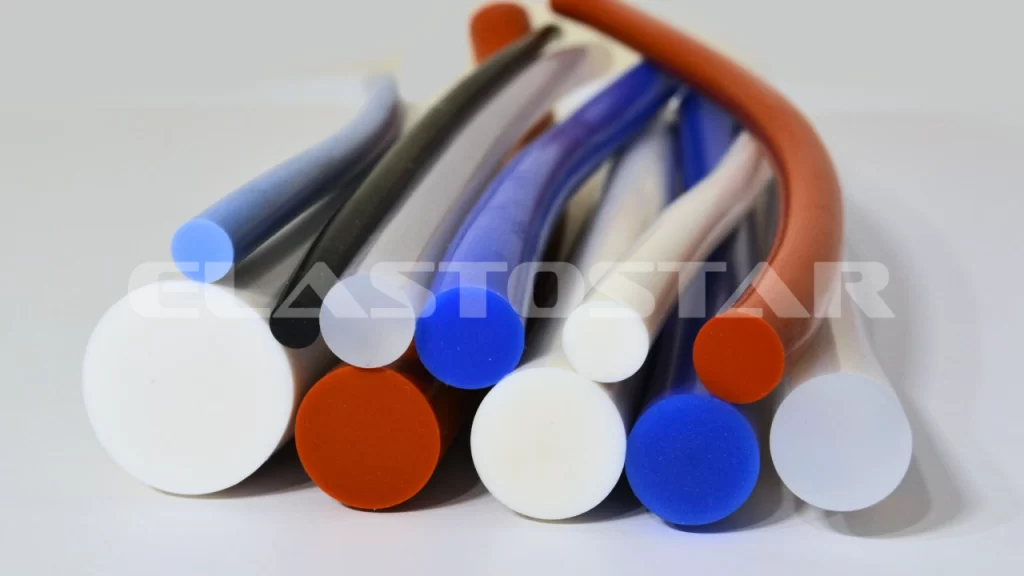
In marine environments, UV exposure is a primary cause of premature seal failure. Marine-grade rubber used in boat window gaskets must be specifically formulated to resist sunlight-induced hardening, surface cracking, and loss of elasticity.
1. Why UV Resistance Matters on Boats?
Boat windows are continuously exposed to direct sunlight, reflected glare from water, and elevated surface temperatures.
Over time, UV radiation breaks down polymer chains in rubber materials, causing:
- Surface chalking and discoloration.
- Reduced flexibility and compression recovery.
- Micro-cracks that allow water intrusion.
Without proper UV stabilization, even well-installed gaskets can fail unexpectedly.
2. How UV Stabilization Is Achieved in Rubber Compounds?
UV resistance is built into rubber materials through stabilizers and inhibitors added during compounding.
- UV absorbers reduce radiation penetration.
- Antioxidants slow material aging.
- Proper compound selection prevents rapid surface degradation.
Flat exposed components, such as Silicone Sheets, demonstrate how well-stabilized silicone materials can retain flexibility and surface integrity even after long-term outdoor exposure.
3. Silicone vs Conventional Rubbers Under UV Exposure
Not all rubbers respond the same way to UV radiation.
Silicone seals naturally resist UV breakdown far better than many conventional elastomers.
This is why silicone-based window gaskets often maintain their sealing performance for years longer in direct sunlight than non-stabilized materials do.
4. Visual Indicators of UV Degradation
Early detection helps prevent leaks and damage.
Common warning signs include:
- Fading or chalky surfaces.
- Stiff or brittle gasket edges.
- Loss of rebound when compressed.
Once these symptoms appear, sealing effectiveness is already compromised.
Read More: How Temperature Affects Silicone Rubber Performance
Which Gasket Profile Options Are Used for Boat Windows and Hatches?
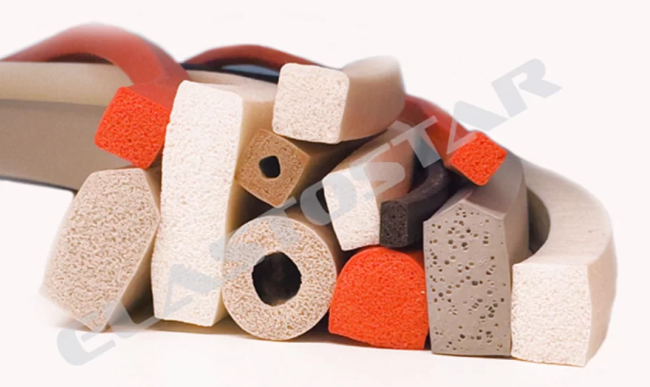
Selecting the right gasket profile is just as important as choosing the material. Boat window seals must match the window frame design, installation method, and movement expected during operation.
1. Rectangular Channel Profiles for Fixed Windows
Rectangular channel gaskets are commonly used for fixed or framed boat windows.
These profiles sit snugly between the glass and frame, providing uniform compression along the perimeter. In aluminum or fiberglass frames, profiles such as Rubber U-Channel help protect edges while maintaining a watertight seal, especially where window movement is minimal.
2. Locking Gaskets for Secure Glass Retention
Locking gaskets are used when the window glass must be mechanically secured within the frame.
A separate locking strip expands the gasket after installation, increasing contact pressure against both the glass and the frame. This profile style is widely used on larger marine windows where structural stability and long-term sealing are critical.
3. Bulb Seals for Vibration and Hull Movement
Bulb-style gaskets are designed to absorb movement and vibration.
The hollow bulb compresses under load and rebounds as the hull flexes, maintaining contact even when gaps change.
4. Choosing the Right Profile for the Application
Profile selection should be based on how the window behaves in service.
- Fixed windows benefit from uniform compression profiles.
- Opening windows requires flexible profiles that accommodate movement.
- Areas subject to vibration perform better with bulb-style designs.
Matching the profile geometry to real-world movement conditions significantly improves sealing reliability.
Read More: Rubber Extrusion Profiles U Channel D Profile P Profile
How Are Boat Window Gaskets Installed in Marine Applications?
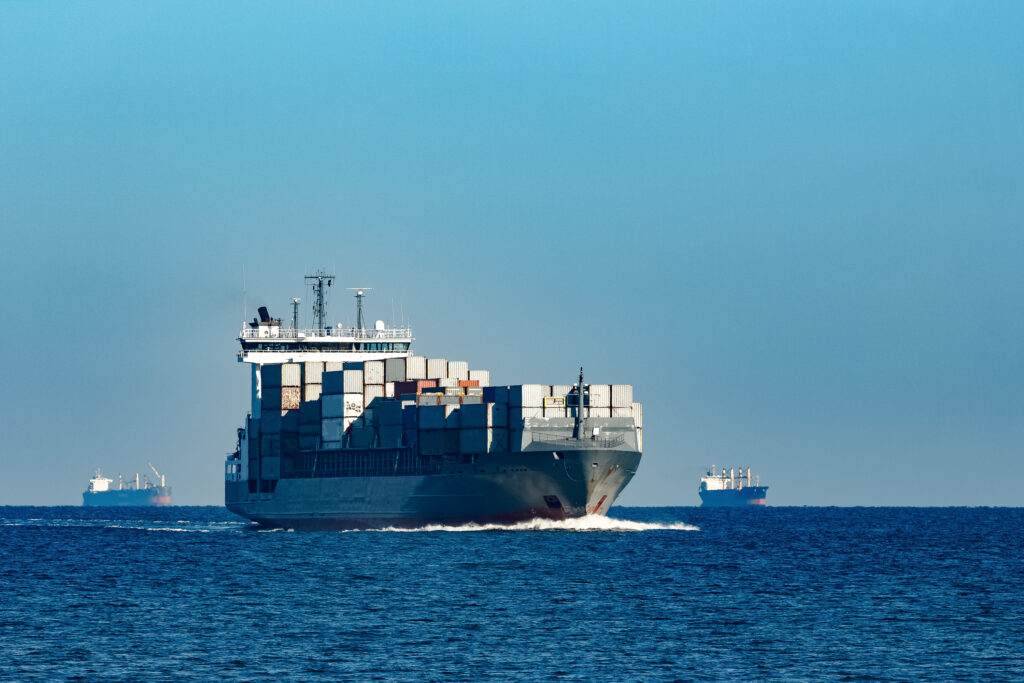
Correct installation is critical for long-term sealing performance in marine environments.
Even high-quality boat window seal materials can fail if installation does not account for movement, water exposure, and surface conditions.
1. Adhesive-Backed Installation for Retrofit and Light Loads
Adhesive-backed gaskets are commonly used in retrofit situations or on smaller boat windows.
These gaskets simplify installation by holding the seal in place during fitting. However, adhesive performance can degrade over time when exposed to saltwater and heat.
In such cases, round fillers like Silicone Rubber Cord are often used to supplement sealing pressure inside channels or grooves, improving water resistance without relying entirely on adhesive strength.
2 . Mechanical Retention for Long-Term Durability
Mechanical fastening methods provide the most reliable installation for marine window gaskets.
Gaskets are retained using channels, locking strips, or compression frames that physically hold the seal in place.
This approach prevents gasket migration and maintains compression even as the hull flexes. Mechanically retained profiles are preferred for large windows, opening hatches, and high-vibration areas.
3 . Surface Preparation Before Installation
Proper surface preparation improves gasket performance regardless of installation method.
Frames should be clean, dry, and free from oils or marine residues before installing the gasket. Poor surface preparation can cause uneven compression and localized leaks, especially around corners and joints.
Installation Insight
Marine gasket installation should prioritize mechanical retention whenever possible.
Adhesive-backed solutions may be convenient, but mechanically secured gaskets offer superior longevity and sealing reliability in demanding marine conditions.
When Should Marine Window Seals Be Maintained or Replaced?
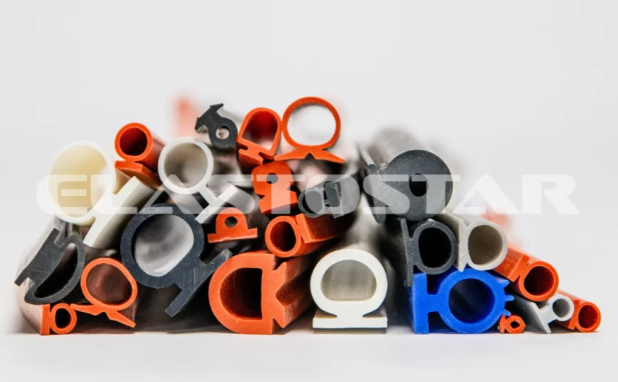
Regular inspection is essential to prevent leaks and interior damage on boats. A worn or aging boat hatch gasket can fail gradually, often without obvious signs until water intrusion begins.
1. Routine Inspection Intervals
Marine window gaskets should be inspected at least once per season and after extended sun exposure or heavy use.
Pay close attention to:
- Window corners and joints.
- Areas exposed to direct sunlight.
- Sections near opening hatches and fasteners.
Early inspection helps catch material degradation before sealing performance is lost.
2. Visual Indicators of Seal Degradation
Certain warning signs indicate it is time for replacement.
- Surface cracking or chalking from UV exposure.
- Flattened profiles that no longer rebound after compression.
- Hardening or brittleness at the gasket edges.
In many cases, gaskets made from compressible materials, Sponge Rubber Seals, show reduced recovery as aging begins, signaling a loss of effective sealing force.
3. Functional Signs of Gasket Failure
Not all failures are visible.
- Water seepage after rain or washing.
- Whistling or air leaks while underway.
- Increased condensation around window frames.
These symptoms often indicate that the gasket can no longer maintain consistent contact pressure.
4. Replacement Timing Considerations
Marine gaskets should be replaced proactively rather than reactively.
Replacing seals at the first signs of degradation helps:
- Prevent structural water damage.
- Avoid interior mold or corrosion.
- Maintain window and hatch integrity.
Delaying replacement often leads to more costly repairs.
Read More: Why Long-Term Sealing Performance Matters More Than Initial Specs
How Does Custom Extrusion Support Boat Manufacturers?
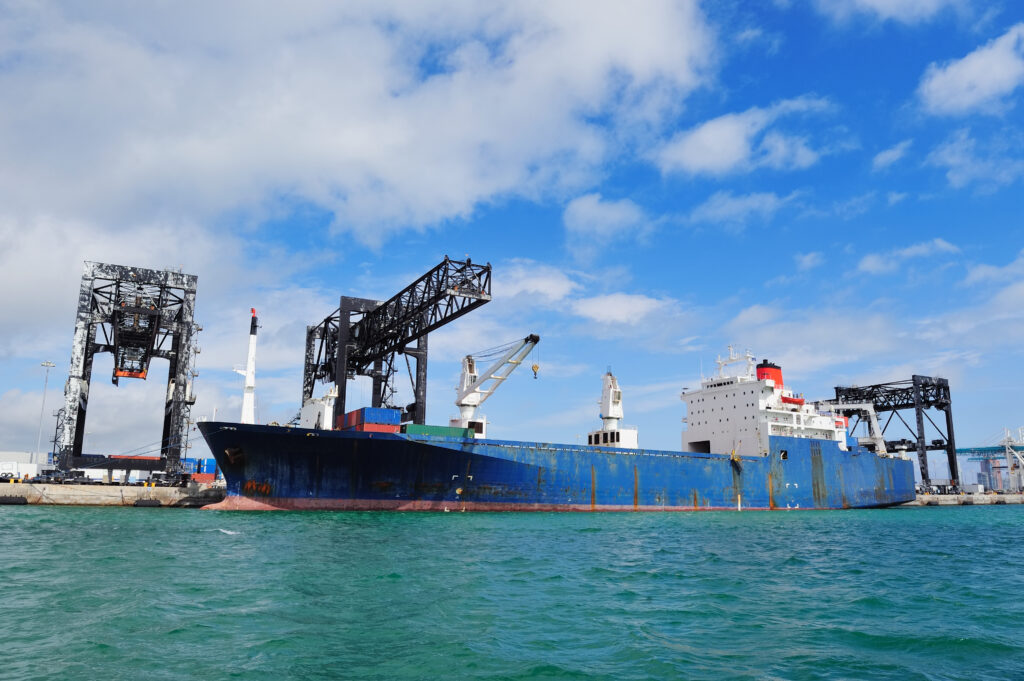
Boat manufacturers often face unique window geometries, frame tolerances, and exposure conditions that standard gasket profiles cannot accommodate. Custom extrusion allows marine OEMs to specify UV-resistant gaskets engineered for their window and hatch designs, rather than adapting off-the-shelf seals.
Custom profiles can be designed to match hull curvature, frame depth, and glass thickness, ensuring uniform compression around the entire window perimeter. This reduces localized stress points that commonly lead to leaks in marine applications.
Material selection during extrusion also plays a critical role. Using Silicone Extrusions enables manufacturers to achieve consistent UV resistance, long-term elasticity, and dimensional stability in profiles exposed to direct sunlight and saltwater. Compound selection, wall thickness, and profile geometry can all be adjusted to balance sealing force with ease of installation.
For production programs, custom extrusion supports repeatability and scalability. Once a profile is validated, manufacturers can maintain consistent sealing performance across multiple boat models or production runs while minimizing field-fit issues and rework.
Why Choose Elastostar Rubber Corporation for Marine Window Gaskets?

Marine sealing applications demand materials and manufacturing processes that can withstand constant UV exposure, saltwater contact, and structural movement.
As a specialized Silicone Rubber manufacturer, Elastostar Rubber Corporation supports boat builders and marine OEMs with gasket solutions engineered for long-term performance in harsh environments.
- Marine-grade material expertise across silicone, EPDM, and specialty rubber compounds designed for UV and saltwater resistance.
- Custom extrusion capability for boat window and hatch gaskets, ensuring precise fit, uniform compression, and repeatable performance.
- Proven UV-resistant formulations that maintain flexibility and sealing force under prolonged sun exposure.
- Engineering support from concept to production, including profile design, material selection, and validation.
- Quality-controlled manufacturing with consistent dimensional accuracy for OEM and replacement programs.
- Proudly Made in USA, providing material traceability, reliable supply, and responsive technical collaboration.
When sealing reliability, durability, and fit accuracy matter in marine environments, working with an experienced rubber manufacturer helps reduce leaks, maintenance issues, and long-term warranty risk.
Recommended Reads
- 6 Benefits of Rubber Weather Stripping
- Which Is the Best Type of Weather Stripping and Its Applications
- What Is the Purpose of a Rubber Door Seals

Conclusion
Boat window gaskets play a critical role in maintaining watertight integrity, comfort, and long-term durability in marine environments. Exposure to UV radiation, saltwater, temperature cycling, and hull movement demands materials and profiles specifically engineered for these conditions.
Selecting the right material, gasket profile, installation method, and maintenance schedule significantly reduces the risk of leaks and premature seal failure. For boat builders and marine repair professionals, purpose-designed gaskets offer better performance and longer service life than generic solutions.
If you are evaluating materials, profiles, or custom extrusion options for marine window applications, reach out to us to discuss requirements and identify the right gasket solution for your project.
FAQs
Q1. What material is best for boat window gaskets?
The best material depends on UV exposure, movement, and sealing pressure. Silicone and EPDM are commonly used, but for rigid window interfaces that require precise compression, Silicone Rubber O-Rings are often evaluated as secondary sealing elements in a boat window gasket system.
Q2. Are silicone gaskets better than EPDM for marine use?
Silicone generally offers superior UV resistance and long-term elasticity compared to EPDM. In high-sun, high-movement areas, silicone performs better as marine-grade rubber, while EPDM can be suitable for shaded or low-movement windows.
Q3. How long do boat window gaskets last?
Service life varies based on exposure and material quality. In harsh conditions, gaskets may last 5–8 years, while premium materials used with UV-resistant gaskets can exceed that range with proper maintenance.
Q4. What causes boat window gaskets to fail?
Common causes include UV degradation, saltwater exposure, loss of compression recovery, and improper installation. Flat sealing interfaces that rely on Die-Cut Gaskets can fail early if material thickness and compression are not properly matched.
Q5. Do marine gaskets need UV resistance?
Yes. UV resistance is critical in marine environments. Without UV-stable compounds, marine window seals can harden, crack, and leak even if installation is correct.
Q6. How do you install boat window gaskets correctly?
Proper installation requires clean surfaces, correct profile fit, and controlled compression. In some designs, Silicone Rubber Hose is used internally as a compression filler to help maintain uniform sealing pressure during installation.
Q7. What is the best adhesive for marine window seals?
Marine window seals typically rely on mechanical retention rather than adhesive alone. When adhesive is required, it must be compatible with saltwater exposure and boat window seal materials to avoid bond failure over time.
Q8. Can boat window gaskets withstand saltwater exposure?
Yes, when formulated correctly. Saltwater-resistant compounds and proper profile design are essential. In sensitive marine environments, FDA Metal & X-Ray Detectable Silicone Rubber Seals are sometimes used when both contamination control and durability are required.
Q9. How often should boat window gaskets be replaced?
Gaskets should be inspected annually and replaced at the first signs of cracking, flattening, or leaks. High-movement areas, such as a boat hatch gasket, may require more frequent replacement.
Q10. Are custom boat window gaskets available?
Yes. Custom gaskets are commonly produced to match window geometry, frame tolerances, and installation methods. Profiles such as Rubber P-Channel are often customized to improve edge retention and long-term sealing reliability.