Choosing an AS9100D silicone supplier takes more than comparing prices and delivery dates. Aerospace OEMs and purchasing teams need to know whether a manufacturer can produce the specified silicone components, maintain traceability, control manufacturing changes, and provide the documentation required for supplier approval.
A supplier may offer the right material and dimensions but still be unable to meet a customer’s inspection, revision-control, or recordkeeping requirements.
These details matter when ordering custom aerospace silicone seals, gaskets, O-rings, and extruded rubber profiles.
This guide covers the questions buyers should ask when evaluating an aerospace silicone manufacturer, including AS9100D certification, AMS material specifications, quality records, manufacturing capabilities, and long-term supply.
Key Takeaways
- Verify certification: Check the AS9100D certificate, expiration date, scope, and covered manufacturing locations.
- Confirm material specifications: Ask whether the supplier can meet the exact AMS or customer specification required by your drawing.
- Review traceability: Establish which material, batch, production, and inspection records will accompany your order.
- Check manufacturing capabilities: Match extrusion, molding, die cutting, and vulcanization capabilities to your component design.
- Agree on change control: Define how you’ll manage material, process, supplier, and drawing changes.
- Send a complete RFQ: Include drawings, tolerances, materials, quantities, operating conditions, and required documentation.
Table of Contents
Why Does Choosing the Right Aerospace Silicone Supplier Matter?
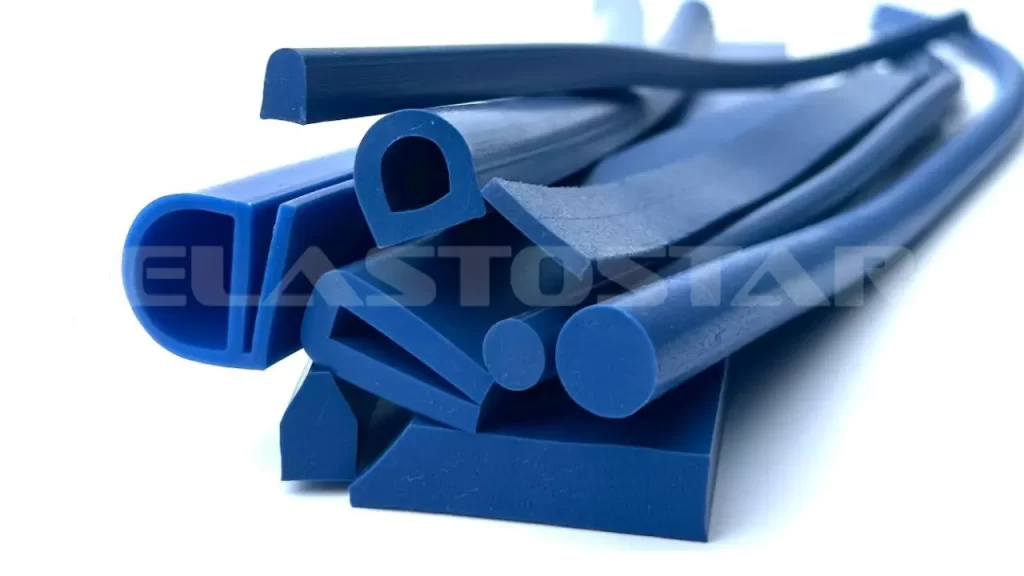
Aerospace silicone rubber components may appear simple, but the purchasing requirements can be demanding.
A gasket must fit its housing, a silicone sponge seal must compress as designed, and an O-ring must remain compatible with its operating environment.
For aerospace buyers, the supplier must also demonstrate consistent manufacturing and provide the agreed quality records.
| Buyer requirement | Why it matters |
|---|---|
| Quality consistency | Helps maintain repeatable dimensions and material properties |
| Material traceability | Connects supplied parts to identified material batches |
| Specification control | Helps ensure components meet the applicable drawing and material requirements |
| Documentation | Supports incoming inspection and supplier approval |
| Supply continuity | Helps OEMs plan repeat orders and production schedules |
Evaluate an aerospace silicone supplier on the complete manufacturing and quality process, not certification alone.
Our aerospace silicone and rubber capabilities are relevant to customers sourcing custom components for demanding applications.
Buyers should confirm the exact material, process, and documentation requirements for each project.
Is Your AS9100D Certification Current and What Does It Cover?

An AS9100D-certified silicone supplier should provide a current certificate and explain exactly which activities and facilities it covers.
Ask for the following information:
- Certificate validity: Is the certificate current, and when does it expire?
- Certified company: Does the legal entity match the supplier you are purchasing from?
- Scope: Does it cover the manufacturing processes needed for your components?
- Facility: Does it include the location where your parts are produced?
- Certification body: Can you independently verify the certificate and its status?
Our AS9100D and ISO 9001:2015 certifications include published details, including our Plain City, Ohio manufacturing facility and the scope of custom extruded and molded rubber products.
Does AS9100D certify every silicone product?
No, AS9100D certification applies to the quality management system within its certified scope, not automatically to every seal, gasket, material grade, or O-ring.
The finished component must separately meet its drawing, material specification, inspection requirements, and customer acceptance criteria.
AS9100D also builds on ISO 9001 with additional aerospace requirements.
That distinction matters when comparing AS9100D vs ISO 9001 for aerospace supplier qualification.
What Aerospace Silicone Materials Can You Manufacture?
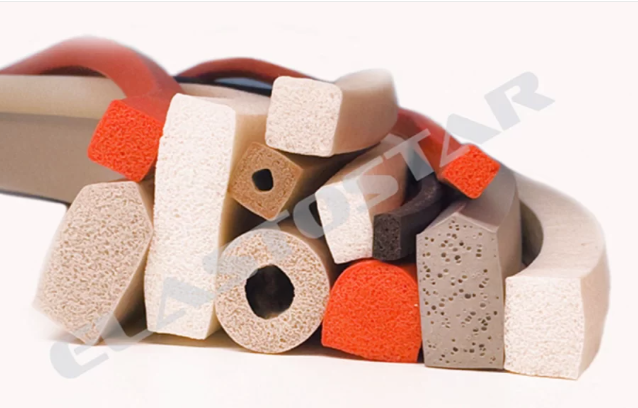
An aerospace silicone rubber manufacturer should offer materials that match the component’s operating conditions, not simply the broad description of “silicone.”
The right choice depends on temperature, compression, fluids, vibration, exposure, and the drawing specifications.
| Material | What buyers should consider |
|---|---|
| Solid silicone rubber | Hardness, compression set, temperature and physical properties |
| Silicone sponge | Density, compressibility, cell structure and sealing force |
| Closed-cell silicone sponge | Moisture exposure, compression and environmental sealing |
| Fluorosilicone | Compatibility with fuels, oils and other specified fluids |
| High-temperature silicone | Continuous and intermittent operating temperatures |
| Application-specific compounds | Material specification, testing and required documentation |
For enclosure and panel sealing, consider our rubber window seal when the design requires a compressible gasket.
For fluid exposure, consider fluorosilicone rubber O-rings when conventional silicone does not provide the required compatibility.
Buyers can also review our silicone rubber grade selection guide to understand the differences between available formulations.
Important: A material being described as aerospace grade does not establish conformity to a particular AMS, military, or customer specification. Confirm that for the selected compound.
Can You Supply Silicone to AMS 3195 or AMS 3196 Requirements?
This is one of the most useful questions to ask when sourcing aerospace silicone sponge.
AMS 3195 and AMS 3196 are material specifications, while AS9100D concerns the manufacturer’s quality management system. Buyers should evaluate them separately.
| Requirement | What it covers | What to ask |
|---|---|---|
| AS9100D | Aerospace quality management system | Is the relevant facility and process within the certified scope? |
| AMS 3195 | Medium-density silicone sponge | Can the specified grade and required documentation be supplied? |
| AMS 3196 | Firm-density silicone sponge | Can the material meet the drawing’s density and physical-property requirements? |
| A-A-59588 | Specified classes and grades of solid silicone rubber | Which class, grade and tests apply to our component? |
| ZZ-R-765 | Legacy silicone rubber specification | Has the drawing been reviewed against the applicable current requirements? |
Our existing guide to AS9100D-certified aerospace silicone manufacturing discusses AMS 3195 medium silicone sponge and AMS 3196 firm silicone sponge in more detail.
What if the drawing specifies another aerospace silicone grade?
Some drawings call for A-A-59588 silicone rubber, while older drawings may still reference ZZ-R-765 Class 2A, 2B, 3A or 3B.
We can review these requirements when evaluating a custom seal, gasket, extrusion, or molded component.
What Custom Aerospace Silicone Components Can You Manufacture?
An aerospace silicone seal manufacturer should be able to turn the specified material into the finished geometry the assembly requires.
At Elastostar Rubber Corporation, our custom manufacturing capabilities include:
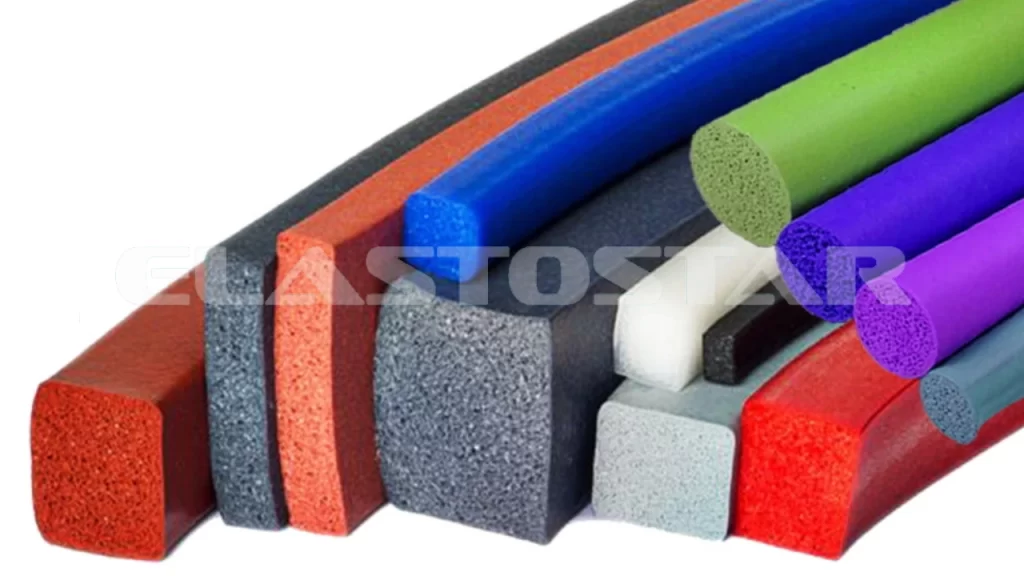
- Silicone seals and gaskets: Custom profiles for panels, housings, covers, and enclosures.
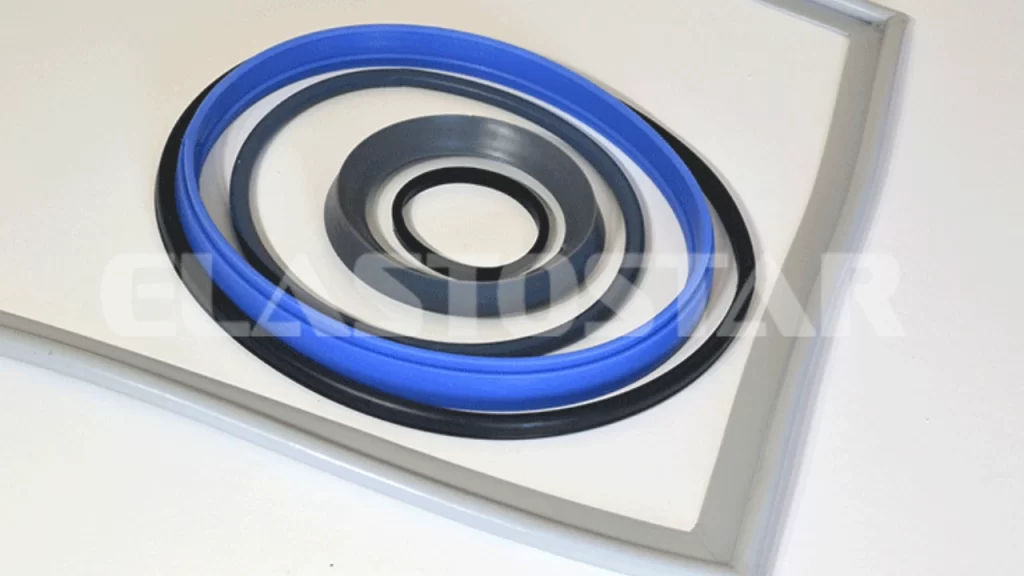
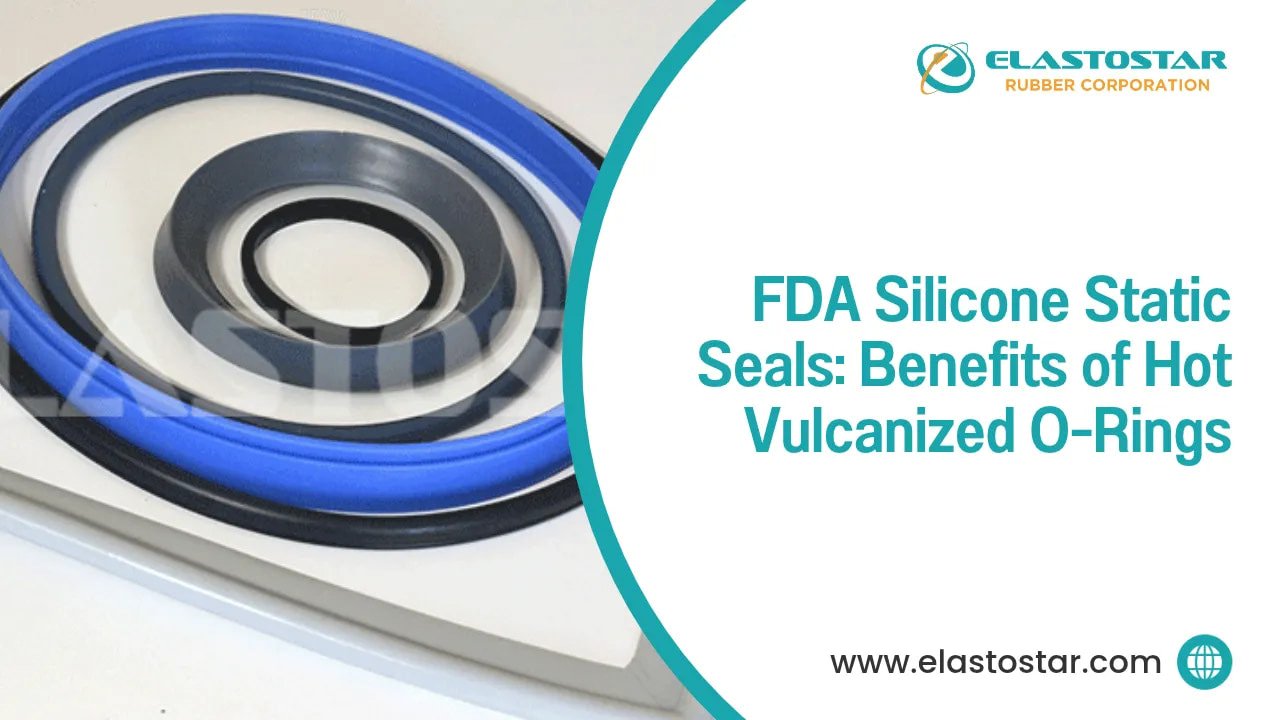
- O-rings: Standard and custom dimensions, including spliced and vulcanized designs.

- Sponge gaskets: Compressible sealing components for suitable enclosure applications.

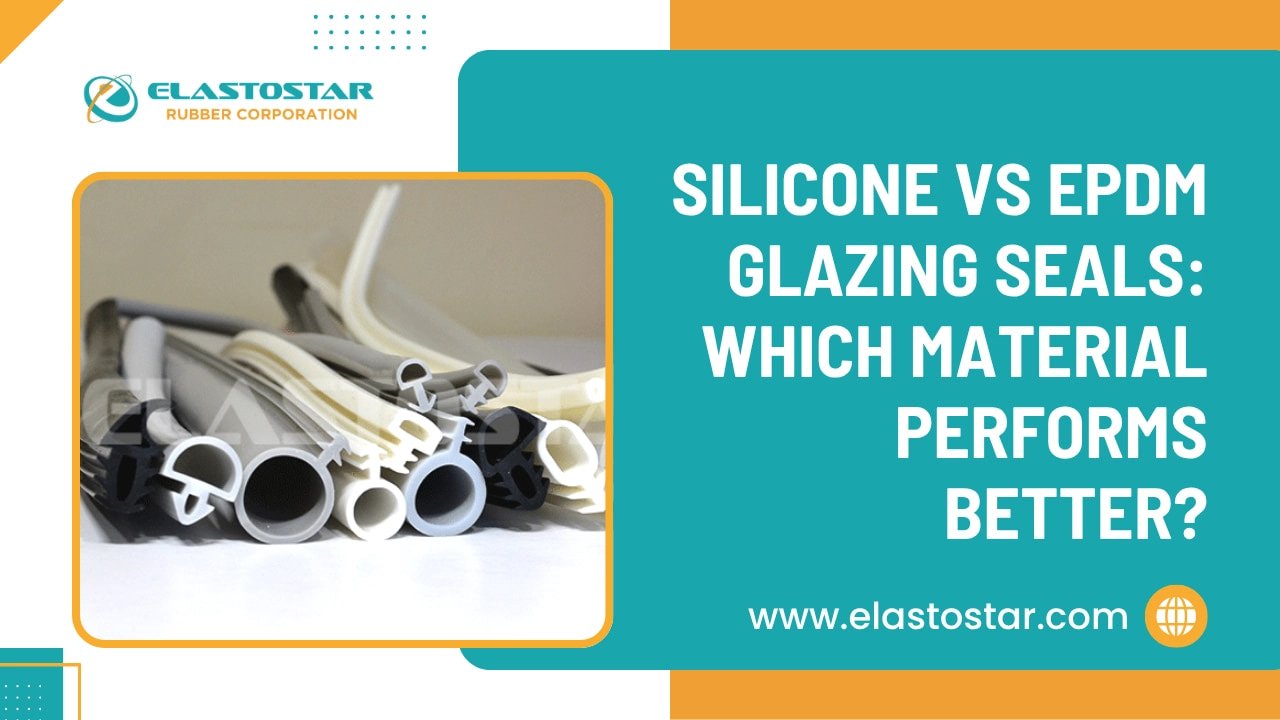
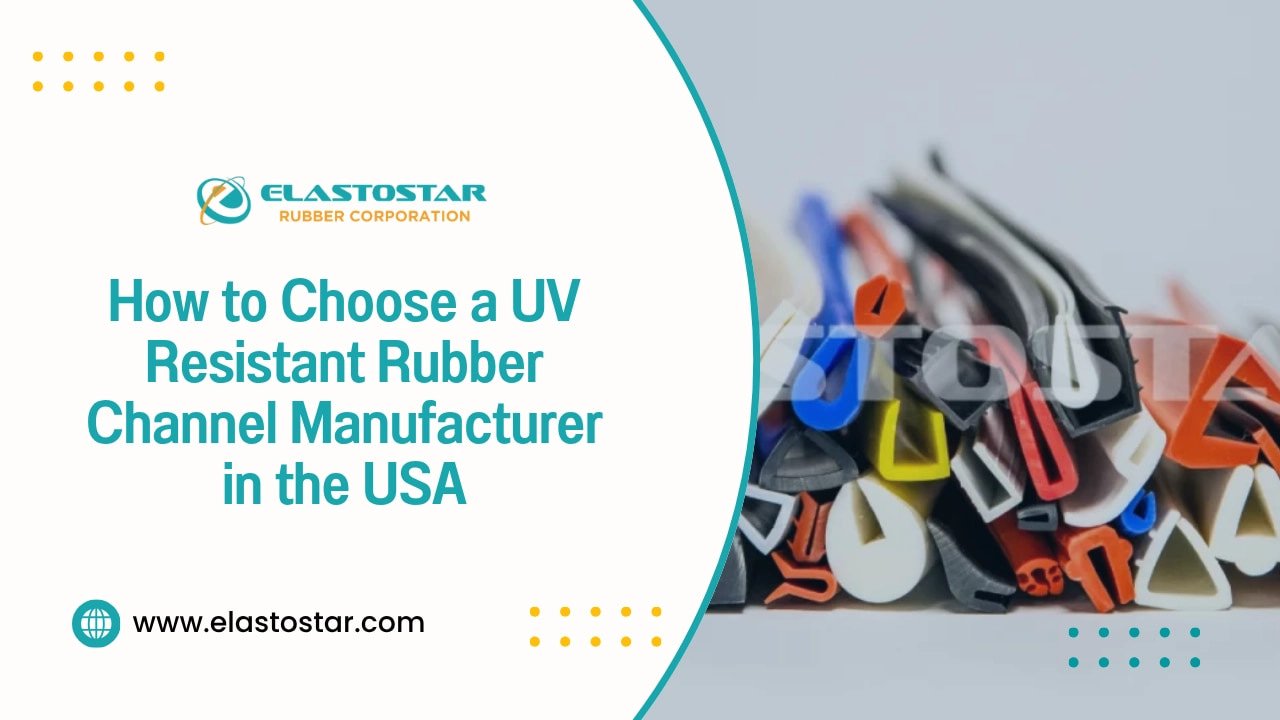
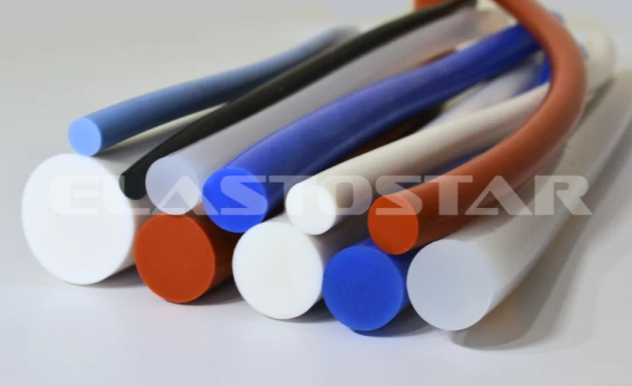
- Extruded profiles: Custom cross-sections for seals, strips, channels, and edge protection.
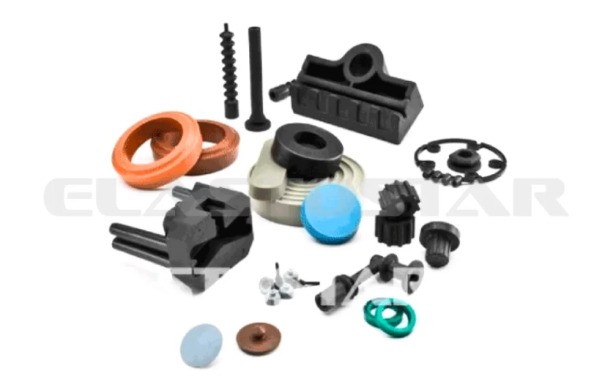
- Molded components: Formed rubber parts based on customer drawings and production requirements.
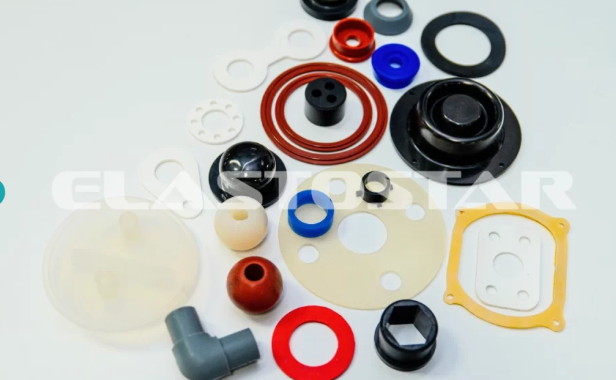
- Custom fabricated parts: Cut, joined, or otherwise manufactured components based on the required design.
For example, our spliced vulcanized silicone O-rings can be considered for non-standard sealing diameters, while our custom molded rubber products support designs requiring molded geometry.
We also offer die-cut rubber gaskets for applications where a cut profile is more suitable than a molded or extruded component.
The best manufacturing method depends on the drawing, tolerances, material, order quantity, and qualification requirements.
Can You Manufacture Directly From Our Engineering Drawings?
Yes, engineering drawings are one of the most useful starting points for custom aerospace silicone components.
A supplier should review the drawing before confirming manufacturing feasibility, pricing, or lead time.
What should the drawing specify?
| Drawing detail | Why it matters |
|---|---|
| Dimensions | Defines the required part geometry |
| Tolerances | Establishes acceptable dimensional variation |
| Cross-section | Determines the extrusion, molding or fabrication method |
| Durometer or density | Defines the required material firmness |
| Material specification | Identifies the required compound, class or grade |
| Drawing revision | Establishes which design version must be manufactured |
| Inspection notes | Defines measurement and acceptance requirements |
| Prototype quantity | Helps plan initial samples and validation |
For custom rubber parts, review tolerances during the process.
Our RMA precision tolerance guidance provides a useful reference, although customer drawing requirements take precedence.
If the original drawing is unavailable, we can also review an existing sample through our reverse engineering support.
What Material and Batch Traceability Can You Provide?
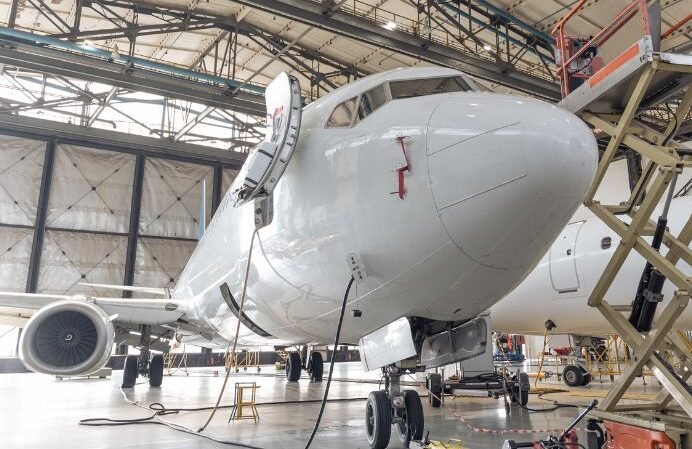
Aerospace material traceability helps buyers identify which material and manufacturing records relate to a delivered component.
This becomes especially important if an inspection issue, material question, or nonconformance is discovered after delivery.
Ask the supplier whether it can provide or retain:
- Raw material identification and supplier records.
- Material batch or lot information.
- Production lot and manufacturing records.
- Applicable material certifications.
- Inspection results linked to the order or lot.
- Records connecting finished components to the relevant material and production information.
The exact traceability package depends on the contract, customer requirements, and applicable quality procedures.
How do you control changes to Materials and Manufacturing Processes?

Aerospace OEMs often approve a particular material, drawing revision, or manufacturing process.
Uncontrolled changes can affect the finished component even when its visible dimensions remain the same.
Ask how the supplier manages changes to:
- Silicone compound formulations and material grades.
- Raw material suppliers.
- Extrusion, molding, curing, and vulcanization processes.
- Manufacturing locations or equipment where relevant.
- Engineering drawings and revision levels.
- Inspection methods and customer-approved requirements.
A supplier should also explain when customer notification or approval is required.
For example, replacing one silicone sponge grade with another may affect compression behavior. A material substitution may affect compression behavior.
Therefore, review any material substitution specification and customer approval requirements.
Our article on how AS9100D controls help reduce silicone component failures discusses the importance of process control, traceability, and managing manufacturing variation.
How Do You Handle Nonconforming Silicone Components?

A nonconforming component fails to meet a requirement, such as a dimension, material specification, or inspection criterion.
Buyers should understand how the supplier identifies and handles these parts.
A useful nonconformance process includes:
- Identification: Clearly identify components that do not meet requirements.
- Segregation: Prevent unintended use or shipment.
- Investigation: Determine what happened and which lots may be affected.
- Disposition: Follow approved procedures for rework, rejection, or other permitted action.
- Corrective action: Address the cause when required.
- Records: Document the issue, disposition, and relevant actions.
For aerospace programs, customer approval may be required before accepting a deviation or repair.
Ask how the supplier handles recurring problems and whether affected customers are notified under the applicable agreement.
What Inspection and Quality Documentation Can You Provide?

An AS9100D-certified supplier should be able to explain which inspection and quality documents are available for a specific order.
Certification does not mean that every possible inspection report or test certificate is automatically included.
| Document | When buyers may need it |
|---|---|
| Certificate of Conformance (CoC) | Confirmation against specified order requirements |
| Material certification | Evidence related to the specified material or compound |
| Dimensional inspection report | Verification of required measurements |
| Lot or batch records | Traceability to identified manufacturing material or production |
| First Article Inspection Report (FAIR) | When required by the aerospace program or purchase order |
| Test reports | When particular physical-property or performance tests are specified |
| Approved drawing revision | Confirmation of the design version used |
Before ordering, ask which records we can supply, whether additional testing is needed, and whether any documentation affects cost or lead time.
Our quality control provides further information about our manufacturing quality approach.
Can You Support Prototype, Low-Volume and Production Orders?
A custom aerospace silicone manufacturer should be able to explain how a project moves from the first sample to repeat production.
Not every aerospace program starts with a large order. OEMs may need a few components for fit checks, testing, or design validation before approving production quantities.
Ask about three stages:
| Project stage | What to confirm |
|---|---|
| Prototype | Material availability, tooling needs, sample quantity and inspection |
| Low-volume production | Repeatability, minimum order quantity and documentation |
| Ongoing production | Capacity, revision control, repeat orders and delivery planning |
At Elastostar Rubber Corporation, we support custom projects from prototyping through production. We can review engineering drawings, material requirements, and order quantities to help determine a practical manufacturing approach.
For components that need further testing, buyers should also establish who is responsible for design validation and final part approval.
What Are Your Custom Tooling and Manufacturing Capabilities?
Different aerospace rubber components require different manufacturing methods.
An aerospace silicone extrusion manufacturer may be suitable for a continuous profile, while a molded component may require a dedicated tool.
Before choosing a supplier, check which processes are available.
| Manufacturing capability | Typical component |
|---|---|
| Silicone extrusion | Sealing strips, cords, tubing and custom profiles |
| Rubber molding | Formed seals, gaskets and shaped components |
| Die cutting | Flat gaskets, pads and sheet components |
| Splicing and vulcanization | Custom O-rings and joined sealing profiles |
| Custom tooling | Non-standard profiles and molded geometries |
| Secondary fabrication | Components requiring additional cutting or joining |
For custom sealing applications, our silicone rubber square and rectangular seals offer alternatives to conventional round O-rings.
Buyers should also ask whether the supplier can support the required tolerances, material specifications, and inspection methods for each manufacturing process.
A supplier’s certification does not automatically mean it can produce every part; a sign-off review is still necessary.
How Do You Manage Aerospace Supplier and Raw Material Quality?
An aerospace quality management system should include controls for purchased materials and outside services.
Even when a manufacturer controls its own production, the quality of the finished component can depend on raw material suppliers, testing providers, and other approved sources.
Ask the manufacturer:
- How are raw material suppliers evaluated and approved?
- How are incoming materials identified and checked?
- How does the manufacturer communicate purchase specifications to suppliers?
- How are supplier performance and nonconformances monitored?
- How are material substitutions or supplier changes controlled?
- What happens when an approved material becomes unavailable?
These questions are particularly useful for AS9100D supplier qualification, because the manufacturer must manage relevant external processes as part of its quality system.
AS9100D supports supplier and purchasing controls, but certification does not eliminate supply-chain risks. Buyers should still confirm material availability, applicable specifications, and agreed documentation.
Also Read: How to test the quality of rubber?
Can You Meet Our Lead-Time and Ongoing Supply Requirements?
An aerospace silicone supplier in the USA should provide reliable delivery information based on the actual part requirements.
Lead time can change based on silicone grade, tooling, quantity, inspection requirements, and raw material availability.
Ask these questions before placing an order:
- What is the expected prototype lead time?
- Does the component require new tooling?
- Are the specified silicone materials available?
- What production quantities can be supported?
- Can the supplier manufacture repeat orders to the same approved revision?
- What happens if demand increases or a material becomes unavailable?
At Elastostar Rubber Corporation, our USA manufacturing facility supports custom extrusion, molding, and fabricated silicone components.
We can discuss short lead-time options where material availability, manufacturing capacity, and project requirements allow.
For ongoing programs, buyers should share forecast quantities and expected reorder schedules so we can meet supply requirements.
What to include in an Aerospace Silicone RFQ?
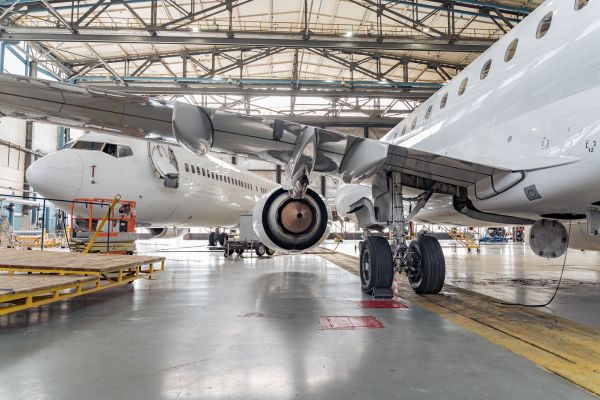
A complete request for quotation helps an aerospace silicone rubber manufacturer in the USA evaluate the component, required materials, manufacturing method, and quality documentation.
Aerospace Silicone RFQ Checklist
☐ Engineering drawing or CAD file with revision
☐ Dimensions, cross-section and tolerances
☐ Silicone material and applicable AMS or other specification
☐ Durometer or sponge density
☐ Operating temperature and environmental exposure
☐ Fluid, fuel, oil or chemical contact requirements
☐ Prototype and production quantities
☐ Required inspection and material documentation
☐ Traceability and First Article Inspection requirements, if applicable
☐ Requested delivery date and ongoing order forecast
For example, if the drawing specifies AMS 3195 silicone sponge, identify the exact specification and required revision rather than simply requesting “aerospace sponge rubber.”
Similarly, a custom aerospace O-ring RFQ should identify the inside diameter, cross-section, operating pressure, and relevant sealing conditions.
Our Shore hardness guidance for silicone rubber components helps buyers understand why specifying the correct hardness matters.
If the drawing or material is uncertain, send us what you have and your requirements, and we can discuss manufacturing feasibility before preparing a quotation.
How Do You Evaluate an AS9100D Silicone Supplier Before Approval?
The best way to qualify an aerospace silicone supplier is to evaluate the quality system and the actual component requirements together.
Use this AS9100D supplier qualification checklist when comparing manufacturers.
| Qualification area | Approval question |
|---|---|
| Certification | Is the AS9100D certificate current and within the required scope? |
| Material | Can the supplier provide the required silicone compound? |
| Specification | Can the exact AMS, A-A-59588, or other specified requirements be addressed? |
| Manufacturing | Can the supplier manufacture the required geometry and quantity? |
| Traceability | Are the necessary material and production records available? |
| Inspection | Can the supplier provide the required inspection and quality documents? |
| Change control | Are material, process, and drawing changes controlled? |
| Capacity | Can the supplier support prototype and production requirements? |
| RFQ | Have you reviewed all technical and commercial requirements? |
An AS9100D certificate is an important starting point, but it is not a substitute for evaluating the specific aerospace silicone component.
Recommended Reads
1. How Temperature Affects Silicone Rubber Performance
2. O-Ring Size Standards and International Size Charts
3. Seal Damage Root Cause Analysis: Gasket Failure Guide
Looking for an AS9100D Silicone Manufacturer in the USA?

At Elastostar Rubber Corporation, we manufacture custom aerospace silicone and rubber components at our Plain City, Ohio facility.
We support aerospace and industrial buyers with:
- Proudly Made in USA manufacturing.
- Custom silicone extrusion and molded rubber components.
- Aerospace silicone seals, gaskets, O-rings, and sponge profiles.
- Material options for applicable AMS 3195, AMS 3196, A-A-59588, and other specified requirements.
- Custom tooling, reverse engineering, and design support.
- Prototype, low-volume, and repeat production projects.
- Application-specific quality and documentation discussions.
If you need an AS9100D-certified silicone manufacturer in the USA for a custom component, we can review your drawing, material specification, tolerances, quantity, and documentation requirements.
Contact our aerospace silicone manufacturing team to discuss your project and request a quote.
FAQs
Q1. What should I ask an AS9100D silicone supplier?
Ask about certification validity, scope, material capabilities, manufacturing processes, traceability, inspection records, change control, and production capacity. The supplier should also be able to review your drawing and explain which requirements they can meet.
Q2. How do I verify a supplier’s AS9100D certification?
Request the current certificate and check the legal entity, manufacturing facility, scope, certification body, and expiration date. Also verify independently through the relevant certification body or IAQG OASIS.
Q3. Does AS9100D certification apply to individual silicone products?
No. AS9100D certification applies to the manufacturer’s quality management system and the activities within its certified scope. Each silicone component must separately meet the applicable drawing, material specification, inspection, and customer requirements.
Q4. What documentation should an aerospace silicone supplier provide?
Depending on the order, documentation may include a Certificate of Conformance, material certification, dimensional inspection report, batch records, and First Article Inspection documentation. Confirm which records are required and available before production.
Q5. Why is material traceability important when sourcing aerospace silicone?
Material traceability helps connect finished components to the materials and production records used to manufacture them. It supports investigation, inspection, and management of affected lots if a quality issue occurs.
Q6. What is the difference between AS9100D and AMS 3195?
AS9100D addresses aerospace quality management systems. AMS 3195 specifies material requirements for medium-density silicone sponge. A manufacturer may need an appropriate quality system while also supplying a component that meets a separate material specification.
Q7. Can an AS9100D manufacturer produce custom aerospace silicone components?
Yes, if the required manufacturing processes fall within its capabilities and applicable certified scope. At Elastostar, we manufacture custom extruded and molded rubber components, including silicone seals, gaskets, O-rings, and profiles.
Q8. What should I include in an aerospace silicone RFQ?
Include your drawing, dimensions, tolerances, silicone material specification, hardness or density, operating environment, quantity, delivery needs, and required documentation. Identify any prototype, production, or First Article Inspection requirements.
Q9. How should OEMs qualify an aerospace silicone supplier?
OEMs should review certification, manufacturing capabilities, material specifications, traceability, inspection methods, change control, and delivery capacity. The final approval process should follow the OEM’s purchasing and supplier-quality requirements.
Q10. Where can I find an AS9100D silicone supplier in the USA?
Elastostar Rubber Corporation manufactures custom aerospace silicone components in Plain City, Ohio. We support custom extrusion, molding, sealing profiles, sponge components, O-rings, and prototype-to-production projects. Buyers looking for an AS9100D silicone supplier in the USA can contact us with their drawings and specifications to discuss available manufacturing and documentation options.