Using detectable rubber components in food-processing equipment is only the first step in preventing contamination. To properly validate metal detectable silicone rubber, food processors must confirm that the material can be identified under real-world production conditions.
Detection performance can vary with product type, fragment size, conveyor speed, moisture content, and metal detector sensitivity.
Properly validated rubber detection helps reduce contamination risks and supports stronger food safety programs across processing and packaging lines.
Many applications also require FDA-compliant detectable silicone materials manufactured to FDA 21 CFR 177.2600 standards, with NSF 51-approved compound options available where required.
In this blog, we will explain how food processors can perform reliable metal detectable rubber testing and improve validation procedures across food production lines.
Key Takeaway
- Detectable rubber validation should always be performed under actual production conditions using the real product, packaging setup, and detector settings.
- Detection performance can vary based on fragment size, product moisture, conveyor speed, detector sensitivity, and packaging materials.
- Food processors should test high-risk components, such as gaskets, O-rings, seals, and platinum rubber tubing that are exposed to wear, pressure, or repeated cleaning cycles.
- Proper validation records and regular revalidation help support stronger contamination prevention and food safety programs.
- Food-grade detectable silicone materials should meet compliance requirements, such as FDA 21 CFR 177.2600 and NSF 51, where required.
Table of Contents
Why Validation Matters Before Using Detectable Rubber
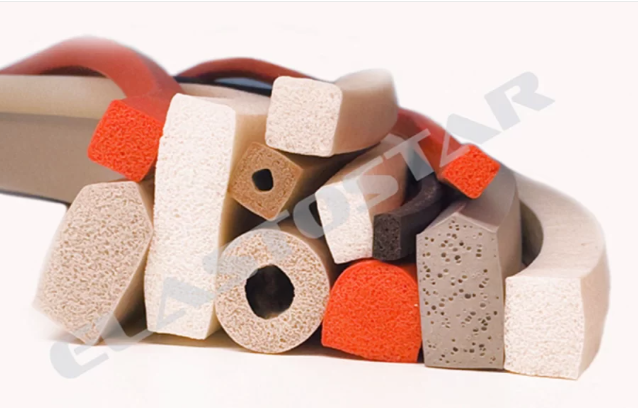
Using detectable rubber components without proper testing can create serious contamination risks in food processing environments.
Even when a material is manufactured as metal-detectable rubber, detection performance may vary depending on the food product, inspection equipment, production speed, and operating conditions.
This is why proper detectable rubber validation should always be completed before the material is approved for production use.
Contamination Risks in Food Processing
Rubber fragments from seals, gaskets, tubing, or O-rings may enter the production line because of wear, pressure, vibration, or cleaning cycles.
Food-contact seals and gaskets should be made with materials suitable for processing environments, such as solid FDA-grade white silicone rubber.
If these fragments cannot be reliably detected, contaminated products may move further into packaging or distribution stages.
Custom detectable O-rings and food-contact sealing profiles are often validated before use in contamination-sensitive processing systems.
Detection Performance Can Vary
Detection capability may change depending on:
- Product moisture and density.
- Conveyor speed.
- Detector sensitivity.
- Fragment size.
- Packaging materials.
Because of these variables, food-processing metal detector validation should always be performed under actual production conditions rather than laboratory-only testing.
Why Validation Supports Food Safety Programs
Validation helps processors confirm that detectable materials can be identified consistently during operation. It also supports internal food safety programs, inspection documentation, and contamination prevention procedures.
For contamination-sensitive industries, our Industries Served highlights the food, beverage, pharmaceutical, and industrial environments supported by Elastostar Rubber Corporation.
What Validation Means in Food Processing
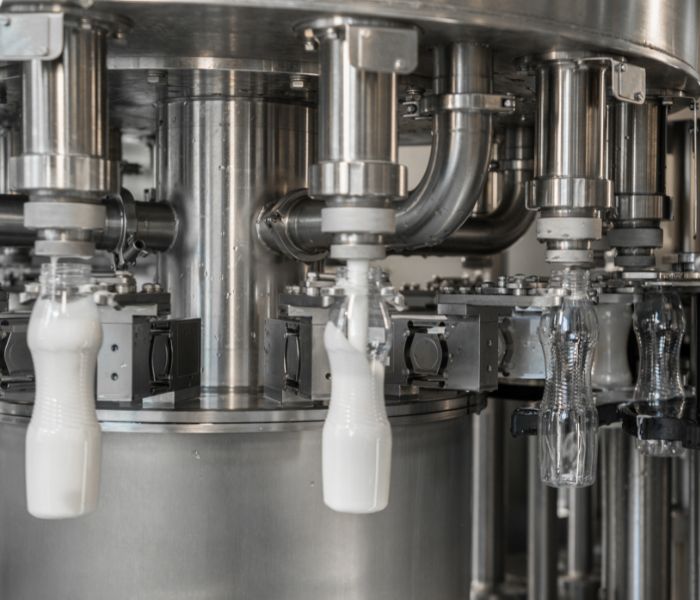
In food processing environments, validation means confirming that detectable rubber components can be consistently identified during actual production conditions.
Proper metal-detectable rubber testing helps verify that the inspection system can detect damaged gasket fragments, O-rings, silicone tubing, or other sealing materials before contaminated products move through the line.
Detection Verification Process
Validation usually involves incorporating detectable rubber fragments into the production process to confirm that the inspection system can correctly identify them.
Testing should be completed using the same detector settings, conveyor speed, and operating conditions used during normal production.
Production Line Testing Requirements
Testing should always be performed under real production conditions because product density, moisture, packaging materials, and line speed can affect detection performance.
Important validation factors include:
- Product type.
- Detector sensitivity.
- Fragment size.
- Conveyor speed.
- Packaging conditions.
For food-grade applications, materials may also require FDA-compliant detectable silicone compounds manufactured to FDA 21 CFR 177.2600 standards, with NSF 51-approved compound options where required.
Documentation and Traceability
Validation records help processors maintain traceability and support food safety audits. Many facilities document fragment size, test conditions, detector settings, and inspection results during validation procedures.
Our Quality Control process supports material consistency, inspection reliability, and production traceability across detectable rubber applications manufactured by Elastostar Rubber Corporation.
Read More: What Process Engineers Check First in Silicone Components
Identify High-Risk Rubber Parts
Not every rubber component carries the same contamination risk. In food processing systems, parts exposed to movement, pressure, abrasion, cleaning chemicals, or repeated product contact are more likely to wear down or become damaged during operation.
These components should be prioritized during detectable gasket testing and validation procedures.
1. Gaskets and Sealing Profiles
Gaskets and sealing profiles are commonly exposed to compression, vibration, washdowns, and repeated equipment movement. Over time, worn sealing components may crack, tear, or release fragments into the production system.
Common high-risk sealing components include:
- Custom detectable gaskets.
- Food-contact gasket profiles.
- Rubber strips and sealing liners.
- Detectable flange seals.
For softer sealing areas exposed to compression, processors may use ASTM D1056 soft silicone sponge, where flexibility and sealing contact are important.
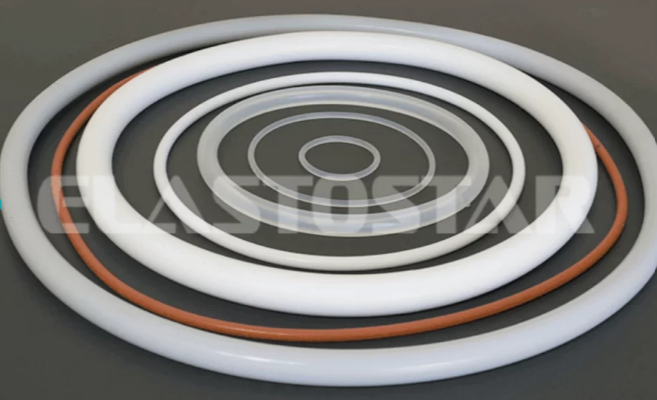
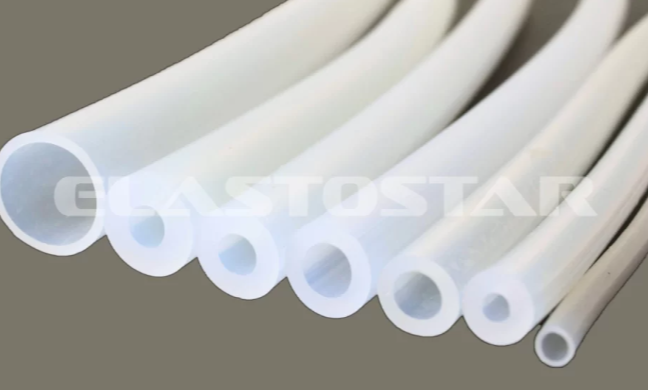
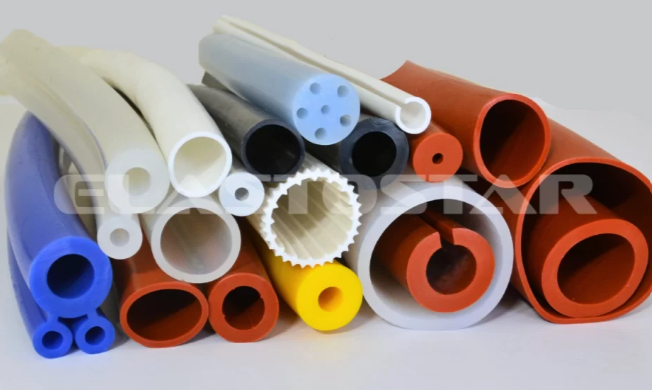
2. O-Rings and Tubing Components
O-rings and tubing components are often used in pumps, transfer systems, fillers, and processing equipment exposed to pressure changes and frequent cleaning cycles.
Products commonly validated include:
A. Custom detectable O-rings
B. Platinum Cured Silicone Tubing
C. Silicone Rubber Tubing
3. Pump, Valve, and Transfer System Parts
Pump seals, valve seats, connectors, and transfer system components operate under constant movement and product flow. These parts should be tested carefully because small damaged fragments may enter the food stream during operation.
At Elastostar Rubber Corporation, we manufacture custom detectable silicone rubber components, offering design assistance, application support, and prototype-to-production capabilities for contamination-sensitive food processing systems.
Read More: Why Long-Term Sealing Performance Matters More Than Initial Specs
Understand Your Metal Detection System
Before starting validation of food processing metal detectors, processors should understand how their inspection system performs under actual operating conditions.
Detection capability can vary based on detector sensitivity, conveyor speed, product density, moisture content, and packaging materials.
Even high-quality detectable compounds may perform differently if the inspection setup changes.
Key Factors That Affect Detection Performance
Several production variables can influence how easily detectable rubber fragments are identified during inspection.
| Validation Factor | Why It Affects Detection |
| Product moisture | Wet products can affect detector sensitivity. |
| Conveyor speed | Faster movement reduces inspection time. |
| Product density | Dense products may reduce detection visibility. |
| Detector calibration | Incorrect settings can reduce consistency. |
| Packaging material | Some packaging types may affect inspection accuracy. |
Dry vs Wet Product Challenges
Dry products and wet products behave differently during metal detection. Moisture-heavy products may create additional signal interference, while dry products may allow easier fragment identification.
Because of this, metal-detectable rubber testing should always be performed using the actual product being processed on the line.
Why System Understanding Improves Validation
Understanding how the inspection system behaves under real production conditions helps processors reduce false readings, improve contamination detection, and maintain more reliable validation results over time.
At Elastostar Rubber Corporation, we support contamination-sensitive applications with FDA-compliant detectable silicone, custom detectable sealing components, and application support for food processing environments.
Read More: Where Detectable Silicone Should Be Used and Where It Adds No Value
Test With the Actual Food Product
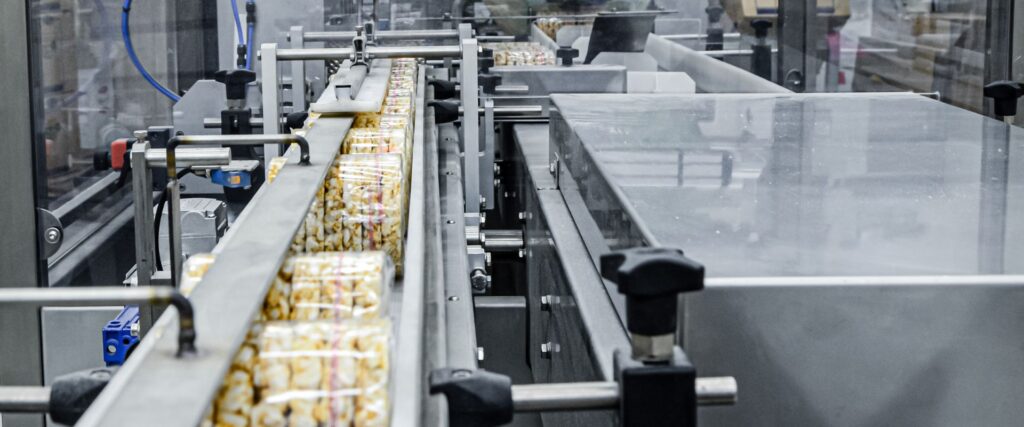
One of the most important steps in detectable rubber validation is testing the material with the actual food product running on the production line.
Detection performance may vary with product density, moisture content, seasoning, temperature, and food-grade silicone applications. Validation performed without the real product may not accurately reflect production performance.
Product Density and Composition Matter
Dense or high-moisture products can affect how detectable rubber fragments appear during inspection.
Products such as dairy items, meat products, sauces, and thick food mixtures may create additional detection challenges during processing.
Because of this, metal-detectable rubber testing should always be performed under the same product conditions used in regular production.
Packaging and Line Conditions Can Affect Detection
Packaging materials, conveyor speed, and line setup may also influence inspection performance. Validation testing should use the same:
- Packaging materials.
- Production speed.
- Detector settings.
- Conveyor configuration.
- Product flow conditions.
This helps processors confirm that detectable materials can be identified consistently during actual operation.
Real Production Testing Improves Validation Accuracy
Testing under real operating conditions helps reduce false assumptions about detection capability. It also supports stronger contamination prevention programs and more reliable inspection procedures across the production line.
Test Different Rubber Fragment Sizes
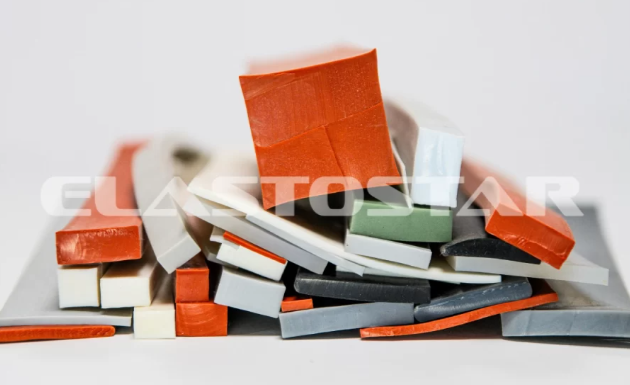
Fragment size plays a major role in metal detectable rubber testing. Larger pieces are usually easier to identify, while smaller fragments may become harder to detect depending on the product type, detector sensitivity, and production conditions.
This is why validation should include multiple fragment sizes rather than testing only large, visible pieces.
Why Small Fragment Testing Matters
Small, damaged gaskets or FDA Silicone O-ring fragments can still pose a contamination risk in food processing systems. If validation only focuses on larger samples, the inspection process may not reflect actual production risks.
Recommended Validation Approach
Processors commonly test several fragment sizes during validation to understand the inspection system’s detection limits.
| Fragment Size | Validation Purpose |
| Large fragments | Confirms basic detector functionality |
| Medium fragments | Evaluates normal production sensitivity |
| Small fragments | Tests critical contamination detection capability |
Detection Threshold Verification
Testing different fragment sizes helps processors understand the minimum detectable size under actual production conditions. This supports stronger contamination prevention programs and more accurate validation records.
Record Validation Results
Proper documentation is an important part of detectable rubber validation in food processing environments. Validation records help confirm that inspection systems were tested correctly and that detectable components performed consistently during production trials.
These records also support food safety audits, traceability programs, and internal quality procedures.
What Should Be Documented?
Validation reports should include the actual testing conditions used during production line evaluation.
Common details include:
- Detector settings.
- Product type.
- Conveyor speed.
- Fragment size tested.
- Detection success rate.
- Packaging conditions.
- Date and operator information.
Why Traceability Matters
Traceability helps processors identify which materials, batches, and components were used during testing and production. This becomes especially important during audits, contamination investigations, or quality reviews.
For food processing applications, materials may require FDA-compliant detectable silicone manufactured to FDA 21 CFR 177.2600 standards, with NSF 51-approved compound options where required.
Validation Records Support Long-Term Food Safety
Well-maintained validation records help processors maintain more reliable contamination prevention programs and support consistent inspection performance across future production runs.
For regulated food and pharmaceutical environments, our certifications and manufacturing standards highlight the quality-focused support we provide.
Revalidate After Product, Packaging, or Line Changes

Validation should not be treated as a one-time process. Changes in products, packaging materials, conveyor systems, detector settings, or production speed can affect how rubber fragments are detected during inspection.
This is why food processing metal detector validation should be repeated whenever major production changes occur.
1. Product and Formula Changes
Different products may affect detector sensitivity in different ways. Moisture content, density, seasoning, temperature, and ingredient composition can all influence detection performance during production.
Revalidation is often recommended when facilities introduce:
- New food products.
- Formula updates.
- Product density changes.
- Moisture-content variations.
2. Packaging and Equipment Changes
Packaging materials and conveyor systems may also affect inspection reliability. Even small changes in production setup can influence fragment visibility during metal detection.
Revalidation may be required after:
- Packaging material updates.
- Conveyor replacements.
- Detector recalibration.
- Line-speed adjustments.
- Equipment modifications.
3. Why Ongoing Validation Matters
Regular revalidation helps processors maintain more reliable contamination-prevention programs and supports consistent long-term inspections amid changing production conditions.
Read More: Material Selection Impact on Product Reliability
Common Validation Mistakes
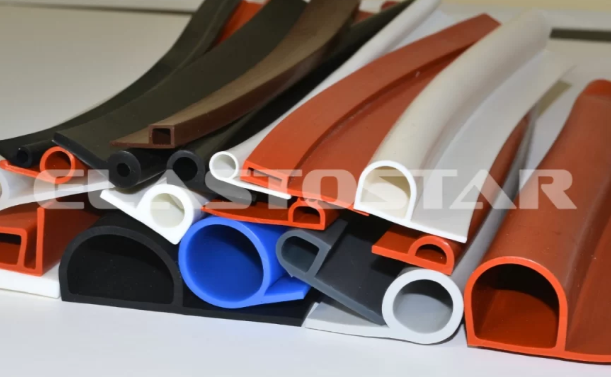
Even high-quality detectable materials can produce unreliable validation results if the testing process is incomplete or inconsistent.
Many food processors experience detection problems because the validation process does not accurately reflect real production conditions.
1. Testing Only Large Fragments
Large gasket or O-ring pieces are easier to detect, but they may not represent actual contamination risks inside the production line. Smaller fragments should also be tested during metal-detectable rubber testing to assess the system’s true detection capability.
2. Ignoring Product Density and Moisture
Dense or high-moisture products can affect detector sensitivity and fragment visibility. Validation should always be performed using the actual food product and operating conditions found during production.
3. Using Incorrect Detector Settings
Detector calibration, conveyor speed, and sensitivity settings directly affect validation performance. Incorrect settings may create false results or inconsistent detection performance across production runs.
4. Skipping Revalidation After Changes
Production changes such as new packaging materials, conveyor updates, or formula adjustments may affect detection performance. Validation should be repeated whenever major production conditions change.
Custom rubber gaskets and detectable sealing components should always be tested under realistic production conditions to improve the reliability of contamination prevention.
Before validation, processors should also check gasket dimensions and compression consistency using standards such as RMA precision tolerance to avoid fit or sealing issues during testing.
At Elastostar Rubber Corporation, we support food processors with design help and application support, prototype-to-production capability, and custom-engineered detectable rubber solutions for contamination-sensitive environments.
Why Food Processors Choose Elastostar Rubber Corporation?

At Elastostar Rubber Corporation, we support food processors who need detectable rubber parts for validation, replacement, or full-production use.
As a food-grade silicone rubber manufacturer, we help customers select materials that match their equipment, inspection system, and food safety requirements.
Our Support for Detectable Rubber Projects
| What We Support | How It Helps Food Processors |
| Custom manufacturing | We manufacture custom detectable silicone rubber parts, gaskets, O-rings, tubing, and sealing profiles. |
| Sample-based testing | We support validation before full production approval. |
| Reverse engineering support | We recreate existing detectable seals or gaskets from samples, drawings, or part requirements. |
| Prototype-to-production capability | We support projects from trial samples to larger production runs. |
| Design help and application support | We help match material, shape, and detection needs to the actual processing line. |
| Proudly Made in USA | We provide dependable USA-based manufacturing and supply support. |
| Shortest lead time delivery | We support urgent replacement and production requirements. |

Recommended Reads
- FDA Silicone Rubber for Food Processing Equipment
- The Benefits of X-Ray and Metal Detectable Rubber Seals in the Food Industry
- Food Grade Foam Gaskets FDA 21 CFR 177.2600 Compliance Requirements
Conclusion
Properly testing and validating detectable materials is an important step in contamination prevention for food processing environments. To successfully validate metal detectable silicone rubber, processors should test components under actual production conditions using the real product, inspection settings, conveyor speed, and packaging setup used during operation.
Reliable detectable rubber validation also includes testing different fragment sizes, documenting inspection results, and repeating validation whenever production conditions change. This helps improve food safety programs and supports more consistent detection of contamination across the production line.
FAQs
Q1. How do you validate metal detectable silicone rubber?
To properly validate metal detectable silicone rubber, food processors should test detectable components under actual production conditions. Validation typically includes testing of fragment detection, detector sensitivity, conveyor speed, product type, and packaging conditions using the same setup as in regular production.
Q2. Why should detectable rubber be tested on the actual food line?
Detection performance can vary with product density, moisture content, packaging material, and production speed. Real production testing improves the accuracy of detectable rubber validation and yields more reliable contamination detection results.
Q3. Is supplier certification enough for detectable rubber approval?
No. Even when a material is manufactured as FDA-compliant detectable silicone, processors should still complete their own validation testing on the production line. Supplier certification supports compliance, but real operating conditions may affect detection performance.
Q4. What rubber fragment size should be tested?
Validation should include large, medium, and small fragment sizes to assess the inspection system’s detection limits. Products such as custom detectable gaskets and O-rings should be tested using realistic wear-related fragment sizes.
Q5. Does food type affect metal detection results?
Yes. Moisture content, density, temperature, seasoning, and product composition can affect metal detectable rubber testing results. Dense or wet products may reduce detection sensitivity during inspection.
Q6. How often should detectable rubber be revalidated?
Revalidation is recommended whenever there are changes to the product, packaging material, conveyor system, detector settings, or production speed. Regular food processing metal detector validation helps maintain more consistent inspection performance.
Q7. What records should food plants keep after validation?
Processors commonly document detector settings, fragment size, product type, test results, packaging conditions, and validation dates. These records help support traceability, food safety audits, and contamination prevention programs.
Q8. Can metal detectable silicone fail detection?
Yes. Detection may fail if fragment sizes are too small, detector settings are incorrect, or production conditions interfere with inspection sensitivity. This is why real production validation is important for custom detectable silicone rubber applications.
Q9. Should validation be repeated after packaging changes?
Yes. Packaging materials can affect inspection sensitivity and fragment visibility. Validation should be repeated after significant changes to packaging, product, or line configuration.
Q10. Can Elastostar provide custom samples for validation?
Yes. At Elastostar Rubber Corporation, we manufacture FDA-compliant metal- and X-ray-detectable silicone, custom detectable gaskets, O-rings, tubing, and sealing profiles for validation testing and production applications. For sample requests and application support, contact our team directly.