Heat-press processes require materials that can tolerate high temperatures while preventing adhesives, inks, or transfer films from sticking to the press surface.
Silicone paper for heat press and heat press release paper are commonly used to create a protective barrier between the platen and the material being pressed.
Because of its non-stick surface, silicone-coated paper allows smooth release during heat transfer, sublimation, and textile printing applications. These properties make heat-press paper an important material for maintaining clean equipment and consistent transfer results.
In this blog, we will explain the release properties, temperature ratings, and common uses of silicone release paper in heat press operations.
Key Takeaways
- Silicone-coated paper creates a non-stick barrier that prevents adhesives, inks, and films from adhering during heat-press operations.
- It helps maintain clean equipment and ensures consistent transfer results across textile and printing processes.
- Different silicone coatings and release levels affect durability, performance, and ease of separation.
- Most heat-press papers can tolerate high temperatures, typically 400°F to 500°F, without compromising performance.
- Silicone paper is widely used in heat transfer printing, sublimation, textile pressing, and laminating applications.
- Reusability depends on temperature, pressure, and residue buildup; proper handling extends its lifespan.
Table of Contents
Silicone-Coated Release Paper and How It Works?
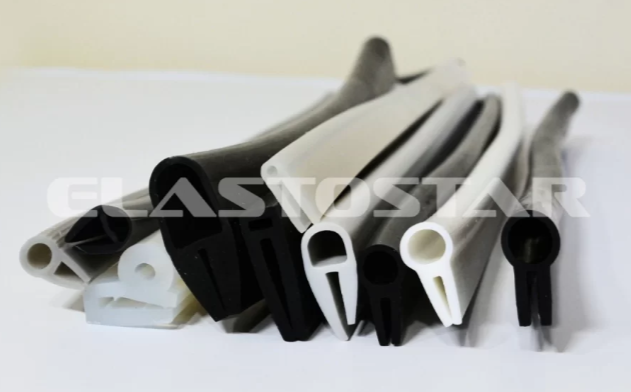
Silicone-coated paper is produced by applying a thin silicone layer to a paper base, creating a smooth, non-stick surface.
This coating prevents adhesives, inks, and transfer films from sticking to the paper during pressing, which is why it is commonly used as silicone paper for heat-press and heat-press release applications in textile and printing operations.
Key Characteristics
- Non-stick surface for smooth transfer removal.
- Stable performance at high pressing temperatures.
- Helps protect heat press equipment from adhesive buildup.
- Supports clean, consistent heat-transfer paper applications.
In many heat press systems, Silicone Rubber Sheets are also used with non-stick heat-press paper to help distribute pressure evenly and protect the press surface during repeated heat-transfer operations.
Read More: Silicone vs Plastic: What Is the Difference Between Them?
Types of Silicone Coatings Used in Heat Press Paper
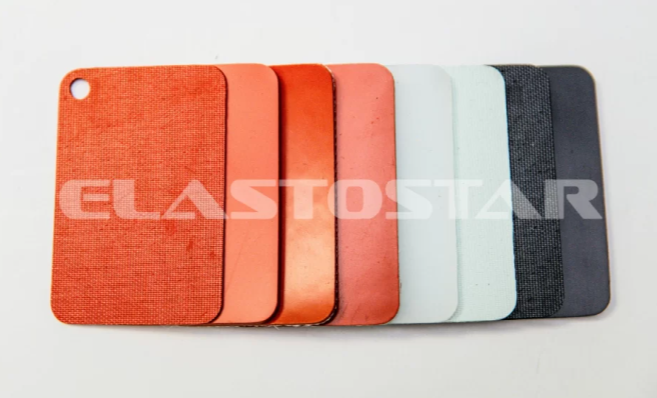
The performance of silicone paper for heat press depends largely on the type of silicone coating applied to the paper substrate.
Different coating technologies influence the durability, release behavior, and temperature resistance of heat-press release paper used in production environments.
Common Coating Types
| Coating Type | Key Characteristics |
| Solvent-Based Coating | Durable coating with strong release performance |
| Emulsion Coating | Water-based option with environmentally friendly processing |
| Solventless Coating | Consistent coating thickness with reduced emissions |
These coating methods determine how well silicone-coated paper performs during repeated pressing cycles and high-temperature transfer processes.
In heat-press equipment, components such as fluorosilicone O-rings are used for sealing and cushioning applications in which materials must withstand elevated temperatures during pressing.
These components are manufactured in accordance with our quality control process to ensure consistent material performance.
Release Characteristics of Heat Press Release Paper
The release behavior of silicone paper for heat press determines how easily transfer films, inks, or adhesives separate from the surface after pressing.
Different types of heat-release paper are manufactured with specific release levels depending on the transfer material and production process.
Common Release Levels
1. Tight Release
Provides controlled separation and is typically used where precise transfer placement is required.
2. Medium Release
Offers balanced performance and is commonly used in standard heat-transfer paper and textile-pressing operations.
3. Easy Release
Allows quick separation and is often preferred in high-volume production environments.
Heat press equipment also uses heat-resistant components, Extruded Silicone Rubber Seals, to maintain sealing and stability during repeated pressing cycles.
Also Read: Top 10 Properties of Rubber That Make It Ideal for Seals and Gaskets
Temperature Ratings for Heat Press Silicone Paper
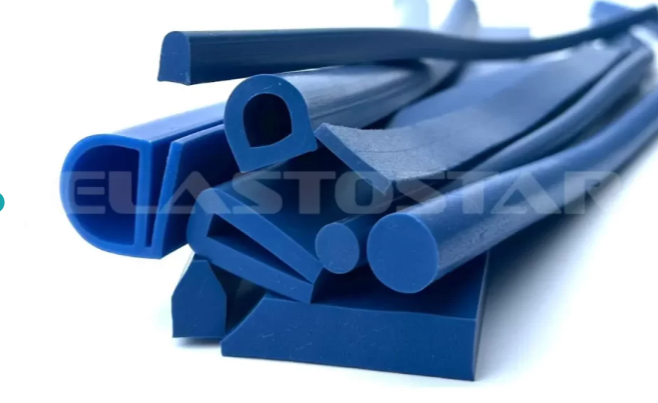
Temperature resistance is an important factor when selecting silicone paper for a heat press. During heat transfer and textile pressing operations, the release paper must handle high temperatures while maintaining its non-stick performance.
Most heat-press papers, including non-stick varieties, are designed to operate safely within a temperature range of 400°F to 500°F, depending on the coating formulation and paper quality.
Maintaining stable release performance at these temperatures helps prevent transfer materials from sticking to the press surface and protects the equipment from adhesive buildup.
Heat press equipment operating at elevated temperatures often uses components such as Silicone Rubber Tubing, which remain flexible and stable under heat exposure.
For a quick look at how silicone profiles are shaped for demanding applications, you can also view our web story on medical-grade silicone profiles.
What are the Applications of Silicone Paper for Heat Press Operations?
Silicone paper for heat press is used in several industrial processes where heat and pressure are applied to transfer materials.
The non-stick surface of silicone-coated paper prevents adhesives, inks, and transfer films from sticking to the press platen, helping maintain consistent production results.
1. Heat Transfer Printing
In garment decoration and branding applications, heat-release paper is placed between the transfer film and the press platen.
This barrier prevents adhesive buildup and ensures smooth separation after pressing. Heat press equipment used for these operations often includes Rubber seals, which help distribute pressure evenly across the transfer surface.
2. Sublimation Printing
During sublimation printing, heat-press paper protects the press platen while allowing dyes to transfer cleanly onto fabric or coated materials.
High-temperature silicone is also used in press equipment because it maintains stability during repeated heating cycles.
3. Textile Pressing
Textile pressing operations rely on non-stick heat press paper to prevent inks, coatings, or adhesives from sticking to the press surface.
Equipment used in these systems often contains Extruded Silicone Rubber Seals, which help maintain sealing performance under heat exposure.
4. Laminating Processes
Laminating applications use silicone-coated paper as a protective layer between adhesive films and pressing equipment.
These processes often require durable sealing components such as Silicone Rubber O-Rings to maintain pressure and equipment reliability.
5. Composite Layup Applications
In composite manufacturing, release paper helps prevent adhesion between materials and press surfaces during high-temperature curing.
Silicone materials used in equipment assemblies must maintain stability and flexibility in these environments.
Read More: Top Commercial Applications of Silicone Rubber Products
Paper Weight and Thickness Options for Heat Press Paper
The weight and thickness of silicone paper for heat pressing influence how the material performs during pressing.
Choosing the right heat-press paper helps ensure durability, smooth handling, and consistent release performance during repeated heat-transfer processes.
Common Paper Weight Options
Different applications require different paper strengths depending on the type of transfer and press conditions.
| Paper Weight | Typical Use |
| 30 lb | Lightweight heat transfer applications |
| 40 lb | Standard heat press release paper for textile pressing |
| 50–60 lb | Heavy-duty industrial transfer and laminating processes |
Thicker silicone-coated paper is often preferred in high-pressure or high-temperature applications because it provides better stability during pressing cycles.
In many heat press systems, Silicone Sponge Rubber is also used within the press assembly to provide cushioning and maintain consistent pressure during repeated operations.
You can review detailed specifications and material information in our product brochures.
Reusability and Expected Lifespan of Silicone Heat Press Paper
One advantage of silicone paper for heat press is that it can often be reused multiple times, depending on the operating temperature, pressure, and type of transfer material used.
The durability of heat-release paper allows it to maintain its non-stick surface through several pressing cycles before replacement is needed.
Factors That Affect Reusability
Several conditions influence how long heat-press paper can be used during production:
- Press temperature and duration.
- Adhesive or ink residue buildup.
- Pressure is applied during pressing.
- Proper handling and storage between uses.
When used within recommended temperature limits, silicone-coated paper can provide consistent release performance over multiple cycles.
Heat press equipment operating at high temperatures often uses components such as platinum silicone, which help protect the platen surface and maintain stable pressing conditions.
Custom Sizes and Roll Width Options for Heat Press Paper
Different heat press machines require specific sheet sizes or roll widths to match their platen dimensions and production workflow.
For this reason, silicone paper for heat press is commonly supplied in various sheet formats and roll sizes to support different pressing operations.
Common Customization Options
Manufacturers often select heat-release paper based on the size of their equipment and the type of transfer process used.
- Pre-cut sheets for manual heat press machines.
- Custom roll widths for automated pressing systems.
- Different coating weights depending on release requirements.
- Various thickness options to support repeated use.
Selecting the right silicone-coated paper size helps improve handling efficiency and reduce waste during production.
Our silicone materials are manufactured according to our RMA precision tolerance standards, ensuring consistent dimensions and reliable performance in industrial equipment.
Why Elastostar Rubber Corporation is Silicone Materials Support Heat Press Applications?

Heat press operations require materials that can handle repeated heating cycles, pressure, and continuous production. Silicone components used in press equipment must remain stable at elevated temperatures while maintaining flexibility and dimensional accuracy.
At Elastostar Rubber Corporation, we are a custom silicone products manufacturer producing materials designed for demanding industrial environments where reliability and consistent performance are essential.
Manufacturing Capabilities
Our silicone components support industrial equipment operating under high-heat and high-pressure conditions. Key capabilities include:
| Capability | Benefit |
| USP Class VI Section 87 & 88 compliance | Supports high-purity applications |
| Custom silicone manufacturing | Allows specialized material solutions |
| Reverse engineering support | Helps reproduce or improve existing components |
| Short lead-time production | Supports urgent production schedules |
| Large manufacturing facility | Enables scalable manufacturing |
All of our silicone materials are Proudly Made in the USA, allowing us to maintain strict quality control and dependable supply for industrial customers.
Recommended Reads
1. How Temperature Affects Silicone Rubber Performance
2. The Complete Guide to Silicone Rubber Grades
3. Lightweight Silicone Seals in OEM Assembly
Conclusion
Choosing the right silicone paper for a heat press is important for achieving consistent transfer results and protecting press equipment during high-temperature operations.
Materials such as heat-release paper and silicone-coated paper help create a reliable non-stick barrier that prevents adhesives, inks, and transfer films from sticking to the press surface.
Understanding factors such as coating type, release characteristics, temperature limits, and paper thickness helps manufacturers select the most suitable heat press paper for their applications.
At Elastostar Rubber Corporation, we manufacture silicone materials designed to perform reliably in high-temperature industrial environments. Contact us to discuss your application and find the right silicone solution for your heat press requirements.
FAQs
1. What is silicone-coated release paper?
Silicone-coated paper is paper treated with a thin layer of silicone to create a non-stick surface. This coating allows materials such as adhesives, transfer films, and inks to release easily during pressing operations, which is why it is commonly used as silicone paper for heat presses and heat-press release paper.
2. What temperature can silicone paper withstand?
Most silicone paper for heat press is designed to handle temperatures between 400°F and 500°F, depending on the coating formulation and paper quality. This temperature range makes it suitable for heat transfer, textile pressing, and sublimation processes.
3. What is the difference between tight and easy-release paper?
Release levels describe how easily materials separate from the surface of heat-press release paper. Tight release provides controlled separation, while easy release allows materials to detach quickly after pressing. The correct release level depends on the transfer process and adhesive type.
4. How many times can silicone heat-press paper be reused?
The number of reuse cycles depends on temperature, pressure, and adhesive exposure. In many heat-press operations, heat-press paper can be reused several times if it remains clean and undamaged.
5. Is silicone paper the same as Teflon sheets?
No, they serve similar purposes but are made of different materials. Silicone paper for heat press is disposable release paper, while a Teflon sheet heat press accessory is a reusable non-stick sheet used to protect the press surface.
6. What are typical applications for silicone release paper?
Common uses include heat-transfer printing, sublimation printing, textile pressing, laminating, and composite layup processes, where non-stick heat-press paper prevents adhesives or inks from sticking to the press surface.
7. What thickness of silicone paper is best for a heat press?
The best thickness depends on the application. Many heat press operations use 30–60 lb heat press release paper, with heavier paper providing greater durability for repeated pressing cycles.
8. Can silicone paper be used for sublimation printing?
Yes. Silicone-coated paper is often used in sublimation printing to protect the heat press platen and ensure a smooth release during the transfer process.
9. What is the difference between solvent-based and emulsion silicone coating?
Solvent-based coatings typically provide stronger release performance and durability, while emulsion coatings are water-based and often used where environmentally friendly manufacturing processes are preferred.
10. Are custom sizes available for silicone release paper?
Yes. Silicone paper for heat press can be supplied in custom sheet sizes or roll widths to match the dimensions of different heat press machines and production requirements.