Not every company selling O-rings manufactures them
For OEM purchasing teams, that distinction matters when a custom seal requires a specific compound, tight tolerances, or changes to an approved drawing.
Rubber O-ring manufacturers control production directly. O-ring distributors generally sell finished components, while O-ring suppliers may operate under either model.
Each has a place in industrial purchasing. The best choice depends on the component, order quantity, technical requirements, and delivery schedule.
At Elastostar Rubber Corporation, we manufacture custom silicone and rubber sealing components in Ohio, USA. We work with OEMs that need custom sizes, application support, reverse engineering, and prototype-to-production manufacturing.
Here’s how to compare your sourcing options before placing an order.
Key Takeaways
- O-ring manufacturers are ideal for custom sizes, specialized materials, and OEM production requirements.
- O-ring distributors are better suited for standard sizes, replacement parts, and quick access to inventory.
- O-ring suppliers may manufacture directly or source from third parties, so OEMs should verify production capabilities.
- When choosing an O-ring manufacturer, compare material quality, tolerances, lead times, and total cost.
- USA O-ring manufacturers can simplify communication, engineering changes, and delivery coordination for US-based OEMs.
Table of Contents
What Is an O-Ring Manufacturer?
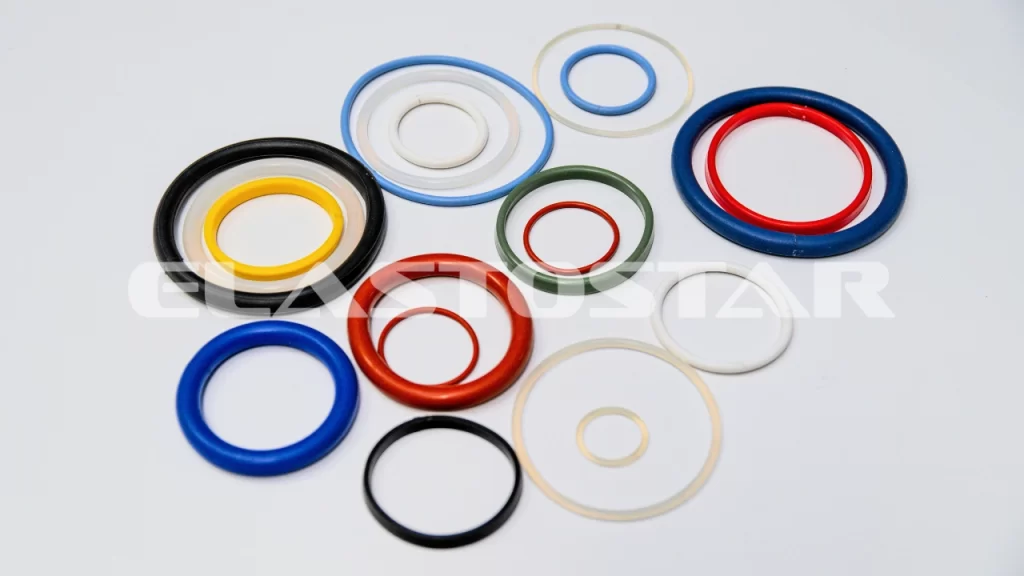
An O-ring manufacturer produces sealing components through processes such as molding, extrusion, splicing, and vulcanization.
Some manufacturers focus on standard O-rings. Others specialize in custom sizes, materials, or applications.
Working directly with a manufacturer can be useful when an OEM needs:
- Custom inside diameters or cross-sections.
- Specific rubber compounds and hardness.
- Production to an engineering drawing.
- Prototype development.
- Dimensional inspection.
- Repeat manufacturing.
At Elastostar Rubber Corporation, our spliced and vulcanized silicone rubber O-rings offer a suitable option for custom sealing applications.
We also manufacture custom molded rubber products when a molded component better suits the design.
What Is an O-Ring Supplier?
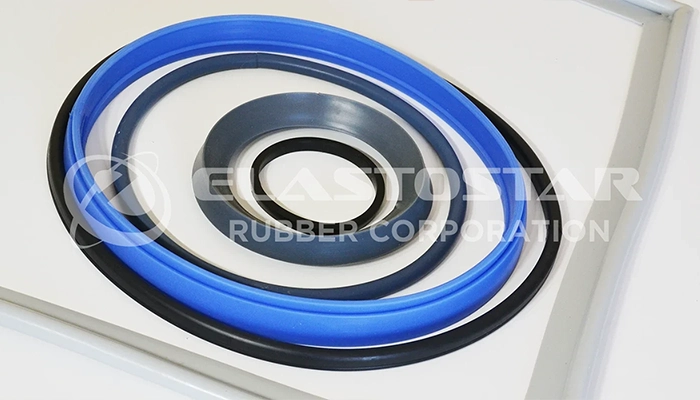
An O-ring supplier sells O-rings to industrial customers.
It may manufacture the parts directly, purchase finished products, or arrange production through another manufacturer.
For OEMs comparing an O-ring supplier vs. manufacturer, the important question is who controls production.
Before approving a custom order, confirm:
- Who manufactures the O-rings?
- Who reviews the drawing?
- Who approves the rubber compound?
- Who performs inspection?
- Who handles rejected parts or engineering changes?
A supplier should be able to explain how it manages these responsibilities.
If your drawing specifies a classified rubber material, our ASTM D2000 rubber materials guide can help clarify the terminology used in purchasing specifications.
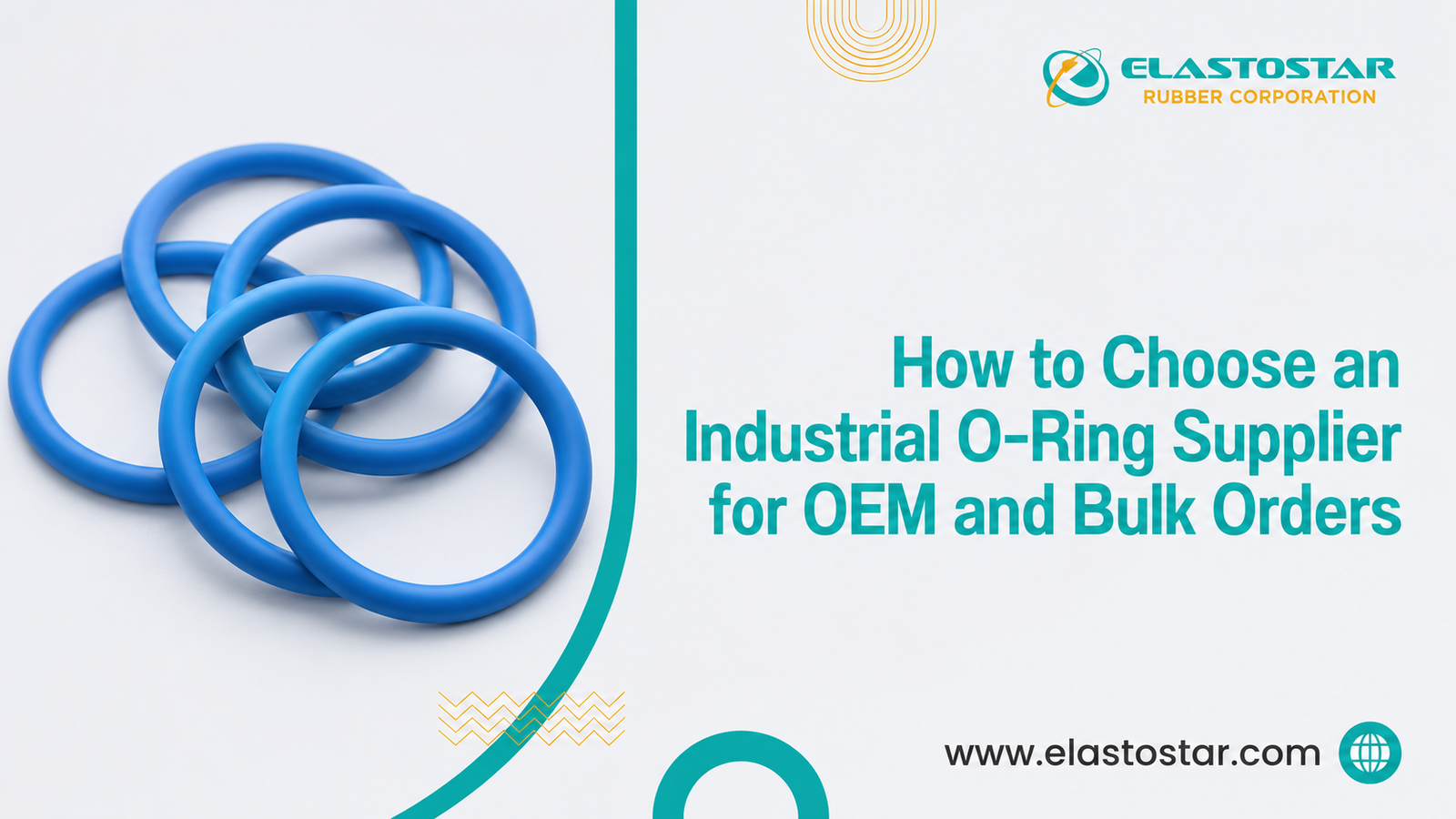
Also Read: How to Choose an Industrial O-Ring Supplier for OEM and Bulk Orders
What Is an O-Ring Distributor?

An O-ring distributor buys finished sealing components from manufacturers and resells them.
Distributors are often convenient for standard replacement parts, maintenance orders, and commonly stocked sizes.
For example, a maintenance team replacing an approved AS568-size O-ring may prefer a distributor that has the exact part in stock.
Our AS568 O-ring size chart provides standard dimensional references.
A distributor may also source custom parts, but manufacturing changes typically require coordination with the production facility.
O-Ring Manufacturers vs Suppliers vs Distributors: Key Differences
| Buying factor | Manufacturer | Supplier | Distributor |
|---|---|---|---|
| Produces O-rings | Yes | Sometimes | Usually no |
| Standard inventory | Varies | Varies | Often |
| Custom manufacturing | Based on capabilities | Direct or outsourced | May arrange |
| Production control | Direct | Varies | Usually indirect |
| Engineering support | Often | Varies | Varies |
| Best fit | Custom OEM production | General sourcing | Standard replacement parts |
The practical difference: A manufacturer may be the better choice when production requirements need technical review. A distributor may be more convenient when the correct part is already available.
When Should OEMs Buy Directly From an O-Ring Manufacturer?
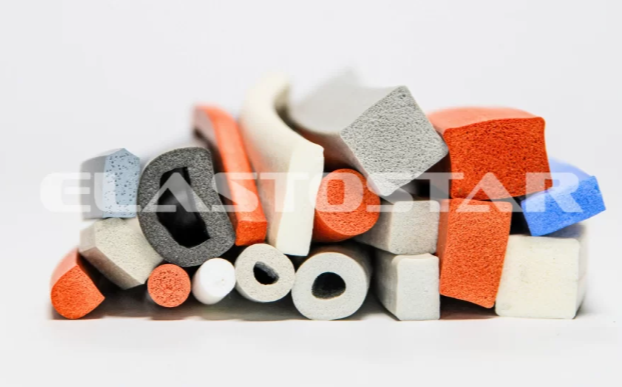
Consider direct manufacturing when you can’t confidently purchase an O-ring from a standard catalog.
1. Custom Sizes and Large Diameters
Some equipment requires nonstandard sealing dimensions.
For suitable applications, silicone rubber cord can be used to produce spliced and vulcanized O-rings.
The manufacturer should confirm whether the proposed construction meets the sealing conditions.
2. Specialized Rubber Compounds
Material selection affects chemical resistance, temperature performance, and service life.
For example, silicone, EPDM, nitrile, Viton/FKM, and fluorosilicone have different properties.
Our fluorosilicone rubber O-rings provide an option for certain fuel-exposure and temperature requirements.
Evaluate the exact compound against the operating environment.
3. Reverse Engineering
Older equipment may use seals without available drawings.
A manufacturer can review an existing sample and the equipment’s sealing dimensions to help develop a replacement.
A worn O-ring should not be measured without considering stretching, swelling, or permanent deformation.
4. Repeat Production and Quality Requirements
OEMs often need the same approved component across multiple production orders.
Our quality control processes support the inspection and documentation discussions needed for specification-controlled parts.
When Is an O-Ring Distributor the Better Choice?

A distributor may be the simpler option when the required component is standard, approved, and available.
Typical situations include:
- Replacement O-rings for maintenance.
- Small quantities of catalog parts.
- Urgent orders where suitable inventory exists.
- Consolidated purchasing of standard industrial components.
- Replenishment programs for commonly used seals.
For buyers researching where to buy bulk O-rings, compare stocked inventory against direct production quotations.
The right choice depends on quantity, material requirements, delivery schedule, and total cost.
Can O-Ring Suppliers Support Custom Manufacturing?

Yes, some industrial O-ring suppliers manufacture custom components themselves. Others coordinate production with outside facilities.
Both models can work if manufacturing responsibilities are clear.
Molded or Vulcanized O-Rings?
Molded O-rings are produced using mold tooling.
Spliced and vulcanized O-rings are formed by joining silicone rubber cord or extruded profiles into a continuous ring.
Vulcanized construction may be practical for certain large-diameter static seals. Molded construction may be more suitable for other applications.
The decision depends on size, quantity, tolerances, pressure, and sealing movement.
Read More: What Are Spliced and Vulcanized O-Rings?
What Should OEMs Compare Before Choosing an O-Ring Supplier?
A low unit price matters only if the supplier can meet the full specification.
When evaluating rubber O-ring suppliers, compare these factors:
- Manufacturing capability: Can the supplier produce the required size and construction?
- Materials: Can it provide the specified compound and hardness?
- Tolerances: Are the drawing requirements achievable?
- Quality: What inspection records are available?
- Tooling: Is new tooling required, and what will it cost?
- Quantities: Can the supplier support prototypes and repeat orders?
- Lead time: Does the quotation include material procurement and inspection?
- Total cost: Are shipping, tooling, and documentation included?
Rubber tolerances vary with material, geometry, and manufacturing method.
Our RMA precision tolerance provides a reference for discussing dimensional requirements.
Buyers should also review a potential manufacturer’s experience, production capabilities, and quality management information.
How Do Custom O-Ring Requirements Affect Supplier Selection?

A custom O-ring manufacturing project needs more than a size and quantity.
A complete request for quotation should include:
- Inside diameter and cross-section.
- Rubber material and Shore A hardness.
- Operating temperature.
- Chemical or fluid exposure.
- Static or dynamic sealing conditions.
- Pressure requirements.
- Drawing or existing sample.
- Prototype and production quantities.
- Required inspection documentation.
Our O-ring chemical compatibility chart can provide an initial reference for material discussions. Final selection should account for actual service conditions.
Industry-Specific Material Requirements
Different OEM applications may have additional requirements.
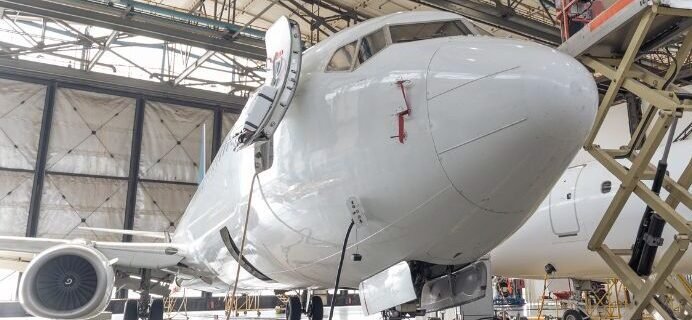
- Aerospace: Buyers may specify materials to A-A-59588 or evaluate supplier quality systems using AS9100D.
Our aerospace industry covers relevant manufacturing applications.
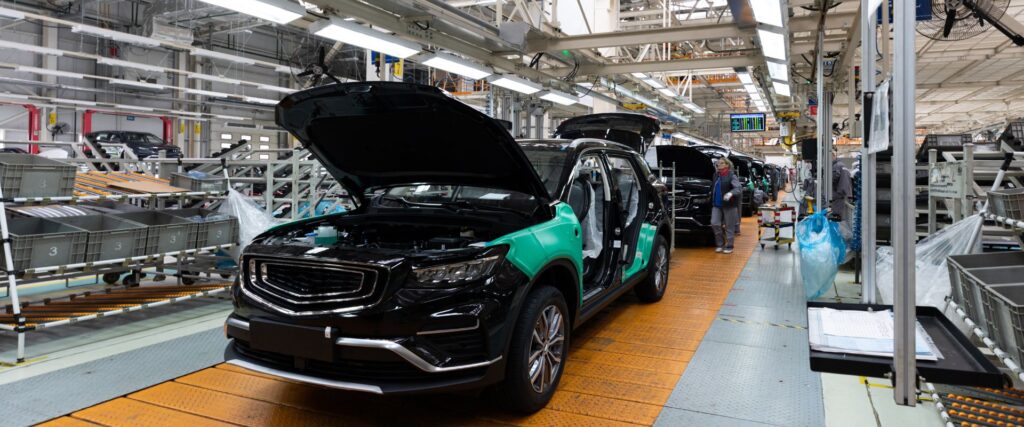
2. Automotive: Supplier qualification may involve IATF 16949 requirements. Our IATF 16949 certification provides information relevant to automotive purchasing teams.
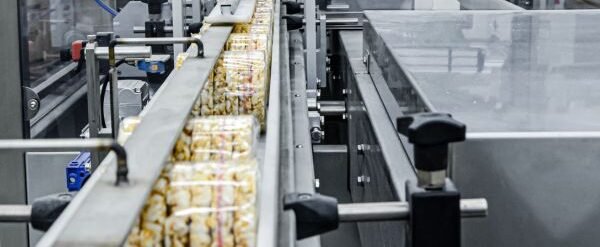
3. Food equipment: Applications may require silicone compounds that meet applicable FDA 21 CFR 177.2600 requirements or NSF 51 silicone rubber material.
4. Medical and pharmaceutical: Some applications require materials tested to USP Class VI.
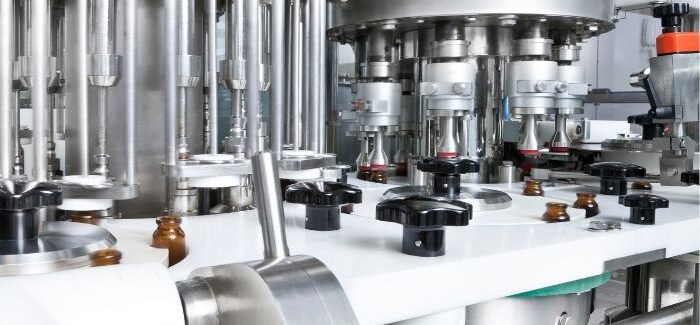
Confirm these requirements for the specific material, component, and intended use.
When a Different Seal Profile Works Better
Not every sealing application requires a circular O-ring.
Equipment covers, doors, and enclosures may benefit from shaped profiles.
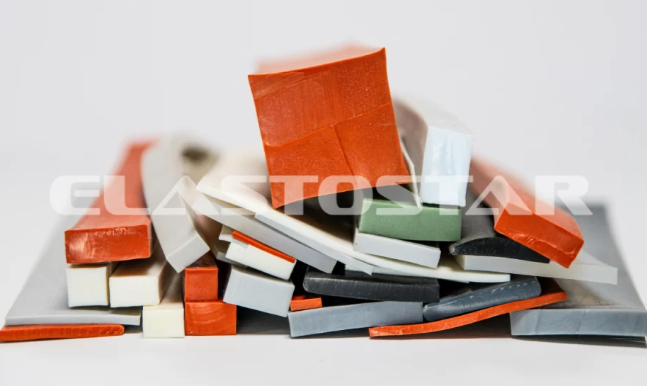
At Elastostar Rubber Corporation, we manufacture D-shaped silicone rubber seals and square and rectangular gaskets for a range of applications.
USA O-Ring Manufacturers vs Overseas Suppliers: What Should Buyers Evaluate?
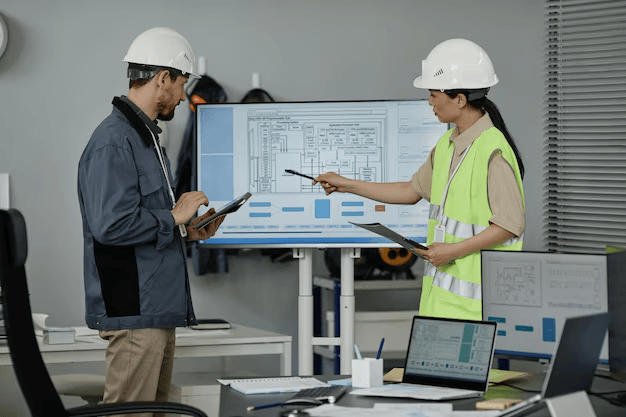
For OEMs comparing industrial O-ring manufacturers in the USA with overseas sources, unit price is only one part of the decision.
1. Engineering Communication
Custom components may require drawing revisions, material discussions, and prototype approvals.
Working with a USA O-ring manufacturer may simplify coordination for US-based purchasing and engineering teams.
2. Lead Time
Compare the complete schedule, including material procurement, tooling, production, inspection, and shipping.
Domestic manufacturing may reduce some logistics complexity, but you should still verify delivery commitments.
3. Total Delivered Cost
Evaluate:
- Unit price and tooling.
- Freight and import costs.
- Inspection and documentation.
- Inventory holding costs.
- Potential delays or rejected parts.
4. Supply Consistency
For repeat OEM orders, confirm how the supplier controls approved materials, drawing revisions, and production changes.
At Elastostar Rubber Corporation, our Ohio manufacturing facility supports custom rubber components from prototype development through production.
Questions to Ask Before Selecting an Industrial O-Ring Manufacturer
Use these questions when comparing O-ring manufacturing companies:
- Do you manufacture O-rings directly?
- Can you produce custom sizes and cross-sections?
- Which rubber compounds and hardness options are available?
- Can you work from engineering drawings or samples?
- Do you provide reverse engineering support?
- Which molding or vulcanizing methods do you offer?
- What dimensional tolerances can you achieve?
- Can you support prototypes and production quantities?
- What inspection documentation is available?
- What are the minimum order quantities and tooling costs?
- How do you manage drawing revisions?
- What is the complete manufacturing and delivery lead time?
These questions provide a practical starting point for choosing an O-ring manufacturer.
Read More: Procurement Guide for Silicone Rubber Suppliers
Looking for a Custom O-Ring Manufacturer in the USA?

If your OEM project requires a custom O-ring, the best supplier can understand the drawing, review the application, and manufacture the component to agreed requirements.
At Elastostar Rubber Corporation, we manufacture custom silicone and rubber sealing products in Ohio, USA.
We manufacture custom O-rings, extruded rubber profiles, molded components, gaskets, and sheet materials.
We support customers with:
- Custom O-ring manufacturing for application-specific dimensions.
- Reverse engineering when original component information is incomplete.
- Design and application assistance for material and manufacturing decisions.
- Prototype-to-production manufacturing for developing and established OEM programs.
- USA manufacturing and direct technical coordination.
- Quality and inspection support based on project requirements.
- Responsive lead-time planning for custom production orders.
Whether you’re comparing rubber O-ring suppliers, evaluating an O-ring supplier in the USA, or planning to buy O-rings directly from the manufacturer, we can review your technical requirements and discuss suitable manufacturing options.
Recommended Reads
- How AS9100D:2016 Certified Silicone Rubber Products Improve Aerospace Reliability?
- Top Benefits of Using Silicone Rubber in the Aerospace Industry
- How AS9100D Certification Helps Reduce Silicone Component Failure in Aerospace Applications
Request a Custom O-Ring Quote
Send us your drawing or sample, material requirements, operating conditions, and estimated quantity. Our team can review the requirements and discuss suitable manufacturing options. Contact Elastostar Rubber Corporation to request a quote.
FAQs
Q1. What is the difference between an O-ring manufacturer and distributor?
An O-ring manufacturer produces sealing components. An O-ring distributor generally purchases finished products from manufacturers and resells them.
Q2. Is an O-ring supplier always a manufacturer?
No. O-ring suppliers may manufacture products directly, distribute finished components, or coordinate production through other companies.
Q3. Should OEMs buy O-rings directly from manufacturers?
Direct purchasing may be suitable for custom sizes, specialized materials, engineering support, and repeat production. Distributors may be more convenient for standard replacement parts.
Q4. Can distributors supply custom O-rings?
Yes. Some distributors source custom components through manufacturing partners. Buyers should confirm who controls production and inspection.
Q5. Which is better for bulk O-ring orders: a manufacturer or distributor?
For bulk O-rings, compare manufacturing requirements, inventory availability, minimum quantities, lead times, and total cost.
Q6. How do I verify an O-ring manufacturer’s capabilities?
Review manufacturing methods, available materials, tolerances, inspection procedures, relevant quality certifications, and experience with similar applications.
Q7. What should OEMs ask an O-ring supplier?
Ask about manufacturing location, material specifications, custom dimensions, tooling, minimum quantities, documentation, and delivery schedules.
Q8. Where can I find O-ring manufacturers in the USA?
Look for O-ring manufacturers with documented US manufacturing facilities and relevant custom production capabilities. Elastostar Rubber Corporation manufactures custom silicone rubber components in Ohio, USA.