The silicone material selected for a critical application determines how reliably a system performs under pressure, heat, chemicals, and continuous operation. When purity, curing quality, or mechanical behavior is inconsistent, failures can occur silently, increasing the likelihood of contamination, product recalls, and costly downtime.
That’s why understanding silicone material risks is essential for food, pharma, medical device, and industrial processing teams.
Our high-purity, platinum-cured formulations are outlined on our extruded Silicone overview and are used across our custom extruded profiles, O-rings, gaskets, tubing, and sheet materials. Each product is engineered to minimize failure modes that commonly lead to recalls.
Key Takeaways
- Material purity is the biggest risk factor low-grade silicone releases fillers, odors, extractables, and particles that trigger contamination and recalls.
- Fragmentation is the silent recall source, torn or brittle silicone sheds micro-pieces that standard detectors cannot find.
- Aging increases brittleness. Heat, chemicals, and compression cycles make cheap silicone stiff, cracked, and unstable over time.
- Supplier inconsistency = hidden risk,s different batches behave differently, leading to unpredictable failures and untraceable contamination.
- Missing documentation increases audit risk when certificates, batch IDs, curing validation, or test reports are unavailable; teams cannot identify or resolve issues during audits.
- High-purity platinum-cured silicone reduces all major recall triggers, consistent curing, stable dimensions, and low extractables protect product integrity.
- Elastostar minimizes recall exposure by offering controlled U.S. manufacturing, strict QC, batch traceability, and complete compliance documentation.
Table of Contents
How Material Purity Risks Lead to Contamination and Recall Exposure?
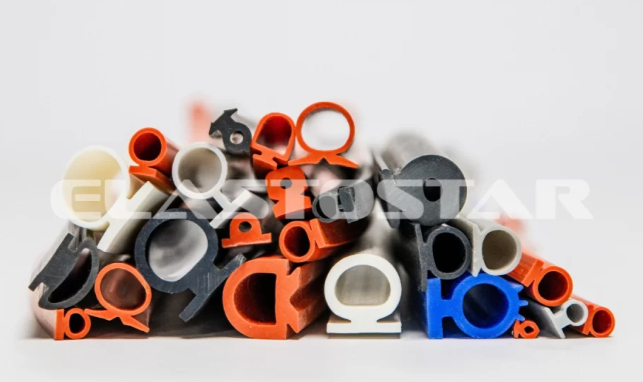
Silicone purity is a major contributor to silicone material risks. When a compound contains fillers, low-grade additives, or inconsistent curing agents, it becomes unstable under heat, pressure, or chemical exposure.
These purity issues increase the chance of extractables, leachables, odor transfer, and particle shedding, leading directly to contamination concerns in food, beverage, pharmaceutical, and medical processing lines.
This is why we use high-purity, platinum-cured silicone in all our custom extruded profiles, O-rings, gaskets, and silicone tubing. Our formulations are tested for consistency and documented in accordance with our Quality Control standards to reduce contamination failures and eliminate the risks that typically trigger product recalls.
Purity Risks Engineers Check
- Filler contamination
Low-quality silicone may contain calcium carbonate or talc fillers that break down and enter the product stream. - Off-ratio curing
Inconsistent curing results in soft spots, oily residue, or surface tackiness, increasing the risk of contamination failure. - Extractables & leachables
Impurities migrate under heat or chemical exposure, which is unacceptable in regulated industries. - Odor or taste transfer
Poor-quality silicone releases volatile compounds that compromise food or pharmaceutical products.
Also Read– The Complete Guide to Silicone Rubber Grades
How Fragmentation and Detectability Affect Safety in Food and Pharma Processing
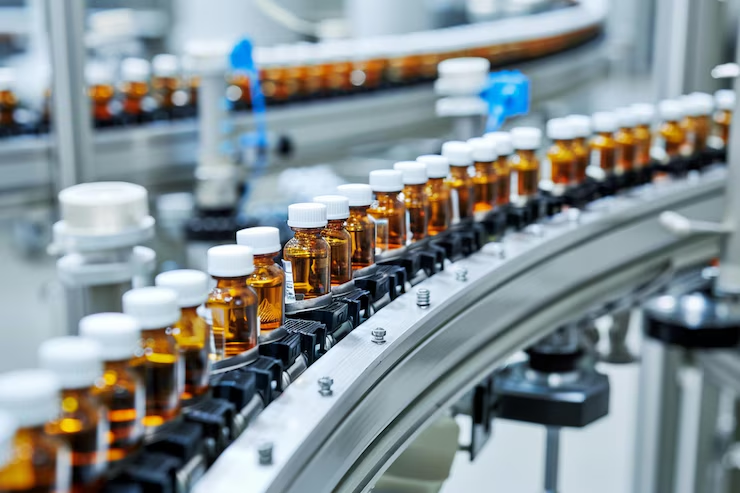
Fragmentation is one of the most serious failure modes in silicone sponge components because even a small fragment can contaminate thousands of units in food, beverage, and pharmaceutical production. When silicone tears, sheds particles, or fractures under compression, the risk of fragmentation becomes a direct recall trigger.
Many processors still use standard silicone that is not detectable by metal- or X-ray-detectable rubber systems, making contamination detection nearly impossible until the product has already entered the supply chain.
To prevent these failures, we engineer our silicone gaskets, O-rings, tubing, and custom extruded profiles using high-purity compounds that resist tearing and particle shedding. Our detectable silicone options, described in our Brochures section, help manufacturers locate and remove fragments before they reach consumers, significantly reducing recall risk.
Why Fragmentation Leads to Recalls?
- Tearing during compression cycles
Repeated pressure weakens low-quality silicone, causing micro-fragments to enter the product stream. - Low tensile strength materials
Inferior compounds break under stress, especially in mixers, pumps, and sealing surfaces. - Non-detectable silicone fragments
Standard silicone cannot be picked up by metal or X-ray detectors, making contamination harder to trace. - Toothpaste-firm brittleness in aging silicone
Material stiffens over time, causing sharp breaks rather than elastic deformation. - High-friction contact zones
Surfaces such as agitators, pistons, and valves cause abrasion, generating small particles that enter the batch.
Also Read-The Benefits of X-Ray and Metal Detectable Rubber Seals in the Food Industry
How Aging and Brittleness Increase Long-Term Failure and Recall Probability
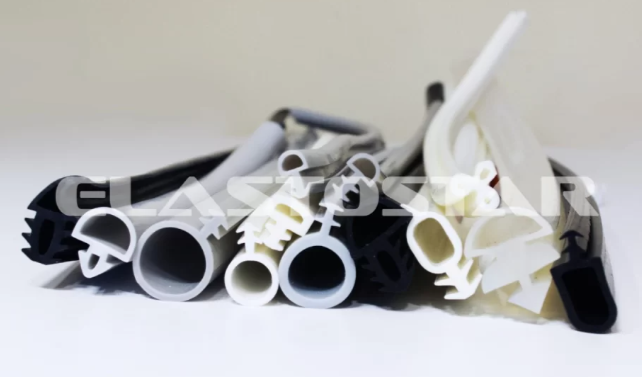
Silicone doesn’t fail suddenly; it changes slowly, and these changes often go unnoticed until the system breaks down.
Over months of heat cycles, chemical exposure, and constant compression, the material begins to exhibit signs of silicone aging, particularly in components such as O-rings, gaskets, and silicone tubing that experience continuous mechanical stress.
What makes aging dangerous is that it alters the silicone’s physical properties.
- It becomes stiffer, reducing flexibility.
- It becomes drier, reducing rebound.
- It becomes weaker, increasing the risk of tears and cracks.
These shifts eventually create points of brittleness, where the silicone snaps rather than stretching. Any breakage, especially in food, pharma, or medical applications, can release fragments and immediately elevate recall risk.
Aging accelerates when silicone is made with inconsistent curing or lower-grade fillers. That’s why our formulations follow strict testing and dimensional guidelines documented in our RMA Precision Tolerances.
Maintaining tolerance stability ensures long-term reliability and prevents age-related failures from becoming contamination events in production environments.
How Supplier Variability Creates Hidden Performance Differences and Recall Risk
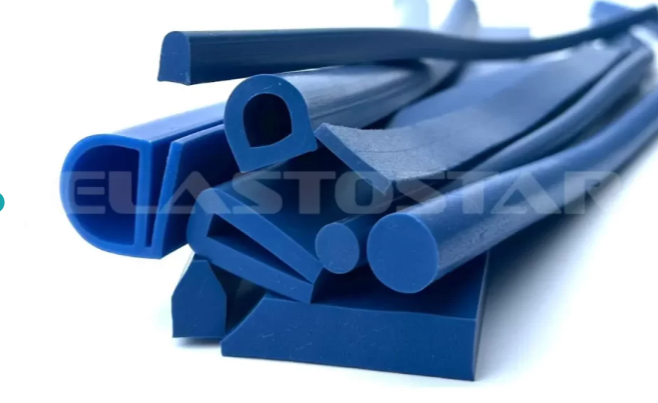
One of the most overlooked causes of recall incidents is not the silicone itself, but the supplier. When companies source components from multiple vendors or from suppliers that change raw material sources without notice, supplier inconsistency becomes a hidden risk. Two batches of silicone rubber that look identical can behave very differently once exposed to pressure, heat, or chemicals.
This variability shows up in subtle ways. In one batch, the O-ring gasket may retain elasticity, while another batch may harden prematurely. A batch of gaskets may fit correctly, while the next batch arrives slightly oversized because of curing variation in the production cycle.
Even small dimensional differences in extruded profiles can cause leaks, gaps, or misalignment, leading to contamination. These inconsistencies typically arise when suppliers outsource manufacturing, use mixed curing systems, or rely on low-cost materials without documented controls.
To prevent this, we maintain full in-house manufacturing within our U.S. facility and follow strict Quality Control guidelines to eliminate manufacturing defects and batch-to-batch instability.
This means every component, whether it’s tubing, gaskets, or custom extrusions, matches the exact performance profile expected by your engineering and QA teams, reducing variability-driven recall exposure.
Also Read- Procurement Guide for Silicone Rubber Suppliers
How Audit and Compliance Exposure Increases When Silicone Documentation Is Incomplete?
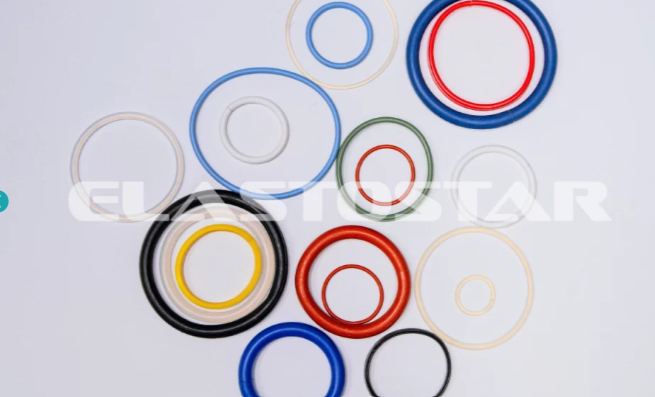
When silicone components arrive without proper paperwork, the risk of audit delays, investigation errors, and potential recalls increases immediately.
Missing compliance documentation makes it harder to confirm purity, curing stability, and mechanical performance, which increases audit risk for teams.
Why Incomplete Documentation Causes Problems?
1. No proof of purity
Without certificates, it’s unclear if the silicone meets required safety or hygiene standards.
2. No curing validation
Improper or unverified curing leads to material instability during operation.
3. No batch traceability
If a failure occurs, you cannot identify which batch caused the issue or how far the problem has spread.
4. No mechanical or chemical test results
Engineers can’t confirm strength, compression set, or chemical resistance.
5. No manufacturing transparency
Unknown production methods or material sources slow down root-cause investigations.
How We Reduce Compliance Exposure
We remove these risks by supplying complete documentation for every silicone component we manufacture.
This includes:
- Material certifications.
- Curing and process validations.
- Mechanical and chemical test reports.
- Full batch traceability for every lot.
Our U.S.-based manufacturing facility maintains controlled production and consistent quality, making audits smoother and recall investigations significantly faster.
Why Choosing Elastostar Rubber Corporation Minimizes Recall Risk Across Material, Manufacturing, and Compliance?

We reduce recall risk by controlling material purity, production consistency, and documentation throughout the process.
As a specialized rubber product manufacturer, we handle formulation, curing, and inspection in our U.S. facility, providing you with stable, traceable silicone with fully documented properties for risk-free sourcing.
How do We Help Lower Recall Risk?
- High-purity materials
Platinum-cured, USP Class VI-compliant silicone reduces contamination. - Controlled manufacturing
All components are produced in-house for consistent curing and accurate dimensions. - Engineering support
We assist with prototyping, redesigns, and fit validation to prevent installation errors. - Complete documentation
Each batch includes certificates, test reports, and traceability records. - Fast U.S. supply
Short lead times help you replace components before failures escalate.
Recommended Reads
Conclusion
Silicone recalls don’t happen by accident; they happen when the wrong material, supplier, or curing process is used. By choosing stable, high-purity silicone and a manufacturer that controls every stage of production, you eliminate most risks before they reach the line. If you ever need help selecting materials or reviewing specifications, you can reach our engineering team anytime. With consistent quality, full traceability, and reliable U.S. manufacturing, we help you reduce failures and protect your brand from recall exposure.
FAQs
Q1. Can silicone material cause product recalls?
Yes. Recalls can occur when silicone contains impurities, sheds particles, or breaks under stress. Low-grade compounds or poor curing may release fragments into the product flow. This is why high-purity materials are required for components like silicone sponge sheets, which are often used in environments where contamination control is critical.
Q2. How does detectable silicone reduce recall risk?
Detectable silicone helps production teams identify fragments using metal- or X-ray-detection systems. This enables early removal of contaminated product and reduces the risk of large-scale recalls, especially in food and pharmaceutical processing.
Q3. Does aged silicone increase recall risk?
Yes. Aging causes silicone to harden, lose elasticity, and become brittle. Over time, this leads to microcracking and particle shedding, increasing the risk of contamination and the probability of recall.
Q4. How does supplier variation affect recall exposure?
Supplier variation creates unpredictable performance differences. Changes in curing method, purity level, or hardness from batch to batch cause failures that are difficult to trace. Inconsistent sourcing dramatically increases recall exposure because defective parts may not be detected until after production begins.
Q5. Do auditors flag silicone components during inspections?
Yes. Auditors look for complete documentation, including material certificates, curing validation, and batch traceability. Missing records increase compliance risk. If you need documentation support, our engineering team is available at any time.