
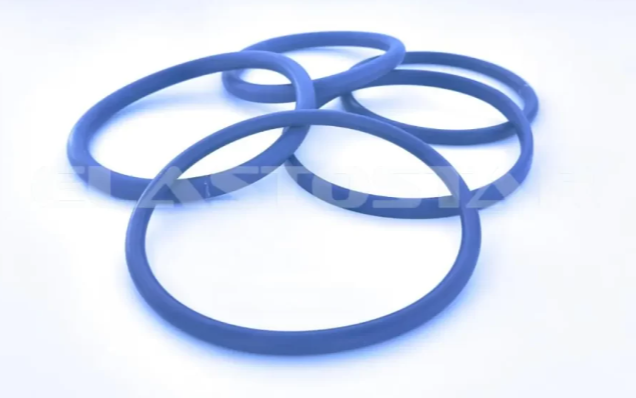
Silicone O-rings are vital sealing components widely used across various industries, including food processing, medical devices, and industrial machinery. These silicone sealing rings ensure reliable performance by preventing leaks and protecting equipment from contamination and wear.
Selecting the right O-ring material and design is crucial for meeting the specific requirements of silicone O-ring applications, such as temperature resistance, chemical compatibility, and regulatory compliance. Whether you need seals for high-purity medical environments or heavy-duty industrial use, understanding silicone O-ring applications helps you make the best choice.
This guide will walk you through the key factors to consider when choosing FDA-compliant silicone O-rings, helping you find durable, safe, and compliant sealing solutions tailored to your industry’s unique demands.
Key Takeaways
- Silicone O-rings are widely used in food, medical, and industrial sealing applications.
- Select the silicone compound based on temperature, chemical exposure, pressure, hardness, and application requirements.
- For food or medical applications, verify the required material compliance and supporting documentation.
- Proper O-ring size, compression, and material compatibility help prevent leakage and premature failure.
- Platinum- and peroxide-cured silicone have different characteristics and should be selected according to application requirements.
- Custom silicone O-rings are available for non-standard sizes and specialized sealing requirements.
Table of Contents
Understanding Silicone O-Ring Grades

Silicone seals are available in various grades, each customised for specific industries and applications. Food-grade silicone O-rings are specifically designed to meet stringent safety standards for food contact, ensuring that these molded or hollow O-rings do not contaminate products.
For healthcare and pharmaceutical needs, medical-grade silicone O-rings, high-heat environment O-rings, and vulcanized O-rings offer biocompatibility and comply with USP Class VI and ISO certifications.
In tougher industrial settings, fluoro silicone O-rings and hot-sliced O-rings provide durability, chemical resistance, and temperature tolerance. Selecting the right silicone sealing rings for your application ensures safety, performance, and regulatory compliance.
Read more: Food‑Grade FDA Silicone Rubber vs Regular Silicone Rubber
Factors to Consider When Choosing a Silicone O-Ring

When selecting silicone sealing rings, keep these key factors in mind to ensure optimal performance:
- Material Selection: Utilize an O-ring material selection guide to choose the optimal silicone type for your application.
- Temperature Resistance: For environments with high heat, select high-temperature silicone O-rings that maintain flexibility and sealing integrity.
- Chemical Compatibility: Verify that the silicone compound is compatible with the specific fluids, chemicals, cleaning agents, or process media used in your application.
- Pressure and Movement: Consider whether the seal will be under static or dynamic pressure, as this affects material and design choices.
- Regulatory Compliance: For food, medical, or pharmaceutical uses, verify that the silicone meets industry standards and certifications.
These considerations help you pick silicone O-rings that provide durability, safety, and reliable sealing.
Selecting an O-Ring for High-Temperature Equipment
Suppose an equipment manufacturer needs an O-ring for a high-temperature application with periodic chemical cleaning. Instead of selecting silicone based on temperature resistance alone, the manufacturer should also consider chemical compatibility, pressure, dimensions, hardness, and any required compliance.
For additional guidance, see our silicone O-ring selection guide.
Read more: Platinum Cured Silicone vs Regular Silicone
What Are the Common Challenges in Silicone O-Ring Selection?
Choosing the right silicone O-ring can be complex, and several common challenges may lead to seal failure if not addressed:
- Material Mismatch: Selecting the incorrect silicone type can lead to swelling, cracking, or premature wear.
- Inaccurate Dimensions: Improper sizing leads to leaks or excessive compression, reducing seal life.
- Chemical Exposure: Failing to consider all chemicals the seal will come into contact with can result in degradation or failure.
- Temperature Extremes: Exposure to temperatures beyond the silicone’s limits can cause hardening or softening, which affects performance.
- Poor Design Choices: Incorrect hardness, compression, gland dimensions, or O-ring size can increase the risk of leakage and premature seal failure.
Understanding these common causes of failure helps ensure you select the right silicone sealing rings for your application, avoiding costly downtime.
Read more: How to Quickly Measure Silicone Rubber O‑Rings?
Silicone O-Rings vs. Other Elastomer O-Rings
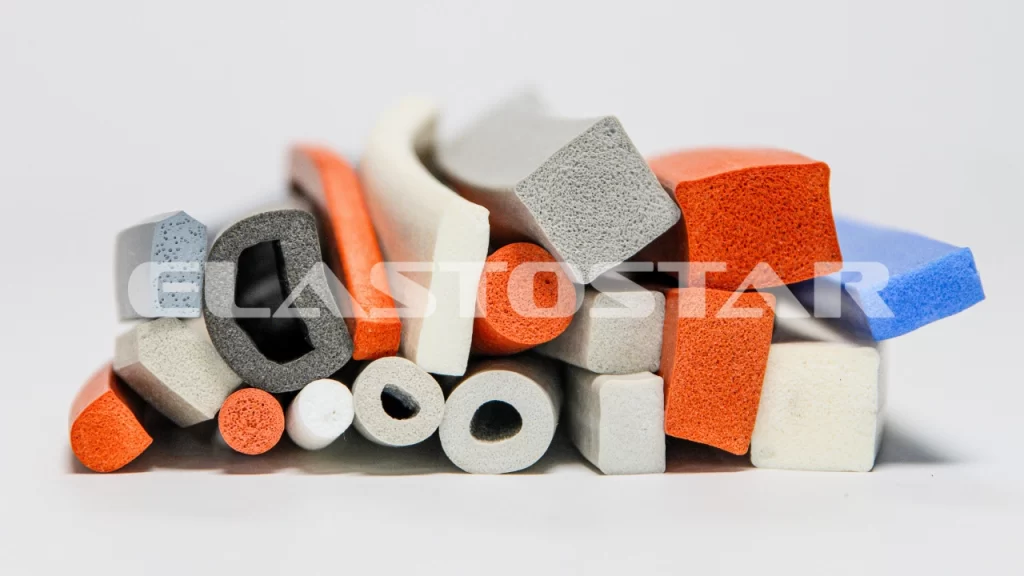
Understanding the differences helps you select the most suitable material for your specific sealing needs.
| Factor | Silicone | EPDM | FKM | NBR |
|---|---|---|---|---|
| Temperature Resistance | Excellent | Good | Excellent | Moderate |
| Weather & Ozone Resistance | Excellent | Excellent | Excellent | Limited |
| Oil & Fuel Resistance | Limited | Limited | Excellent | Good |
| Low-Temperature Flexibility | Excellent | Good | Moderate | Moderate |
| Common Uses | Food, medical, high/low-temperature sealing | Water, steam, outdoor sealing | Fuels, oils, chemical environments | Oils, industrial equipment |
The best O-ring material depends on the temperature, media exposure, pressure, environment, and application requirements.
Silicone O-Rings for the Food Industry
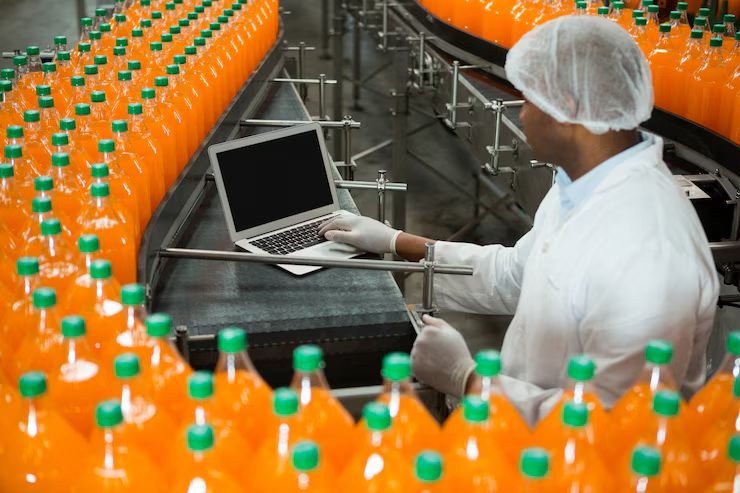
Metal-detectable silicone O-rings used in food-processing equipment should be manufactured from materials suitable for the intended food-contact application.
Where required, the silicone compound may be formulated to meet FDA 21 CFR 177.2600. Material compliance should always be verified for the specific compound and application.
These seals may also be exposed to oils, cleaning agents, temperature changes, and repeated washdown cycles. Common applications include beverage equipment, dairy processing systems, packaging machinery, and other food-processing equipment.
Certifications and Quality Assurance:
- Manufactured under ISO 9001:2015 quality standards.
- Materials tested and approved to USP Class VI Sections 87 & 88, ensuring biocompatibility and safety.
- Fully compliant with FDA regulations for food contact applications.
These standards ensure our silicone O-rings deliver the durability and safety your food processing equipment requires.
Silicone O-Rings for Industrial Applications

Vulcanized O-rings in industrial settings are designed to handle harsh environments and demanding conditions. Key benefits include heat resistance, chemical stability, and O-ring sealability.
Common applications include:
- High-temperature sealing: Used in engines, ovens, and heating equipment where temperatures fluctuate widely.
- Chemical exposure: Suitable for machinery exposed to oils, solvents, and industrial chemicals.
- Electrical enclosures: Provide reliable seals that protect sensitive components from dust and moisture.
- Custom solutions: Custom silicone O-rings designed for unique machinery and specialized industrial equipment.
- General manufacturing: Used in pumps, valves, compressors, and other equipment requiring flexible, durable silicone elastomer seals.
These applications highlight silicone’s versatility and reliability in industrial environments.
Understanding Silicone O-Ring Hardness and Durometer
When selecting hot-sliced O-rings, understanding hardness and durometer is essential for ensuring optimal sealing performance. The durometer measures the material’s hardness, typically on the Shore A scale.
Softer O-rings offer better flexibility and compression for dynamic seals, while harder O-rings provide greater resistance to wear and deformation in static applications.
Choosing the right hardness depends on the specific application, pressure, and environment. Platinum-Cure Peroxide-Cured ring material selection considers these factors to strike a balance among duPeroxide-Cureding effectiveness, and longevity.
Cleaning and Maintenance of Silicone O-Rings
Proper cleaning and maintenance are crucial for ensuring the longevity and optimal performance of silicone O-rings in sensitive environments.
For molded rubber o-rings used in high-purity applications, regular cleaning helps prevent contamination and maintain sealing integrity. Use mild detergents and avoid harsh chemicals that could degrade the material.
Inspect seals frequently for signs of wear or damage, and replace them as needed to prevent leaks or failures. Following best practices in cleaning and upkeep ensures reliable performance and compliance with industry standards.
Platinum Cured vs Peroxide Cured Silicone O-Rings: A Quick Comparison
| Feature | Platinum Cured Silicone O-Rings | Peroxide Cured Silicone O-Rings |
| Purity | High purity with minimal extractables | May contain residual byproducts |
| Chemical Resistance | Excellent chemical and temperature resistance | Good, but less resistant than platinum cured |
| Appearance | Clear, odorless, and tasteless | May yellow or discolor over time |
| Compliance | Preferred for medical, food, and pharmaceutical use | Generally used for industrial, non-critical uses |
| Durability | Superior long-term stability and elasticity | Durable but may degrade faster under harsh conditions |
| Cost | Higher due to purity and processing complexity | More lead-timective |
This comparison helps you select the ideal silicone O-ring based on your specific requirements, striking a balance between purity, performance, and cost.
Read more: Peroxide vs Platinum Cured Silicone Tubing Comparison
How to Choose the Right Silicone O-Ring Manufacturer

Selecting a reliable manufacturer is crucial to ensure you receive high-quality, compliant silicone O-rings that are customized to your specific needs.
At Elastostar Rubber Corporation, we specialize in USA-made silicone O-ring Manufacturing that meets the highest standards for performance and safety.
Our services include reverse engineering, prototyping, and full production runs, as well as expert design assistance to deliver custom sealing solutions that fit perfectly.
We pride ourselves on providing the shortest lead time delivery, helping you keep your projects on schedule without compromising quality.
For those seeking the best O-ring material for medical use and beyond, Elastostar offers trusted expertise, certified materials, and responsive support you can count on.
Recommended Reads
- Silicone Rubber O‑Rings: Meaning, Applications & Properties
- Understanding O‑Ring Size Standards & International Charts
- Choosing the Best Silicone O‑Rings for Sealing Application
Conclusion
Selecting the right silicone O-ring is crucial for ensuring safety, efficiency, and compliance across various food, medical, and industrial applications. By understanding material grades, performance needs, and certification standards, you can avoid common selection mistakes and ensure lasting sealing performance.
From food-grade and medical-grade options to high-temperature industrial solutions, the right silicone O-ring makes all the difference.
Always work with a trusted USA-based manufacturer to guarantee quality, traceability, and expert support. At Elastostar, we deliver custom FDA silicone O-rings designed to meet your exact specifications.
Contact us today to discover the ideal sealing solution for your specific application.
FAQs
Q1. What type of silicone O-ring is safe for food processing?
Food-grade silicone O-rings, which comply with FDA regulations and are made from food-safe materials, are ideal for food processing applications, ensuring safety and preventing contamination. For trusted FDA-compliant O-rings and expert guidance, reach out to us at Elastostar Rubber Corporation.
Q2. Which silicone O-ring material is best for medical applications?
Medical-grade silicone O-rings, often platinum-cured and tested to meet USP Class VI silicone O-ring standards, offer the biocompatibility and purity required for medical devices and pharmaceutical applications.
Q3. What are the benefits of platinum-cured silicone O-rings?
Platinum-cured silicone O-rings provide superior purity, chemical resistance, and durability. They are odorless, non-toxic, and highly suitable for sensitive applications in food, medical, and pharmaceutical industries.
Q4. How do I check if a silicone O-ring is FDA compliant?
Verify manufacturer certifications that confirm FDA compliance, including documentation that demonstrates adherence to FDA 21 CFR 177.2600 and related food and medical device contact standards. For certified FDA-grade silicone O-rings, contact Elastostar Rubber Corporation for verification and samples.
Q5. Are peroxide-cured silicone O-rings safe for food use?
Peroxide-cured silicone O-rings can be safe if properly post-cured and tested, but platinum-cured variants are generally preferred for higher purity and regulatory compliance in food applications.
Q6. What temperature can food-grade silicone O-rings handle?
Food-grade silicone O-rings typically tolerate temperatures ranging from -60°C to +230°C, making them suitable for most food processing environments involving heat or cold.
Q7. How long do silicone O-rings last in industrial environments?
With proper material selection and maintenance, industrial silicone O-rings can offer a long service life, often lasting several years even in harsh chemical and temperature conditions.
Q8. Can I get custom sizes for medical-grade silicone O-rings?
Yes, many manufacturers offer custom silicone O-rings customized to precise specifications, meeting the exact requirements of medical and pharmaceutical equipment. Contact us at Elastostar Rubber Corporation for customized solutions.
Q9. Are silicone O-rings suitable for chemical exposure?
Silicone O-rings are resistant to a wide range of chemicals, but it’s essential to select the right grade based on specific chemical compatibility for your application.
Q10. Where can I buy certified silicone O-rings in the USA?
Trusted USA-based manufacturers, such as Elastostar Rubber Corporation, provide certified, high-quality silicone O-rings with complete compliance documentation and custom options.