
Silicone O-rings are essential components in industries that rely on precision, cleanliness, and durability. However, not all silicone seals are the same, especially when it comes to their curing process. The curing method directly affects the material’s purity, performance, and suitability for specific environments, such as medical or industrial use.
Among the most widely used options are platinum-cured o-rings and peroxide-cured o-rings. While they may look similar on the surface, their chemical properties and end-use applications vary greatly. Understanding the difference between these two types is crucial for selecting the appropriate seal for your equipment or process.
In this guide, we’ll compare platinum-cured vs peroxide-cured O-rings and help you make an informed decision.
Key Takeaways
- Platinum-cured O-rings offer high purity, low extractables, and biocompatibility, making them ideal for medical, food, biotech, and cleanroom environments.
- Peroxide-cured O-rings are more cost-effective and suitable for general industrial use; however, they may contain trace residues and discolor over time.
- Platinum-cured seals are FDA-compliant and meet USP Class VI and ISO 10993 standards, which are essential for regulated industries.
- Peroxide-cured options can be used in food applications only with post-curing and proper certification.
- When purity, compliance, and sterilization are required, platinum-cured O-rings are the better choice.
- For non-critical or budget-sensitive projects, peroxide-cured seals offer good durability at a lower cost.
- Elastostar Rubber Corporation offers certified, USA-made silicone O-rings, providing full technical support for custom and high-purity applications.
Table of Contents
What Is a Curing Agent and Why Does It Matter?
Curing is the chemical process that transforms raw silicone into a stable, flexible material. A curing agent is used to create crosslinks within the silicone, giving it the strength and elasticity needed for sealing applications.
There are two primary curing methods:
Peroxide-cured silicone rubber and platinum-cured silicone. The choice between them affects the O-ring’s purity, performance, and suitability for different industries.
In the comparison of platinum silicone vs peroxide silicone, platinum curing produces cleaner, odorless seals with low extractables. In contrast, peroxide curing may leave residues and is better suited for general industrial use.
Understanding the curing method helps ensure the right O-ring is selected for your application’s safety, compliance, and durability.
Read more: What Is the Difference Between Silicone and Platinum Cured Silicone?
What are Platinum Cured Silicone O-Rings?

Vulcanized O-rings are designed for applications that demand cleanliness, flexibility, and regulatory compliance. They are made using a platinum catalyst, which results in a high-purity material with no residual byproducts.
These are commonly used in pharmaceutical, biotech, medical, and food processing equipment due to their clean performance and safety standards.
Key Benefits
- FDA-approved O-rings suitable for direct contact with food and medical devices.
- Low extractables and non-leaching.
- Odorless, tasteless, and non-yellowing.
- Excellent for sterilization, cleanrooms, and sensitive applications.
- Maintains flexibility and strength across a wide temperature range.
These platinum-cured silicone benefits make them the preferred choice for high-purity and mission-critical sealing needs.
Read more: USP CL VI Platinum Cured Silicone Extruded Rubber Seal for Pharmaceutical & Medical Device Industries.
What are Peroxide Cured Silicone O-Rings?

Peroxide-cured O-rings are widely used in general industrial applications due to their durability and cost-effectiveness. They are made using a peroxide-based curing agent, which may leave trace residues but offers strong mechanical properties.
These seals are a practical choice where ultra-high purity is not essential, such as in automotive, HVAC, or heavy equipment environments.
Key Features:
- More affordable than platinum-cured alternatives.
- Good tear strength and compression resistance.
- Suitable for static sealing and general industrial use.
- Available as food-grade silicone O-rings with proper post-curing.
- May have a mild odor and slight discoloration over time.
Peroxide-cured options are reliable for non-critical applications where performance matters more than purity.
Platinum vs. Peroxide: Key Differences at a Glance
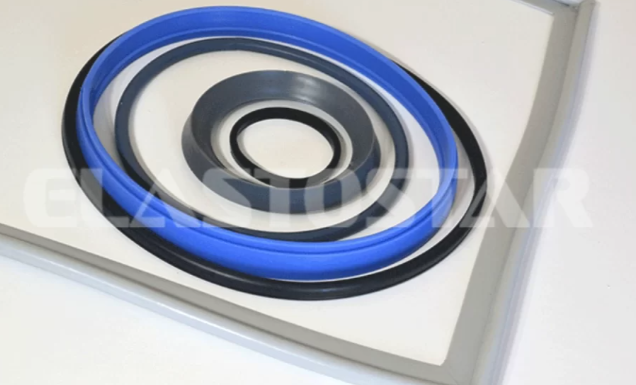
When choosing the right sealing solution, understanding the differences between platinum silicone vs peroxide silicone is essential, especially in regulated or high-performance environments.
This medical-grade O-ring comparison highlights the key factors that matter most in selecting the right curing method:
| Feature | Platinum Cured | Peroxide Cured |
| Purity | Ultra-clean, low extractables | May contain trace residues |
| Medical/FDA Use | May have a slight odor or taste | Limited use; requires post-curing |
| Cost | Higher due to purity and compliance | More cost-effective for industrial use |
| Odor/Taste | Odorless and tasteless | May have slight odor or taste |
| Color Stability | Non-yellowing, clear appearance | Can discolor over time |
| Heat Resistance | Ideal for medical, pharma, and food applications | Good, but may degrade faster over time |
This comparison enables you to quickly assess which material is best suited to your specific environment and compliance requirements.
How to Choose the Right O-Ring?

Selecting the right silicone seal depends on the application, environment, and required certifications.
For industries such as pharmaceuticals, food, and medical devices, not just any O-ring will suffice; purity, compliance, and performance are of paramount importance.
Here’s what to consider:
- Application type: For sterile or regulated systems, choose medical-grade silicone O-rings that meet FDA and USP standards.
- Material purity: If contamination is a concern, opt for high-purity O-rings made using platinum-cured silicone.
- Industry requirements: In pharmaceutical manufacturing, always verify that you’re using certified silicone sealing rings for pharmaceutical use, designed for cleanroom and sterilization processes.
- Environmental factors: Assess operating temperature, pressure, and exposure to chemicals.
- Budget: Weigh the cost difference between high-purity and standard-grade materials based on criticality.
Making the right choice ensures long-term sealing performance and regulatory peace of mind.
Read more: Silicone Rubber Temperature – How Much Heat Can It Withstand?
Why Platinum Cured Is Worth It for Critical Applications?

In sensitive applications like healthcare, pharmaceuticals, and food production, using the right sealing solution is not optional; it’s essential. Hollow o-rings offer unmatched purity, safety, and long-term reliability where contamination control is non-negotiable.
These are often selected as biocompatible silicone O-rings due to their low extractables and clean processing. Their consistent performance under sterilization, chemical exposure, and temperature fluctuations makes them the go-to choice for regulated industries.
We also use peristaltic pumps with platinum-cured silicone tubing, where purity and flexibility are critical for fluid handling in medical and lab systems.
Our materials are tested and certified to USP Class VI, including USP Class VI Sections 87 & 88, ensuring they meet the highest biocompatibility standards.
Common Applications:
- Medical devices and surgical tools
- Pharmaceutical filling and packaging equipment
- Food and beverage contact systems
- Laboratory testing and diagnostic equipment
- Biotech and cleanroom fluid handling
For those needing fluorosilicone O-rings for medical use, choosing USP Class VI silicone O-rings ensures full compliance and peace of mind in critical environments.
Recommended Reads
- Can Silicone Rubber Become Toxic?
- Is 100 Percent Medical Grade Silicone Safe?
- Why Medical Grade Silicone Tubing is the Best Choice for Healthcare Tubing?
Conclusion
Choosing between platinum and peroxide-cured O-rings depends on your application. For cleanroom, sterile, or regulated environments, silicone O-rings for pharma that meet FDA and USP Class VI standards are the safer choice. Platinum-cured options offer higher purity, biocompatibility, and durability under demanding conditions, including high-temperature processes.
Peroxide-cured seals are cost-effective for general use but not ideal for critical systems. If you need guidance or certified FDA silicone rubber gaskets, we’re here to help. Reach out to us to discuss your sealing requirements or request a quote for custom or bulk orders.
FAQs
1. What is the difference between platinum and peroxide-cured O-rings?
The main difference lies in how they’re cured. Platinum-cured O-rings are cleaner and more suitable for sensitive environments. In contrast, peroxide-cured ones are better for general industrial use due to their strong mechanical properties and lower cost.
2. Are platinum-cured O-rings FDA-approved?
Yes, when manufactured with compliant materials, they can meet FDA regulations and are often certified for use in food, beverage, and healthcare systems. Contact us for material certifications or compliance documents.
3. Can peroxide-cured silicone be used in food-grade applications?
Yes, but it typically requires post-curing to remove residues. It’s essential to verify that the final product meets food safety standards before use.
4. Why is platinum-cured silicone preferred for medical devices?
It offers high purity, low extractables, and excellent biocompatibility, making it ideal for cleanroom and direct body contact applications. For product guidance, reach out to us at Elastostar Rubber Corporation.
5. What are the temperature limits for platinum-cured O-rings?
These O-rings typically handle temperatures from -60°C up to 200–250°C, depending on the formulation. They perform well in high-heat and sterilization environments.
6. Are peroxide-cured O-rings safe for drinking water systems?
They can be, but only if made from certified materials. Always confirm that the product meets the safety standards required for use with potable water.
7. Which O-rings last longer: platinum or peroxide cured?
Platinum-cured seals generally last longer in sterile and regulated environments due to their chemical stability. In industrial applications, both types offer good durability, depending on the conditions. Contact Elastostar to choose the right one for your needs.
8. How do I identify if an O-ring is platinum cured?
Platinum-cured products are usually transparent or translucent, with no strong odor. Manufacturers also provide certification to confirm the curing method.
9. What certifications should I look for in medical-grade O-rings?
Look for USP Class VI, ISO 10993, and FDA compliance. These ensure the material is safe for body contact, sterile environments, and pharmaceutical systems.
10. Is there a significant cost difference between the two?
Yes. Platinum-cured O-rings are typically more expensive due to their higher purity and compliance requirements, while peroxide-cured options are more affordable for general applications.