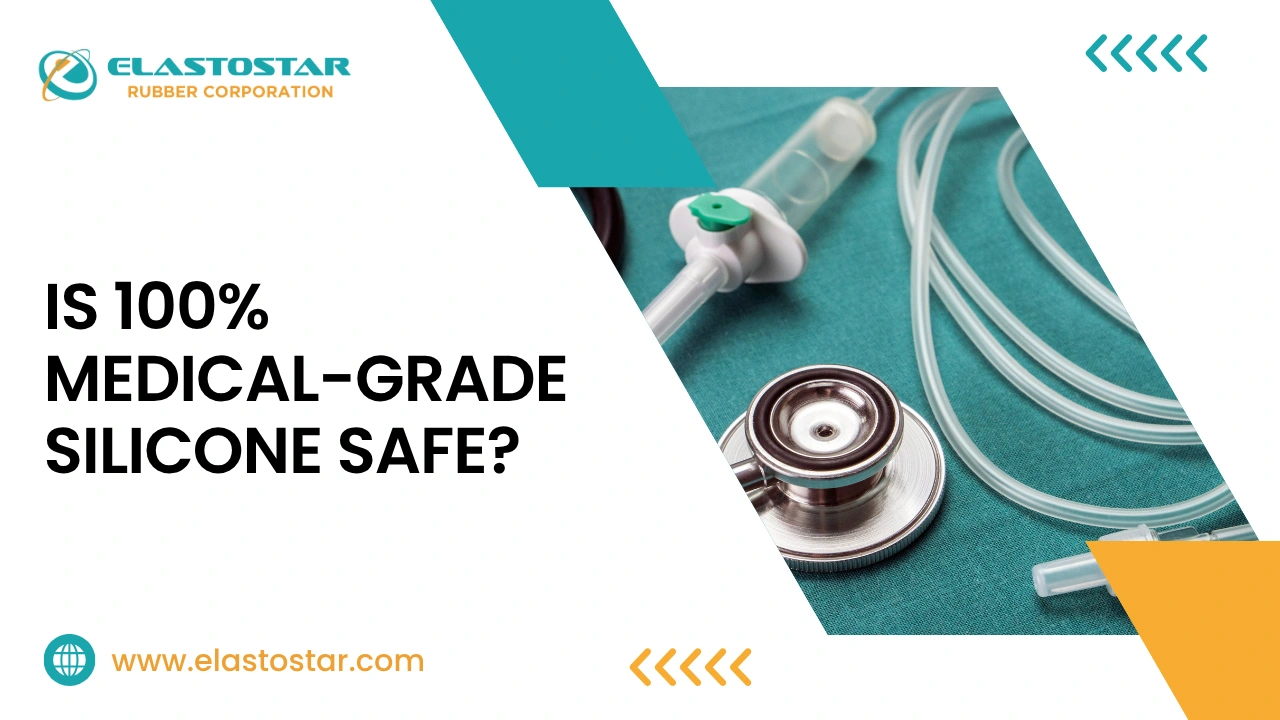
Medical-grade silicone plays a major role in today’s healthcare industry. It’s used in everything from medical silicone tubes and catheters to implants, wearable sensors, and wound care tools. But with terms like “100% medical-grade” often thrown around, many wonder: What does it mean, and is it truly safe?
In this blog, we’ll explore the real definition of 100% medical-grade silicone, how it differs from industrial silicone, and the science behind its safety. We’ll also look at key certifications, common myths, and how it’s used in life-saving devices. Whether sourcing custom gaskets, selecting silicone medical tubing, or just wanting to understand its medical value, this guide is your go-to resource.
What Does “100% Medical-Grade Silicone” Actually Mean?

“100% medical-grade silicone” is exceptionally pure, safe, and specifically engineered for medical applications. It contains no additives, plasticizers, or fillers, just pure silicone that has been rigorously tested to meet the highest health and safety standards.
Unlike industrial blends or lower-grade alternatives, this silicone is designed to interact safely with the human body. It’s used in medical silicone products like implants, tubing, and silicone rubber gaskets, where performance, hygiene, and durability are critical. The material must remain stable and non-reactive, whether inside a ventilator or sealing a surgical device.
Its high temperature resistance makes it ideal for autoclave or gamma radiation sterilization, without losing flexibility or degrading. Even in silicone rubber windows, the material resists heat, moisture, and microbial growth, ensuring long-term reliability.
Ultimately, the “100%” designation signals uncompromised quality, making it the preferred choice for safe, effective use in modern healthcare solutions.
The Science Behind Medical-Grade Silicone Safety
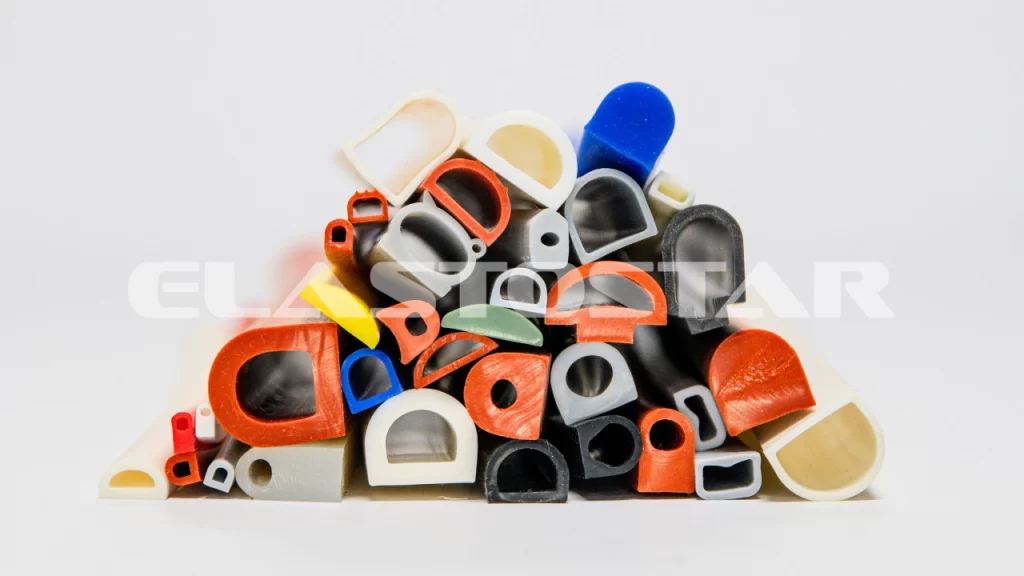
Medical-grade silicone is trusted in healthcare because it’s safe, clean, and reliable. Its most important feature is biocompatibility; it doesn’t irritate, react, or harm the body. That’s why it’s used in everything from catheters to implants.
It’s also chemically stable. Medical silicone rubber won’t leach toxins or break down when exposed to fluids, heat, or repeated sterilization. It maintains shape, flexibility, and performance, whether used in silicone medical devices or as gasket silicone rubber in surgical equipment.
In short, medical-grade silicone’s ability to remain safe, strong, and sterile makes it a trusted material in hospitals, clinics, and labs.
Myths and Misconceptions About Silicone Safety
Despite being widely used in healthcare, silicone is often misunderstood. Let’s clear up some common myths and uncover the facts behind its medical safety.
- Myth: “Silicone causes cancer.”
Reality: There is no scientific evidence supporting this. Medical-grade silicone is non-carcinogenic and thoroughly tested for long-term safety. - Myth: “Silicone breaks down quickly over time.”
Reality: High-quality silicone, like that used in silicone rubber pipe and gasket, is highly durable. It resists heat, moisture, and chemical exposure. - Myth: “Silicone causes allergic reactions like latex.”
Reality: Silicon is hypoallergenic and a safe alternative to latex in medicine. It is ideal for users with sensitivities or allergies. - Misunderstanding: “All silicone is the same.”
Reality: Silicon medical products are specially formulated, sterilizable, and FDA-compliant—unlike general-use or industrial-grade silicone.
Use Cases That Prove Its Safety
Medical-grade silicone is trusted in high-risk healthcare environments because it performs safely and reliably in real-world scenarios. These examples show how widely it is used today.
- Surgical Implants and Prosthetics
Surgical silicone is used in joint replacements, pacemaker components, and facial implants because it is long-term compatible inside the body. - Wearable Health Monitors and Dressings
Flexible silicone layers in devices like heart-rate patches or wound care systems offer comfort and protection over extended use. - Sealing Components in Medical Equipment
Products like silicone o-rings and custom rubber molded parts are used in ventilators, diagnostic machines, and fluid handling systems to ensure airtight, sterile operation.
What Certifications Ensure Silicone Is Safe?
Certifications are essential to confirm that medical-grade silicone is safe, non-toxic, and suitable for patient use in critical healthcare applications.
- USP Class VI Certification
Verifies that the silicone is biocompatible and does not cause toxicity, irritation, or allergic reactions. - USP Class VI – Sections 87 & 88 Passed
Confirms that the silicone has undergone in-vitro (87) and in-vivo (88) biological reactivity testing, validating it for safe medical use. - FDA 21 CFR 177.2600 Compliance
This indicates that the silicone is safe for repeated contact with the human body or food, as per U.S. FDA standards. - ISO 10993 Testing
Ensures materials pass biocompatibility standards for cytotoxicity, sensitization, and systemic effects. - Platinum-Cured Silicone Standards
Known for its purity and low extractables, it is ideal for implants and sterile environments. - Build America, Buy America (BABA) Compliance
BABA compliance that the silicone product or material aligns with federal infrastructure investment requirements, prioritizing U.S.-based manufacturing and sourcing to support domestic industry and supply chain integrity.
At Elastostar, we manufacture custom silicone products that meet all these regulatory benchmarks. As reliable silicone manufacturers, OEMs trust our rubber silicone seals for consistent quality and medical-grade performance.
View our latest brochure for detailed specifications, certifications, and product options.
What Makes Silicone Safer Than Other Materials?
Silicone excels over other materials due to its unmatched safety profile, especially in healthcare applications where patient safety and long-term performance matter most.
- Superior Chemical Resistance
Silicone resists harsh chemicals, ensuring it won’t break down or release harmful substances when used in sensitive medical settings. - High Thermal Stability
Unlike many plastics or rubber alternatives, silicone rubber tubing can handle extreme temperatures without deforming, degrading, or losing its properties. - Non-Toxic and Hypoallergenic
Silicone is inherently non-reactive, for patients with sensitivities or allergies, especially when used in direct skin or tissue contact. - Durability and Reusability
Medical-grade silicone retains its integrity even after multiple sterilization cycles, unlike materials like PVC or latex, which can degrade over time. - Design Flexibility
Whether forming custom silicone rings or custom seals and gaskets, silicone can be shaped to fit complex configurations while maintaining safety and performance.
These features make silicone one of the safest, most versatile materials for internal and external medical use.
Recommended Reads
- How Is Silicone Rubber Used in the Medical & Pharmaceutical Industry?
- Why Medical Industry Preferred Silicone Tubing
- Medical-Grade Silicone: Meaning & Applications

Conclusion
100% medical-grade silicone is safe, reliable, and effective for use in a wide range of medical applications. Its biocompatibility, resistance to heat and chemicals, and ability to maintain performance under sterilization make it a top choice for medical device manufacturers.
With proper certifications like FDA 21 CFR 177.2600 and USP Class VI, medical-grade silicone ensures patient safety and product quality. Whether used in surgical tools, seals, or tubing, it continues to support innovation in healthcare. For trusted, certified silicone solutions, partner with Elastostar Rubber Corporation, a leading manufacturer of custom medical silicone components.
FAQs
1. What is the difference between FDA-compliant and FDA-approved silicone?
FDA-compliant silicone meets safety standards for use in food or medical settings. FDA-approved usually refers to a finished product (like a medical device) that has been officially reviewed and cleared by the FDA, not the raw silicone material.
2. What does FDA 21 CFR 177.2600 mean in silicone manufacturing?
This regulation means the silicone is safe for repeated contact with the human body or food. It won’t break down or release harmful chemicals during normal use. Have questions about FDA standards? Reach out to us—our team is happy to help explain how our silicone meets all compliance needs.
3. Is platinum-cured silicone FDA compliant?
Yes. Platinum-cured silicone is highly pure, stable, and typically FDA compliant. It’s often used in critical medical applications because it has low extractables and can handle sterilization.
4. Can regular silicone be used in medical devices?
No. Only medical-grade silicone should be used for medical devices. Regular silicone might contain unsafe fillers or additives. Not sure what type of silicone you need?
Contact us today to help you choose the right material for your medical product.
5. How do I verify if a silicone product is FDA compliant?
Ask the manufacturer for FDA compliance documentation and safety test reports (like USP Class VI or ISO 10993). Reliable suppliers should provide this easily. Need help verifying a product? Don’t hesitate to contact our team. We’ll guide you through the process.
6. What are the common uses of FDA-compliant silicone in the medical industry?
FDA-compliant silicone is used in tubing, catheters, implants, gaskets, o-rings, wearable sensors, and more, anywhere safety, hygiene, and flexibility are essential.