Automotive sealing systems must perform reliably under continuous exposure to weather, temperature changes, vibration, and mechanical movement. Materials used for these seals need to provide long-term flexibility, durability, and resistance to environmental conditions.
Two materials commonly evaluated in automotive sealing applications are EPDM rubber and TPV rubber. When engineers compare EPDM vs. TPV, they typically consider factors such as processing efficiency, recyclability, elasticity, and overall performance.
Thermoplastic vulcanizate (TPV) is a dynamically vulcanized elastomer that combines rubber-like elasticity with the advantages of thermoplastic processing.
In this blog, we examine the differences between TPV vs EPDM, including material properties, processing benefits, cost considerations, and their role in modern automotive sealing applications.
Key Takeaways
- EPDM and TPV are both widely used in automotive sealing due to their flexibility, durability, and resistance to environmental conditions.
- EPDM offers strong weather resistance and elasticity, while TPV provides similar performance with added processing advantages.
- TPV is easier to manufacture as it does not require curing and supports faster, high-volume production.
- Recyclability is a key advantage of TPV, making it a better option for sustainable manufacturing compared to EPDM.
- Cost depends on both material and processing, with TPV often improving efficiency despite higher raw material cost.
- The choice between EPDM and TPV depends on application needs, production method, and long-term performance requirements.
Table of Contents
Understanding Thermoplastic Vulcanizate (TPV)
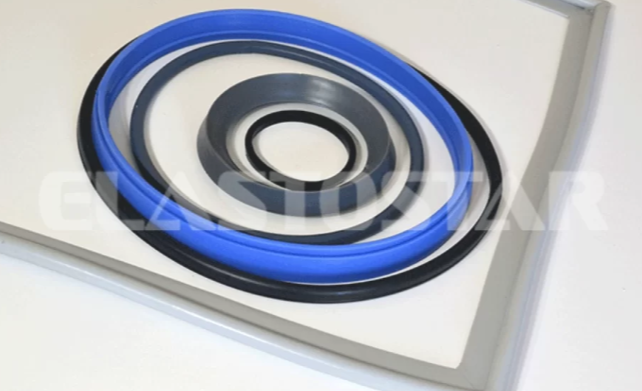
Thermoplastic vulcanizate is an elastomer produced by dynamic vulcanization. In this process, rubber particles are dispersed within a thermoplastic matrix, allowing the material to combine the elasticity of rubber with the processing advantages of thermoplastics.
Because of this structure, TPV rubber behaves like traditional rubber while still being processed using thermoplastic manufacturing methods.
In automotive sealing systems, materials such as Extruded Silicone Rubber Seals are commonly used for flexible, durable sealing components.
Read More: Comparing Different Types of Rubbers
Key Characteristics of TPV Materials
- Rubber-like flexibility and elasticity.
- Good resistance to weather and environmental exposure.
- Improved recyclability compared to traditional rubber.
- Compatibility with thermoplastic processing techniques.
Because of these characteristics, TPV automotive seals are widely used in vehicle components that require reliable sealing performance under varying environmental conditions.
EPDM vs TPV Property Comparison
When engineers compare EPDM and TPV, they typically evaluate performance factors such as flexibility, weather resistance, durability, and manufacturability.
Both EPDM rubber and TPV rubber are widely used in automotive sealing systems because they offer strong resistance to environmental exposure and mechanical stress.
In many sealing systems, components such as Silicone Rubber Cord are also used where flexible sealing materials are required.
Property Comparison Between EPDM and TPV
| Property | EPDM Rubber | TPV Rubber |
| Weather Resistance | Excellent | Very Good |
| Elasticity | High | High |
| Processing Method | Requires curing | Thermoplastic processing |
| Recyclability | Limited | Improved recyclability |
| Temperature Resistance | High | Moderate to High |
When evaluating TPV vs. EPDM, the selection often depends on manufacturing requirements, processing efficiency, and the performance characteristics required for specific automotive sealing applications.
Processing Advantages of TPV Materials
One of the key reasons manufacturers consider TPV vs. EPDM is the difference in processing methods. Unlike traditional rubber compounds that require a curing stage, thermoplastic vulcanizate materials can be processed using standard thermoplastic manufacturing techniques. This allows TPV rubber to be molded and shaped more efficiently during production.
In automotive sealing systems, silicone rubber tubing is also used where materials must maintain stability under heat and environmental exposure.
These materials are produced under strict manufacturing standards through our quality control process.
Manufacturing Advantages of TPV
- Injection moldable material suitable for high-volume production.
- No curing time required during manufacturing.
- Faster production cycles compared to traditional rubber.
- Ability to recycle scrap material during processing.
Because of these processing advantages, TPV automotive seals are often selected for applications where production efficiency and consistent material performance are important.
Also Read: The Step-by-Step Process of Custom Silicone Rubber Molding
Cost Differences Between EPDM and TPV Materials

Cost is another factor engineers consider when evaluating EPDM vs. TPV for automotive sealing applications.
While EPDM rubber may have a lower initial material cost, the overall production cost can vary depending on manufacturing efficiency, processing time, and recyclability.
In sealing systems where precision and durability are important, components such as Silicone Rubber O-Rings are also used to maintain reliable sealing performance.
Factors That Influence Cost
- Raw material pricing for EPDM and TPV rubber.
- Manufacturing cycle time and processing efficiency.
- Scrap recycling capability during production.
- Tooling and production volume requirements.
Because thermoplastic vulcanizates can be processed with thermoplastic manufacturing methods, some automotive manufacturers find that TPV materials improve production efficiency and reduce processing time compared to traditional rubber compounds.
You can review additional material specifications and product details in our product brochures.
What are the Automotive Applications of EPDM and TPV Sealing Materials?
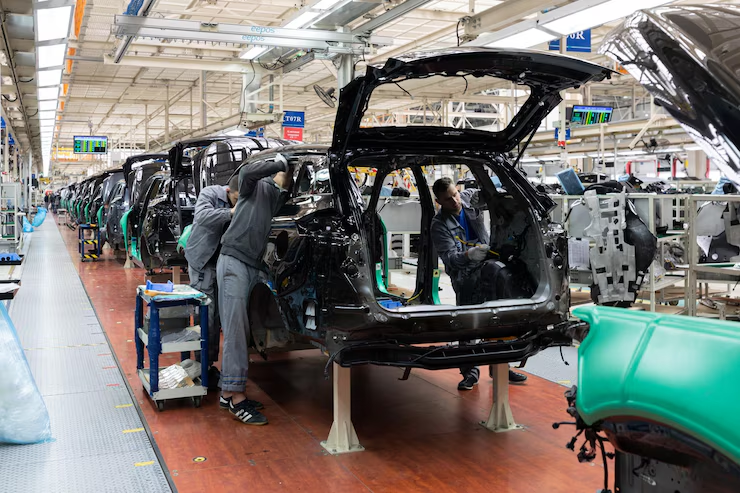
Automotive vehicles rely on flexible sealing materials to protect internal components from water, dust, and air leakage.
When engineers evaluate EPDM vs. TPV, they often consider how each material performs in various vehicle sealing systems under environmental conditions.
In many automotive assemblies, components such as Extruded Silicone Rubber Seals are also used where flexible and durable sealing performance is required.
1. Window Run Channels
Window run channels guide the movement of vehicle glass while maintaining a tight seal that prevents water intrusion and wind noise.
Both EPDM and TPV rubber are commonly used for these sealing systems because they offer flexibility and resistance to weather exposure.
2. Automotive Weather Seals
Weather seals are installed around doors, trunks, and windows to protect the vehicle interior from moisture, dust, and air infiltration.
Materials selected for TPV vs. EPDM comparisons must maintain elasticity and durability under continuous exposure to temperature fluctuations.
3. Cowl Seals
Cowl seals are located between the windshield and the engine compartment. These seals prevent water from entering sensitive components and help manage airflow within the vehicle’s ventilation system.
These applications show why materials evaluated in EPDM vs. TPV comparisons are critical for maintaining reliable sealing performance in modern automotive systems.
Read More: Top 7 Applications of Silicone Rubber in the Automotive Industry
Recyclability and Sustainability Considerations
Sustainability is becoming an important factor in material selection within the automotive industry. When comparing EPDM vs. TPV, manufacturers often evaluate how each material performs from an environmental and recyclability standpoint.
Traditional EPDM rubber offers excellent durability, but it is more difficult to recycle once vulcanized.
Recyclability Advantages of TPV
Thermoplastic vulcanizate offers improved sustainability because it can be reprocessed during manufacturing.
This allows scrap material generated during production to be reused, helping reduce manufacturing waste.
Key sustainability benefits include:
- Ability to reuse scrap material during processing.
- Reduced production waste compared to traditional rubber.
- Support for environmentally responsible manufacturing practices.
- Improved lifecycle management for recyclable rubber materials.
In many industrial applications that require durable, flexible materials, silicone sponge rubber components are also used because they maintain stable performance in demanding environments.
When TPV Replaces Traditional EPDM in Automotive Sealing?
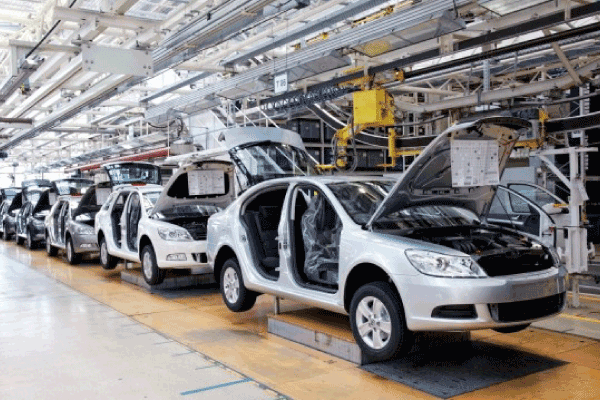
Material selection in automotive sealing systems depends on performance requirements, manufacturing efficiency, and sustainability considerations.
When engineers evaluate EPDM vs. TPV, they often find that thermoplastic vulcanizate offers processing and recycling advantages that make it a suitable alternative in certain applications.
Situations Where TPV Is Preferred
1. High-Volume Automotive Manufacturing
Because TPV rubber can be processed using thermoplastic manufacturing methods, it is often preferred in high-volume production environments where faster cycle times and efficient manufacturing processes are important.
2. Recyclability Requirements
Compared with traditional rubber compounds, thermoplastic vulcanizate allows scrap material generated during manufacturing to be reused. This makes TPV a suitable option for applications where recyclable rubber materials are preferred.
3. Simplified Production Processes
Unlike EPDM, TPV materials do not require a curing stage during manufacturing. This can simplify production workflows in some automotive sealing applications.
In sealing systems that require flexible, durable materials, Inflatable Rubber Sheets are also used for reliable sealing performance.
Why Elastostar Rubber Corporation Silicone Materials Support Reliable Automotive Sealing?

Automotive sealing systems require materials that maintain flexibility, durability, and resistance to environmental exposure.
At Elastostar Rubber Corporation, we manufacture silicone components for demanding automotive and industrial sealing applications.
Our Manufacturing Capabilities
Our materials are produced using advanced manufacturing processes to ensure consistent performance in sealing systems exposed to temperature changes, vibration, and environmental stress.
| Capability | Benefit |
| USP Class VI Section 87 & 88 compliance | Supports applications requiring high-purity material standards |
| Custom silicone manufacturing | Allows specialized sealing solutions |
| Reverse engineering support | Helps reproduce or improve existing components |
| Short lead-time production | Supports urgent manufacturing schedules |
| Large manufacturing facility | Enables scalable production |
As a custom silicone products manufacturer, we provide reliable materials used in sealing systems across automotive and other industrial applications.
Recommended Reads
1. The Complete Guide to Silicone Rubber Grades
2. Top 10 Properties of Rubber That Make It Ideal for Seals and Gaskets
3. Gasket vs O-Ring: Meaning, Differences, and Applications
Conclusion
Understanding the differences between EPDM and TPV helps manufacturers select the most suitable material for automotive sealing applications. Both EPDM rubber and thermoplastic vulcanizate offer durability, flexibility, and resistance to environmental exposure, making them effective for vehicle sealing systems.
However, TPV rubber offers additional advantages, including thermoplastic processing and improved recyclability, which can support efficient production. Material selection ultimately depends on performance requirements, manufacturing methods, and long-term application needs.
At Elastostar Rubber Corporation, we manufacture silicone components designed for reliable sealing performance in demanding environments. Reach out to us to discuss materials suitable for your automotive sealing and industrial application requirements.
FAQs
Q1. What is TPV rubber?
TPV rubber stands for thermoplastic vulcanizate, a material that combines rubber-like elasticity with thermoplastic processing characteristics. It behaves like rubber while allowing manufacturers to process it using thermoplastic production methods. In many industrial sealing systems, die-cut silicone rubber gaskets are used for flexible sealing.
Q2. How is TPV different from EPDM?
When comparing EPDM vs TPV, EPDM is a traditional rubber that requires curing during manufacturing, while TPV can be processed using thermoplastic techniques without a curing stage.
Q3. Can TPV be injection molded like thermoplastics?
Yes. One advantage of thermoplastic vulcanizate materials is that they can be processed through injection molding, extrusion, and other thermoplastic manufacturing methods.
Q4. Is TPV recyclable?
Compared with many traditional rubber materials, TPV can often be reprocessed during manufacturing, which helps support the use of recyclable rubber materials and reduces production waste.
Q5. What are the advantages of TPV over EPDM?
In many TPV vs EPDM comparisons, TPV offers faster processing, compatibility with thermoplastic manufacturing, and improved recyclability while maintaining rubber-like flexibility.
Q6. Is TPV more expensive than EPDM?
Material costs vary depending on formulation and production volume. While EPDM may have a lower raw material cost, TPV can reduce manufacturing time because it does not require curing.
Q7. Where is TPV used in automotive applications?
TPV automotive seals are commonly used in vehicle components such as window run channels, weather seals, and cowl seals.
Q8. Does TPV have the same weather resistance as EPDM?
EPDM is known for excellent weather resistance. TPV also performs well in outdoor environments and is suitable for automotive sealing systems exposed to temperature changes and UV exposure.
Q9. Can TPV replace EPDM in existing designs?
In some cases, TPV can replace EPDM, particularly when thermoplastic processing or recyclability is required.
Q10. What is the processing temperature for TPV?
The processing temperature for TPV rubber typically ranges between 180°C and 230°C, depending on the formulation and manufacturing method. In industrial environments where temperature stability is important, FDA Silicone Sponge Rubber is also used for sealing and insulation applications.