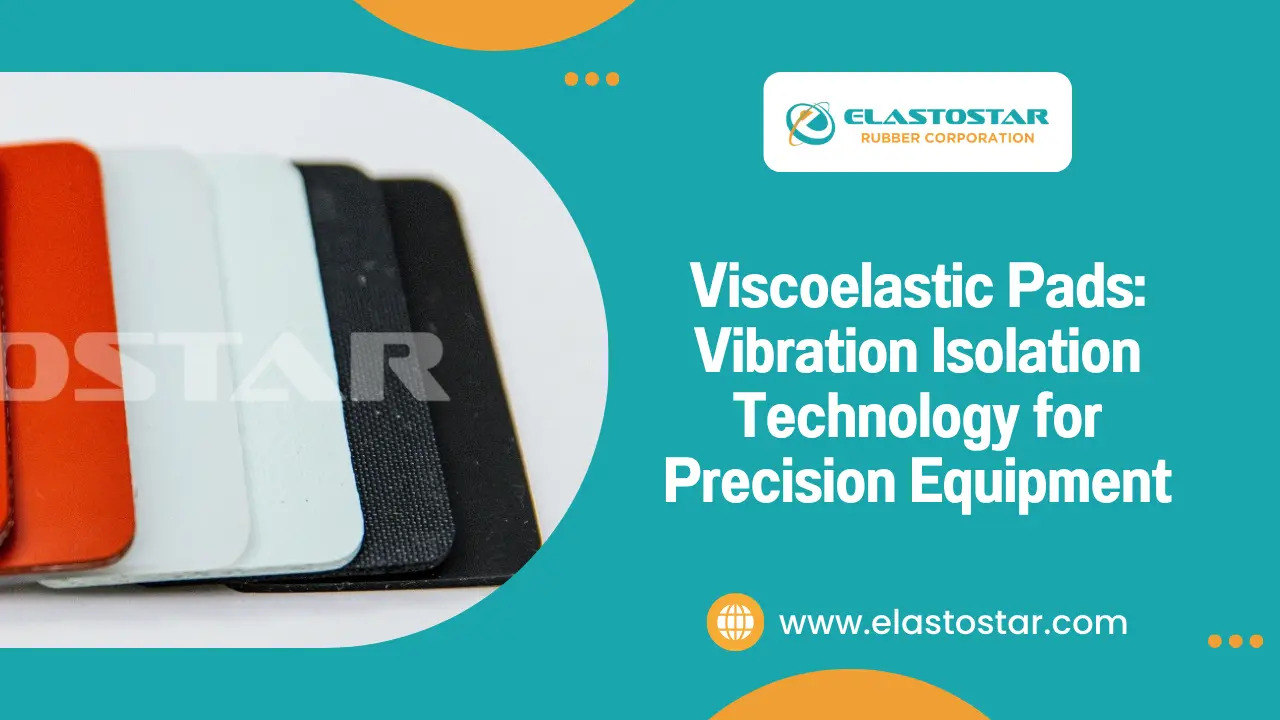
Precision equipment used in semiconductor manufacturing, aerospace systems, and electronics must operate under stable conditions to maintain accuracy and reliability. Even small levels of vibration can affect alignment, measurement precision, and equipment performance.
To reduce these disturbances, engineers use materials designed for viscoelastic damping. A viscoelastic pad absorbs vibration energy by converting mechanical motion into heat through internal friction, helping reduce vibration transmission in sensitive systems.
In this blog, we will examine how viscoelastic pads work, the damping mechanisms behind viscoelastic damping, key material properties, and how vibration isolation pads protect precision equipment from unwanted vibration.
Key Takeaways
- Viscoelastic pads reduce vibration by converting mechanical energy into heat, helping protect precision equipment from disturbances.
- Their performance depends on time, temperature, and frequency, which makes material selection important for stable operation.
- Compared with traditional elastomeric isolators, viscoelastic materials offer greater energy absorption and better damping across a wider range of conditions.
- Key parameters such as the loss factor and damping ratio determine how effectively vibration is reduced.
- These pads are widely used in the semiconductor, aerospace, electronics, and precision measurement equipment industries.
- Proper design, including load, frequency, and environment, is essential for effective vibration isolation.
Table of Contents
Understanding the Time- and Temperature-Dependent Properties of Viscoelastic Materials Used for Vibration Isolation
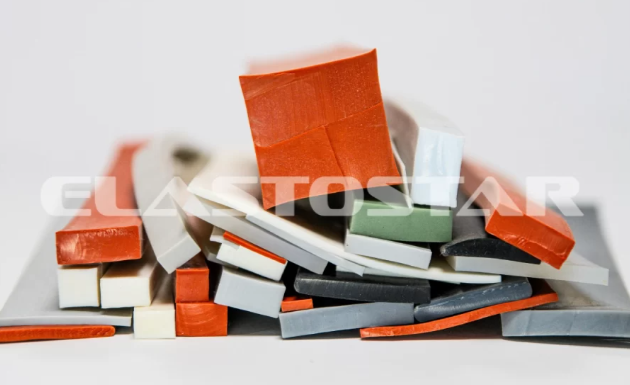
Viscoelastic materials behave differently from purely elastic materials because their mechanical response changes with time and temperature.
This unique behavior allows them to absorb and dissipate vibration energy for effective vibration-damping materials in precision equipment systems.
1. Time-Dependent Behavior in Viscoelastic Materials
When a load is applied to a viscoelastic material, it does not respond instantly as a rigid material does. Instead, the deformation occurs gradually over time.
This phenomenon, known as creep, allows a viscoelastic pad to absorb vibration energy rather than transmitting it through the structure.
Silicone Sponge Rubber is also used where cushioning and vibration stability are required.
2. Temperature Sensitivity of Viscoelastic Damping
The effectiveness of viscoelastic damping also depends on temperature. At certain temperature ranges, viscoelastic materials reach optimal damping performance, allowing them to dissipate vibration energy more efficiently.
Engineers often evaluate operating conditions and material properties before selecting suitable vibration isolation pads for sensitive equipment.
Read More: Why Engineers Prefer Engineering Grade Silicone Material
Comparing Viscoelastic Damping Mechanisms with Traditional Elastomeric Vibration Isolators
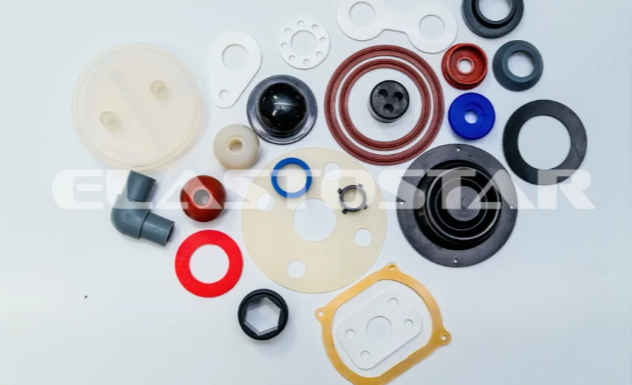
Vibration control systems often use different types of materials depending on the required level of damping and isolation.
While traditional elastomeric isolators reduce vibration by providing elastic support, materials designed for viscoelastic damping absorb and dissipate vibration energy through internal friction.
How Viscoelastic Damping Works?
A viscoelastic pad reduces vibration by converting mechanical motion into heat energy. As the material deforms under dynamic loading, internal molecular friction dissipates vibrational energy rather than transferring it through the structure.
This makes viscoelastic materials highly effective vibration-damping materials for sensitive equipment.
Difference Between Viscoelastic and Elastomeric Isolation
| Property | Viscoelastic Materials | Elastomeric Isolators |
| Damping Mechanism | Energy dissipation through internal friction | Elastic deformation |
| Energy Absorption | High | Moderate |
| Vibration Reduction | Effective across broader frequency ranges | Best for static or low-frequency isolation |
In vibration control systems where flexible sealing and material stability are important, Silicone Rubber D is also used to support equipment assemblies.
Also Read: Comparing Different Types of Rubbers
How Loss Factor and Damping Ratio Influence the Performance of Vibration Isolation Pads?
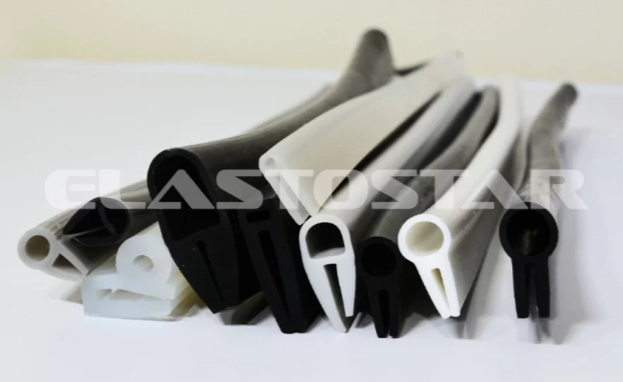
The performance of a viscoelastic pad is often evaluated using two key parameters: loss factor and damping ratio.
These values help engineers assess how effectively a material dissipates vibrational energy in precision equipment systems.
1. Loss Factor in Damping Materials
The loss factor represents the fraction of mechanical energy converted into heat when a material undergoes vibration.
Materials with a higher loss factor provide stronger damping performance because they absorb energy rather than transmit it through the structure.
2. Damping Ratio and System Stability
The damping ratio indicates how quickly the vibration amplitude decreases after a disturbance. A higher damping ratio allows isolation materials to reduce oscillations faster, helping maintain stability in sensitive equipment.
In precision equipment assemblies, vibration isolation systems are often combined with flexible sealing components such as die-cut silicone gaskets, which help maintain dimensional stability and cushioning in mounted equipment.
Technical material specifications and product information are available in our Elastostar Rubber Corporation brochures.
Understanding Frequency-Dependent Behavior of Viscoelastic Pads in Precision Equipment Isolation Systems
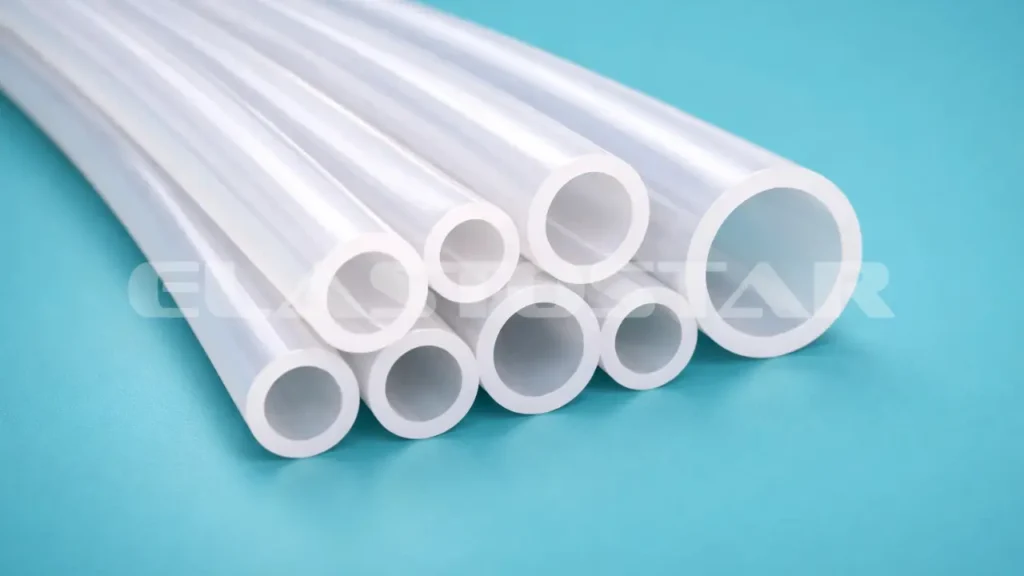
The performance of a viscoelastic pad is influenced by vibration frequency, material stiffness, and operating conditions.
Unlike purely elastic materials, viscoelastic materials respond differently across different frequency ranges, making them effective for controlling vibration in sensitive equipment.
1. Influence of Operating Frequency
Every mechanical system operates within a specific vibration frequency range. Isolation materials must be selected so that their damping characteristics match the equipment’s operating frequency.
In many precision assemblies, silicone rubber squares are integrated within mounting systems to accommodate movement and support stable equipment positioning, while vibration isolation pads reduce transmitted vibration.
2. Material Behavior Across Frequencies
As the vibration frequency changes, the stiffness and energy-dissipation behavior of viscoelastic materials also change. Engineers evaluate this frequency-dependent response when selecting suitable vibration-damping materials for precision machinery.
Material Options Used in Viscoelastic Damping Systems
Various formulations are used to create materials that provide effective viscoelastic damping in vibration control systems.
The choice of material affects energy dissipation, durability, temperature resistance, and long-term performance in precision equipment.
Engineers often select materials based on the operating environment and the type of vibration that needs to be controlled. For applications where material safety and regulated-use performance matter, you can also view our web story on whether silicone rubber is safe for the food industry.
Common material options include acrylic-based polymers, butyl rubber compounds, and layered damping systems.
Common Material Types for Vibration Damping
| Material Type | Key Characteristics | Typical Use |
| Acrylic Polymers | Stable damping over a wide temperature range | Precision machinery |
| Butyl Rubber | Strong vibration absorption and environmental resistance | Industrial equipment |
| Constrained Layer Damping | Multi-layer structure that improves energy dissipation | Structural vibration control |
In vibration control assemblies, materials designed for constrained-layer damping are sometimes combined with flexible components, such as Silicone Rubber Tubing, to accommodate movement within mounted equipment while maintaining stability.
Also Read: What Are the Different Types of Rubber?
What are the Applications of Viscoelastic Pads in Precision Equipment and Advanced Manufacturing?
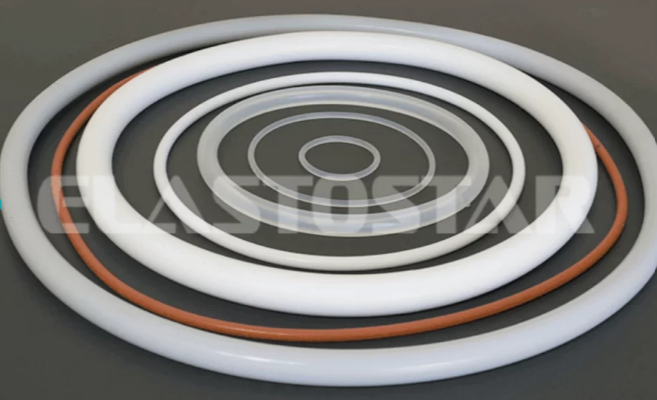
Precision equipment often requires stable operating environments to maintain alignment, measurement accuracy, and long-term reliability.
Viscoelastic pads are widely used to reduce vibration transmission in machines where even small disturbances can affect performance.
1. Semiconductor Manufacturing Equipment
Semiconductor fabrication tools operate with extremely tight tolerances. Vibration isolation pads help stabilize processing platforms and minimize disturbances that could affect wafer alignment or lithography processes.
In many equipment assemblies, Inflatable Rubber Seals are also used as cushioning layers to support stable mounting structures.
2. Aerospace and Instrumentation Systems
Sensitive aerospace instruments, sensors, and testing systems require advanced vibration-damping materials to maintain accuracy during operation.
Flexible components such as Platinum Silicone Rubber are often incorporated into equipment assemblies to accommodate movement while maintaining stability.
3. Electronics Manufacturing and Testing Equipment
Precision electronics equipment assembly lines rely on stable platforms to ensure accurate placement and inspection. Isolation materials help prevent vibration from nearby machinery from affecting measurement systems or assembly tools.
4. Precision Measurement and Laboratory Instruments
Laboratory equipment, such as microscopes, coordinate measuring machines, and optical inspection systems, uses viscoelastic pads to isolate sensitive instruments from floor vibration.
5. Industrial Automation and Robotics
Automated machinery and robotic systems generate continuous vibration during operation. Isolation materials help protect sensitive components and maintain consistent positioning accuracy.
In these types of equipment installations, sealing and cushioning components such as Extruded Silicone Seals are also used to maintain stability and protect equipment from environmental exposure.
Read More: IoT-Enabled Silicone Components
Design Guidelines and Load Calculations for Selecting Viscoelastic Pads in Precision Equipment
Selecting the right viscoelastic pad for vibration control requires careful evaluation of equipment weight, vibration frequency, and operating conditions.
Proper design ensures that vibration isolation pads effectively reduce transmitted vibration while maintaining equipment stability.
Engineers typically analyze load distribution and vibration characteristics before choosing appropriate vibration-damping materials for precision systems.
Key Design Considerations
| Design Factor | Why It Matters |
| Equipment Weight | Determines pad thickness and material stiffness |
| Load Distribution | Ensures balanced support across the mounting surface |
| Operating Frequency | Helps match damping properties to system vibration |
| Temperature Conditions | Affects material stiffness and damping performance |
In equipment mounting assemblies that require vibration control and flexible sealing, components such as die-cut silicone rubber gaskets are often integrated into the system to provide cushioning and dimensional stability.
Accurate design calculations help engineers select isolation materials that maintain reliable performance across varying operating environments, while adhering to the dimensional guidelines defined in our RMA tolerance standards.
Elastostar Rubber Corporation Capabilities in Manufacturing Silicone Components for Precision Equipment

Precision equipment often requires materials that maintain stability, flexibility, and dimensional accuracy under dynamic operating conditions.
At Elastostar Rubber Corporation, we manufacture silicone components designed for demanding industrial environments where vibration control, durability, and material reliability are critical.
As a manufacturer of custom silicone products, we support equipment manufacturers that require specialized components for precision assemblies and vibration-sensitive systems.
- Custom silicone manufacturing for specialized equipment and industrial applications.
- Reverse engineering support to replicate or improve existing components.
- Prototype to production capability for both small and large manufacturing runs
- Large manufacturing facility supporting custom extrusion and fabrication.
- Short lead-time delivery to support urgent production schedules.
- Proudly Made in the USA, ensuring strict quality control and reliable supply.
These capabilities enable us to support manufacturers developing precision equipment in which stable materials and reliable component performance are essential.
Recommended Reads
1. Vibration Dampeners: Complete Material Selection and Design Guide for Industrial Equipment
2. Lightweight Silicone Seals in OEM Assembly
3. Plastic Gaskets vs Rubber Gaskets: Material Selection Decision Matrix
Conclusion
Vibration control plays an important role in protecting precision equipment from performance disruptions caused by mechanical disturbances. Technologies based on viscoelastic damping allow engineers to reduce vibration transmission while maintaining stable equipment operation across a range of industrial environments.
By carefully selecting the right vibration isolation pads, manufacturers can improve equipment accuracy, reduce component wear, and maintain consistent production conditions.
Design considerations such as load distribution, operating frequency, and material behavior are essential when implementing vibration control systems. With the right material selection and system design, viscoelastic solutions can provide reliable performance for many precision manufacturing and engineering applications.
For applications that also require dependable cushioning and compression performance, our AMS3195 Medium Silicone Sponge can be a suitable material option.
FAQs
Q1. What is a viscoelastic pad?
A viscoelastic pad is a vibration control material designed to absorb and dissipate mechanical energy. It combines elastic and viscous behavior, thereby reducing vibration transmission in sensitive equipment and precision machinery.
Q2. How does viscoelastic damping work?
Viscoelastic damping works by converting vibrational energy into heat through internal friction within the material. When the material deforms under dynamic loading, energy is dissipated within the structure rather than transmitted to surrounding components.
Q3. What is the difference between viscoelastic and elastomeric isolators?
Viscoelastic materials absorb vibration energy through internal damping, while elastomeric isolators mainly reduce vibration through elastic deformation. Viscoelastic materials are often more effective at dissipating vibration energy in precision applications.
Q4. What is the loss factor in vibration damping?
Loss factor is a measure of how effectively a material dissipates vibrational energy. Materials with higher loss factors are better at reducing vibration because they convert more mechanical energy into heat.
Q5. What materials are used in viscoelastic pads?
Common vibration-damping materials include acrylic polymers, butyl rubber compounds, and layered structures used in constrained-layer damping systems. Contact us to discuss the right material for your vibration-damping application.
Q6. What is constrained layer damping?
Constrained layer damping is a vibration control method that uses a viscoelastic material placed between two rigid layers. When vibration occurs, the middle layer dissipates energy, reducing structural vibration.
Q7. Where are viscoelastic pads used?
Vibration isolation pads are commonly used in semiconductor manufacturing equipment, aerospace instrumentation, electronics assembly systems, and precision laboratory instruments where vibration control is required.
Q8. How do you design vibration isolation with viscoelastic pads?
Designing vibration isolation systems involves evaluating equipment weight, vibration frequency, load distribution, and environmental conditions to select the correct viscoelastic pad thickness and material.
Q9. What is Sorbothane, and how does it compare to rubber?
Sorbothane pads are specialized viscoelastic materials designed for high vibration absorption. Compared with standard rubber materials, they typically offer higher damping performance and energy dissipation.
Q10. Can viscoelastic pads isolate specific frequencies?
Yes. The performance of a viscoelastic pad depends on its material properties and system design, allowing engineers to target specific vibration frequency ranges for effective isolation.