Rubber materials are widely used in many industries that require reliable heat and electrical protection. Because of their flexibility and durability, manufacturers often use rubber for insulation in equipment, wiring systems, and mechanical components.
The strong insulating properties of rubber elastomers help reduce heat transfer and protect electrical components from current leakage and environmental exposure.
Silicone insulation, rubber, and closed-cell foam insulation are commonly used because they perform well across a wide temperature range.
In this blog, we will examine the thermal and electrical performance of rubber insulation materials and their use in various industrial applications.
Key Takeaways
- Rubber materials are widely used for both thermal and electrical insulation due to their flexibility, durability, and resistance to heat and current.
- Different materials like silicone, EPDM, and neoprene offer varied performance based on temperature range and environmental exposure.
- Thermal insulation depends on low heat-transfer properties, while electrical insulation relies on high dielectric strength and resistance.
- Temperature range is a key factor, with silicone performing best across extreme heat and cold conditions.
- Rubber insulation is used across HVAC systems, electrical wiring, appliances, and industrial equipment for safety and efficiency.
- Proper material selection and testing standards are essential to ensure reliable performance in demanding applications.
Table of Contents
Thermal Insulation Properties of Rubber Materials
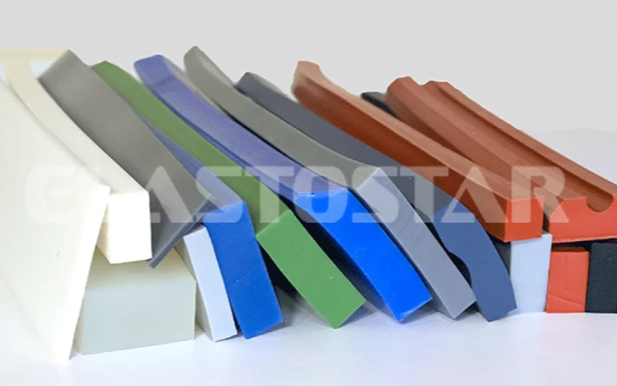
Rubber materials are commonly used in industrial systems where heat control and insulation are required. The ability of elastomers to reduce heat transfer makes them suitable for applications that require reliable thermal insulation.
Materials designed as closed-cell foam insulation are especially effective because their internal structure traps air, which helps limit heat movement.
Several elastomers are widely used for thermal insulation:
- Silicone – offers excellent temperature stability and long-term performance.
- EPDM foam – provides good resistance to weather, moisture, and aging.
- Neoprene – delivers durable insulation with strong mechanical properties.
Sponge Rubber is often used in sealing and insulation applications because its closed-cell structure enhances its insulating properties and enables reliable compression sealing.
You can learn more about the properties of silicone materials used in insulation applications.
Read More: High Temperature Grades of Rubber
Electrical Insulation Ratings of Rubber Materials
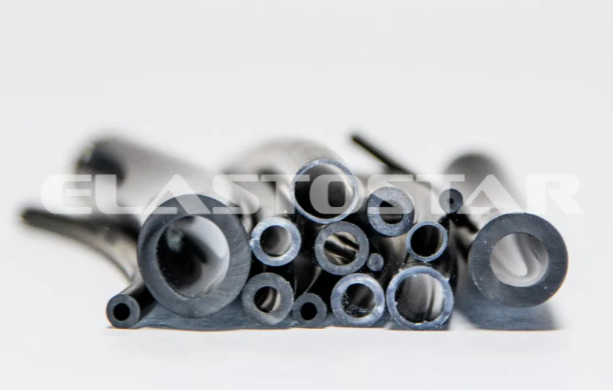
Rubber materials are widely used where electrical protection is required.
Their natural resistance to electrical current makes them effective insulators in wiring systems, appliances, and industrial equipment.
These rubber insulation properties help prevent current leakage and protect components operating in electrically active environments.
Important Electrical Insulation Properties
1. Dielectric Strength
The dielectric strength rubber value measures how much electrical voltage a material can withstand before electrical breakdown occurs.
2. Volume Resistivity
This property indicates how strongly a material resists the flow of electrical current through its structure.
3. Arc Resistance
Arc resistance evaluates how well a material can withstand exposure to electrical arcs without damage.
In many electrical systems, Silicone Rubber Tubing is used to protect wires and cable assemblies because silicone materials provide reliable insulation and remain stable across a wide temperature range.
Also Read: Is Silicone Rubber a Conductor or Insulator for Electricity?
Comparing Thermal Conductivity of Rubber Insulation Materials
One of the most important properties of rubber insulation is its ability to control heat transfer. The term thermal conductivity rubber refers to the rate at which heat moves through rubber materials used for insulation.
Lower conductivity means better performance when the material is used as thermal insulation rubber in industrial systems.
Key Thermal Performance Measurements
| Property | What It Indicates |
| K-Factor | Measures how quickly heat passes through a material |
| R-Value | Indicates resistance to heat flow |
| Density | Affects insulation efficiency and durability |
Materials designed with a closed internal structure are commonly used as closed-cell foam insulation because trapped air pockets reduce heat movement.
Silicone Rubber Sheets are often used in insulation applications where flexible rubber for insulation is required, along with stable temperature performance.
Temperature Performance Ranges of Rubber Insulation Materials
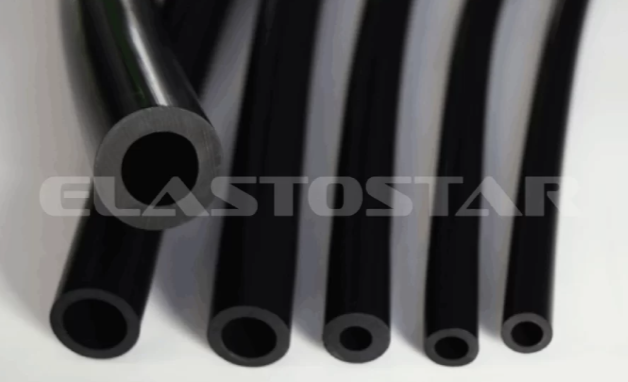
Temperature resistance is a key factor when selecting rubber for insulation in industrial and electrical systems.
Different elastomer materials perform differently depending on their composition, which affects how well they maintain insulation properties at high or low temperatures.
Choosing the right thermal insulation rubber helps ensure reliable performance in environments where equipment may experience heat, cold, or continuous temperature changes.
Typical Operating Temperature Ranges
| Material | Approximate Temperature Range |
| Silicone | -60°C to 200°C |
| EPDM | -40°C to 150°C |
| Neoprene | -30°C to 120°C |
Among these materials, silicone insulation is widely used because it maintains flexibility and stable rubber insulation properties across a broad temperature range.
For a quick visual explanation of how temperature changes affect silicone’s flexibility, strength, and long-term performance, you can also view our web story on how temperature affects silicone rubber performance.
Silicone Rubber Cord is often used in sealing and insulation applications where rubber components must maintain performance despite repeated temperature fluctuations.
Manufacturing insulation components also requires dimensional accuracy to ensure proper fit and sealing performance.
Our products are manufactured according to RMA precision tolerance standards, which define acceptable dimensional variations for rubber components.
What are the Applications of Rubber Insulation Materials in Industrial Systems
Materials designed as rubber for insulation are used in many industrial systems where protection from heat and electrical exposure is required.
Their flexibility, durability, and resistance to environmental conditions make them suitable for a wide range of applications.
1. HVAC Systems
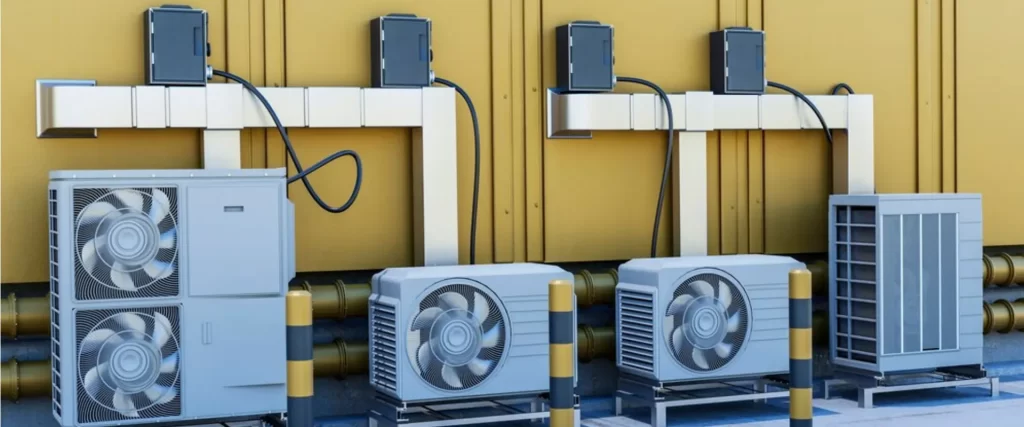
Rubber insulation materials are commonly used in HVAC equipment to reduce heat transfer and improve energy efficiency.
Materials with strong thermal insulation rubber performance help maintain stable operating temperatures in heating, ventilation, and cooling systems.
2. Electrical Cable Jacketing
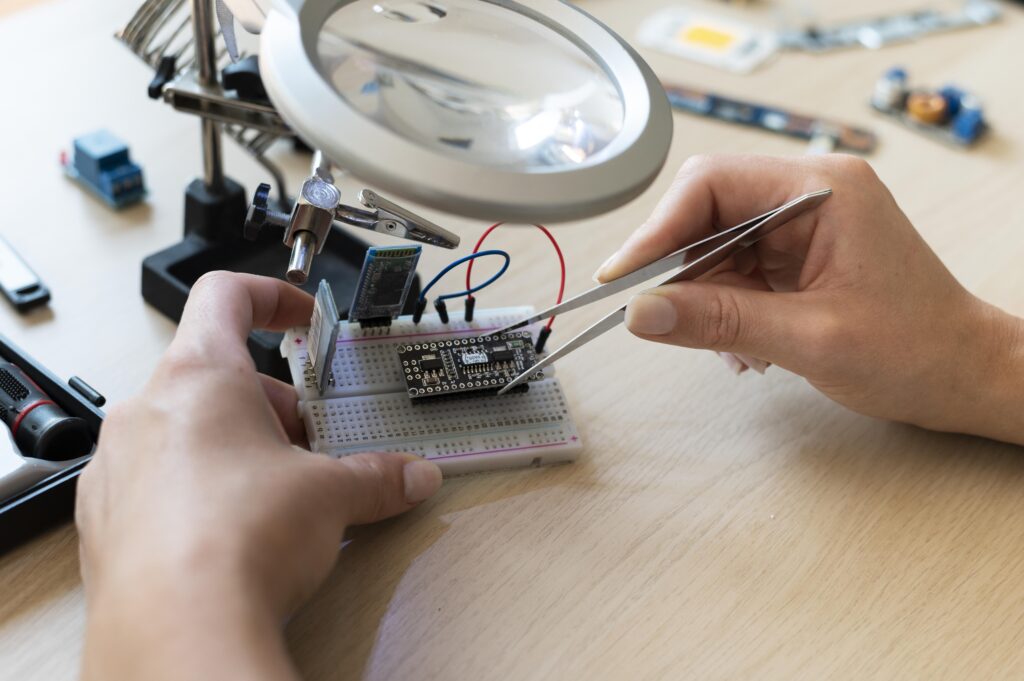
Many electrical systems require electrical insulation rubber to protect cables from heat, electrical leakage, and environmental exposure. Rubber insulation helps improve safety and reliability in power distribution and electrical equipment.
3. Wire Harness Protection

Rubber insulation materials are also used to protect wire harness assemblies found in industrial machinery and electronic systems. Their flexibility and durability help protect wiring from vibration, heat, and mechanical stress.
4. Appliance Components

Household and industrial appliances often use rubber for insulation to protect internal wiring and electrical components.
Materials such as Extruded Silicone Rubber Seals are used in these systems because silicone offers stable insulating properties and long-term performance in demanding environments.
Also Read: Top Uses of Silicone Rubber in the Electrical Lighting Industry
Testing Standards Used for Rubber Insulation Materials
Rubber materials used in insulation applications must meet recognized testing standards to ensure they provide reliable thermal and electrical performance in industrial environments.
1. ASTM D2000 Material Classification Standard
ASTM D2000 is widely used to classify rubber materials based on their physical and performance characteristics.
This standard helps engineers identify the correct rubber compound for insulation applications by defining properties such as heat resistance, compression set, and durability.
Materials used as rubber for insulation are often selected according to ASTM classifications to ensure consistent performance.
2. UL 94 Flammability Testing
UL 94 retardant silicone evaluates how rubber materials behave when exposed to flame. This testing method is important for electrical insulation materials used in appliances, cable systems, and electrical equipment where fire resistance is a key safety requirement.
3. Electrical Insulation Testing
Rubber insulation materials are also tested for electrical performance. Tests measure factors such as dielectric strength, insulation resistance, and arc resistance to confirm that materials can safely protect electrical components.
Material Selection Guide for Thermal and Electrical Insulation Applications
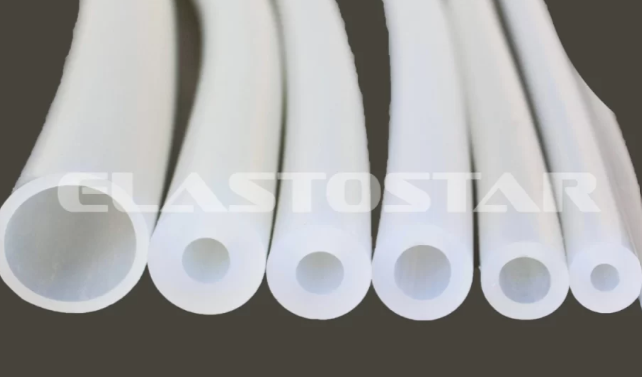
Choosing the right rubber material depends on whether the application requires heat resistance, electrical protection, or both.
Engineers evaluate several rubber insulation properties to determine the most suitable material for each environment.
1. When Thermal Insulation Is the Priority?
In applications where controlling heat transfer is critical, materials with low thermal conductivity rubber values are preferred. These materials help reduce heat loss and improve energy efficiency in systems such as thermal equipment and industrial machinery.
2. When Electrical Insulation Is Required
For systems exposed to electrical current, materials with strong dielectric strength, rubber performance, and high volume resistivity are necessary.
These materials help prevent electrical leakage and protect components used in wiring systems, cable insulation, and electronic equipment.
3. When Both Thermal and Electrical Protection Are Needed
Some applications require both heat resistance and electrical insulation. In these cases, materials such as silicone insulation are commonly selected because they provide stable performance over a wide temperature range while maintaining reliable electrical insulation.
Why Choose Elastostar Rubber Corporation for Rubber Insulation Components?

Selecting the right manufacturing partner is important when insulation materials must meet strict performance and quality requirements.
At Elastostar Rubber Corporation, we are a trusted silicone rubber manufacturer, specializing in silicone components that deliver reliable thermal and electrical insulation performance in demanding industrial environments.
Our Capabilities
- Our products meet USP Class VI, Sections 87 & 88, supporting applications that require high-purity material standards.
- Our team provides reverse engineering, prototype development, and design assistance to help customers move efficiently from concept to production.
- We offer short lead-time delivery to support production schedules and urgent manufacturing needs.
- Our large manufacturing facility supports custom silicone production and specialized insulation component manufacturing.
- Our products are Proudly Made in the USA, ensuring quality control, traceability, and dependable supply for industrial applications.
With extensive experience in silicone extrusion and manufacturing, we support industries that require reliable insulation materials and high-performance rubber components.
Recommended Reads
1. Difference Between Closed Cell Silicone Sponge vs Dense Silicone Rubber
2. Rubber Sheets: Types, Uses, Features and Benefits
3. Emerging Trends in Silicone Rubber Manufacturing in 2025

Conclusion
Understanding the properties of rubber insulation is essential when selecting materials for applications that require both thermal and electrical protection. Factors such as thermal conductivity, temperature resistance, and dielectric strength play an important role in determining how insulation materials perform in industrial environments.
Materials like silicone insulation and closed-cell foam insulation are widely used because they offer flexibility, durability, and stable performance across a wide temperature range.
At Elastostar Rubber Corporation, we manufacture silicone components designed for reliable insulation applications in industries such as electrical systems, HVAC equipment, and industrial machinery. Reach out to us to discuss your insulation requirements and explore suitable material options.
FAQs
1. What are the thermal insulation properties of rubber?
Rubber materials are commonly used for insulation because they reduce heat transfer and maintain stable performance under changing temperatures. These rubber insulation properties help protect equipment and improve energy efficiency in applications such as HVAC systems and industrial machinery.
2. Can rubber be used for electrical insulation?
Yes, rubber is widely used as electrical insulation because it resists electrical current and helps prevent leakage or short circuits. Many electrical insulation materials used in wiring systems and equipment rely on rubber compounds for protection.
3. What is the dielectric strength of silicone rubber?
The dielectric strength rubber value for silicone typically ranges between 20–25 kV/mm depending on the formulation. This property allows silicone materials to provide reliable electrical insulation in many industrial and electrical applications.
4. What is the thermal conductivity (K-factor) of EPDM foam?
EPDM foam generally has a low thermal conductivity, typically around 0.033–0.040 W/m·K. This makes it suitable for thermal insulation rubber applications where reducing heat transfer is important.
5. Which rubber has the best insulation properties?
Silicone, EPDM, and neoprene gaskets are commonly used for insulation. Among these, silicone insulation is often preferred because it performs well across a wide temperature range while maintaining strong electrical insulation properties.
6. What is the difference between closed-cell and open-cell foam insulation?
Closed-cell foam insulation contains sealed air pockets that limit moisture absorption and heat transfer, making it effective for insulation. Open-cell foam has interconnected cells that allow air movement and is generally used where flexibility and cushioning are required.
7. What are the ASTM D2000 requirements for insulation rubber?
ASTM D2000 is a classification standard that defines rubber materials based on properties such as heat resistance, durability, and compression characteristics. It helps engineers select appropriate materials used as rubber for insulation in industrial systems.
8. Can silicone rubber be used in high-voltage applications?
Yes, silicone materials are frequently used in electrical systems because they provide stable electrical insulation and rubber-like performance while maintaining their properties across wide temperature ranges.
9. What temperature range can rubber insulation withstand?
The temperature range depends on the rubber compound. Silicone insulation can typically withstand temperatures from approximately -60°C to 200°C, making it suitable for many demanding insulation applications.
10. How do you select rubber for HVAC insulation?
Selecting thermal insulation rubber for HVAC systems depends on factors such as temperature resistance, moisture exposure, flexibility, and thermal conductivity. Materials with low conductivity and good environmental resistance are typically preferred.