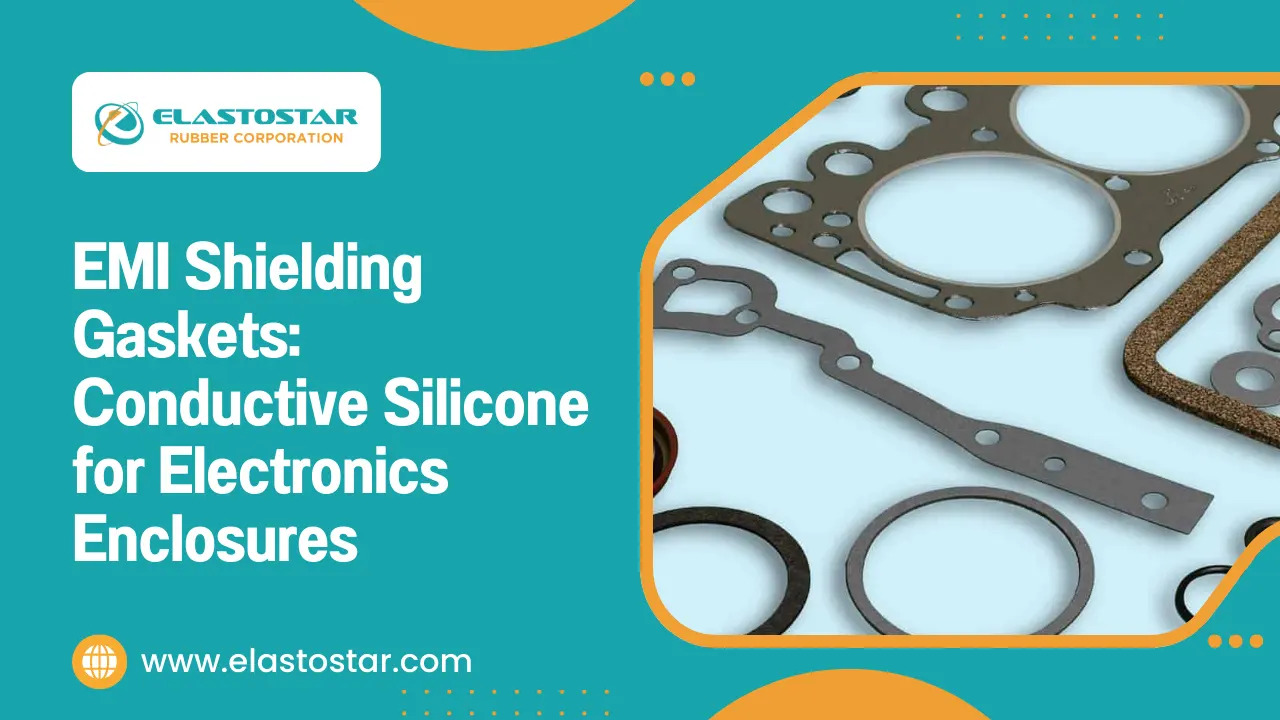
Electromagnetic interference is a growing challenge in modern electronics as devices become smaller, faster, and more densely packed. Without proper control, EMI can disrupt signals, reduce performance, and cause compliance failures. EMI shielding gaskets play a critical role in preventing leakage at enclosure seams by combining electrical conductivity with reliable sealing.
Materials such as conductive silicone gaskets are widely used because they provide consistent electromagnetic shielding while withstanding vibration, temperature changes, and environmental exposure.
This blog explains how EMI shielding materials work, compares conductive filler options, and helps manufacturers select the right conductive rubber gasket for electronics enclosures and regulated applications.
Key Takeaways
- EMI can disrupt signals, reduce performance, and lead to compliance issues.
- Shielding gaskets block interference at enclosure gaps and seams.
- Conductive silicone gaskets provide both EMI shielding and environmental sealing.
- Shielding effectiveness is measured in dB. Higher values mean stronger protection.
- Conductive fillers such as nickel, silver, and carbon affect performance and cost.
- Proper compression and surface contact are essential for consistent shielding.
- EMI gaskets are widely used in electronics, telecom, and aerospace systems.
- At Elastostar Rubber Corporation, we support EMI gasket programs with custom manufacturing, design support, prototype-to-production capability, and Made in USA quality control.
Table of Contents
EMI/RFI Basics and Regulatory Requirements

Modern electronic systems operate at higher speeds and tighter tolerances, making them more vulnerable to electromagnetic interference.
Without proper shielding, EMI and RFI can cause signal loss, malfunction, or regulatory non-compliance.
What Is EMI and RFI?
- EMI (Electromagnetic Interference) refers to unwanted electromagnetic energy that disrupts electronic circuits.
- RFI (Radio Frequency Interference) is a subset of EMI that occurs in the radio frequency range.
Both are commonly generated by switching power supplies, high-speed data lines, wireless modules, and densely packed electronics.
Why EMI Shielding Is Required in Enclosures?
Gaps at enclosure seams, doors, and panels act as leakage points for electromagnetic energy.
EMI shielding gaskets are installed at these interfaces to maintain electrical continuity and provide environmental sealing.
Key functions of shielding gaskets include:
- Blocking EMI leakage paths.
- Maintaining consistent grounding across mating surfaces.
- Supporting compliance with regulatory standards.
- Protecting sensitive electronics from external interference.
This is why conductive hoses are widely used in electronics housings that require both shielding and durability.
Regulatory Standards That Drive EMI Design
Electronics manufacturers must meet strict EMI limits defined by regulatory bodies. The most commonly referenced standards include:
| Standard | Applicability |
| FCC Regulations | Commercial and industrial electronics |
| MIL-STD-461 | Military and aerospace systems |
| EMC Requirements | Global electronics compliance |
To meet these standards, enclosure designers rely on proven EMI shielding materials, including conductive elastomers that perform consistently under compression and environmental stress.
Role of Conductive Elastomers in Compliance
Conductive elastomer gaskets combine silicone rubber with conductive fillers to create a flexible, durable shielding solution. They are especially effective in applications where vibration, temperature variation, or repeated access would degrade rigid metal shielding.
This approach to material selection, validation, and performance testing follows established manufacturing and compliance practices similar to those applied by Elastostar Rubber Corporation when developing EMI and RFI gasket solutions for regulated industries.
Also Read- What Is UL Rating and Its Importance for Silicone Rubber
Shielding Effectiveness Measurement (dB Attenuation)
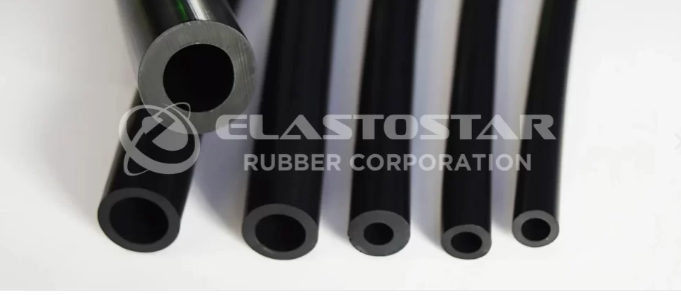
When evaluating EMI shielding gaskets, performance is not judged by appearance or material alone, but by how effectively the gasket reduces electromagnetic energy.
performance is measured as shielding effectiveness, expressed in decibels (dB).
What dB Attenuation Means in EMI Shielding
- dB (decibel) attenuation represents the reduction in electromagnetic energy.
- Higher dB values indicate stronger electromagnetic shielding.
- Even small gaps in an enclosure can significantly reduce overall shielding performance.
In practical terms, shielding effectiveness depends on material conductivity, gasket geometry, surface contact, and compression force.
Typical Shielding Performance Ranges
| Shielding Level (dB) | Performance Description |
| 40–60 dB | Basic EMI control |
| 60–90 dB | Moderate to high shielding |
| 90–120+ dB | High-performance EMI protection |
Most conductive silicone gaskets used in electronics enclosures fall within the 60–120 dB range, depending on the conductive filler and installation conditions.
Factors That Influence Shielding Effectiveness
Shielding performance is not only about material choice.
- Conductive filler type within the elastomer.
- The compression level of the gasket during assembly.
- Surface finish of mating enclosure panels.
- Continuity of contact across seams and access points.
Poor compression or inconsistent contact can significantly reduce the effectiveness of otherwise high-performing EMI shielding materials.
Also Read– What Process Engineers Check First in Silicone Components
Conductive Filler Options Used in EMI Shielding Gaskets
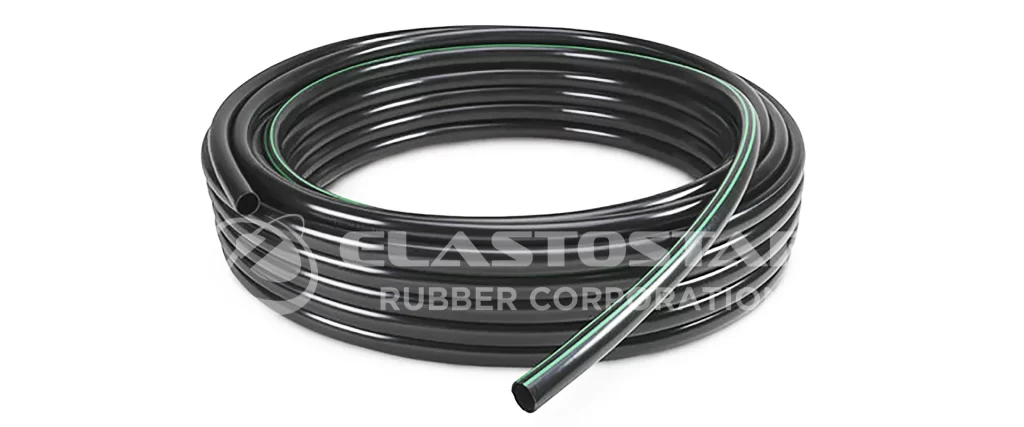
The performance of EMI shielding rubber gaskets depends largely on the conductive filler embedded within the silicone or rubber matrix.
These fillers create the electrical pathways that allow the gasket to absorb and dissipate electromagnetic energy effectively.
Why Conductive Fillers Matter?
Conductive fillers directly influence:
- Shielding effectiveness measured in dB.
- Corrosion resistance in operating environments.
- Mechanical flexibility under compression.
- Overall cost of the conductive rubber gasket.
Selecting the right filler requires balancing electrical performance, durability, and budget constraints.
Common Conductive Fillers in EMI Gaskets
1. Nickel-Graphite Fillers
Widely used in conductive rubber material, nickel-graphite provides a strong balance of shielding performance, flexibility, and corrosion resistance. It is commonly selected for industrial and commercial electronics enclosures.
2. Silver-Aluminum Fillers
Silver-aluminum offers higher electrical conductivity and improved shielding effectiveness. These fillers are often used in telecom, aerospace, and high-performance electronics where stronger electromagnetic shielding is required.
3. Carbon Black Fillers
Carbon black delivers moderate conductivity at a lower cost. It is suitable for basic EMI and RFI control where extreme shielding performance is not necessary.
Silicone vs Beryllium Copper Gaskets
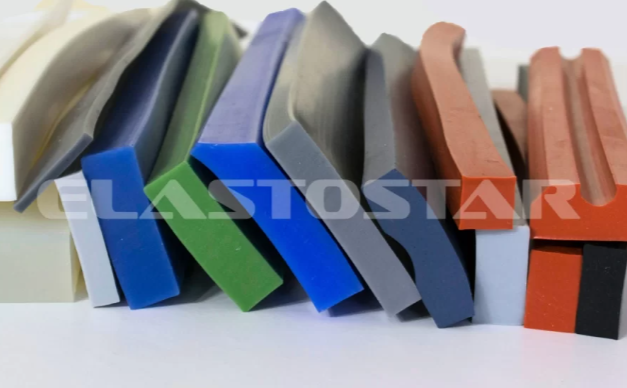
When selecting EMI shielding solutions, engineers often compare silicone gaskets with thermally conductive gaskets and metal-based options such as beryllium copper.
Both provide electromagnetic shielding, but their performance differs significantly depending on application needs.
1. Conductive Silicone Gaskets
Silicone tubing combines flexible silicone rubber with conductive fillers to provide both EMI shielding and environmental sealing.
Key characteristics include:
- Maintains shielding performance under vibration and thermal cycling.
- Provides sealing against dust, moisture, and contaminants.
- Easy installation and removal during enclosure servicing.
- Long service life with consistent compression recovery.
These advantages make conductive silicone a preferred choice for sealed electronics enclosures, especially where durability and repeat access are required.
2. Beryllium Copper Gaskets
Beryllium copper gaskets are metal-based shielding solutions known for high electrical conductivity.
Key characteristics include:
- Excellent electrical conductivity and shielding.
- No environmental sealing capability.
- Limited flexibility compared to elastomeric solutions.
- More complex installation and handling requirements.
They are often used in applications where maximum conductivity is required, and sealing is not a concern.
Silicone vs Beryllium Copper Comparison
| Feature | Conductive Silicone Gaskets | Beryllium Copper Gaskets |
| EMI Shielding | High | Very High |
| Environmental Sealing | Yes | No |
| Flexibility | High | Low |
| Vibration Resistance | Excellent | Limited |
| Ease of Installation | Easy | Moderate |
| Typical Applications | Sealed enclosures, electronics | High-frequency shielding only |
Read more: Silicone Vs Plastic – Differences, Uses, and Benefits
EMI Shielding Form Factors for Electronics Enclosures

Effective EMI control depends not only on material selection but also on choosing the right gasket or shielding format for the enclosure design.
Different form factors are used to maintain electrical continuity across seams, openings, and ventilation points.
Common EMI Shielding Form Factors
1. EMI Shielding Gaskets
Installed along enclosure flanges, doors, and panel interfaces, EMI shielding gaskets provide continuous grounding and seal against dust and moisture.
Conductive elastomer gaskets are commonly selected for electronics enclosures that require long-term durability and repeat access.
2. Conductive Tapes
Conductive tapes are used for seams, overlaps, and retrofit applications where traditional gaskets may not fit. They are especially useful during prototyping or field modifications where flexibility and quick installation are required.
3. Shielding Vents
Shielding vents allow airflow for cooling while preserving electromagnetic shielding performance. These are critical in electronics enclosures where thermal management must be balanced with EMI control.
Selecting the Right Form Factor
The right form factor depends on:
- Enclosure geometry and access frequency.
- Required shielding performance and compression levels.
- Environmental exposure, airflow, and thermal demands.
Designers often combine multiple form factors within a single enclosure to maintain consistent EMI protection across all openings.
This approach is supported by the material behavior and performance characteristics outlined in our silicone material overview, which explains how conductive silicone performs under compression and environmental stress.
Read more: High Temperature Grades of Rubber
What are the Applications of EMI Shielding Gaskets Across Industries?
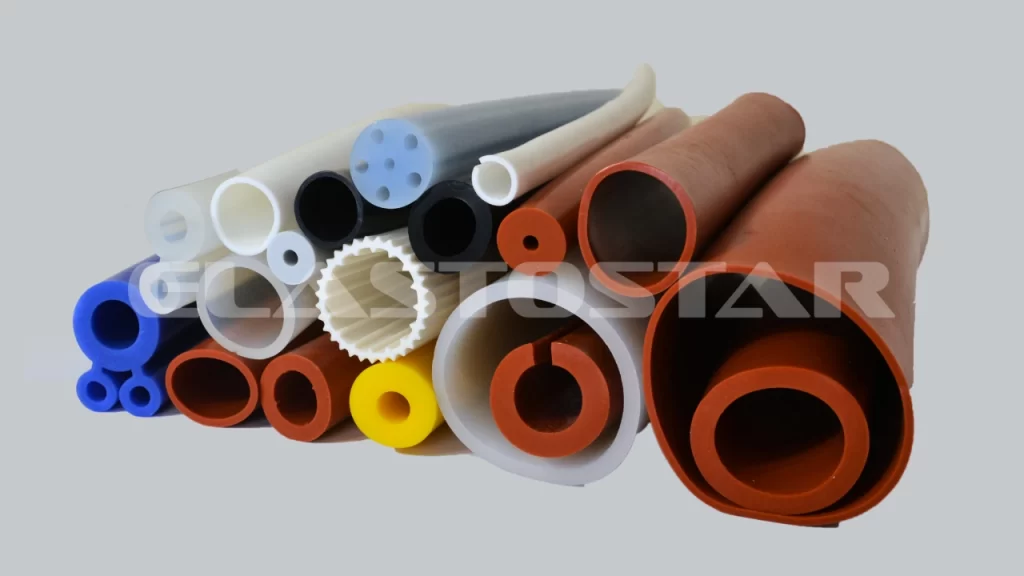
Effective EMI control is critical wherever electronic systems must operate reliably in noisy electromagnetic environments.
EMI shielding gaskets made from conductive elastomers are used across multiple industries to protect performance and ensure compliance.
1. Electronics Enclosures

In industrial and commercial electronics, enclosure seams, access panels, and removable covers are common points of leakage.
Conductive silicone gaskets provide consistent electromagnetic shielding while also sealing against dust and moisture, supporting long-term reliability during maintenance and repeated access.
2. Telecom Equipment
Telecommunications systems operate at high frequencies and are highly sensitive to interference. RFI gaskets and conductive elastomer seals help maintain signal integrity in base stations, network cabinets, and indoor telecom enclosures where space constraints and thermal demands are high.
3. Military and Aerospace Systems

Defense and aerospace electronics must meet strict EMI and environmental requirements. These applications often require durable materials that can perform under vibration, thermal extremes, and harsh operating environments.
For aerospace and defense programs, relevant requirements may include AS9100 D, aerospace-certified manufacturing, military-spec silicone, and specifications such as ZZR765 Class 2A, 2B, 3A, 3B, or A-A-59588, where applicable.
At Elastostar Rubber Corporation, we apply these standards only where they are relevant to the application and part requirements.
Also Read-Top Uses of Silicone Rubber in the Electrical & Lighting Industry
Testing Standards and Specifications for EMI Shielding Gaskets
Testing is essential to confirm that EMI shielding gaskets perform as intended under real operating conditions.
Beyond material selection, manufacturers must verify shielding effectiveness, durability, and consistency to meet industry and regulatory requirements.
Key EMI and Material Testing Areas
EMI shielding components are typically evaluated for:
- Shielding effectiveness (dB attenuation) across specified frequency ranges.
- Electrical resistance to ensure reliable grounding continuity.
- Compression and recovery to confirm long-term sealing performance.
- Environmental resistance, including temperature cycling, humidity, and aging.
These tests help ensure that conductive silicone gaskets maintain performance throughout the product lifecycle.
Common Standards Referenced in EMI Applications
| Standard / Test Area | Purpose |
| EMI Shielding Effectiveness | Measures attenuation across frequencies |
| MIL-STD-461 | EMC requirements for military systems |
| FCC Regulations | EMI compliance for commercial electronics |
| Material Compliance Tests | Verifies durability and consistency |
Why Choose Elastostar Rubber Corporation for EMI Shielding Gaskets?

Selecting the right partner is as important as choosing the right material for EMI control. Elastostar Rubber Corporation supports electronics manufacturers with reliable, application-focused solutions for conductive elastomers.
- Proven conductive silicone materials
EMI shielding gaskets are produced using conductive silicone formulations designed for consistent electromagnetic shielding and long-term durability. - Wide range of EMI gasket solutions
Capabilities include conductive silicone gaskets, EMI gaskets, custom-cut shielding profiles, and conductive rubber gasket solutions for electronics enclosures. - Design support from prototype to production
Assistance with material selection, form factor optimization, and transition from prototype builds to full-scale production. - Tested for performance and compliance
Products are developed using controlled processes aligned with EMI testing, material validation, and regulatory requirements. - Short lead times and scalable manufacturing
Supports both low-volume development programs and high-volume production with consistent quality. - Made in the USA
U.S.-based manufacturing ensures tighter quality control, traceability, and dependable supply chains.
For aerospace and defense programs, we can also support requirements tied to AS9100 D, military spec silicone, ZZR765, and A-A-59588, where the application calls for those specifications.
By combining precision manufacturing with application knowledge and material expertise, we help customers source EMI shielding gaskets that perform reliably in demanding electronics environments.
Recommended Read
- Made in USA Silicone Rubber Manufacturer – Elastostar
- Shorter Lead Time With USA Silicone Gasket Manufacturers
- Top Reasons to Choose U.S. Silicone Rubber Over Offshore Products
Conclusion
As electronics become more compact and performance-driven, controlling electromagnetic interference is critical to reliability and compliance. EMI shielding gaskets made from conductive elastomers provide an effective solution by combining electrical shielding with environmental sealing.
Understanding shielding effectiveness, filler options, form factors, and testing standards helps manufacturers select the right gasket for their enclosure design.
From commercial electronics to telecom and defense systems, choosing the correct conductive silicone gaskets reduces risk and improves long-term performance. As a U.S.-based silicone rubber manufacturer, Elastostar Rubber Corporation supports EMI shielding requirements from prototype development through full-scale production. Contact us to discuss your application and EMI shielding needs.
FAQs
Q1. What are EMI shielding gaskets?
EMI shielding gaskets are conductive sealing components installed at enclosure seams, doors, and panels to block electromagnetic interference. They prevent EMI leakage while maintaining electrical grounding and environmental sealing.
Q2. How do conductive silicone gaskets work?
Conductive silicone gaskets use a silicone rubber base filled with conductive particles. When compressed between metal surfaces, they create a continuous conductive path that dissipates electromagnetic energy and maintains shielding integrity.
Q3. What is shielding effectiveness in dB?
Shielding effectiveness, measured in decibels (dB), indicates how much electromagnetic energy is reduced by a material. Higher dB values mean better EMI attenuation, with conductive elastomers commonly providing 60–120 dB depending on design and compression.
Q4. What conductive fillers are used in EMI gaskets?
Common fillers include nickel-graphite, silver-aluminum, and carbon black. Each offers a different balance of conductivity, corrosion resistance, and cost for specific EMI applications.
Q5. Are silicone EMI gaskets better than metal gaskets?
Silicone EMI gaskets provide both shielding and environmental sealing, along with flexibility and vibration resistance. Metal gaskets offer higher conductivity but do not seal against dust or moisture, and are less tolerant of movement.
Q6. What are MIL-STD-461 requirements for EMI shielding?
MIL-STD-461 defines electromagnetic compatibility limits for military and aerospace electronics. EMI shielding gaskets help enclosures meet emission and susceptibility requirements outlined in this standard.
Q7. Where are EMI shielding gaskets used?
They are commonly used in electronics enclosures, telecom equipment, medical devices, and military/aerospace systems where EMI control and sealing are required.
Q8. How do you test EMI shielding effectiveness?
Testing typically measures dB attenuation across specific frequency ranges. Additional tests include electrical resistance, compression recovery, and environmental aging to verify long-term performance.
Q9. Can EMI gaskets be custom molded?
Yes. EMI gaskets can be custom molded, extruded, or die-cut to match enclosure geometry, compression requirements, and shielding performance targets.
Q10. What is the difference between EMI and RFI shielding?
EMI refers to all electromagnetic interference, while RFI specifically relates to radio-frequency interference. RFI shielding is a subset of EMI shielding focused on higher-frequency signals.