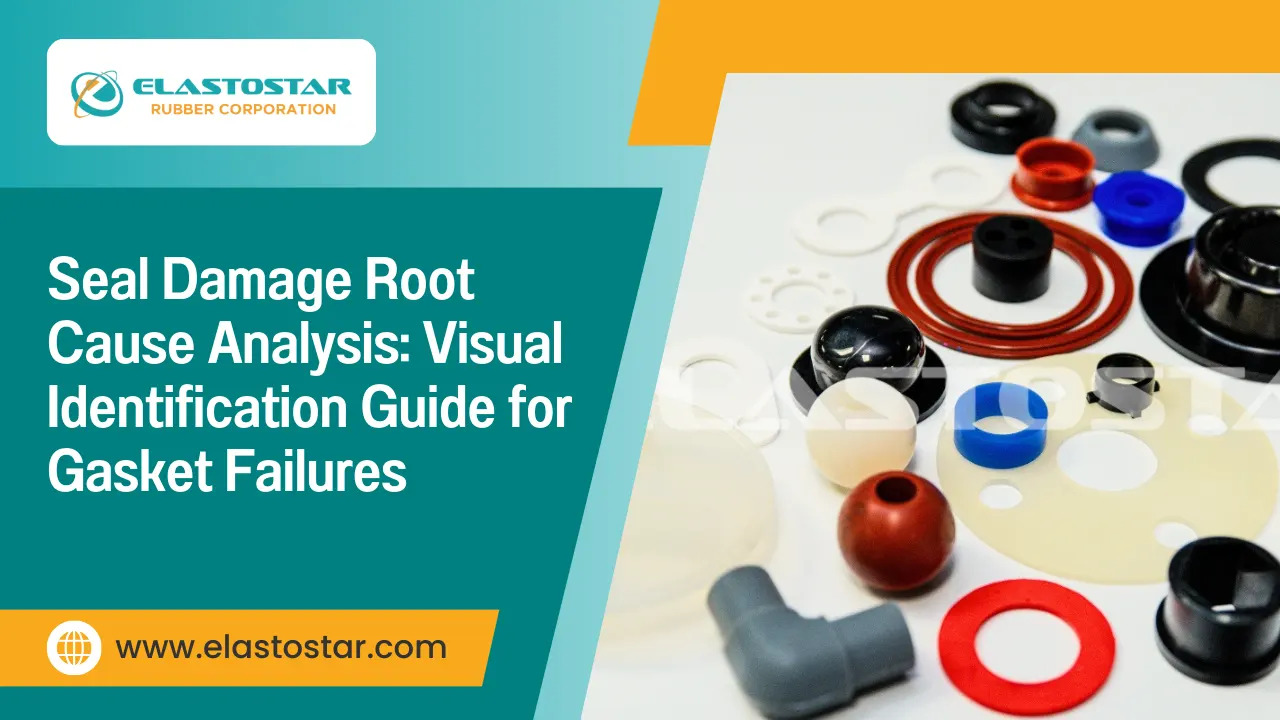
Seal damage is rarely accidental. In most industrial systems, seals and gaskets fail due to identifiable factors such as material mismatch, operating conditions, installation errors, or long-term mechanical stress.
The physical damage left behind often provides valuable visual clues that help engineers determine what caused the failure and how to prevent it in future operations.
This guide focuses on gasket failure analysis, helping teams connect observed damage patterns to root causes, validate corrective actions, and improve sealing performance, reliability, and service life across demanding applications.
In this blog, we examine common seal and gasket failure patterns using a structured visual identification approach.
Key Takeaways
- Most seal failures result from pressure, heat, chemical exposure, or installation errors.
- Visual inspection helps identify common damage patterns like compression set, extrusion, chemical attack, and thermal degradation.
- A structured inspection process makes it easier to link seal damage to the root cause.
- Root cause analysis should review operating conditions, installation practices, material selection, and dimensional tolerances.
- Prevention often involves better material selection, proper gland design, and correct installation procedures.
- Repeated failures usually indicate the need for improved materials or design changes.
- Testing and proper documentation help prevent the same sealing issues from occurring again.
- Why this version is better:
Table of Contents
What modes Failure Modes Identified During Seal Inspection
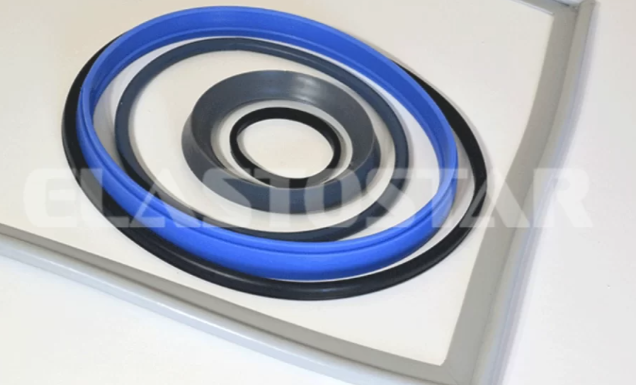
A systematic inspection of failed sealing components helps engineers quickly narrow down the causes of seal damage.
Physical deformation, surface condition, and material response all provide reliable clues when examined correctly, especially when combined with an understanding of silicone material behavior and manufacturing tolerances.
1. Compression Set Damage
Compression set damage occurs when a seal or gasket fails to recover its original shape after prolonged compression.
Key indicators
- Permanent flattening of the cross-section.
- Minimal elastic rebound after removal.
- Uniform deformation across the sealing surface.
This failure mode is common in static joints where silicone gaskets or Rubber O-rings operate under sustained load and elevated temperatures.
2. Extrusion Damage in Seals
Extrusion damage develops when sealing material is forced into clearance gaps under pressure.
Typical identification markers
- Torn or feathered edges.
- Localized thinning or nibbling.
- Damage concentrated near the extrusion gaps.
Precision silicone extrusions are particularly sensitive to pressure when gland geometry or dimensional control is inadequate.
Maintaining proper tolerances is critical, which is why extrusion accuracy and RMA precision tolerance standards help prevent this failure mode.
3. Chemical Attack
Chemical attack results from incompatibility between the sealing material and the operating media.
Common signs
- Swelling or softening.
- Surface cracking or tackiness.
- Uniform discoloration.
Molded silicone seals exposed to aggressive process fluids often fail due to incorrect material selection rather than mechanical stress. Reviewing material compatibility during design, as outlined in Elastostar’s technical brochures, helps reduce the risk of chemically induced degradation.
4. Thermal Degradation
Thermal degradation occurs when seals are exposed to temperatures beyond their long-term limits.
Observed characteristics
- Hardening or loss of flexibility.
- Brittle fracture during removal.
- Surface cracking or color change.
High-temperature silicone seals can perform reliably only when validated against real operating conditions.
5. Mechanical Damage
Mechanical damage is typically introduced during installation or maintenance rather than during service.
Identification features
- Cuts, gouges, or abrasion marks.
- Irregular tearing patterns.
- Localized damage zones.
Custom molded silicone components are especially vulnerable when housing edges are sharp or alignment is poor.
Installation-related failures are often preventable through adherence to certified manufacturing and handling practices.
Read More: Why Long-Term Sealing Performance Matters More Than Initial Specs
How Can a Visual Identification Flowchart Help Diagnose Seal Failures?
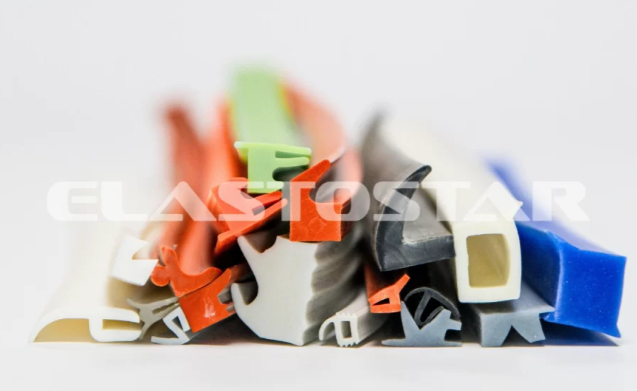
Once physical damage is observed, a structured decision process helps isolate whether the issue is related to load, pressure, environment, or handling.
This step-by-step approach supports accurate assessment of o-ring failure modes and reduces trial-and-error replacements.
Step 1: Does the Seal Recover Its Shape After Removal?
- No recovery or permanent flattening
- Indicates compression-related failure.
- Often observed in silicone gaskets used in long-term static joints.
- Partial or full recovery
- Proceed to pressure and surface evaluation.
Understanding how different silicone formulations respond to sustained compression is essential during this step, particularly when evaluating the material behavior.
Step 2: Is Damage Concentrated Along the Edges?
- Yes, with torn or feathered edges.
- Strong indication of extrusion damage in seals.
- Typically linked to pressure forcing material into clearance gaps.
- Strong indication of extrusion damage in seals.
- No edge-specific damage.
- Continue to environmental and surface condition checks.
Edge-related deformation is frequently observed in systems that use precision silicone extrusions when gland design or pressure exceeds the material’s capabilities.
Step 3: Is the Damage Uniform Across the Seal Surface?
- Yes
- Suggests chemical or environmental exposure.
- Degradation tends to be consistent rather than localized.
- No
- Localized damage often points toward installation or handling issues.
Uniform surface changes are commonly observed in rubber silicone seals exposed to incompatible process media.
Step 4: Are There Signs of Heat Exposure?
- Yes
- Hardening, brittleness, or discoloration indicate thermal stress.
- Hardening, brittleness, or discoloration indicate thermal stress.
- No
- Move to installation and assembly review.
Thermal indicators often appear after extended service beyond recommended temperature limits.
Step 5: Are There Cuts, Gouges, or Abrasion Marks?
- Yes
- Mechanical damage was introduced during installation or maintenance.
- Mechanical damage was introduced during installation or maintenance.
- No
- Re-evaluate earlier steps for combined failure mechanisms.
- Re-evaluate earlier steps for combined failure mechanisms.
Improper handling and sharp housing edges are frequent contributors at this stage.
Decision Flow Summary
| Visual Observation | Likely Failure Category | Typical Cause |
| Permanent flattening | compression set damage | Sustained load, heat |
| Torn or feathered edges | extrusion damage seals | Pressure, clearance gaps |
| Uniform swelling | Chemical attack | Media incompatibility |
| Brittleness or discoloration | Thermal degradation | Over-temperature service |
| Cuts or abrasion | Mechanical damage | Installation errors |
Read More: What Process Engineers Check First in Silicone Components
How Should Root Cause Analysis Be Performed After Seal Failure?
Once visible damage has been categorized, a structured evaluation process is required to determine the cause of the failure.
A disciplined approach prevents assumptions and supports accurate identification of the cause of seal failure across operating, design, and material factors.
Step 1: Review Operating Conditions
Begin by validating actual service conditions rather than relying on design assumptions.
- Operating pressure ranges.
- Continuous and peak temperatures.
- Exposure to fluids, vapors, or cleaning agents.
- Static versus dynamic service.
Failures frequently occur when real conditions exceed original design limits, especially in systems using molded silicone seals for multi-variable environments.
Step 2: Verify Installation and Assembly Practices
Installation errors often introduce damage before the seal ever enters service.
- Check for sharp edges on the housing or burrs.
- Confirm correct seal orientation.
- Review lubrication and handling procedures.
- Inspect evidence of twisting or pinching.
Installation-related issues are commonly overlooked during gasket-failure investigations but account for a significant share of early-life failures.
Step 3: Assess Material Suitability
Material selection must align with both the environment and the duty cycle.
- Compatibility with process media.
- Resistance to temperature extremes.
- Long-term compression performance.
- Aging characteristics.
Step 4: Evaluate Geometry and Tolerances
Even the correct material can fail if dimensional control is inadequate.
- Gland depth and width.
- Clearance gaps under pressure.
- Surface finish of mating components.
Step 5: Identify Contributing and Secondary Factors
Seal failures are often the result of combined influences rather than a single cause.
- Environmental exposure is accelerating the weather.
- Misalignment amplifies mechanical stress.
- Pressure cycling intensifies deformation.
Recognizing secondary contributors ensures corrective actions address the full failure mechanism.
How Can Seal Failures Be Prevented Based on Identified Damage Patterns?
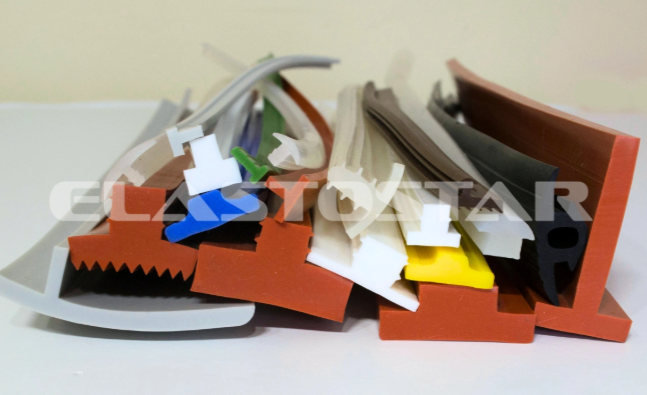
Once failure mechanisms are clearly identified, prevention strategies must directly address the specific stresses responsible for the damage.
Applying targeted controls reduces repeat incidents of seal damage and improves long-term system reliability.
1. Preventing Compression-Related Failures
Compression-related issues are best addressed by managing load and exposure duration.
- Avoid excessive clamping force in static joints.
- Account for long-term temperature exposure when selecting materials.
- Design joints to allow controlled elastic recovery.
Systems operating under sustained compression benefit from silicone O-rings engineered for stable rebound characteristics over extended service intervals.
2. Preventing Pressure-Induced Extrusion
Extrusion failures can be minimized by controlling pressure effects at the design stage.
- Reduce clearance gaps in high-pressure zones.
- Match seal hardness to operating pressure.
- Validate the gland geometry under peak-load conditions.
3. Preventing Chemical and Environmental Degradation
Chemical exposure often accelerates degradation even when mechanical stresses are low.
- Verify compatibility with all process media and cleaning agents.
- Consider exposure duration, not just concentration.
- Reassess materials after process changes.
4. Preventing Thermal Degradation
Thermal stress accumulates gradually and is often underestimated.
- Apply conservative temperature derating.
- Limit rapid thermal cycling where possible.
- Monitor surface hardening during inspections.
High-temperature service requires materials selected for sustained heat exposure rather than short-term tolerance.
5. Preventing Installation-Related Mechanical Damage
Mechanical damage is among the most preventable failure categories.
- Deburr and smooth all sealing surfaces.
- Use proper alignment tools during installation.
- Avoid twisting or stretching seals beyond design limits.
Improved handling practices significantly reduce early-life gasket failure events.
Prevention Strategy Overview
| Failure Driver | Preventive Focus | Primary Benefit |
| Sustained compression | Load and temperature control | Elastic recovery |
| High system pressure | Geometry and hardness matching | Extrusion resistance |
| Chemical exposure | Media compatibility review | Material stability |
| Thermal stress | Temperature derating | Extended service life |
| Installation damage | Assembly control | Reduced early failure |
Applying prevention strategies aligned with the specific causes of seal failure ensures that corrective actions are effective rather than reactive.
When Should Materials Be Upgraded After Repeated Seal Failures?
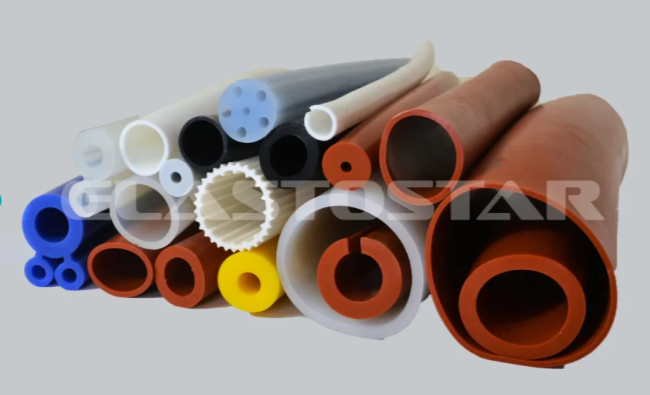
When corrective actions fail to eliminate recurring issues, upgrading material formulation or construction becomes necessary.
Strategic material changes help address persistent causes of seal failure, including environmental conditions, purity requirements, and long-term performance limits.
1. Indicators That a Material Upgrade Is Required
Material upgrades should be considered when:
- Failures recur under unchanged operating conditions.
- Damage patterns remain consistent after installation corrections.
- Environmental exposure exceeds original assumptions.
- Performance degrades earlier than expected service life.
Repeated seal damage under controlled conditions often signals that the existing material is operating at its performance threshold.
2. Upgrading for High-Purity or Sensitive Applications
In systems where contamination control or chemical stability is critical, material purity becomes a deciding factor.
- Improved resistance to leachables and extractables.
- Greater consistency across production batches.
- Better long-term stability in regulated environments.
Applications such as medical, pharmaceutical, and food processing often benefit from platinum-cured silicone tubing, where purity and material consistency directly affect system reliability.
3. Upgrading for Fluid Transfer and Pressure Stability
When seals are part of fluid-handling systems, material performance must remain stable under pressure and flow conditions.
- Resistance to internal pressure variation.
- Stability under repeated cleaning cycles.
- Reduced risk of softening or surface degradation.
In such cases, silicone hoses designed for sustained exposure to fluids offer improved durability compared to general-purpose sealing materials.
4. Validating Material Upgrades Before Full Implementation
Material upgrades should always be validated before system-wide adoption.
- Review test data under simulated service conditions.
- Confirm dimensional and performance consistency.
- Document inspection and acceptance criteria.
Our documented quality control processes support this validation by ensuring upgraded materials meet defined performance and consistency requirements.
Read More: Why Engineers Prefer Engineering Grade Silicone Material
How Should Testing and Validation Be Conducted After Seal Failure?
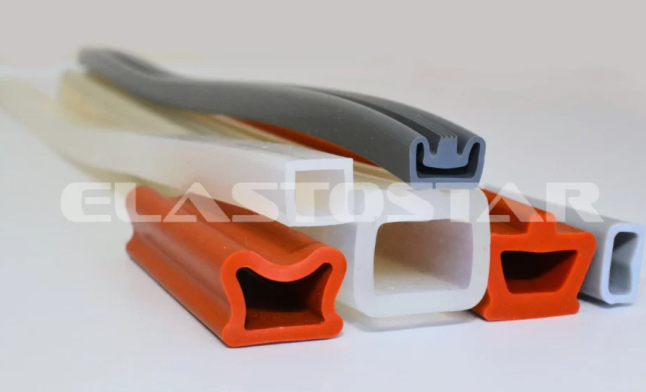
After corrective actions or material changes are implemented, testing is essential to confirm that the original seal damage mechanism has been eliminated. Validation ensures the failure will not recur under the same operating conditions.
1. Post-Failure Testing Objectives
Testing after a failure should focus on verifying performance, not just visual condition.
- Confirm elastic recovery after compression.
- Verify dimensional stability under load.
- Ensure compatibility with operating temperature and media.
- Validate sealing performance over time.
This step is critical following any gasket failure, especially when material or design changes have been made.
2. Functional Testing Under Simulated Conditions
Replicating real service conditions provides the most reliable validation.
- Apply operating pressure and temperature ranges.
- Introduce actual or representative process media.
- Monitor deformation, leakage, or surface changes.
Systems using medical-grade silicone tubing often undergo extended validation cycles to confirm material stability in sensitive or regulated environments.
3. Dimensional and Fit Verification
Even when material selection is correct, improper fit can compromise performance.
- Measure seal cross-sections after testing.
- Check compression levels against design intent.
- Verify housing contact and alignment.
Dimensional checks are particularly important for die-cut silicone gaskets, where consistency directly affects sealing integrity.
4. Inspection and Acceptance Criteria
Clear acceptance criteria should be defined before testing begins.
- No visible cracking, tearing, or surface degradation.
- Acceptable elastic recovery after unloading.
- No leakage or pressure loss during validation.
Testing & Validation Summary
| Validation Area | Purpose | Outcome |
| Functional testing | Confirm real-world performance | Reduced repeat failures. |
| Dimensional inspection | Verify fit and compression | Stable sealing force. |
| Environmental exposure | Confirm material stability | Long-term reliability. |
| Acceptance criteria | Standardize evaluation | Predictable results. |
Effective testing closes the loop on root cause analysis seals, confirming that corrective actions address the failure mechanism rather than masking it.
What Are the Best Documentation Practices After Seal Failure?

Clear, consistent documentation ensures that lessons learned from failures are not lost and that corrective actions are repeatable.
Proper records support long-term improvement in the analysis of seal failure causes and reduce the risk of recurring issues.
1. What Should Be Documented Immediately After Failure?
Initial documentation should capture the condition of the seal before any corrective action is taken.
- Date and operating hours at failure.
- Location and application of the seal.
- Observed damage patterns and deformation.
- Environmental and operating conditions at the time of failure.
Accurate records are especially important when evaluating the performance of silicone sponge profiles used in static or vibration-sensitive sealing applications.
2. How Should Visual and Measurement Data Be Recorded?
Objective data strengthen failure analysis and support future comparison.
- Dimensional measurements before and after service.
- Compression or deformation notes.
- Surface condition descriptions using standardized terminology.
This level of detail is critical when reviewing performance trends in custom silicone gaskets across multiple installations.
3. How to Document Corrective Actions and Outcomes
Documentation should clearly link actions taken to observed results.
- Material or design changes implemented.
- Installation or handling corrections applied.
- Testing and validation outcomes.
- Service performance after corrective action.
Standardized Documentation Checklist
| Documentation Area | Purpose | Benefit |
| Failure description | Capture root indicators | Accurate diagnosis. |
| Measurements | Quantify damage | Objective comparison. |
| Corrective actions | Track changes | Prevent repeat failures. |
| Validation results | Confirm effectiveness | Long-term reliability. |
Why Consistent Documentation Matters?
Well-maintained records close the loop on root cause analysis seals, ensuring that insights from each failure directly inform future design, material selection, and maintenance decisions rather than being rediscovered through repeat failures.
For documenting failures consistently (photos, dimensions, observations, acceptance criteria), this aligns with quality-driven tracking.
Why Choose Elastostar Rubber Corporation for Critical Sealing Applications?

Elastostar Rubber Corporation is a trusted Rubber manufacturer in the USA, supporting engineers with precision manufacturing, material expertise, and tightly controlled in-house processes for demanding sealing applications.
- Materials produced to USP Class VI, Sections 87 & 88 compliance requirements.
- Precision-manufactured silicone sheets, die-cut components, and custom compound formulations for performance-critical environments.
- Engineering-led support covering material selection, tolerance review, and application-specific design input.
- Reliable delivery schedules supported by streamlined, U.S.-based production planning.
- Custom manufacturing capabilities backed by a large, dedicated facility.
- Proudly Made in USA, ensuring traceability, consistency, and strict quality control.
Recommended Reads
- Gaskets vs Seals Whats the Difference Between Them
- Viton vs Silicone Rubber: What Is the Best Choice for Your Business
- How to Measure Gaskets: A Comprehensive Guide

Conclusion
Seal and gasket failures are rarely isolated events; they are signals that operating conditions, material selection, design, or handling require closer evaluation. By combining visual inspection, structured root cause analysis, targeted prevention strategies, and post-failure validation, teams can significantly reduce repeat failures and unplanned downtime.
A disciplined approach to documentation ensures these insights translate into long-term reliability improvements rather than recurring issues. When sealing performance is critical, working with an experienced manufacturing partner makes a measurable difference. If you need support with failure analysis, material selection, or validation, reach out to us to discuss your application requirements.
FAQs
Q1. What are the common causes of seal failure?
The most common causes of seal failure include sustained compression, excessive pressure, chemical incompatibility, thermal exposure beyond rated limits, and installation errors. In many cases, failure develops when actual operating conditions exceed original design assumptions. Static joints using silicone rubber sheets are especially vulnerable when load and temperature are not properly accounted for.
Q2. How do you identify compression set in seals?
Compression set damage is identified when a seal remains permanently flattened after removal and does not recover its original shape. This indicates loss of elastic memory due to prolonged compression or heat exposure and is most often seen in long-term static sealing applications.
Q3. What does extrusion damage look like on gaskets?
Extrusion damage seals typically show torn, feathered, or thinned edges where material has been forced into clearance gaps. This failure mode is caused by high pressure combined with inadequate gland design or material hardness and is commonly observed on die-cut silicone gaskets.
Q4. How can you tell if a seal failed due to a chemical attack?
Chemical attack is marked by uniform swelling, surface softening, cracking, or discoloration across the seal body. Unlike mechanical damage, degradation is consistent rather than localized. This type of seal damage usually indicates incompatibility between the sealing material and the process media.
Q5. What is thermal degradation in rubber seals?
Thermal degradation occurs when seals are exposed to temperatures beyond their long-term service limits. Signs include hardening, brittleness, surface cracking, and color change. Repeated thermal cycling accelerates this process and can significantly shorten seal life.
Q6. How do you perform root cause analysis on failed gaskets?
Gasket failure analysis involves visual inspection followed by verification of operating conditions, installation practices, material compatibility, and dimensional fit. Comparing observed damage patterns with service data helps isolate the primary failure mechanism and avoid repeat failures.
Q7. Can you prevent seal damage with better material selection?
Yes. Proper material selection based on real pressure, temperature, and environmental exposure is one of the most effective ways to prevent seal damage. Choosing materials matched to actual service conditions reduces deformation, chemical attack, and premature aging.
Q8. What are the signs of mechanical damage on O-rings?
Common O-ring failure modes caused by mechanical damage include cuts, nicks, abrasion marks, and irregular tearing. These defects are usually introduced during installation due to sharp edges, misalignment, or improper handling rather than in-service degradation.
Q9. How do you document seal failures for analysis?
Seal failures should be documented with operating conditions, service duration, observed damage, measurements, and corrective actions taken. Consistent documentation supports accurate root-cause analysis and helps teams track recurring patterns over time.
Q10. When should you upgrade seal material after failure?
Seal materials should be upgraded when failures repeat under unchanged conditions or when damage persists after design and installation corrections. Material upgrades are often necessary when performance limits are reached, especially in demanding thermal, chemical, or pressure environments.