Silicone rubber is widely used for its flexibility, durability, and temperature resistance, yet many production issues stem from early selection decisions. Silicone rubber selection errors often occur during the design and pre-production phases, when materials are chosen based on assumptions rather than real operating requirements.
Initial performance may appear acceptable, but hidden compromises surface later as reliability issues, maintenance problems, or compliance risks. Once production begins, correcting these decisions becomes costly and disruptive.
In this blog, we outline common mistakes in selecting silicone rubber, explain why they lead to downstream failures, and highlight how informed material selection before production helps protect long-term performance and product reliability.
Key Takeaways
- Most silicone rubber failures originate from early material selection decisions, not manufacturing defects.
- Choosing silicone based only on cost or assumptions often leads to long-term reliability and maintenance issues.
- Silicone grades vary significantly in aging behavior, compression performance, and environmental resistance.
- Real operating conditions frequently differ from design assumptions, accelerating degradation over time.
- Compatibility with chemicals, fluids, and gases must be verified early to avoid hidden performance loss.
- Regulatory and compliance expectations can change, making forward-looking material planning essential.
- Locking materials too early in the design process limits flexibility and increases correction costs later.
- Early consultation with silicone material experts helps prevent downstream failures and production disruptions.
Table of Contents
Below are 8 common silicone rubber selection mistakes that often lead to performance, reliability, and compliance issues after production begins.
1. Choosing Silicone Based Only on Cost
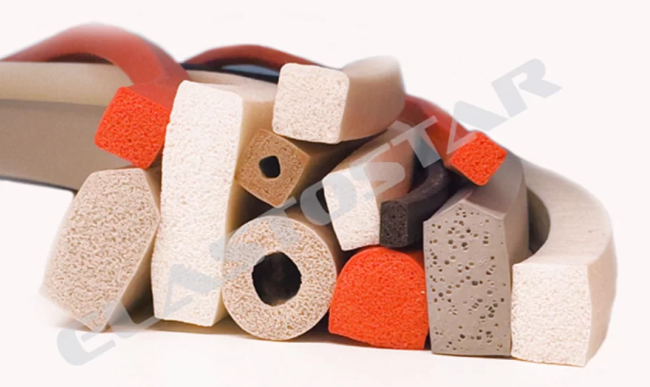
One of the most common silicone rubber selection mistakes is choosing the material based primarily on price. Cost-driven decisions made early in the design phase often lead to material compromise, where the silicone meets basic requirements but lacks durability under real operating conditions.
Cheap silicone may perform acceptably at launch but struggle under sustained load, temperature variation, or repeated stress.
This issue frequently occurs in components such as silicone O-rings, where lower-cost materials can lead to faster loss of elasticity and a shorter service life.
While initial savings may seem beneficial, the long-term impact includes increased maintenance, earlier replacements, and reliability issues once production is underway.
2. Assuming All Silicones Behave the Same
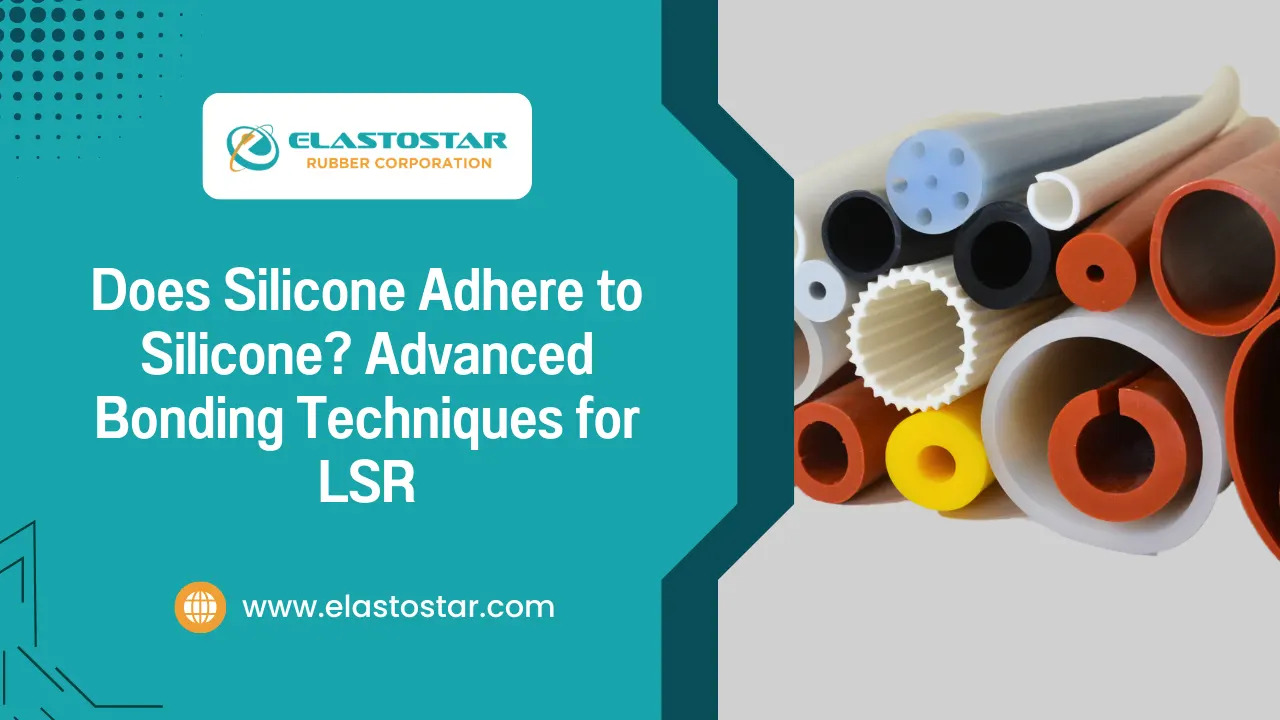
Another common error is treating generic silicone rubber as a single, interchangeable material. While many silicone grades may look similar on a datasheet, their real-world behavior can vary significantly depending on formulation, curing system, and intended use.
This assumption often leads to a performance mismatch once products enter service.
Where this assumption breaks down:
- Some grades prioritize flexibility, others prioritize strength.
- Temperature resistance can vary under continuous exposure.
- Compression behavior differs under long-term load.
| Assumption | Reality in Service |
| All silicone grades age similarly | Aging rates vary by formulation |
| Standard silicone works everywhere | Standard silicone limits appear under stress |
| Initial specs define performance | Long-term behavior defines reliability |
This issue is often observed in extruded silicone profiles, where selecting the wrong grade leads to uneven compression or premature performance loss despite proper initial sizing.
Also Read– What Grades of Silicone Rubber Are Available?
3. Ignoring Application Environment
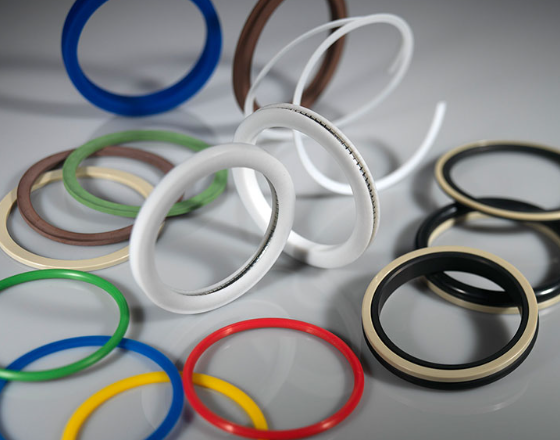
A frequent cause of failure is selecting the wrong silicone for application by assuming operating conditions will remain mild or predictable. During design, temperature ranges, exposure cycles, and pressure conditions are often simplified, even though real systems experience far greater variation.This gap between expectations and usage results in a slow but steady decline in performance.
Issues such as temperature mismatch, chemical exposure, and pressure stress rarely cause immediate failure. Instead, they accelerate aging, deformation, or loss of sealing effectiveness over time.
This is commonly observed in silicone tubing used in dynamic or fluid-handling systems, where environmental factors influence material behavior far more than initial specifications suggest. When the environment is underestimated, reliability problems emerge long after production begins.
4. Overlooking the Long-Term Aging Behavior of Silicone Rubber
One of the most underestimated silicone aging risks is assuming that early performance will remain unchanged over time. Extruded silicone materials respond gradually to heat, load, and environmental stress, and these changes often go unnoticed during initial validation.
Long-term aging commonly leads to:
- Progressive loss of elasticity under sustained compression.
- Compression set issues that reduce sealing force.
- Gradual durability loss without visible surface damage.
These effects are frequently seen in molded silicone gaskets, where seals appear intact but no longer maintain consistent contact pressure. Because aging-related changes develop slowly, they are often discovered only after performance issues arise in service.
Accounting for long-term aging behavior during material selection is essential to avoid reliability issues that may arise well after production begins.
Also Read– Silicone Rubber: How Long Does It Last?
5. Skipping Material Compatibility Checks
What goes wrong?
Many failures originate from material compatibility errors that are not visible during early testing. Silicone may appear stable initially, but prolonged exposure to chemicals, fluids, or gases can gradually alter its properties.
Why does this matter?
Chemical resistance varies across silicone grades. Media interaction can cause swelling, softening, or loss of mechanical strength over time, even when exposure levels remain within expected limits.
Where this shows up in practice
This issue is frequently seen in closed-cell silicone sponge materials used for sealing or insulation, where prolonged contact with process media affects compression and recovery without obvious surface damage. Verifying compatibility early helps prevent performance loss that only becomes apparent after extended service.
6. Not Planning for Future Compliance Changes
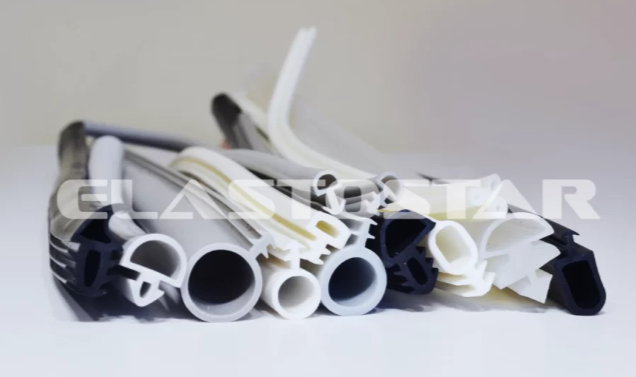
A common oversight during material selection is assuming current approvals will remain sufficient throughout a product’s lifecycle. Future compliance risks often emerge as regulations evolve or quality audits become more stringent. Materials that were acceptable at launch may later require revalidation or replacement.
This is especially relevant for applications using platinum-cured silicone tubing, where expectations around cleanliness, traceability, and documentation continue to tighten.
At Elastostar, we account for these shifts early by supporting FDA-approved silicone products that meet USP Class VI, Section 87 & 88 requirements. As a Made in USA manufacturer with a large, well-equipped facility, we provide consistent documentation, controlled processes, and responsive support that help reduce audit exposure and avoid disruptive compliance-driven redesigns later.
7. Locking the Material Too Early in the Design Process
One of the most expensive mistakes teams make is premature material lock during early design. When materials are finalized before operating conditions, tolerances, or lifecycle demands are fully understood, flexibility is lost long before problems become visible.
This often leads to:
- Design freeze risks that prevent later optimization
- Tooling mistakes that are costly to modify
- Limited options when performance issues appear after validation
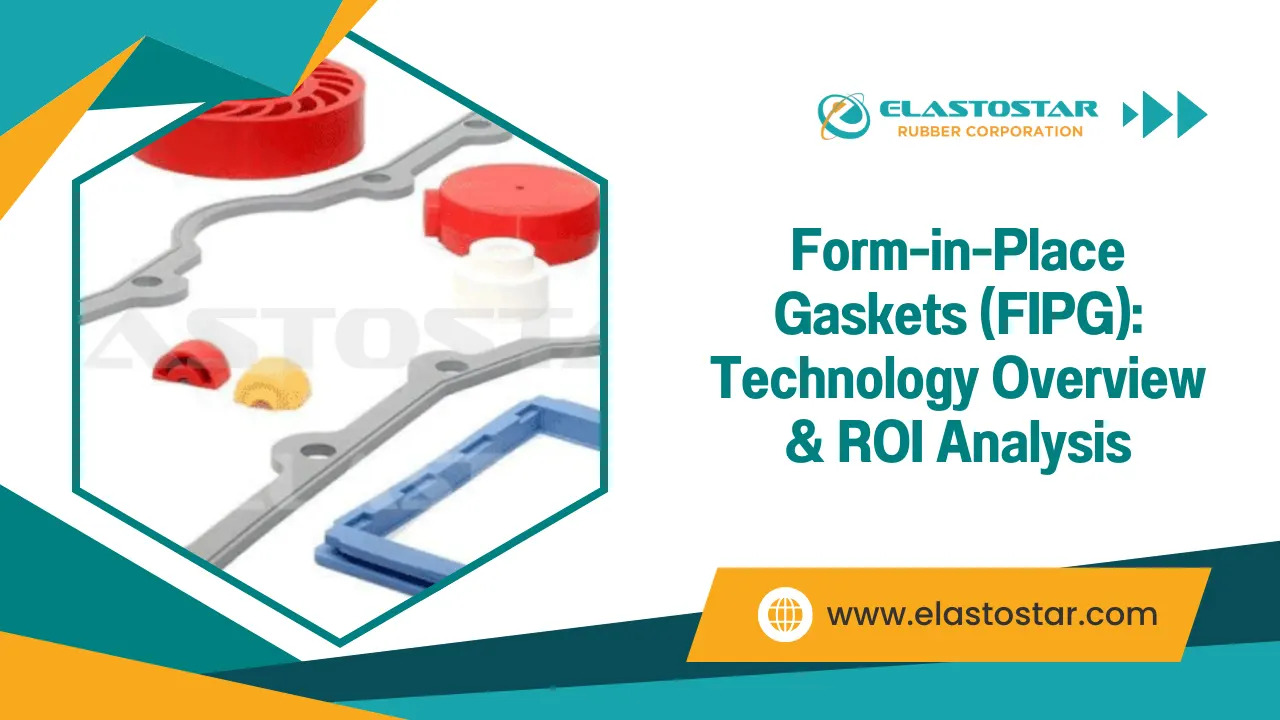
This scenario is commonly seen with rubber extruded silicone, where tooling is approved early and later changes require retooling and requalification. Once production assets are committed, even minor material adjustments can trigger delays and added cost.
Allowing room for material evaluation before final lock-in helps avoid corrections that are far more disruptive after production begins.
8. Not Consulting Material Experts Early Enough
A frequent oversight is delaying silicone material consultation until problems appear. Without early engineering support, material reviews are often based on assumptions rather than verified behavior, allowing small selection gaps to carry into production. These gaps become harder to correct once tooling, validation, and supply chains are established.
This is especially relevant for applications that use custom-molded silicone parts, where formulation, curing method, and geometry directly affect long-term performance. Early expert input helps align material behavior with real operating conditions and prevents downstream reliability issues.
At Elastostar, we work with teams during the design and pre-production stages. Contact us to review your application and avoid costly silicone selection mistakes before production starts.
Also Read – Procurement Guide for Silicone Rubber Suppliers
Why Choose Elastostar Rubber Corporation Before Finalising Silicone Rubber Selection

Avoiding silicone rubber selection mistakes requires more than choosing the right material on paper. It depends on manufacturing capability, material knowledge, and early technical involvement. At Elastostar Rubber Corporation, we support better material decisions before production begins.
We help engineering and product teams by offering:
- Custom silicone and extruded rubber manufacturing supported by a large, well-equipped facility
- Custom extruded profiles, O-rings, gaskets, closed-cell sponge, tubing, and sheet materials
- Reverse engineering, design support, and prototype-to-production capability to validate material choices early
- FDA-approved products meeting USP Class VI, Section 87 & 88, including platinum-cured silicone tubing produced using peristaltic pump processes
- Made in the USA manufacturing, enabling consistent documentation, reliable supply, and long-term performance planning
By combining early material review with controlled manufacturing, we help reduce selection errors that typically surface only after production has started.
Recommended Reads
- The Complete Guide to Silicone Rubber Grades
- How Temperature Affects Silicone Rubber Performance
- Role of Silicone Rubber Additives

Conclusion
Material defects do not cause most silicone-related failures, but decisions are made too early and validated too narrowly. Cost-driven choices, untested assumptions, overlooked aging behavior, and delayed expert input often remain hidden until production is already underway. By then, corrections involve redesign, retooling, and unnecessary risk.
Avoiding these silicone rubber selection mistakes requires evaluating materials in the context of real operating conditions, long-term performance, and future compliance needs. At Elastostar Rubber Corporation, we help teams make informed material decisions before production begins, supporting reliability, consistency, and performance across the full product lifecycle.
FAQs
Q1.Why does cheap silicone often cause failures?
One of the most common silicone rubber selection mistakes is choosing material based primarily on cost. Cheap silicone may meet initial specifications, but cost-driven decisions often compromise the material, reducing durability and leading to early failure under real operating conditions.
Q2.Why doesn’t one silicone rubber work for every application?
Not all silicone grades perform the same, yet generic silicone rubber is often assumed to be interchangeable. Differences in formulation can create performance mismatch when temperature, load, or exposure conditions vary between applications.
Q3.How does the wrong environment cause silicone failure?
Using the wrong grade of silicone for application exposes materials to temperature mismatch, chemical exposure, or pressure stress they were not designed to handle. These environmental factors accelerate degradation and lead to premature performance loss.
Q4.Why do silicone aging problems appear after production starts?
Many silicone aging risks develop gradually through compression set issues and long-term durability loss. Because early performance appears stable, these problems often surface only after products have been in service for extended periods.
Q5.What compatibility issues occur with silicone rubber?
Material compatibility errors arise when chemical resistance and media interaction are not fully evaluated. Over time, incompatible exposure can cause swelling, softening, or mechanical property loss, even if short-term testing shows no visible impact.
Q6.How can material choice lead to compliance failures?
Poor material planning can introduce future compliance risks when regulatory shifts or quality audits occur. Materials that lack proper documentation or long-term stability may trigger revalidation requirements or audit findings later.
Q7.What problems are caused by locking material too early in design?
Premature material lock increases design freeze risks and limits flexibility once tooling is approved. When issues appear later, teams face costly tooling mistakes, redesign efforts, and production delays.
Q8.Why does expert review matter before production begins?
Early consultation on silicone materials helps identify risks, validate assumptions, and align material behavior with real operating conditions. If you want to avoid costly selection errors before production, contact us to review your application and material requirements early in the design process.