The performance of a silicone component is shaped by every stage of its lifecycle. From installation and early handling to long-term exposure and eventual failure, each phase influences how the material behaves under heat, pressure, chemicals, and mechanical stress.
Engineers rely on proven silicone behavior data to anticipate wear patterns and identify risks early, especially when evaluating the lifecycle of silicone components, often referencing a trusted silicone rubber extrusion material.
Understanding this full lifecycle helps prevent downtime, extend service life, and maintain system reliability.
In this blog, we will explain each phase clearly and show how to manage it effectively.
Key Takeaways
- The way silicone is selected, installed, used, and replaced determines its service life.
- Most failures start at installation, not manufacturing.
- Heat, chemicals, and steam slowly change the shape and elasticity of silicone.
- Silicone gives warning signs before failure stiffness, cracking, swelling, leaks.
- Planned replacements prevent downtime; waiting for failure causes shutdowns.
- Elastostar components last longer because they are platinum-cured and predictable.
Table of Contents
How Material Selection and Design Preparation Determine the Future Performance of Silicone Components
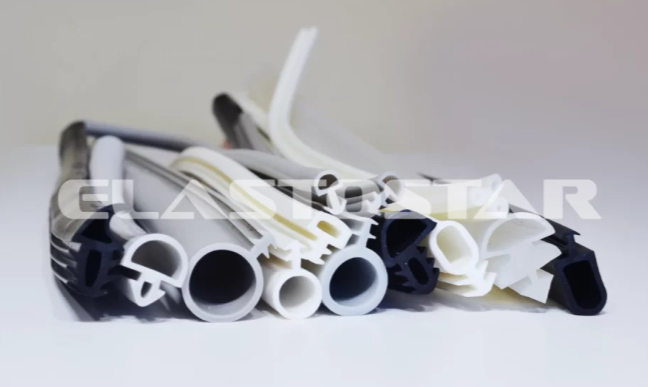
Before installation begins, engineers evaluate material properties, geometry, and surface quality because these factors determine how the component will withstand mechanical stresses in real-world operation.
If hardness, tolerances, or purity are incorrect, early deformation and accelerated silicone aging occur. For example, when assessing platinum-cured silicone tubing, engineers assess wall thickness, internal diameter, and curing consistency to predict its performance under pressure and temperature changes over time.
To validate these parameters, engineers refer to technical benchmarks for the Silicon sponge Material, ensuring the selected formulation delivers the required industrial durability from day one.
Key Material & Design Factors Engineers Check
- Shore A hardness for compression behavior.
- Tensile strength to resist tearing.
- Compression set recovery after repeated load.
- Thermal and chemical stability.
- Dimensional tolerances for accurate sealing.
- Smooth surface finish for hygiene and ease of cleaning.
- Compliance with food, pharma, or industrial standards.
What Installation Phase Risks Can Shorten the Service Life of Silicone Components
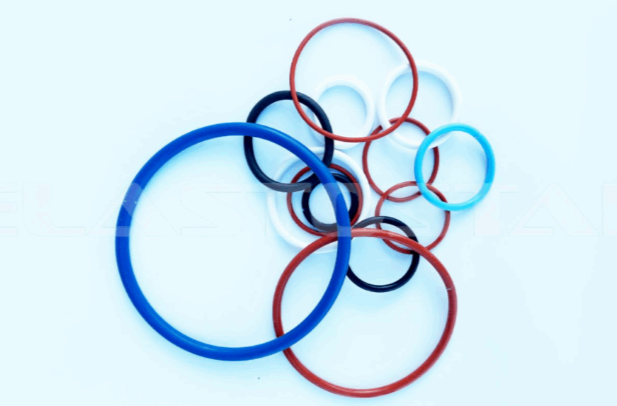
The installation stage is one of the most common points where early failure begins. Even a perfectly manufactured silicone component can underperform if it is installed incorrectly or mishandled. Engineers pay close attention to alignment, compression, seating, and handling because small silicone installation mistakes can create irreversible damage.
For instance, if a silicone bulb seal is compressed unevenly during mounting, it may buckle or deform, resulting in gaps, leaks, or accelerated wear during operation.
Proper installation ensures the component begins its lifecycle with full integrity and prevents avoidable silicone-handling errors that can shorten service life.
Common Installation Risks Engineers Look For
- Misalignment between sealing surfaces.
- Over-compression that flattens bulb seals.
- Under-compression leading to immediate leakage.
- Twisting or stretching during assembly.
- Tubing kinks caused by sharp bends.
- Incorrect groove or channel fit.
- Damage from tools or improper handling.
Also Read– What Is the Highest Grade Silicone?
How Operational Wear Patterns Reveal the True Behavior of Silicone Components Over Time
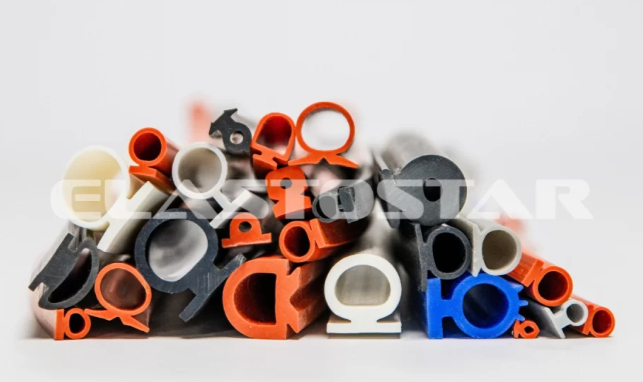
Once the silicone component is installed and begins daily operation, engineers observe its performance under heat, pressure cycles, vibration, and continuous compression. This phase reveals silicone wear over time, showing whether the material retains elasticity or begins to deform.
For example, custom extruded profiles and silicone O-rings undergo repeated expansion and contraction; if the material isn’t formulated correctly, it may stiffen or lose shape due to heat exposure, silicone exposure, or cyclic loading.
Elastostar reduces premature wear by using high-purity, platinum-cured silicone that meets USP Class VI, Sections 87 & 88, improving stability over long operational cycles.
Typical Wear Patterns Engineers Monitor
- Gradual hardening from repeated compression.
- Surface shine is turning dull due to friction.
- Minor cracking in high-stress edges
- Swelling or softening from chemical contact.
- Reduced rebound after compression.
- Distortion in cross-section under heat cycles.
- Loss of grip in channel-mounted profiles.
Also Read– What Are the Top 7 Types of Rubber & Which Is the Best?
How Environmental Exposure Accelerates Degradation in Silicone Components Throughout Their Lifecycle

Environmental conditions influence silicone more than most engineers expect, and degradation often begins long before visible damage appears. This is where reliable silicone environmental resistance becomes essential.
Engineers study the component over time and compare performance against documented behavior available in Elastostar’s Quality Control standards to understand how the material will respond in real-world conditions.
1: Temperature Cycling
Continuous heating and cooling gradually reduce elasticity.
Effect: Components expand or contract unpredictably, altering seal pressure and creating micro-gaps that grow over time.
2: Chemical Exposure
CIP detergents, alkaline cleaners, and sanitizing fluids slowly attack silicone surfaces.
Effect: Material softening, swelling, or surface tackiness, especially in areas exposed to repeated washdown cycles, leading to chemical exposure and silicone breakdown.
3: Steam & Moisture Saturation
High-pressure steam affects crosslink stability and curing consistency.
Effect: Hardening, loss of rebound, or micro-cracking in high-stress areas, making steam resistance a key approval factor in food and pharma systems.
4: UV & Outdoor Exposure
Direct UV light triggers oxidation and surface chalking.
Effect: Premature surface cracking, fading, and weakened flexibility, especially in transparent or light-colored silicone.
5: Abrasion & Mechanical Contact
Constant friction against metal or plastic surfaces accelerates wear.
Effect: Surface dulling, thinning, or edge tearing over time.
Why Elastostar Performs Better Under Environmental Stress?
Elastostar’s platinum-cured silicone formulations are engineered to resist heat aging, chemical washdowns, and steam cycles. Custom extruded profiles, O-rings, and gaskets are produced at a large U.S. facility, ensuring consistent curing and batch reliability to maintain performance in harsh industrial conditions.
Also Read– Can Silicone Rubber Become Toxic?
Which Failure Indicators Signal That a Silicone Component Has Reached the End of Its Usable Life
Silicone components rarely fail instantly. They degrade slowly, and engineers track subtle changes long before a full breakdown occurs. Understanding these signs of silicone failure helps prevent unplanned downtime, contamination risks, and equipment strain.
Many of these indicators are documented in Elastostar’s manufacturing and testing guidelines, available in our certification, which helps engineers compare expected performance with real-world aging.
1: Loss of Elasticity
Silicone may become stiff, brittle, or less responsive.
Effect: Seals no longer compress evenly, causing leaks or pressure loss.
2: Cracking or Surface Splitting
Hairline cracks often appear at corners or high-stress edges.
Effect: These silicone cracking signs weaken structural integrity and spread under vibration or heat.
3: Permanent Compression Set
The component remains flattened after load removal.
Effect: Reduced rebound leads to poor sealing force and inconsistent pressure.
4: Swelling or Softening
The material appears stretched, cloudy, or sponge-like.
Effect: Chemical absorption alters geometry and reduces sealing accuracy.
5: Deformation or Warping
Shape distorts in channels, grooves, or tubing paths.
Effect: Misalignment increases friction and accelerates breakdown.
6: Visible Leaks or Pressure Fluctuations
System pressure changes unexpectedly during operation.
Effect: These are the most direct and urgent indicators of seal failure.
How Strategic Replacement Planning Helps Prevent Unexpected Downtime and Equipment Failure

Replacement planning is not guesswork; engineers use a structured, diagnostic approach to determine when a silicone component should be replaced before it becomes a failure point. A well-executed silicone replacement strategy avoids emergency shutdowns, contamination risks, and unexpected repair costs.
To standardize this process, engineers refer to batch records, compliance sheets, and inspection logs available through Elastostar’s documented Quality Control system, ensuring decisions are based on measurable data rather than assumptions.
Step 1: Establish the Expected Lifecycle Range
Engineers determine a component’s service life based on heat exposure, chemical cycles, pressure loads, and frequency of use.
Outcome: Creates a baseline for predictive maintenance.
Step 2: Compare Real Wear vs. Expected Wear
The actual component condition is compared with its expected state at that stage.
Outcome: Identifies early degradation or accelerated aging.
Step 3: Track Compression Set and Dimensional Drift
Seals and profiles are inspected for flattened areas, thinning, or swelling.
Outcome: Determines whether the component still meets operational tolerances.
Step 4: Document Performance Decline
Engineers note pressure fluctuations, leaks, changes in vibration, or slow rebound recovery.
Outcome: Provides evidence for lifecycle replacement timing.
Step 5: Align Replacement with Production Scheduling
Instead of waiting for failure, engineers time replacement during planned downtime.
Outcome: Optimizes component scheduling and reduces cost impact.
Step 6: Use Traceable, Consistent Components for Replacements
Elastostar supports this step with:
- Batch-traceable silicone.
- USP Class VI compliant materials.
- Metal detectable silicone and O-rings matching original specs.
- Shortest lead times for urgent maintenance.
Outcome: Ensures every replacement fits and performs exactly as expected.
Why We Enhance the Full Lifecycle Performance of Silicone Components, From Installation to Replacement
A silicone component can only perform as reliably as the material, design accuracy, and manufacturing consistency behind it. As a specialized Rubber product manufacturer, we control every step of formulation, curing, extrusion, and quality assurance within our U.S.-based facility.
This allows us to reduce initial wear risks and deliver predictable behavior during process line setup and long-term operation.
How We Support Each Lifecycle Stage
| Lifecycle Stage | Our Advantage | Engineering Benefit |
| Material & Design | USP Class VI, platinum-cured silicone | Predictable behavior & purity |
| Installation | Reverse engineering + prototype samples | Better fit, fewer installation errors |
| Operation | Precision-controlled extrusion tolerances | Stable performance under load |
| Environmental Exposure | Steam & chemical-resistant formulations | Slower degradation & safer hygiene cycles |
| Failure Detection | Batch traceability & documentation | Easy diagnosis and comparison |
| Replacement | Shortest lead times, Made in USA production | Fast, reliable replacement planning |
What Makes Us Stand Out in Real Industrial Use?

We strengthen lifecycle performance by providing:
- Custom extruded profiles, O-rings, gaskets, and Rubber die-cut gasket materials.
- Prototype-to-production support for seamless system alignment.
- Controlled curing and extrusion precision to prevent deformation.
- Consistent batch quality suitable for regulated applications.
- Faster turnaround through domestic, USA-based manufacturing.
These advantages help maintenance teams extend component lifespan, reduce failures, and schedule replacements with confidence.
Recommended Reads
- Shorter Lead Time With USA Silicone Gasket Manufacturers
- Procurement Guide for Silicone Rubber Suppliers
- USA vs China – Which Silicone Manufacturer Saves More?

Conclusion
The lifecycle of a silicone component depends on how well it performs at each stage, from installation and early stabilization to heat cycles, chemical exposure, and eventual wear. When teams understand how silicone behaves over time, they can prevent failures and optimize uptime.
If you need support with selecting materials, reviewing specifications, or planning replacements, you can reach our technical team anytime. With reliable materials, controlled manufacturing, and clear documentation, we help industrial operations run smoothly and maintain long-term performance without unexpected interruptions.
FAQs
Q1. What causes early silicone component failure?
Early silicone component failure usually occurs due to improper silicone component installation, incorrect compression, or exposure to conditions the material wasn’t designed for. Errors during setup, handling, or sizing accelerate deformation, cracks, and loss of elasticity. Understanding these silicone installation mistakes helps prevent early breakdown and ensures components begin their lifecycle correctly.
Q2. How do silicone components degrade during use?
Silicone components degrade gradually under continuous mechanical stress, heat cycles, and vibration. Over time, this creates predictable silicone wear patterns, including hardening, surface fatigue, and reduced rebound. Tracking these changes ensures long-term reliability and early intervention before performance drops.
Q3. How does the environment affect the lifespan of silicone components?
Environmental conditions, especially heat, steam, chemicals, and cleaning agents, affect durability. Strong environmental resistance to silicone is required to handle CIP/SIP cycles, alkaline detergents, and temperature swings. Poor resistance results in swelling, hardening, or loss of sealing force, reducing the component’s service life.
Q4. How can I identify a failing silicone component?
A failing component exhibits visible silicone degradation, including cracking, stiffness, discoloration, or leaks. Loss of elasticity and permanent compression set are major silicone cracking. Early detection prevents pressure loss, contamination risks, and unexpected shutdowns.
Q5. When should silicone components be replaced?
Silicone components should be replaced when seal failure indicators appear or during scheduled preventive maintenance. If you’re unsure about timing or need help matching replacement specifications, contact our engineering team for guidance. A clear silicone replacement strategy helps avoid downtime and maintain consistent performance.