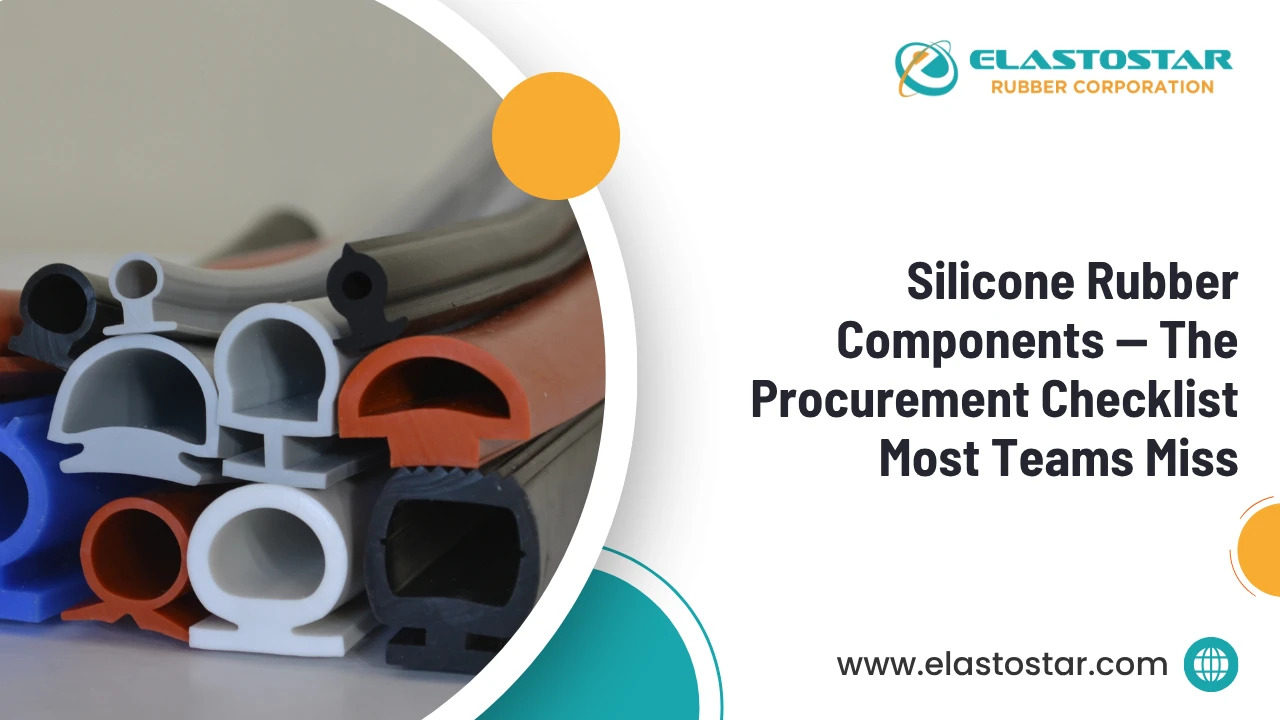
When it comes to silicone rubber component procurement, many teams focus on unit price and delivery speed. While these factors matter, they often overlook the checks that safeguard compliance, safety, and long-term performance.
Such procurement mistakes in silicone sourcing can trigger failed audits, costly downtime, and even product recalls. In regulated industries such as food, pharmaceuticals, and biotechnology, the risks are too high to ignore.
Partnering with QA approved silicone suppliers and following a proper sourcing strategy ensures reliability and confidence.
This blog serves as a guide to buying industrial silicone components, highlighting the procurement checklist that most teams overlook.
Key Takeaways
- Focusing only on unit price and speed creates hidden compliance risks.
- Procurement blind spots can lead to failed audits, recalls, and downtime.
- Always demand FDA, MDR, HACCP, and USP Class VI certifications.
- Certificates of Analysis, traceability, and test data are non-negotiable.
- Choose OEM-approved, ISO-certified, QA-validated silicone suppliers.
- High-performance silicone parts extend lifecycle and cut maintenance costs.
- Total cost of ownership (TCO) is smarter than chasing the lowest price.
- Elastostar Rubber Corporation offers FDA/MDR-compliant components, full documentation, and fast U.S.-based delivery.
Table of Contents
What Are the Common Procurement Blind Spots in Silicone Component Sourcing?
Procurement teams often overlook critical details when sourcing silicone rubber components. These blind spots can create risks that affect compliance, safety, and costs.
- Many teams assume all silicone parts are the same, but differences in grade, compliance, and durability matter.
- Ignoring supplier validation and lifecycle performance can lead to poor-quality materials entering production.
- Skipping OEM silicone part validation creates design approval problems and weakens equipment reliability.
- Not choosing a compliant silicone rubber supplier can leave procurement teams without the right documentation.
- These oversights often result in:
- Procurement mistakes in silicone sourcing
- Failed audits and loss of compliance
- Costly recalls, fines, and downtime
- Procurement mistakes in silicone sourcing
Also Read– Top Mistakes to Avoid Ordering Silicone O-Ring
Why Compliance Documentation and Material Traceability Matter?
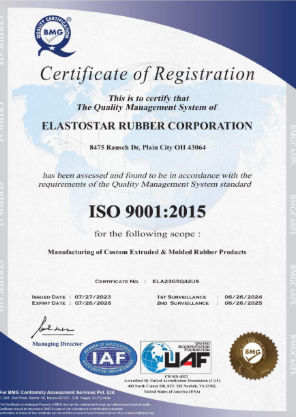
In regulated industries, documentation is just as important as the silicone part itself. Without proper records, even a high-quality component can fail an audit.
- FDA, MDR, HACCP, and USP Class VI certifications prove the material is safe for use in food, pharma, and biotech lines.
- FDA- compliant silicone rubber ensures procurement teams meet global standards.
- COA (Certificate of Analysis), lot numbers, and test reports provide full traceability for every batch.
- Working with a material certification silicone supplier gives QA teams the paperwork needed to pass audits smoothly.
- Pharma-grade silicone compliance papers act as a safeguard during inspections, reducing risks of non-conformance.
With the right documentation, procurement managers can confidently source components knowing they are audit-ready and fully traceable.
How to Identify an Audit-Ready, QA-Validated Silicone Supplier?
In the regulated industries sector, procurement teams cannot afford to work with suppliers who are not fully audit-ready.
- Work only with an audit ready silicone supplier to avoid compliance gaps.
- Choose an OEM-approved silicone manufacturer for validated design and production standards.
- Source QA validated silicone components that include traceability, test data, and documentation.
- Prefer ISO-certified suppliers who meet a pharma audit checklist for silicone parts.
Also Read– Elastostar Rubber Corporation is a B.A.B.A.A. Compliant Manufacturer
Performance Lifecycle and Maintenance Expectations
When sourcing silicone components, procurement teams must look beyond initial cost and evaluate how long parts will last under real operating conditions.
Understanding performance lifecycle and maintenance needs is key to reducing downtime and ensuring long-term value.
1. Lifespan of Silicone Seals and Components
High-performance silicone rubber components like silicone rubber sponge are designed to withstand demanding industrial use.
Long-life silicone seals extend replacement cycles, helping procurement teams cut costs and maintain smoother operations.
2. Maintenance Planning vs Frequent Replacements
Having clear maintenance expectations for silicone parts allows managers to plan service schedules in advance. By tracking the industrial silicone lifecycle, companies can avoid unplanned downtime and improve reliability.
3. Durability Under Cleaning and Sterilization
In regulated environments, materials must endure harsh cleaning. CIP/SIP resistant silicone components are built to handle sterilization cycles, while fatigue-resistant silicone parts reduce the risk of sudden failures, keeping production lines safe and compliant.
Read More– Why U.S.-Made Silicone Rubber is Worth the Investment
Why Total Cost of Ownership Beats Unit Price?
As a procurement manager, it’s tempting to choose the lowest unit price when sourcing silicone parts. But in practice, this approach often costs more in the long run. What matters is not just what you pay upfront, but how the component performs throughout its lifecycle.
- Focusing solely on price can result in parts that fail prematurely, cause downtime, or fail to meet compliance requirements.
- Hidden costs include failed audits, emergency replacements, and production delays all of which are far more expensive than the initial savings.
- By investing in long-lasting, compliant silicone components, you reduce maintenance cycles, improve efficiency, and avoid the stress of non-conformance.
- A smarter silicone component sourcing strategy looks at ROI, choosing parts that support cost efficiency, reliability, and audit success, not just low price.
How Elastostar Rubber Corporation Supports Procurement Teams?

Procurement teams need more than a supplier they need a partner who can deliver compliance, reliability, and documentation every step of the way. That’s where Elastostar Rubber Corporation stands apart.
Our silicone products are fully compliant with FDA, MDR, HACCP, and USP Class VI standards, making them suitable for even the most regulated industries.
As one of the trusted QA-approved silicone suppliers, we provide complete documentation and traceability, giving QA teams the confidence they need during audits.
From custom profiles and O-rings to rubber gaskets and sheet materials, we support both standard and OEM requirements, with silicone part validation built into the process. With a large U.S.-based facility, we ensure the shortest lead times without compromising quality.
For procurement managers, this means a partner who simplifies sourcing, reduces risk, and strengthens supply chain confidence.
Recommended Reads
- How to Choose an Extruded Rubber Manufacturer in the USA
- USA vs China: Which Silicone Rubber Manufacturer Saves More?
- FDA-Approved vs FDA-Compliant: Here’s What Sets Them Apart
Conclusion
Procurement decisions go far beyond price. Choosing the right silicone rubber components means protecting compliance, reducing downtime, and safeguarding brand reputation. The strongest procurement teams know that long-term value comes from reliable suppliers who provide quality, documentation, and proven compliance.
Elastostar Rubber Corporation is an audit-ready silicone supplier trusted for FDA-compliant silicone rubber solutions backed by full traceability. From custom seals to OEM-validated components, we help procurement managers source with confidence and keep production lines running smoothly.
Contact us today to secure a dependable supply of audit-ready silicone components tailored to your needs.
FAQs
Q1. What are the most common procurement mistakes when ordering silicone rubber components?
Many teams focus only on unit price or delivery speed and overlook compliance, traceability, and supplier validation. These gaps can lead to failed audits, poor component performance, and costly recalls.
Q2. What documentation should procurement teams request from a silicone rubber supplier?
Procurement should request FDA/MDR certifications, HACCP or USP Class VI compliance papers, Certificates of Analysis (COA), test reports, and full traceability records for every batch.
Q3. How do procurement teams pre-qualify a silicone rubber supplier for QA-approved use?
Teams should confirm that the supplier is audit-ready, ISO certified, OEM-approved, and capable of providing QA-validated silicone components with supporting documentation.
Q4. How do procurement teams evaluate durability of silicone rubber components?
Durability is measured by assessing long-life performance, resistance to CIP/SIP sterilization, fatigue resistance, and lifecycle testing under actual operating conditions.
Q5. Why should procurement teams look beyond unit price when sourcing silicone rubber components?
The cheapest option can create hidden costs failed audits, downtime, early replacements, and brand risks. A smarter strategy focuses on total cost of ownership, ensuring long-term savings and reliability.
Q6. What do procurement teams often miss when buying silicone components?
Buyers sometimes forget to check QA validation, supplier audit readiness, and lifecycle performance. These factors are as important as price because they determine compliance and long-term value.
Q7. How can procurement reduce costs without compromising silicone quality?
By choosing compliant, high-performance silicone parts that last longer and reduce downtime. This ROI-driven approach saves more in the long run than opting for low-cost imports with hidden risks.