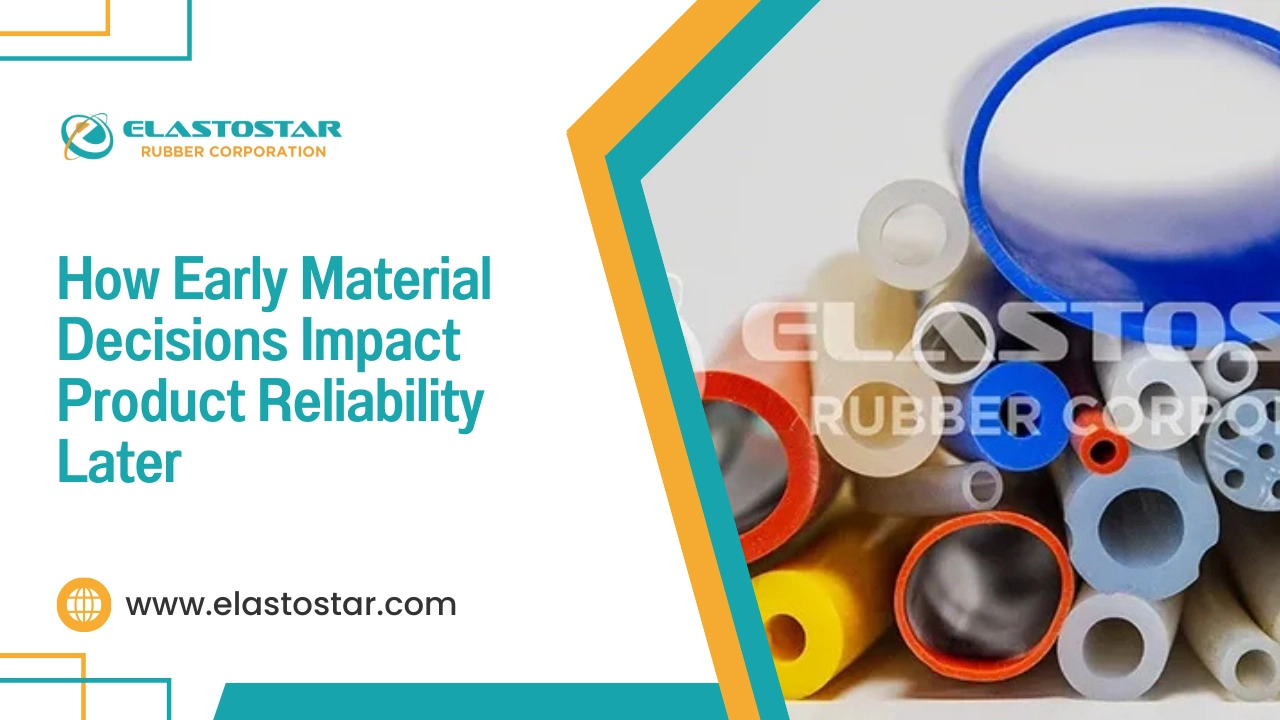
Material-related failures rarely begin in the field. In most cases, they originate during the design phase, when early assumptions shape how a product will perform over the years of use. The material selection impact is often underestimated because initial performance looks acceptable on paper.
Over time, however, real operating conditions expose gaps between expectations and reality. Load, environment, aging, and dimensional change quietly influence reliability outcomes.
In this blog, we will examine how early material decisions affect long-term performance, why small choices compound into major issues, and how a reliability-focused approach helps prevent avoidable failures later in the product lifecycle.
Key Takeaways
- Most reliability problems start during material selection, not in the field.
- Materials that look fine initially may fail under real operating conditions over time.
- Tolerance stack-up and material aging slowly reduce sealing performance.
- Poor material choices lead to frequent maintenance and higher downtime.
- Compliance and audit risks often trace back to early design decisions.
- Planning materials for long-term behavior improves reliability and lowers lifecycle cost.
Table of Contents
Where Reliability Problems Really Start?
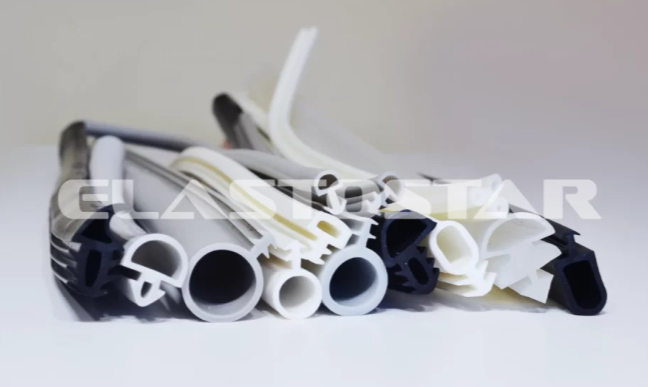
Reliability problems rarely appear suddenly. They develop from early design decisions made when materials are selected under time and cost pressure. At this stage, components such as silicone O-rings, extruded silicone profiles, or molded gaskets are often chosen based on initial fit and availability rather than long-term behavior.
While these products may meet design requirements at launch, real operating conditions introduce sustained compression, movement, and environmental exposure.
Over time, these stresses reveal weaknesses that were not considered during selection. Many product failures can be traced back to this point, where material behavior over the full service life was underestimated, making later corrections costly and disruptive.
How Design Assumptions Break Down in Real Operating Conditions
At the design stage, material selection is often based on idealized assumptions rather than verified operating data. These assumptions oversimplify reality and create a mismatch with real-world usage once products enter service.
Common gaps between design and reality include:
- Assumed steady loads instead of variable or intermittent stress.
- Controlled environments instead of long-term exposure.
- Short validation periods that overlook gradual behavior change.
Over time, these gaps reveal design errors that were not visible during early testing. Even components like custom rubber seals, selected correctly at launch, can behave differently once exposed to sustained load and real operating conditions. Addressing these issues later requires far more effort than validating assumptions early.
Also Read– How Temperature Affects Silicone Rubber Performance
How Tolerance Stack-Up Gradually Undermines Sealing Performance
Tolerance stack-up is one of the most overlooked reliability risks during early design. Small dimensional variations across parts, assemblies, and materials can accumulate over time, leading to sealing-tolerance issues that were not anticipated during initial validation.
Typical contributors include:
- Manufacturing variation across production runs.
- Assembly inconsistencies under real conditions.
- Changes in material behavior under sustained load and temperature.
At Elastostar Rubber Corporation, we frequently encounter these issues when standard components are selected without considering how tolerances interact across a product’s full lifecycle. Through custom manufacturing, reverse engineering, and prototype-to-production support, we help address tolerance-related risks early.
Even a custom silicone gasket performs more reliably when dimensional control, material stability, and manufacturing consistency are planned from the start in a large, well-equipped facility.
Also Read– How to Measure Gaskets: A Comprehensive Guide
How Material Aging and Performance Drift Affect Long-Term Reliability
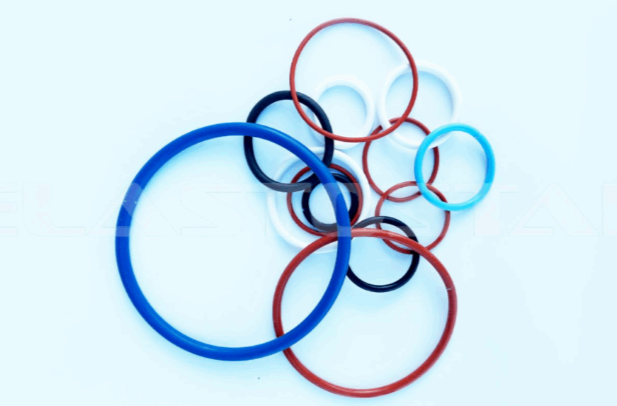
Material performance does not remain static after a product enters service. Over time, product reliability is influenced by gradual changes in material properties due to heat, load, and environmental exposure. This performance drift often occurs without visible damage, making it difficult to detect early.
Common aging-related factors include:
- Progressive loss of elasticity under sustained compression.
- Fatigue caused by repeated thermal or mechanical stress.
- Chemical or atmospheric exposure that accelerates aging.
We account for aging behavior during material selection and design support, not after failures occur.
Components such as custom silicone seals perform more consistently when material formulation, manufacturing control, and lifecycle expectations are aligned from the start, helping reduce unexpected reliability loss as products age.
How Early Material Choices Increase Maintenance Frequency
When materials are selected without long-term behavior in mind, maintenance often becomes the fallback solution.
What begins as a material issue later appears as rising maintenance cost drivers, including more frequent inspections, unplanned replacements, and reactive repairs.
Common consequences include:
- Shortened repair cycles due to premature performance loss.
- Increased service interventions to address minor leaks or wear.
- A gradual increase in downtime that disrupts operations.
We observe this pattern when materials are selected to meet initial requirements rather than lifecycle requirements. Sealing components such as silicone rubber tubing perform more reliably when material stability, manufacturing consistency, and operating conditions are evaluated early, reducing unnecessary maintenance burden over the product’s service life.
Compliance and Audit Risks Often Trace Back to Early Material Choices
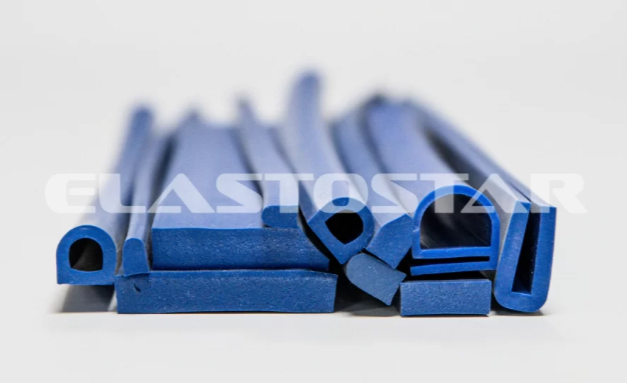
Compliance issues rarely start as regulatory problems. They start as technical compromises made early in design. When materials behave differently over time than expected, products may drift out of compliance without any immediate functional failure.
This creates reliability RMA compliance risk that surfaces during audits, field complaints, or quality reviews. Inconsistent material performance can trigger documentation gaps, revalidation requirements, or, in severe cases, recalls and quality failures.
What makes this risk difficult to manage is timing. By the time compliance issues appear, products are already in circulation, and design flexibility is limited. Early material decisions that did not account for long-term stability often become audit findings years later, when corrective action is far more complex and costly.
Also Read– FDA Approved vs FDA Compliant: Here’s What Sets Them Apart
Redesign and Rework Costs Are the Price of Late Material Corrections
When material-related issues surface late, the cost is rarely limited to the component itself. What initially appears as a performance adjustment quickly turns into a broader redesign cost impact. Drawings need updates, tooling must be modified, validation cycles restarted, and production schedules slip.
These late-stage fixes often involve retooling expenses that were never part of the original budget. Engineering time is diverted from new development to corrective work, and supply chains are disrupted while alternatives are sourced and approved.
Unlike early design changes, which are relatively flexible, these late-stage fixes carry compounded financial and operational consequences.
In many cases, the cost of redesign far exceeds what would have been required to make a more reliability-focused material decision at the start.
How Elastostar Rubber Corporation Helps Execute Reliability-Focused Material Strategy?

At Elastostar, we help turn reliability planning into practical outcomes by aligning material behavior, dimensional control, and manufacturing capability early in the design process. As an extruded rubber manufacturer, we support custom silicone profiles and sealing solutions engineered around real operating conditions, not just initial specifications.
With a large manufacturing facility, in-house design support, and prototype-to-production capability, we help reduce variation, address tolerance risks, and support long-term performance goals.
All products from Elastostar Rubber Corporation are made in the USA, enabling dependable supply, responsive collaboration, and quality standards that support product reliability throughout the service life.
Recommended Reads
- Silicone Rubber Upgrade Checklist
- How Long Does Silicone Rubber Last?
- Procurement Guide for Silicone Rubber Suppliers

Conclusion
A single failure event rarely determines product reliability. It is shaped by early material decisions that influence how components behave under real operating conditions over time. When material behavior, tolerances, and aging are not considered upfront, reliability risks surface later as maintenance issues, compliance challenges, and costly redesigns.
At Elastostar, we help teams address these risks early through reliability-focused material planning and manufacturing support. If you are evaluating materials for a new design or experiencing recurring performance issues, contact us to discuss how early material decisions can be aligned with long-term reliability goals.
FAQs
Q1.Why do reliability issues often start at the design stage?
Reliability issues usually begin with early design decisions that prioritize initial fit, cost, or availability over long-term behavior. Once a material is selected, it sets performance limits that are difficult and expensive to change later.
Q2.How do material assumptions lead to product failures?
Material assumptions are often based on ideal conditions that do not reflect real operating environments. When actual loads, exposure, and usage differ from those assumptions, materials may degrade or deform faster than expected, leading to failures.
Q3.How do tolerances affect seal reliability over time?
Small dimensional variations across parts and assemblies can accumulate over time, reducing sealing effectiveness. This tolerance stack-up can lead to uneven compression, loss of contact pressure, and increased leakage risk.
Q4.Why do products fail after years of use instead of at launch?
Many products fail due to gradual effects such as aging, fatigue, and performance drift rather than immediate defects. These changes build slowly, allowing products to perform well initially before issues surface later in service.
Q5.How does material choice influence maintenance requirements?
Materials not selected for long-term behavior often require more frequent inspection, adjustment, or replacement. This increases maintenance effort, repair cycles, and unplanned downtime across the product’s lifecycle.
Q6.What compliance risks arise from poor material decisions?
Inconsistent material performance can cause products to drift out of compliance over time. This may result in audit findings, revalidation requirements, quality issues, or, in severe cases, recalls.
Q7.What is the cost of redesign due to incorrect material selection?
Late-stage material changes often trigger redesign, retooling, and repeated validation efforts. These corrective actions are significantly more costly than addressing material behavior during the initial design phase.