Industrial ovens operate under extreme heat, frequent opening cycles, and strict hygiene requirements, especially in food-processing environments. Selecting the right industrial oven door seals is critical for maintaining temperature consistency, preventing heat loss, and ensuring safe operation.
At Elastostar Rubber Corporation, we design high-temperature silicone door seals that perform reliably in continuous service conditions where standard gasket materials fail.
From maintaining thermal efficiency to supporting sanitation standards, the right oven gasket material directly impacts productivity and operating cost.
In this guide, we explain silicone material specifications, seal profile designs, compression performance, and application requirements to help identify the most effective sealing solutions for industrial and food processing ovens.
Key Takeaways
- Industrial oven door seals must withstand continuous heat and repeated door cycles.
- High-temperature silicone performs reliably up to 450°F.
- Seal profile design affects compression, durability, and ease of installation.
- Low compression set is critical for maintaining sealing force over time.
- Food processing ovens require FDA-compliant, hygienic sealing materials.
- Proper sealing reduces heat loss and improves energy efficiency.
- Correct installation extends seal life and ensures consistent oven performance.
Table of Contents
High-Temperature Silicone Specifications (+450°F)
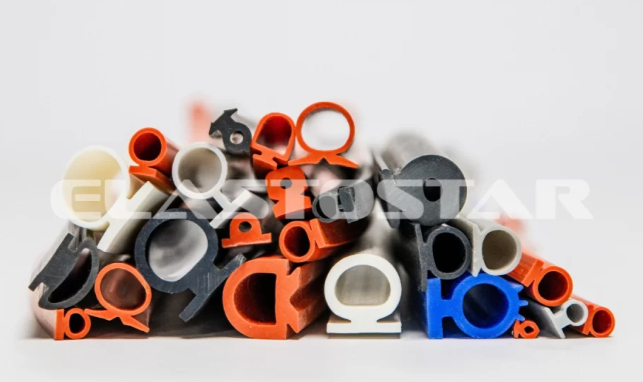
Industrial ovens operate continuously at elevated temperatures for long-term sealing performance.
We manufacture industrial oven door seals using high-temperature silicone compounds that perform reliably at temperatures up to 450°F without hardening, cracking, or losing elasticity.
Key material requirements for high-temperature silicone oven seals include.
- Continuous heat resistance up to +450°F.
- Excellent flexibility under repeated thermal cycling.
- Low compression is set to maintain a consistent door sealing force.
- Resistance to aging, embrittlement, and surface degradation.
Silicone Rubber is widely selected as an oven gasket material because it retains its mechanical properties at temperatures where conventional rubber compounds fail.
Our silicone rubber cords and sheets are commonly used to manufacture custom high-temperature door-seal solutions for industrial ovens.
For food-related applications, we also supply FDA-compliant silicone materials for food-processing oven seals, supporting hygiene, safety, and regulatory requirements.
By combining high-temperature silicone compounds with precision extrusion and molding, we deliver oven door seals that maintain sealing integrity, reduce heat loss, and support consistent oven performance across extended service cycles.
Interesting Reads: How Temperature Affects Silicone Rubber Performance
Seal Profile Designs (D-Bulb, P-Channel, Rectangular with Limiters)
Seal profile design plays a major role in how effectively an oven door seal performs under heat, pressure, and repeated opening cycles.
We engineer industrial oven door seals using proven silicone extrusion profiles that balance compression, durability, and ease of installation.
Common oven door seal profiles we manufacture include
1. D-Bulb and Double Bulb Seals
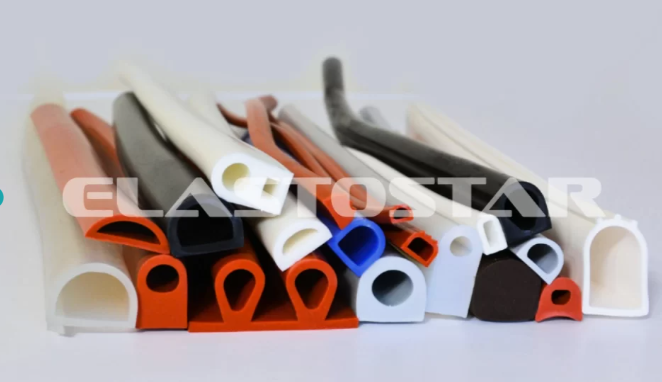
D-bulb profiles create a resilient compression seal against oven doors and frames.
- Ideal for compensating door misalignment.
- Maintain sealing force during thermal expansion.
- Often produced as extruded rubber double bulb seals for high-cycle ovens.
2. P-Channel and U-Channel Seals
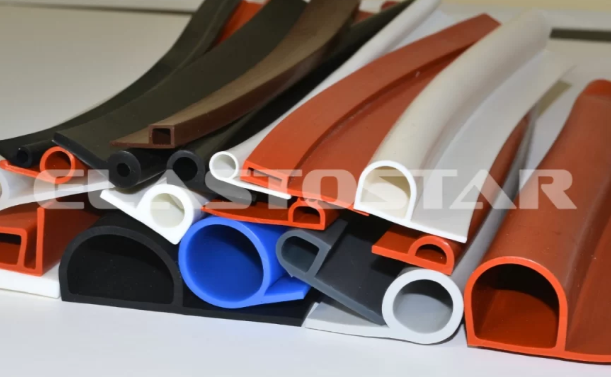
Channel-style seals allow secure mounting while maintaining flexibility.
- Provide consistent sealing along door perimeters.
- Suitable for retrofit and replacement applications.
- Commonly supplied as Rubber P-channel profiles or Rubber U-channel shapes with silicone compounds for high heat.
3. Rectangular Profiles with Compression Limiters
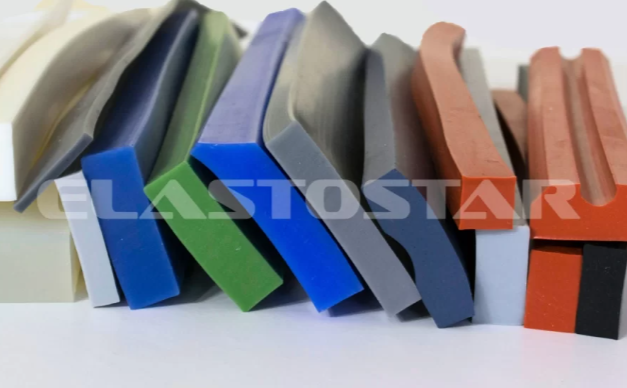
Rectangular seals with built-in limiters prevent over-compression.
- Extend seal service life.
- Improve repeatable sealing across long door spans.
- Manufactured using rubber square and rectangular profiles tailored for oven applications.
These profiles are produced through our precision extrusion capabilities, allowing us to customize dimensions, durometer, and geometry to match specific oven designs.
Our extrusion expertise supports both standard and custom profiles across industrial and food-grade oven systems.
By selecting the correct seal profile, we help ensure reliable sealing, reduced wear, and consistent thermal containment throughout the oven’s operating life.
Read More: Rubber Extrusion Profiles: U-Channel, D-Profile & P-Profile
Compression Set Resistance for 1000+ Cycles
Industrial oven doors are opened and closed repeatedly throughout daily operations. Over time, poor-quality seals lose elasticity, resulting in heat leakage and inconsistent oven performance.
We design industrial oven door seals with high resistance to compression set, allowing them to maintain sealing force through 1,000+ open-close cycles.
Why does compression set resistance matter?
- Maintains tight door sealing over extended use.
- Prevents permanent flattening under continuous heat and pressure.
- Reduces the need for frequent seal replacement.
- Supports consistent temperature control inside the oven chamber.
Our high-temperature silicone compounds are formulated to recover after repeated compression, even under elevated temperatures. This makes them well-suited for silicone oven gasket applications where durability and repeatable performance are essential.
We manufacture compression-resistant seals using silicone rubber cords and custom-molded silicone components, ensuring dimensional consistency and long-term elasticity.
Our production controls adhere to established rubber tolerance and inspection practices to ensure consistent performance across batches.
By focusing on compression recovery and material stability, we help extend seal service life and reduce maintenance interruptions in demanding oven environments.
Food Processing Oven Requirements
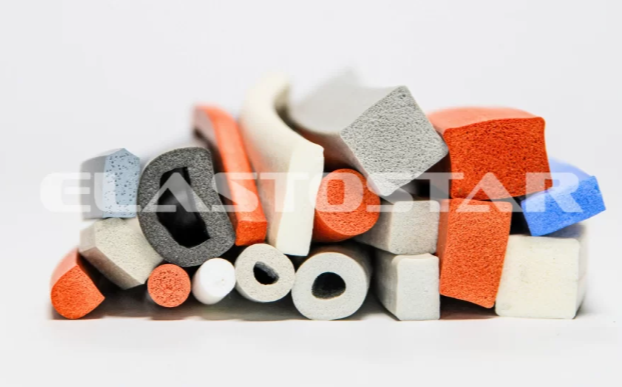
Food-processing ovens impose additional requirements on door seals beyond temperature resistance. Seals must support hygiene, safety, and regulatory compliance while maintaining consistent thermal containment.
Key requirements include.
- FDA-compliant materials suitable for food-contact and washdown environments.
- Resistance to grease, oils, steam, and cleaning chemicals.
- Smooth, non-porous surfaces that prevent debris buildup.
- Stable sealing performance during frequent door cycles.
For these environments, we supply closed-cell silicone sponge rubber and platinum-cured silicone profiles for food-processing and bakery oven seals. These materials help support sanitation protocols while maintaining flexibility and sealing integrity at elevated temperatures.
Our food-grade silicone solutions are designed to meet regulatory expectations while reducing heat loss, contamination risk, and unplanned downtime in food processing operations.
Read More–5 Major Seal Challenges in Food Processing
What are the Industrial Oven Door Seals Applications (Powder Coating, Heat Treating, Baking)
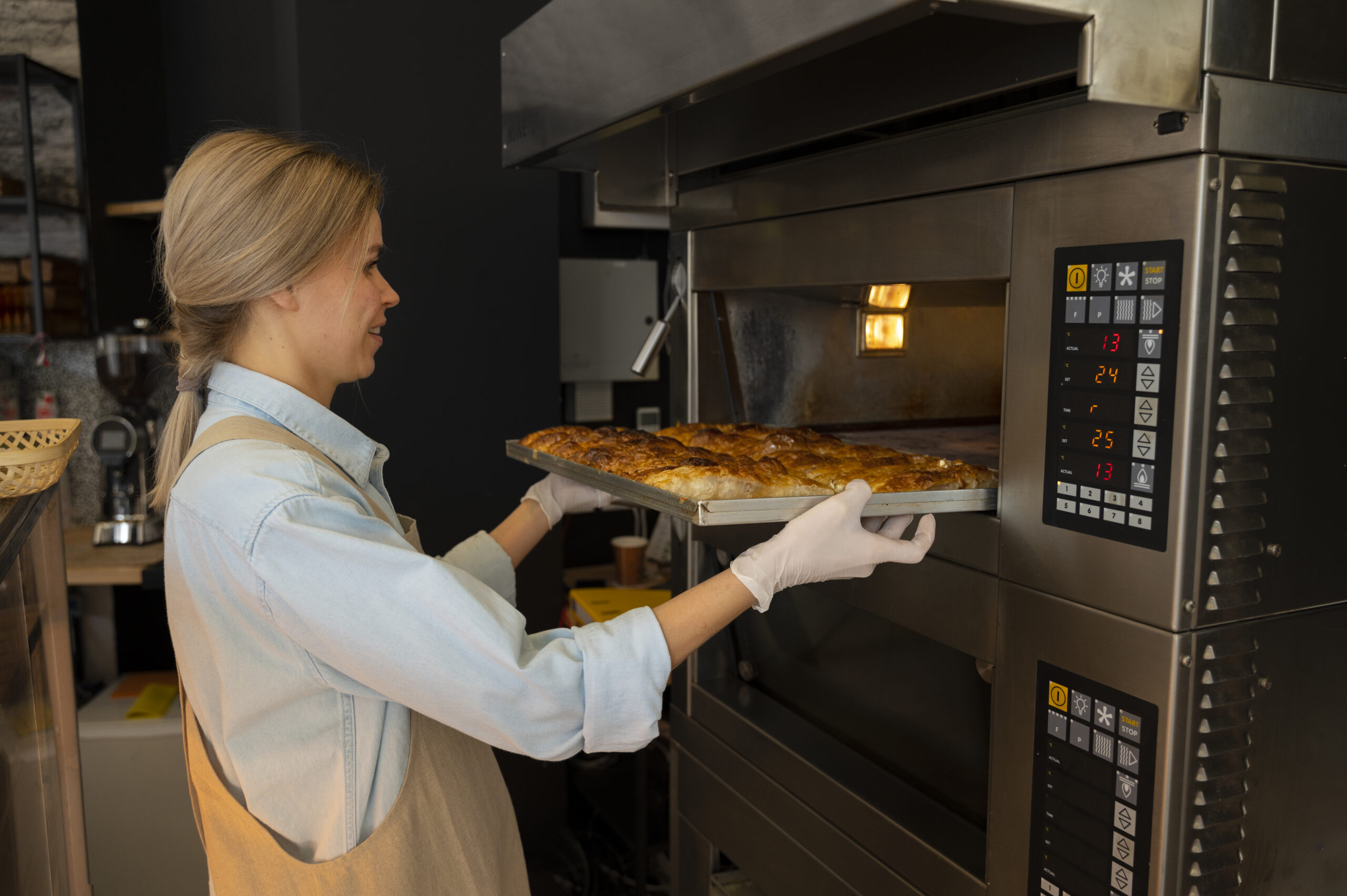
High-temperature oven environments vary by process, but all require reliable door sealing to control heat, airflow, and energy loss.
We design industrial oven door seals to meet the specific requirements of each application, rather than using a one-size-fits-all approach.
1. Powder Coating Ovens
- Continuous exposure to elevated temperatures during long cure cycles.
- Presence of airborne powder that can settle on seals.
- Need for consistent door sealing to prevent heat and airflow loss.
- Silicone profiles must resist surface degradation and compression set.
2 . Heat Treating Ovens
- Sustained high temperatures with frequent door opening and closing.
- Requirement for seals that retain elasticity under repeated thermal cycling.
- Tight sealing is needed to maintain uniform internal temperature zones.
- Compression-resistant silicone profiles help reduce energy loss and wear.
3. Baking and Food Processing Ovens
- Strict hygiene and food safety requirements.
- Exposure to grease, steam, and regular washdown cleaning.
- Need for FDA-compliant materials suitable for food-contact environments.
- Extruded Silicone oven gasket designs support reliable sealing without contamination risk.
By selecting the correct silicone compound and seal profile for each application, we help improve process control, reduce heat loss, and extend seal service life across industrial oven systems.
By tailoring seal materials and profiles to each application, we improve process consistency, reduce heat loss, and extend seal service life across industrial oven systems.
What are the Energy Efficiency Benefits?

Effective oven door sealing directly impacts energy consumption and operating costs. Poorly sealed doors allow heat to escape, forcing ovens to work harder to maintain target temperatures.
We design industrial oven door seals to minimize heat loss and support efficient thermal containment.
How do proper oven door seals improve energy efficiency?
- Reduce heat leakage at door perimeters.
- Maintain consistent internal temperatures with fewer heater cycles.
- Shorten warm-up and recovery times after door openings.
- Lower overall energy consumption during continuous operation.
High-temperature silicone maintains elasticity at elevated temperatures, allowing seals to stay in contact with door frames even during thermal expansion.
Our double-bulb seals, with limiters, help ensure uniform compression, improving sealing consistency across long production runs.
By improving thermal containment, well-designed silicone oven door seals help reduce energy waste, stabilize process conditions, and lower long-term operating costs in industrial and food processing equipment.
Installation Guidelines & Case Studies
Correct installation is as important as material selection for the long-term performance of oven door seals. Even a high-quality high-temp door seal can fail early if it is installed incorrectly.
Installation Guidelines
- Ensure the door frame and sealing surface are clean, flat, and free from debris.
- Verify that the seal profile matches the groove or mounting channel before installation.
- Avoid stretching silicone seals during fitting, as this can lead to shrinkage over time.
- Apply uniform compression along the entire door perimeter to prevent hot spots and leakage.
- Use mechanical retainers or channels where required to maintain consistent positioning during thermal cycling.
Case Study Examples
- In a food processing oven, replacing worn seals with FDA-compliant silicone profiles reduced heat loss and improved sanitation compliance.
- In a powder-coating line, upgraded silicone door seals improved temperature stability and reduced energy consumption during extended cure cycles.
Proper installation combined with the right seal design helps extend service life, improve efficiency, and reduce maintenance in industrial oven systems.
Read More– How to Measure Gaskets: A Comprehensive Guide
Why Choose Elastostar Rubber Corporation for Industrial Oven Door Seals?

Selecting the right partner is as important as selecting the right seal material.
At Elastostar, we focus on delivering oven door sealing solutions that perform reliably under real operating conditions, not just on paper.
Why do manufacturers choose us?
- We specialize in high-temperature silicone manufacturing solutions designed for continuous service up to +450°F.
- Our seals are produced using custom silicone extruded profiles, bulb seals, and channel-style designs tailored to specific oven configurations.
- We supply FDA-compliant and food-grade silicone materials suitable for food processing and bakery ovens.
- Our products are engineered for low compression to maintain sealing force over thousands of door cycles.
- We support custom design, prototyping, and production runs, helping integrate seals seamlessly into existing or new oven systems.
- All manufacturing is proudly made in the USA, ensuring quality control, traceability, and dependable lead times.
By combining material expertise, precision manufacturing, and application-focused design, we help customers improve oven performance, reduce energy loss, and extend seal service life.
Recommended Reads
- A Complete Guide to High-Temperature Silicone Rubber
- What Is the Best Rubber Material for Gaskets?
- Why Choose Rubber Gaskets and Sealing Solutions for the Lighting Industry
Conclusion
Reliable oven door sealing is essential for maintaining temperature control, energy efficiency, and safe operation in industrial and food processing environments. High-temperature silicone has proven effective for industrial oven door seals, as it withstands continuous heat, repeated cycling, and stringent hygiene requirements.
By selecting the correct silicone material, seal profile, and installation method, manufacturers can reduce heat loss, improve process consistency, and extend seal service life. Contact us for custom silicone oven door seals designed and manufactured for specific applications, including baking, food processing, powder coating, and heat treating. The right sealing solution supports long-term performance, lower operating costs, and dependable oven operation.
FAQs
Q1. What material is best for industrial oven door seals?
High-temperature silicone is widely considered the best material for industrial oven door seals. It maintains flexibility at elevated temperatures, resists aging, and provides consistent sealing under repeated thermal cycling, for continuous oven operation.
Q2. What temperature can silicone oven seals withstand?
Silicone oven seals are typically designed to withstand continuous temperatures up to 450°F, depending on the compound formulation. High-temperature silicone maintains elasticity and sealing force where standard rubber materials fail.
Q3. How long do industrial oven door seals last?
Seal life depends on operating temperature, door cycle frequency, and compression level. Properly designed silicone seals with low compression set can perform reliably through thousands of open-close cycles before replacement is required.
Q4. What is compression set in oven door gaskets?
A compression set refers to a Rubber gasket’s ability to recover after being compressed. Low compression set is critical for oven door gaskets, as it allows the seal to maintain contact pressure and prevent heat leakage over repeated use.
Q5. What seal profiles are used for oven doors?
Common oven door seal profiles include D-bulb, double-bulb, P-channel, U-channel, and rectangular seals with compression limiters. Profile selection depends on door design, compression requirements, and installation method.
Q6. Do oven door seals need to be food-grade?
Yes, food processing and bakery ovens typically require FDA-compliant silicone materials. We supply food-grade silicone seals suitable for washdown environments, grease exposure, and sanitation requirements.
Q7. How do oven door seals improve energy efficiency?
Properly sealing the oven door reduces heat loss, stabilizes internal temperature, and minimizes heater cycling. Well-designed industrial oven door seals help lower energy consumption and improve overall process efficiency.
Q8. Can silicone oven seals be custom extruded?
Yes. We manufacture custom silicone extruded profiles, including bulb, channel, and rectangular designs, to match specific oven door geometries and sealing requirements.
Q9. How often should industrial oven seals be replaced?
Replacement intervals vary by application, but seals should be inspected regularly for compression loss, cracking, or hardening. High-quality silicone seals generally require less frequent replacement than conventional materials.
Q10. What are the best practices for installing oven door gaskets?
Best practices include cleaning the mounting surface, avoiding seal stretching during installation, ensuring uniform compression, and using proper retainers or channels. Correct installation helps extend seal life and maintain consistent oven performance.