Bonding silicone to silicone presents unique challenges that differ significantly from bonding silicone to metals or plastics. Due to its low surface energy and inherent release characteristics, silicone resists many conventional adhesives, leading engineers to question does silicone adheres to silicone in practical applications.
This guide explores the science behind silicone-to-silicone adhesion in liquid silicone rubber (LSR) systems, examining why bonding is difficult and which methods actually work.
We cover primer systems, specialty adhesives, surface preparation techniques, and bond strength testing to help manufacturers achieve reliable, repeatable extruded silicone bonds in demanding industrial and regulated environments.
Key Takeaways
- Silicone does not easily bond to itself because cured silicone has very low surface energy.
- Surface preparation, such as essential cleaning, plasma treatment, or corona treatment, improves adhesion.
- Primers help create a chemical bridge between silicone surfaces and adhesives.
- Self-bonding RTV silicone adhesives work best for flexible silicone-to-silicone joints.
- Standard adhesives like epoxy usually fail on silicone surfaces.
- Testing methods like peel and lap-shear tests confirm bond reliability.
Table of Contents
Why Is Silicone-to-Silicone Bonding Challenging?
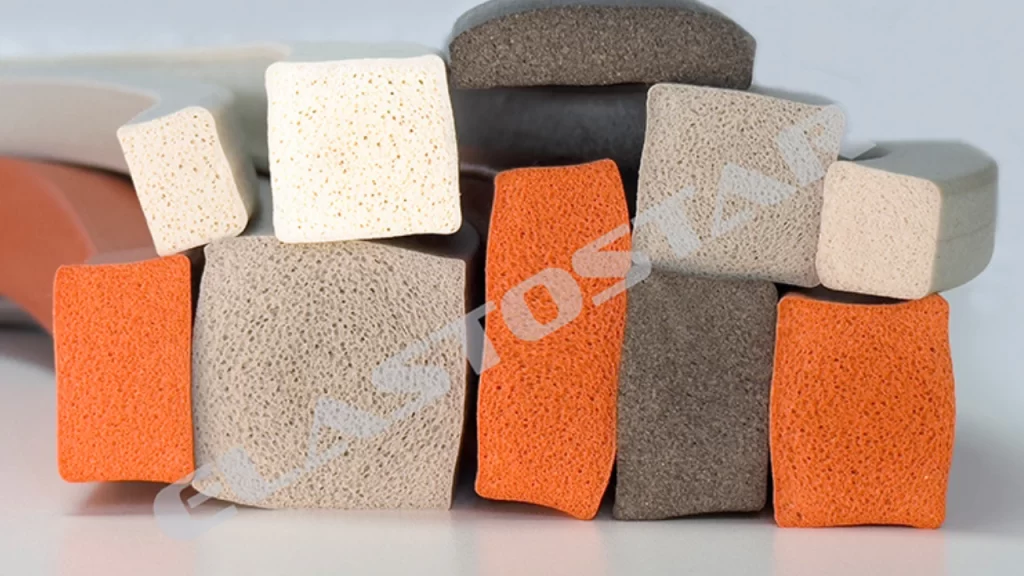
Silicone does not bond easily to itself, even when both parts are made from the same material.
This is because cured silicone has extremely low surface energy, which prevents most adhesives from forming a reliable bond.
What actually causes bonding failure?
- Adhesives cannot properly wet-cure silicone surfaces.
- Bonds fail cleanly at the interface instead of tearing within the material.
- Smooth cured surfaces offer almost no mechanical anchoring.
These issues are especially noticeable when bonding flat, cured materials like Silicone Sheets, where there is little surface texture to support adhesion.
Another challenge is silicone migration. Over time, low-molecular-weight siloxanes can rise to the surface, contaminating the bond line and weakening adhesion even after a bond initially appears successful.
Without surface activation, primers, or silicone-specific adhesives, silicone-to-silicone bonds are unreliable. This is why standard glues fail and why specialized bonding methods are required.
Read More: What Is the Resistance Level of Silicone Rubber
Which Primer Systems Enable Silicone-to-Silicone Bonding?
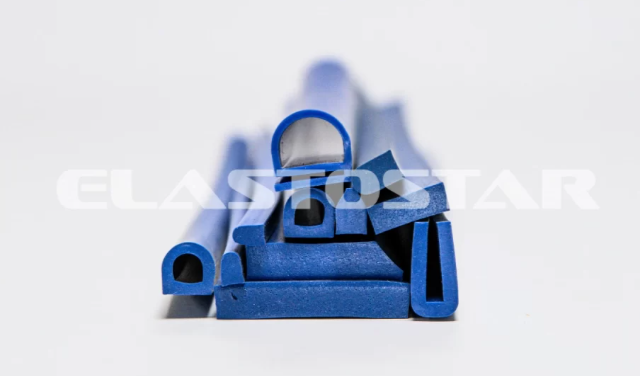
Because silicone surfaces resist direct adhesion, primers act as the missing link between cured silicone and the adhesive layer. They chemically modify the surface so bonding can actually occur.
1. What do primers do in practice?
- Increase the surface energy of cured silicone.
- Create reactive sites for adhesive attachment.
- Improve long-term bond stability.
2. Silane-Based Coupling Agents
Silane primers are the most commonly used solution for silicone-to-silicone bonding.
Why do they work?
- One end of the molecule bonds to silicone.
- The other end bonds to the adhesive.
- This creates a chemical bridge instead of a weak surface film.
They are especially effective when bonding smooth, cured silicone parts where mechanical anchoring is limited, such as Silicone Rubber Cord used in continuous sealing applications.
3. Tie-Coat Primer Layers
Tie coats are thin intermediate layers applied between two silicone surfaces.
Where tie coats are typically used
- LSR-to-LSR bonding.
- Silicone laminations.
- Multi-layer silicone assemblies.
They are most effective when bonding flexibility and peel resistance are more important than structural strength.
4. Primer Application Mistakes to Avoid
Many silicone bonding failures result from incorrect primer use rather than from poor primer selection.
- Applying excessive primer thickness, which creates a weak boundary layer.
- Insufficient flash-off time before adhesive application.
- Surface contamination prior to priming.
Even a correctly selected primer will fail if surface preparation and timing are not controlled.
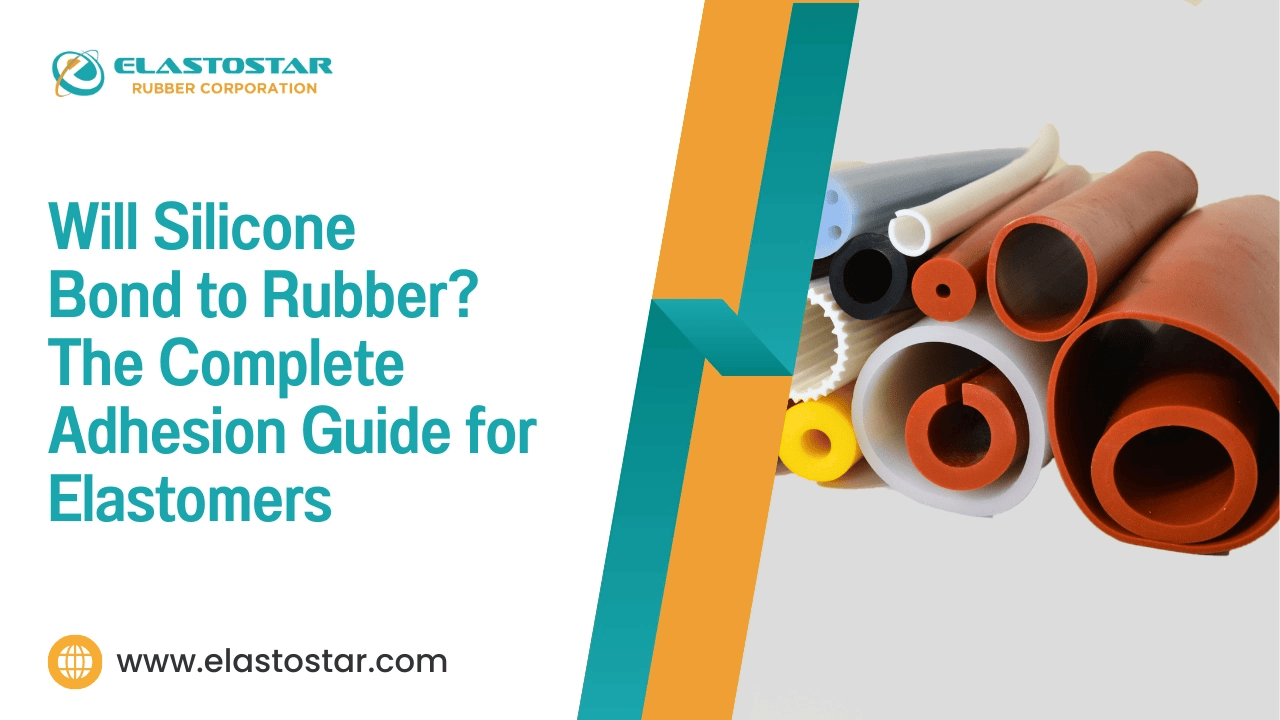
Read More: Will Silicone Bond to Rubber? The Complete Adhesion Guide for Elastomers
What Specialty Adhesives Actually Work for Bonding Silicone Rubber?
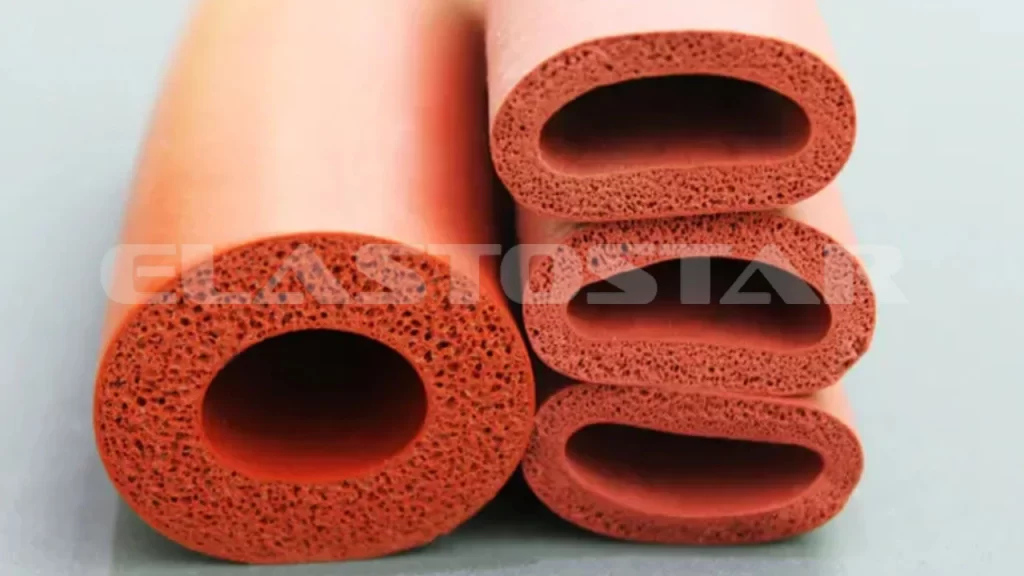
Most general-purpose adhesives do not bond reliably to silicone. Successful bonding of silicone rubber requires adhesives specifically formulated to interact with silicone chemistry or work in combination with primers.
1. Self-Bonding RTV Silicone Adhesives
Self-bonding RTV silicones are designed to chemically crosslink with cured silicone surfaces.
Why are they effective?
- Similar chemistry allows molecular interaction during cure.
- Maintains flexibility after bonding.
- Performs well in high-temperature and dynamic applications.
They are commonly used when bonding flexible silicone components, such as Silicone Rubber O-Rings, to preserve elastic recovery.
2. Cyanoacrylate Adhesives Used with Silicone Primers
Cyanoacrylates alone do not bond well to silicone. When paired with a silicone-specific primer, they can produce fast, localized bonds.
Where does this approach work best?
- Small bonding areas.
- Temporary or positioning bonds.
- Applications requiring rapid fixture time.
This method is not recommended for joints exposed to continuous flexing or peel forces.
3. What Does Not Work Reliably
Certain adhesive types consistently fail on silicone surfaces.
- Standard epoxies.
- Polyurethanes without primers.
- Pressure-sensitive adhesives.
These materials typically fail adhesively due to poor surface wetting.
4. Adhesive Selection Guidance
Adhesive choice should be driven by service conditions, not cure speed alone.
- Use RTV silicones for flexibility and durability.
- Use cyanoacrylates only with proper priming.
- Avoid rigid adhesives for dynamic silicone joints.
| Adhesive Type | Works for Silicone-to-Silicone? | Best Use Case |
|---|---|---|
| Self-Bonding RTV Silicone | Yes | Flexible silicone parts, dynamic applications |
| Cyanoacrylate + Primer | Sometimes | Small bonding areas, fast fixture |
| Epoxy | No | Poor adhesion to silicone surfaces |
| Polyurethane (without primer) | No | Bond failure likely |
| Pressure-Sensitive Adhesives | No | Temporary positioning only |
For sealing-focused assemblies, components such as Silicone Gaskets are often bonded using silicone-compatible adhesive systems to maintain compression performance.
How Should Silicone Surfaces Be Prepared Before Bonding?
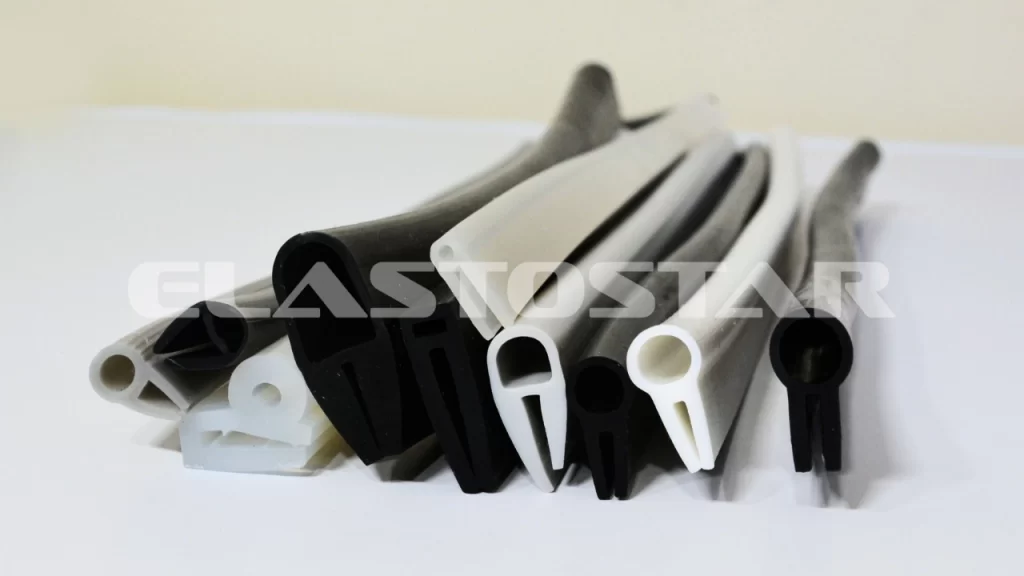
Surface preparation is often the deciding factor in whether silicone-to-silicone bonds succeed or fail.
Even the best primer or adhesive will underperform if the silicone surface is not properly activated.
1. Plasma Treatment
Plasma treatment is one of the most effective methods for preparing silicone surfaces.
What does it do?
- Increases surface energy.
- Removes organic contaminants.
- Creates reactive sites for bonding.
It is widely used in controlled manufacturing environments where consistency is critical.
2. Corona Discharge Treatment
Corona treatment provides surface activation similar to plasma but with lower equipment complexity.
Where is it useful?
- Continuous silicone profiles.
- Inline processing during extrusion or fabrication.
- Applications with moderate bond-strength requirements.
Corona treatment is commonly applied to soft materials such as Silicone Sponge Foam, where gentle surface activation is preferred.
3. Mechanical Roughening
Mechanical roughening increases surface area but does not change silicone chemistry.
Key limitations
- Improves mechanical grip only.
- Does not significantly improve chemical bonding.
- Can introduce debris if not cleaned properly.
Roughening is best used as a secondary step rather than a standalone solution.
4. Cleaning Before Any Surface Treatment
Regardless of the activation method, cleaning is mandatory.
Best practices
- Remove oils, dust, and release agents.
- Use lint-free wipes and approved solvents.
- Avoid touching prepared surfaces before bonding.
Contamination introduced after cleaning can completely negate the benefits of surface treatment.
Read More: Elastostar’s Silicone Rubber Extrusion Manufacturing Process
What Is the Step-by-Step Process for Bonding Silicone to Silicone?
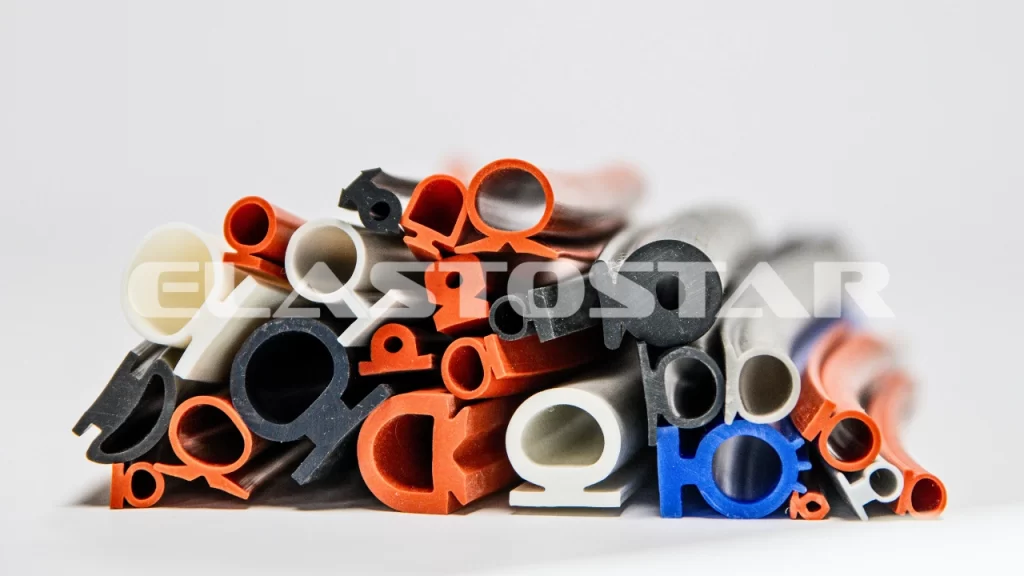
A reliable silicone-to-silicone bond depends on following the correct sequence.
Skipping steps or changing the order are among the most common reasons bonding fails.
Step 1. Clean Both Silicone Surfaces
Start by removing oils, dust, and processing residues.
- Use approved solvents and lint-free wipes.
- Allow surfaces to dry completely.
- Avoid touching the cleaned areas by hand.
Even small contamination can prevent adhesion.
Step 2. Activate the Surface
Surface activation prepares the silicone for primer or adhesive.
- Use plasma or corona treatment where available.
- Treat only the bonding area.
- Bond within the recommended time window after activation.
Delayed bonding can allow surface energy to decay.
Step 3. Apply Primer (If Required)
Primers are essential for most silicone-to-silicone bonds.
- Apply a thin, uniform primer layer.
- Allow proper flash-off time.
- Do not over-apply.
Excess primer weakens the bond rather than strengthening it.
Step 4. Apply the Adhesive
Choose an adhesive compatible with silicone chemistry.
- Use self-bonding RTV silicone or primer-assisted systems.
- Apply evenly without trapping air.
- Control bead thickness for consistent cure.
This approach is commonly used when bonding flexible components, with Platinum Cured Silicone Tubing, where elasticity must be preserved after curing.
Step 5. Assemble and Fixture
Carefully bring the two silicone parts together.
- Align parts without sliding.
- Apply light, uniform pressure.
- Fixture only as needed to maintain contact.
Excess pressure can squeeze adhesive out of the bond line.
Step 6. Cure Under Controlled Conditions
Curing completes the bond formation.
- Follow adhesive-specific cure time and temperature.
- Avoid movement during cure.
- Allow full post-cure before testing or loading.
Incomplete curing often leads to early bond failure.
How Is Silicone-to-Silicone Bond Strength Tested?
Bonding success cannot be judged by appearance alone. Silicone-to-silicone bonds must be validated using mechanical tests that show how the joint behaves under real loads.
1. Peel Testing
Peel tests evaluate how a bonded joint resists separation when force is applied at an angle.
- Identifies weak surface preparation or primer failure.
- Highlights adhesive versus cohesive failure modes.
- Especially useful for flexible silicone assemblies.
Peel testing is commonly used to evaluate thin-bonded interfaces, such as laminated Die-Cut Gaskets, where edge initiation is critical.
2. Lap Shear Testing
Lap-shear tests measure the bond strength under parallel loading.
- Provides quantitative bond strength values.
- Useful for comparing different primers or adhesives.
- Helps determine load-bearing capability.
This test is preferred when bonded silicone parts will experience sustained mechanical stress rather than peeling forces.
3. Understanding Failure Modes
Test results should always be reviewed alongside failure appearance.
- Adhesive failure indicates poor surface activation or an inappropriate primer.
- Cohesive failure shows the bond is stronger than the silicone itself.
- Mixed failure suggests partial compatibility or inconsistent preparation.
Cohesive failure is typically the desired outcome in silicone-to-silicone bonding.
4. Environmental Conditioning Before Testing
Bond strength can change after exposure.
- Heat aging.
- Humidity exposure.
- Chemical contact.
Testing after conditioning provides a more realistic view of long-term performance.
How Can Silicone-to-Silicone Bond Failures Be Troubleshot?
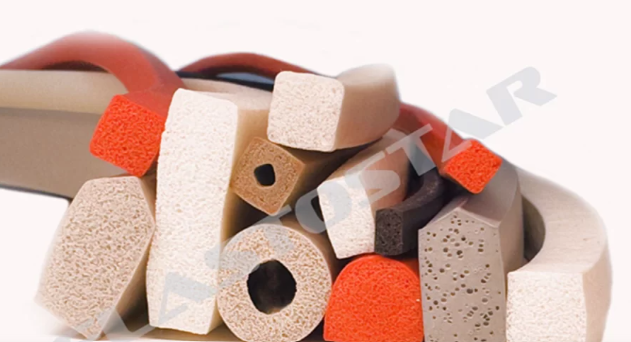
Most silicone bonding failures follow a predictable pattern. Identifying the failure mode first makes it much easier to correct the process.
1. Problem: Bond Peels Off Cleanly.
Likely cause
Low surface energy was not addressed. Surface activation (primer) was missing, expired, or improperly applied.
Fix
Introduce plasma or corona treatment before priming. Verify primer flash-off time and shelf life.
2. Problem: Bond Holds Initially but Fails Over Time.
Likely cause
Silicone migration or surface contamination weakened the bond after curing.
Fix
Improve cleaning steps and reduce time between surface preparation and bonding. Control handling to avoid recontamination.
3. Problem: Adhesive Cures but Bond Strength Is Low.
Likely cause
Incorrect adhesive selection or insufficient cure conditions.
Fix
Switch to a silicone-compatible adhesive system and verify full cure time and temperature before testing or loading.
4. Problem: Bond Tears Unevenly Across the Joint.
Likely cause
Inconsistent surface preparation or uneven primer application.
Fix
Standardize surface treatment and primer application methods. Apply thin, uniform layers only.
5. Problem: Bond Fails Under Flexing or Vibration.
Likely cause
The adhesive is too rigid for the application.
Fix
Use flexible, silicone-based adhesive systems that maintain elasticity after cure. This is especially important for parts of Silicone Extrusions, where movement is continuous.
Read More: Material Selection Impact on Product Reliability
Why Choose the Right Partner for Silicone-to-Silicone Bonding Projects?

Achieving reliable silicone-to-silicone bonds is not just about selecting an adhesive. It requires control over material behavior, surface preparation, validation, and manufacturing discipline.
Working with a silicone rubber manufacturer reduces trial-and-error and ensures repeatable results.
- Products meet USP Class VI, Sections 87 & 88 compliance, supporting medical, food-contact, and regulated applications.
- Broad silicone product expertise, including Silicone Sheets, Silicone Extrusions, and Silicone Rubber Cord, enables the development of bonding solutions tailored to real geometries, not lab samples.
- Engineering support from reverse engineering through prototyping to production, helping optimize primers, surface prep, and cure parameters early.
- Bond validation through controlled testing, including peel and lap-shear evaluation, to confirm performance before scale-up.
- Short lead times and in-house manufacturing reduce delays during process development and production transition.
- Proudly Made in USA, ensuring material traceability, quality control, and responsive technical collaboration.
When silicone bonding is treated as a system of materials, surface prep, adhesives, and testing together, the result is strong
Recommended Reads
- The Step-by-Step Process of Custom Silicone Rubber Molding
- The Complete Guide to Silicone Rubber Grades
- Mistakes to Avoid While Choosing Silicone Rubber
Conclusion
Silicone-to-silicone bonding presents unique challenges due to low surface energy and surface migration, but reliable adhesion is achievable with the right approach. Successful bonding depends on proper surface preparation, the use of silicone-specific primers, and adhesives designed to interact with silicone chemistry.
Activation methods, such as plasma or corona treatment, significantly improve bond performance, while peel and lap-shear testing help validate long-term durability. By treating silicone bonding as a controlled process rather than a trial-and-error task, manufacturers can achieve consistent, repeatable results.
For applications using LSR or cured silicone components, disciplined bonding practices are essential for performance, reliability, and product longevity.
FAQs
Q1. Can silicone bond to itself?
Yes, silicone can bond to itself, but not without proper surface preparation and bonding systems. Cured silicone has low surface energy, so reliable bonding requires surface activation, primers, or silicone-specific adhesives.
Q2. Why is silicone-to-silicone bonding difficult?
Silicone surfaces resist wetting by most adhesives due to their low surface energy. In addition, silicone oils can migrate to the surface over time, contaminating the bond line and weakening adhesion.
Q3. What primer works for bonding silicone to silicone?
Silane-based primers and tie-coat systems designed specifically for silicone are commonly used. These primers chemically modify the silicone surface, allowing adhesives to bond effectively.
Q4. Do you need plasma treatment to bond silicone?
Plasma treatment is not always mandatory, but it is one of the most effective surface preparation methods. It increases surface energy and significantly improves bond consistency, especially for critical applications.
Q5. What is the best adhesive for silicone-to-silicone bonds?
Self-bonding RTV silicone adhesives are typically the best option. They share a similar chemistry with silicone substrates and retain flexibility after curing, helping prevent bond failure under movement.
Q6. Can LSR parts be bondedtogether?
Yes, liquid silicone rubber (LSR) parts can be bonded when surface activation, primer selection, and curing conditions are properly controlled. Bonding performance depends on silicone formulation, surface cleanliness, and adhesive compatibility. If you are evaluating bonding methods for LSR components or experiencing inconsistent results, contact us to discuss material behavior for your specific application.
Q7. How do you test the bond strength between two silicone surfaces?
Bond strength is commonly evaluated using peel and lap-shear tests. These tests help identify adhesive and cohesive failure, as well as overall bond durability under load.
Q8. What is a self-bonding silicone rubber?
A self-bonding silicone rubber is a silicone adhesive or compound that chemically cross-links with cured silicone surfaces during curing, eliminating the need for mechanical fasteners.
Q9. Can cyanoacrylate bond silicone to silicone?
Cyanoacrylate adhesives can bond to silicone only when used with a silicone-specific primer. Without a primer, cyanoacrylates typically fail due to poor surface wetting and low adhesion.
Q10. How long does silicone-to-silicone adhesive take to cure?
Cure time depends on the adhesive type and conditions. RTV silicone adhesives typically require several hours to achieve handling strength and up to 24–72 hours for full cure at room temperature.