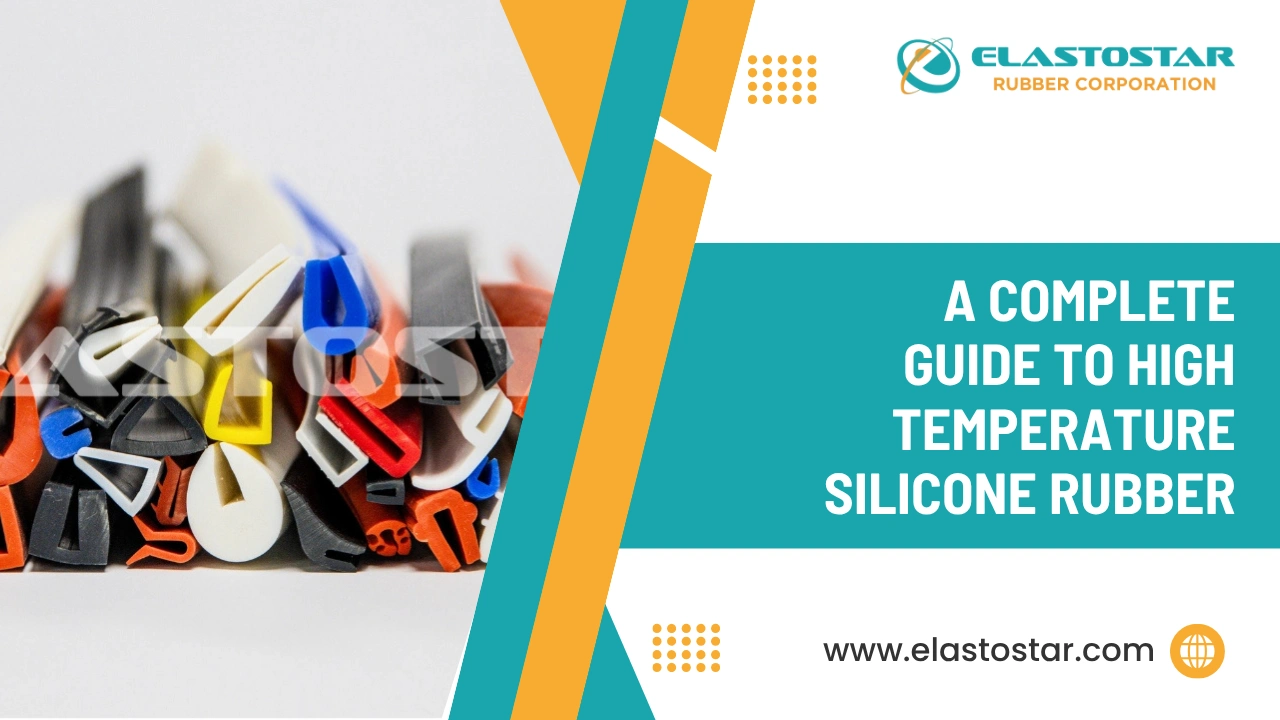
Ever wondered how high-temperature silicone rubber keeps its shape and strength even in scorching conditions? From automotive engines to medical devices, this heat-resistant material is trusted across industries for its unmatched silicone rubber heat resistance and thermal stability. Unlike other rubber materials, it won’t crack, melt, or lose flexibility under pressure.
In this guide, we’ll walk you through the essential facts about silicone rubber temperature range, real-world applications, safety standards, and why made in USA silicone is a smarter, more reliable choice. Whether you’re a designer, engineer, or manufacturer, this is your go-to resource for achieving optimal performance in extreme heat.
Key Takeaways
- High-temperature silicone rubber withstands extreme heat (up to 600°F short term) without cracking or degrading.
- It’s ideal for demanding industries like automotive, aerospace, medical, and manufacturing.
- Certified materials (FDA, USP Class VI, UL 94) ensure safety in food, medical, and industrial environments.
- Choosing the right grade—solid, sponge, or platinum-cured—is crucial for thermal performance and compliance.
- U.S.-made silicone rubber offers better quality, traceability, and faster delivery compared to imports.
Table of Contents
What Is High-Temperature Silicone Rubber?
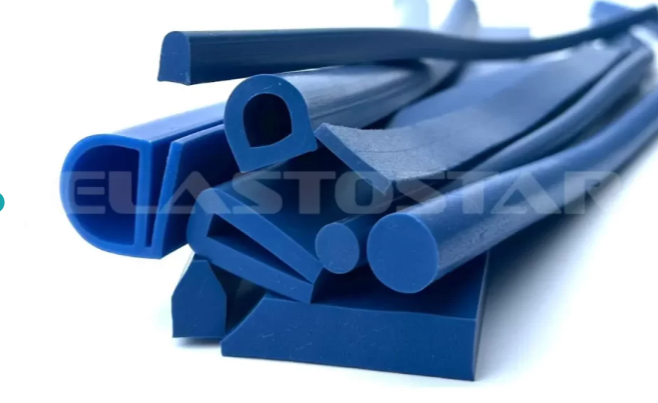
High-temperature rubber gasket is a specialized type of silicone designed to maintain its strength, flexibility, and performance even when exposed to extremely high temperatures. It is widely used in industries where conventional rubbers would degrade or fail under elevated temperatures.
This material is renowned for its exceptional silicone thermal stability, which enables it to handle prolonged exposure to heat without compromising its physical properties or degrading. It also resists cracking, hardening, and melting for critical sealing, insulating, and protective applications.
As part of the broader family of heat-resistant rubber materials, high-temperature silicone stands out for its balance of flexibility, chemical resistance, and consistent performance under thermal stress.
Silicone Rubber Temperature Range Explained
Silicone rubber is known for its ability to handle both hot and cold conditions. Here’s what you need to know about its temperature performance:
- The typical temperature range for silicone rubber is from -73 °C to 232 °C (-100°F to 450°F).
- In some high-performance types, the silicone rubber max temperature can reach up to 600°F (315°C) for short-term use.
- The silicone temperature limit depends on the application, environment, and duration of exposure.
This makes silicone a top choice for industries that require reliable performance in extreme temperatures or harsh environments.
Read more – Silicone Rubber Temperature – How Much Heat Can It Withstand?
Silicone Temperature Ratings Across Use Cases
The silicone rubber temperature rating varies depending on the application and usage conditions. Different industries require different levels of thermal performance.
- Industrial-grade silicone is designed for continuous exposure to high heat in engines, lighting systems, or manufacturing equipment.
- Medical and FDA-approved silicone maintains stable silicone temperature performance, especially when sterilization is involved.
- Solid silicone generally provides stronger temperature-resistant rubber characteristics than sponge types, especially under pressure.
Choosing the right rating ensures long-lasting performance and safety in any environment.
How Heat Resistant Is Silicone?
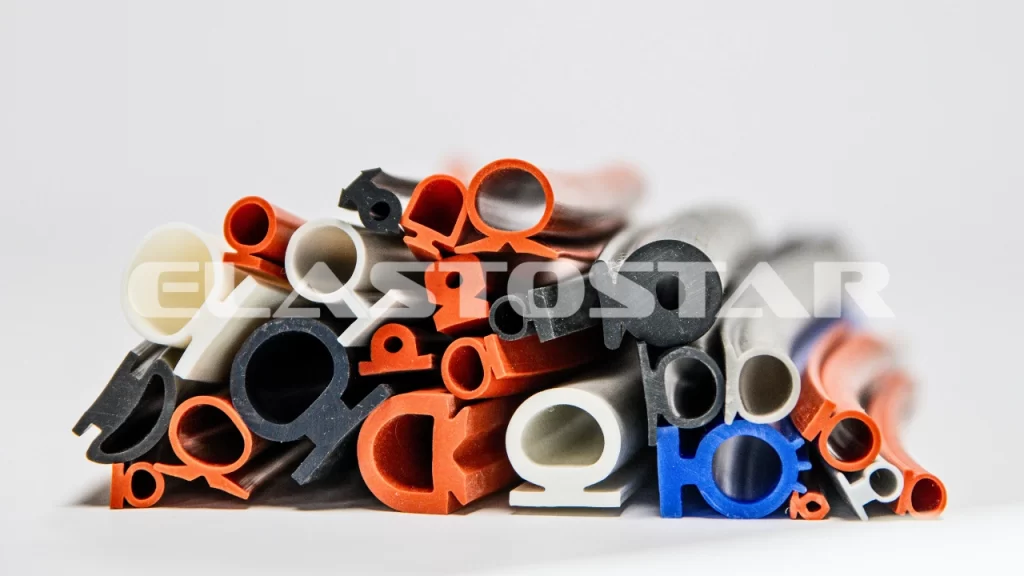
Silicone is renowned for its exceptional ability to handle high temperatures without degrading.
- Silicone rubber’s heat resistance enables it to remain flexible and strong even after prolonged exposure to high temperatures.
- The silicone burning point is exceptionally high; it doesn’t catch fire easily and is often self-extinguishing.
- Its overall silicone temperature resistance makes it suitable for harsh conditions in industries like aerospace, automotive, and solar manufacturing.
Compared to materials like neoprene or nitrile, silicone offers superior long-term performance in high-heat environments.
Types of High-Temperature Silicone Rubber Products
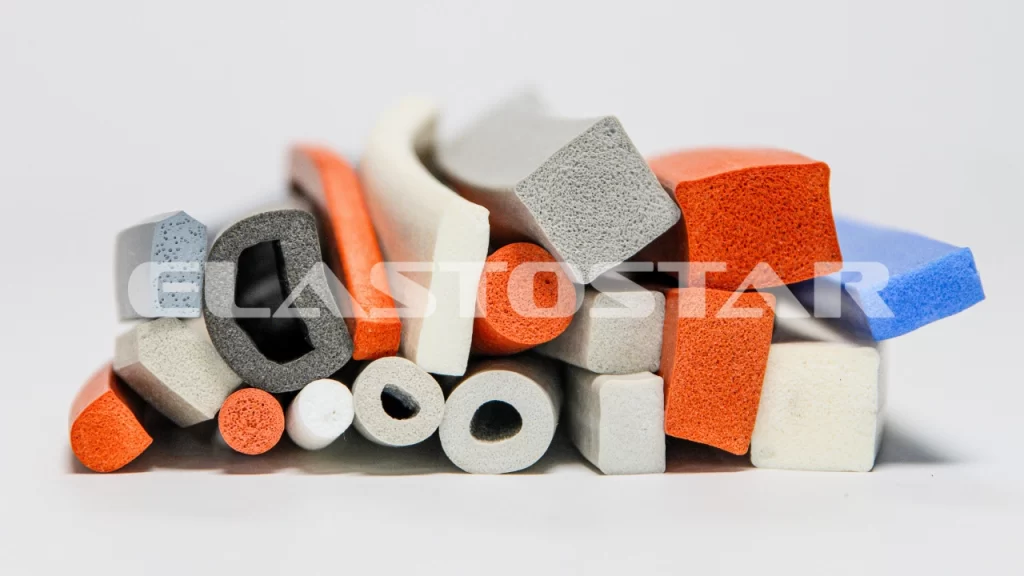
High-temperature silicone rubber is used to create a wide range of products designed to perform under heat, pressure, and harsh environments.
- High-temperature rubber seals are used in engines, lighting systems, and industrial ovens where strong sealing is needed at elevated temperatures.
- A high-temperature rubber seal is ideal for maintaining airtight and leak-proof performance in extreme heat or fluctuating thermal conditions.
- Extreme temperature silicone gaskets are commonly used in aerospace, medical, and electronics industries to prevent leaks and protect sensitive components.
| Product Type | Typical Applications | Temperature Capability |
| High Temp Rubber Seal | Automotive engines, LED lighting, industrial ovens | Up to 450°F (232°C) and higher |
| High Temperature Rubber Seal | Machinery enclosures, HVAC systems, high-heat vents | Up to 500°F (260°C) |
| Extreme Temperature Silicone Gasket | Aerospace, medical devices, electronics enclosures | Up to 600°F (315°C) short term |
These products offer superior thermal performance and long-term durability in even the most demanding environments.
Read more – Top 10 Properties of Rubber That Make It Ideal for Seals & Gaskets
How Do You Choose the Right Silicone Rubber for High-Heat Applications?
Selecting the right silicone rubber depends on how and where it will be used. Not all high-temperature silicones are the same, so it’s essential to consider key factors such as environment, pressure, and the duration of heat exposure.
- Use high-heat resistant silicone material when your application involves continuous high temperatures or thermal cycling, such as in industrial ovens or LED lighting.
- Choose silicone for automotive when dealing with engine compartments, turbo systems, or components near exhaust systems where heat and vibration are constant.
- Silicone for aerospace applications must meet stringent weight, durability, and thermal stability standards to ensure optimal performance in high-altitude and extreme temperature environments.
Working with the right silicone formulation ensures long-term reliability, safety, and compliance.
What Safety and Compliance Standards Should Silicone Meet in High-Temperature Conditions?
When using silicone in high-temperature environments, especially in medical, food, or industrial settings, safety and quality compliance are critical. The right certifications ensure the material performs safely under heat without releasing harmful substances.
- FDA-approved silicone is required for use in food processing, medical devices, and pharmaceutical applications, confirming it’s safe for contact with skin, fluids, and consumables.
- UL 94 silicone meets flammability safety standards, ensuring the material resists burning or spreading flames in electrical or high-heat environments.
- Non-toxic silicone rubber is essential for applications involving direct human contact or enclosed spaces, as it does not emit harmful odors or chemicals when exposed to heat.
Our materials are tested and certified to USP Class VI, including Sections 88 and 87 biocompatibility standards, ensuring they meet the highest safety requirements for medical and high-performance use.
Read more – FDA Silicone Meaning, Properties & Considerations
Why Choose Made-in-USA Silicone Rubber Products?

When sourcing silicone for high-temperature applications, working with us as your trusted U.S. silicone manufacturer offers clear advantages in quality, consistency, and delivery. Our made-in-USA silicone is produced under strict manufacturing standards with full traceability and quality control at every stage.
With a domestic silicone supply, we offer faster lead times, lower shipping risks, and fewer delays compared to imported alternatives. As a U.S.-based partner, we provide prompt communication, responsive support, and dependable service, from prototype to full production.
By choosing us, you ensure supply chain reliability and full compliance with industry certifications.
Recommended Reads
- What Makes Silicone Rubber Popular for Use in the Healthcare Industry
- Top Silicone Rubber Extrusion Applications
- Silicone Rubber: How Long Does It Last?

Final Thoughts
High-temperature silicone rubber is trusted for its ability to handle extreme heat while staying strong, flexible, and safe. It’s used in many industries, including automotive, aerospace, medical, and manufacturing, due to its durability and thermal stability. At Elastostar Rubber Corporation, we offer high-quality silicone products manufactured in the USA, backed by expert support, fast delivery, and strict adherence to industry standards. Whether you need custom gaskets, seals, rubber tubing, or other heat-resistant parts, we’re here to help. Contact us today to discuss your project and get reliable silicone solutions built for high-temperature performance.
FAQs
1. What is the maximum temperature silicone rubber can withstand?
Silicone rubber can typically withstand temperatures of up to 450°F (232°C) in continuous use. Some high-performance grades can withstand short bursts of up to 600°F (315°C) without degradation.
2. How hot is too hot for silicone rubber?
Temperatures above 600°F (315°C) may cause silicone to lose its flexibility or break down over time. Always match the material to your application needs.
3. Is all silicone rubber heat resistant?
No, only certain grades are formulated for high-heat environments. For critical thermal applications, use high-temperature silicone rubber specifically designed for heat resistance.
4. What is the difference between regular and high-temperature silicone rubber?
High-temperature silicone has enhanced thermal stability and may incorporate additives or curing methods that enable it to perform better than standard silicone under extreme heat conditions.
5. Can silicone rubber catch fire or burn?
Silicone is naturally flame-resistant and often self-extinguishing. Many high-temp grades meet UL 94 flammability standards, making them safe for heat-prone environments.
6. Is high-temperature silicone rubber safe for food processing?
Yes, when made from FDA-approved materials, it is safe for food contact. Contact Elastostar Rubber Corporation to source compliant silicone products for food-grade use.
7. What’s the ideal temperature range for medical-grade silicone?
Medical-grade silicone typically operates between -73 °C and 232 °C (-100°F and 450°F). For custom formulations or specific certifications, contact us at Elastostar Rubber Corporation.
8. How does platinum-cured silicone perform at high temperatures?
Platinum-cured silicone offers excellent heat stability and purity, making it an ideal choice for medical, pharmaceutical, and cleanroom applications. Reach out to Elastostar Rubber Corporation for specialized high-temp silicone options.
9. What are the best high-temp gasket materials?
High-temperature silicone is one of the best gasket materials due to its compression strength, flexibility, and ability to withstand extreme thermal conditions.
10. Why choose U.S.-made high-temperature silicone rubber over imported?
U.S.-made silicone offers better quality control, shorter lead times, and full compliance with standards like USP Class VI and FDA regulations, which are often lacking in imported materials.