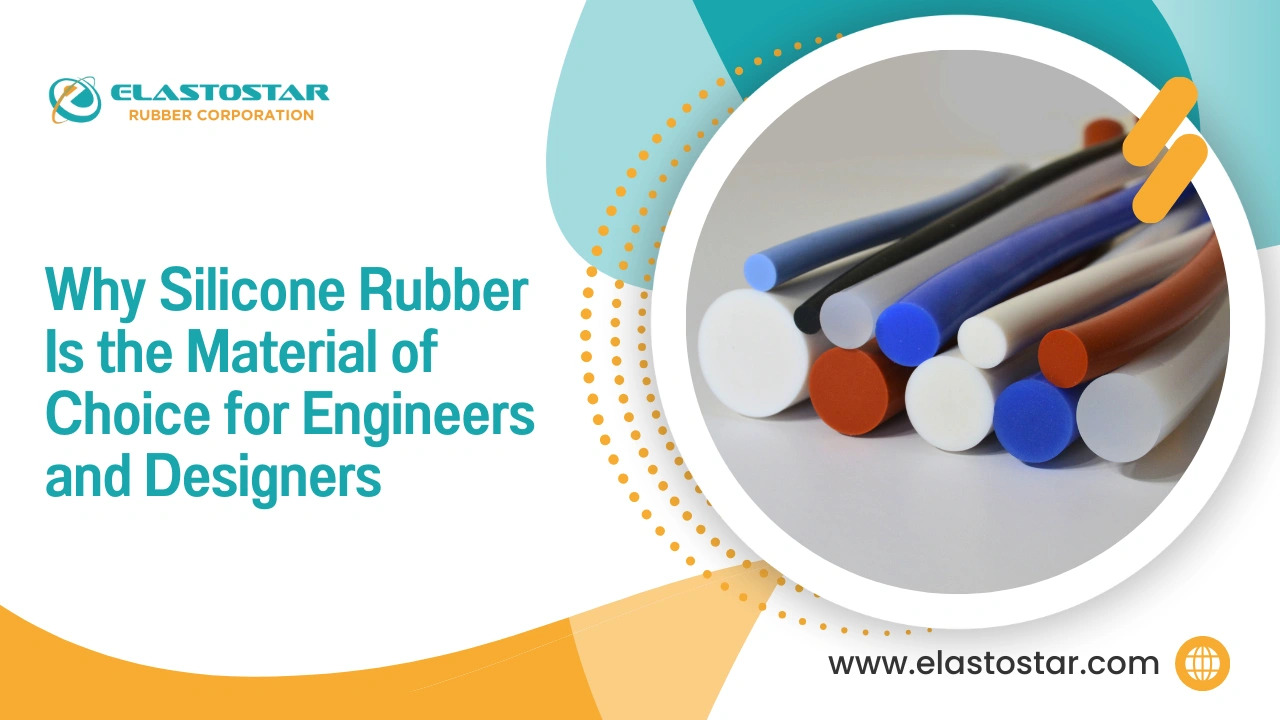
Every modern product demands materials that can perform reliably under pressure from extreme temperatures, constant movement, and strict regulatory environments. This is why engineering-grade silicone has become a go-to choice for designers and engineers looking for durability, flexibility, and long-term stability.
Silicone adapts to complex geometries, supports innovative designs, and outperforms many traditional polymers across industries such as medical, electronics, automotive, and industrial manufacturing.
In this blog, we will explore why custom silicone rubber excels as the material of choice and how it empowers engineers to design smarter, safer, and more resilient products.
Key Takeaways
- Silicone rubber works well in heat, cold, and tough environments.
- It stays flexible, strong, and reliable for a long time.
- Many industries use silicone medical, food, automotive, electronics, and aerospace.
- Silicone can be molded, extruded, or shaped into almost any design.
- Different silicone grades help meet safety and performance needs.
- Choosing a good silicone manufacturer ensures quality and consistency.
Table of Contents
Versatility of Silicone Rubber in Modern Design
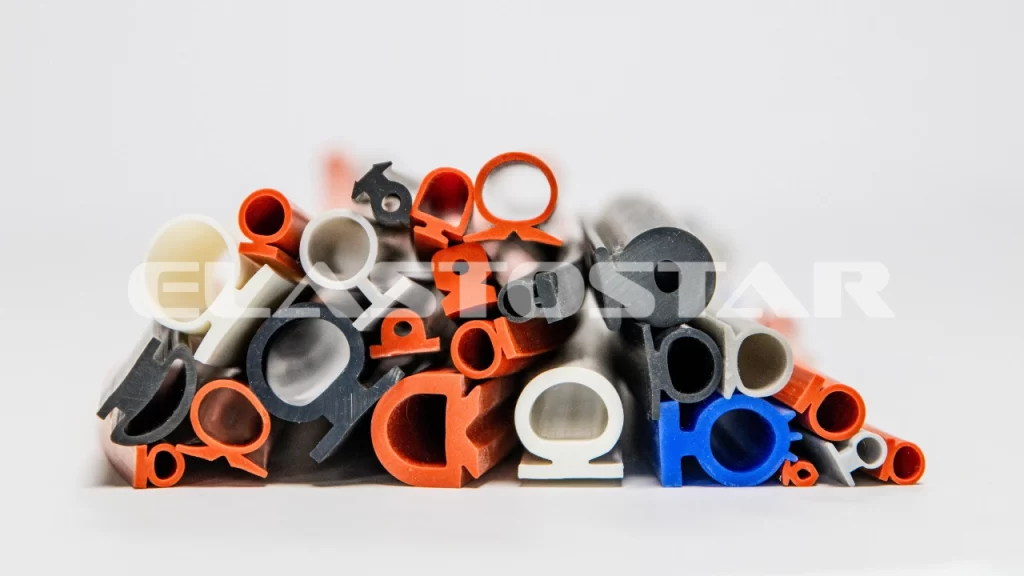
Extruded silicone rubber is one of the most adaptable materials available to engineers today. As a flexible rubber with customizable hardness, surface finish, and formulation, it can support both simple components and complex, tight-tolerance designs.
Its ability to bend, compress, stretch, and retain memory makes it suitable for dynamic and static applications across multiple industries.
Design teams also favor silicone for its adaptability in manufacturing. It can be extruded, molded, die-cut, or formed into intricate cross-sections without losing its performance characteristics.
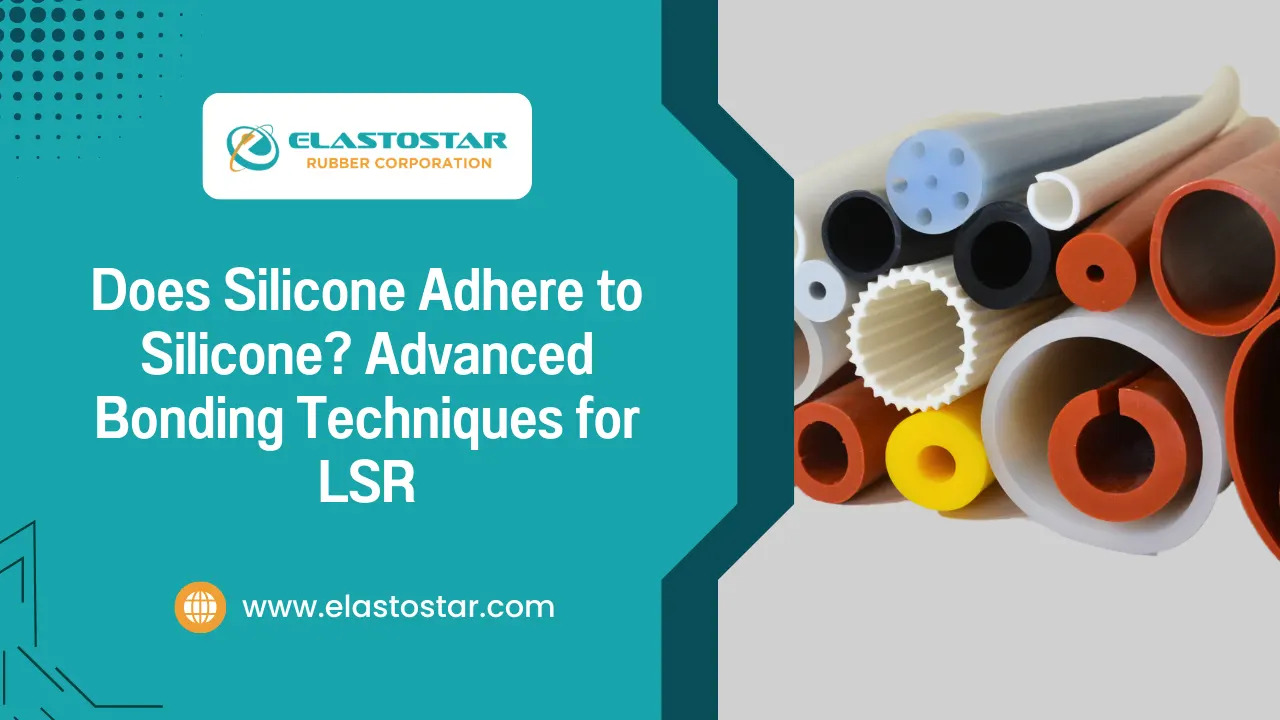
A common example is silicone rubber tubing, widely used in medical, food, and industrial systems for its ability to flex repeatedly without kinking or degrading.
Where does the Silicone gasket excel in Design Flexibility?
- Available in solid, sponge, foam, and conductive grades.
- Supports clean, precise profiles ideal for high-performance sealing.
- Accepts color-matched, translucent, or fully opaque finishes.
- Performs well in components requiring continuous movement.
- Suitable for both functional and aesthetic design needs.
Silicone Rubber’s Material Advantages for Engineering Projects

Silicone sponge rubber offers a range of capabilities that make it a standout design material for performance-critical components.
Its mechanical stability, long-term durability, and compatibility with precise manufacturing methods have made it a preferred choice for engineering teams across industries.
1. Precision Molding & Tolerance Control for Complex Geometries
Silicone’s excellent mold flow and dimensional stability make it ideal for components that require tight tolerances or intricate shapes. It supports thin walls, microfeatures, undercuts, and complex extruded profiles without deformation.
Elastostar’s custom extruded shapes are a strong example of how silicone maintains accuracy even in demanding geometries.
2. Durability: Compression Set & Flex-Fatigue Performance
Engineers rely on silicone seals because they maintain elasticity after repeated compression, stretching, and mechanical cycling. Low compression set and excellent flex-fatigue resistance make it ideal for seals exposed to movement, vibration, or pressure changes.
Components like silicone rubber seals deliver long-term performance in systems where durability cannot be compromised.
3. Biocompatibility Options (Medical, Food, Pharma)
Silicone is one of the few elastomers that can be safely used in medical, pharmaceutical, and food-contact applications. It can be formulated for:
- FDA compliance certificate.
- USP Class VI (Sections 87 & 88) biological safety.
- Low-extractable, platinum-cured purity.
Elastostar’s platinum-cured silicone components meet the purity and testing standards required for mission-critical medical and food-processing applications.
4. Weather, UV & Ozone Resistance for Outdoor Applications
Silicone rubber performs reliably outdoors thanks to its natural resistance to UV light, ozone, oxygen, and extreme temperature swings.
It doesn’t crack, chalk, or degrade under sunlight or weather exposure.
For architectural and environmental sealing, silicone rubber gaskets provide stable performance from −60°C to +230°C.
5. Sustainability & Long Service Life vs. Traditional Polymer
Silicone’s long lifespan reduces replacement cycles, maintenance downtime, and material waste. Unlike many organic rubbers, it doesn’t break down from sunlight, heat, or constant stress.
Lightweight materials, such as sponge silicone extrusions, also help reduce system weight while maintaining reliable sealing and insulation.
Also Read– Top 10 Properties of Rubber That Make It Ideal for Seals & Gaskets
Key Silicone Advantages at a Glance
| Performance Area | Why Silicone Excels |
| Mechanical stability | Low compression set, excellent elasticity |
| Environmental resistance | UV, ozone, moisture, and weather tolerant |
| Safety & purity | Can meet FDA and USP Class VI requirements |
| Thermal performance | Operates across extreme temperatures |
| Material lifespan | Long-term stability with minimal degradation |
The Performance Edge: Thermal Stability, Mechanical Integrity & Chemical Resistance
Silicone sponge gasket delivers a performance profile that gives engineers significantly more design freedom than conventional elastomers. Its silicon-oxygen backbone provides inherent silicone advantages, enabling stability under heat, mechanical stress, and chemical exposure.
These characteristics make silicone suitable for use in medical systems, industrial machinery, automotive assemblies, aerospace components, and high-temperature environments.
1. Thermal Stability That Outperforms Organic Rubbers
Silicone maintains reliable performance across a wide operating range, typically −60°C to +230°C, with some formulations designed for even higher peaks. It resists thermal shock, rapid temperature cycling, and continuous heat exposure without hardening or cracking.
Our electrically conductive silicone products are engineered for demanding environments where thermal reliability is critical.
2. Mechanical Integrity Under Repeated Stress
Solid silicone retains elasticity and structural consistency even in high-motion environments. It resists compression set, absorbs vibration, and recovers shape after repeated flexing.
This mechanical reliability makes silicone effective for seals, connectors, and components exposed to dynamic loads or continuous mechanical activity.
3. Chemical Resistance for Harsh Operating Conditions
It naturally withstands moisture, oxygen, mild solvents, and environmental contaminants. It does not oxidize, dry out, or degrade under long-term UV or ozone exposure, making it reliable for both indoor and outdoor use. Unlike organic rubbers, silicone maintains flexibility and mechanical strength even under harsh environmental exposure.
Performance Snapshot
| Performance Area | Why Silicone Excels |
| Temperature tolerance | Wide range: −60°C to +230°C |
| Mechanical stability | Low compression set, high flex-fatigue resistance |
| Chemical durability | Stable in moisture, mild chemicals, ozone & UV |
| Environmental lifespan | Long-term resistance without cracking or hardening |
| Shape recovery | Maintains elasticity under repeated motion |
Where Is Silicone Rubber Used in Modern Product Design?
Silicone seals are now central to innovative silicone design because they adapt to environments where other materials fail.
Its flexibility, purity, thermal stability, and mechanical reliability allow engineers to build components that must perform under pressure from medical devices to electric vehicles and aerospace assemblies.
1. Consumer Electronics & Wearable Devices
Silicone gasket enables soft-touch buttons, flexible housings, and skin-safe components. It remains comfortable, tear-resistant, and stable during daily use for smartwatches, earbuds, fitness bands, and handheld electronics.
2. Medical Devices & Life-Science Equipment
Silicone’s biocompatibility and tolerance to sterilization make it essential for medical and laboratory systems. It supports high-purity fluid transfer and sealing, especially when using platinum-cured grades for sensitive environments.
3. Automotive & Electric Vehicle Components
High heat, vibration, and chemical exposure demand materials that won’t degrade. Fluorosilicone parts are used for fuel-handling, EV battery insulation, turbocharger systems, and high-heat engine components due to their superior chemical resistance.
4. Aerospace & Defense Systems
In aircraft and space applications, materials must withstand extreme temperature changes and mechanical loads. Silicone provides insulation, shock absorption, and reliable sealing in high-altitude and high-pressure environments.
5. Electronics, Sensors & EMI Protection
Modern electronics require materials that can manage electromagnetic interference. Conductive silicone tubing and conductive extrusions provide EMI/RFI shielding while maintaining flexibility and high sealing integrity, ideal for sensors, communication devices, and control modules.
6. Architectural & Construction Sealing Systems
It performs exceptionally well outdoors due to its natural resistance to UV, ozone, and weathering. Architects use silicone for window glazing, façade sealing, expansion joints, and structural gaskets where longevity and performance are essential.
7. Industrial High-Temperature Machinery
Silicone maintains elasticity and sealing force in ovens, furnaces, food-processing lines, and industrial manufacturing systems where continuous exposure to heat quickly degrades organic rubber.
Also Read– Silicone Rubber Products: 5 Commercial Applications
How Does Silicone Rubber Compare to Other Common Engineering Materials?
When engineers evaluate alternative materials to silicone, the decision usually comes down to performance under temperature extremes, resistance to weathering, longevity, and regulatory requirements.
| Material | Heat Resistance | Weather/UV Resistance | Chemical Resistance | Flexibility Over Time | Best Used For |
| Silicone Rubber | Excellent (−60°C to +230°C) | Outstanding | Good (varies by grade) | Excellent | Sealing, medical, electronics, high-temp parts |
| EPDM | Moderate | Very Good | Moderate | Good | Outdoor weather seals, roofing components |
| Neoprene | Moderate | Good | Good oils/grease resistance | Fair (brittles over time) | Cost-effective general sealing |
| Natural Rubber | Low | Poor | Low | Excellent initially | Vibration damping, basic gaskets |
| Fluorosilicone (FVMQ) | Excellent | Excellent | Excellent (oils, fuels) | Good | Aerospace, automotive fluid systems |
| Thermoplastics (TPE, TPV) | Keyword: silicone vs plastic → Weak at high temps | Fair | Fair | Poor–Moderate | Low-cost molded components |
How Flexible Is Silicone Rubber for Manufacturing & Product Development?
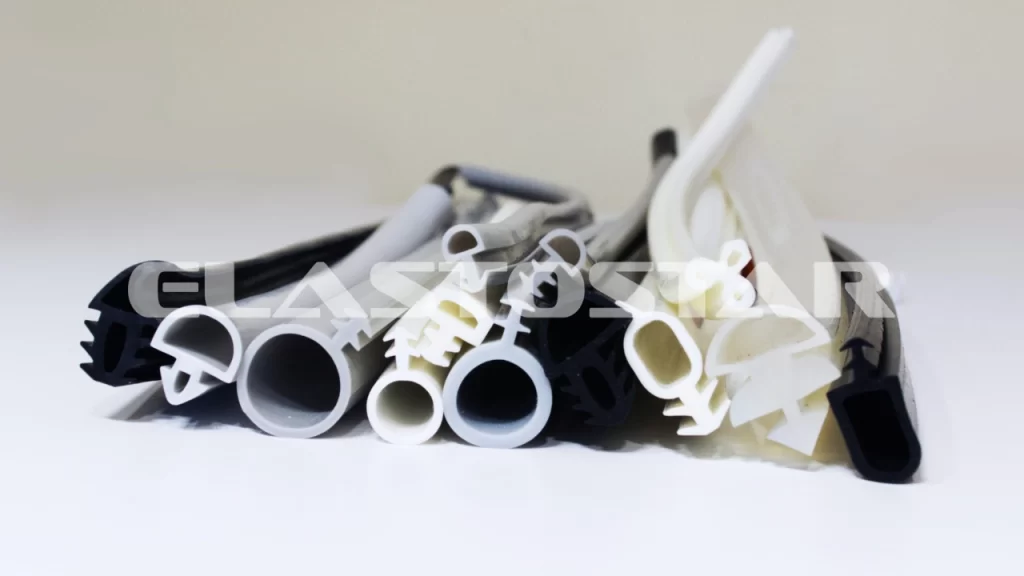
This rubber provides engineers with exceptional flexibility during product development, as it adapts easily to multiple manufacturing methods. Whether a project requires a simple seal or a highly complex geometry, silicone can be processed to achieve consistent accuracy, repeatability, and long-term performance.
This manufacturing flexibility is a significant reason engineers choose custom silicone products over traditional rubber and thermoplastic materials.
1. Precision Extrusion for Complex Profiles
Silicone flows cleanly through custom dies and maintains tight dimensional tolerances, making it ideal for profiles with intricate shapes, thin sections, or multi-cavity cross-sections.
Our die-cut silicone gaskets are a common example of how extrusion and secondary processing combine to create highly precise components.
2. Molding Options for High-Detail Components
Silicone supports compression, transfer, and injection molding. Engineers can choose the method that matches their geometry, volume, and performance requirements.
Small, detailed, or circular components, such as silicone O-rings, benefit from silicone’s ability to retain shape and maintain dimensional accuracy across large production runs.
3. Easy Prototype-to-Production Scalability
Silicone tooling is efficient and cost-effective, allowing faster prototype turnaround. Elastostar supports:
- Reverse engineering of existing components.
- Low-volume prototyping.
- Medium to large production runs.
- Design assistance for manufacturability.
This makes it easier for teams to validate concepts before scaling production.
4. Surface, Hardness & Density Customization
Silicone can be formulated to meet exact specifications:
- Hardness from 20A to 80A.
- Solid, sponge, or foam density.
- Conductive, translucent, or pigmented finishes.
- Variations for tactile feel and functional behavior.
Few materials can match silicone’s adaptability at this level.
5. Compatible with Add-On Processes
Silicone integrates well with:
- Vulcanized splicing.
- Adhesive backing (PSA).
- Precision cutting.
- Overmolding.
- Post-curing.
These processes help turn raw extrusions into finished, application-ready components.
Also Read– Manufacturing Process Of Silicone Products: A Guide
What Are the Long-Term Sustainability & Lifecycle Benefits of Silicone Rubber?
For teams focused on durability and lifecycle performance, silicone rubber delivers several measurable advantages.
These benefits of silicone for engineers translate into reduced maintenance, lower operating costs, and fewer material failures across demanding applications.
1. Longer Service Life, Lower Replacement Frequency
Gasket sponge does not crack, harden, or degrade in sunlight, humidity, or extreme temperatures. This long-term stability reduces the need for component replacement. In industrial systems, silicone-molded parts consistently outperform organic rubbers, which fatigue quickly under the same conditions.
2. Reliability Reduces Product Failures
Even after years of compression, bending, and temperature cycling, silicone maintains sealing force, elasticity, and dimensional accuracy. Fewer failures mean less downtime and fewer warranty or field-issue cases, a clear long-term advantage for OEMs.
3. Supports Energy Efficiency in Sealing Systems
Tight, stable silicone seals help reduce air leakage, heat loss, and equipment inefficiencies. In HVAC units, enclosures, and processing equipment, this contributes directly to energy savings and improved system performance.
4. Environmentally Resistant for Outdoor & Industrial Use
Seal rubber excels in UV, ozone, oxygen, and moisture without breaking down. Unlike neoprene or natural rubber, which degrade quickly outdoors, silicone remains flexible and functional for years, creating less environmental waste.
5. Compatible With Modern Recycling Streams
While silicone is not recycled at traditional plastic facilities, specialized recycling programs can repurpose cured silicone into oils, fillers, and secondary materials. This reduces landfill impact and supports more sustainable material cycles.
Which Industries Benefit the Most from Silicone Rubber Today?
Silicone rubber panels have become the preferred material across industries that require long-term performance, purity, flexibility, and reliability.
Its cross-industry adaptability makes it essential for brands that depend on unique silicone solutions to meet modern engineering challenges.
1. Medical, Pharmaceutical & Life-Science Equipment
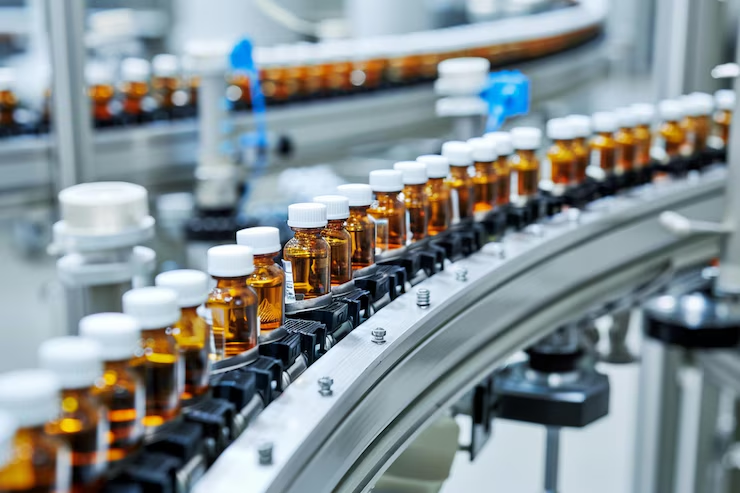
Silicone is biocompatible, sterilizable, and safe for direct patient or fluid contact. It is used for tubing, seals, and components that must remain stable under repeated sanitation cycles.
2. Food & Beverage Processing Systems
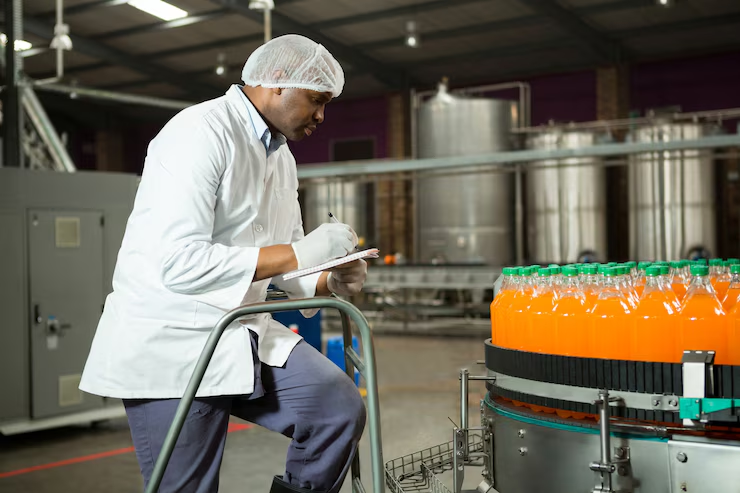
Food environments require materials that are hygienic, heat-resistant, and compliant with safety standards. Silicone sheeting is commonly used in food-contact gaskets, processing lines, and hygienic sealing systems.
3. Electronics, Sensors & High-Precision Devices
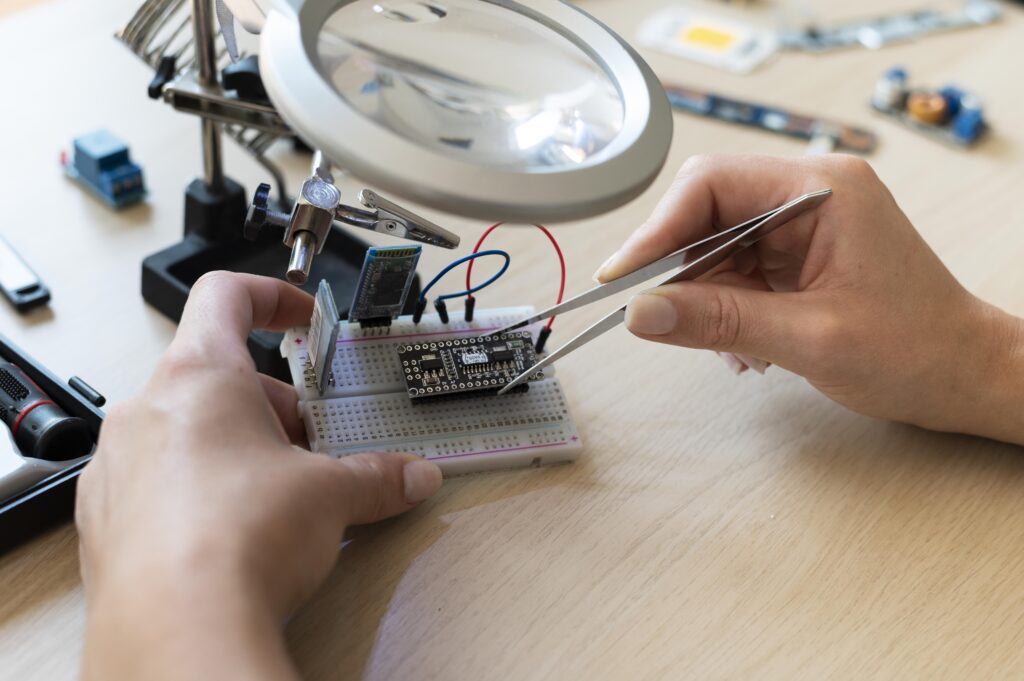
Silicone provides insulation, EMI protection (when formulated as a conductive material), and vibration stability. It protects sensitive electronics from heat, shock, and environmental exposure.
4. Automotive & Electric Vehicle Engineering
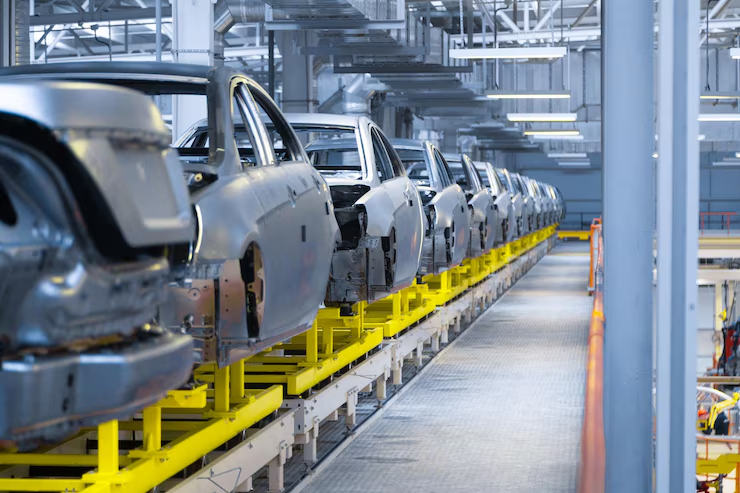
Engineers rely on silicone for EV battery insulation, high-temp seals, vibration damping, and components exposed to fuel or heat. It performs reliably where organic rubbers fail.
5. Aerospace & Defense Engineering

Silicone withstands extreme temperatures, altitude shifts, and pressure variations. It is used in aviation seals, thermal barriers, vibration isolators, and cabin-system components.
6. Architectural & Construction Systems
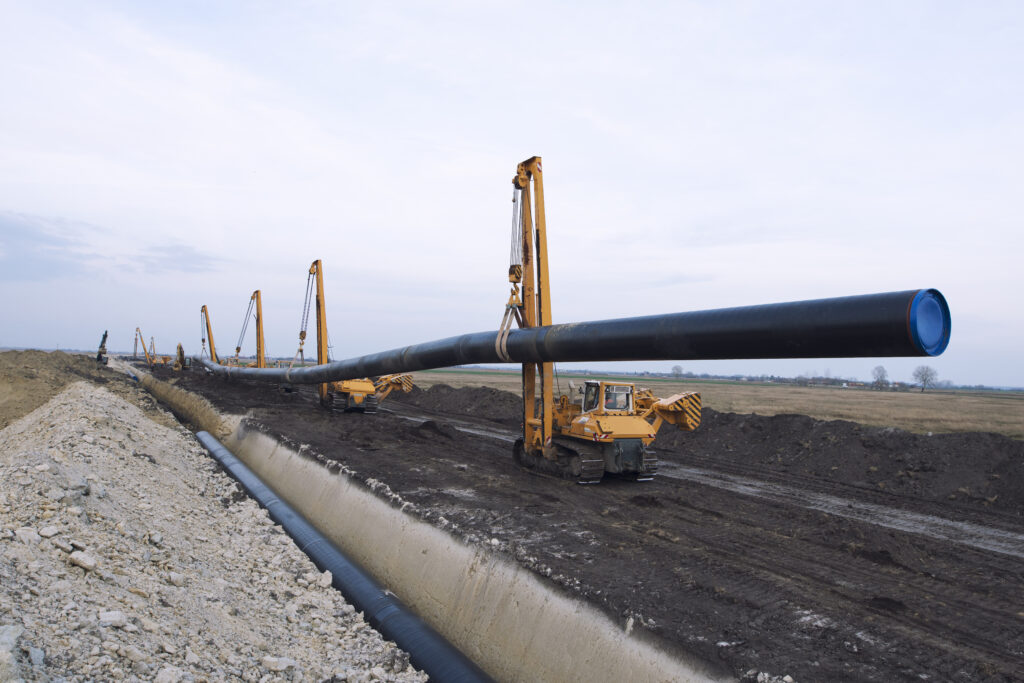
Silicone resists UV, ozone, and moisture better than traditional rubbers. It supports long-lasting performance in façade gaskets, glazing systems, expansion joints, and weather-sealing components.
7. Industrial Machinery & High-Temperature Processing
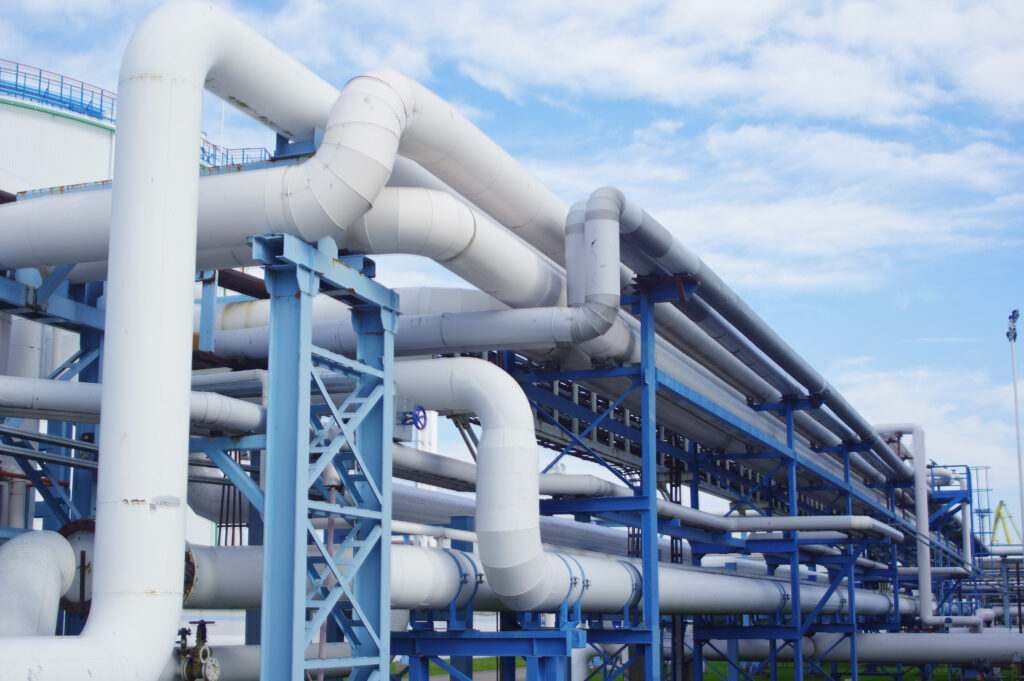
Silicone maintains elasticity and sealing force in ovens, furnaces, chemical systems, and industrial equipment where heat and motion continuously challenge material stability.
What Material Grades & Specialty Silicone Options Do Engineers Use Today?
Different applications demand different silicone formulations.
| Silicone Grade | Key Properties | Typical Applications |
| High-Temperature Silicone | Withstands continuous heat, stable elasticity | Industrial ovens, engines, thermal insulation |
| Platinum-Cured Silicone | Ultra-pure, low extractables, biocompatible | Medical devices, pharma systems, lab equipment |
| FDA-Compliant Silicone | Safe for food contact, hygienic, odorless | Food processing, beverage systems, sanitary sealing |
| Sponge & Foam Silicone | Lightweight, compressible, insulating | Gap filling, vibration control, HVAC sealing |
| Conductive Silicone | EMI/RFI shielding, conductive fillers, flexible | Sensors, electronics, conductive silicone profiles |
| Fluorosilicone (FVMQ) | Food processing, beverage systems, and sanitary sealing | Resistant to fuels, oils, and solvents |
| Custom Formulations | Tailored hardness, clarity, tear strength, electrical insulation | Specialized OEM parts, precision prototypes |
Why These Grades Matter in Engineering?
These specialty formulations give designers the freedom to match silicone precisely to performance needs, from purity and chemical resistance to heat management and cushioning. This level of material control is one of silicone’s biggest advantages over traditional rubber and thermoplastics.
Why Working With the Right Silicone Partner Matters And What Sets Elastostar Rubber Corporation Apart?

Even the best material will underperform if it’s not manufactured correctly. That’s why choosing the right silicon rubber manufacturer is critical for engineers who depend on precision, long-term durability, and consistent quality in every component.
The right partner doesn’t just supply parts; they support the entire design and development process.
What Engineers Should Expect From a High-Quality Manufacturing Partner?
- Precision tooling and tight-tolerance production
Ensures dimensional accuracy for demanding assemblies. - Prototype-to-production expertise
Faster validation and smoother scale-up with minimal redesign. - Material and formulation guidance
Helps match silicone grades to temperature, chemical, and regulatory needs. - High-capacity, U.S.-based manufacturing
Shorter lead times, reliable delivery, and stable supply. - Application-level design support
Assists engineers in selecting the right profile, geometry, or sealing strategy.
Elastostar’s ability to produce silicone rubber cords with consistent hardness, a clean surface finish, and repeatable geometry exemplifies the precision required for engineering-grade components.
Recommended Reads
- The Advantages of Silicone for Rubber Products
- Advantages & Disadvantages of Silicone Rubber
- Silicone vs Plastic: What Is the Difference Between Them?
Conclusion
Silicone rubber remains the material engineers trust for designs that must withstand heat, movement, chemicals, and time. Its flexibility, purity, and longevity make it ideal for industries that demand stable, high-performance components. As products become more advanced, silicone offers the reliability and versatility needed to support innovation without compromise.
With the right manufacturing partner, engineering teams can confidently build systems that last. If you’re exploring silicone solutions for your next project, contact us to discuss the right material and design options for your application.
FAQs
Q1. Why is silicone rubber the material of choice for engineers and designers?
Silicone rubber is flexible, durable, heat-resistant, and stable in harsh environments. It holds its shape, lasts longer than most rubbers, and works in both simple and complex designs. These qualities make it a dependable choice for modern engineering needs.
Q2. What benefits does silicone offer in engineering projects?
Silicone performs well at extreme temperatures, resists UV and weathering, stays flexible for years, and is safe for medical, food, and electronic use. It also maintains sealing force over time, reducing failures and extending service life.
Q3. How is silicone rubber used in innovative design?
Engineers use silicone in wearables, medical devices, EV components, aerospace parts, and electronic systems. Its ability to bend, compress, insulate, or shield against EMI makes it ideal for next-generation product designs.
Q4. How does silicone compare to other materials in design?
Silicone withstands heat, movement, and outdoor exposure better than materials such as EPDM, neoprene, natural rubber, and thermoplastics. It lasts longer, stays more flexible, and offers broader design freedom.
Q5. Is silicone safe for medical and food applications?
Yes. Medical-grade silicone and food-grade silicone meet strict safety standards, including FDA and USP Class VI. They are biocompatible, hygienic, and stable after sterilization.
Q6. Can silicone rubber handle extreme temperatures?
Absolutely. Silicone typically operates from −60°C to +230°C, making it suitable for ovens, engines, EV batteries, aerospace systems, and industrial machinery.
Q7. Does silicone rubber resist chemicals and outdoor exposure?
Yes. Silicone resists moisture, oxygen, sunlight, ozone, and mild chemicals. For fuel and oil exposure, fluorosilicone is recommended.
Q8. Can silicone be customized for specific designs?
Yes. Silicone can be extruded, molded, die-cut, or formed into custom shapes, with hardness levels, densities, and colors, giving designers the flexibility to meet performance requirements.