
From smartphones to satellites, modern electronics face constant threats from dust, moisture, and invisible forces like electromagnetic interference (EMI) and static discharge. Protecting circuits from these challenges requires more than ordinary sealing; it calls for smart solutions.
That’s where electrically conductive O-rings come in. Engineered with conductive fillers such as carbon, silver, or nickel, these specialized seals not only block EMI/RFI but also safeguard devices against ESD while ensuring long-term reliability.
In this blog, we’ll dive into what makes conductive O-rings unique, why they matter in electronics, and how industries from aerospace to medical devices rely on them.
What Are Electrically Conductive O-Rings?
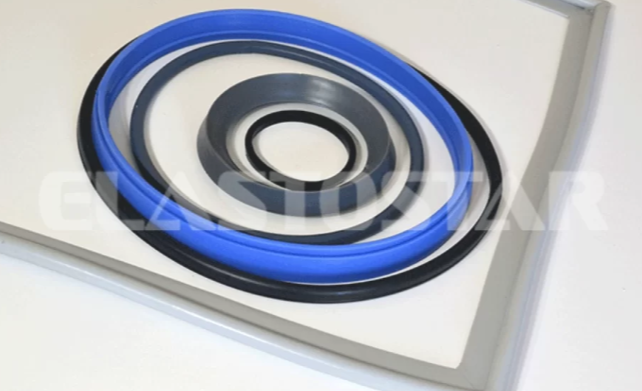
Electrically conductive O-rings are advanced sealing components designed for electronics where both sealing and electrical conductivity are required. They are made from elastomers such as extruded silicone or rubber combined with conductive fillers like carbon, silver, or nickel. This material composition gives the O-rings the dual ability to create a secure seal while also conducting electricity.
Electrically conductive O-rings are widely used in devices that must control electromagnetic interference and static buildup. Conductive silicone O-rings offer flexibility and stability in compact circuits, while conductive rubber O-rings deliver strength and durability in demanding electronic applications. Together, they provide reliability in environments where protection and conductivity are equally critical.
The Role of O-Rings in Electronics
In modern electronics, even the smallest seal plays a critical role in reliability. O-rings for electronics are not just barriers; they ensure that sensitive circuits remain protected and function without disruption.
Elastostar Rubber Corporation specializes in engineering conductive sealing solutions designed to meet the demanding needs of today’s electronic devices.
Key roles include:
- Sealing protection: Blocks dust, moisture, and contaminants from damaging internal components.
- Circuit reliability: Prevents premature circuit failure by maintaining secure seals in compact assemblies.
- Static control in electronics: Reduces risks of electrostatic discharge (ESD), safeguarding boards, microchips, and sensors.
- Long-term performance: Ensures durability and consistent function, even under harsh or variable conditions.
With Elastostar’s custom conductive O-rings, manufacturers get the benefit of precision-engineered seals that combine environmental protection with advanced static control.
Read more: Top Uses of Silicone Rubber Seals in the Electrical Industry
What Challenges Arise Without Conductive O-Rings?

In today’s highly connected world, electronic systems are exposed to increasing levels of interference and static discharge. Without proper shielding, devices can fail prematurely, costing both time and money.
- Electromagnetic interference (EMI) and radio frequency interference (RFI): Circuits without proper protection often experience performance disruptions. High-quality EMI and RFI shielding O-rings ensure reliable operation by blocking unwanted signals.
- Electrostatic discharge (ESD): The buildup of static electricity can permanently damage sensitive chips and circuit boards. Effective seals play a role in electrostatic discharge prevention, reducing costly breakdowns.
- Premature failure of electronics: From handheld devices to aerospace systems, the absence of conductive sealing solutions increases the risk of short circuits, data loss, and malfunction.
Elastostar’s conductive elastomer seals address these risks directly, making them a trusted choice for industries where precision and reliability are non-negotiable.
How Do Electrically Conductive O-Rings Work?
Electrically conductive O-rings are manufactured from silicone or elastomers infused with conductive fillers such as carbon, silver, or nickel.
These fillers create continuous conductive paths throughout the seal, transforming a standard O-ring into an advanced electrical component.
- EMI/RFI Shielding: Conductive pathways in the O-ring act as barriers, blocking electromagnetic and radio frequency interference that can disrupt device performance.
- Static Dissipation (ESD Protection): ESD O-rings safely channel electrostatic charges away from sensitive circuits, preventing failures.
- Reliable Sealing with Conductivity: While sealing against dust and moisture, electrically conductive silicone seals maintain grounding support in compact devices.
This dual role of sealing and electrical conductivity is what makes EMI shielding O-rings essential in high-performance electronics.
What Are the Key Benefits of Electrically Conductive O-Rings?

Electrically conductive O-rings go far beyond simple sealing. They bring multiple advantages that make them indispensable for modern electronic systems.
Main Benefits:
- EMI/RFI Shielding: These seals provide reliable EMI shielding solutions with conductive O-rings, protecting sensitive components from disruptive interference.
- ESD Prevention: By dissipating static electricity, they guard circuits against costly electrostatic discharge failures.
- Compact Sealing: Perfect for miniaturized devices, they deliver leak-proof performance while ensuring electrical continuity.
- Durability: The benefits of electrically conductive silicone O-rings also include resistance to temperature swings, vibration, and harsh environments, making them long-lasting under demanding conditions.
With this combination of sealing, conductivity, and durability, conductive O-rings are one of the most effective solutions for electronics reliability.
Where Are Conductive O-Rings Used in Electronics?
Electrically conductive O-rings are trusted across industries where performance, safety, and reliability are critical.
Their ability to provide sealing, grounding, and EMI protection makes them an essential choice for modern electronics.
Key Applications:
| Industry | Application |
| Aerospace Electronics | Avionics, sensors, and control systems – conductive O-rings for aerospace electronics ensure EMI protection and sealing in high-altitude, vibration-heavy environments. |
| Medical Devices | Diagnostic machines, monitoring devices, and implants – conductive O-rings for medical devices provide sterility and precision performance. |
| Telecommunications | Antennas, satellites, and base stations – conductive rubber seals for EMI protect signals from interference. |
| Military & Defense | Rugged field systems, communication gear, and radar – reliable EMI/RFI shielding under extreme conditions. |
| Consumer Electronics | Smartphones, laptops, and wearables – compact sealing and static control for circuit protection. |
By adapting to specialized environments, conductive O-rings prove to be a versatile solution for industries that cannot afford failure.
Read more: Exploring the Role of Silicone Seals in Aerospace Innovation
How Do Conductive O-Rings Compare to Other EMI Shielding Solutions?
When it comes to EMI and RFI protection, engineers often weigh the pros and cons of different shielding options.
The table below highlights how conductive elastomer O-rings stand apart from other conductive gasket alternatives.
| Shielding Solution | Strengths | Limitations | Best Use Case |
| Conductive Gaskets | – Effective over large surface areas- Widely used in enclosures | – Bulkier profile- Less suitable for precision or compact components | Large panels, housings, enclosures |
| Conductive Coatings | – Lightweight- Flexible for irregular surfaces | – Can wear off under friction- Degrades with heat or chemicals | Lightweight devices, temporary EMI control |
| Conductive O-Rings | – Dual function: EMI/RFI shielding + sealing- Excellent compression in small housings- Long-term durability under harsh conditions | – Slightly higher cost compared to basic gaskets | Compact electronics, aerospace, medical, and defense devices |
In applications where tight tolerances, precision sealing, and long-term durability are critical, conductive elastomer O-rings deliver unmatched performance by combining sealing and EMI/RFI shielding in one solution.
Read more: What Are the Top 7 Types of Rubber & Which Is the Best?
How to Choose the Right Electrically Conductive O-Rings?

Selecting the best conductive O-rings for electronic devices depends on balancing performance with application needs. Different fillers and elastomer types are designed to solve specific challenges.
When sourcing, it’s important to work with trusted conductive O-ring manufacturers in USA, as they provide consistent quality, technical support, and compliance with industry standards.
- Material Selection:
- Carbon-filled silicone → cost-effective EMI shielding and static dissipation, suitable for consumer electronics.
- Silver-filled silicone → superior conductivity and corrosion resistance, ideal for aerospace, defense, automotive and medical applications.
- Carbon-filled silicone → cost-effective EMI shielding and static dissipation, suitable for consumer electronics.
- Application Environment: Consider temperature extremes, exposure to fuels/chemicals, and vibration or pressure demands.
- Compression & Tolerances: Compact housings often need conductive elastomer seals that deliver both EMI protection and sealing in tight spaces.
- Manufacturer Reliability: Choose suppliers who can provide reverse engineering, design help, prototype-to-production runs, and shortest lead time delivery while maintaining quality and compliance with aerospace and medical standards.
By combining the right material choice with a trusted, agile supplier, engineers can ensure long-lasting EMI shielding and dependable sealing performance.
Recommended Reads
- Benefit of Electrically Conductive Silicone Rubber Tubing
- Top 7 Uses of Silicone in Electronics Manufacturing
- Why Is Silicone Rubber Popular for Use in the HVAC Systems?

Conclusion
Electrically conductive O-rings are vital for today’s electronics, where reliability and protection against EMI, RFI, and static discharge are critical. Their ability to provide both sealing and shielding makes them a smarter choice than coatings or bulky gaskets, especially in compact, high-performance devices.
From aerospace and defense to medical and consumer electronics, these seals ensure long-lasting performance under demanding conditions. For engineers and manufacturers seeking trusted solutions, Elastostar Rubber Corporation offers expertise, reverse engineering support, and quick delivery of conductive O-rings designed to meet your needs. Contact us today to discuss your application requirements.
Frequently Asked Questions (FAQ)
1. What are electrically conductive O-rings?
Electrically conductive O-rings are sealing components made from silicone or elastomers infused with conductive fillers like carbon, nickel, or silver. They combine environmental sealing with electrical conductivity, making them essential for electronics requiring EMI protection and static control.
2. How do conductive O-rings prevent EMI and RFI in electronics?
They function as EMI and RFI shielding O-rings by forming a conductive barrier around sensitive circuits. This shields devices from electromagnetic and radio frequency interference while maintaining a secure physical seal, ensuring consistent electronic performance.
3. What materials are used to make conductive O-rings?
The most common choices include silicone and fluorosilicone combined with conductive fillers such as carbon black for cost-effective conductivity, or silver and nickel for high-performance electrically conductive silicone seals used in critical applications.
4. Are conductive O-rings the same as ESD O-rings?
Not exactly. While both manage electrostatic energy, ESD O-rings are designed primarily for electrostatic discharge prevention, whereas conductive O-rings provide a dual role—EMI shielding O-rings with the added benefit of ESD protection.
5. Where are electrically conductive O-rings used?
They are widely adopted across industries: aerospace avionics, defense systems, telecom hardware, o-rings for electronics in consumer devices, and even medical technologies. Each application leverages their dual sealing and shielding capabilities.
6. Why are conductive O-rings better than regular O-rings for electronics?
Unlike standard seals, conductive O-rings offer static control in electronics while protecting against EMI interference. This makes them a superior solution in compact devices and mission-critical electronics where performance cannot be compromised.
7. Can conductive O-rings be used in aerospace and defense applications?
Yes. Conductive O-rings for aerospace electronics meet the extreme demands of high-vibration, temperature-sensitive, and EMI-heavy environments. Elastostar Rubber Corporation provides custom solutions for aerospace and defense needs.
8. Do conductive O-rings work in medical electronics?
Absolutely. Conductive O-rings for medical devices shield diagnostic and monitoring equipment from electromagnetic disturbances while offering biocompatibility and reliable sealing performance.
9. What are the benefits of silver-filled silicone O-rings?
These conductive silicone O-rings deliver exceptional conductivity, superior EMI shielding, and excellent resistance to heat, moisture, and chemicals—ideal for highly sensitive electronic equipment.
10. How to choose the right conductive O-ring for my application?
Consider the operating environment, required conductivity, material choice, and EMI/ESD performance needs. For the best conductive O-rings for electronic devices, rely on Elastostar Rubber Corporation—we offer design help, reverse engineering, and the shortest lead times to support your projects. Contact us today for tailored solutions.