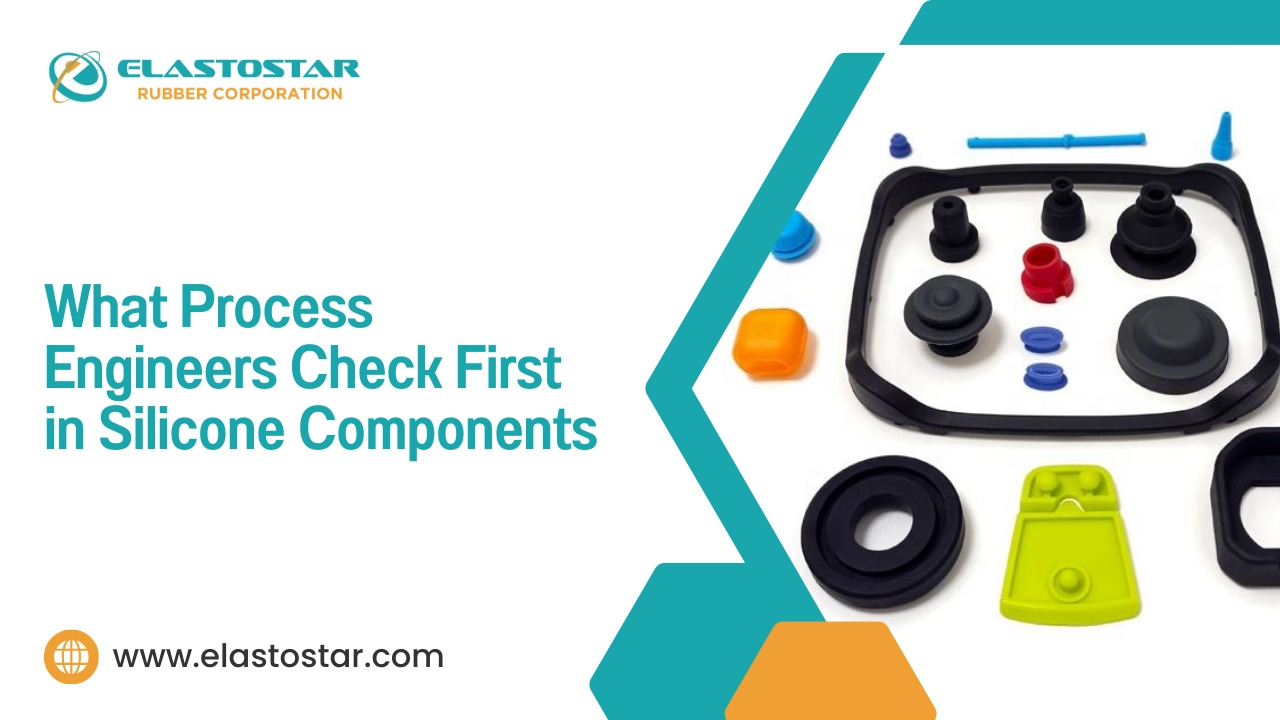
Process engineers follow a structured inspection before approving any silicone component specifications. Whether it is tubing, O-rings, gaskets, or custom extruded profiles, the first step is understanding the material’s behavior and performance characteristics. These evaluations are often referenced in a reliable overview of silicone seal materials.
Even slight variations in hardness, purity, or stability can lead to sealing failures, hygiene issues, or downtime. This is why engineers check specifications, tolerances, surface finish, installation fit, documentation, and compliance.
As processing environments become more demanding, evaluating these factors helps minimize risk and ensure long-term reliability.
In this blog, we will explain exactly what engineers look for first.
Key Takeaways
- Engineers approve silicone only after checking the material’s first hardness, strength, chemical resistance, and purity.
- Incorrect tolerances lead to leaks and failures, so every ID/OD, wall thickness, and bulb height is verified.
- Surface finish matters, rough silicone traps residue, and fails hygiene checks.
- Installation fit decides real-world success, not just drawings or CAD data.
- Traceability requires mandatory batch numbers, QC logs, and certificates to be available.
- Heat + chemical resistance protect long-term stability in CIP/SIP environments.
- Elastostar earns trust by offering certified materials, tight tolerances, documentation, and USA-made consistency.
Table of Contents
How Process Engineers Review Silicone Material Specifications
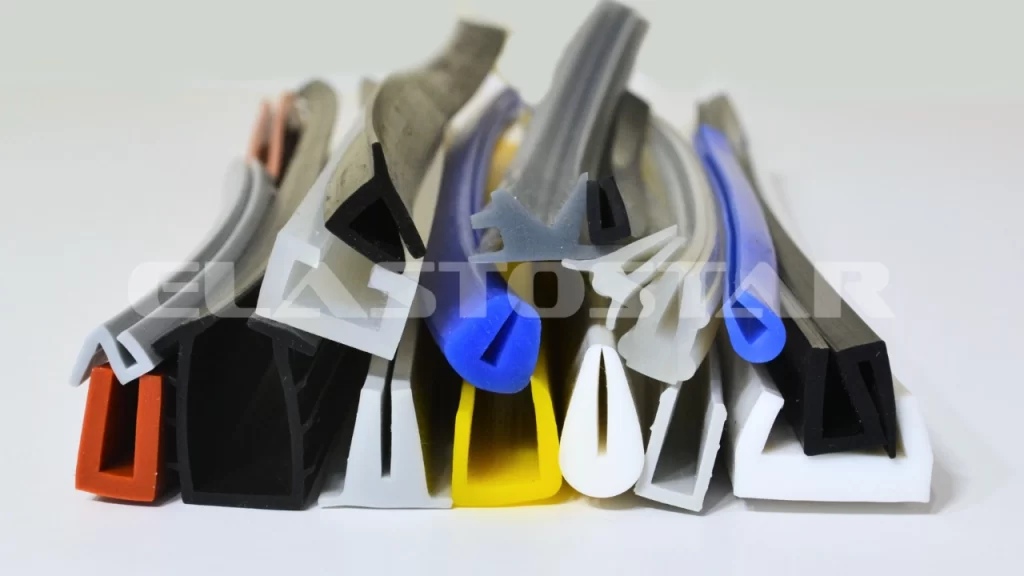
Process engineers always begin with the material itself. Before discussing tolerances or installation fit, they examine how the silicone behaves under pressure, temperature, stress, and cleaning chemicals. This evaluation ensures that the material grade aligns with system requirements and regulatory expectations.
When engineers review silicone material specs, they focus on strength, elasticity, purity, and compatibility with chemicals used in production environments.
Elastostar Rubber Corporation supports this step by manufacturing components from materials that meet USP Class VI, Sections 87 & 88, giving engineers confidence for applications involving food, pharma silicone, medical devices, cleanrooms, or sanitary processing.
These certifications demonstrate that the silicone has passed biocompatibility and extractables testing, which are mandatory in high-purity industries.
Key Material Properties Engineers Examine
- Hardness (Shore A) — determines how the commercial silicone compresses and rebounds.
- Tensile Strength — indicates durability and resistance to tearing.
- Compression Set — confirms if the material returns to its original shape after pressure.
- Thermal Stability — ensures the silicone does not shrink or distort under heat.
- Chemical Resistance — evaluates stability against CIP chemicals, solvents, and oils.
- Purity & Hygiene — critical for environments requiring sterilization and cleanability.
Each of these factors directly affects overall performance, sealing reliability, and lifespan.
Also Read– Silicone Rubber Compounds: Meaning, Properties & Applications
How These Material Specs Apply to Elastostar Components

Engineers compare these material behaviors with specific component types. Elastostar provides:
- Platinum-cured silicone tubing for hygienic fluid transfer.
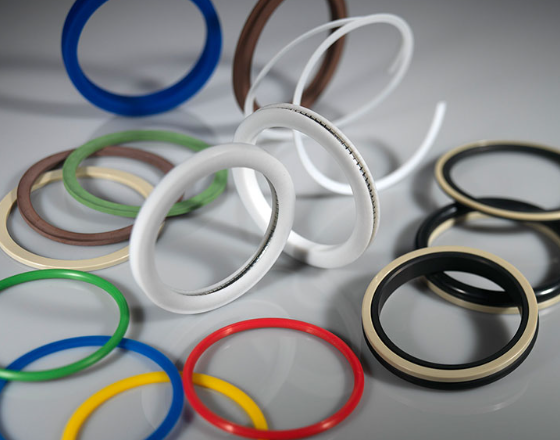
- Silicone rubber cord used for custom-sized O-rings.
- Custom extruded profiles designed for sealing machinery.
- Gaskets and bulb seals that maintain compression under repeated cycles.
Because Elastostar offers reverse engineering, prototype development, and full production runs, engineers can validate material performance early and ensure perfect compatibility before large-scale deployment.
Material Property Quick Comparison Table
| Material Property | Why Engineers Check It | Impact on Elastostar Components |
| Hardness | Predicts compression behavior | Ensures seals apply correct pressure |
| Tensile Strength | Measures durability | Prevents tearing in cords and profiles |
| Compression Set | Confirms shape recovery | Extends gasket and bulb seal lifespan |
| Thermal Resistance | Ensures stability under heat | Prevents shrinkage in extrusion profiles |
| Chemical Resistance | Required for CIP/SIP systems | Protects tubing and gaskets from breakdown |
| Purity | Essential for hygiene | Supports food and pharma compliance |
Why Material Specifications Influence Final Approval?
If the silicone material is unsuitable, the component will fail regardless of its dimensions or installation method. Engineers rely on material evaluation to prevent problems such as:
- Deformation under pressure.
- Leaks due to loss of elasticity.
- Contamination from material breakdown.
- Failure during sterilization or CIP cycles.
- Reduced the lifespan of seals or Platinum silicone hose.
Only when the material is approved do engineers proceed to tolerance and surface-finish checks.
How Dimensional Tolerances Affect Silicone Component Performance?
Dimensional accuracy is one of the first technical checks process engineers perform. Silicone is inherently flexible, which makes tolerance control more challenging. Engineers verify silicone component tolerances by comparing the actual part against CAD geometry and expected standards.
This evaluation is often guided by RMA Precision Tolerance, which defines acceptable variation limits for industrial silicone components. Staying within these silicone tolerance limits ensures the part seals correctly and performs consistently.
Common Issues Caused by Incorrect Tolerances
- Under-compression that leads to air or fluid leakage.
- Over-compression that accelerates material fatigue.
- Misalignment that creates vibration or uneven wear.
- Inconsistent bulb height weakens sealing.
- Dimensional drift that affects long-term reliability.
These failures typically occur during operation, not during installation, which is why tolerance accuracy is essential.
Also Read- How to Measure Gaskets: A Comprehensive Guide
Where Tolerance Accuracy Matters in Elastostar Rubber Corporation Components?
We manufacture several categories of precision silicone parts, and each one relies on tight dimensional control:
1. Silicone Tubing
Engineers measure ID, wall thickness, and ovality to ensure stable flow rates and pressure balance.
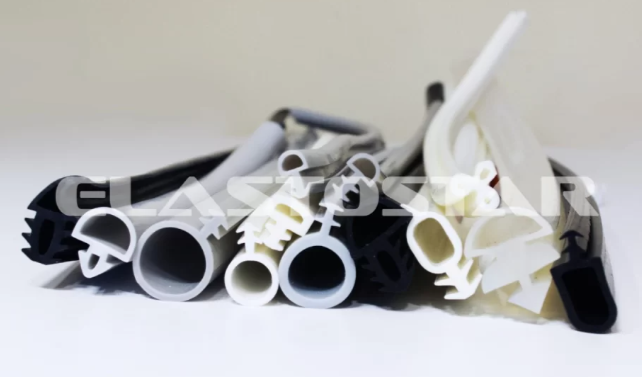
2. U-Channel and P-Channel Profiles
Slot width must match the substrate. Too loose causes slipping; too tight causes stress and deformation.
3. Bulb Seals and Gaskets
Bulb seals height determines how evenly the seal compresses. Any variation reduces sealing reliability.
Elastostar’s calibrated extrusion processes ensure these dimensions remain stable across batches.
Also Read– Rubber Extrusion Profiles: U-Channel, D-Profile & P-Profile
Why Surface Finish and Cleanability Matter in High-Purity Silicone Components
A silicone component may have the correct material grade and dimensions, but it will still fail in food, beverage, or pharmaceutical environments if the silicone surface finish is not clean, smooth, and non-porous.
Process engineers review the surface closely because even small imperfections can trap residue or disrupt hygiene. They also reference the manufacturer’s quality control process to confirm consistency throughout production.
What Engineers Look for During Surface Evaluation
- Smooth and uniform texture.
- No micro-tears or pinholes.
- Resistance to staining.
- Even curing across the part.
- Stable performance under cleaning cycles.
How Installation Compatibility Determines Real-World Performance
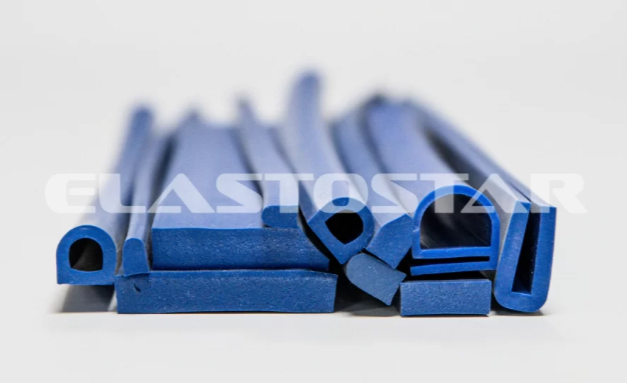
Even when a silicone part meets material and tolerance requirements, it can still fail if it does not install correctly.
Process engineers assess silicone installation compatibility to ensure the component integrates seamlessly into the equipment without stress, distortion, or misalignment.
What do Engineers Check During an Installation Fit Assessment?
- Proper seating inside grooves and channels.
- Even compression when the seal is engaged.
- Correct alignment with mating surfaces.
- No twisting, stretching, or distortion during installation.
- No contact with moving machine parts.
- Correct bend radius for tubing applications.
- Stable grip for Rubber U edge channels and extruded profiles.
Each of these checks helps confirm that the part will remain stable under real operating conditions.
How Elastostar Rubber Corporation Supports Proper Installation Fit?
Elastostar helps engineers avoid fitment issues by providing:
- Reverse engineering assistance for replacing worn parts.
- Prototype samples to test the silicone component fit on real equipment.
- Custom tooling for exact geometry and profile shape.
- Full production runs with consistency from batch to batch.
- Short lead times for urgent fitment corrections.
- Proudly Made in USA manufacturing for reliable quality and repeatability.
These capabilities reduce installation risk and improve long-term sealing performance.
Why Traceability and Documentation Matter for Engineering Approval
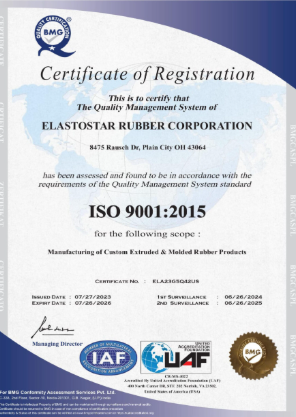
Traceability is one of the most important things process engineers verify before approving a silicone component. It is not enough for the part to fit or perform correctly. Engineers need proof of its origin, which batch it belongs to, and whether its materials and manufacturing history meet regulatory expectations.
This validation process is supported by reviewing the manufacturer’s compliance and certification records, which must show consistent documentation practices.
The Documentation Engineers Expect to See?
Engineers typically check the following items before allowing a silicone component into production:
- A clear batch number linked to manufacturing logs.
- Material certificates confirming purity and compliance.
- QC inspection reports for hardness, dimensions, and visual quality.
- Curate a lot of information and processing notes.
- Long-term performance or durability test results.
- Accessible documentation for audits and regulatory checks.
Each document serves as proof that the silicone part is authentic, compliant, and safe for regulated use.
Also Read– Guide to Buy ISO Certified Silicone Rubber
How Thermal and Chemical Resistance Determine Long-Term Silicone Reliability

Thermal and chemical resistance are two of the most important performance factors engineers evaluate.
If a silicone component cannot handle the operating temperature or reacts adversely with cleaning agents, it will quickly degrade, lose elasticity, or fail under pressure.
What Engineers Assess in Thermal Resistance
Engineers evaluate how the silicone behaves under:
- Continuous operating temperature.
- Peak temperature spikes.
- Steam sterilization cycles.
- Thermal expansion and shrinkage.
- Long-term heat exposure without deformation.
A silicone component that loses its shape or elasticity under heat poses multiple risks to industrial sealing.
Chemical Resistance and CIP/SIP Compatibility
Silicone components in food, beverage, and pharmaceutical systems must tolerate:
- Acidic cleaning chemicals.
- Alkaline detergents.
- Disinfectants and sanitizers.
- Steam and hot water.
- Solvents and oils.
If the material is not chemically stable, engineers will see swelling, softening, discoloration, or dimensional distortion.
Also Read– A Complete Guide to High-Temperature Silicone Rubber
How Compliance and Regulatory Standards Influence Silicone Component Approval
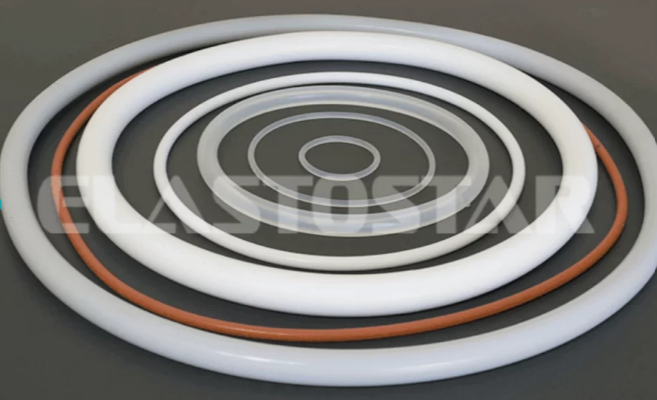
Process engineers must confirm that every silicone component meets the required solid silicone compliance standards for safety and hygiene. This includes checking material certifications, biocompatibility, and documented testing.
What Engineers Quickly Check?
- USP Class VI verification.
- FDA and food-contact suitability.
- NSF or medical-grade requirements.
- QC testing and batch traceability.
- Availability of documentation for audits.
These checks help engineers stay audit-ready at all times.
Why Elastostar Rubber Corporation Fits Compliance Needs?
Elastostar provides:
- USP Class VI, Section 87 & 88 compliant materials.
- Full documentation for regulated industries.
- Consistent QC processes for QA silicone parts.
- Batch traceability for every extrusion or molding run.
This simplifies approval and ensures confidence in critical applications.
How Performance Testing and Quality Control Confirm Silicone Component Reliability
Before a silicone component receives final approval, process engineers evaluate its performance under real operating conditions.
They review mechanical tests, surface inspections, and durability checks to confirm that the part will withstand pressure, maintain sealing tolerances, and withstand cleaning cycles.
Why We Performs Well in QC Testing?
Elastostar passes these checks because its products are:
- Made with platinum-cured, hygienic silicone materials.
- Extruded with calibrated, repeatable tolerance control.
- Inspected at multiple stages during production.
- Supported by batch-level QC and traceability.
- Engineered for durability in food, pharma, and industrial systems.
This ensures every part delivers consistent performance from prototype to full production.
Also Read– How to Test the Quality of Rubber
Why Process Engineers Prefer Elastostar Rubber Corporation for Silicone Components?

Process engineers choose Elastostar a Silicone Rubber Manufacturer because the company combines material safety, precision manufacturing, and reliable documentation.
Why Engineers Trust Elastostar
- USP Class VI, Section 87 & 88 compliant silicone for regulated industries.
- Custom extruded profiles, O-rings, Rubber gaskets, and sheet materials.
- Prototype-to-production support with reverse engineering.
- Short lead times for urgent replacements and maintenance needs.
- Consistent batch quality supported by full traceability.
- Large U.S. manufacturing facility with controlled processes.
- Proudly Made in USA for dependable quality and regulatory confidence.
These advantages help engineers approve components faster and with certainty.
Recommended Reads
- Manufacturing Process of Silicone Products
- Elastostar’s Silicone Rubber Extrusion Manufacturing Process
- The Step-by-Step Process of Custom Silicone Rubber Molding

Conclusion
Process engineers rely on a clear checklist before approving any silicone component. Material behavior, dimensional stability, cleanability, installation fit, documentation, and compliance all determine long-term reliability in demanding industrial environments. We make this process easier by offering certified materials, precise manufacturing, full traceability, and consistent batch quality.
For teams needing support with specifications or custom development, the Elastostar team is available for technical assistance and project guidance. With strong compliance, custom capabilities, and U.S.-based production, Elastostar gives engineers the confidence to approve components faster and with certainty.
FAQs
Q1. What does an engineer-first evaluation angle mean?
An engineer-first evaluation angle means the silicone component is assessed based on silicone material specs, performance stability, and long-term durability. Engineers study how the material behaves under pressure, temperature, and cleaning cycles before approving it for use.
Q2. What is included in a practical engineering checkpoint?
A practical engineering checkpoint includes verifying silicone component tolerances, checking dimensional accuracy, reviewing installation fit, and confirming the part aligns with the equipment design. This ensures there are no process-fit issues that could cause leakage or failure.
Q3. Why is hygiene and compliance important when selecting silicone components?
Hygiene and compliance matter because industries like food and pharma require cleanable silicone components, high-purity materials, and validation against silicone compliance standards. Engineers must ensure the component supports CIP/SIP cleaning and stays stable in regulated environments.
Q4. What installation risks do engineers need to be aware of?
Engineers must avoid installation risks, including improper silicone component fit, misalignment, uneven compression, and kinking in silicone tubing. These issues increase engineering fitment errors and create sealing or flow instability.
Q5. How does QA and audit positioning affect silicone component approval?
QA and audit positioning ensure the component has silicone component traceability, complete batch documentation, and accurate compliance records. This makes the part fully audit-ready and suitable for regulated industries that require strict verification.