
In today’s healthcare and pharmaceutical industries, the demand for safe, clean, and reliable materials is higher than ever. Silicone has become a key material because of its flexibility, purity, and ability to perform well in harsh environments. Extruded silicone Rubber ensures product safety and patient health, from medical tubing to seals and gaskets.
As a leading silicone manufacturer, Elastostar Rubber Corporation produces high-quality, platinum-cured components designed to meet strict medical standards.
This blog explains the importance of USP Class VI certified silicone and why it’s the preferred choice for medical and pharmaceutical applications.
Table of Contents
Understanding USP Class VI Standards
Safety is the top priority for medical equipment and pharmaceutical products. USP Class VI certification ensures materials are safe inside the human body. It involves strict testing for toxicity, skin irritation, and reaction with body tissues.
For any medical silicone rubber to receive USP Class VI approval, it must pass these tests without causing harm. This certification confidence manufacturers and healthcare providers that the silicone will not cause allergic reactions or other health issues. Choosing USP Class VI materials helps ensure product quality and protects patient safety.
Why is Platinum Cured Silicone Ideal for Medical Applications?
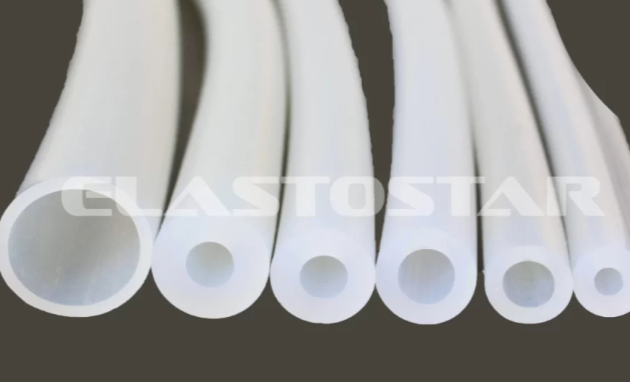
Purity and safety are important in medical and pharmaceutical settings. Platinum-cured silicone is the preferred choice because it is cleaner and more stable than peroxide-cured silicone. Unlike peroxide curing, which can leave behind chemical residues, platinum curing creates a pure, non-toxic product with no by-products.
This makes platinum-cured silicone ideal for sensitive applications like implants, tubing, and seals that come into contact with the human body. It also offers better clarity, flexibility, and long-term performance. These qualities make it the trusted material for manufacturers who need safe, high-quality silicone for medical use.
Read More– Platinum Cured Silicone Rubber: Top 5 Benefits & Applications
The Silicone Extrusion Process
Extrusion is a process that shapes silicone into long parts like tubes, seals, or strips. Soft silicone rubber is pushed through a mold (called a die) to form the needed shape. Then, the silicone is heated and cured to make it strong and flexible.
This process helps make custom rubber extrusions in many sizes and shapes, depending on the customer’s needs. For small medical tubing or special gaskets, extrusion allows for precise, clean, and high-quality products used in medical and pharmaceutical devices.
| Step | Description |
|---|---|
| Material Preparation | Silicone compound is mixed to meet specific hardness and flexibility. |
| Extrusion | Silicone is pushed through a custom-shaped die to form the required profile. |
| Curing | The shaped silicone is heat-cured (often with platinum) to make it durable. |
| Cutting/Finishing | The extruded silicone is cut to size and finished as needed. |
| Quality Check | Final product is inspected to ensure it meets medical-grade standards. |
Read More– Elastostar’s Silicone Rubber Extrusion Manufacturing Process
What are the Applications of Medical Silicone Products in the Pharmaceutical Industry?
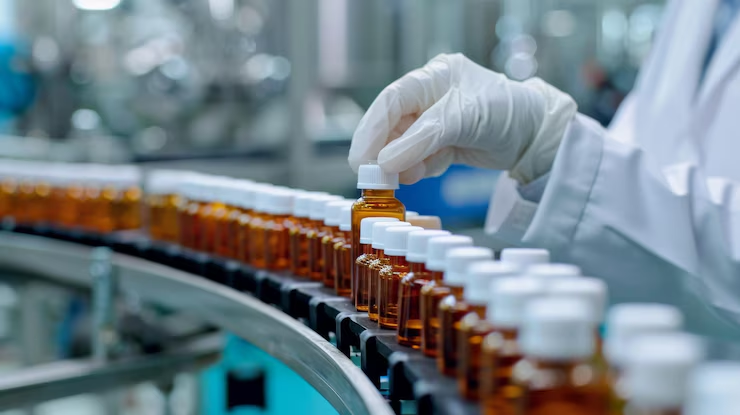
Medical silicone products are high-purity components designed for use in pharmaceutical and healthcare settings. They include tubing, seals, gaskets, stoppers, and other parts that must meet strict medical-grade and cleanliness standards.
Why Silicone Is Used in Pharmaceutical Applications
Silicone is widely used in the pharmaceutical industry due to its unique material properties, including:
- Biocompatibility for safe contact with drugs and biological fluids
- Chemical resistance to a wide range of solvents and solutions
- High thermal stability suitable for sterilization methods
- Flexibility and durability under continuous use
- Non-reactive and non-toxic nature, preventing contamination
Common Applications of Medical Silicone Products
1. Fluid Transfer Systems
In fluid transfer systems, silicone rubber tubing transports liquids and solutions during manufacturing. It ensures the safe and sterile movement of substances without contamination.
2. Sealing and Gasketing
Pharmaceutical tanks, pumps, and processing equipment use silicone gaskets and seals. They help maintain airtight, leak-proof systems and support sterile operations.
3. Cleanroom Equipment
Silicone components are used in cleanroom machinery where hygiene and contamination control are critical. Their smooth surfaces and easy sterilization make them ideal for such environments.
4. Packaging and Dispensing
Medical-grade silicone stoppers and closures are used in containers, syringes, and drug delivery systems. They preserve product integrity and prevent exposure to air and bacteria.
Custom Silicone Solutions by Elastostar Rubber Corporation
At Elastostar Rubber Corporation, we specialize in producing custom silicone medical accessories customised to the unique requirements of the medical and pharmaceutical industries.
Whether starting with an idea or improving an existing design, our team supports you at every stage.
We offer
- Design assistance to refine your concept
- Reverse engineering to recreate or upgrade existing parts
- Prototype to production support for any scale of project
- Custom materials and configurations, including USP Class VI and FDA-grade silicone
- Shortest lead times, ensuring fast and dependable delivery
From precision gaskets to complex molded components, Elastostar delivers medical-grade silicone solutions built for quality, safety, and performance.
Performance Under Pressure: Sealing, Safety & Sterility
Seals must reliably perform under pressure, heat, and fluid exposure in medical and pharmaceutical applications. Medical-grade silicone seals are designed to meet these challenging demands. They create tight, leak-proof seals in equipment used for drug processing, storage, and delivery.
These seals are made from high-purity silicone, which is biocompatible, meaning it’s safe for contact with human tissue and fluids. They can also be easily sterilized using steam, gamma radiation, or ethylene oxide (ETO) without losing strength or flexibility.
Because of these properties, medical-grade silicone seals are trusted in critical environments where hygiene, safety, and performance are essential.
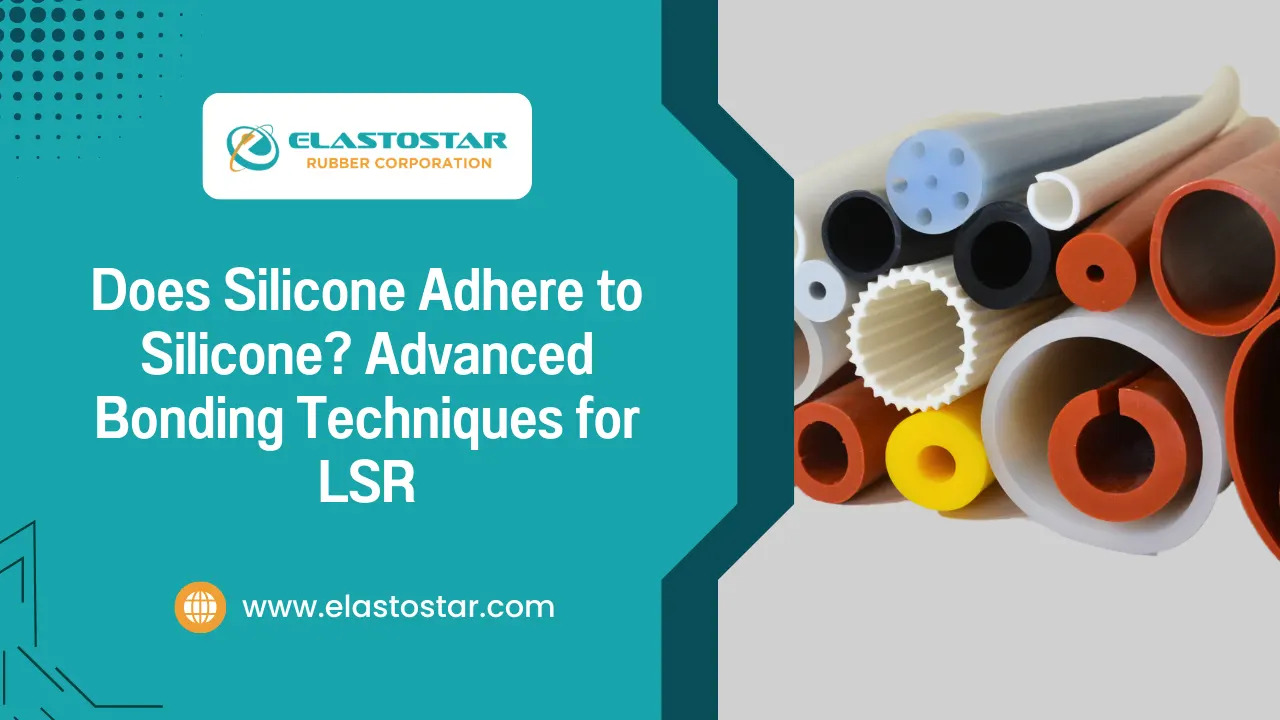
What Are the Common Shapes and Products Made from Silicone Rubber Tubing?
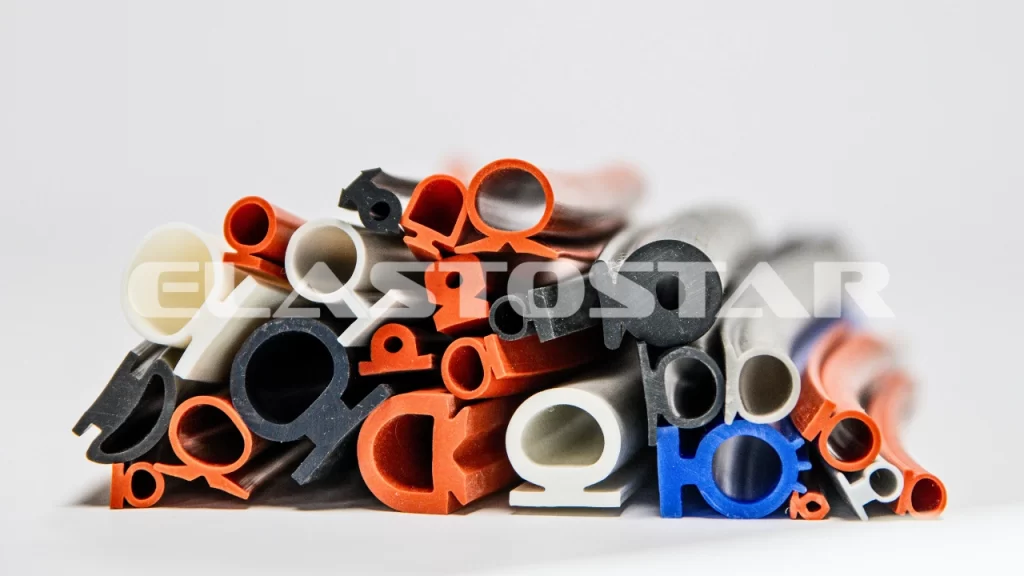
In the medical and pharmaceutical industries, silicone is formed into various shapes to suit various uses. One of the most widely used products is silicone rubber tubing, known for its flexibility, strength, and safety in fluid transfer.
Common Silicone Products:
- Silicone Rubber Tubing
Used for transporting fluids in drug manufacturing, lab setups, and medical devices. - O-Rings
O-rings rubber provide reliable seals in pumps, valves, and syringes to prevent leaks. - D-Seals and U-Seals
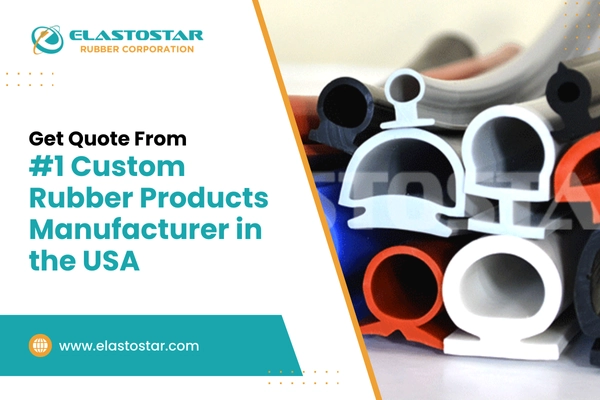
D-shaped and U-shaped rubber offer extra sealing strength in equipment that handles pressure or movement. - Custom Profiles
Created for specific equipment or device requirements.
These shapes are made to fit various applications and ensure consistent, safe performance in sensitive environments.
Sterilization and Maintenance of Silicone Components
In medical and pharmaceutical settings, cleanliness is critical. Surgical silicone components must be sterilized before use to prevent contamination and ensure patient safety.
Medical-grade silicone is well-suited for sterilization because it can handle high temperatures and harsh conditions without breaking down.
Common Sterilization Methods:
- Autoclaving (Steam Sterilization)
- Ethylene Oxide (ETO) Gas
- Gamma Radiation
- Dry Heat
- Electron Beam (E-Beam)
Generally, vulcanized rubber can handle multiple sterilization methods. However, device manufacturers should always test compatibility to confirm which method works best for their application.
Compatibility and Resistance Properties
- Chemical Resistance
Silicone rubber resists water, alcohol, oxidizing agents, and many acids, for pharmaceutical and medical use. - Thermal Resistance
Silicone remains stable from -85°F to 500°F, for high-temperature sterilization without degrading.
At Elastostar Rubber Corporation, we ensure all our medical-grade silicone products meet the highest standards.
Our specially formulated USP Class VI & Platinum Cured Silicone Extruded Rubber Seals are engineered for performance, safety, and full sterilization compatibility in the pharmaceutical and medical device industries.
Certifications & Regulatory Compliance
Meeting strict safety and quality standards is non-negotiable in the medical and pharmaceutical industries. Elastostar Rubber Corporation is committed to medical silicone contract manufacturing that complies with all key industry regulations.
Key Certifications and Standards
- USP Class VI
Confirms biocompatibility and safety for use inside the human body. - FDA 21 CFR 177.2600
Ensures silicone materials are safe for use in food and drug contact applications. - ISO 10993
It covers the biological evaluation and testing of medical devices for human use.
Elastostar follows these standards throughout the design, production, and quality control process.
As a trusted contract manufacturer, we deliver silicone components that meet regulatory requirements and customer expectations for safety and performance.
Why Choose Elastostar Rubber Corporation?

Elastostar Rubber Corporation excels for its commitment to quality, innovation, and customer satisfaction when finding a reliable rubber product manufacturer.
What Sets Elastostar Apart:
- Innovation-Driven
We use advanced technology to design and produce high-performance silicone solutions for medical and pharmaceutical use. - Strict Quality Assurance
Every product is tested to meet regulatory standards, such as USP Class VI and FDA 21 CFR 177.2600, ensuring safety and consistency. - U.S.-Based Manufacturing
Our United States facilities allow for better quality control, faster turnaround, and dependable service.
With a proven track record and deep industry knowledge, Elastostar is the trusted choice for custom silicone components in demanding healthcare environments.
For more use and application, please get in touch with us with your details, email us at [email protected], or call us at 614-841-4400. We will help you explore more ways to utilize our products for your special purpose.
Recommended Reads
- Top Benefits of Using Platinum Cured Silicone Tubing
- How is Silicone Rubber Used in the Medical & Pharmaceutical Industry?
- FDA Silicone Rubber for Food Processing Equipment
Conclusion
Medical and pharmaceutical industries demand materials that offer safety, reliability, and performance under pressure. With its purity, flexibility, and resistance to extreme conditions, medical-grade silicone, especially platinum-cured silicone, has become the top choice for critical applications. From tubing to seals and extruded rubber gaskets, custom silicone components play a key role in maintaining sterile, efficient systems.
As a trusted silicone manufacturer, Elastostar Rubber Corporation delivers certified, high-quality solutions customised to your needs. Partner with Elastostar for your next medical or pharmaceutical silicone project for dependable performance in demanding environments.
FAQs
1. What is USP Class VI silicone, and why is it essential for medical devices?
USP Class VI silicone has undergone stringent biocompatibility testing to ensure its safety for medical applications. This certification indicates that the material won’t cause adverse reactions when in contact with human tissue or medical devices like tubing, seals, and gaskets.
2. How does platinum-cured silicone differ from other types of silicone?
3. Can platinum-cured silicone handle standard sterilization methods?
Yes, platinum-cured silicone is highly resistant to various sterilization techniques, including autoclaving (steam), ethylene oxide (EtO) gas, and gamma radiation. Its stability ensures that it maintains its properties and integrity after repeated sterilizations.
4. What are the typical applications of medical-grade silicone in the pharmaceutical industry?
Medical-grade silicone is commonly used in fluid transfer systems, sealing and gasketing, cleanroom equipment, and packaging components. Its flexibility, durability, and biocompatibility make it ideal for maintaining sterile conditions and patient safety.
5. Why is chemical resistance significant for silicone used in medical devices?
Chemical resistance ensures that silicone components can handle exposure to various substances, including cleaning agents and bodily fluids, without degrading. This property is crucial for maintaining the functionality and longevity of medical devices.
6. How does Elastostar Rubber Corporation ensure the quality of its medical silicone products?
Elastostar Rubber Corporation specializes in producing high-quality, platinum-cured silicone components that meet stringent medical standards, including USP Class VI certification. Their commitment to quality ensures that their products are safe, reliable, and suitable for critical medical and pharmaceutical applications.