The global silicone seal gasket market is highly competitive, with many companies deciding between sourcing from a USA vs China silicone rubber manufacturer. While China often provides lower upfront prices, these savings can come with trade-offs in quality, compliance, and supply chain reliability. U.S. silicone rubber manufacturers typically follow stricter standards, such as those set by the FDA and USP certifications, to produce safer and more consistent products.
Additionally, domestic suppliers provide shorter lead times and better communication. Understanding these key differences enables manufacturers to select the ideal partner that balances cost, quality, and long-term value for their silicone rubber needs.
In this blog, we’ll compare critical factors, cost, quality, lead times, and total value to help you make an informed decision.
Key Takeaways
- USA-made silicone rubber offers superior quality, FDA and USP Class VI compliance, and full material traceability—critical for medical, food, and pharmaceutical applications.
- While Chinese silicone rubber may appear cheaper upfront, hidden costs (tariffs, shipping, rework, and regulatory risks) often make it more expensive in the long run.
- U.S. manufacturers provide shorter lead times, better communication, and reliable product consistency—minimizing delays and reducing the risk of recalls.
- Choosing domestic silicone suppliers supports faster prototyping, improved brand protection, and greater long-term value.
- For critical industries where quality and compliance matter, investing in American-made silicone rubber is the safer, smarter choice.
Table of Contents
How Do Initial Costs Compare Between the USA and China Silicone Rubber Manufacturing?
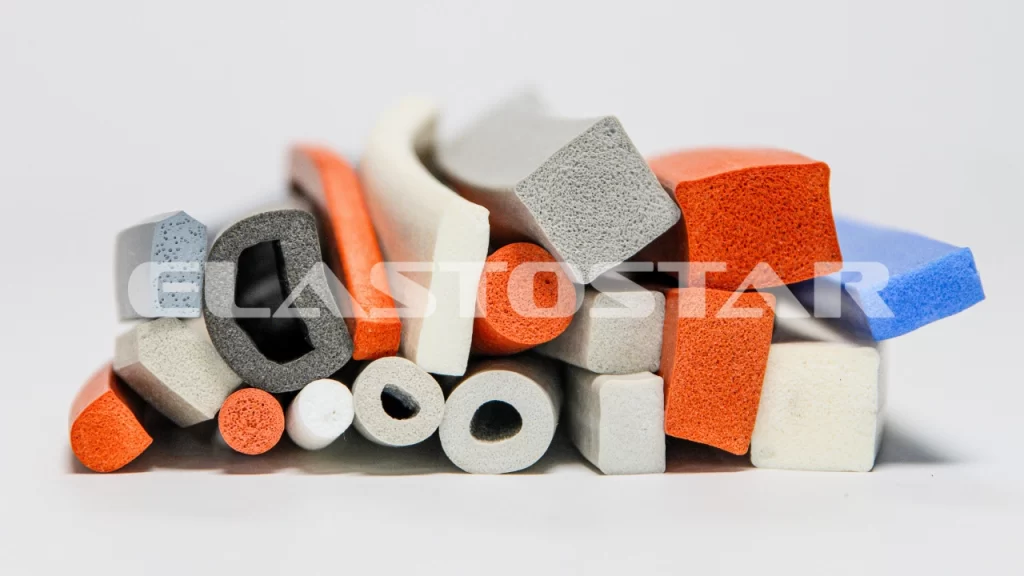
When comparing manufacturing costs, silicone rubber produced in China often has a lower upfront price than that made in the USA. However, this initial saving can be offset by additional expenses. Tariffs on Chinese silicone rubber imports increase overall costs, making offshore sourcing less economical than it appears.
Furthermore, shipping and logistics add complexity, with longer transit times and higher freight fees impacting delivery schedules. When comparing the cost of silicone rubber in the USA and China, it’s essential to consider these additional expenses alongside the base price to obtain an accurate representation of the total cost.
| Cost Factor | USA Silicone Rubber | China Silicone Rubber |
| Manufacturing Base Cost | Higher upfront cost | Lower upfront cost |
| Tariffs and Import Duties | None | Significant tariffs apply |
| Shipping & Logistics | Lower shipping costs, faster transit | Higher shipping costs, longer transit |
| Quality Control Costs | Proper quotation | Often additional or inconsistent |
| Risk of Delays | Minimal | Higher risk due to customs & logistics |
| Hidden Costs (Rework/Returns) | Lower due to better quality | Higher due to quality issues |
How Do Quality and Compliance Standards Compare Between U.S. and Chinese Silicone Rubber Manufacturers?
Quality control and regulatory compliance are paramount when selecting a silicone rubber manufacturer. U.S. manufacturers adhere to stringent silicone rubber compliance standards, including FDA regulations and USP Class VI certifications, ensuring materials are safe and consistent.
In contrast, many offshore suppliers lack rigorous testing or complete documentation required for regulated industries. Several case studies have highlighted quality issues with offshore products, leading to product failures or recalls.
Elastostar Rubber Corporation is a trusted U.S. manufacturer specializing in custom silicone rubber solutions. Our materials are tested to meet USP Class VI standards and have passed USP Class VI Sections 87 and 88, confirming their biocompatibility and safety for sensitive applications.
| Factor | USA Manufacturers | China Manufacturers |
|---|---|---|
| FDA Compliance | Strictly followed | Often missing / inconsistent |
| USP Class VI Certification | Common in medical-grade materials | Rare / not guaranteed |
| Traceability & Documentation | Full traceability & documentation | Often limited or incomplete |
| Material Testing Standards | Regular, audited | Variable across suppliers |
| Risk of Recalls / Failures | Low due to strict QC | Higher due to inconsistent QC |
How Does Total Cost of Ownership Compare Between U.S. and Chinese Silicone Rubber?
When considering long-term savings, it’s essential to look beyond upfront costs. Extruded silicone rubber made in the USA typically provides superior durability and consistency, resulting in fewer replacements and less maintenance over the product’s life. This reduces downtime and lowers overall operational expenses.
Choosing Made in the USA silicone rubber protects your brand by ensuring adherence to strict quality and compliance standards, thereby minimizing the risk of recalls or failures. Rather than opting for cheaper imports from China, investing in domestic silicone rubber yields greater reliability, improved performance, and substantial long-term savings.
Recommended Reads
- FDA Silicone: Properties, Applications, And Considerations
- 6 Reasons Why Custom Silicone Rubber Products Perform Better
- Uses Of Silicone Rubber In the Medical & Pharmaceutical Industry

Conclusion
Selecting a silicone rubber manufacturer in the USA provides distinct advantages in terms of quality, compliance, and long-term value. While offshore options may appear cheaper initially, hidden costs related to quality issues, delays, and regulatory risks often outweigh upfront savings. Domestic manufacturers provide consistent, reliable silicone extruded products that meet stringent standards, ensuring durability and performance.
For manufacturers focused on reducing downtime and protecting their brand reputation, investing in American-made silicone rubber is a wise decision. To learn more or discuss your specific needs, contact us today and partner with a trusted U.S. supplier that delivers FDA-compliant, high-performance silicone rubber for your critical applications.
FAQs
1. What are the hidden costs of importing silicone rubber from China?
Hidden costs include tariffs, longer shipping times, quality inconsistencies, and possible rework or product recalls. Working with a reliable Chinese silicone rubber supplier might lower upfront prices, but it can lead to delays and unexpected expenses.
2. How do lead times compare between US and Chinese silicone rubber manufacturers?
U.S. manufacturers typically provide shorter lead times due to local production and faster communication. In contrast, Chinese suppliers often experience longer shipping and customs delays, which can impact project timelines.
3. Are Chinese silicone rubber products FDA-approved?
Many Chinese silicone products lack FDA approval, whereas U.S. manufacturers strictly adhere to FDA regulations. For sensitive applications, choosing FDA-approved silicone rubber from the USA ensures safety and compliance.
4. Why are US-made silicone rubber products more reliable?
U.S.-made silicone follows strict quality control, resulting in consistent material properties and fewer defects compared to many imported alternatives.
5. What quality certifications should I look for in a silicone rubber manufacturer?
Look for certifications like FDA, USP Class VI, RoHS, and ISO 9001. These ensure the silicone rubber meets safety and quality standards.
6. Can choosing a US silicone manufacturer help avoid product recalls?
Yes, U.S. manufacturers maintain strict quality controls and full traceability, significantly reducing the risk of recalls compared to offshore suppliers.
7. What are the advantages of working with a domestic silicone supplier?
Domestic suppliers offer faster lead times, improved communication, and more reliable delivery, thereby enhancing supply chain stability.
8. Are there long-term savings when buying silicone rubber made in the USA?
Yes, American-made silicone often lasts longer, requires less rework, and avoids hidden costs such as delays or recalls, resulting in overall cost savings.
9. What industries benefit most from US-made silicone rubber?
Industries like medical, food processing, pharmaceuticals, and aerospace rely on U.S.-made silicone rubber for its compliance and durability.
10. Can US silicone manufacturers offer faster prototyping for custom parts?
Yes, U.S. manufacturers typically provide quicker prototyping and better design support, helping you bring products to market faster.