High-cycle pumping systems operate under continuous mechanical load, subjecting tubing to repeated compression, flexing, and pressure fluctuations over extended periods. In industrial applications such as peristaltic pumping, tubing performance directly affects flow consistency, downtime, and process reliability. Materials that fatigue quickly or lose elasticity can lead to premature failure and unplanned maintenance.
Platinum-cured silicone tubing is commonly used in these environments due to its stability under repetitive motion and its ability to maintain physical properties during long run operations.
In this blog, we will examine how this tubing performs under high-cycle pumping conditions, focusing on fatigue behavior, thermal effects, wear, and practical replacement planning.
Key Takeaways
- High-cycle pumping subjects tubing to constant compression, flexing, and wear.
- Material choice directly affects tubing fatigue life and system reliability.
- Platinum-cured silicone tubing performs well under repeated pumping cycles.
- Thermal stability helps tubing maintain flexibility during long run operations.
- Predictable wear patterns support planned maintenance and replacement.
- Dimensional consistency improves flow accuracy and reduces uneven wear.
- Compliance and purity standards are critical in regulated pumping applications.
Table of Contents
What Is High-Cycle Pumping?
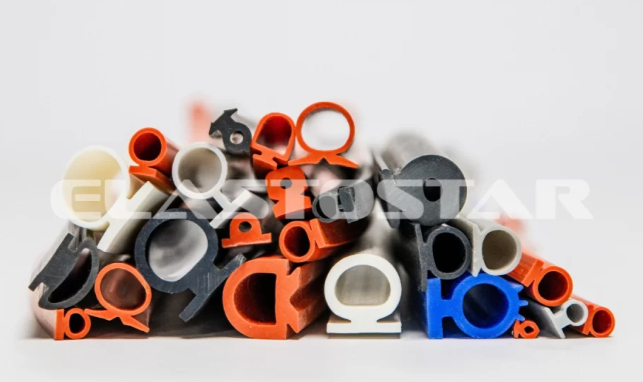
High-cycle pumping refers to applications where tubing is repeatedly compressed, bent, or flexed thousands of times during normal operation. This is common in peristaltic pumping, metering systems, and continuous fluid transfer processes.
Unlike static installations, these systems subject tubing to ongoing mechanical stress, making high-cycle durability a critical requirement.
In such environments, tubing is not only responsible for fluid transfer but also acts as a functional component of the pumping mechanism.
Any loss of elasticity, dimensional stability, or fatigue resistance can directly affect flow accuracy, pump efficiency, and overall system uptime.
Read More– Platinum-Cured Silicone Tubing in High-Cycle Pumping Applications
Why Material Choice Matters in High-Cycle Pumping?
Not all elastomers perform well under repetitive motion. Standard rubber materials often struggle with repetitive motion tubing demands, leading to cracking, hardening, or uneven wear. Over time, this degradation reduces the fatigue life of the tubing and increases the risk of unexpected failure.
Material selection becomes especially important in long-run operations, where tubing must maintain consistent performance over extended periods. Choosing the wrong material can result in frequent replacements, process interruptions, and higher maintenance costs.
A detailed understanding of silicone material behavior is essential when evaluating tubing for continuous pumping systems
What Is Platinum-Cured Silicone Tubing?
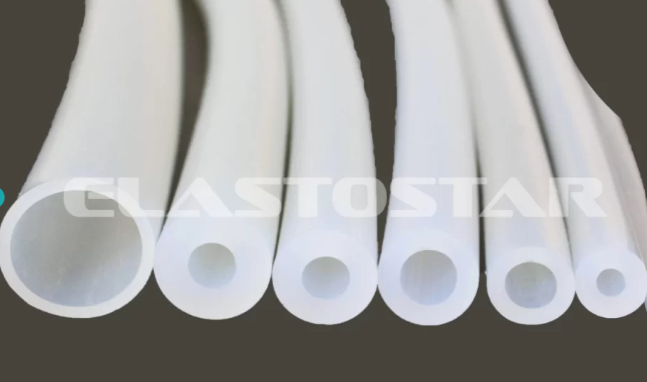
Platinum-cured silicone tubing is produced via a catalyst-based curing process that yields a highly stable, uniform polymer structure. Unlike peroxide-cured alternatives, this process does not leave residual by-products that can affect material consistency or purity.
This manufacturing method results in tubing with improved flexibility, cleaner composition, and reliable compression recovery.
These properties make surgical tubing well-suited for applications that demand consistent tubing performance, especially in regulated or high-cycle pumping environments.
Read More– What Is the Difference Between Silicone and Platinum-Cured Silicone?
1. Fatigue Resistance of Platinum-Cured Silicone Tubing in Repeated Pumping Cycles
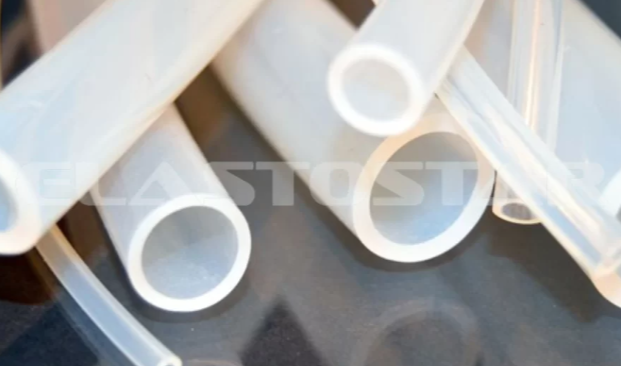
In high-cycle pumping systems, tubing is subjected to constant deformation from repeated squeezing and release. Over time, this mechanical stress can lead to material fatigue, surface cracking, or loss of structural integrity. The tubing’s ability to withstand this stress without failure is a key factor in determining its overall fatigue life.
Medical tubing fatigue performance is strongly influenced by its crosslinked structure, which allows it to flex repeatedly without degrading. In repetitive-motion tubing applications, such as peristaltic pumping, this resistance helps maintain consistent operation while reducing the risk of sudden rupture.
Reliable fatigue resistance supports high-cycle durability, allowing pumping systems to operate longer between maintenance intervals without compromising performance.
2. Heat Build-Up and Material Stability of Silicone Tubing in High-Speed Pumping Systems
Continuous pumping motion generates friction between the tubing and pump components, leading to gradual heat buildup.
In high-speed pumping systems, this temperature increase can accelerate material degradation, reduce flexibility, and affect long-term performance if the tubing is not thermally stable.
The heat resistance of silicone tubing is critical for managing heat generation in pumps. Rubber silicone tubing maintains mechanical stability across a wide operating temperature range, enabling reliable performance during high-speed pumping and extended runtimes.
Its inherent thermal stability supports effective process heat management, helping reduce the risk of hardening, deformation, or premature failure in demanding pumping environments.
We support demanding pumping applications through controlled manufacturing processes and documented quality systems.
3. Wear Patterns of Silicone Tubing in Continuous Pumping Applications
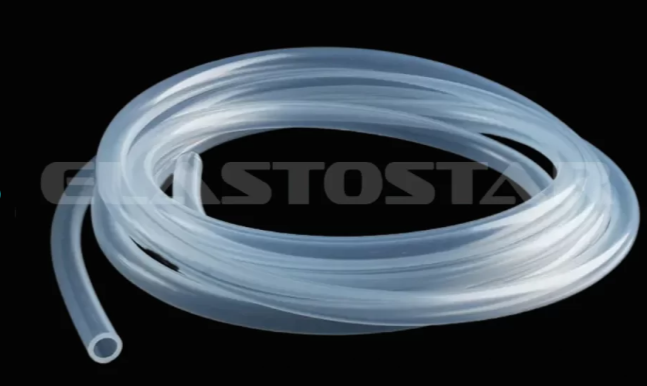
In continuous pumping systems, tubing experiences repeated contact, compression, and release at the same points during each cycle. Over time, this results in predictable wear patterns that affect tubing lifespan and maintenance planning.
Common wear behavior in high-cycle pumping includes:
- Surface abrasion at compression zones.
- Gradual thinning of the tubing wall at pinch points.
- Localized stress buildup caused by repeated deformation.
Understanding silicone tubing wear patterns helps identify early signs of degradation before failure occurs.
Neutral cure silicone offers improved abrasion resistance and more uniform wear characteristics, helping maintain performance under sustained operational stress.
Consistent material properties also support accurate tubing wear analysis, making it easier to monitor wear progression and plan maintenance without unexpected downtime.
4. Replacement Planning for Silicone Tubing in High-Cycle Pumping Lines
Even high-performance tubing has a finite service life in continuous pumping environments. Without a defined replacement strategy, tubing failure can lead to unplanned downtime, product loss, and process disruption.
Effective replacement planning typically considers:
- Gradual loss of elasticity after extended cycling.
- Visible wear or wall thinning at compression points.
- Changes in flow consistency or pump efficiency.
- Accumulated operating hours under continuous use.
Planning for silicone tubing replacement helps facilities move from reactive maintenance to proactive control. Establishing clear tubing change intervals based on wear behavior supports reliable maintenance scheduling and improves uptime planning.
A planned spare strategy also reduces response time during changeovers, strengthening overall process reliability in high-cycle pumping operations.
5. Dimensional Tolerances and Tubing Consistency
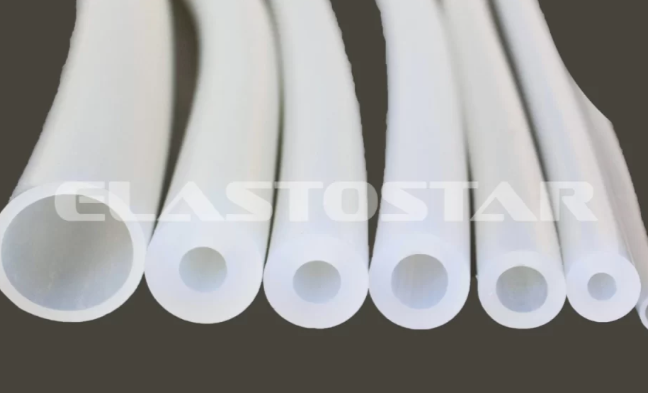
In high-cycle pumping, even small variations in tubing dimensions can affect flow accuracy and wear behavior. Consistent inner diameter, wall thickness, and roundness are essential for predictable pumping performance and uniform stress distribution.
Tight manufacturing tolerances help maintain consistent compression behavior, reduce uneven wear, and improve long-term pumping resilience.
We adhere to recognized RMA precision-tolerance standards to ensure dimensional consistency in extruded silicone tubing.
6. Compliance and Purity Standards
Many high-cycle pumping applications operate in regulated environments where material purity is critical. Pharma tubing and food-processing systems often require compliance with FDA regulations and USP Class VI standards to ensure safety and cleanliness.
Rubber hosing is commonly selected for these applications due to its clean curing process and suitability for handling sensitive fluids.
Our compliance documentation and certifications are available for review.
What are the Common Applications for High-Cycle Silicone Tubing?
Platinum-cured silicone tubing is widely used in:
- Peristaltic pumping systems.
- Pharmaceutical fluid transfer.
- Food and beverage processing.
- Laboratory and bioprocess equipment.
These applications require consistent performance over long-term operations and repeated mechanical cycling.
Why Choose Elastostar Rubber Corporation for High-Cycle Pumping Applications?

Selecting the right silicone tubing supplier is as important as choosing the right material for high-cycle pumping systems.
Manufacturing control, compliance, and lead time all directly affect performance consistency and supply reliability.
Elastostar Rubber Corporation supports demanding pumping applications through:
- Products that meet USP Class VI, Section 87 & 88 compliance, suitable for regulated and sensitive processes.
- Custom extruded profiles, O-rings, gaskets, and sheet materials to application-specific requirements.
- Reverse engineering support, with services spanning prototype development through full production runs.
- Design assistance to help optimize tubing performance in high-cycle environments.
- Shortest lead time delivery, reducing downtime and inventory pressure.
- Custom manufacturing backed by a large production facility, supporting both small and high-volume needs.
- Proudly Made in USA, ensuring controlled processes, quality consistency, and regulatory alignment.
These capabilities allow us to deliver Medical tubing solutions that support long-term reliability in continuous pumping systems.
Recommended Reads
- Platinum-Cured Silicone Tubing in High-Cycle Pumping Applications
- Is Platinum-Cured Silicone Tubing Safe for High-Purity Applications?
- Is Platinum-Cured Silicone Tubing Worth the Investment Compared to Offshore Alternatives?
Conclusion
High-cycle pumping systems place ongoing mechanical and thermal demands on tubing, making material behavior critical to long-term performance. Repeated compression, continuous motion, and localized heat generation gradually affect fatigue life, elastic recovery, and wear patterns. Tubing that cannot maintain stability under these conditions increases the risk of inconsistent flow, downtime, and unplanned maintenance.
If you are assessing tubing for high-cycle pumping or need support with material selection, tolerances, or compliance, you can contact us to discuss your application requirements.
Platinum-cured silicone tubing delivers reliable performance under repetitive motion, predictable wear behavior, and stable operation in demanding industrial and regulated environments.
FAQs
Q1. How long does silicone tubing last in high-cycle pumping?
The service life of rubber tubing in high-cycle pumping depends on pump speed, compression frequency, temperature, and fluid type. In peristaltic pumping, it generally offers a longer fatigue life in tubing than standard rubber. Planned inspection and replacement help prevent unexpected failure.
Q2. Why is elastic recovery critical in high-cycle pumping applications?
Elastic recovery allows tubing to return to its original shape after each compression cycle. In high-cycle pumping applications, poor recovery can lead to flow inconsistencies and accelerated wear. Silicone tubing’s elastic recovery helps maintain stable tubing performance during long-run operations.
Q3. How does heat affect platinum-cured silicone tubing in pumps?
Continuous operation generates heat in pumps, which can degrade certain materials over time. Custom silicone hoses provide strong heat resistance, maintaining flexibility during high-speed pumping. Its thermal stability helps reduce deformation and early failure.
Q4. What causes wear in silicone tubing used for continuous pumping?
Wear in silicone tubing for continuous pumping is caused by repeated compression, friction, and operational stress at the same contact points. This leads to predictable wear patterns in silicone tubing, such as surface abrasion and wall thinning. Uniform wear supports easier maintenance planning.
Q5. When should silicone tubing be replaced in high-cycle pumping systems?
Silicone tubing replacement planning is based on visible wear, loss of elasticity, or changes in flow performance. In high-cycle pumping systems, many operators follow defined tubing change intervals to improve process reliability. Proactive replacement reduces unplanned downtime.