Custom silicone rubber molding is one of the most reliable methods for creating precise, durable components for modern engineering. It allows silicone to be shaped into clean, accurate parts that perform well under heat, pressure, movement, and long-term use.
From medical devices to EV systems and industrial machinery, molded silicone parts deliver reliable performance when other materials fail.
In this blog, we will break down the complete molding process, from how parts are prepared, molded, tested, and finished, so you can understand what goes into producing high-quality custom silicone components and how Elastostar delivers consistent, dependable results.
Key Takeaways
- Custom silicone rubber molding produces precise, durable, high-performance components for medical, automotive, aerospace, electronics, and industrial systems.
- The molding process succeeds only when material selection, mold design, and preparation are done correctly.
- Various molding methods, such as compression, transfer, and LSR injection, enable engineers to produce both simple and highly detailed silicone parts.
- Strong quality control ensures each molded component meets dimensional accuracy, hardness, mechanical strength, and safety standards.
- Elastostar delivers reliable molded products with tight tolerances, FDA/USP/UL-compliant grades, and consistent U.S.-based manufacturing.
Table of Contents
What is Silicone Rubber Molding?
Silicone rubber molding is the process of shaping silicone into precise, high-performance components using heat, pressure, and engineered tooling. It allows manufacturers to produce parts with tight tolerances, complex geometries, and consistent mechanical properties.
Because silicone remains stable under extreme temperatures, movement, and environmental stress, custom silicone rubber molding is widely used in medical devices, electronics, automotive systems, aerospace assemblies, and industrial machinery.
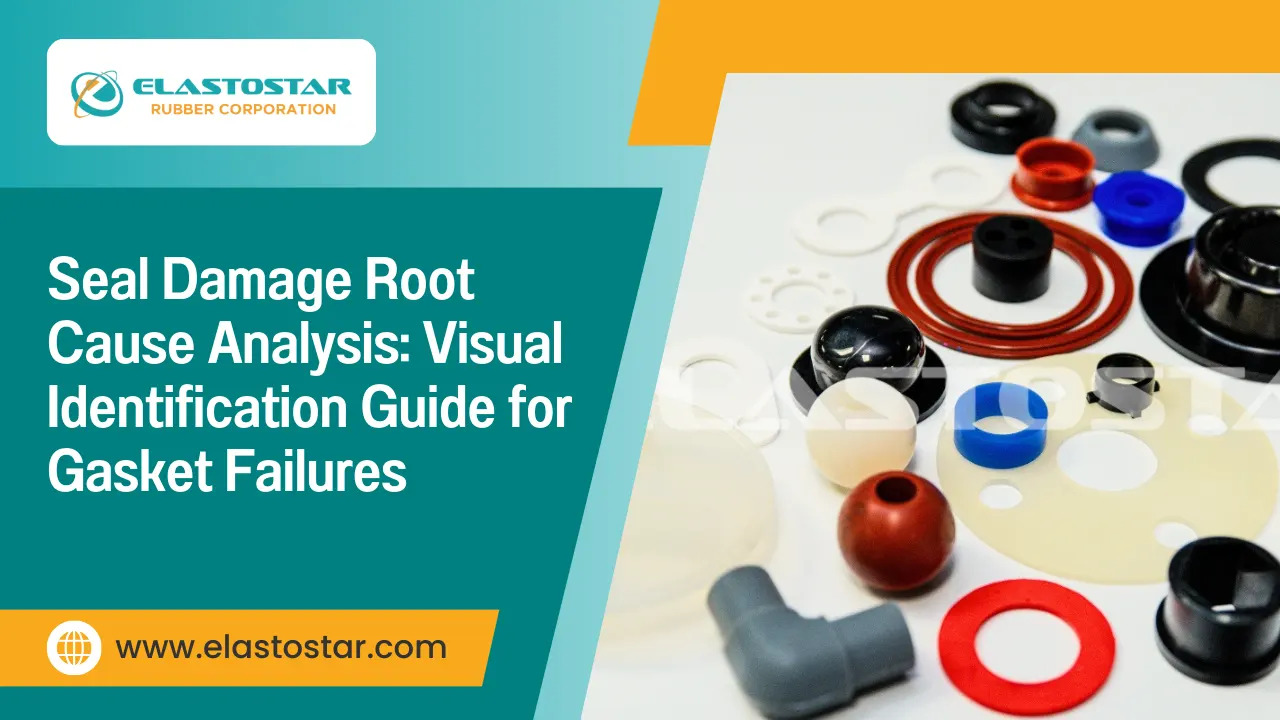
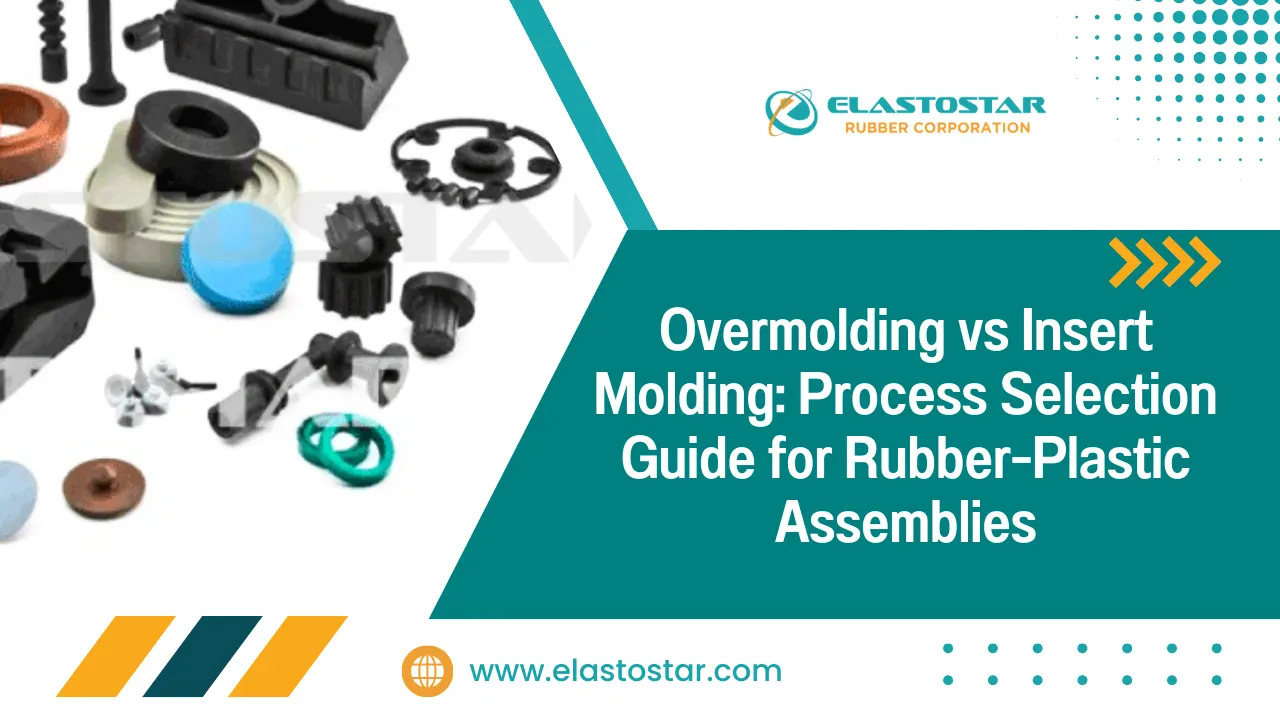
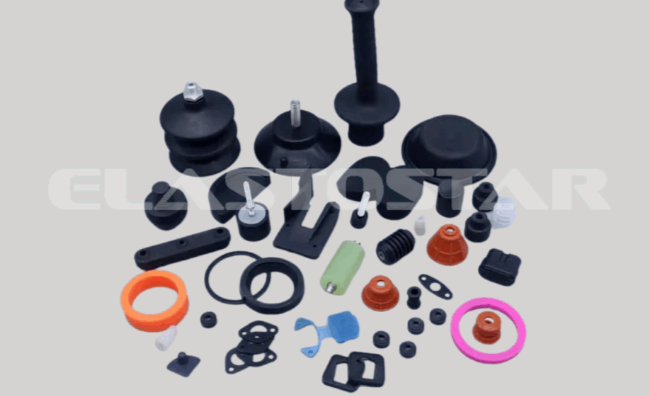
At Elastostar Rubber Corporation, we mold a wide range of engineered products, including O-rings, gaskets, grommets, diaphragms, bumpers, vibration pads, protective caps, and custom precision components.
Each part is manufactured to meet strict regulatory, durability, and performance standards, ensuring long-term reliability in demanding applications.
Preparing for Silicone Molding
Effective silicone mold preparation begins with selecting the right silicone grade, defining part geometry, and finalizing the mold design. Engineers evaluate hardness, tolerance requirements, temperature conditions, and the final part’s function.
Once specifications are confirmed, CAD models and prototypes are reviewed to ensure smooth material flow, proper venting, and clean parting lines. Tooling is then created using steel or aluminum molds built to support accurate curing and consistent cycle times.
This preparation stage ensures custom-molded components such as O-rings, gaskets, seals, and precision inserts are produced with stable dimensions, reliable performance, and minimal defects.
Also Read-Silicone Rubber Molding: 3 Key Types And Applications
What are the Silicone Molding Techniques and Technologies?
Custom silicone production relies on specialized silicone molding technologies that allow engineers to achieve tight tolerances, smooth surface finishes, and durable performance.
Each technique supports different part geometries, enabling the manufacture of high-precision components for medical, automotive, electronic, and industrial applications.
Primary Molding Technologies
- Compression Molding
Suitable for thicker parts and uniform seals. Often used for industrial gaskets, pads, and heat-resistant components. - Transfer Molding
Supports finer details, insert molding, and reduced part flash. Ideal for sensors, reinforced seals, and components requiring tighter dimensional accuracy. - Liquid Silicone Rubber (LSR) Injection Molding
Designed for high-volume runs and micro-precision parts. Used for medical-grade seals, miniature gaskets, and complex molded geometries.
| Technology | Best Used For | Key Benefit |
| Compression | Thicker seals, durable components | Strong material integrity |
| Transfer | High-detail molded parts | Cleaner cavities & better accuracy |
| LSR Injection | High-volume precision parts | Automated processing & repeatability |
What are the Quality Control and Testing in Silicone Molding?
Strong silicone rubber quality control ensures every molded part performs reliably in its final application. During inspection, engineers verify dimensions, hardness, and material strength to confirm the part meets exact specifications.
Mechanical tests, such as tensile, compression, and tear resistance, measure durability, while thermal tests confirm stability under heat or cold.
A final visual inspection removes defects such as surface irregularities and excess flash. This structured testing process ensures molded components, O-rings, seals, gaskets, and custom shapes deliver consistent performance in medical, automotive, aerospace, electronic, and industrial systems.
Also Read – How to Test the Quality of Rubber
Step-by-Step Silicone Molding Production Workflow
The silicone molding process follows a clear production flow that helps engineers get consistent, high-quality molded parts.
Each step is designed to protect material integrity, support tight tolerances, and deliver reliable performance across medical, automotive, aerospace, and industrial applications.
Step 1 — Material Mixing & Preparation
Silicone base, pigments, and curing agents are blended until the material reaches the right flow and consistency. Proper mixing ensures predictable hardness and long-term stability for parts such as Elastostar molded O-rings, grommets, and diaphragms.
Step 2 — Mold Preparation & Preheating
Molds are cleaned, inspected, and brought to the correct temperature. This helps silicone fill the cavities smoothly and reduces defects. Components like custom gaskets, pads, and precision inserts benefit greatly from a clean, well-prepared mold.
Step 3 — Placing or Injecting Silicone into the Mold
Depending on the molding technology, compression, transfer, or LSR injection, the material is loaded into the cavity. This step allows engineers to create both simple shapes and detailed components, including miniature seals and conductive molded silicone parts.
Step 4 — Curing / Vulcanization
Heat and pressure transform the raw silicone into its final, durable form. Good curing ensures strength, elasticity, and shape retention, especially for parts used in harsh environments, such as heat-resistant molded pads and industrial sealing components.
Step 5 — Demolding the Finished Part
Once cured, the part is removed from the mold. Controlled demolding protects delicate features on components like thin-wall washers, valves, and sensor seals, ensuring accuracy from batch to batch.
Step 6 — Post-Curing (When Required)
Some applications—especially medical, food-grade, or high-heat systems need an additional post-curing cycle. This boosts purity, stability, and heat resistance. It’s an essential step for Elastostar’s FDA-compliant and USP Class VI molded parts.
Step 7 — Trimming and Finishing
Flash and excess edges are removed to achieve clean, smooth profiles. This is especially important for components such as vibration pads, protective caps, and custom-molded bumpers, where fit and appearance matter.
Step 8 — Secondary Processing & Final Checks
Parts may undergo additional steps such as PSA backing, bonding, or precision cutting.
Every batch is then inspected for:
- Dimensional accuracy
- Surface quality
- Hardness and tensile performance
- Overall consistency
This final review ensures each molded part meets our standard for reliability and long-term performance.
What are the Applications of Custom Molded Silicone Parts?
Custom-molded silicone components are used across industries that require stable performance under heat, movement, vibration, or strict regulatory conditions.
Because silicone can be shaped into complex, tight-tolerance designs, it supports both functional and high-precision engineering needs.
1. Medical & Pharmaceutical Equipment
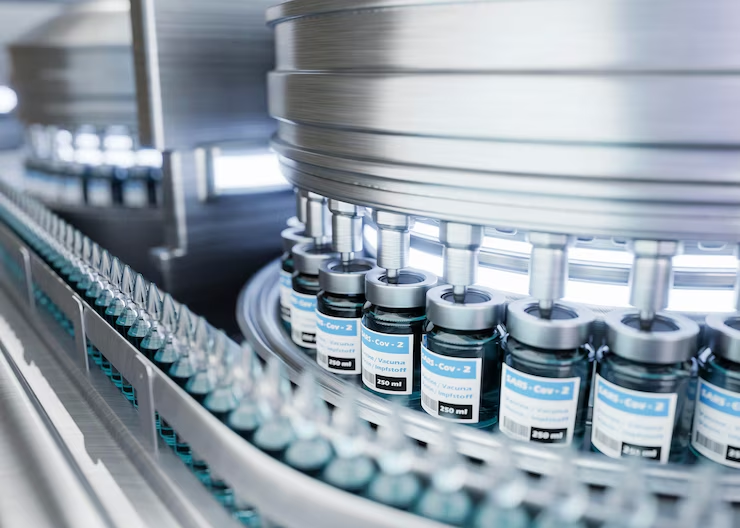
Molded silicone is preferred for parts that require purity, flexibility, and compatibility with sterilization processes.
Examples include:
- Medical-grade seals.
- Silicone valves.
- Tubing connectors.
- Pump diaphragms.
Elastostar’s platinum-cured tubing molded components are widely used in clean, hygienic environments.
2. Food & Beverage Processing Systems
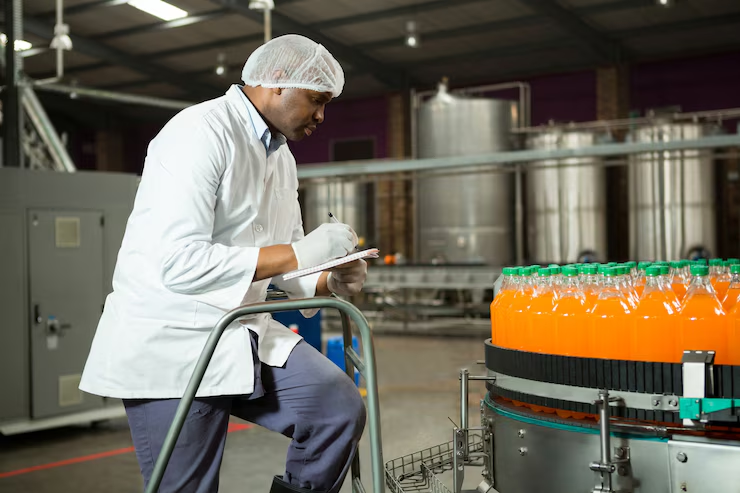
Food-grade silicone molding supports hygienic sealing and high-temperature performance.
Typical applications:
- Food-contact gaskets.
- Industrial Oven seals.
- Sanitary processing components.
- Molded silicone stoppers and plugs.
Our FDA-compliant silicone grades ensure stable performance during repeated washdowns.
3. Automotive & Electric Vehicle Assemblies

Silicone withstands heat, vibration, oils, and mechanical stress, for:
- Grommets.
- Heat-resistant gaskets.
- Turbo system seals.
- EV battery insulation pads.
4. Aerospace & Defense Systems

Engineers rely on silicone for components that are exposed to altitude changes, extreme heat, and pressure.
Applications include:
- High-temperature seals.
- Vibration isolators.
- Thermal barriers.
- Precision silicone inserts.
Our A-A-59588 / ZZ-R-765 specification materials are used for mission-critical molded parts.
5. Electronics, Sensors & EMI Protection

Silicone provides insulation and shock resistance for sensitive equipment.
Common uses:
- Molded keypads.
- Sensor seals.
- Soft-touch switches.
- Conductive silicone shielding components.
6. Industrial Machinery & High-Temperature Equipment
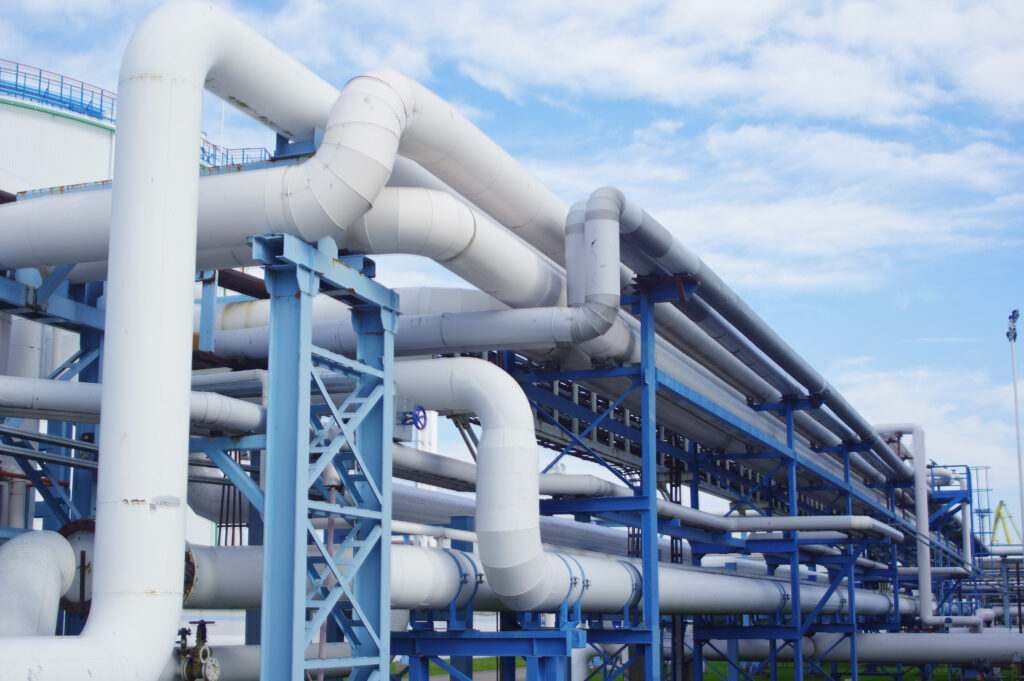
Molded silicone can endure pressure, friction, and thermal cycling without degrading.
Applications include:
- Industrial oven seals.
- Machinery bumpers.
- Valve seats.
- High-flex diaphragms.
Our molded components maintain long-term sealing force even under continuous stress.
7. HVAC, Construction & Outdoor Systems
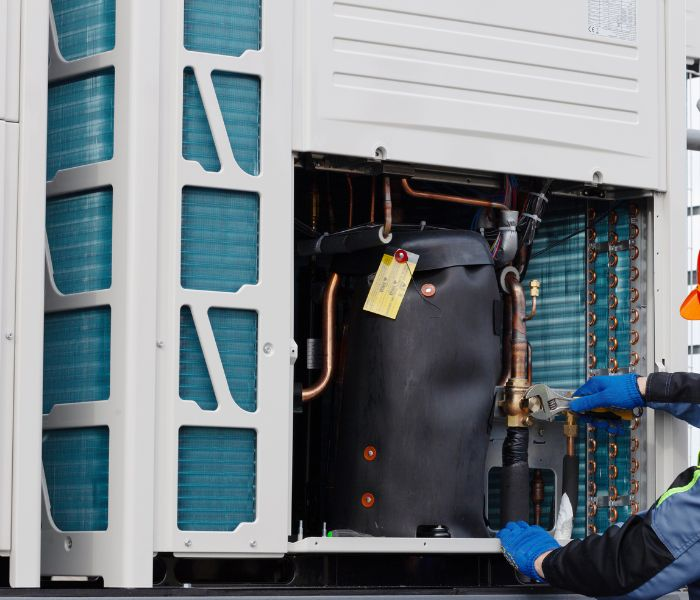
Silicone’s UV, ozone, and weather resistance make it ideal for building and environmental sealing.
Typical parts:
- Molded glazing seals.
- Outdoor gaskets.
- Insulation components.
Also Read- What Industries Use Silicone Tubing and O-Rings?
Why Choose Elastostar Rubber Corporation for Custom Silicone Molding?

As a US-based custom silicone products manufacturer, we focus on molded parts that retain their shape, seal properly, and perform reliably in real operating conditions.
Our team supports you from design review through full production, ensuring your parts perform as expected in the field, not just on paper.
What can you expect from us?
- Tight-tolerance molding for seals, gaskets, O-rings, pads, and inserts.
- FDA, USP Class VI, UL 94, AA-59588, and ASTM-compliant silicone grades.
- Prototype-to-production support for new or reverse-engineered parts.
- Custom hardness, color, density, and special properties like conductivity or flame resistance.
- Stable, made-in-USA supply with consistent quality and reliable lead times.
Recommended Reads
- Manufacturing Process of Silicone Products
- Curing vs Vulcanisation: What’s the Difference?
- Silicone Rubber Made in USA: Worth the Investment?
Conclusion
Custom silicone rubber molding gives engineers the accuracy, durability, and design freedom needed for modern applications. When the right material, tooling, and molding method come together, the result is a component that performs reliably under temperature changes, mechanical stress, and long-term use.
At Elastostar, we focus on producing molded parts that meet strict performance and compliance requirements. Our facility supports everything from prototypes to full production, ensuring each seal, gasket, O-ring, insert, or specialty component is built to last.
If your project needs dependable custom-molded silicone parts, contact our team, which can guide you on material selection, tooling, and the best molding approach for your application.
FAQs
Q1. What is the silicone rubber molding process?
The silicone rubber molding process involves shaping raw silicone into precise components using heat, pressure, and engineered tooling. It enables manufacturers to produce tight-tolerance parts, such as O-rings, seals, gaskets, and custom components, for medical, automotive, aerospace, and industrial applications.
Q2. What preparation is required before molding silicone rubber?
Preparation includes selecting the correct silicone grade, reviewing the CAD design, finalizing mold geometry, and ensuring proper venting and flow. This step ensures the molded part meets the required performance, durability, and dimensional accuracy.
Q3. What are the different techniques used in silicone molding?
Silicone molding includes compression molding, transfer molding, and liquid silicone rubber (LSR) injection molding. Each method supports a range of complexities, from simple seals to high-precision medical and electronic components.
Q4. How is quality control maintained in silicone rubber molding?
Quality control involves checking dimensions, hardness, tensile strength, compression set, and visual appearance. Final inspection ensures each molded part performs reliably in its intended application before it leaves the facility.
Q5. Which products are commonly made using silicone molding?
Every day molded products include fluroslicone O-rings, gaskets, diaphragms, vibration pads, valves, connectors, protective caps, and custom-shaped components for regulated and industrial systems.
Q6. Can silicone molding meet FDA, USP Class VI, or UL requirements?
Yes. With the right silicone grade, molded components can meet FDA food-contact requirements, USP Class VI for medical safety, and UL 94 flame-resistance standards.
Q7. Is silicone molding suitable for extreme temperature environments?
Absolutely. Silicone maintains flexibility, sealing force, and structural integrity in high heat, freezing temperatures, UV exposure, and outdoor conditions, for demanding environments.
Q8. How long does it take to produce custom-molded silicone parts?
Timelines vary based on design complexity and tooling needs. Simple molds may be completed quickly, while intricate or multi-cavity tools require longer engineering and testing time.