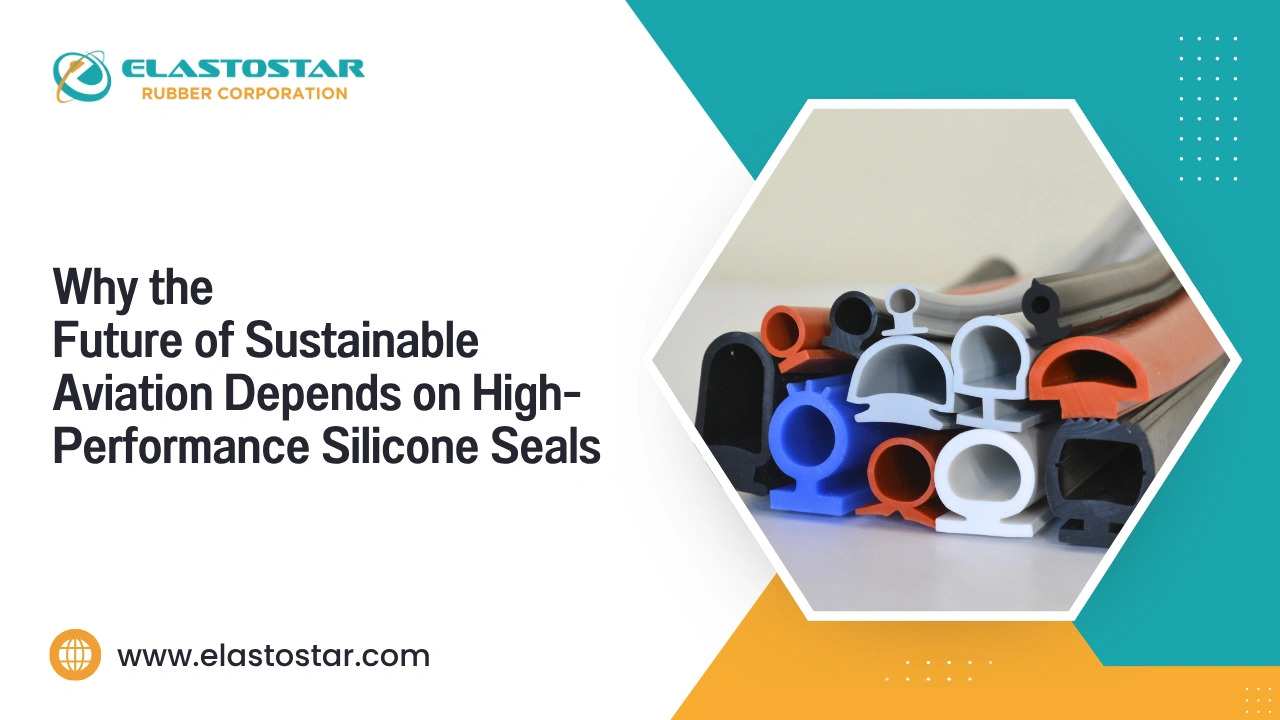
Aviation is entering a new era where sustainability is no longer an option. Airlines and aircraft manufacturers are working toward lower emissions, cleaner materials, and better energy efficiency. While engines and fuels often take the spotlight, the reliability of sealing systems also plays a major role in protecting performance and the environment.
High-performance silicone helps aircraft run cleaner by delivering durability, heat stability, and weight advantages in mission-critical zones. At Elastostar Rubber Corporation, we engineer sustainable aviation silicone seals that support greener, safer, and more efficient flight systems.
In this blog, we will explore why silicone is essential to the future of sustainable aviation and where it makes the biggest impact.
Key Takeaways
- Silicone supports sustainable aviation
Silicone helps aircraft run cleaner and more efficiently while meeting modern eco-friendly standards. - Performs in extreme conditions
It stays flexible and strong in both freezing altitudes and hot engine areas. - Reduces fuel use and emissions
Lightweight silicone seals help cut overall aircraft weight and improve fuel efficiency. - Lasts longer and lowers waste
Durable silicone components reduce replacements, saving time and materials. - Ready for next-gen aircraft
Ideal for electric and hydrogen propulsion systems that need safe, high-performance sealing. - Trusted U.S. manufacturing
Elastostar provides high-quality, aerospace-grade silicone products made in the USA.
Why Silicone Matters in Sustainable Aviation Engineering?
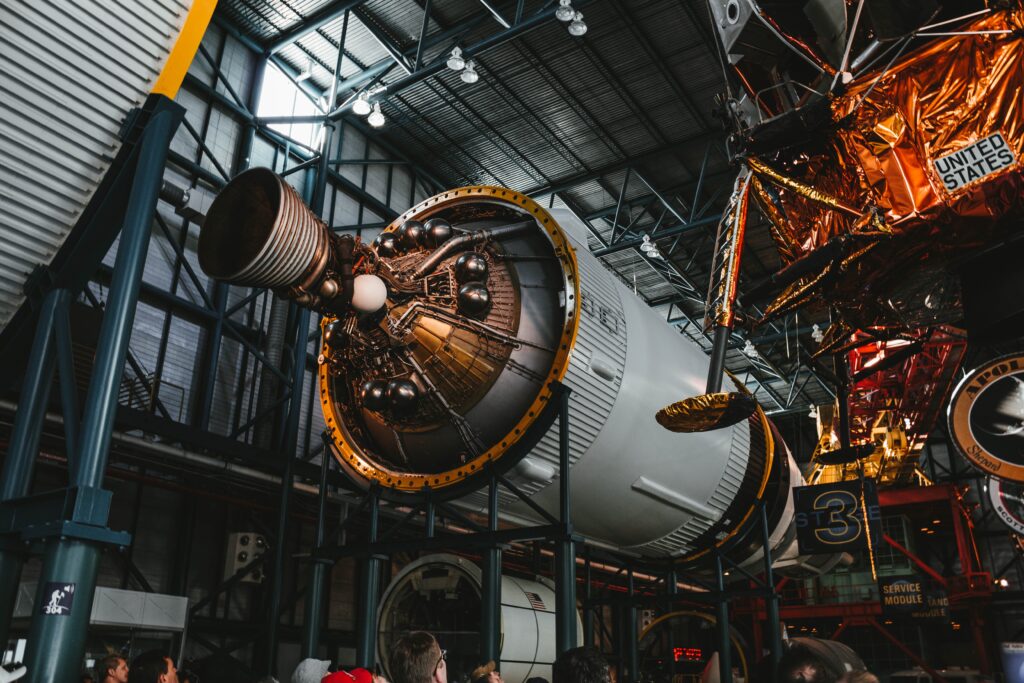
Aircraft systems must operate flawlessly in extreme environments from scorching engine zones to freezing high-altitude conditions. Silicone enables high-performance sealing that protects critical systems while supporting efficiency and safety goals.
As aviation transitions to more eco-friendly aviation standards, silicone materials help reduce environmental impact without compromising functionality.
How does silicone support sustainable aircraft design?
- Sustainable aviation silicone seals protect systems from pressure loss and leaks.
- Maintains flexibility from sub-zero temps to high-heat engine regions.
- Lightweight materials help reduce an aircraft’s overall mass.
- Longer-lasting seals reduce waste and improve lifecycle sustainability.
- Trusted aerospace silicone seals that support efficiency across flight systems.
We manufacture precision rubber silicone tubing and hoses used throughout the aerospace industry in aircraft applications such as fuel systems, cabin pressurization, and cooling lines, where reliable sealing directly influences performance and sustainability.
Also Read: The Importance of Silicone Rubber in the Aerospace Industry
Proven Performance Benefits of Silicone Seals in Aircraft
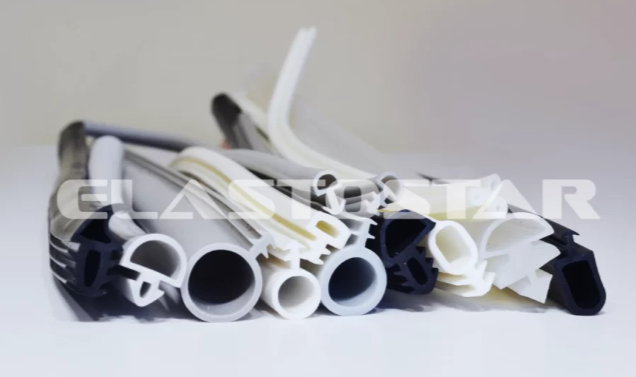
Modern aircraft are subjected to intense thermal, chemical, and mechanical stress. Silicone materials provide reliable sealing under these extreme operational conditions, improving safety and performance in the sky.
Why does silicone outperform other sealing materials?
- Heat-resistant silicone performs in both engine-level heat and freezing altitudes.
- Resists aviation fuels, hydraulic fluids, and ozone exposure.
- Flexible enough to maintain tight sealing under high vibration.
- Protects avionics, wiring, and sensitive cabin systems.
- Perfect for high-performance seals with long-term stability.
Elastostar Rubber Corporation delivers silicone gaskets for silicone seals for aircraft applications where reliability and lightweight construction drive cleaner and more efficient flight.
These durable aerospace seals help reduce maintenance downtime and support better operational efficiency.
Also Read: Top Benefits of Using Silicone Rubber in the Aerospace Industry
How Silicone Seals Help Reduce Carbon Emissions in Aviation?
Reducing emissions starts with improving efficiency across every aircraft system. Silicone materials play a behind-the-scenes role in enabling green aircraft technology and lowering environmental impact.
- Eco-friendly aviation materials that resist wear and reduce replacement waste.
- Superior sealing prevents air leaks and improves aerodynamics.
- Insulation benefits help engines and electronics run more efficiently.
- Supports cleaner systems for hydrogen and electric propulsion.
- A key material for reducing carbon footprint with silicone.
With rubber window seal components used in mission-critical aviation systems, helping airlines and manufacturers adopt silicone, reducing carbon emissions, and strategies that make each flight cleaner and more sustainable.
Real Aircraft Zones Powered by Silicone Seals

Silicone plays a crucial role across multiple aircraft systems that require precision, safety, and efficiency. From engines to cabin environments, silicone sealing solutions protect critical components at every stage of flight.
Key Aerospace Applications
- Fuel systems — secure sealing prevents leaks and vapor emissions.
- Thermal management systems — stability in high heat + freezing conditions.
- Doors and windows — cabin pressurization and passenger comfort.
- Avionics and electronics — insulation from moisture and vibration.
- Hydrogen + electric propulsion — advanced sealing for next-gen aircraft technologies.
Also Read– Top Applications of Silicone Rubber in the Aerospace Industry
Why Silicones’ Durability Supports Sustainability Goals?
Aviation components must resist extreme stress from temperature changes to constant vibration cycles. When seals fail early, aircraft efficiency suffers and waste increases.
That’s where silicone offers a major advantage. Its long-term stability keeps aircraft systems functioning efficiently flight after flight.
How does silicone deliver long-term value?
- Long-lasting silicone seals reduce replacement frequency and maintenance downtime.
- Designed for high-stress environments, such as engine and fuel systems.
- Aerospace-grade silicone withstands pressure changes during takeoff and landing.
- Supports cleaner operations by minimizing material waste.
- A key contributor to overall silicone longevity in modern aircraft design.
Silicone Rubber O-rings for durable silicone for aerospace applications, helping aviation brands maintain both performance and sustainability targets over an extended service life.
Also Read: Comprehensive Rubber Solutions in the Aviation Industry by Elastostar
Why Aerospace Leaders Trust Elastostar Rubber Corporation Silicone Solutions?

We understand that aviation sustainability depends on materials that perform without compromise. That’s why our silicone sealing solutions are engineered for long-term reliability in mission-critical aerospace environments.
As a trusted rubber product manufacturer, we meet strict compliance standards, such as USP Class VI, to ensure safety, performance, and documentation accuracy.
With in-house design, reverse engineering, and rapid prototyping, we support evolving aircraft technologies with precision and speed. Our U.S. manufacturing facility ensures fast delivery, full traceability, and consistent quality.
At Elastostar Rubber Corporation, we help aviation leaders build cleaner, smarter, and more efficient systems ready for the future of sustainable flight.
Recommended Reads
- Top Uses for Silicone Rubber in Aircrafts
- Fluorosilicone vs Silicone: What’s the Difference?
- Aerospace Silicone Rubber Seal & Gasket Products
Conclusion
Sustainable aviation requires smarter material decisions at every level of aircraft design. Our high-performance silicone sealing solutions help improve energy efficiency, lower emissions, and extend component life, making each flight cleaner and more reliable.
By delivering superior durability under heat, pressure, and vibration, our silicone supports the transition to advanced aircraft systems, including electric and hydrogen propulsion. We combine proven engineering with responsive U.S.-based manufacturing to meet evolving sustainability and performance goals.
At Elastostar, we are committed to helping aviation leaders build a safer, greener future one seal, one system, and one aircraft at a time. Talk to our aerospace materials team to explore high-performance silicone sealing solutions engineered for the future of aviation.
FAQs
Q1. Why is silicone essential for sustainable aviation?
Silicone plays a major role in sustainable aviation by helping aircraft operate cleanly and efficiently. With exceptional heat resistance and material stability, our silicone sealing solutions protect critical systems from leaks, contamination, and performance loss. This reduces waste, enhances safety, and supports the industry’s shift toward eco-friendly sealing solutions for aircraft. Our goal is to make every flight smarter and greener through better materials.
Q2. How do silicone seals improve the performance of aircraft?
Our extruded silicone components provide reliable sealing under extreme pressure, at high altitudes, and during rapid temperature changes. This helps prevent air leaks, fuel loss, and fluid failures that can compromise performance. These durable silicone seals for aircraft also reduce maintenance needs, improve energy efficiency, and support the advanced engineering requirements of modern aerospace systems.
Q3. How does silicone help reduce carbon emissions in aviation?
When seals perform better, aircraft waste less energy. Our silicone materials help maintain stable system performance, improve fuel efficiency, and minimize thermal loss. By preventing avoidable emissions through stronger sealing protection, silicone becomes a key contributor to carbon-efficient aviation and more sustainable flight operations.
Q4. Why is silicone rubber more durable than other sealing materials in aerospace?
Silicone maintains its strength under vibration, pressure cycles, and temperature extremes that often weaken other materials. This exceptional durability delivers long-lasting silicone performance, reducing part replacements, lowering waste, and keeping aircraft in service longer. In aerospace environments where reliability is non-negotiable, silicone consistently outperforms conventional seal materials.
Q5. Where are silicone seals used in modern aircraft?
Silicone components are used in fuel systems, cabin pressurization, avionics sealing, thermal management, hydraulic systems, and next-generation propulsion applications such as electric and hydrogen aircraft.
Q6. Can silicone support the shift to electric and hydrogen aviation?
Yes. Silicone offers the insulation, heat stability, and sealing protection needed for high-voltage battery systems and cryogenic hydrogen fuel environments, helping new propulsion technologies operate safely and efficiently.
Q7. Are aerospace-grade silicone seals compliant with aviation safety standards?
Yes, our materials are formulated and tested to meet strict industry specifications for high-stress, high-temperature aerospace environments, ensuring reliable performance during inspection and certification.