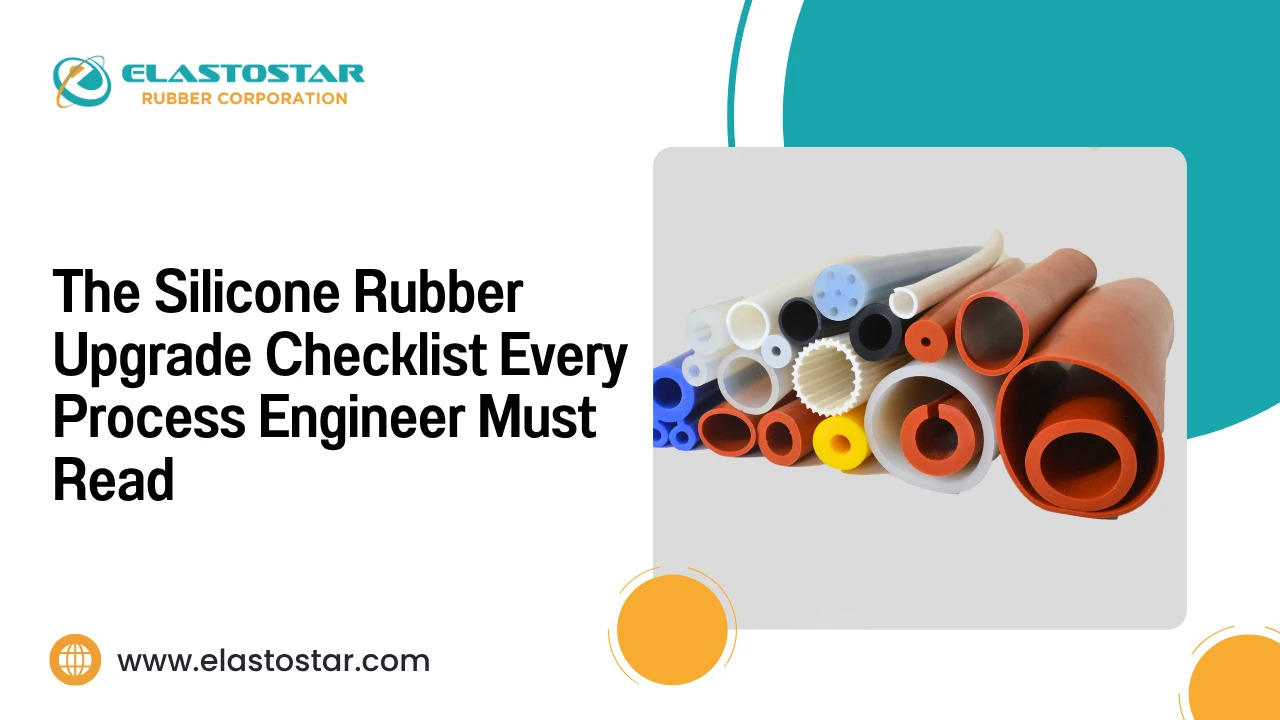
As a process engineer, you understand the importance of reliable extruded silicone rubber parts to your production line. Yet many teams continue using outdated seals, gaskets, or tubing longer than they should.
On the surface, these components may still work, but behind the scenes, they can quietly reduce production line silicone efficiency, increase maintenance needs, and put compliance at risk.
This blog is designed as a silicone rubber upgrade checklist, a practical process engineer’s guide. It will help you recognize the signs of outdated silicone parts, know when to act, and choose upgrades that enhance durability, compliance, and long-term ROI.
Key Takeaways
- Outdated silicone seals, gaskets, or tubing reduce efficiency and put compliance at risk.
- Common warning signs include leaks, fatigue cracks, compression loss, and reduced sealing pressure.
- High-performance silicone parts withstand CIP/SIP sterilization and deliver longer service life.
- Platinum-cured silicone is cleaner, safer, and FDA/MDR/USP compliant — ideal for regulated industries.
- Choosing the right supplier partner ensures audit-ready documentation, traceability, and QA validation.
- Total ROI comes from reduced downtime, stronger seals, and long-lasting performance.
- Elastostar Rubber Corporation delivers platinum-cured O-rings, gaskets, tubing, and extrusions with full compliance and U.S.-based reliability.
Table of Contents
A Practical Checklist for Upgrading Silicone Components
Step 1 — Identify When to Upgrade Silicone Components

The first step in your silicone rubber upgrade checklist is knowing when parts are no longer performing as they should. Even if seals, gaskets, or silicone tubing appear intact, small changes in their condition can impact your process.
- Look for signs of fatigue, such as cracks, brittleness, or visible wear on sealing edges.
- Notice if equipment is requiring more frequent adjustments, this points to industrial silicone component performance issues.
- Watch for leaks, compression set, or reduced sealing pressure, which often signal hidden inefficiencies.
- Don’t wait for a full breakdown detecting outdated parts early prevents costly downtime and protects compliance.
Step 2 — Evaluate High-Performance Silicone Properties
Once you know when parts need replacing, the next step is choosing materials that can truly handle your process. Standard silicone may initially work, but it often struggles with silicone fatigue during production, leading to unexpected failures.
- Seal compression loss is a common issue where parts lose their ability to maintain tight sealing over time.
- Thermal degradation weakens standard silicone in high-temperature environments.
- Repeated cleaning cycles expose CIP/SIP wear patterns that reduce service life.
By switching to high-performance silicone rubber sponge components, engineers get longer service cycles, better reliability under stress, and fewer maintenance disruptions.
Step 3 — Compare Standard vs Platinum Silicone Upgrades
Not all silicone grades are created equal, and understanding the difference can save engineers from future compliance and performance issues. Standard peroxide-cured silicone is widely used, but it often leaves behind residual byproducts that limit its suitability for sensitive applications.
A platinum silicone rubber upgrade eliminates these risks. Platinum-cured elastomers are cleaner, have lower extractables, and deliver consistent performance across food, pharma, and biotech environments.
| Feature | Peroxide-Cured Silicone | Platinum-Cured Silicone (Elastostar Rubber Corporation) |
| Purity | May leave residual byproducts | Ultra-clean, low extractables |
| Compliance | Limited in sensitive industries | FDA, MDR, USP Class VI approved |
| Durability | Moderate performance under stress | Longer lifecycle, reduced fatigue |
| Applications | General industrial use | Pharma tubing, O-rings, gaskets, custom extrusions, silicone sheets |
| Audit Readiness | Higher risk of non-conformance | Fully compliant and audit-ready |
With Elastostar Rubber Corporation platinum-cured tubing, O-rings, gaskets, extrusions, and sheet materials, engineers can upgrade to materials designed for compliance, reliability, and performance in regulated environments.
Also Read– What is the Highest Grade Silicone?
Step 4 — Understand the Benefits of Industrial Silicone Upgrades
Upgrading to better silicone parts isn’t just about replacing old components — it’s about transforming how your production line runs. Engineers who choose premium materials see stronger seals, fewer breakdowns, and higher efficiency.
Benefits at a Glance
| Benefit | Impact on Engineers | Elastostar’s Role |
| Sealing Performance | Stronger seals, fewer leaks | High-precision O-rings & gaskets |
| Downtime Reduction | Longer runs without failures | CIP/SIP-resistant tubing & seals |
| ROI of Upgraded Parts | Fewer replacements, lower costs | Long-life productivity silicone elastomers |
With Elastostar Rubber Corporation’s industrial-grade silicone components, process engineers gain higher productivity, more reliable operations, and measurable returns on every upgrade.
Backed by reverse engineering support, prototype-to-production runs, and custom manufacturing at scale, we ensure every upgrade delivers both performance and cost-efficiency.
Read More– Which Is Better: Peroxide-Cured or Platinum-Cured Silicone Tubing?
Step 5 — Ensure Compliance and Validation for Every Upgrade
For process engineers, upgrading silicone parts is not just a material change; it’s a compliance responsibility. Every new component must be validated, documented, and approved before it enters a regulated production line.
- Always demand silicone rubber parts that comply with FDA, MDR, HACCP, or USP Class VI standards.
- Confirm the OEM approval process for silicone to ensure the component fits seamlessly into existing systems.
- Work only with a validated silicone upgrade supplier who can provide Certificates of Analysis, traceability, and QA reports.
- Use ECR/ECO silicone specification updates (Engineering Change Requests/Orders) to maintain proper documentation and stay audit-ready.
Elastostar Rubber Corporation supports engineers with full traceability, engineering documentation, and validation-ready components, making compliance simpler and audits stress-free.
Also Read – FDA-Approved vs FDA-Compliant: Here’s What Sets Them Apart
Step 6 — Choose the Right Supplier Partner?
Even the best material upgrade won’t deliver results without the right supplier behind it. Engineers need a partner who can provide not just parts, but full audit-ready documentation and long-term reliability.
That’s where we stand apart. As a validated silicone upgrade manufacturer, we deliver custom extrusions, gaskets, O-rings, seals, and silicone tubing all manufactured to FDA, MDR, and USP Class VI (Sections 87 & 88) compliance.
Our U.S.-based facility offers the shortest lead time delivery and supports everything from reverse engineering and prototyping to full production runs.
With Elastostar Rubber Corporation, engineers get more than components; they gain a partner proudly Made in USA, committed to quality compliance, and performance.
Recommended Reads
- Elastostar’s Silicone Rubber Extrusion Manufacturing Process
- Silicone Rubber Made in USA – Worth the Investment
- How to Test the Quality of Rubber
Conclusion
For process engineers, a true silicone upgrade is more than just replacing old parts; it’s about achieving compliance, durability, ROI, and supplier confidence. With the right approach, teams can reduce downtime, enhance sealing performance, and ensure audit compliance.
Elastostar Rubber Corporation is your trusted supplier of validated silicone upgrades, delivering audit-ready, platinum-grade, and high-performance silicone solutions, ranging from tubing and gaskets to O-rings and custom extrusions. Every product is backed by comprehensive documentation and compliance with global standards.
Contact Elastostar today to put this silicone rubber upgrade checklist into action and upgrade your silicone parts with total confidence.
FAQs
Q1. How do engineers determine when silicone rubber components need to be upgraded?
Engineers follow a silicone component upgrade checklist that looks for cracks, brittleness, leaks, or loss of elasticity in seals, gaskets, and tubing. Frequent adjustments or reduced sealing pressure are also clear indicators.
Q2. What performance symptoms signal the need to upgrade silicone rubber components?
Signs include silicone fatigue in production, compression set, thermal degradation, and CIP/SIP wear patterns. These reduce service life and reliability, making high-performance silicone a smarter choice.
Q3. How should engineers compare standard silicone to platinum-grade silicone?
Standard peroxide-cured silicone often leaves residual byproducts and has limited compliance. In contrast, platinum-grade silicone is ultra-clean, low in extractables, and meets FDA, MDR, and USP Class VI standards, ideal for food equipment, pharma, and biotech.
Q4. What are the benefits of upgrading silicone rubber components?
Upgrades deliver stronger seals, reduced downtime, and longer service life. For engineers, this means higher productivity, fewer shutdowns, and better ROI from every component.
Q5. How does a silicone upgrade improve process line efficiency?
Better sealing reduces leaks, and durable elastomers withstand cleaning cycles without frequent replacement. This boosts process throughput and ensures compliance across regulated lines.
Q6. What is the correct validation process for silicone rubber upgrades in OEM environments?
Validation requires OEM approvals, Certificates of Analysis, and traceability documents. Engineers also use ECR/ECO change notices to update specifications. Working with a validated silicone upgrade supplier, such as Elastostar Rubber Corporation, ensures that every part is audit-ready.
Q7. How do engineers evaluate and validate silicone upgrade suppliers?
The best suppliers are ISO-certified, FDA/MDR-compliant, and provide full engineering documentation for silicone changes. We support engineers with custom extrusions, O-rings, gaskets, tubing, and complete QA paperwork.