The ocean faces growing pressure from pollution and discarded industrial materials. Every year, tons of synthetic waste enter the water, harming marine life and disrupting ecosystems.
As industries look for eco-friendly marine products, Custom Silicone Rubber for Ocean Pollution control has become an important solution in marine pollution prevention. Its long life and stable nature help reduce waste while performing well in harsh sea conditions.
At Elastostar Rubber Corporation, this focus goes beyond production; it’s about creating sustainable silicone rubber that supports cleaner oceans and safer environments.
In this blog, we’ll explore how marine-safe silicone rubber is helping protect our oceans from pollution.
Key Takeaways
- Silicone rubber stays stable and non-toxic in harsh marine conditions, preventing microplastic pollution.
- Marine-grade silicone supports long-lasting, eco-friendly ocean applications.
- Elastostar’s products — seals, gaskets, and extrusions — reduce waste and improve sustainability.
- Anti-fouling and corrosion-resistant properties keep marine systems clean and efficient.
- Certified materials (USP Class VI, FDA, ISO) ensure safety and reliability for ocean use.
- Elastostar’s marine innovation helps industries protect oceans through sustainable design.
Table of Contents
The Hidden Link Between Industrial Materials and Ocean Pollution
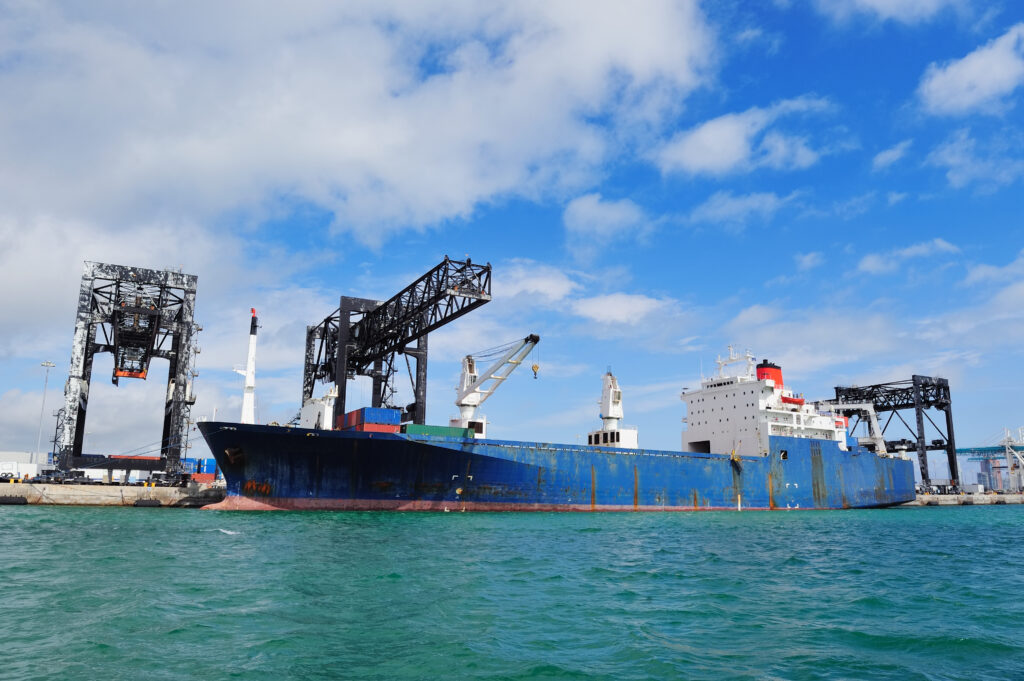
The materials used in ships, offshore systems, and marine equipment often play a greater role in preventing marine pollution than most realize. Many traditional rubbers and plastics slowly break down in saltwater and sunlight, releasing fragments that turn into microplastics. These small particles pollute water, harm marine species, and disturb the ocean’s natural balance.
Through its advanced quality control process, Elastostar Rubber Corporation designs sustainable silicone rubber products that remain stable even in harsh marine conditions.
Unlike ordinary plastics, sponge silicone rubber for ocean pollution control does not flake or release toxic compounds. It keeps its shape, stays flexible, and lasts for years without adding to the environment’s waste.
Why Silicone Rubber Makes a Difference?
| Problem with Common Materials | How Silicone Rubber Helps? |
| Plastics degrade and form microplastics | Remains stable and does not break down |
| Frequent replacements create waste | Long service life reduces landfill impact |
| Corrosion from saltwater exposure | Maintains strength and flexibility |
| Chemical leaching into marine life | Non-toxic and safe for aquatic environments |
Using eco-friendly materials like marine-grade silicone helps reduce ocean waste and supports industries aiming for cleaner, safer marine operations.
Also Read: 6 Reasons Why Custom Silicone Rubber Products Perform Better
Why Silicone Rubber Is a Game Changer for Marine Sustainability?
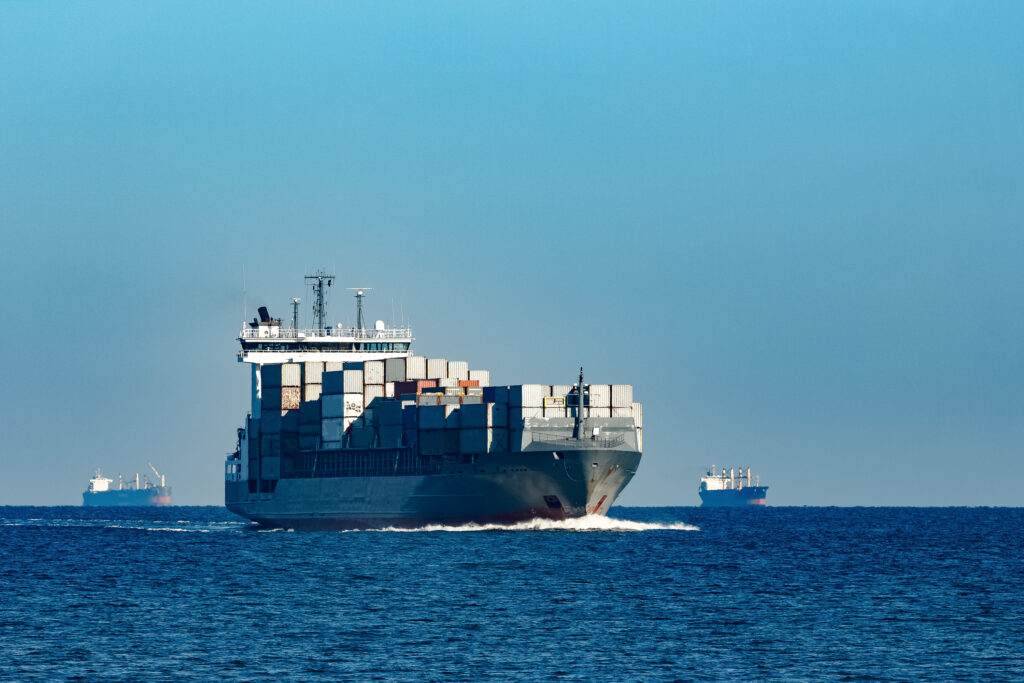
Keeping the ocean clean starts with using materials that can stand the test of time. Unlike plastics that degrade in sunlight and saltwater, sustainable silicone rubber remains strong, flexible, and stable for years. Its chemical structure does not react with seawater, so it remains safe for marine systems and aquatic life.
In marine pollution prevention, silicone acts as a silent protector it does not shed particles, release toxins, or affect water quality.
This makes it ideal for long-term use in underwater rubber seals, hoses, and marine-grade components. With every application, industries cut down waste and lower the need for frequent replacements, helping build a cleaner future for the oceans.
| Key Advantage | Impact on Marine Environment |
| Non-reactive and corrosion-resistant | Prevents material breakdown and pollution |
| Long lifespan | Reduces waste and maintenance frequency |
| Non-toxic properties | Protects marine ecosystems and coral life |
| Stable under extreme conditions | Suitable for long-term marine equipment use |
Inside the Technology: How Silicone Performs in Ocean Environments
The strength of marine-safe silicone lies in its ability to stay stable when other materials fail. Its flexible molecular structure allows it to handle extreme heat, cold, and pressure without cracking or shrinking. Even after years of use in saltwater, the silicone gasket keeps its shape and surface finish.
For engineers working on underwater and offshore systems, sustainable silicone rubber is a trusted material. It offers insulation, sealing, and long-term durability in one solution reducing the need for frequent replacements.
Key Performance Features
- UV and ozone resistance: prevents fading or surface damage in open-sea exposure.
- Thermal stability: works from –60°C to +230°C without losing elasticity.
- Anti-fouling surface: reduces algae and organism buildup on marine components.
- Non-reactive composition: safe for contact with water, oil, and fuel systems.
Over the years, Elastostar Rubber Corporation has continued to refine this technology, producing marine-grade silicone components that deliver reliability and help industries reduce their environmental impact.
Also Read:What Is the Resistance Level of Silicone Rubber?
Real-World Applications Driving Ocean Protection
Across marine and offshore industries, silicone rubber plays a quiet but vital role in keeping operations clean and efficient. Its strength, flexibility, and non-toxicity for equipment that runs continuously in or near seawater.
Here are some ways marine-grade silicone is helping protect our oceans:
- Desalination and water purification systems: Silicone seals and silicone tubing handle pressure, salt exposure, and temperature changes without contamination.
- Oil and chemical spill containment: Its chemical resistance helps prevent leaks and supports safer cleanup operations.
- Underwater cables and sensors: Protects electrical systems from corrosion and water entry.
- Fluorosilicone parts in fuel and hydraulic systems: Perform safely in contact zones with fuels and oils.
- Anti-fouling profiles and gaskets: Reduce algae growth and extend service life for ships, docks, and marine tools.
These applications show how eco-friendly marine products can combine durability with environmental safety. Each use of silicone for marine ecosystems reduces the amount of plastic-based waste entering the water.
You can explore additional solutions in Elastostar’s product brochures, which feature custom extrusions and sealing profiles designed for long-term marine use.
How Silicone Supports Ocean Ecosystems?
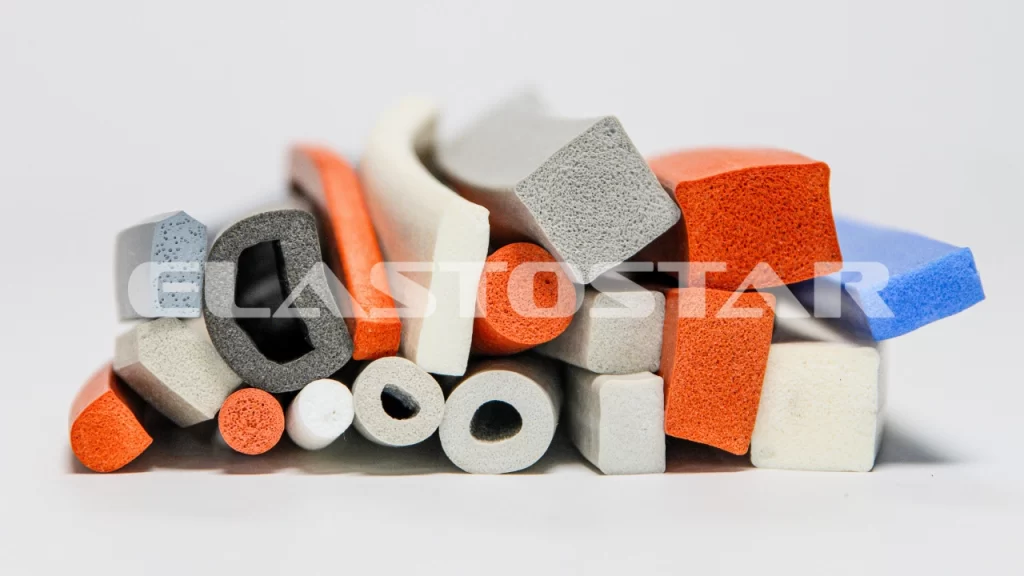
Every small change in material choice can make a big difference underwater. When industries replace short-life plastics with marine-safe silicone, they reduce the waste that reaches the sea. Silicone’s clean, stable structure means it doesn’t release toxins or microplastics, keeping water safer for marine plants and animals.
The smooth, non-stick surface of sustainable silicone rubber O-rings also helps limit the growth of algae and barnacles, enabling ships and offshore systems to run efficiently without harming marine life. Its long service life means fewer discarded parts and less production waste, lowering the total environmental footprint.
By choosing eco-friendly materials like silicone, industries help create a cycle of cleaner oceans, healthier ecosystems, and more sustainable operations.
Elastostar’s Commitment to Sustainable Marine Innovation

Elastostar Rubber Corporation combines precision engineering with environmental responsibility to create solutions that last. Every marine-grade silicone product is developed to meet global standards for safety, durability, and performance.
Each item is tested to withstand harsh saltwater conditions while maintaining strength, flexibility, and long-term stability. As a silicone rubber manufacturer in the USA, Elastostar delivers reliable, eco-friendly solutions trusted by marine and industrial sectors worldwide.
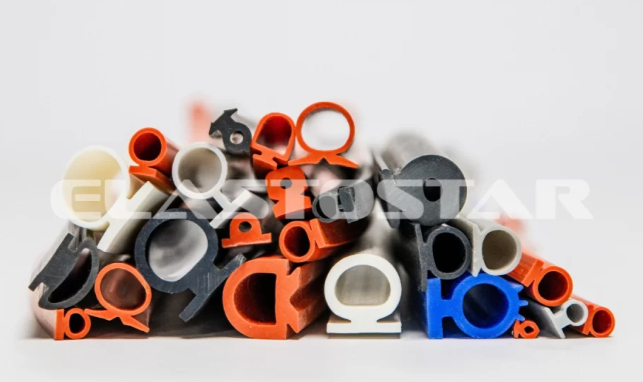
All materials meet USP Class VI, Sections 87 & 88, confirming their safety for sensitive and marine applications. The company manufactures a full range of custom extruded profiles, O-rings, rubber gaskets, and sheet materials, backed by in-house reverse engineering, design assistance, and prototype-to-production capability.
A large manufacturing facility enables short lead-time delivery and complete control over every production stage.
Proudly Made in USA, Elastostar stands for reliability and sustainability. Its commitment to eco-friendly marine products supports industries that value quality, compliance, and cleaner oceans. To learn more about the company’s certified processes and quality assurance systems, visit the Certificates pages.
Recommended Reads
- How Fluorosilicone O-Rings Handle Aggressive Fuels and Solvents
- Silicone Rubber Temperature: How Much Heat Can It Withstand?
- What Is the Resistance Level of Silicone Rubber?
Conclusion
Silicone rubber is changing how industries think about marine sustainability. Its long-lasting, non-toxic, and stable nature helps reduce waste and protect the ecosystems that sustain our oceans. From seals in desalination systems to anti-fouling profiles in offshore equipment, each application brings us one step closer to cleaner water and safer operations.
We continue to lead this change by designing marine-grade silicone products that combine performance with purpose. Every seal, gasket, and extrusion reflects the company’s promise to quality, precision, and the planet.
To explore custom eco-friendly marine products or learn how Elastostar’s solutions can support your marine project, reach out through the Contact Us page.
FAQs
1. How does silicone rubber help prevent marine pollution?
Silicone rubber reduces marine pollution by replacing materials that degrade into microplastics. It stays stable under saltwater and sunlight, preventing flakes or toxic particles from entering the ocean.
2. How does silicone contribute to ocean conservation efforts?
Silicone plays an important role in ocean conservation because it is durable, non-toxic, and long-lasting. It supports sustainable marine systems by lowering waste, resisting corrosion, and performing reliably in harsh ocean conditions.
3. How is silicone used in marine technology?
Silicone is used in marine and underwater equipment, including seals, gaskets, silicone tubing, sensors, and filtration systems. It protects components from corrosion, pressure, and chemical damage.
4. How does silicone rubber benefit ocean ecosystems?
Silicone rubber helps keep marine ecosystems healthy. It doesn’t release microplastics or chemicals, and its smooth, anti-fouling surface prevents algae buildup. This makes it a safe and sustainable material for long-term use in the ocean.
5. What are the eco-benefits of silicone rubber in marine systems?
Silicone rubber is environmentally safe, durable, and recyclable. Its long service life reduces waste from frequent replacements, making it one of the best eco-friendly materials for protecting marine environments.
6. Why do marine industries choose Elastostar for silicone products?
Elastostar manufactures marine-grade silicone products that meet USP Class VI, FDA, and ISO quality standards. Each seal, gasket, and extrusion is precision-made in the USA, ensuring performance, safety, and sustainability in every marine application.